
What Is Yak Cheese? Yak Herding Culture in Langtang
 Sristi Adhikari
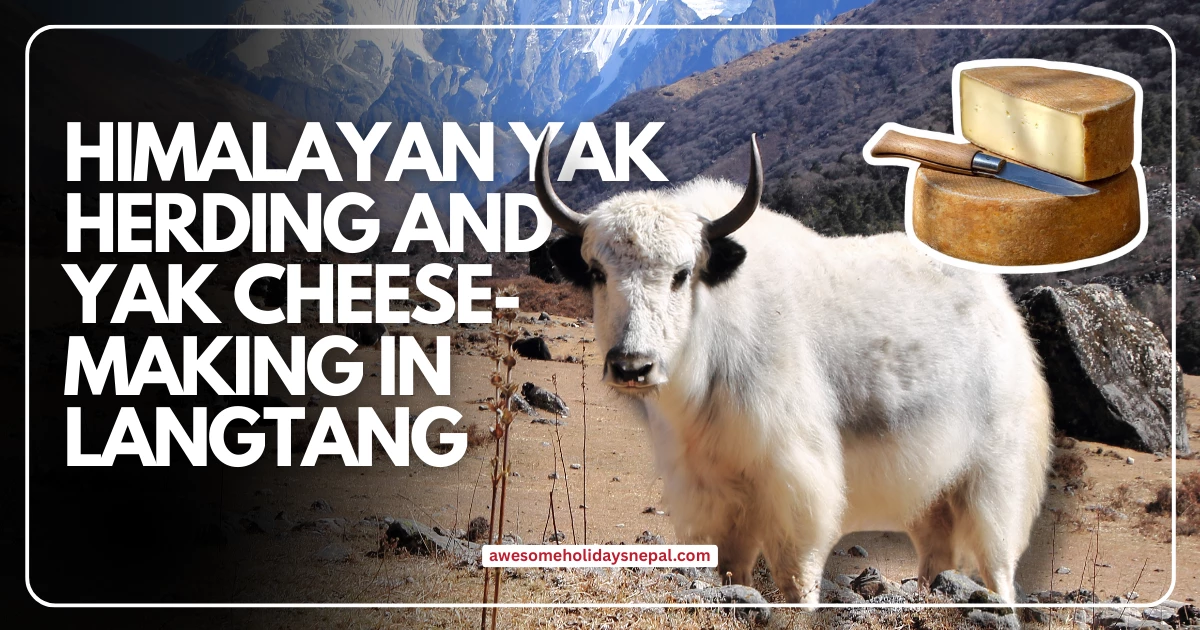
What is Yak Cheese? When you are trekking in the highlands of the Langtang Valley, you will witness the world of yak herding culture.
In villages like Kyanjin Gompa, Gatlang, Langtang, Langsisha Kharka, etc., yak herders start their day-to-day lives before dawn to tend their animals, moving with the seasons across the rugged pastures of the Himalayas. Yak herding is one of the most popular cultures in the higher Himalayas of Nepal, and Yak cheese, known as chhurpi or durkha, is a highly nutritious, hard, and smoky, protein-rich product made from female yak, Nak’s milk.
Continue reading the blog for more details on the Langtang Pastoral tradition and how the mountain lifestyle revolves around it in regions like Langtang and Rasuwa.
What Is Yak Cheese?
Before we answer What is Yak Cheese? You should know about the Yak at first.
Yak
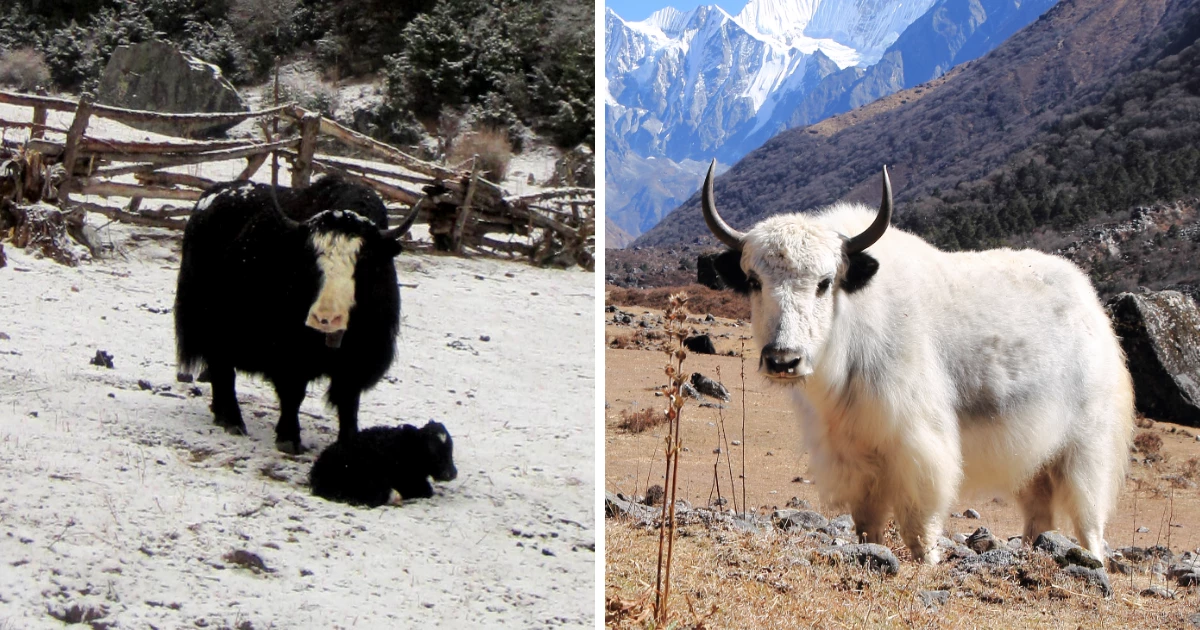
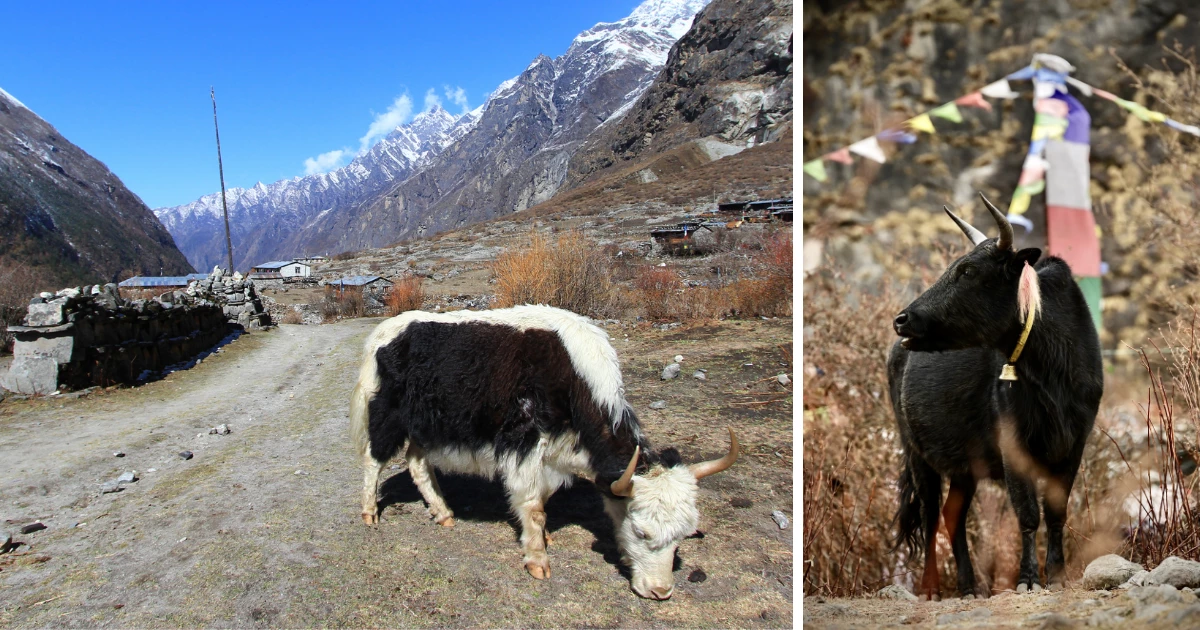
Yak, also known as Gyag, is a male species that is very large, heavy, and strong, with thick, curved horns. They are commonly used for carrying loads, plowing fields, and breeding in high Himalayan regions like Langtang, Mustang, etc.
Nak
Nak is a female species and is also known as Dri, which are very important for milk production. Nak is quite smaller in size in comparison to yak, but butter, cheese (like Himalayan yak cheese), and yogurt are primarily made from it.
Yak Cheese
Yak cheese is a traditional dairy product made from the milk of female Yaks, Nak. Yak or Nak graze in rich alpine pastures while consuming the medicinal herbs of the higher Himalayan region.
This Nak milk infuses it with the nutrients and aromatic compounds, resulting in a cheese that’s creamy, robust, and unforgettable. The Yak Cheese is quite soft to dense, and Chhurpi is a hard cheese.
Unique Features of Yak Cheese
- Yak cheese is manufactured above 3,000 meters, where cold temperatures naturally support slow aging and promote longer shelf life.
- It is made from the milk of female yaks (naks), which has higher protein and fat content.
- Yaks consume Himalayan herbs and grasses, which offer an earthy and slightly nutty taste.
- Yak cheese is mostly made from community-based techniques.
- It has low moisture content, which makes it quite hard and offer longer shelf life of many years.
- It is enriched with protein, calcium, and healthy fats, which make it a perfect snack when trekking in the Himalayas.
The Origins: How Langtang Shaped What Yak Cheese Is Today
To understand what is yak cheese, let’s learn about the first yak cheese factory of the Langtang region. The factory was established in the mid-20th century near the famous Tibetan Buddhist Kyanjin Gompa monastery.
The factory represents the cultural milestone of the Langtang inhabitants, as it was far more than just a business. It was constructed with the help of the Swiss dairy experts’ technical team. This factory helped local Tamang and Sherpa communities to generate sustainable income along with mountain tourism.
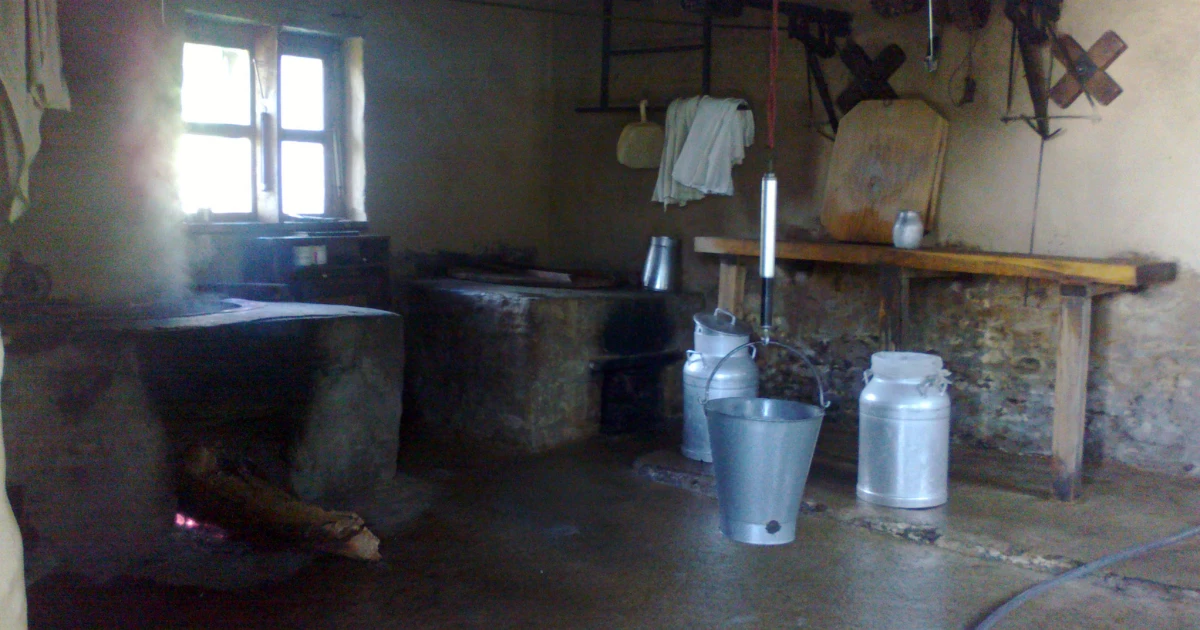
In the context of Langtang, what is Yak Cheese? It is a product that is a symbol of mountain culture made up of female yak, Nak, which allowed shepherd families to thrive in the remote region while preserving their traditions.
How Is Yak Cheese Made?
After getting knowledge of what is yak cheese? We should now learn how it is made so that it can generate an economy in the Langtang region.
At First Step
Fresh yak milk is carried to Kyanjin Gompa and is gently heated in large metal containers, with a starter culture from an earlier batch.
Second Step
Natural Fermentation starts, and once the milk is ready, rennet is added, which will make it thick, forming curds. When the milk solidifies, the curd is sliced into smaller pieces so the liquid whey can drain away.
Third Step :
These curds are placed into round molds and pressed firmly to remove any remaining whey and shape the cheese into solid wheels.
Final Step:
Solid wheels is placed in cool, slightly damp stone storage rooms for aging rest for months, sometimes even more than a year. After some aging, the cheese becomes firm, enriched in flavour with an enriched aroma.
The Backbone of the Mountains: Yak Herding Culture
Yak herding isn’t just an occupation, but it’s a way of life in upper Himalayan regions like Langtang. The locals communities of Tamang, Sherpa, Thakali, and Dolpo have been involved in yak herding for centuries in mountains.
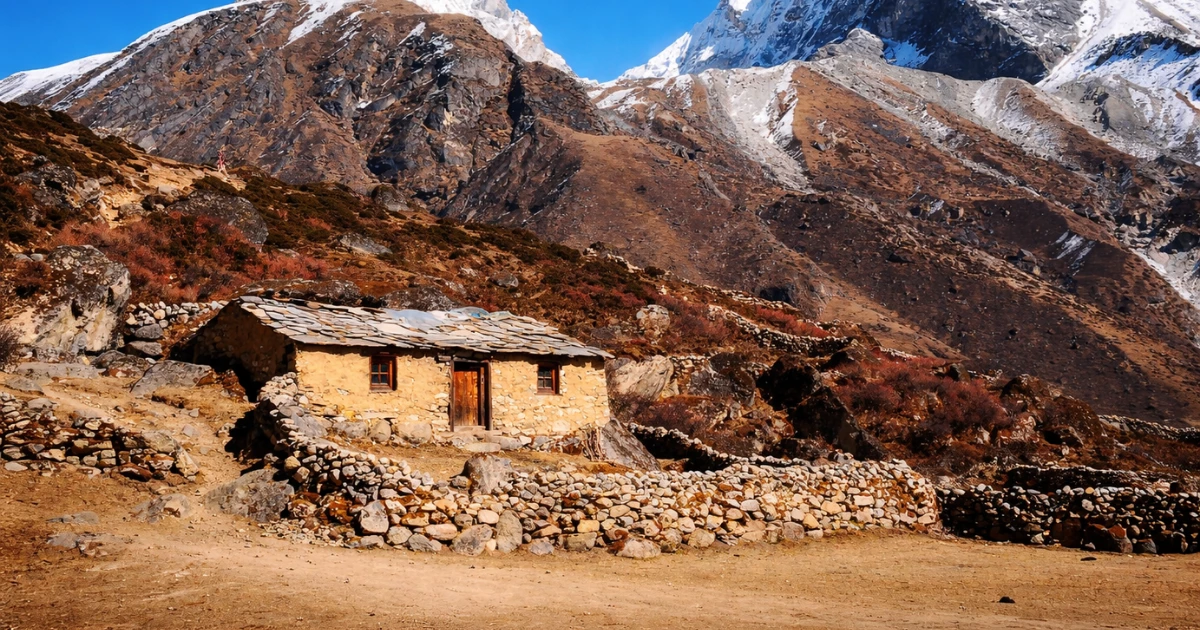
They graze their yak in rugged mountain terrain while practicing seasonal transhumance. The seasonal transhumance means moving livestock like yak, goats, sheeps between summer and winter pastures of the Himalayas where they even make a small nomadic house temporarily to watch their livestock.
In their day-to-day life, yaks play a vital role as a means of transport, provide wool to withstand the cold climate of Himalayas, and as a rich source of protein, like meat and produce milk from female yaks, Nak. The milk gets later transformed into butter, yogurt, and of course, the iconic yak cheese.
Their strength and adaptability make them indispensable to mountain families living where nothing else grows.
The Cultural Importance of Yak and Yak Cheese
Yaks and their products, like Yak cheese, are not only a source of food, but they also have more spiritual, cultural, and daily rhythms of the Himalayan life of the community in the Langtang region. Yaks are not only domestic animals, but they are also symbols of resilience in cultural rituals and festivals across the mountains.
Cheese and other dairy items like butter, tea, and chhurpi are part of communal feasts, offerings, and seasonal celebrations in the Himalayan region. The process of making yak cheese is often a multi-generational art passed down through families and villages.
In this sense, questions like what is yak cheese open up layers of cultural meaning that they are showing how a simple food embodies tradition and heritage.
Modern Challenges and the Future of Yak Herding Culture
Yak herding and cheese production remain authentic and thriving in parts of Nepal; this doesn’t mean the heritage isn’t without threats, it certainly has challenges like.
Shifts in Traditional Practices
According to the research of Gatlang’s Tamang community, it shows that there is a major shift from collective, rotational grazing systems to more market-oriented grazing and dairy production.
While this is a good income source, it is also affecting the environment through overgrazing, pasture degradation, and youth migration away from herding as a livelihood.
Climate and Youth Migration
There is a sharp decline of yak herders in Himalayan regions like Langtang, and the main reason behind it is climate change, fewer grazing resources, and young people opting for urban jobs or education.
This presents a challenge: how to preserve traditional yak herding culture among the local and the production of yak cheese, adapting to economic and ecological change.
Final thoughts on What Is Yak Cheese in the Himalayan Story?
What is yak cheese answers an unique Himalayan product made up of female Yak, Nak milk via caseiculture technique which is deeply interconnected to the cultural tapestry of the Langtang region.
From yak pastures to community cheese factories in Kyanjin Gompa, this cheese represent resilience through generation of pastoral life, good source of nutrition where agriculture is limited, heritage continuity through rituals, festival and seasonal rhythms along with the symbiotic relationship between communities and mountain environment.
If you ever did Langtang trek, don’t just ask what is yak cheese, visit the cheese factory or locals nomadic hut of herders to taste it, talk to the them, and you’ll understand why this humble cheese remains one of Nepal’s most memorable alpine treasures like Langtang and Rasuwa. Make sure to contact Awesome Holidays Nepal, if you want to taste the authentic yak cheese from Langtang region in the upcoming trekking season in 2026.
FAQs
Expand AllWhat is yak cheese?
Yak cheese is a traditional dairy product made from the milk of female Yaks, Nak.
Is yak cheese made only from yak milk?
Yes. Yak cheese is made only from female yak milk.
What is chhurpi and how is it different from other cheeses?
Chhurpi is a traditional, high-protein hard cheese and it is different from other cheese due to it’s extreme hardness, longer self-life, tangy, slightly smoky, and savory taste.
Is chhurpi a traditional Himalayan food?
Yes. Chhurpi is a traditional Himalayan food.
What does yak cheese taste like?
Yak cheese taste like slightly sweet, and creamy flavor with distinct nutty, earthy, or smoky undertones.
Is yak cheese safe to eat while trekking in Nepal?
Yes. Yak cheese is safe to eat while trekking in Nepal.
Where do trekkers commonly encounter yak cheese on the Langtang route?
Kyanjin Gompa Cheese Factory, Local Teahouses, and Langtang Village are the places where trekkers commonly encounter yak cheese on the Langtang route.
What is the Kyanjin Gompa cheese factory known for (at a high level)?
The Kyanjin Gompa cheese factory known as the oldest and most famous producer of Yak Cheese.
What do yaks eat in the Himalayas?
Yaks eat grasses, sedges, herbs, lichens, and mosses in the Himalayas.
Are yaks herbivores?
Yes, yaks are herbivores.
Are yaks dangerous to trekkers?
Yaks can be dangerous to trekkers if you encountered them in the slopy region of the trails.
What should you do when a yak or mule train approaches on a narrow trail?
You should always move to the inside (uphill) side of the path, stop, and let them pass, if a yak or mule train approaches on a narrow trail.
Should you feed yaks on trekking trails?
No. You should not feed yaks on trekking trails.
Why do yaks wear bells?
Yaks wear bells because it will help their handlers in locating them across vast, rugged, and often misty Himalayas.
Do yaks carry goods on Nepal trekking routes?
Yes. Yaks carry goods on Nepal trekking routes.
What is “trail etiquette” when encountering pack animals?
You should follow a “trail etiquette” when encountering pack animals by stopping or standing to the downhill/mountain side of the trails.
Can you take photos of herders and livestock in Langtang?
Yes. You can take photos of herders and livestock in Langtang.
Is yak milk different from cow milk?
Yes. Yak milk is thicker, creamier, and more nutrient-dense from cow milk.
What are common yak-milk products in Himalayan regions?
The common yak-milk products in Himalayan regions is chhurpi (hard/soft cheese), gheu (clarified butter/ghee), dahi (curd/yoghurt), mohi (buttermilk), and serkam (whey cheese).
Can you bring yak cheese back from a trek (practical considerations)?
Yes, you can bring yak cheese back from a trek.
Related blog posts
Discover a choice of tourist destinations loved by most of our visitors. Whether you're on a jungle safari to spot rare animals or walking through a world heritage site, these well-planned itineraries cover the major highlights of Nepal.



 call an expert at: