
Water on EBC: Safe Drinking Options, Refill Points, and Bottle Strategy
 Sristi Adhikari
Are you planning for the trek and are wondering about the availability of Water on the EBC route? This is the most asked query when it comes to the Everest Base Camp.
The exploration of the hidden beauty of the Himalayas offers water from icy streams to teahouses and lodges, as well as refill points in the Everest Region. Hydration is key to the success of the Everest Base Camp trek, and it also impacts your energy and overall experience.
Drinking water also plays a huge role in managing altitude sickness with proper acclimatization. This guide answers all your queries regarding the safe drinking option available on the EBC trek in detail:
Importance of Safe Drinking Water on EBC
The EBC trek is challenging and rewarding, and it requires exploration of high altitudes above 3,000 meters.
High Altitude
Cold and dry air at high altitude makes you dehydrated faster. So, you need to drink 3 to 4 litres of water daily on the EBC trek.
Physical Strain
The EBC trail demands walking for 5 to 7 hours a day. You have to walk in a steep descent and ascent, which increases body sweat and makes you dehydrated faster.
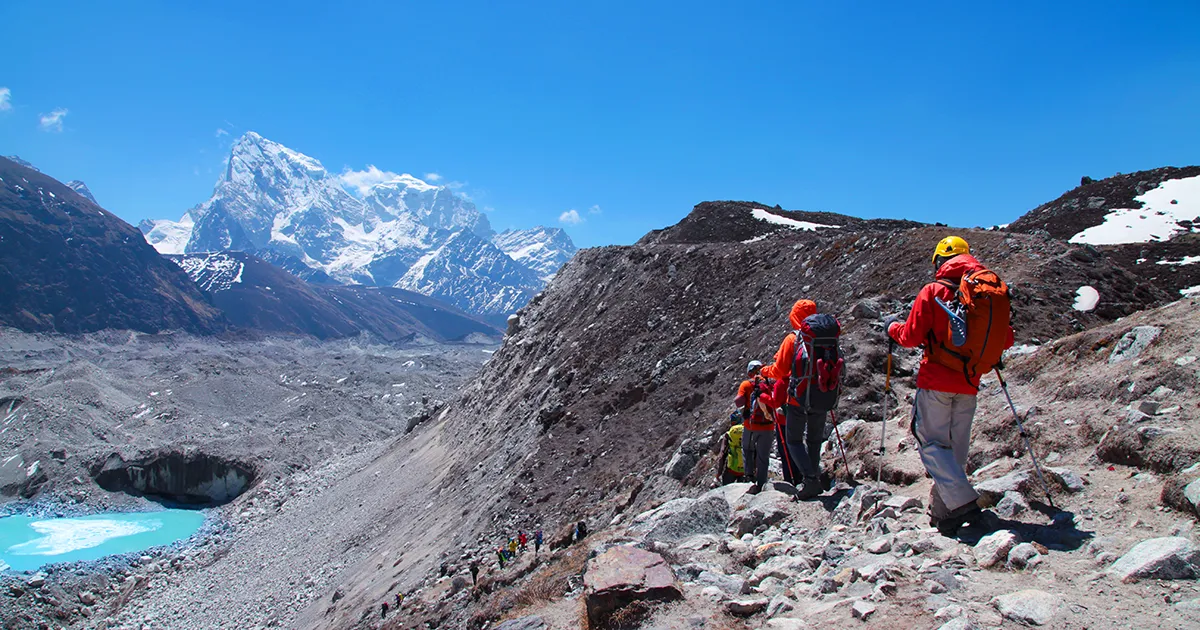
Proper hydration keeps your body energised and supports your overall body function properly.
Cold and Dry Air
Walking in cold and dry air makes you feel tired easily, leading to dehydration. Dehydration makes you feel dizzy, fatigued, and increases headaches when walking in the rough terrain of the Himalaya.
Acclimatization
If you are properly hydrated, your body can easily adjust to a higher altitude during acclimatisation days. The reduced oxygen levels and cold climates make you suffer from dehydration without you realising it.
Common Water-Borne Illness
Everest Base Camp Trek demands safe drinking water. The crystal clear water of the Himalayas is filled with bacteria, viruses, and parasites, which are not visible to our naked eyes. Consuming unsafe water directly from the tap, river, or streams causes stomach issues like diarrhea and vomiting.
These mild symptoms make it difficult to walk at high altitude, leading to serious infection. Every trekker should learn about these hazards and avoid drinking unsafe water for a successful trek to EBC.
Available Water on EBC
Bottled Water
The EBC trails have many teahouses and lodges from Namche Bazaar to Lobuche. You can buy the bottled water from there, and it will cost NPR 50 to 350 per liter.
Buying bottled water is least recommended as it creates plastic waste, and plastic bottles get frozen overnight at higher altitudes. The bottled water prices also increase with the increase in altitude.
Boiled Water
Bringing a reliable bottle and refilling it a boiled water in teahouses is highly recommended as it is more environmentally friendly. It is in a budget-friendly list and is widely available.

Natural Water Sources
The EBC trek offers many natural springs, streams, and rivers on the way. The water looks fresh and clear, but it is filled with bacteria and microorganisms, parasite that causes serious illness.
If you have Water Purification Tablets or drops, you can purify the water with SteriPen and drink it easily. Also, built-in filters and purifier bottles make them safe to drink.
Refill Points on the EBC Route
The teahouses and lodges of the EBC route offer water refill to trekkers exploring the Khumbu region. Some of the water refill points are:
- Lukla: Best for buying both Bottled and boiled water.
- Phakding: Refill water bottles in teahouses and lodges.
- Namche Bazaar: Multiple refill options are available.
- Tengboche: Best for refilling boiled water at teahouses.
- Dingboche: Reliable water refill stops at teahouses.
- Lobuche and Gorakshep: Limited and costly water services.
Bottle Strategy for the Everest Base Camp Trek
The EBC trek requires you to carry a reliable water bottle like a Nalgene of 1 to 1.5 liters. Make sure to add one insulated stainless steel thermos or bottle, as it is very important in higher altitudes like Lobuche and Gorak Shep.

A hydration bladder is convenient, but you can only use it in lower altitude regions. The best option is to bring two bottles, one regular and the other for hot water.
Mistakes to Avoid with Water on EBC
Never Drink Directly from Natural Resources
The crystal clear mountain water of the Everest Base Camp trails is filled with microorganisms. Avoid making the mistake of drinking from streams or rivers without purification.
Avoid Single-use Plastic Bottles
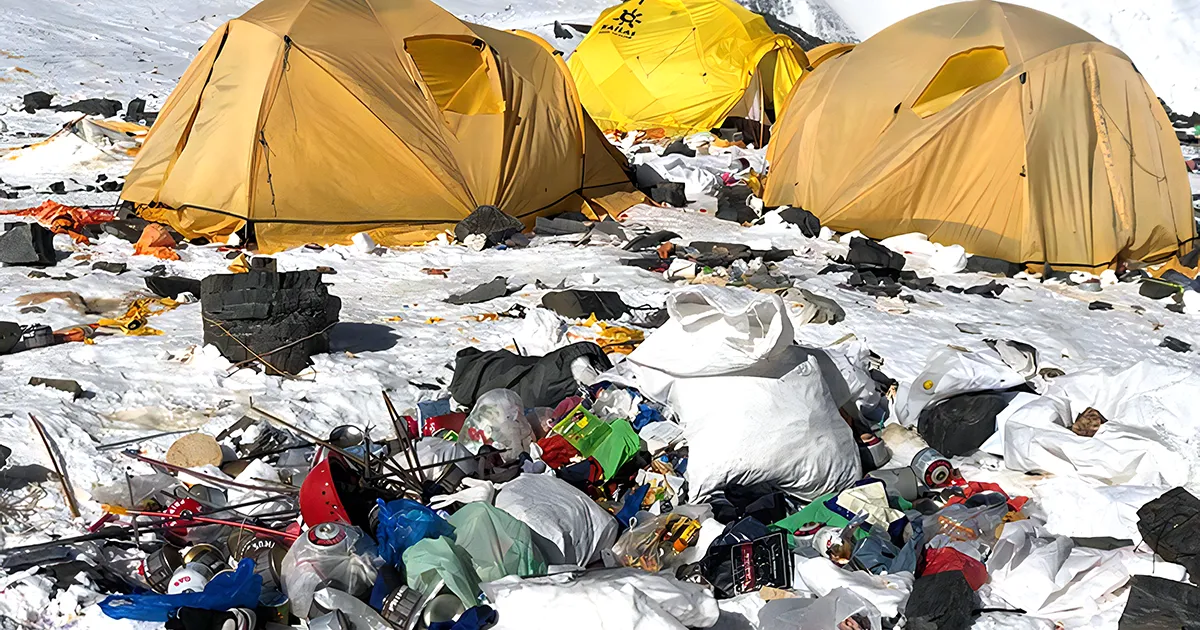
When trekking to the EBC, trekkers should not buy any plastic and should opt for carrying a reusable water bottle. The Himalaya of Nepal is facing irresponsible plastic waste, as many explorers and trekkers are littering plastic waste haphazardly.
Do not forget Backup Purification Methods
Safe drinking water on the EBC trek is essential to deal with the higher altitude conditions. Everyone should bring backup water purification methods when packing for the EBC trek.
The water treatment methods, like UV pens, may break anytime, batteries may die, and the filter may clog. So, bringing a chemical purification tablet helps you deal with emergencies. Also, boiling water is highly recommended for the longer hours of trek for EBC.
Do not rely on Bottled Water Only
If trekkers depend on buying bottled water only in the Everest region, it will be more expensive. The price of bottled water increases with the increase in altitude.
Also, in higher altitudes like Lobuche and Gorak Shep, there is a scarcity of bottled water as teahouses and lodges opt for an eco-friendly way.
Never Dehydrate Yourself
Nepal trekking through the rough terrain of the Khumbu region makes you lose body fluid through sweat, breathing, and high altitude. Dehydrating yourself reduces your willpower and strength by reducing energy levels, leading to altitude sickness.
So, drink water regularly even though you are not thirsty, and also add electrolytes to your water. You should add hydration powder or an electrolyte tablet to your water, as it will help you to replenish the lost electrolytes like sodium and potassium, during sweating. Trekkers should drink 3 to 4 liters of water daily when exploring the base of the Everest.
Tips for Safe Drinking Water in the EBC Trail
Always Drink Treated Water
EBC trekkers should prioritize safe drinking water. Drinking treated water from the tap, stream, or teahouses is highly recommended. Using purification tablets, drops, or a portable filter helps the purification of water at higher altitudes.
Bring a Filtration System
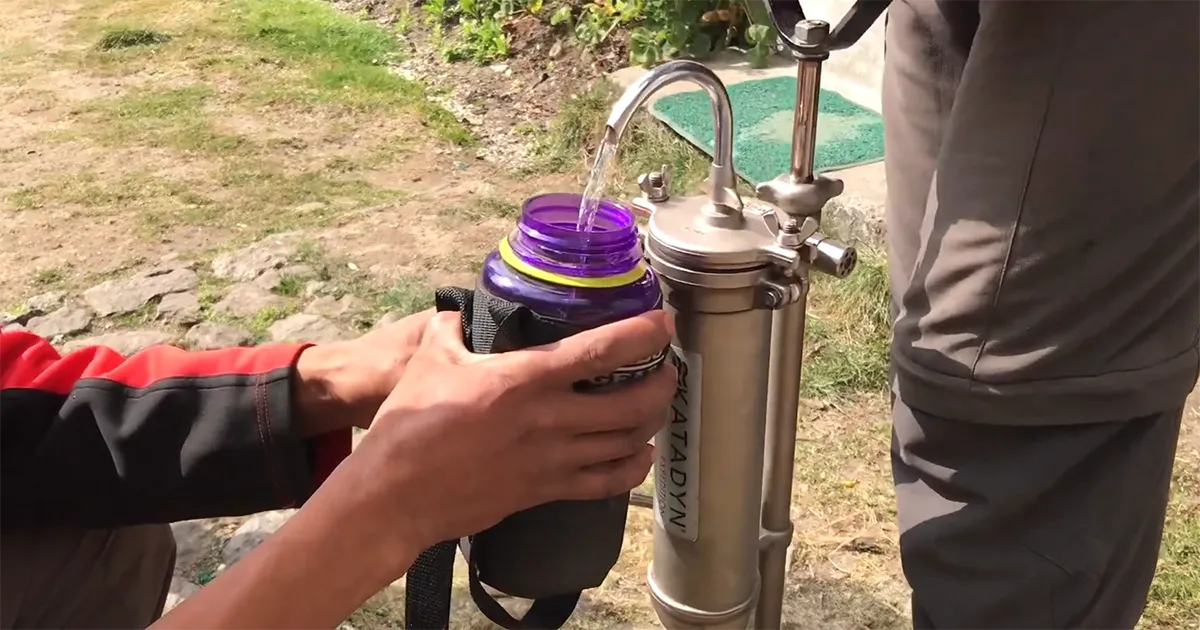
Trekkers should bring a filtration system like Grayl, Sawyer, or Lifestraw to remove microorganisms from drinking water. Having a filtration system is a long-term solution for safe drinking water.
Know the Water Refill Station
Trekking routes to Everest Base Camp offer a water refill station in tea houses and lodges. You have to pay a small charge for refilling the water bottles, and this will help you have access to safe drinking water. Also, you should not carry multiple bottles in your backpack, which helps to lighten your day pack.
Avoid Overhydration
Drinking more water than your body needs causes water intoxication. Trekkers should avoid drinking too much without enough electrolytes. Overhydration causes headaches, nausea, and dizziness in the first phases, and it leads to severe problems like confusion, seizures, and coma.
Final Thoughts
Safe drinking water on the EBC trek determines a successful and healthy journey. The combination of treated water from natural resources, tea houses’ boiled water, and bottled water offers a safe trek to the Everest region. Trekkers should apply a strategy of bringing a reliable bottle and refilling it a refill points along with the use of purification tablets, drops, or a filter for the right approach to drinking water.
Also, every trekker exploring the Khumbu region should opt for a practical, cost-effective, and eco-friendly strategy. Avoiding drinking untreated water helps you avoid stomach illness and the risk of altitude sickness. When planning for the EBC trek with your trekking agency, you should focus on a safe drinking water approach so that you can enjoy your trip to the EBC fully.
FAQs
Expand AllIs the water safe to drink on the Everest Base Camp trek?
No. The water is not safe to drink on the Everest Base Camp trek without purification.
Where can I refill water on the EBC trail (Lukla to Gorakshep)?
You can refill water on the EBC trail (Lukla to Gorakshep) at tea houses and lodges.
Is boiled water from teahouses safe on the EBC trek?
Yes. Boiled water from teahouses is safe on the EBC trek.
What’s better for EBC: a water filter, purification tablets, or a UV purifier?
For EBC, combining a water filter with purification tablets is best. Relying on only one methods is not recommended.
How much does drinking water cost on the Everest Base Camp trek?
Drinking water costs range from NPR 100 to 200 in lower regions, where it increases to NPR 400 to 550 at higher altitudes like Gorakshep and Lobuche.
How many litres of water should I drink per day at EBC altitude?
You should drink 3 to 4 litres of water per day at the EBC altitude.
How do I stop my water bottle or filter from freezing at higher elevations?
You should stop your water bottles from freezing by using body heat and prioritizing insulation at higher elevations.
Should I avoid bottled water on the EBC trek, and why?
Yes. You should avoid bottled water on the EBC trek because there is an increasing risk of plastic waste in the Everest region. Everyone should focus on preserving the fragile environment of the Himalaya and avoid buying bottled water is the first step.
Can I use untreated water for brushing my teeth on the EBC trek?
No. You cannot use untreated water for brushing my teeth on the EBC trek.
What’s the easiest water bottle setup for EBC (one bottle vs two)?
The easiest water bottle setup for EBC is two: 1-liter reusable water bottles and other insulated ones.
Related blog posts
Discover a choice of tourist destinations loved by most of our visitors. Whether you're on a jungle safari to spot rare animals or walking through a world heritage site, these well-planned itineraries cover the major highlights of Nepal.
 call an expert at: