
Ultra Marathon Nepal: Complete Guide to Himalayan Ultra Races
 Sujata Pokhrel
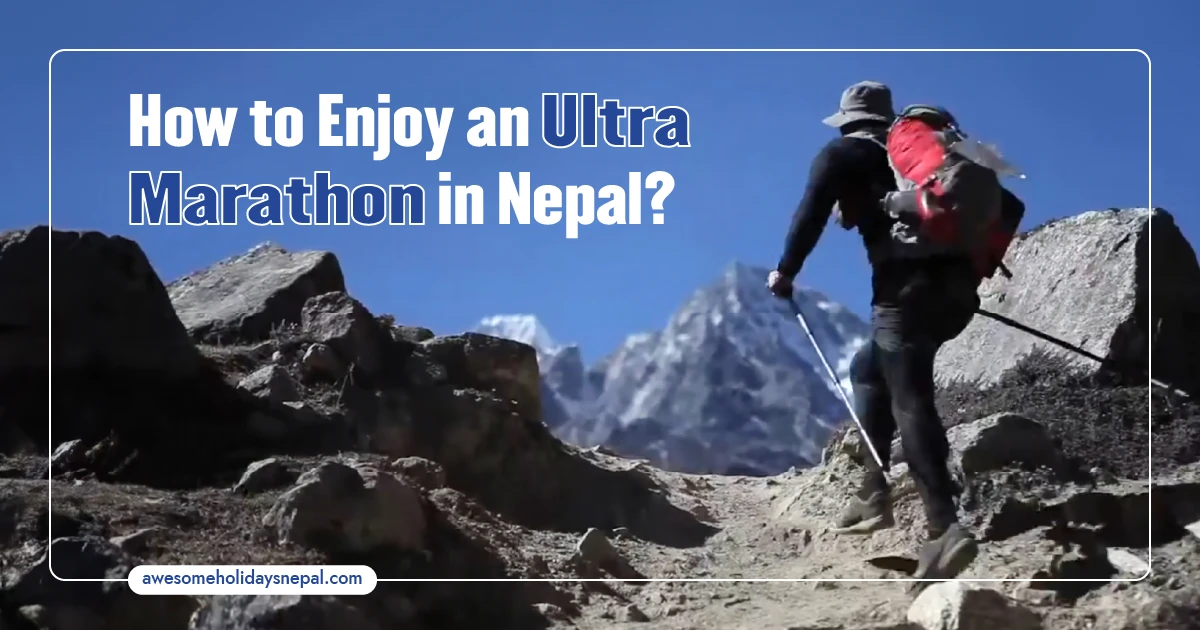
Is there any Ultra Marathon Nepal happening soon? Absolutely, yes, and these are about to start pretty soon for this year!
Over the past decade, Nepal has quietly become one of the most exciting destinations in the world for endurance runners. While the country is widely known for trekking and mountaineering, a growing community of trail runners has discovered another way to experience the Himalayas through ultra marathons.
What makes ultra-marathon Nepal events so special is the combination of physical challenge and cultural experience. Runners pass ancient monasteries, prayer flags fluttering in the wind, terraced fields, and communities that have lived in the mountains for centuries. Each step is not only a test of endurance but also a journey through one of the most dramatic landscapes on Earth.
Let’s get through the blog, better understand how Himalayan ultra races can be done right, and the Ultra Marathon Nepal events happening soon!
What Makes Ultra Marathon Nepal a Good Idea?
Running an ultra marathon anywhere in the world requires determination, training, and mental resilience. But doing it in Nepal adds a layer of adventure that is difficult to replicate elsewhere.
One of the biggest attractions is the landscape. Nepal is home to eight of the world’s fourteen highest mountains, including Mount Everest. The country’s trail systems connect valleys, ridges, and villages through routes that have existed for centuries. Many ultra marathon courses follow these traditional trails, giving runners access to terrain that feels both wild and historic.
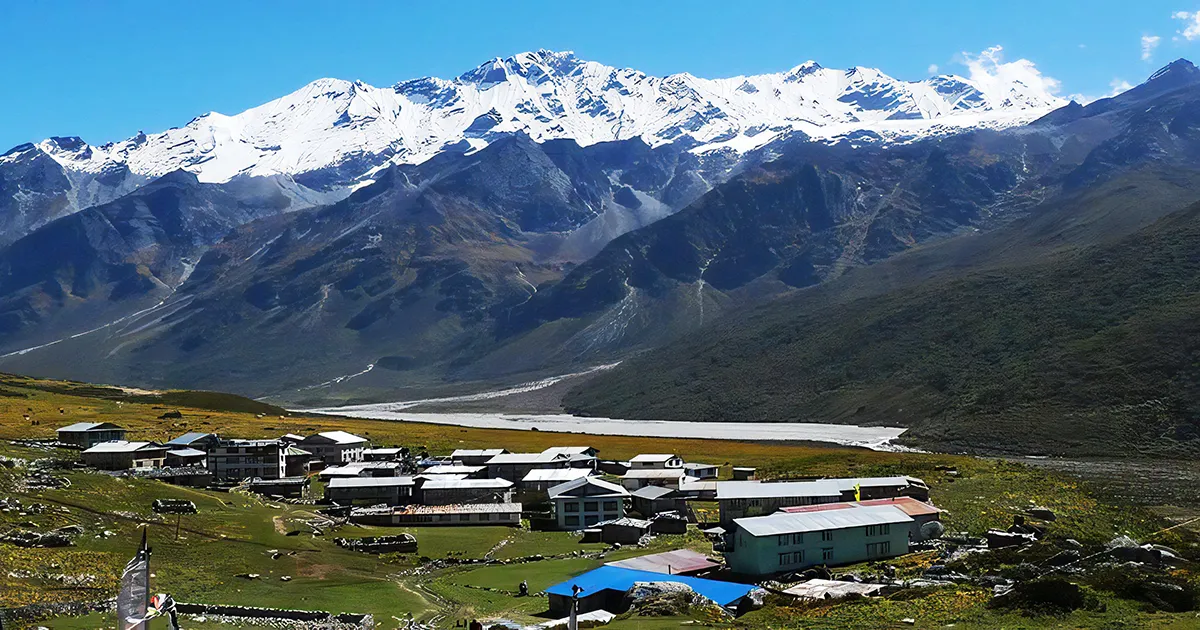
Another reason runners are drawn to Nepal is the altitude. Many Himalayan races take place between 2,000 and 5,000 meters above sea level. Running at this elevation challenges the body in new ways, pushing endurance athletes beyond their usual limits.
There is also a strong sense of cultural immersion. Unlike many races held in isolated areas, Himalayan ultras pass through communities where runners can interact with local people, experience regional food, and witness everyday life in the mountains. For runners who want their race to feel like an expedition rather than a single-day event, Nepal offers a unique and deeply memorable experience.
Major Ultra Marathon Races in Nepal
Nepal hosts several well-known ultra marathon events each year. Some are single-day races, while others are multi-stage competitions that unfold over several days of running in the mountains.
Each race offers its own mix of terrain, altitude, and cultural scenery.
Everest Trail Race
The Everest Trail Race is widely considered one of the toughest multi-stage trail races in the world. Held in the Everest region, the race typically spans several stages over six days, covering more than 150 kilometers of rugged Himalayan terrain.
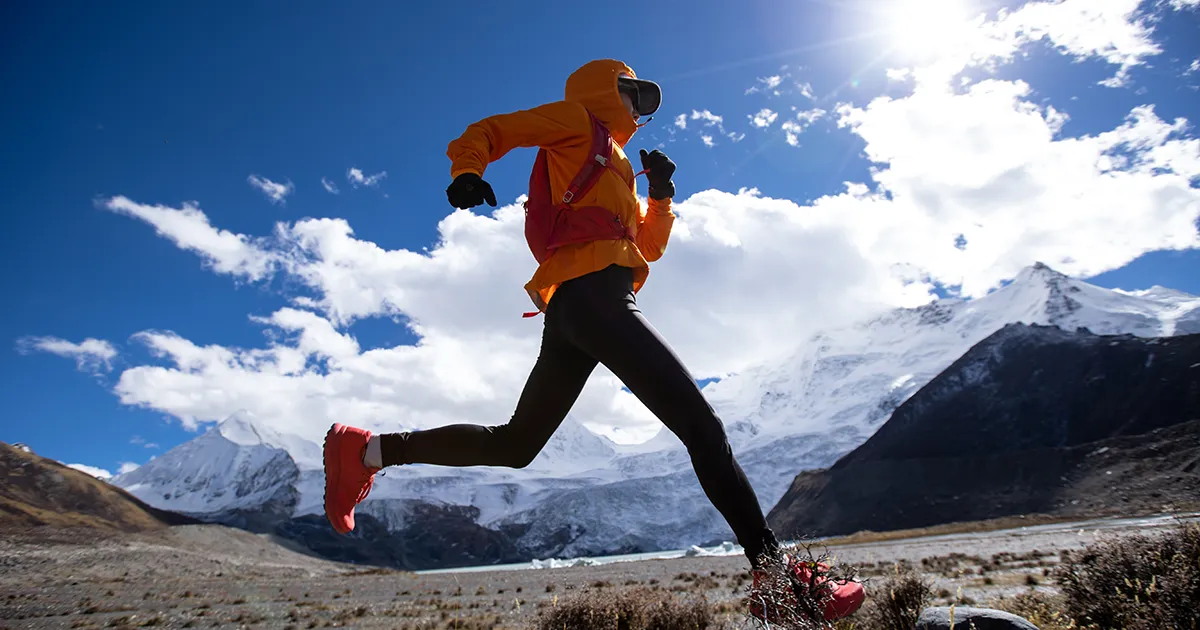
The route passes through famous Sherpa villages such as Namche Bazaar and Tengboche while offering views of Everest, Ama Dablam, and other iconic peaks. Elevation gain throughout the race is significant, and runners must contend with both altitude and steep mountain trails.
Because of its extreme difficulty and spectacular scenery, the Everest Trail Race has become a dream challenge for experienced ultra runners from around the globe. For the year 2026, this trail is going to happen between 9th to 21st November and registrations for the race are open now. Follow the link and sign up at everesttrailrace.com to make your registration now!
Everest Three Passes Fastpack
The Everest Three Passes Fastpack is a long-distance endurance challenge covering approximately 131 km across the Everest region. The course follows the famous Three Passes trekking route, crossing several high mountain passes and offering dramatic views of the Everest massif.
This race is particularly suited for experienced mountain runners who are comfortable with high-altitude terrain and extended endurance challenges.
Pokhara Trail Races
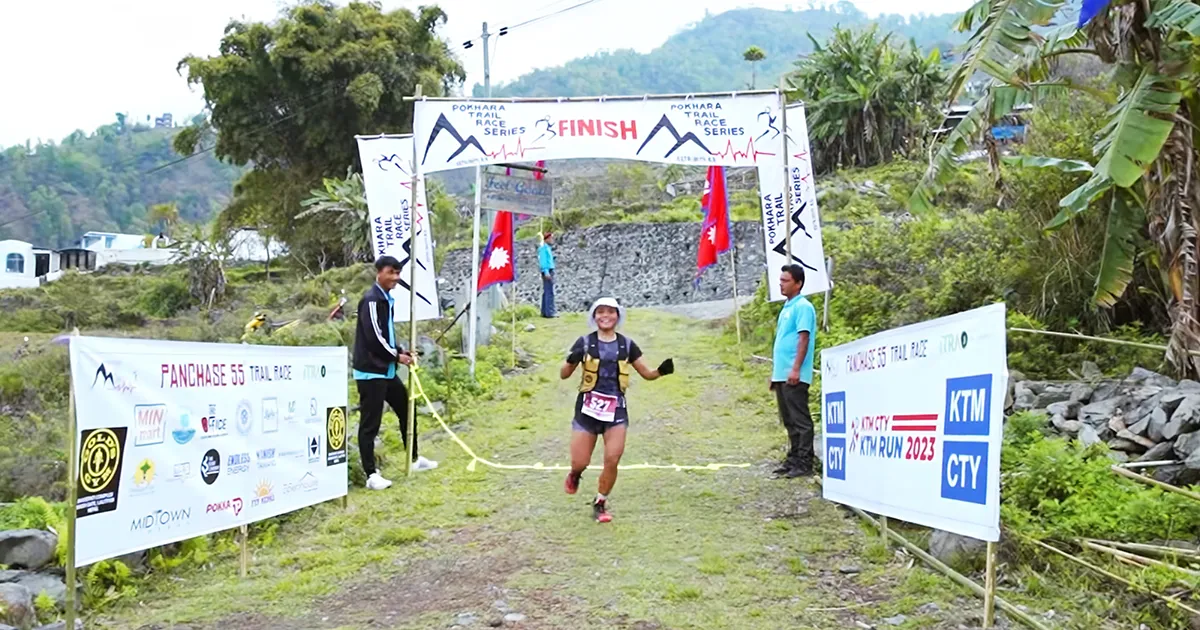
There a multiple ultra races that start or end in Pokhara, the beautiful city of lakes and mountains. Some of these are mentioned below:
Pokhara Ultra
The Pokhara Ultra is one of the most scenic trail ultras in Nepal and takes place in the hills surrounding Pokhara, the gateway to the Annapurna region. The race typically features distances of 55 km and 100 km, starting early in the morning and leading runners through forest trails, mountain ridges, and traditional villages.
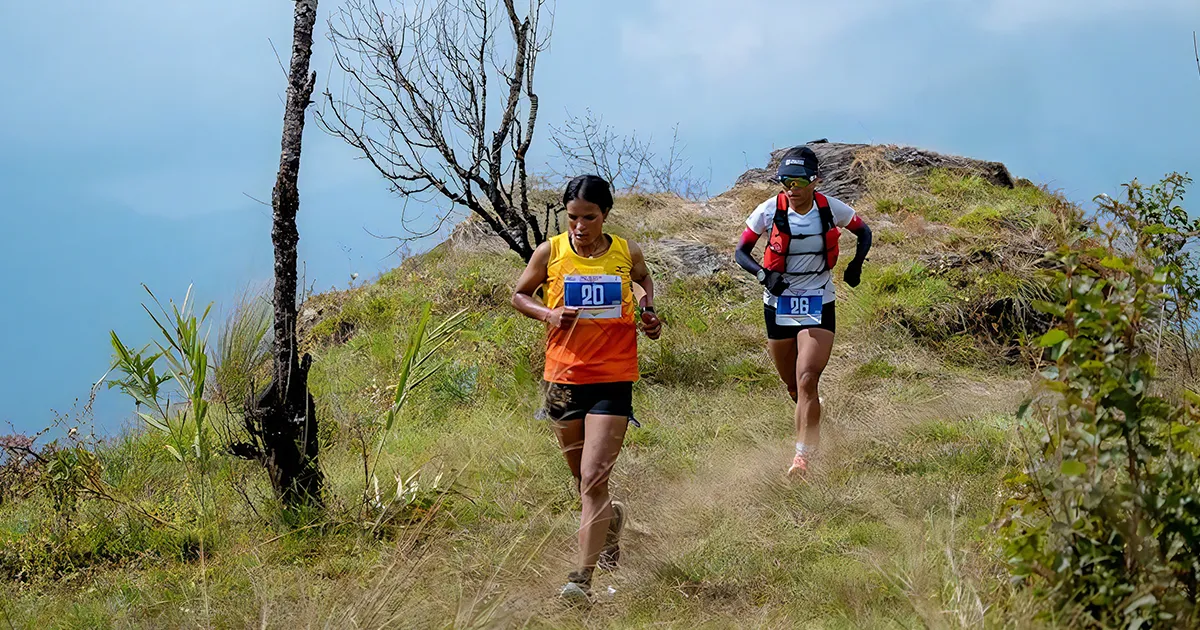
The course climbs from the hills near Armala toward the Gurung village of Sikles, offering wide panoramic views of the Annapurna range including Annapurna II, Annapurna IV, Lamjung Himal, and the iconic Machhapuchhre (Fishtail) peak.
With steep ascents and thousands of meters of elevation gain, the race is demanding but still accessible to intermediate-level ultra runners. The combination of Himalayan scenery, cultural villages, and well-organized support has made Pokhara Ultra a favorite among trail runners visiting Nepal.
Fishtail 100 Ultra
Another notable endurance race near Pokhara is the Fishtail 100 Ultra, which explores trails around the Annapurna region. The race offers distances of approximately 50 km and 99 km, and is known for its steep climbs, technical terrain, and stunning views of Machhapuchhre (Fishtail) mountain.
The route moves through high-altitude trails and remote villages, creating a physically demanding course that tests both endurance and mountain running skills.
Over the Clouds – Panchase Ultra
The Over the Clouds – Panchase Ultra is another mountain race that starts near Pokhara and climbs into the Panchase hills. This race offers distances such as 55 km and 80 km, taking runners from the valley floor up to elevations of about 3,300 meters.
The route combines forest trails, ridge lines, and viewpoints overlooking the Annapurna and Dhaulagiri ranges, making it one of the most visually rewarding ultra races in Nepal.
Annapurna 100
The Annapurna 100 is one of Nepal’s most recognized single-stage ultra marathons. As the name suggests, the race covers roughly 100 kilometers through the Annapurna region, one of the country’s most famous trekking areas.
The route usually begins near Pokhara and climbs through forest trails, hillside villages, and mountain viewpoints before returning toward the valley. Runners experience a wide range of terrain, including steep ascents and long descents.
With the Annapurna range towering in the distance, the race combines demanding trail running with breathtaking Himalayan scenery.
Manaslu Trail Race
The Manaslu Trail Race takes runners into one of Nepal’s less-visited Himalayan regions. The Manaslu area is known for its remote landscapes, traditional Tibetan-influenced culture, and dramatic mountain scenery.
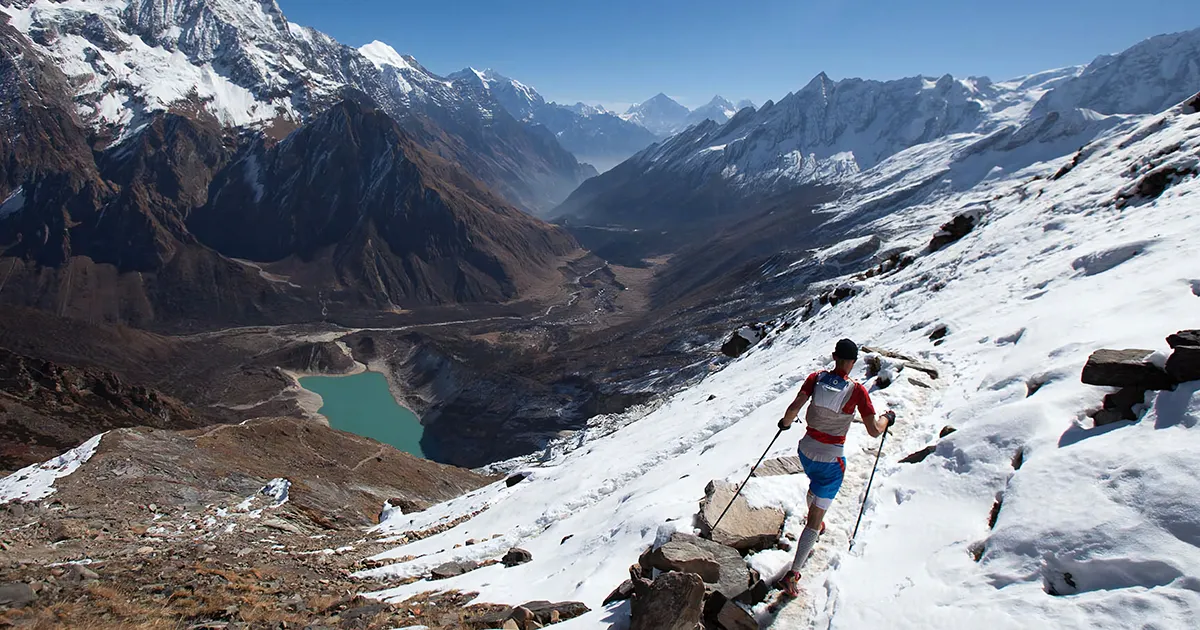
Courses in this region typically follow segments of the Manaslu Circuit trekking trail. The route includes deep river valleys, suspension bridges, and high mountain passes that require both endurance and careful pacing.
Compared with more popular races, the Manaslu Trail Race offers a stronger sense of isolation and wilderness, which many ultra runners find appealing.
Mustang Trail Race
The Mustang Trail Race takes place in the stark and fascinating landscape of Upper Mustang. Unlike the lush green hills found in many parts of Nepal, Mustang is known for its dry, desert-like terrain shaped by wind and erosion.
Running here feels very different from forested mountain races. The route passes ancient caves, medieval villages, and monasteries that reflect the region’s deep Tibetan heritage.
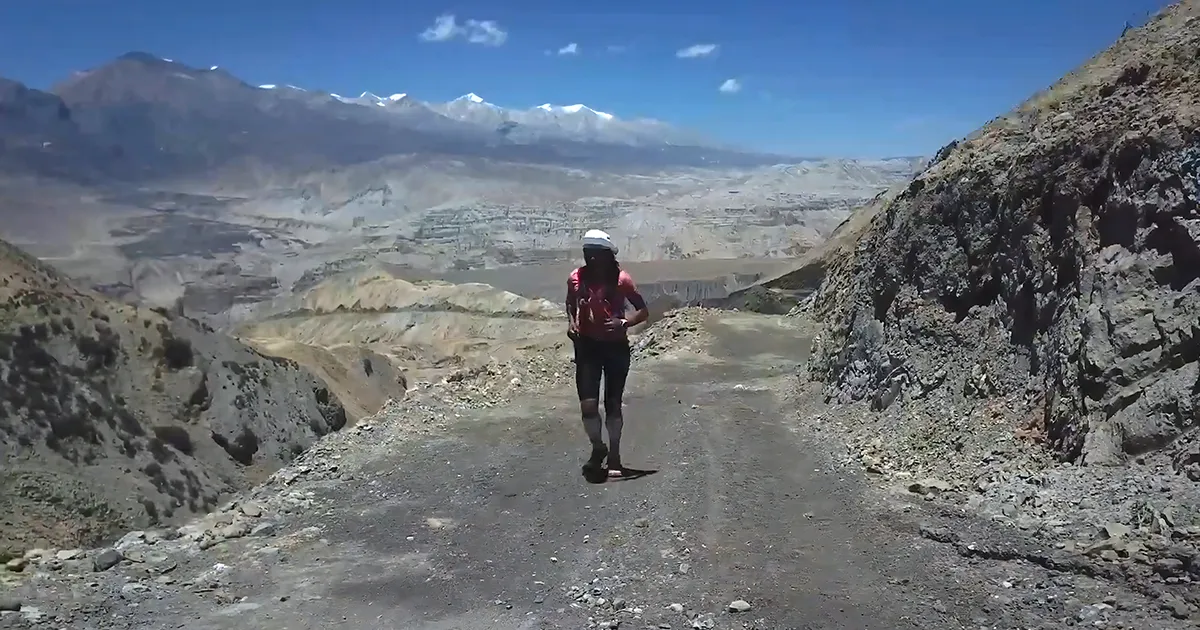
The combination of high altitude, exposed terrain, and strong winds makes the Mustang Trail Race both physically demanding and visually striking.
Capital to Country Multi-Day Ultra
For runners seeking a longer expedition-style race, the Capital to Country Multi-Day Ultra provides a multi-stage endurance experience covering nearly 190 km from the Kathmandu Valley into rural mountain landscapes.
The race emphasizes both endurance and exploration, gradually transitioning from urban outskirts to remote countryside trails.
What Makes Himalayan Ultra Marathons Challenging?
Running in the Himalayas is very different from running on roads or low-altitude trails. The most obvious challenge is elevation gain. Many races involve thousands of meters of climbing and descending, which can place intense strain on the legs and lungs. Even experienced trail runners often find the vertical terrain more demanding than the race distance itself.
Altitude is another major factor. As runners move higher into the mountains, the reduced oxygen levels make physical exertion more difficult. Even well-trained athletes may find themselves slowing down significantly at elevations above 3,000 meters.
Weather conditions can also change quickly. Clear skies in the morning may give way to strong winds, rain, or sudden temperature drops. Being prepared for variable conditions is essential.
Finally, many Himalayan races take place in remote regions where access to medical facilities and supplies is limited. This makes self-sufficiency and proper preparation extremely important.
Basics of Ultra Marathons in Nepal
Ultra marathons in Nepal vary widely in format and distance. Some races follow the classic ultra distance of 50 kilometers or 100 kilometers in a single day. Others are multi-stage events that spread the distance across several days, allowing runners to cover long routes while resting between stages.
Courses are typically marked along trekking trails, mountain paths, and village routes. Aid stations are usually placed at strategic points where runners can access water, food, and basic medical support.
Participation levels vary, but many races attract both international athletes and local runners, creating a diverse and supportive atmosphere.
Best Time for Ultra Marathon
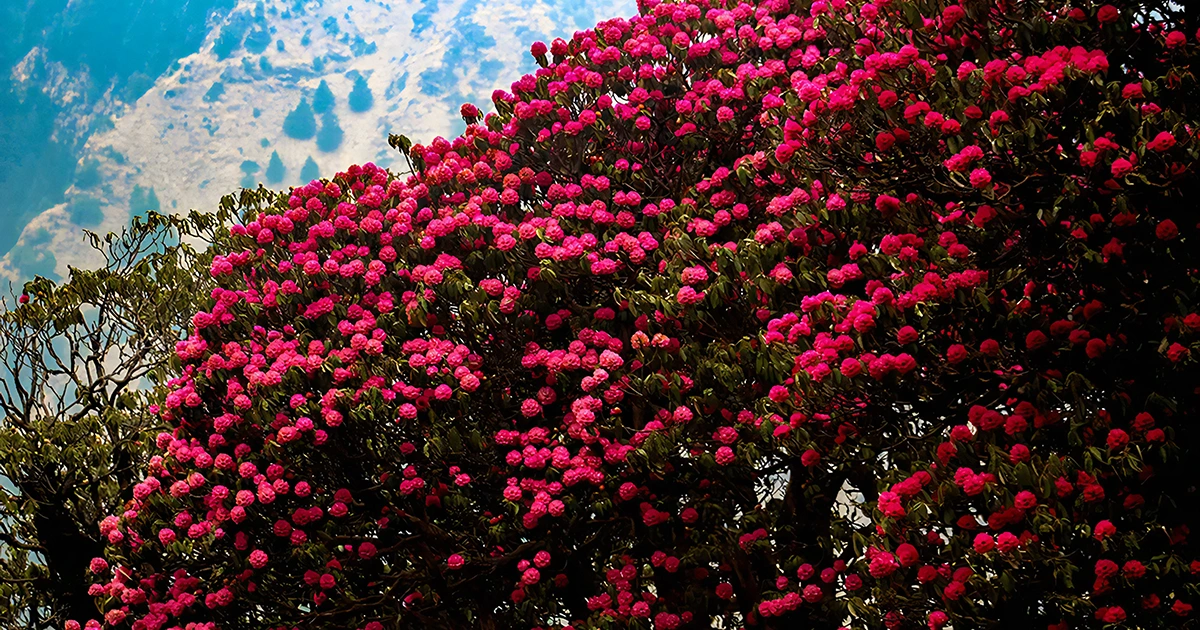
The best seasons for ultra marathons in Nepal generally coincide with the country’s main trekking periods. Spring, from March to May, offers moderate temperatures, blooming rhododendron forests, and relatively stable weather conditions. Many races are scheduled during this period.
Autumn, from September to November, is another popular season. The monsoon rains have cleared the air, providing excellent mountain visibility and dry trail conditions.
Winter races are less common due to cold temperatures at higher elevations, while the monsoon months from June to August bring heavy rain that can make trails slippery and unpredictable.
Training for Ultra Marathon
Preparing for a Himalayan ultra marathon requires more than simply increasing running distance. Runners need to develop endurance for long hours on trails, often spending eight to fifteen hours on their feet during a race. Training should include regular long runs, preferably on uneven terrain that mimics mountain trails.
Strength training is also important, particularly for the legs and core. Uphill climbs demand strong quadriceps and calves, while steep descents require controlled movement to prevent injury.
If possible, runners should train at altitude or arrive in Nepal early enough to allow proper acclimatization. Gradual exposure to higher elevations helps the body adapt to lower oxygen levels.
Permit and Logistics
Depending on the race location, runners may need special permits to enter protected areas such as national parks or conservation regions. For example, events in the Everest region require permits related to Sagarmatha National Park. Race organizers typically assist with these requirements, but participants should always confirm what documentation is necessary.
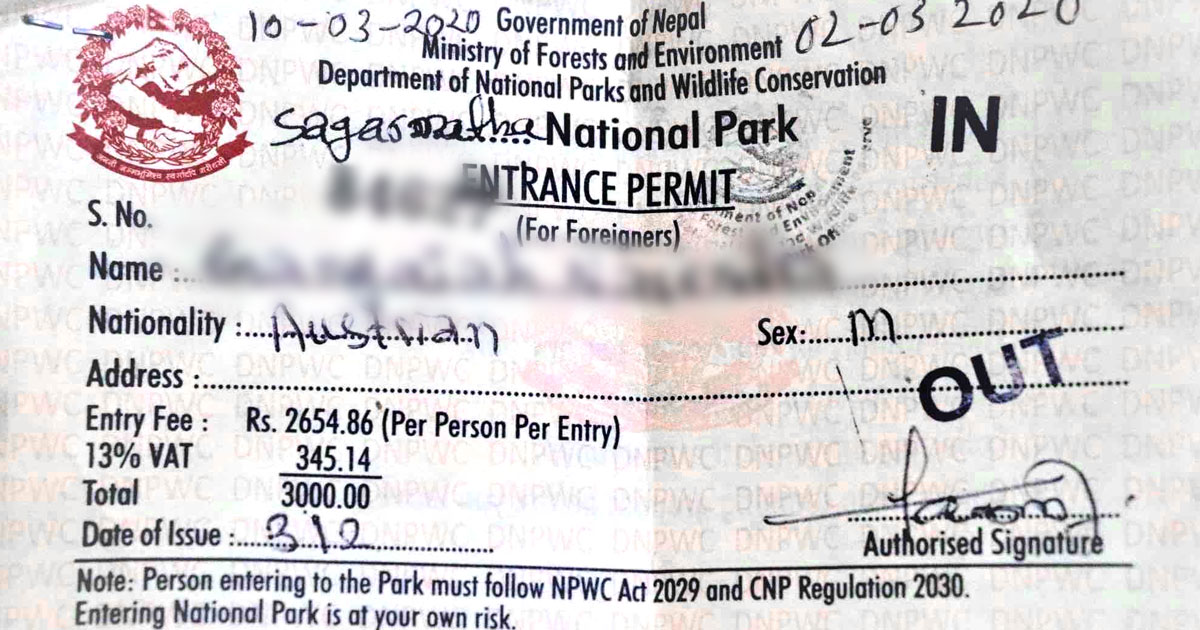
Logistics can also involve additional travel planning. Some races start in remote mountain towns that require domestic flights, long drives, or short treks to reach the starting point. Accommodation during the event may include hotels in nearby cities, mountain lodges, tea houses, or organized race camps
Gear Required for Himalayan Ultra Races
Running an ultra marathon in the Himalayas requires reliable gear suited for rugged terrain and changing mountain weather. Trail running shoes with strong grip are essential for navigating rocky paths, steep climbs, and uneven trails.
Many runners also use hydration vests or packs to carry water, electrolytes, and energy nutrition during long sections between checkpoints. Layered clothing is important because temperatures can vary significantly with altitude and time of day. Lightweight base layers, an insulating layer, and a waterproof or windproof jacket help runners adapt to changing conditions.
Most races also require basic safety equipment such as a headlamp, emergency blanket, whistle, and small first-aid kit, ensuring runners remain prepared for the challenges of high-altitude mountain racing.
Safety Tips for Successful Ultra Marathon in Nepal
Safety should always be a priority when running in high mountain environments.
- Acclimatization is one of the most important factors. Spending a few days at moderate altitude before the race allows the body to adjust gradually.
- Hydration and nutrition also play a key role. Runners must maintain steady energy levels throughout the race, especially during long climbs where fatigue can accumulate quickly.
- Listening to the body is equally important. Symptoms such as dizziness, severe headaches, or unusual fatigue may indicate altitude-related issues that require immediate attention.
- Finally, following race guidelines and respecting the mountain environment helps ensure a safer and more enjoyable experience for everyone involved.
How to Choose Right Ultra Marathon in Nepal?
Selecting the right race depends largely on personal experience and fitness level.
For runners new to Himalayan trail running, shorter ultras or races closer to Kathmandu may be a good starting point. These events provide challenging terrain while remaining relatively accessible.
More experienced ultra runners may prefer multi-stage races or courses that reach higher elevations, such as those in the Everest or Mustang regions.
Distance, elevation gain, and technical difficulty should all be considered when choosing a race. Reviewing course profiles and understanding the terrain can help runners select an event that matches their training and goals.
A Rare Combination of Adventure and Experience
Ultra marathons in Nepal represent a rare combination of endurance sport, natural beauty, and cultural exploration. Few races in the world allow runners to cross high mountain trails while passing monasteries, remote villages, and some of the most dramatic landscapes on the planet.
For those willing to train, prepare, and embrace the challenges of altitude and rugged terrain, Himalayan ultra races can become the adventure of a lifetime. Each kilometer offers not only physical testing but also a deeper connection to the mountains that have inspired explorers and travelers for generations.
Running an ultra marathon in Nepal is not simply about finishing a race. It is about experiencing the Himalayas in one of the most immersive ways possible.
FAQs
Expand AllWhat is an ultra marathon in Nepal?
An ultra marathon in Nepal is any running race that covers a distance longer than the traditional marathon distance of 42.195 km. These races typically take place on Himalayan trails, passing through mountain paths, villages, forests, and high-altitude terrain rather than paved roads.
How long is an ultra marathon in the Himalayas?
Ultra marathon distances in the Himalayas usually range from 50 km to 100 km for single-stage races. Some events are multi-stage races that cover 150 km or more across several days of running.
Which are the main ultra marathon events in Nepal?
Some of the best-known ultra races in Nepal include the Everest Trail Race, Annapurna 100, Manaslu Trail Race, Mustang Trail Race, and Kathmandu Ultra Trail. Each event offers different terrain, distances, and altitude challenges.
What is the altitude range of Nepal ultra races?
Most ultra marathons in Nepal take place between approximately 1,500 meters and 5,000 meters above sea level. Many routes climb above 3,000 meters, which significantly increases the physical challenge for runners.
Is altitude sickness common during Himalayan ultra races?
Altitude sickness can occur during Himalayan ultra races, especially for runners who ascend too quickly without proper acclimatization. Symptoms may include headaches, fatigue, dizziness, or nausea, so proper preparation is essential.
Do runners need trekking permits for ultra marathons in Nepal?
Yes, races held inside national parks or restricted trekking regions may require permits. Depending on the race location, runners might need permits such as conservation area entry permits or national park passes.
What is the best season for ultra marathon Nepal events?
The best seasons for ultra marathon events in Nepal are spring (March–May) and autumn (September–November). These periods usually offer stable weather, clear mountain views, and safer trail conditions.
How much does it cost to run an ultra marathon in Nepal?
Costs vary widely depending on the race. Entry fees can range from a few hundred to several thousand dollars for multi-stage international races, which often include logistics, accommodation, and race support.
Are Nepal ultra races internationally recognized?
Yes, several ultra races in Nepal attract international runners and are recognized within the global trail running community. Some events are listed in international trail racing calendars and attract elite athletes.
How technical are Himalayan trail ultras?
Himalayan ultra races are often highly technical. Trails may include steep climbs, rocky terrain, narrow mountain paths, river crossings, and uneven surfaces that require careful footing and strong trail running skills.
Can beginners run an ultra marathon in Nepal?
Beginners can participate in some shorter or less technical ultra races, especially those held near the Kathmandu Valley. However, runners should have prior marathon or trail running experience before attempting high-altitude ultras.
What training is required for high altitude ultra races?
Training should include long-distance endurance runs, hill workouts, strength training, and trail running practice. Preparing the body for elevation gain and long hours on rugged terrain is essential.
How long should you acclimatize before racing?
Runners are generally advised to spend at least 3–5 days acclimatizing at moderate altitude before competing. For races above 3,500 meters, longer acclimatization periods may be recommended
What gear is mandatory for mountain ultra races?
Mandatory gear often includes trail running shoes with strong grip, hydration packs, weatherproof jackets, thermal layers, headlamps, and emergency safety equipment. Specific requirements vary by race.
Is travel insurance required for Nepal ultra marathons?
Many race organizers strongly recommend or require travel insurance that covers high-altitude activities and emergency evacuation. This helps ensure safety in remote mountain environments.
What weather conditions can runners expect?
Weather in the Himalayas can change rapidly. Runners may encounter warm sunshine, cold winds, sudden rain, or even snow at higher elevations depending on the season and altitude.
What is the typical elevation gain in Himalayan ultra races?
Himalayan ultra races often involve significant vertical gain. Some races include 3,000 to 8,000 meters of total elevation gain across the course, making them extremely demanding.
Related blog posts
Discover a choice of tourist destinations loved by most of our visitors. Whether you're on a jungle safari to spot rare animals or walking through a world heritage site, these well-planned itineraries cover the major highlights of Nepal.

 call an expert at: