
Trekking Insurance Myths Foreigners Believe (and Get Wrong)
 Sristi Adhikari
Understanding the common trekking insurance myths helps foreigners from enormous amount of rescue expenses, denied claims, and other financial and logistics nightmares during their stay in Nepal. Foreigners assume that the regular travel insurance covers the high altitude trekking and emergency evacuation services are always free, but these are the main misconceptions travelers need to remove from their minds for their safety.
The main reason behind the spread of these trekking insurance myths in Nepal is word of mouth, outdated blogs, and social media bluffing. If you are also planning to travel to Nepal in 2026 and want to know what real trekking insurance demands and what the myths are, so that you can protect yourself financially on the treacherous trail, then continue reading the blog:
What does the Trekking Insurance include in Nepal?
Trekking insurance in Nepal is a type of insurance that covers every possible risk when navigating in the remote regions such as Everest, Annapurna, Dolpo, Mustang, Manaslu, etc.
The trekking insurance must includes following things:
Coverage of High altitude
Foreigners trekking insurance must cover an altitude of 5,500–6,000 m or more.
Emergency Helicopter Evacuation
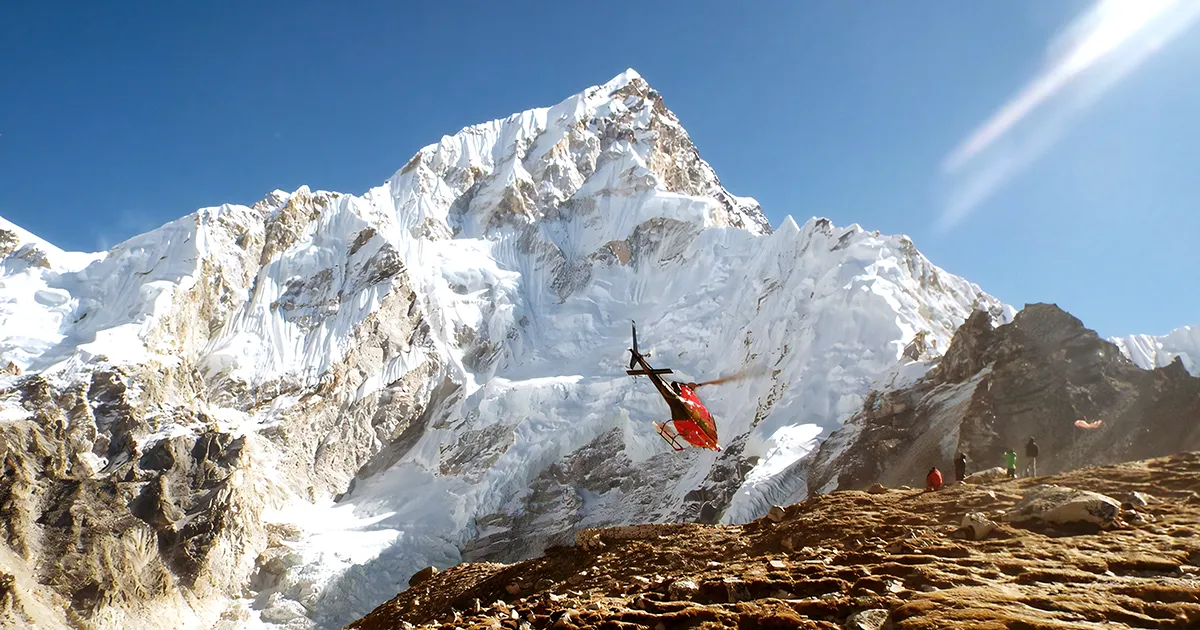
This service is the most critical element that should be included in the policy when planning for the high-altitude trek. Without insurance, the helicopter evacuation costs become very expensive, so having it in your insurance helps you with guaranteed rescue from a remote region.
Medical and Hospital Coverage
The insurance should also cover treatment of any altitude-related sickness, injuries, hospital bed fees, diagnostic tests, along with the fees of doctors and medicines.
Trip Cancellation/Interruptions
The trekking insurance should reimburse non-recoverable fees in case you have to cancel the trek due to problems like illness, injury, or unpredictable weather demands.
Baggage and Personal Items
Some trekking insurance plans also cover lost, damaged or stolen gear such as backpacks, cameras, or trekking equipment, depending on the policy.
Myth 1: Being Physically Fit means No Need for Trekking Insurance
The most dangerous travel insurance myths for adventure enthusiasts are that being physically fit means you don’t need trekking insurance. Even regular trekkers may suffer from sudden altitude sickness due to extreme weather, any sort of injuries, and pains in the Himalayas.
You must have trekking insurance that covers helicopter evacuation with a high altitude above 5000 meters, so that you can get rescue in time without losing a huge amount in medical bills.
Myth 2: Regular Travel Insurance Covers Trekking
The common travel insurance mistake travellers often make is thinking that travel insurance also covers trekking. Your regular travel insurance doesn’t cover high altitude treks above 5,000 meters with emergency rescue.
You need to have a separate trekking insurance if your trek takes you to an altitude above 4000 meters, with the inclusion of high altitude and emergency rescue.
Myth 3: Free or Cheap Rescue in Trekking Destination
The foreign travelers think that emergency evacuation services are often conducted by the government or trekking agencies, but this is a real myth that needs to be busted. The emergency rescue services are very expensive and are private, and if your insurance doesn’t include the evacuation, there is no guaranteed rescue.
Even though you got rescued, the hospital may ask you for money upfront, no matter the conditions you are suffering from. When planning for a trek in a country like Nepal, with high-altitude trekking insurance coverage, you will have guaranteed rescue services.
Myth 4: Buying the Cheapest Policy
The trekking insurance must cover emergency evacuation, medical coverage, and high-altitude trek. Buying cheap insurance often means they compromise on the above services, along with the long reimbursement delays and hidden exclusions for travelling.
This cheapest insurance policy makes you spend thousands of dollars later.
Myth 5: Underestimating Short Trek
Trekkers skip buying insurance for the short trek, but this mistake makes you suffer from financial loss if any emergency occurs while trekking in the remote trails of the Himalayas. The remote trails are filled with risk, like anytime you may suffer from injuries when walking in the uneven and steep ascent and descent.
There is no access to medical services, and you will need evacuation services for your safety. The short duration doesn’t reduce the health risk; having trekking insurance guarantees your safety in a high-altitude trek.
Myth 6: Buying After Arrival Thinking
Many travelers think that they will buy trekking insurance after leaving their home country, and will buy it as soon as they reach the destination. While some company policy doesn’t include buying the insurance before you leave, they will not insure you if anything happens during the arrival.
Buying trekking insurance from your own country helps you with full coverage of high altitude trek, along with full validation in claims related to pre-existing travel. Buying late is one of the most common travel insurance mistakes when planning for the remote treks in Nepal.
Myth 7: Trekking Insurance is Unnecessary
When trekking in the remote Himalayas of Nepal, such as Everest, Annapurna, and Manaslu, you are exposed to risks including injuries, altitude sickness, and unpredictable weather conditions. You are likely to suffer from any health problems, and without trekking insurance, helicopter evacuation and medical treatments become more expensive.
Having trekking insurance that covers high-altitude evacuation above 6,000 m, including medical treatments, saves you from potential financial loss. If you are a regular trekker or a beginner, you must have separate trekking insurance for your financial safety.
Myth 8: Insurance Providers Always Pay Out Claims Without Issue
There are some insurance company who have strict requirements or hidden exclusions, so you have to read the terms and conditions carefully. Also, you must keep all of the necessary documents safe throughout the journey.
Some may refuse the claiming process without any transparency, and may delay the payout claims. Buy insurance only from reliable trekking insurance such as Global Rescue, World Nomads, Rise and Shield, ASC 360 insurance, Travelex, and so on.
Final Thoughts: Don’t Let Trekking Insurance Myths Ruin Your Journey
Finally, most trekking disasters don’t come from the mountains themselves but from poor preparation and false assumptions regarding the trekking insurance policy. Believing common trekking insurance myths can expose trekkers to unwanted problems and difficulties. Travelers should read policy details carefully and must include emergency evacuation, medical treatment, or trip interruption coverage in the insurance.
So, there will be risk minimization, and you don’t have to spend a hefty sum of money on medical and evacuation services. Buying the right trekking insurance helps you enjoy the adventure safely and responsibly.
FAQs
Expand AllDoes regular travel insurance cover trekking?
No. Regular travel insurance doesn’t cover trekking.
Is trekking considered a hazardous activity by insurance?
Yes, trekking is considered a hazardous activity by insurance.
Do I need special insurance for Everest Base Camp trek?
Yes, you need to have special insurance for the Everest Base Camp trek.
What altitude does travel insurance stop covering trekking?
Travel insurance stops covering trekking2,000–3,000 meters.
Does World Nomads cover trekking above 6000m?
World Nomads covers trekking upto 6000m.
Is helicopter rescue included in trekking insurance?
Yes, a helicopter rescue must be included in trekking insurance.
Can I buy trekking insurance after arriving in Nepal?
Yes, you can, but buying trekking insurance before arriving in Nepal is highly recommended.
Does travel insurance cover Annapurna Circuit?
Specialised travel insurance only cover Annapurna Circuit.
What’s the difference between trekking and mountaineering insurance?
The trekking insurance covers up to 6,000 m altitude, while the mountaineering insurance covers above 6,000 m altitude.
Will my credit card travel insurance cover high-altitude trekking?
No, most of the credit card travel insurance doesn’t cover high-altitude trekking.
Do I need insurance for Inca Trail if I’m fit?
Yes, you need insurance for the Inca Trail even though you are fit.
Is Kilimanjaro trekking covered under normal travel insurance?
No. Kilimanjaro trekking is not covered under normal travel insurance.
Does travel insurance cover solo trekking?
Yes, travel insurance covers solo trekking with special additions like high altitude coverage and emergency helicopter evacuation to hospital transfer.
What happens if I don’t declare trekking on my insurance?
If you don’t declare trekking on your insurance, you will suffer from rejection in emergency evacuation services and have to pay hefty sum of hospital bills.
Best trekking insurance for foreigners in Nepal 2026
Best trekking insurance for foreigners in Nepal 2026 includes Global Rescue, World Nomads, Rise and Shield, ASC 360 insurance, Travelex, and so on.
Does IMG Global Medical cover trekking?
Yes, IMG Global Medical covers trekking.
Is Tour du Mont Blanc considered high-risk trekking?
Tour du Mont Blanc is considered moderately challenging rather than high-risk trekking.
Do I need trekking insurance for Patagonia W trek?
Yes, trekking insurance is needed for the Patagonia W trek.
Can I add trekking coverage after buying travel insurance?
Yes, you can add trekking coverage after buying travel insurance only in some companies.
Why do some policies exclude “Himalayan treks”?
The high risks like Acute Mountain Sickness (AMS), extreme weather, and remote locations requiring costly helicopter rescues, make some policies exclude “Himalayan treks”.
Related blog posts
Discover a choice of tourist destinations loved by most of our visitors. Whether you're on a jungle safari to spot rare animals or walking through a world heritage site, these well-planned itineraries cover the major highlights of Nepal.
 call an expert at: