
Common Trekking injuries on Everest Trek and How to Avoid Them

 Amrit K. Aryal
The silent roads to Everest take you to the Everest base camp and to the top of Everest. The thousands of steps of trekkers and climbers are full of dreams to reach their destination but are not free from trekking injuries on Everest.
Talking about Mount Everest injuries does not always mean that big accidents do not occur during expeditions. Sometimes a minor blister can turn the game. Injuries can sometimes be minor, but some take a larger and serious form enough to spoil the trekking experience.
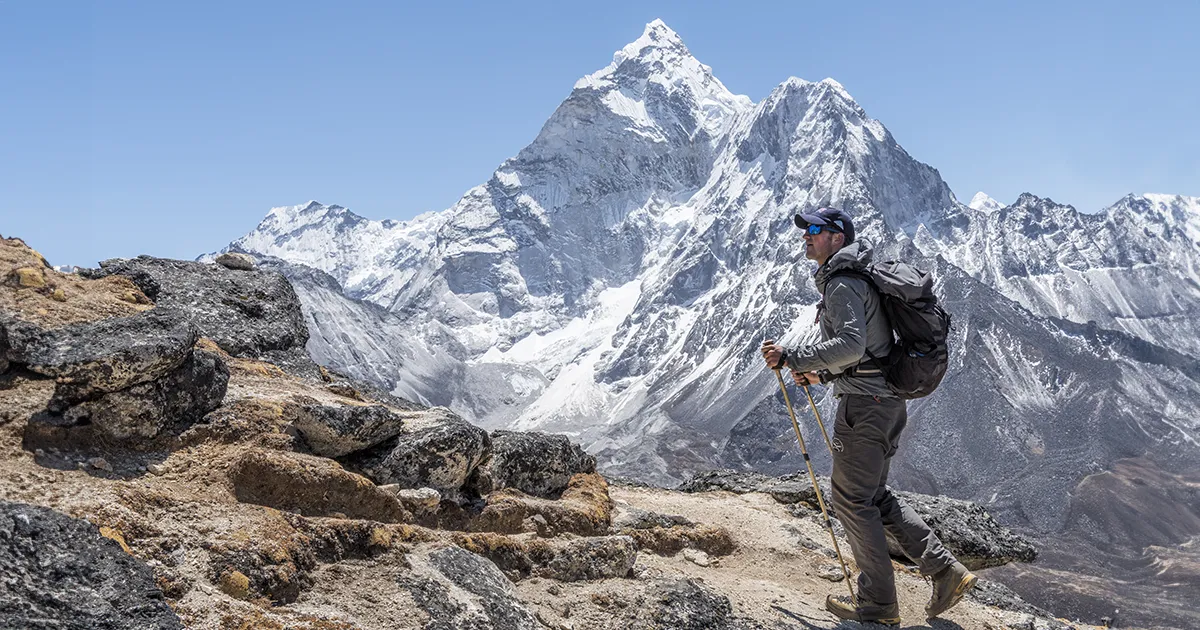
Every trekker heading to Base Camp has their problems, some can be solved, and some cannot. Even a small error on the trek can somersault the trek to compel to return without completing the trek.
Altitude sickness, blisters, dehydration, thin air, and twisted ankles are just some of the trekking injuries on Everest that many people hear of. In this blog, we will explore every type of health issue that can occur during the Everest trek and find out how to avoid them.
Altitude Sickness
Altitude sickness is a silent killer in the high mountains. Not only in Everest, but above 2500 m, trekkers are hit by altitude sickness, usually for those coming from coastal regions. Most of us have heard about it, but do not take it seriously. It is because many of us do not know about it. In fact, it is the most serious trekking injuries on Everest that can be fatal.
I have heard a guy, young and muscular, crying over his bed due to a headache at Namche Bazar (3,440 m). I have seen people fainting near Tengboche due to lack of oxygen. This altitude sickness is not measured by your physical appearance but by your inner strength and capacity to adjust to the changing environment.
Headache is the first symptom of Altitude Sickness. This can be temporary sometimes. Get rest, drink more water, and eat enough. If the condition worsens, then nausea, vomiting, and loss of sleep.
Altitude sickness, if not identified and treated on time, will result in the accumulation of fluid in the lungs and brain, resulting in HACE and HAPE. Feeling like you are intoxicated? Yes, that is the symptom of HACE. Talk to your guide.
How to be safe:
- Namche Bazar and Dingboche are sites for acclimatization. Do not underestimate it. It’s not a simple rest, it’s your lifeline.
- Drink a lot of water.
- Walk slowly at a steady pace.
- If the symptom persists, descend at least 300 m.
Frostbite
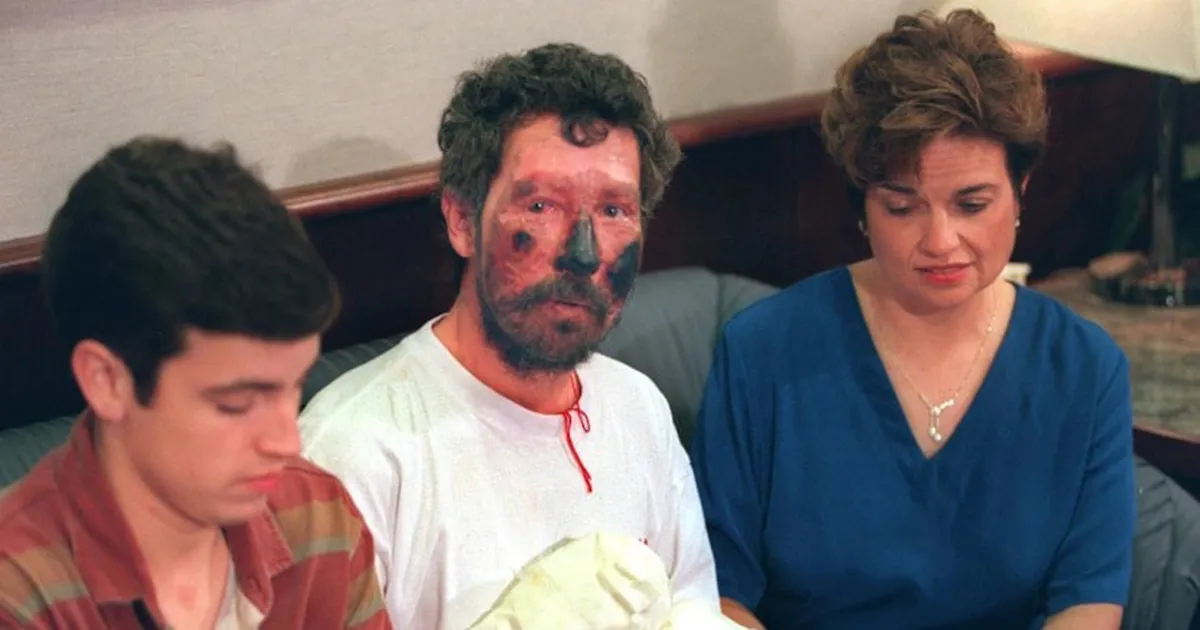
Snow and the frozen dew outside the windows look cool in photographs. But when you are struggling in the cold, fingers freeze, causing hypothermia, then the beauty of snow changes. Do not ignore the layering of clothes, and do not take off your gloves. Your fingers start tingling and swelling. That is the initiation of frostbite. Later , the blood clots and fingers become bluish.
What can be done:
- Put on thermals, mid fleece, down jackets, woolen caps, and gloves.
- Get a good-quality sleeping bag.
- Dry your wet clothes.
- Carry extra undergarments and socks.
- Drinking warm water, garlic, and ginger soup
Blisters
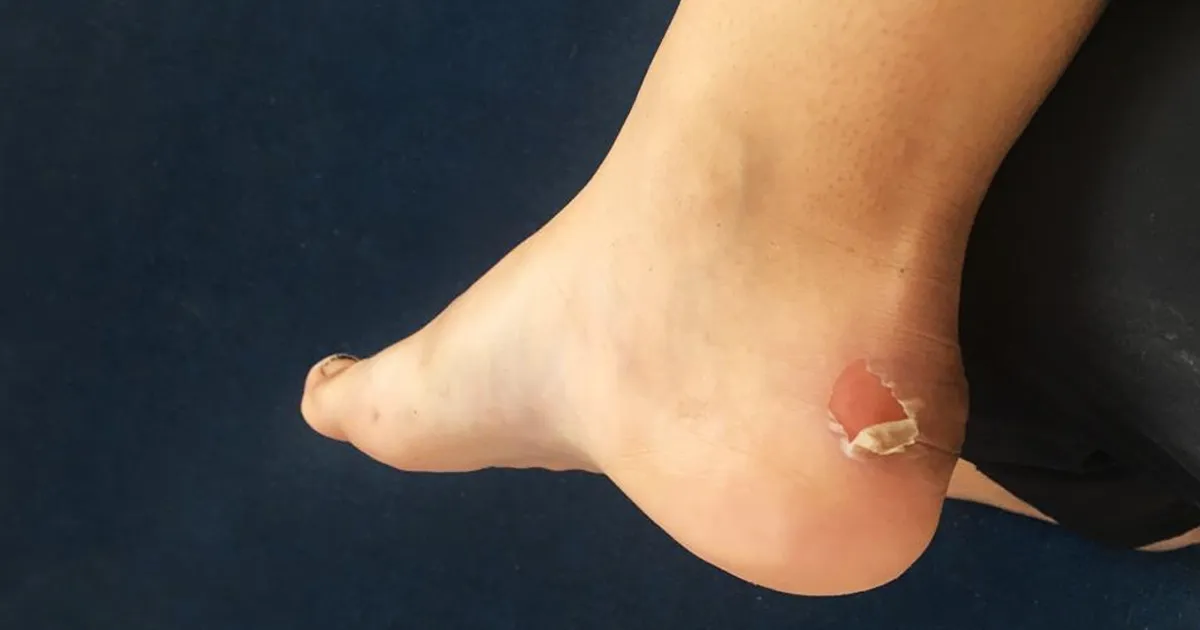
Blisters!!! I have seen people laughing and making fun of it. But imagine a small packet of pain inside your boots and you need to walk for days in the rough terrain to Everest Base camp, struggling with the thin air. Blisters are another trekking injury on Everest that can hamper your trek.
Suggestions:
New shoes? You have no idea what’s inside. Wear your new trekking boots and walk for hours around your home before wearing them on the trekking routes.
- Avoid cotton socks and use woolen socks graded for trekking.
- Put on blister tape.
Dehydration
Cold might cheat you. You do not feel thirsty in the cold and consume less water, this is where you are making a mistake. This dehydrates your body, and the risk of altitude sickness increases. Headaches, muscle cramps, and dry lips are common symptoms.
- Do not just drink soup and tea; your body demands plain water, about three liters a day.
- Sip some water every half hour.
- Make sure the water you drink is safe.
- You can add some electrolytes to energize yourself.

Indigestion
Not only the external organs, but also your belly protests during the Everest trek. Foods on the streets of Kathmandu are delicious and spicy. But the food during the Everest trek is simple and basic. The difference in your meals can create indigestion and diarrhea.
Solution:
- Drink only boiled water.
- Avoid raw vegetables, salad.
- Use clean water to wash your fruits.
- Use hand sanitizer before eating anything.
Bruises, cuts, and Twisted Ankles
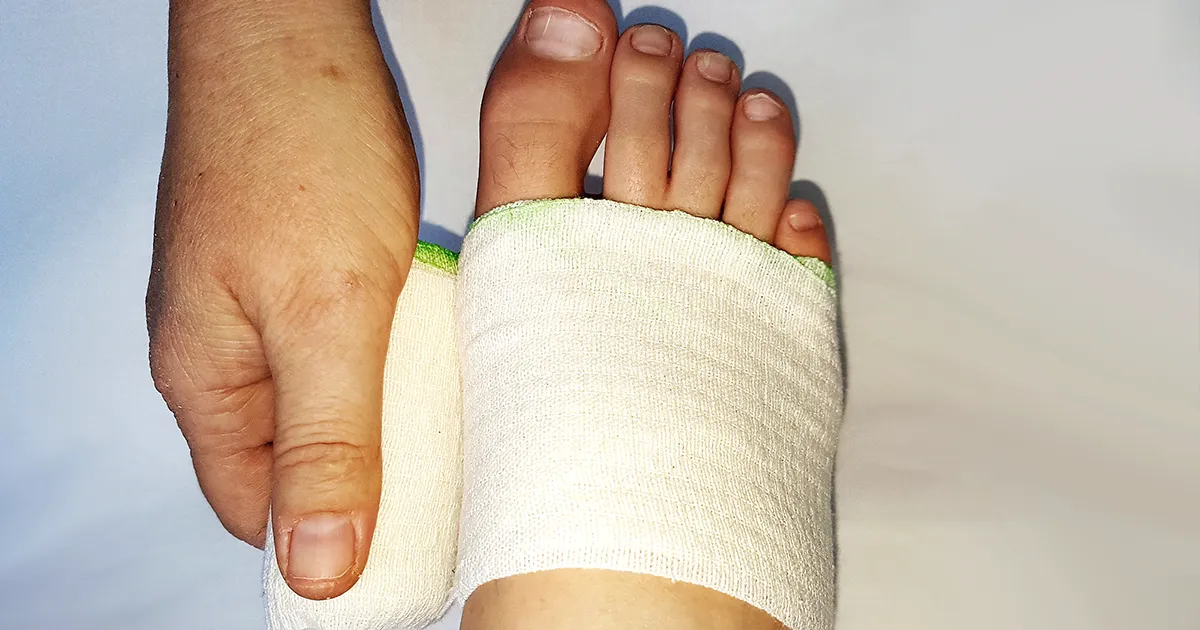
The trekking trails in Everest are uneven. The terrain and rocks, even yaks and mules, lose control while walking. Pebbles, rocks, grass-filled roads, even mixed with the feces of mules, make it difficult to walk. At the blink of an eye, you might fall and get injuries like bruises, cuts, and twists of your ankle. Sprains are common in the high Himalayan trekking trails.
Suggestion:
- Get a good pair of trekking shoes, wear them, and know the comfort level.
- Always stand at the corner side of the road when mules pass near you. They will love to push you at the edge.
- Watch every step when you descend, as it is more dangerous than ascending.
Snow Blindness
You might love the heat of the sun in the cold Khumbu region, but be alert. These warm rays can make you blind. As the altitude increases, the sunrays are more intense and come with more radiation. The sunlight with high UV rays falling on the snow is reflected and sunburns your skin and even the cornea of your eyes. You will hate to see the light for days. This causes intense pain and blurriness of vision and sometimes permanent blindness.
Some of the common symptoms are
- Blurred vision
- twitching of eyelids
- irritation in the eyes
- discomfort in the eyes
- sees halos around the sources of light
- Redness in the eyes
- Teary and watery eyes
Remedies:
- Always wear UV sunglasses at high altitude.
- Put on high SPF sunscreen.
- Cover your face, neck, and every visible skin layer.
Mental stress
Trek to Everest is not just a physical but also a psychological battle. The long, cold nights, hours of walking and sweating, and no facilities to take a bath. I have seen foreigners weeping, missing their families. The cold weather puts me into depressing thoughts. Some lose their temper, some lose their cool, and some just don’t speak a word. Some even start hearing their inner voice, “I can’t do it anymore.”
Remedies:
- Let’s celebrate smaller wins.
- Enjoy your every step, share stories with your companions
- Laugh and smile whenever you can.
- Do not forget why you started this trek.
Best Ways to Cure Injuries on Trek
First aid:
In case of smaller injuries, you can decrease their effects of with some first-aid measures. Always carry your personal first aid kit with all necessary tools and medications.
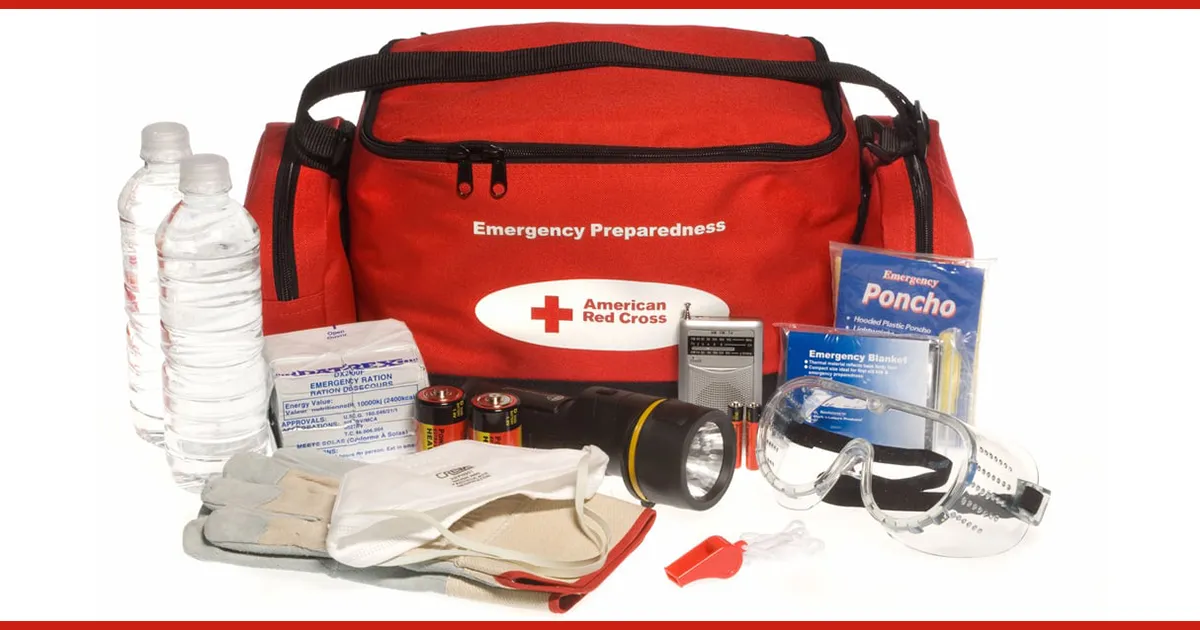
Blisters:
Use medical adhesive tape, change socks, and rest for a while
Altitude sickness:
Get hydrated, descent, descent, and descent.
Bruises and Twisted Ankles:
Wrap the area with a gauze bandage or roller bandage and rest.
Diarrhea:
Drink plenty of water with ORS and eat light meals.
Frostbite:
Keep warm, pour lukewarm water over the area, but do not rub.
Finally, watching the fluttering flags reaching the Everest Base Camp makes you feel that this trek is not just a physical task but also a battle between your mind and heart.
The Trekking injuries on Everest are some smaller enemies of your trekking experience, which can be won only with constant dedication and patience. Everest does not tolerate your impatience, rush, or ego against it. Only love, smiles, and calmness can win the trek to Everest. The mountain doesn’t forgive, but it teaches.
FAQs
Expand AllWhat are the most common injuries on the Everest trek?
Some common Trekking injuries on Everest on the Everest includes blisters, sore knees, muscle spasm, twisted ankles, and altitude sickness. Slipping and minor bruises are very occasional.
How common are injuries on Mount Everest treks?
Trekkers often get injured while trekking in Everest. Smaller injuries like blisters, bruises, are common Trekking injuries on Everest that can be treated with a simple first aid.
Are Everest Base Camp treks dangerous?
No, the Everest Base camp Trek is not fatal if proper safety measures are followed. Still, the risk is there. Watch out for headaches and dehydration to be safe from latitude sickness.
What causes most Trekking injuries on Everest?
Inadequate preparation and underestimating the risk factors cause most of the Injuries on the Everest. Ignoring the changes in the body functioning and poor qualitiy of gear also contribute to the Injuries on the Everest.
How can I prepare my body to avoid Trekking injuries on Everest?
Learn about the symptoms of various altitude-related sicknesses. Increase your body endurance, strength muscles, walk every day, go for short hikes to strengthen knee muscles.
What is altitude sickness and how can I avoid it on the Everest trek?
Altitude sickness is a condition when the body does not get enough oxygen at high altitude. Nausea and headaches are some common symptoms that can be avoided with an adequate amount of water, proper acclimatization, and enough sleep. Diamox (Acetazolamide) can help in some extent.
How to prevent knee pain during the Everest Base Camp trek?
Adjust the height of the trekking poles to comfort your knees. Make your trekking bag lighter, adjust the weight, creating less pressure on your back. Run and squat before the trek, strengthening the muscle.
What should I do to avoid blisters while trekking to Everest Base Camp?
Break in your boots before going on the trek. Walk and hike with them often. Avoid cotton socks and keep your feet dry. Blister tapes can be put on before wearing socks.
How can I prevent ankle sprains on Everest trails?
Use a pair of trekking poles during treks and pay more attention while descending. Watch every step while walking on slippery and hard rocks.
What are the risks of frostbite on Mount Everest treks?
The frostbite can be a problem during winter while crossing high passes like Kongma La (5,535 m), Cho La (5,420 m), and Renjo La (5,360 m). But during usual trekking seasons, frostbite does not occur but always be prepared with warm gloves, layers and dry socks.
Do I need travel insurance for Everest trekking injuries?
Your trekking and travel insurance must cover helicopter rescue during emergency trekking injuries on Everest. Be sure about it while making purchase of the package.
How can I treat minor injuries on the Everest trek?
Identify the type of injury and start by cleaning the wound with alcohol or iodine solution. Apply appropriate bandage over the blisters, compress the sprains and rest the muscles.
What should I pack in a first aid kit for the Everest trek?
A first aid kit includes antiseptic, ORS, Bandages, iodine solution, blister pads, band-aids, some medications like painkillers, acetazolamide, and others.
Are there medical facilities along the Everest Base Camp route?
In some locations like Pheriche and Namche Bazar, there are some health posts with basic medical facilities. If any serious issues occur, you must return to Kathmandu.
Can I get evacuated by helicopter if I’m injured on Everest?
For serious Trekking injuries on Everest, and if weather permits, helicopter evacuation is possible, your insurance must cover the emergency evacuation.
What training helps reduce the risk of injuries before trekking Everest?
Hike weekly, walk daily, do cardio exercises like cycling, running, squats to strengthen muscle and knees. Practice with a backpack and your new trekking boots.
How heavy should my backpack be to avoid back injuries?
You will be carrying around 10 kilograms of your backpack. Rest of the goods will be inside your Duffel bag supported by a porter.
How do trekking poles help prevent injuries on the Everest trek?
Your trekking poles acts as your extra legs on the trekking trails. They reduce the pressure on your knees and improve balance and prevent you from falling.
Can stretching and warm-ups reduce injuries during the Everest trek?
Yes, stretch your muscles for a while in the morning before starting treks. This will loosen the tight muscles and make you easier to trek all day long.
Related blog posts
Discover a choice of tourist destinations loved by most of our visitors. Whether you're on a jungle safari to spot rare animals or walking through a world heritage site, these well-planned itineraries cover the major highlights of Nepal.
 call an expert at: