
The Eco Friendly Everest Trek: Sustainable Travel Tips for 2026
 Sristi Adhikari
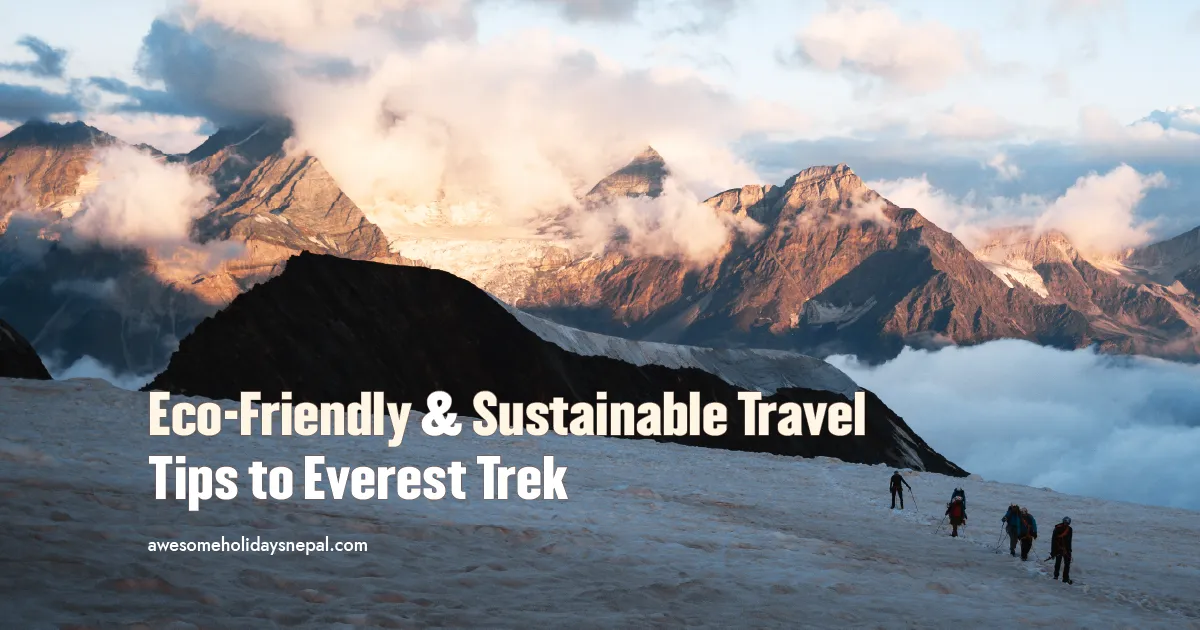
The Eco Friendly Everest trek is a perfect way to enjoy the world’s highest mountain view without harming the unexploited Everest environment in 2026. Selecting Nepal Sustainable Travel, one can explore the breathtaking view of the highest mountain ranges like Everest, Ama Dablam, Lhotse, Makalu, and Cho-Oyu.
Everest’s economy depends on tourism, and it is the responsibility of every traveller to protect the pristine trails, reduce waste, and support the local Sherpa people. Over the past few years, the Everest region has been facing major environmental threats like path erosion, carbon emissions, and tourism plastic pollution.
If you are planning the Everest Base Camp trek, be thoughtful in your choices before and during the trek, opting for sustainable travel methods that respect local culture and minimize your environmental footprint. Continue reading the blog for the eco friendly Everest trek in Nepal guide 2026:
Waste Reduction and Avoiding Plastic Usage
Opt for Reusable Gear
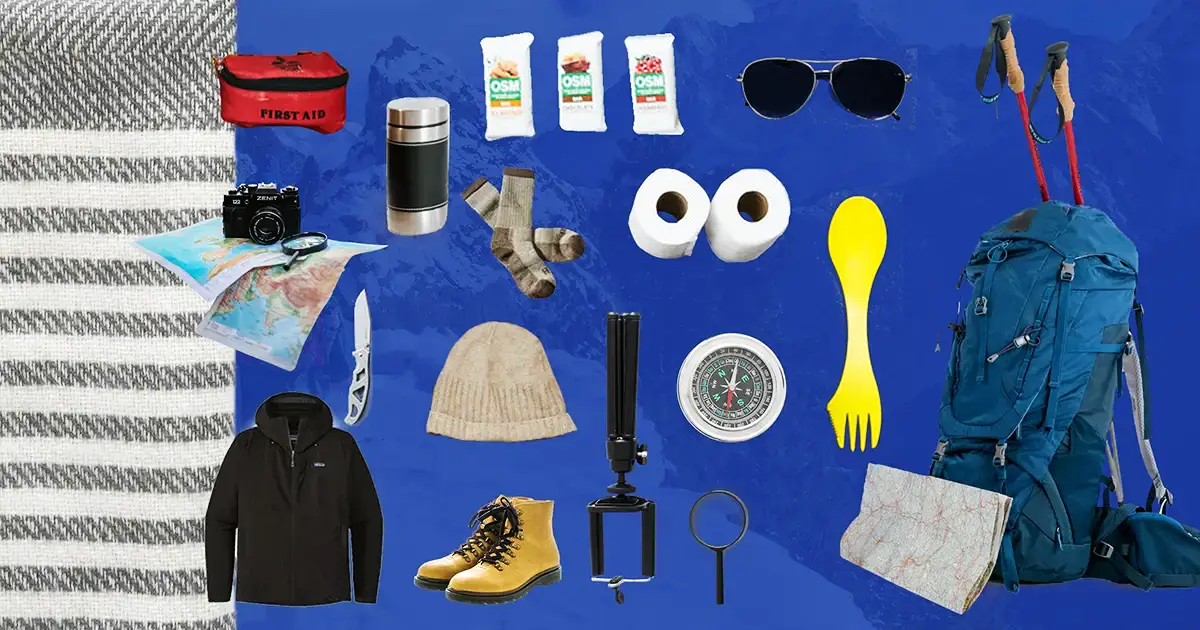
The Everest Base Camp Trek Packing List must include reusable gear, such as durable water bottles, utensils, and food containers. This will prevent you from buying plastic products while walking on the beautiful and scenic trail of the Everest region.
Use Water Purification on the Trail
It’s better to drink purified water than buy bottled water at the teahouses and lodges of the Namche Bazaar, Dingboche, and Kala Patthar. So, use a portable filter, UV purifier, or purification tablets to treat local tap water.

You can store boiled water in your reliable thermos if you are trekking in the winter season or at a higher altitude above 4,000 meters.
Collect all the Trash
As a responsible trekker, you should collect trash like wrappers and tissue papers. Then, dispose of the trash only in the dustbin of the tea houses or lodges. If you have a litter bag while trekking on the trails, you can also pick up the stray litter.
Use Biodegradable Products
Always use biodegradable products like natural soaps and toiletries.
Follow The Principle “Leave No Trace.”
Stay on Designated Trails
The responsible vacation in the Everest Base Camp trek also refers to walking on the established trails. If you walk off the trails, it can cause soil erosion and destroy the wild vegetation of the Himalayas. You could also injure yourself.
Avoid Fireworks
Lighting fires on the trekking trails may cause wildfires. This will destroy the medicinal herbs and habitat of wildlife. Only use a portable stove in a wide area.
Proper Disposal of Human Waste
The Eco friendly Everest trek can be contributed to by using the teahouse toilet for disposing of human waste. Never pollute the streams and sacred soils of the Himalayas. In a toilet emergency, use a portable “wag bag.”
Support Local Economy
Stay in Local Tea Houses and Lodges
Staying in family-run local tea houses and lodges is one of the most important Nepal trekking guides. When staying for a night, always reduce waste and opt for solar energy consumption.
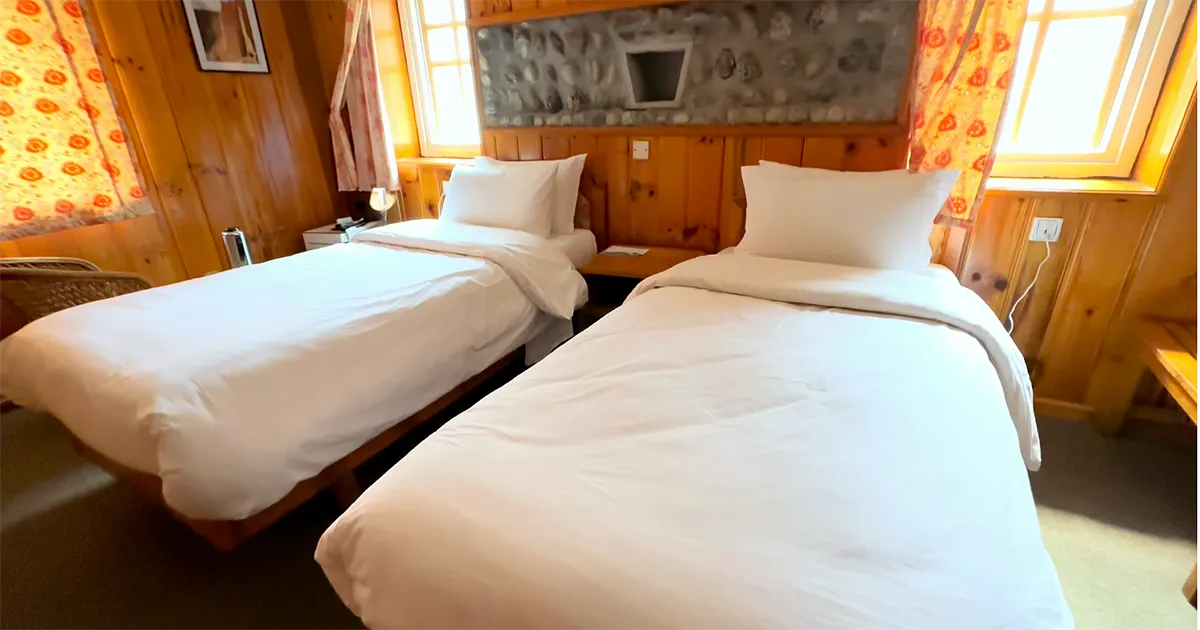
Bring eco friendly sleeping bags to withstand the cold of the higher altitude regions like Dingboche, Kala Patthar, and Lobuche.
Eat Local Foods
Try local cuisine while staying in the teahouse and lodges. Dal Bhat, served with side dishes like veg curry, lentils, and seasonal pickles, gives 24-hour power, which is very important while hiking in the rough terrain of the Everest region.
You can also try authentic Sherpa cuisines like Thukpa (noodle soup) and hearty Sherpa Stew. Tibetan Bread served with honey and butter tea is a perfect breakfast option. Having local foods in the tea houses and lodges helps reduce carbon footprints.
Buy Handicrafts
You can also buy handicrafts and goods directly from Sherpa shops instead of buying from them in city areas.
Hire Local Guides and Porters
Hiring local guides and porters helps in the Sherpa community economy uplift. Make sure to give proper fares and tips to your travel companion. Also, ensure they received proper insurance before the EBC trek.
Eco Friendly Everest Trek with Carbon Reduction
Choose Overland
The Nepal trekking guide includes a selection of overland options rather than flights. When trekking for the EBC, avoid a carbon footprint by trekking to Lukla from Jiri or Tumlingtar.
Offset Emissions
The EBC trek offsets emissions, helping you to indulge in a reforestation program and a trail sanitation program at a higher altitude. One can also donate to groups like the Sagarmatha Pollution Control Committee.
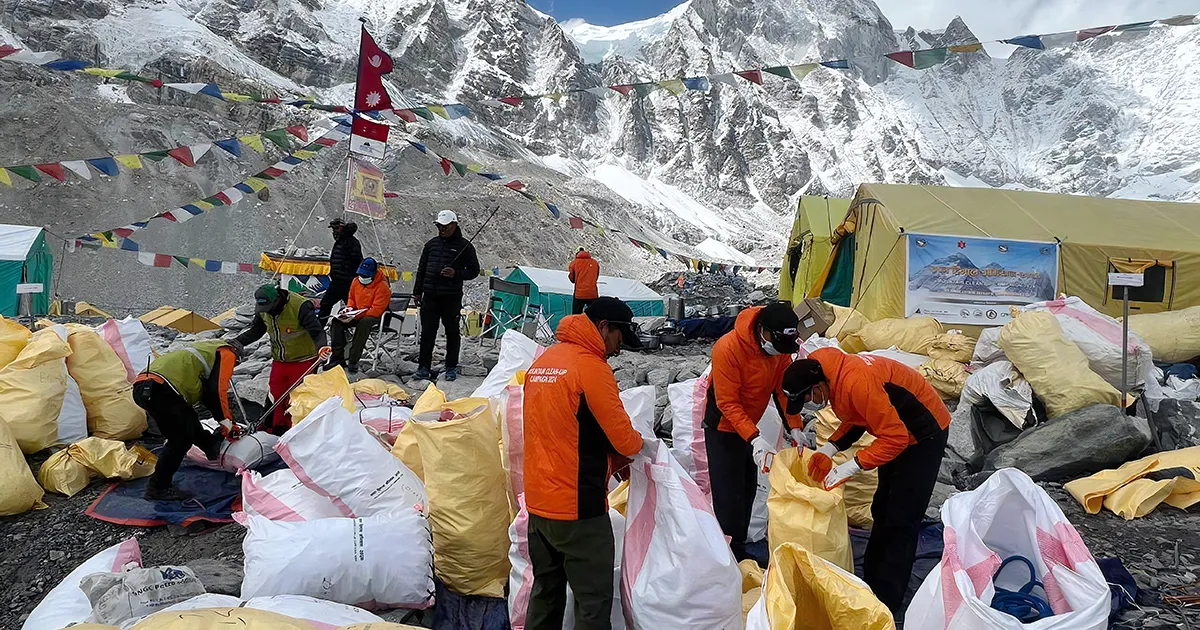
These donations will be useful for placing bins on the trails and in conservation programs.
Opt for Solar and Eco-Power Mode
Always bring a solar charger to charge your electronics, like a camera and mobile phones. When booking the accommodation, select those that offer renewable power sources.
Respect Sherpa Culture and Rituals
The EBC trek helps you get connected with the Sherpa people. Learning some Nepali phrases, such as Namaste and Dhanyebaad, helps you more. Also, when entering the different monasteries and Gompas, always ask permission before taking a picture of the monastery, monks, or yourself inside. Do not touch any monks without their permission.
Similarly, invest money in donating to schools or community programs of the Everest region instead of buying gifts for locals.
Participate in Conservation Campaign
Nepal Hiking Trails Sanitation Program
During your stay in the Everest region, participating in the trail cleaning program is highly appreciated. Most of the time, local people and teahouse communities run the program for the peak season of the Everest trek.
Stay Informed
Stay in contact with teahouses and hotel owners so you can get prior information regarding the sanitation programs of the region.
Smart and Light Gear Packing
Important Gear
Only pack important gear for the Everest Base Camp trek. This will help reduce heavy baggage so you can focus on the beauty of the Everest region. Check here for the Everest Base Camp Trek Packing List.
Reusable Bags
Always buy reliable and reusable backpacks and luggage, which will last for multiple uses. Use everything in an eco friendly way.
Clothing
Pack durable, sustainable clothing that doesn’t contain micro-fabrics.
Acknowledgement of New Rules and Policies
The Everest region has been overpacked with tourism in the past few years. So, local authorities and the community have been making new rules and regulations for the trekkers and flight services.
With an update of these new rules and regulations, your Everest Base Camp trek can be more enjoyable with sustainable travel choices.
Timing and Trail Choices
Best Season
The Nepal trekking guide includes trekking in the best season for the best views and stable weather conditions. Trekking in Nepal, especially in the Everest region, you must plan for the Spring and Autumn seasons. Spring begins in March and lasts till May, while Autumn starts in September and ends in November.
Trekking in the monsoon and winter is also feasible, but the trails are covered with snow, which makes them slippery. There are also chances of erosion and landslides in the off-seasons, like winter and monsoon.
Use Alternate Trails
The Everest Base Camp trail is more crowded in the peak season. Using alternative trails helps the community economy and will help close the bond with the community people.
Be A Responsible Trekker
Conservation of Wildlife and Nature
When trekking inside the Sagarmatha National Park, there is a high chance of wildlife spotting. Never offer food to them and observe them from afar without disturbing.
Also, do not remove rocks and cultural items in holy places like temples, monasteries, and gompas, and leave them as you find them. Do not pluck any plants or flowers while trekking in the Khumbu region.
Inform Other Trekkers
You can always share the sustainable trekking ideas with other trekkers when you interact with them in teahouses or on trails. Sharing assists respectful and eco friendly travel on the trekking trails.
Final Thoughts
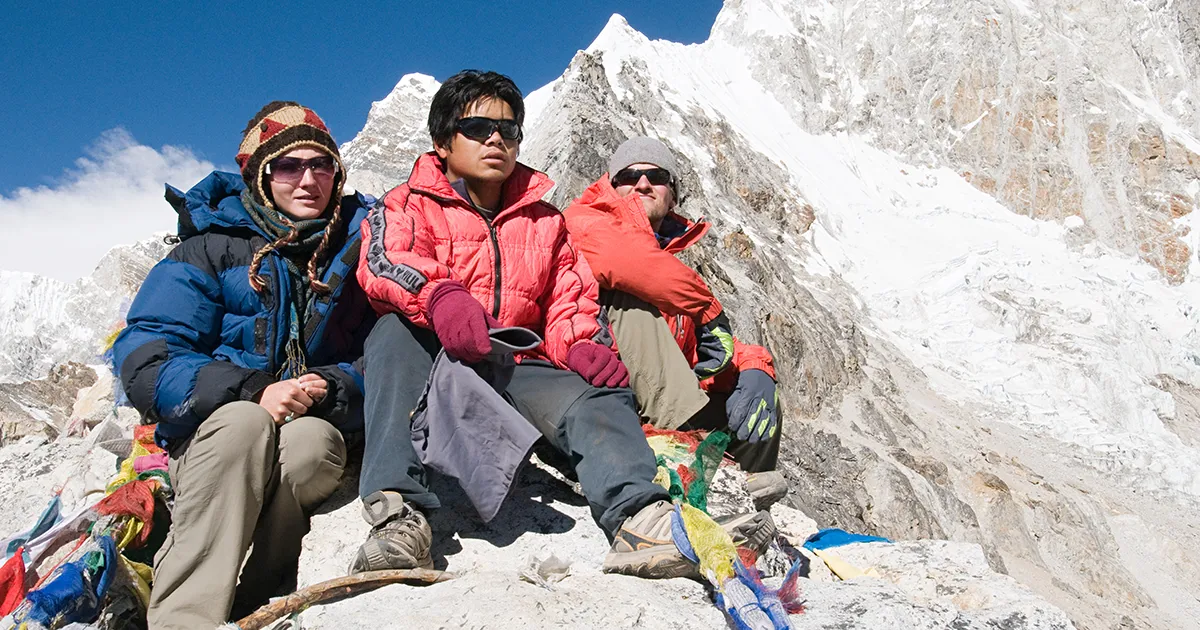
The Everest Base Camp trek is not only about reaching the base of the highest peak in the world, but it is also about the responsibility of every trekking enthusiast to go in an eco friendly way. Preservation and protection of the fragile mountain ecosystem of the Everest region depend on the travel enthusiasts.
Everyone who sets foot in this region should reduce plastic waste and conserve water and energy resources while following Leave No Trace principles. The pristine landscapes and unforgettable beauty of the Everest region should be treated and cared for as if they were our own home.
It is the duty of everyone to opt for local guides, stay in local tea houses and lodges, and eat local cuisines for the uplift of the local economy. One should always be mindful of the Sherpa tradition and culture and make one’s adventure to the Everest Base Camp trek more memorable. Choosing the Eco Friendly Everest trek, everyone should consider that sustainability and adventure can go hand in hand in 2026.
FAQs
Expand AllIs it realistic to do EBC without plastic bottles?
Yes, it is realistic to do EBC without a plastic bottle. You can have one bottle and just refill water by treating it.
Do I need to bring a filter?
Yes. You should bring water filter tablets for water treatment in higher altitude regions.
What if my lodge doesn’t have recycling?
If the lodge doesn’t have recycling, you can carry recycling materials until you find a bin.
How do I avoid harming local culture?
One should avoid harming local culture by dressing modestly, respecting their culture, taking a step back and observing, and so on.
What’s the most eco-friendly way to do the Everest Base Camp trek in 2026?
The most eco-friendly way to do the Everest Base Camp trek in 2026 is to minimize plastic use, support the local economy, and dump waste in a dustbin by carrying it in a bag until you find it, followed by using toilets.
How can I avoid buying bottled water on the Everest Base Camp trek?
You can carry a reusable water bottle and refill it in order to avoid buying bottled water on the Everest Base Camp trek.
Do teahouses in the Khumbu have recycling or waste sorting options?
Teahouses in the Khumbu have a basic recycling bin. The complex waste sorting system is limited.
What should I pack to keep my Everest trek plastic-free and low-waste?
You should pack a reusable water bottle, a tiffin set, and biodegradable toiletries.
Is it better to trek in a small group for a lower environmental impact?
Yes, it is better to trek in a small group for a lower environmental impact. Fewer people means less waste piling up in the Everest trekking trails.
How do I choose an ethical trekking company that treats porters fairly?
You should choose an ethical trekking company that treats porters fairly by checking on company registration on NTB or TAAN, IPPG guidelines and asking for fair wages and insurance details of the porters.
Are carbon offsets worth it for flights to Nepal and the Everest region?
Carbon offsets have short-term benefits for flights to Nepal and the Everest region.
What cultural etiquette should I follow in Sherpa villages and monasteries?
You should dress modestly and should not touch any traditional and cultural objects. Always ask for permission while taking pictures and videos with them and inside the monastery.
How can I reduce my energy and water use while staying in teahouses?
You can reduce energy use by charging electronics effectively and using water purification instead of opting for boiling water. You should minimize water use by wasting less water when washing clothes and at the time of washing hands.
What’s the best season for a more sustainable (less crowded) Everest trek?
For a more sustainable and less crowded trek, you should plan for the winter trek in Everest.
Related blog posts
Discover a choice of tourist destinations loved by most of our visitors. Whether you're on a jungle safari to spot rare animals or walking through a world heritage site, these well-planned itineraries cover the major highlights of Nepal.
 call an expert at: