
Temples to Visit Before Kailash Yatra in Nepal
 Amrit K. Aryal
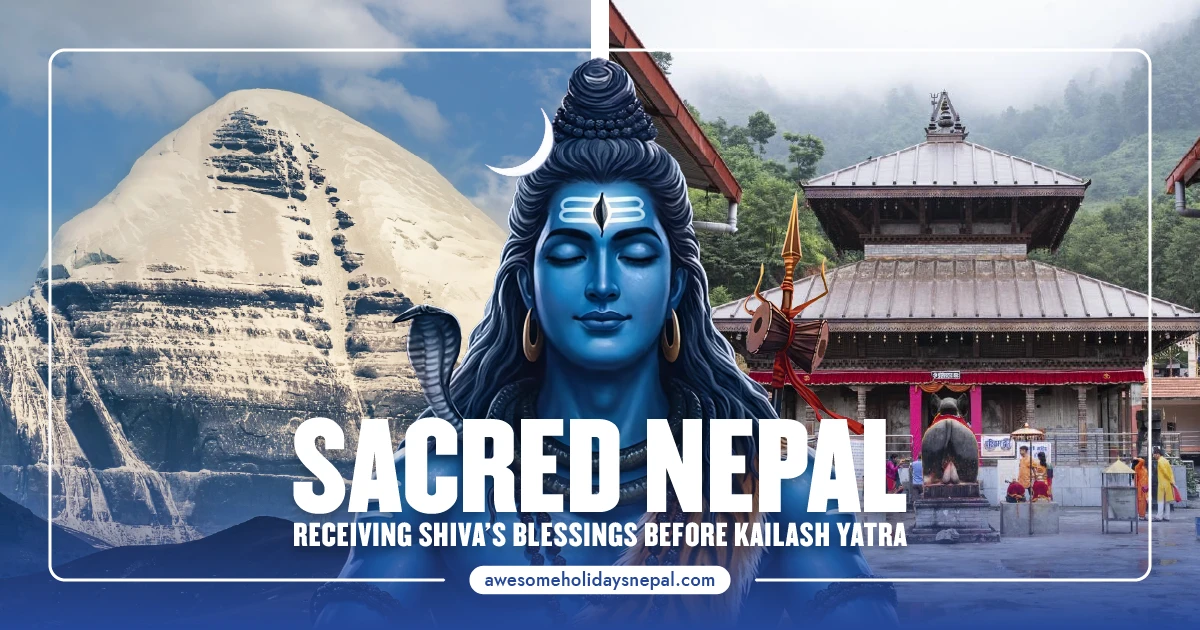
Nepal, the land of gods and mountains, is where the Kailash Mansarovar Yatra Truly Begins. Just before a few days, as you land in Kathmandu, you have 2-3 days to visit around the Kathmandu valley. These days are for Buffer and acclimatisation. The necessary paperwork, briefing, packing, repacking, and preparing for the Kailash Mansarovar Yatra.
There are sacred temples to visit before Kailash Yatra. Before stepping into the Kailash Yatra, pilgrims must first seek blessings at the temples and shakti piths in the land of Shiva, Shakti, Vishnu, nd Buddha, protected by other gods and goddesses.
How will you spend the days in Kathmandu? Because if you understand the tradition carefully, the Mount Kailash Yatra does not start from Kerung. It begins from your home, and grows from your thoughts. Kathmandu is where the dream matures, and at Kailash, you make the dream come true.
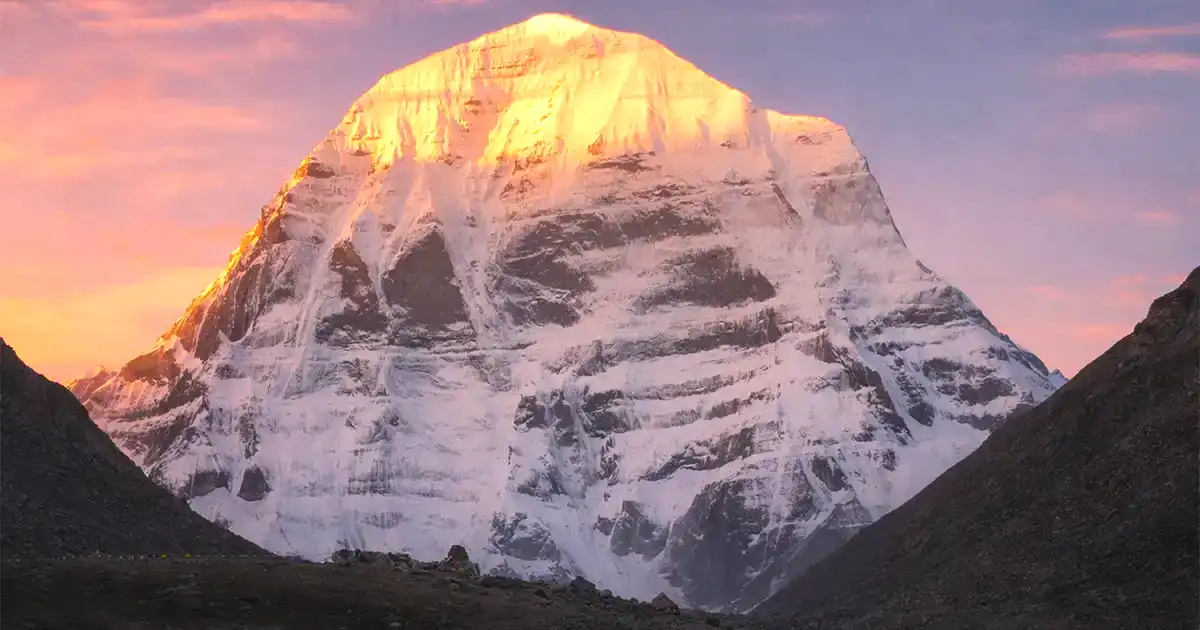
For centuries, Nepal has been the spiritual gateway to Mount Kailash. Ancient trade routes have connected Kathmandu Valley and Tibet, carrying salt, wool, and powerful mantras. For centuries, the Tibetan route to the Kathmandu valley has been walked by monks, yogis, and pilgrims. The spiritual connection between these lands is very, very ancient.
The horse year of 2026 has already begun. In the Tibetan cosmology, this is the year of rapidness, boldness, and intense personal growth. Horse years teach humans to innovate and seek freedom. This year, during the Saga Dawa, this belief is going to be even stronger and believed to be multiplied 13 times. This year, your yatra is going to matter a lot. Let this spiritual journey of Kailash Yatra start from Kathmandu with a visit to some of the most visited places and temples in Kathmandu valley, and some outside the valley.
Kathmandu Valley Temples to Visit Before Kailash Yatra
Pashupatinath Temple: The Lord of All Beings
Devadidev Mahadev, on the trinity, resides at the bank of the Bagmati River in Kathmandu. Legends say that this temple represents the head of Shiva, while other body parts lie on the 64 Jyotir lingas, scattered in the Himavat Khanda. Pashupatinath temple is one of the most sacred Shiva temples in Kathmandu and a UNESCO World Heritage Site since 1979. Pashu means animals, and Pati means master. Here, Shiva is worshipped as Pashupati, the Lord of all beings. The four-faced lingam inside the sanctum represents different aspects of divine consciousness.
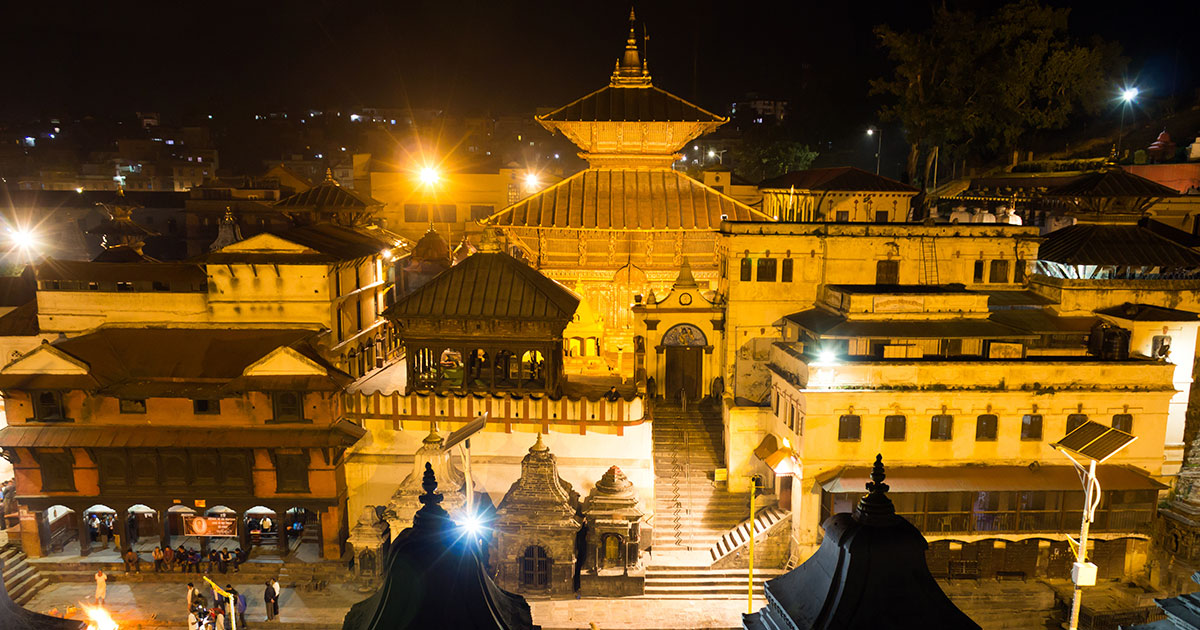
On the bank of the river, there is the cremation ghat, where the true meaning of life can be felt. You will not need any explanation from the guide to understand the meaning of life and spirituality. At the riverbank, Life and death meet here without apology. For the true believers of Lord Shiva, it is the real beginning of the Yatra to Kailash.
Some Important Rituals at Pashupatinath Temple
At Pashupatinath temple, pilgrims often perform Rudrabhishek, a sacred bathing of the Shivalinga with water, milk, and bilva leaves. They also make a sankalpa, a promise to complete the Kailash Parikrama.
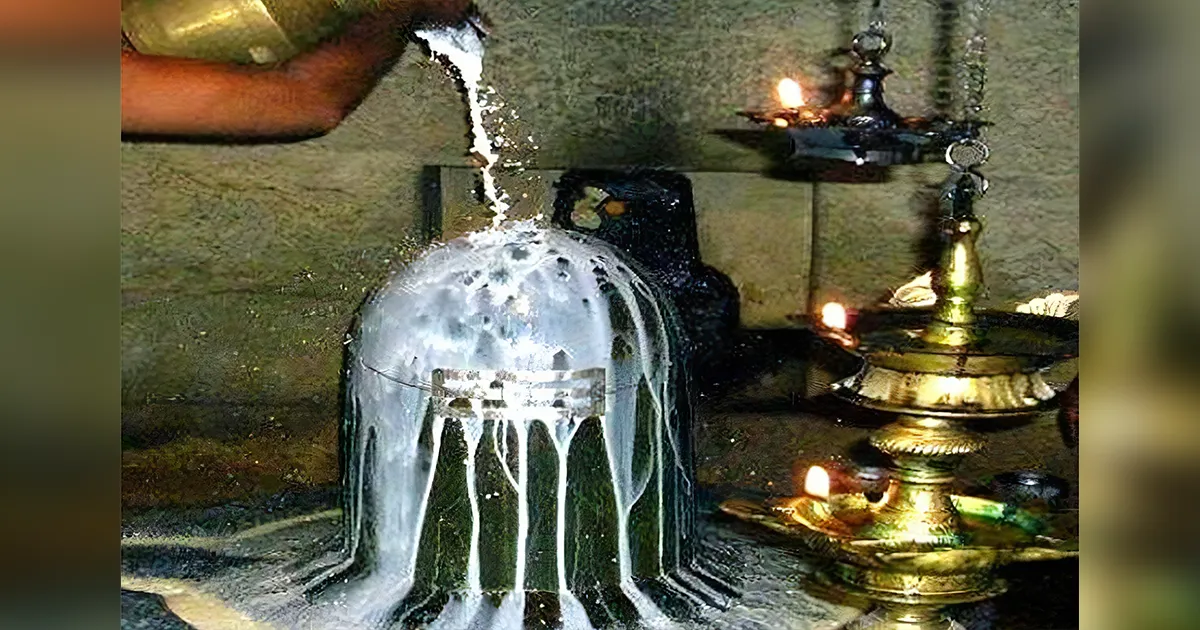
This puja is supposed to be a Protection for the journey. Many traditions consider Pashupatinath to be the earthly reflection of Mount Kailash. Receiving darshan of Shiva at Pashupatinath is believed to open the spiritual pathway to Shiva’s Himalayan abode.
So, Mount Kailash is the cosmic throne of Lord Shiva, and Pashupatinath is the accessible doorway to the kingdom of Lord Shiva at Himalayas.
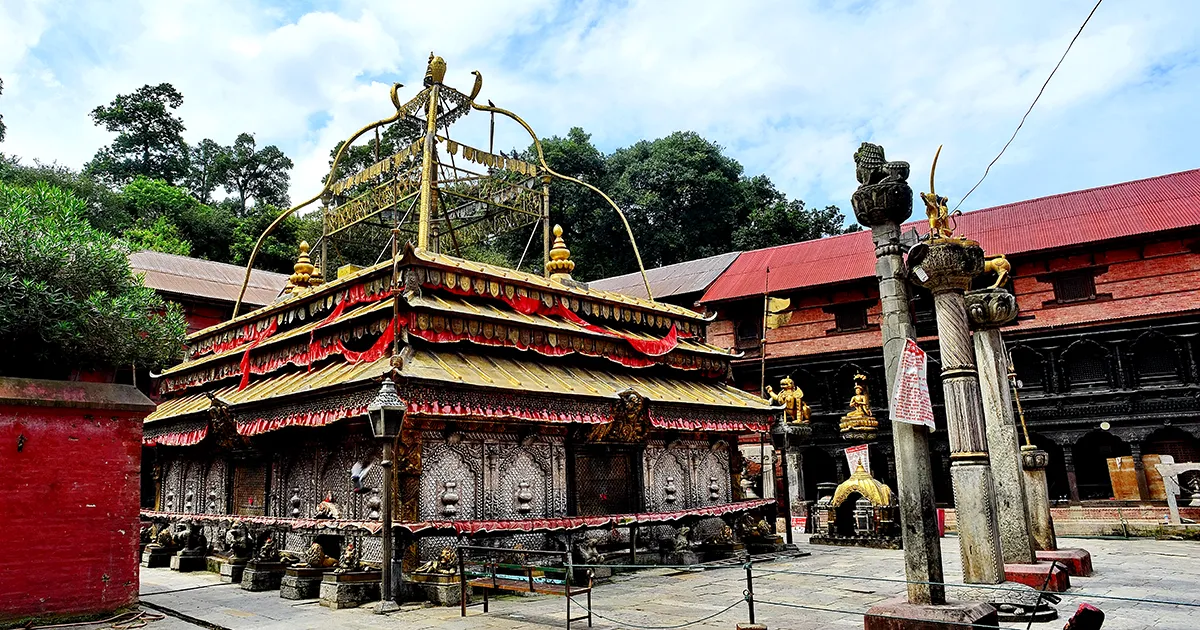
Guhyeshwari Temple: Balancing the Shiva Energy
Walking a few minutes from the Pashupatinath shrine, across the hill, you reach the Guhyeshwari, another sacred temple in the Kathmandu valley, one of the 51 Shakti Peethas of Hindu mythology. If shiva reprewents the stillness and materials in the universe, Shakti is the soul in them. Mount Kailash represents Lord Shiva as a pure consciousness, and Guhyeshwari represents the divine energy to make it alive. It is said that without Shakti, Shiva becomes shab, meaning a still, non-alive body. Shiva without shakti is directionless and motionless. Before heading to Kailash, Pilgrims often visit this divine shrine and ask for blessings from the mother energy of the yatra to Kailash.
Budhanilkantha: Protection before the Ascent
The largest statue of Lord Vishnu in Nepal, the sleeping Bishnu lies about eight kilometres north of Kathmandu city. The 5 m long statue of Lord Vishnu reclining on the cosmic serpent Sheshanaag is a basalt structure that dates back to the Licchavi era, depicts lord Vishnu in the cosmic sleep.
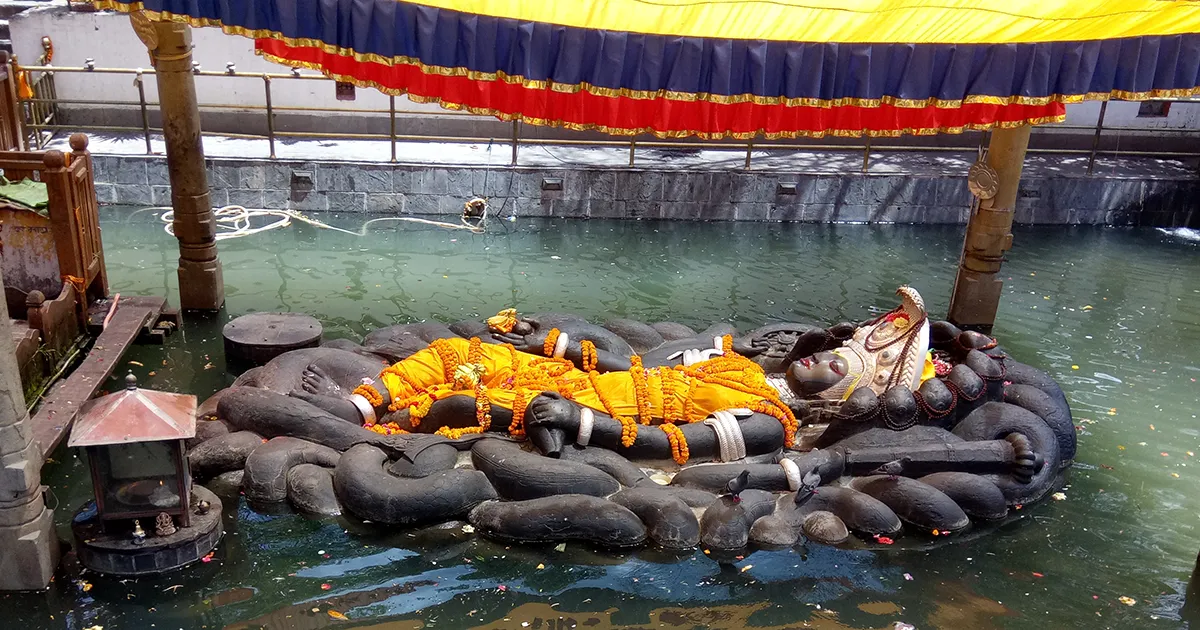
Vishnu is the lord who protects us, keeps the balance, and sustains the cosmic world. Before entering Shiva’s realm of transcendence, pilgrims seek stability, which can be provided only by Lord Vishnu. Vishgnu will help you to ground the energy during the Kailash journey.
Dakshinkali: the shakti of the South
On the South of the valley, near Pharping, stands the Kali temple of South representing the fierce form of Shakti of the south. Pilgrims pray here for gaining the courage, removal of karmic obstacles, and protection during difficult passages in Kailash. Crossing the Dolma La Pass at over 5,600 meters, pilgrims need fearless ground, somebody removing the obstacles. Kali will cut through your fear and ego, and brings clearity in you.
Doleshwor Mahadev: Completing the Shiva Cycle
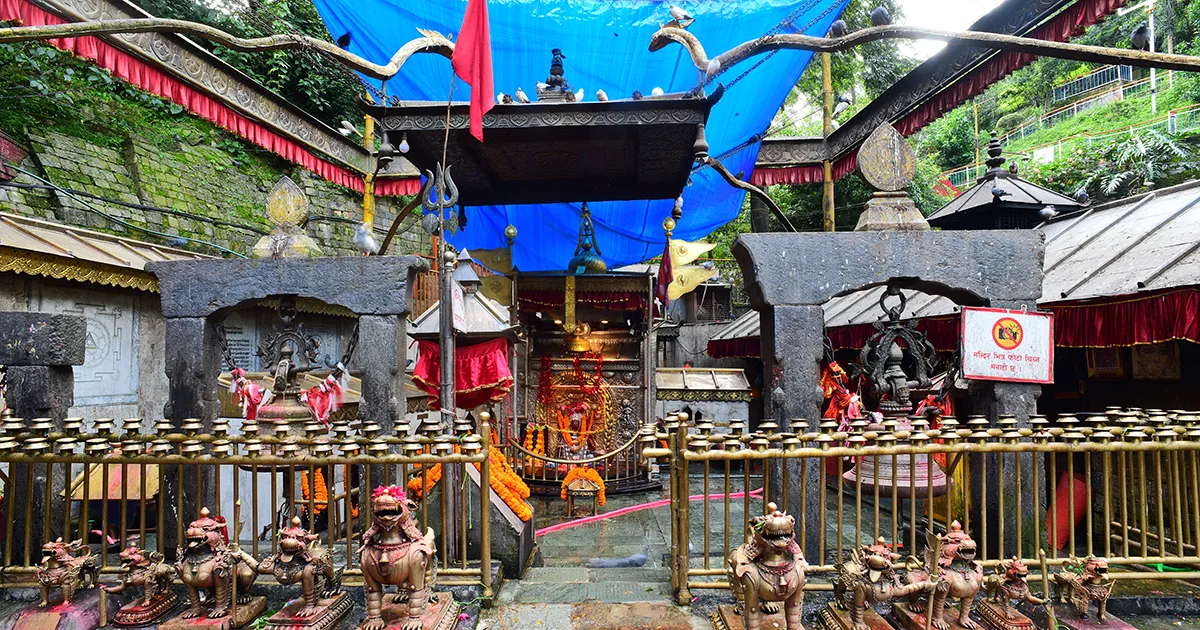
Located in the Bhaktapur district, to the east of the Valley, Doleshwor Mahadev, a powerful Shiva temple in Kathmandu, is believed to represent the head of Kedarnath. One of the shrines among the Char Dham, Kedarnath, is the symbolic manifested form of the body of Shiva, and Doleshwar is his head. So, Doleshwor represents the spiritual completeness.
Buddhist Sacred Preparation Before Kailash
Mount Kailash is sacred not only to Hindus but also to Buddhists, Bons, and Jains. Kathmandu Valley is another hub for the Tibetan Vajrayana tradition. The valley is filled with some powerful places in the valley where Buddhism is mostly followed.
Swayambhunath Stupa:
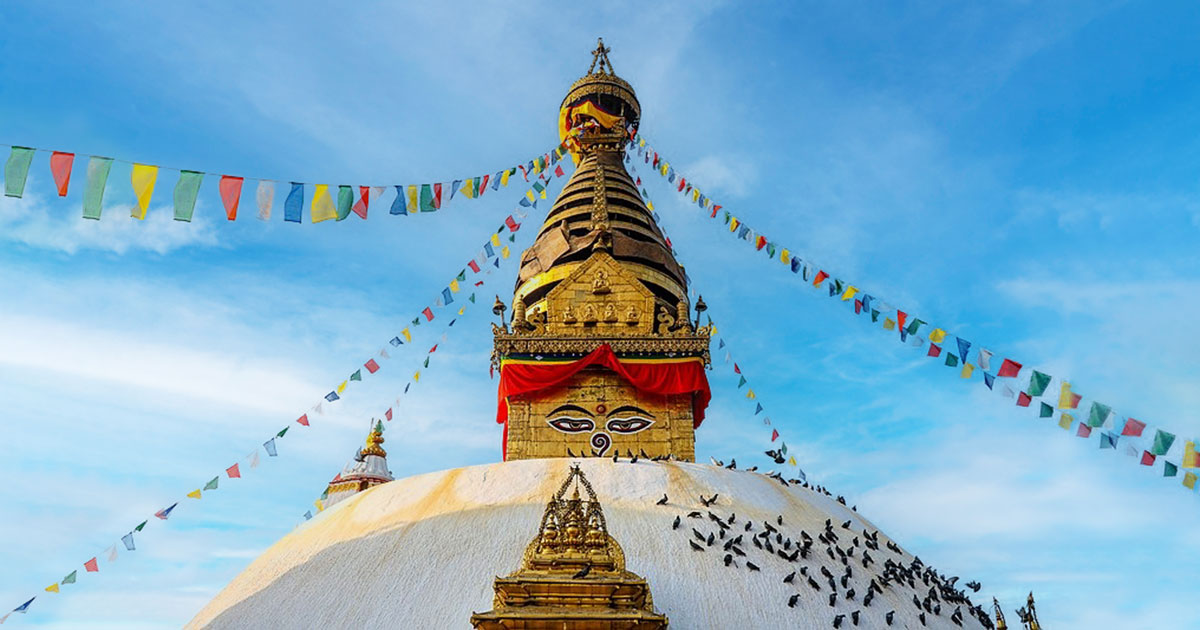
Swayambhunath Stupa sits atop a hill at 1,750 meters. The 365 steps of status take us to the Swayambhunath Stupa, to the top of a hill at 1,750 meters. The stairs will teach you the symbol of climbing the Dolma La Pass. The four eyes of Buddha, gazing on the four directions, represent awareness and universal order. Walking around the stupa and lighting the butterlamp is the rehearsal for the great kora around Kailash.
Boudhanath Stupa: The Largest Stupa
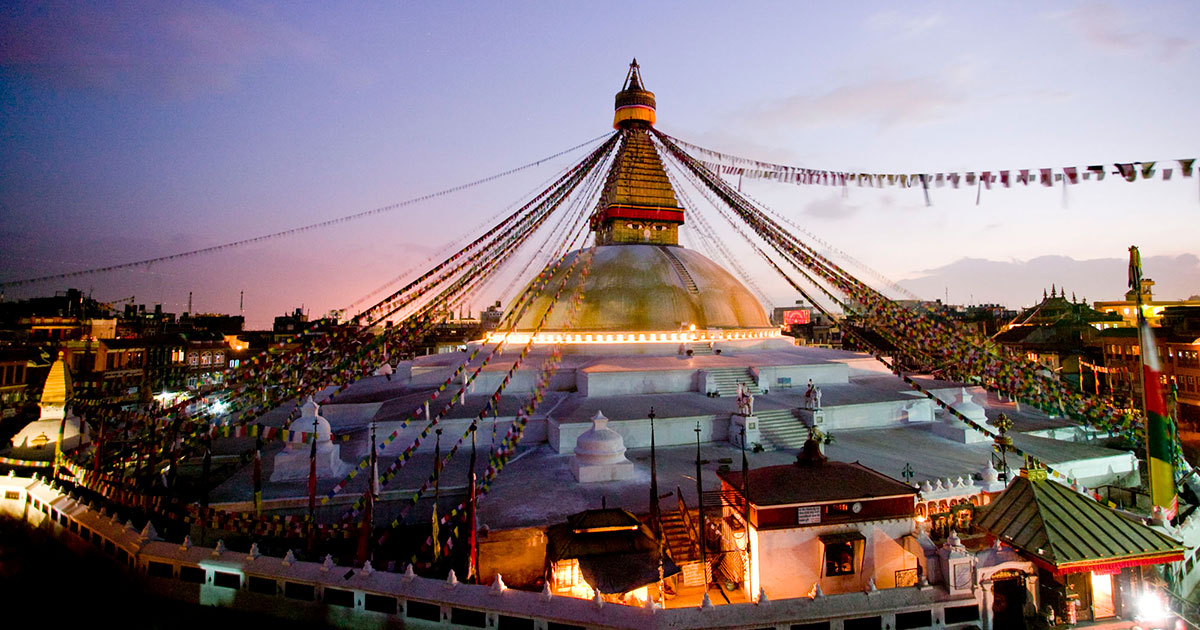
Boudhanath Stupa is the largest stupa in Nepal and the heart of Kathmandu’s Tibetan Buddhist community. Before Kailash, pilgrims often perform kora, spin prayer wheels, chant Om Mani Padme Hum, and light butter lamps. Some people meet Lama, the ritual guru of Buddhism, and receive protective threads. This creates a bridge between the spiritual journey in Tibet and Nepal before crossing the border.
Muktinath Temple: The Temple of Liberation Before Liberation
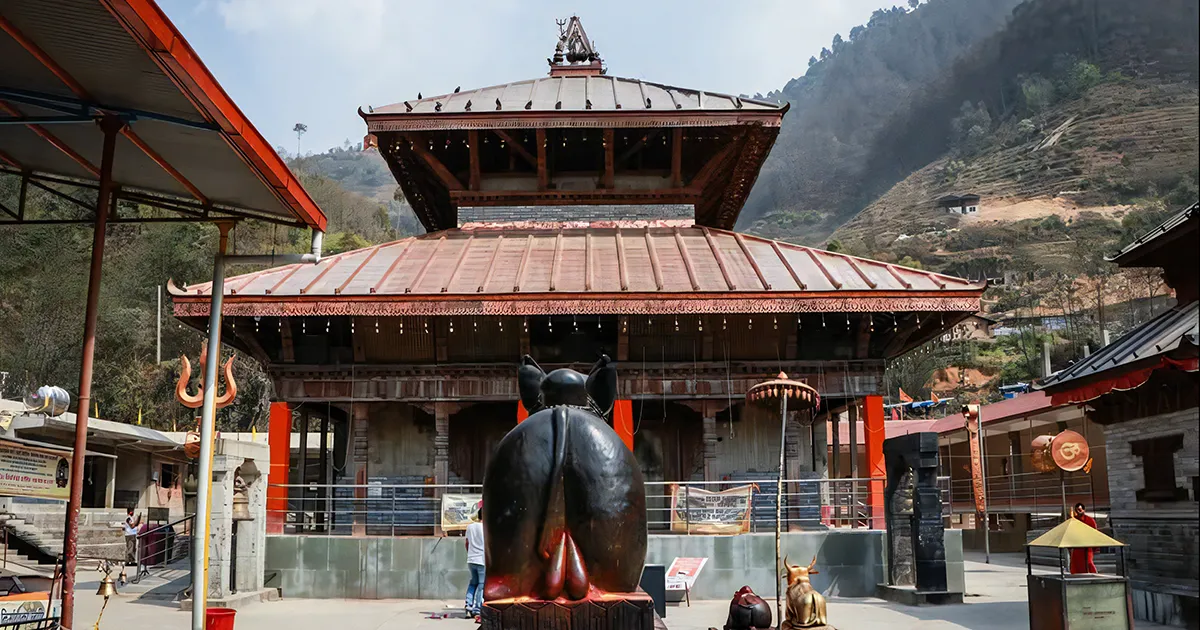
A sacred but not a temple in Kathmandu is a pilgrimage for both Hindus and Buddhists. The Muktinath temple lies at an altitude of 3710m in the Mustang region of Nepal. It is believed that people who take a bath from the 108 water spouts open the gateway to liberalisation. Many pilgrims visit Muktinath for acclimatisation and spiritual cleansing before Kailash. Mukti means liberation.
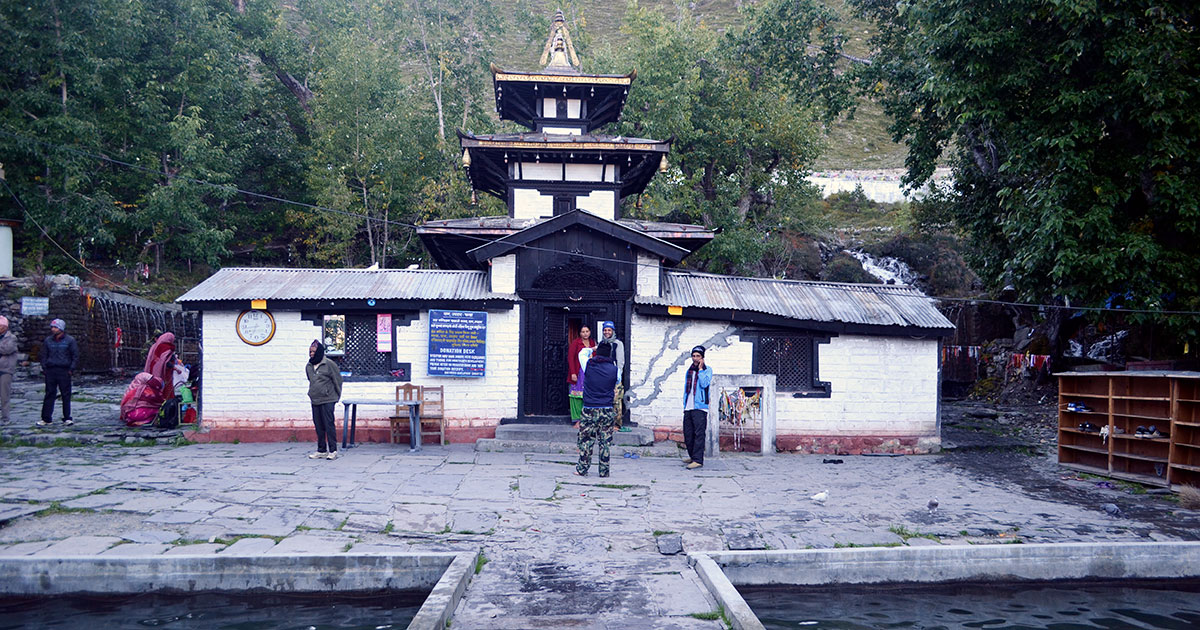
Hence, if Kailash represents transcendence beyond birth and death, then Muktinath opens the portal for the fulfilment of the transcendence.
Concluding
Travelling to Tibet and completing the kora demands a visa, permit and balanced mental-physical preparedness. In 2026, the Year of the Horse, when spiritual merit is believed to multiply thirteenfold, preparation becomes even more meaningful. Visiting these temples in Nepal will complete your alignment, and receive Shiva and Shakti’s blessing for the completion of Kaialsh Kora.
FAQs
Expand AllWhy do pilgrims visit Pashupatinath Temple before the Kailash pilgrimage?
Pashupatinath is the lord of all the beings in the universe. Before visiting Kaialsh, pilgrims visit Pashupatinath to seek blessings from Lord Shiva. Kailash is considered the cosmic abode of Lord Shiva, and visiting Kailash before travelling to Mount Kailash, which is considered Shiva’s cosmic abode.
Is Pashupatinath part of a UNESCO World Heritage listing?
Yes. The Pashupatinath area of 246 hectares (2,460,000 m2) includes 518 mini-temples and was listed as a UNESCO World Heritage Site in 1979.
Can non-Hindus enter the main temple at Pashupatinath?
No. Non-Hindus can visit the entire area except the main shrine of Pasupatinath. This is to preserve the religious value of the temple and respect the sensitivity of the religious beliefs of the Hindu people.
Where can non-Hindu visitors view Pashupatinath from?
Non-Hindu visitors can view the temple from a height across the Bagmati River, from where they can see most of the parts of the temple.
Are cameras or photography allowed at Pashupatinath?
Photography is generally allowed in the outer areas but strictly prohibited inside the main gate,m and the entire shrine area.
What should visitors avoid bringing into the Pashupatinath temple complex?
People are not allowed to wear leather belts, shoes, or bags when entering the main shrine. Similarly, alcohol, tobacco, and disrespectful clothing should be avoided around the entire premises.
What is Boudhanath Stupa known for within Nepal?
Boudhanath is one of the largest spherical stupas in the world and is a center of Tibetan Buddhism. The massive semisphere above the mandala makes it more profound.
Is Boudhanath included under the Kathmandu Valley UNESCO listing?
Yes. Boudhanath too is a part of the Kathmandu Valley UNESCO World Heritage site.
What is Swayambhunath Stupa, and where is it located?
Swayambhunath is one of the oldest self-emerged Buddhist shrines in Kathmandu, listed in the world heritage sites. It is situated at the top of a hill, giving a panoramic view of the valley.
Is Swayambhunath included under the Kathmandu Valley UNESCO listing?
Yes. Swayambhunath is also included in the Kathmandu Valley UNESCO World Heritage Site.
What is a respectful way to walk around stupas?
People visiting the stupa and Temples are encircled in a clockwise direction, keeping the structure to their right. Wear modest clothing, and avoid obstructing prayer activity by people wearing Chibar (or Civara).
How much time should I keep for the main sacred circuit in Kathmandu?
A half-day is enough for a quick visit to the main sacred temples in the Kathmandu Valley. All seven Heritage sites can be visited within a day.
What is the most efficient order to visit Pashupatinath, Boudhanath and Swayambhunath in one day?
Start from Swayambhu for a sunrise over the horizon, visit Bouddha, and visit Pashupatinath for the evening aarati.
Which sacred places are easiest to visit if I have limited mobility?
With a limited time, Visiting Boudhanath and Pashuipati can be visited, avoiding Swayambhu. These two spots are located nearby and can be covered in a short period of time.
What is Budhanilkantha Temple known for?
Budhanilkantha Temple is known for a large black, reclining statue of Lord Vishnu resting on a bed of Vasuki serpents in an open-air water pond.
Is Manakamana Temple commonly visited on longer Nepal pilgrim itineraries?
Yes. Manakamana Temple is often included on extended pilgrimage routes. It is a shrine dedicated to Shakti, who fulfils your wish.
What is Janaki Mandir associated with?
Janaki Mandir is associated with King Janak and his daughter Janaki, also known as Sita.
Related blog posts
Discover a choice of tourist destinations loved by most of our visitors. Whether you're on a jungle safari to spot rare animals or walking through a world heritage site, these well-planned itineraries cover the major highlights of Nepal.
 call an expert at: