
How People of Sherpa Culture Traditionally See Everest: The Chomolungma Goddess
 Sujata Pokhrel
Mount Everest represents the unachievable dream, an indication of success, or a daring life achievement to many. But in Sherpa culture, it is more than just a mere mountain!
Having lived in the Khumbu region for ages, Sherpas of the Himalaya deeply revere this peak as their mighty goddess. They call the peak, Chomolungma, the mother goddess of the world, and hence it was considered unclimbable for many years, even after its discovery.
This blog explores how Sherpas traditionally view Everest, not merely as a physical peak, but as a divine protector, a spiritual force, and a cultural heartbeat that guides life in the high Himalayas.
Meaning of Everest in Sherpa Culture
Tibetan Buddhism truly shapes Sherpa culture, as it is believed these people migrated from there and started settling here. And Tibetan Buddhism regards mountains, rivers, and valleys as home to powerful deities and guardian spirits. Despite the difficulties of living, the Sherpas see their surroundings as a sacred gift rather than a barrier.
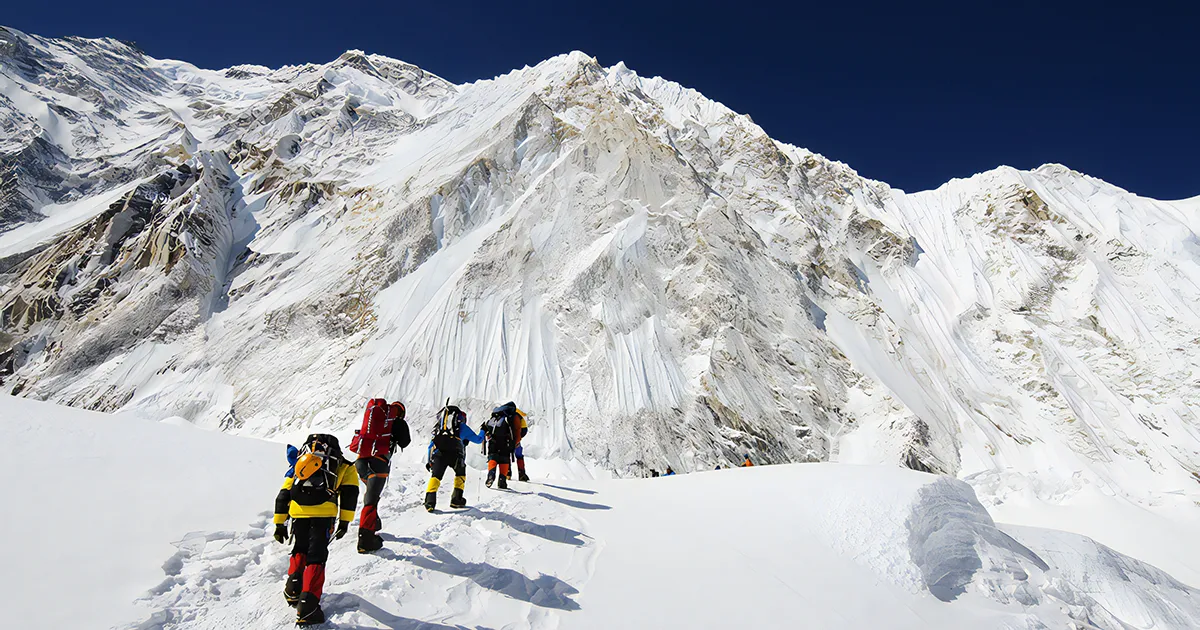
And among all the mountain peaks in the Khumbu region, Everest holds profound spiritual significance in Sherpa culture. She is revered as the mightiest of all deities who offers protection and watches over the entire Khumbu region.
Chomolungma: The Powerful Peak of the Everest Region
Sherpas don’t know Everest as the highest peak of the world but as the center of their faith and spiritual energy, their mother goddess Chomolungma. The Tibetan name Chomolungma literally translates to “Goddess Mother of the world” or “holy mother goddess”.
The word “Cho” or “Jo” refers to a goddess or holy figure, “mo” signifies the feminine, and “lungma” (or “langma”) means mother or universe. This ancient name captures the emotional and cultural connection locals have carried for centuries, long before the world knew the mountain as Everest.
Check out blog “In Pursuit of Name” to learn about different names of Everest and their meanings.
Rituals and Beliefs Surrounding Chomolungma
Initially, the natives of Khumbu region believed the peak was unclimbable. But with time, Sherpas became more lenient and allowed ascents on Everest. However, it is considered unholy to climb on Chomolungma without a spiritual ceremony.
The Tibetan elders teach their newer generations that surface of Everest is very sacred and she punished if you show arrogance towards it. Here are few rituals that the residents of Khumbu follow to pay their respect to Chomolungma:
The Puja Ceremony
Sherpas perform a Puja ceremony at base camp before starting every expedition. This is a sincere request for Chomolungma’s consent to touch her body, rather than a formality.
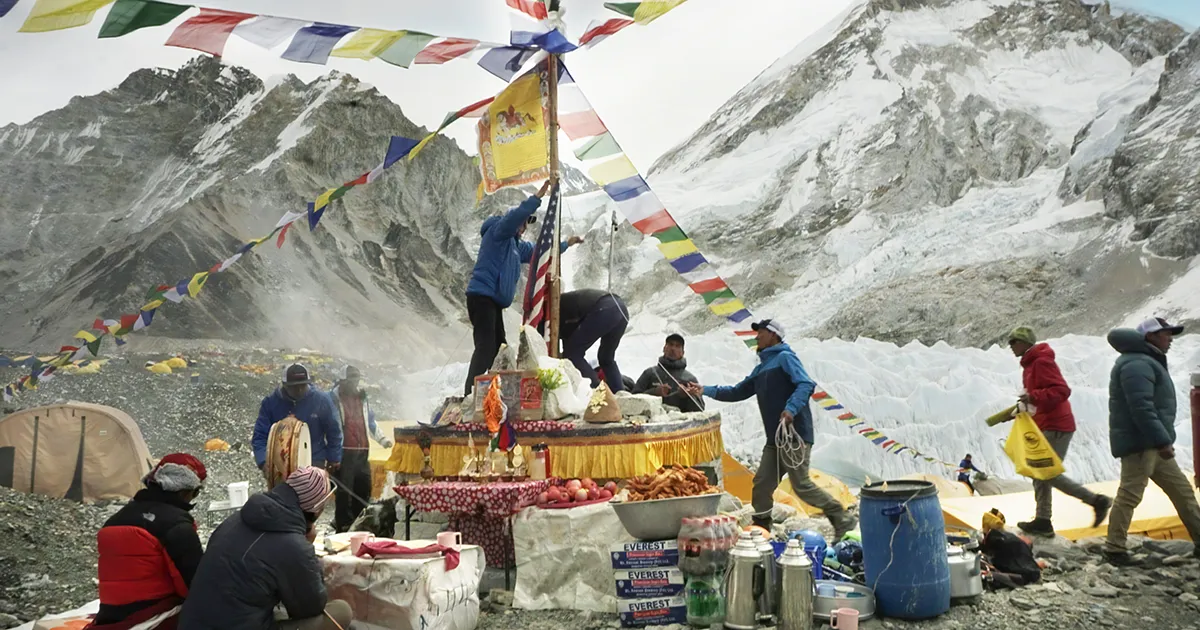
A lama from monastery of Khumbu performs this Puja with offerings, chanting, and holy rites on a altar that’s set up priorly on the base camp. First, Sherpas set up their climbing equipment on the altar.
They burn juniper branches to cleanse the area while a lama enchants some prayers. The goddess is offered rice, beer, candies, and butter lamps. People also hang prayer flags in higher location to send blessings onto the mountain winds.
Sherpa climbers don’t feel spiritually assured enough to start climbing until after this ceremony.
Hanging Prayer Flags
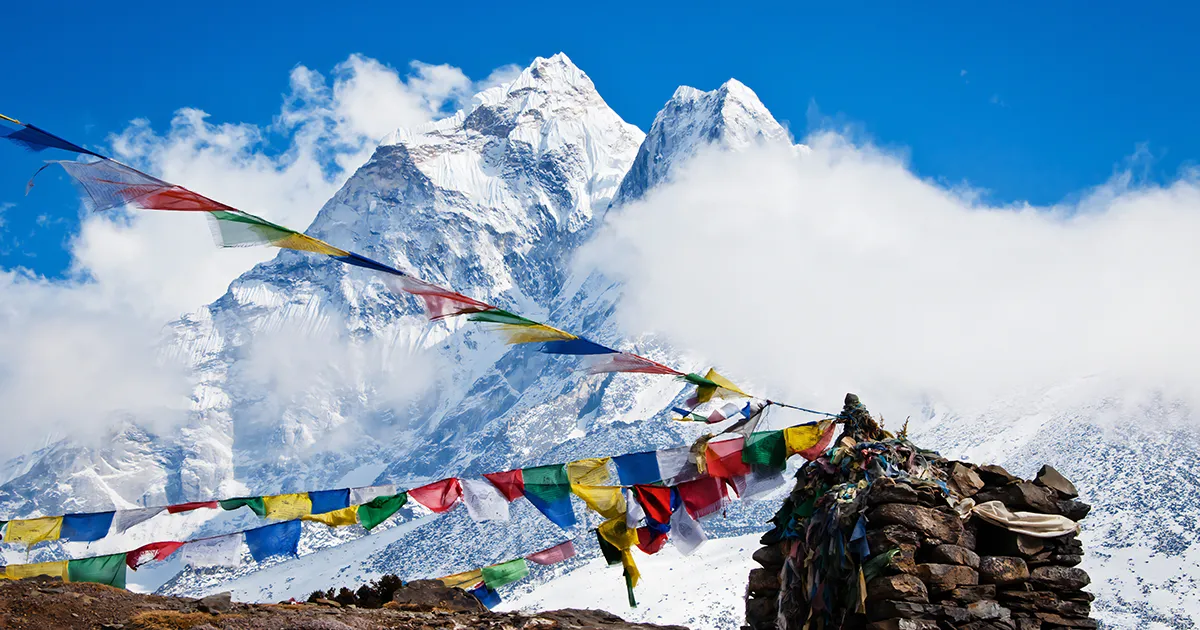
The rooftops of Sherpa homes, ridgelines, and suspension bridges are all covered in vibrant prayer flags. Every flag bears a blessing, a wish, or a prayer. It is thought that the wind transports these messages throughout the Himalayas, guaranteeing peace and safety for all living things.
Establishing Mani Stones and Stupas
Trekkers pass countless mani stones with the phrase “Om Mani Padme Hum” carved on them as they make their way to Everest Base Camp. These spiritual markers remind travelers to walk with humility and direct them along the holy path.
In Sherpa villages, stupas honor the mountains that support life and represent the presence of spiritual guardians.
Things to Know About the Sherpa People of Nepal
While learning how Sherpa people see Everest, it is equally important to understand about the origin and life style of Sherpas of Nepal.
Origin and History of Sherpas
Around the fifteenth century, the Sherpas left the Kham region of Tibet and crossed the border to reach Nepal. They established small villages that are now the cultural hubs of mountain life after crossing the high Himalayan passes and settling in the Khumbu region.
Their history is based on their ability to survive through difficult winters, scarce resources, and isolated surroundings while preserving close-knit communities and strong spiritual traditions.
Traditional Food of Sherpas
Sherpa food is simple, hearty, and deeply comforting which is perfect for the cold, demanding climate of the Himalayas. Every dish reflects the Sherpas’ strong bond with their homeland and generations of creativity.
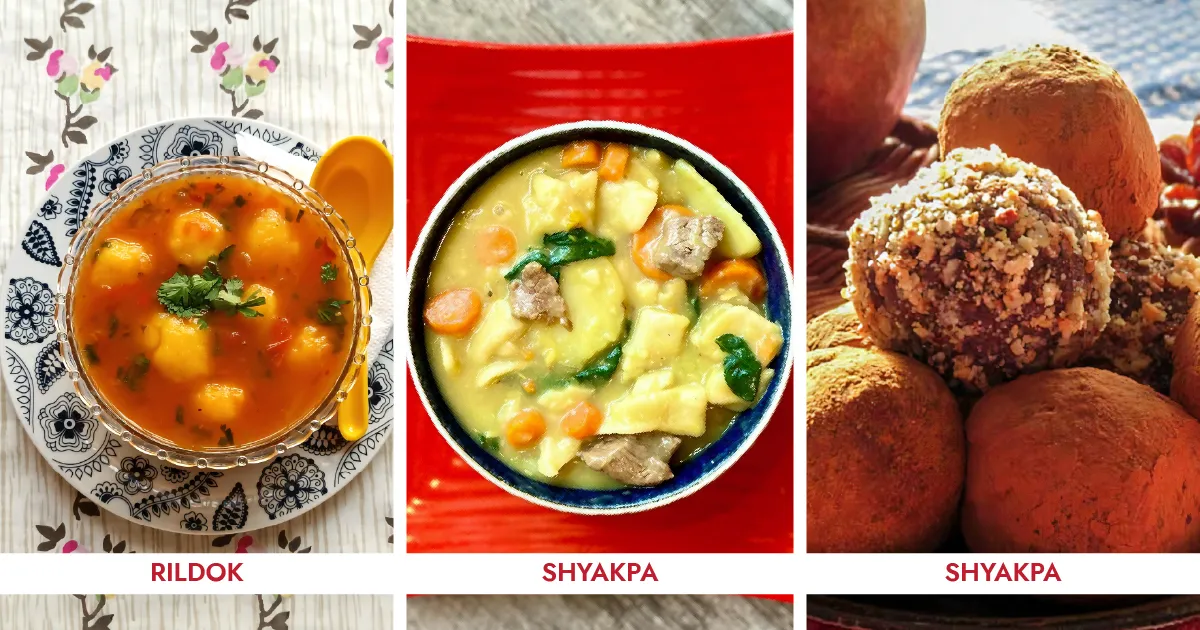
Some of the popular traditional recipes of Sherpas living in Everest region are:
- Shyakpa: A hearty stew made with meat, veggies, and homemade noodles
- Thukpa: Both locals and hikers enjoy this Tibetan-style noodle soup.
- Rildok: Broth-based potato dumplings
- Tsampa refers to Tea or butter combined with roasted barley flour
- Butter tea is a salty, refreshing drink that is necessary for living at high altitudes.
Culture of Sherpas
Tibetan Buddhism is an integral part of Sherpa culture, and festivals like Losar and Mani Rimdu bring villages together for ritual dances, music, and prayer. The monasteries of the Khumbu region serve as spiritual and cultural hubs where the traditions have been preserved and passed down through the generations.
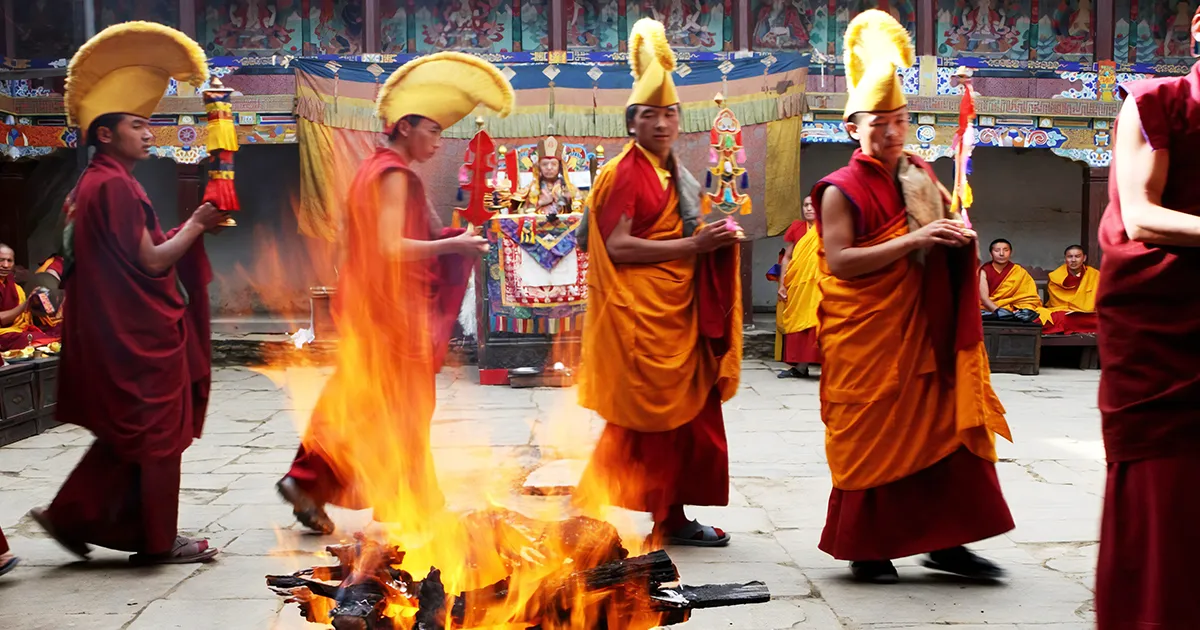
These people integrate music, dance, and folklore into everyday life and festivities. Sherpas are also known for their welcoming nature and cooperation, whether they help their neighbors or welcome guests, so hospitality and unity in the community are also essential.
Why Understanding Sherpa Belief Matters?
One needs to understand how the Sherpas view Everest to appreciate its beauty truly. Their beliefs transform a physical challenge into a cultural experience by adding emotional and spiritual depth to the journey.
Knowing the views of a native encourages the trekkers to be respectful of the surrounding of the Everest region. It also helps them to pursue Everest as more than just a climbing destination and appreciate all the rituals on the way.
Climbers can grasp the spirit of the area when they understand the goddess behind the mountain.
Impact of Modern Mountaineering on Sherpa Beliefs
Traditional Sherpa beliefs persist despite the increasing number of climbers and commercial expeditions. Even though they work as expedition guides, many Sherpas still regard Everest with the same respect as their ancestors did.
Climbing is both a profession and a sacred duty for Sherpa guides. They feel that since climbing Chomolungma means crossing sacred territory, they have a duty to safeguard the climbers both physically and spiritually.
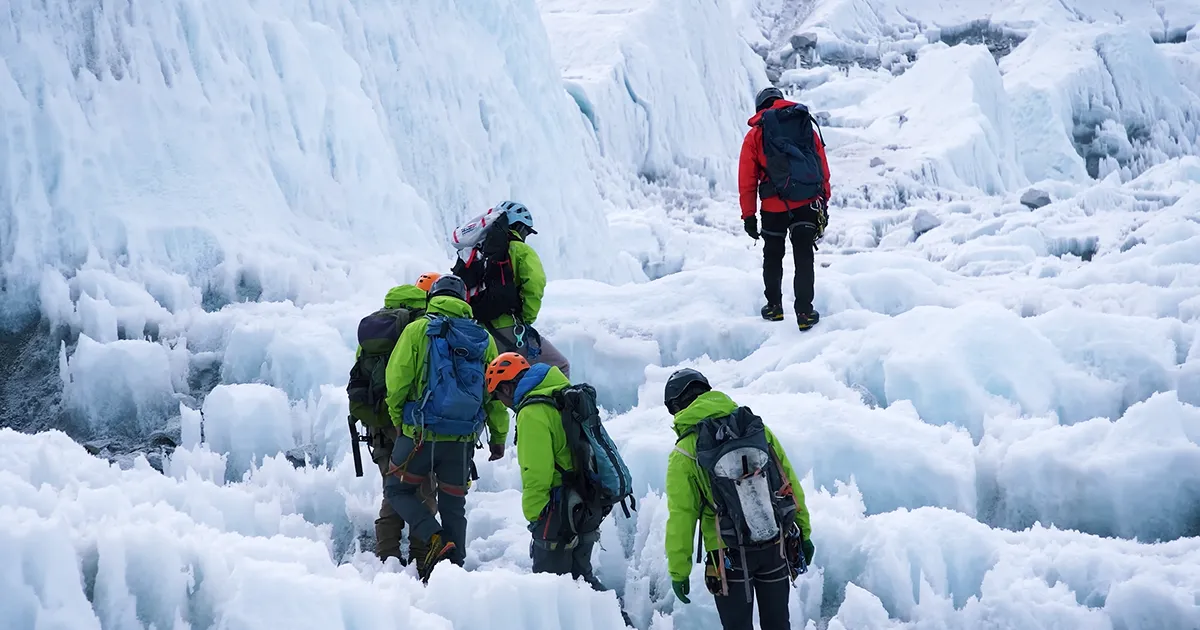
Modern mountaineering has definitely brought opportunities, education, and global exposure. But, the spiritual connection to Everest remains unbroken forever.
Everest as a Living Goddess
Everest is seen by the Sherpa people as a living goddess who protects their lands, inspires reverence, and serves as a reminder of their ancestry. She is always present in the hearts of people who live under her shadow, in prayers, in celebrations, and in stories whispered to kids.
When visitors understand this notion, every view of Everest becomes more meaningful. It serves as a reminder that mountains are not just climbed but also revered.
Everest is more than just a summit!
For the Sherpa people, she is Chomolungma, the Mother Goddess of the World, and she represents respect, fortitude, and spiritual grace.
FAQs
Expand AllWhat does Everest mean as a name?
“Everest” was named after Sir George Everest, a British surveyor. The name itself does not carry a spiritual meaning and it was simply a geographic label assigned during the Great Trigonometrical Survey of India in the 19th century. However, for the Sherpa people, the mountain’s traditional name, Chomolungma, holds far deeper significance.
What is a Sherpa person?
A Sherpa is a member of an ethnic group native to the high Himalayan regions of Nepal. Known for their mountaineering expertise, warm hospitality, and deep-rooted Buddhist traditions, Sherpas have lived in the Khumbu Valley for centuries and are considered the cultural guardians of the Everest region.
How many Sherpas are there in Everest region?
An estimated number of 40,000–50,000 Sherpas live in Nepal, with a significant concentration. And it is believed 20,000–25,000—residing in the Everest (Khumbu) region. These communities are spread across villages like Namche Bazaar, Khumjung, Pangboche, and Dingboche. However, there is no official records of Sherpas in Everest region.
What does it mean to be a Sherpa?
Being a Sherpa means belonging to a rich cultural lineage rooted in Tibetan Buddhism, resilience, and life in high-altitude terrain. It carries a strong sense of community, spiritual values, respect for nature, and traditions passed down through generations. However, people see them only as mountain guides and porters.
What is a Sherpa in Nepal?
In Nepal, the term “Sherpa” refers to both an ethnic group and a cultural identity. Sherpas are known for their historical migration from Tibet, their distinct language, unique rituals, and their integral role in the development of Himalayan trekking and climbing culture.
What is a Sherpa on Mt. Everest?
On Mt. Everest, a Sherpa is often a highly skilled climber or guide who supports expeditions by carrying loads, fixing ropes, managing camps, and ensuring the safety of climbers.
Why Sherpas call Everest Chomolungma?
Sherpas call Everest Chomolungma, which means “Mother Goddess of the World” in their native language. The name reflects the mountain’s sacred status in Sherpa spirituality and Tibetan Buddhism.
Why Understanding Sherpa Beliefs Matters for Travelers?
Understanding Sherpa beliefs helps travelers appreciate the Everest region on a deeper level. It transforms the journey from a simple adventure into a cultural and spiritual experience.
Related blog posts
Discover a choice of tourist destinations loved by most of our visitors. Whether you're on a jungle safari to spot rare animals or walking through a world heritage site, these well-planned itineraries cover the major highlights of Nepal.
 call an expert at: