
Safari in Nepal: Best National Parks for First-Time Wildlife Travelers
 Sujata Pokhrel
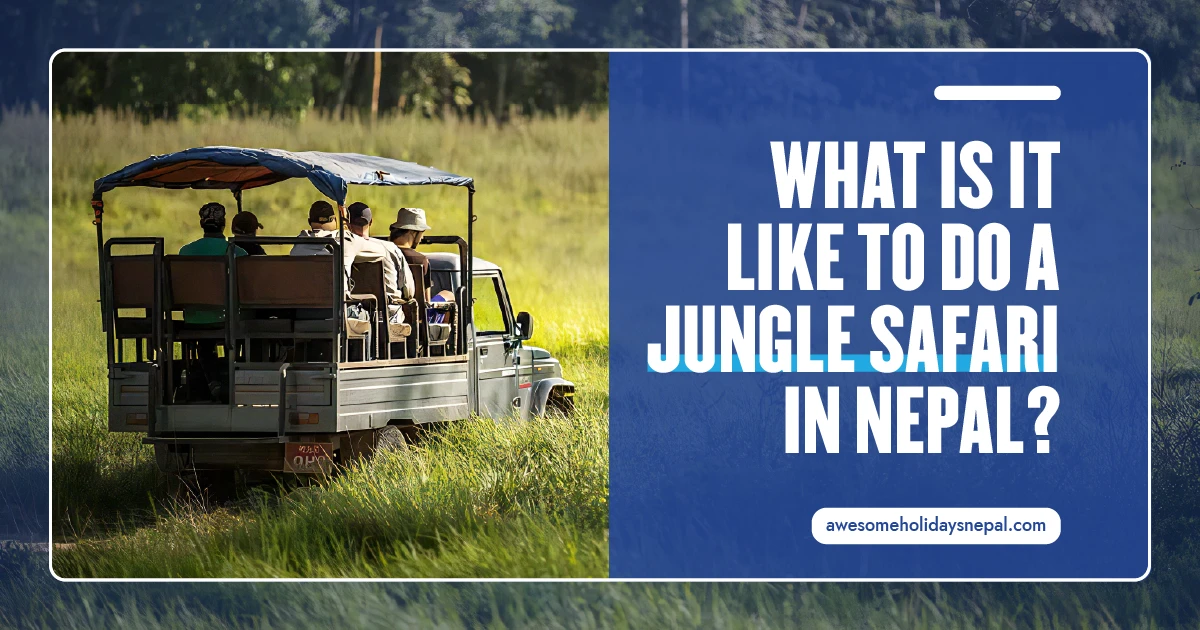
Safari in Nepal is a truly rewarding experience for wildlife lovers. While the country is often associated with the towering peaks of the Himalayas, that’s not the only side of this beautiful place.
Beyond the mountains lies a completely different world, lush jungles, winding rivers, and vast grasslands teeming with life. Travel a few hours south from Kathmandu, and the landscape transforms dramatically. The air grows warmer, the forests denser, and the sounds of the wild begin to take over.
Here in the Terai lowlands, Nepal reveals its quieter, lesser-known charm, one where rhinos graze in open fields, birds fill the sky, and the possibility of spotting a tiger adds a sense of thrill to every journey. For first-time wildlife travelers, it’s an experience that feels both exciting and accessible, offering a gentle yet unforgettable introduction to the world of safaris.
Let’s get through the blog to figure out the best options for safari in Nepal.
Why Choose Safari in Nepal for the First Time?
Nepal is one of the easiest places in Asia to experience a true jungle safari. The parks are well-managed, guides are knowledgeable, and travel logistics are straightforward. Compared to more famous safari destinations in Africa, Nepal offers a similar sense of adventure at a fraction of the cost.
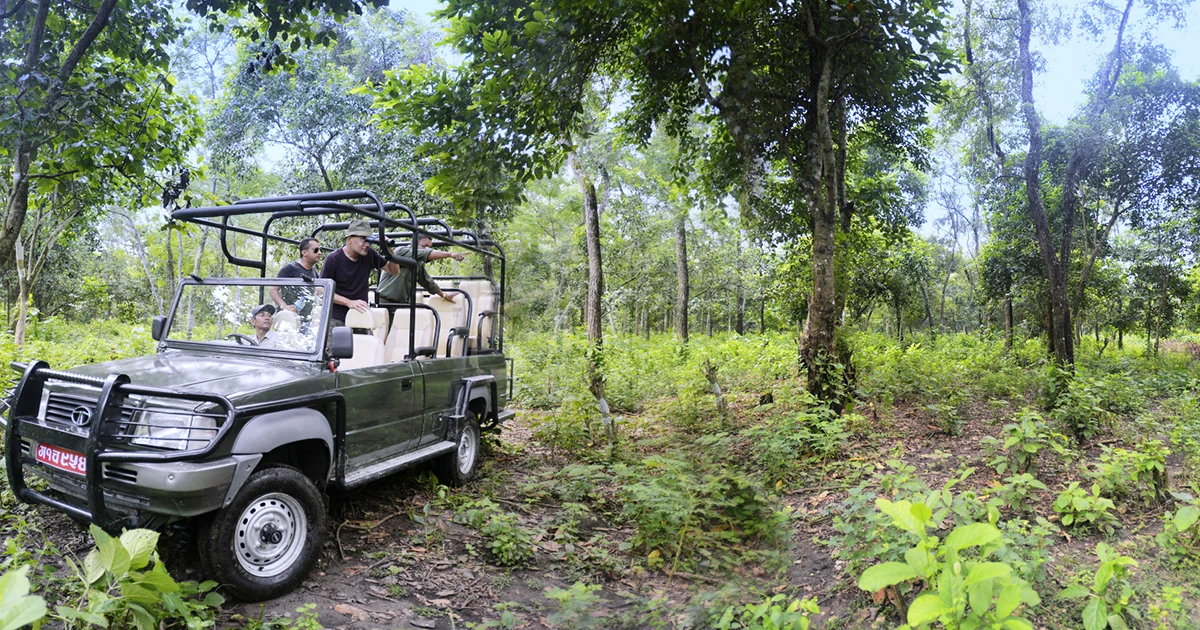
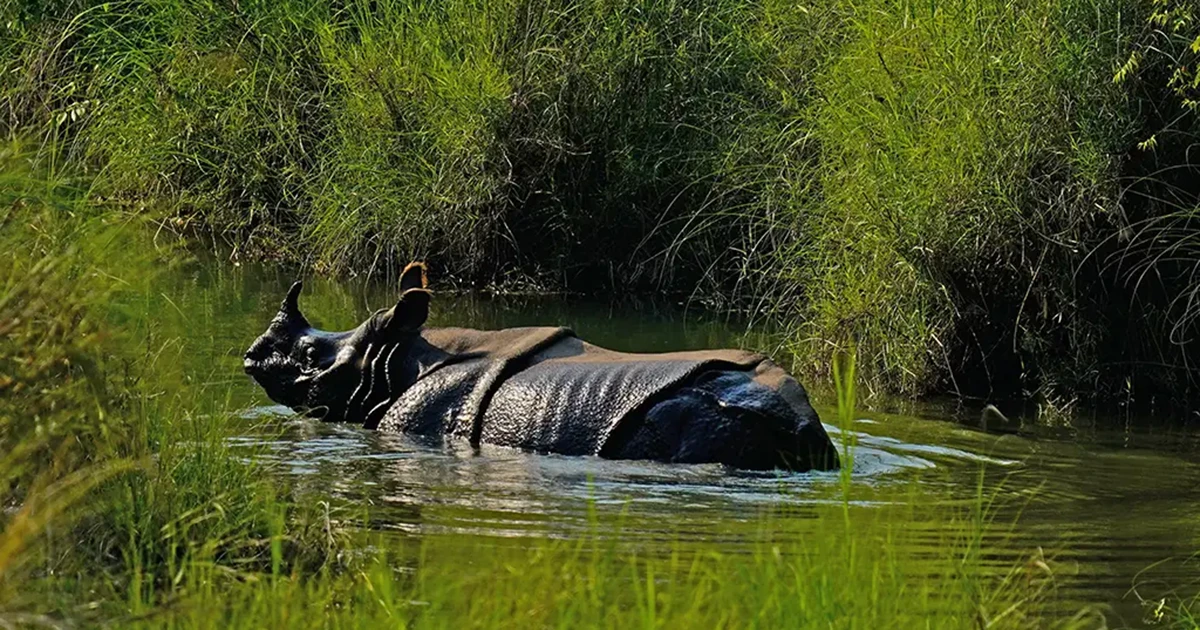
What makes it especially appealing for beginners is the diversity packed into a relatively small area. In a single trip, you might spot a one-horned rhinoceros grazing in the grasslands, watch crocodiles bask along riverbanks, and hear stories of elusive Bengal tigers moving silently through the forest.
There’s also a slower, more grounded pace to safaris here. It’s not just about ticking animals off a list—it’s about experiencing the rhythm of the jungle.
Best National Parks for First-Time Wildlife Travelers
Nepal has several protected areas, but a few stand out as particularly suitable for first-time visitors. Here’s the list of few national parks for this:
Chitwan National Park
Often considered the gateway to wildlife tourism in Nepal, Chitwan is the most popular and accessible park. Located in the Terai lowlands, it’s a UNESCO World Heritage Site and a perfect starting point for beginners.
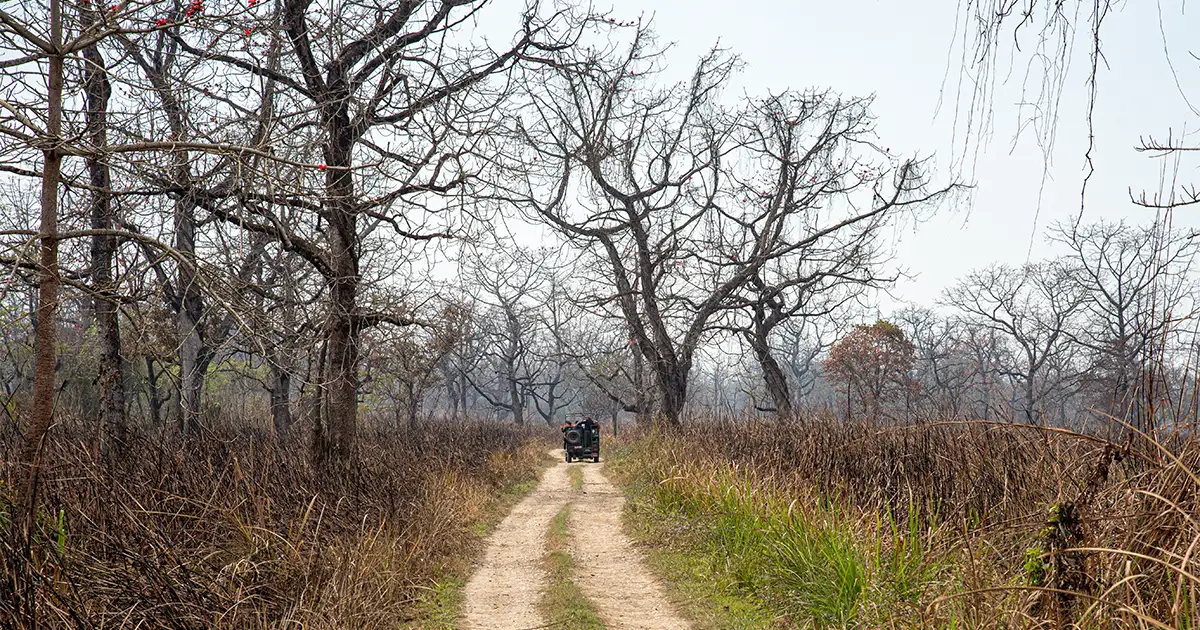
The landscape here is a mix of dense sal forests, open grasslands, and river systems. This variety supports a wide range of wildlife, including the iconic one-horned rhinoceros, spotted deer, wild boar, and a rich array of birdlife. While tiger sightings are rare, the possibility adds an exciting edge to every safari.
Chitwan is also well-developed for tourism, with a wide choice of lodges and experienced naturalists. For first-timers, that combination of comfort and wilderness makes all the difference.
Bardiya National Park
If Chitwan is the introduction, Bardiya national park is the deeper dive. Less visited and more remote, Bardiya offers a quieter and more immersive safari experience.
The park’s vast, undisturbed wilderness makes it one of the best places in Nepal to search for Bengal tigers. Sightings still require patience, but the sense of authenticity here is unmatched. You’re more likely to feel like an explorer than a tourist.
Bardiya is ideal for travelers who want to go beyond the basics and experience the jungle in a more raw, unfiltered way without large crowds.
Shuklaphanta National Park
Tucked away in far-western Nepal, Shuklaphanta is often overlooked but that’s part of its charm. The park is known for its expansive grasslands, among the largest in Nepal, which create stunning open landscapes.
It’s particularly famous for its population of swamp deer, often seen moving in large herds. Birdlife is also abundant, making it a rewarding destination for those who enjoy quieter wildlife observation.
For first-time safari travelers who prefer solitude and wide, open scenery, Shuklaphanta offers a unique alternative.
Koshi Tappu Wildlife Reserve
Koshi Tappu is a different kind of safari destination altogether. Instead of dense jungles, it features wetlands, floodplains, and riverine ecosystems shaped by the Koshi River.
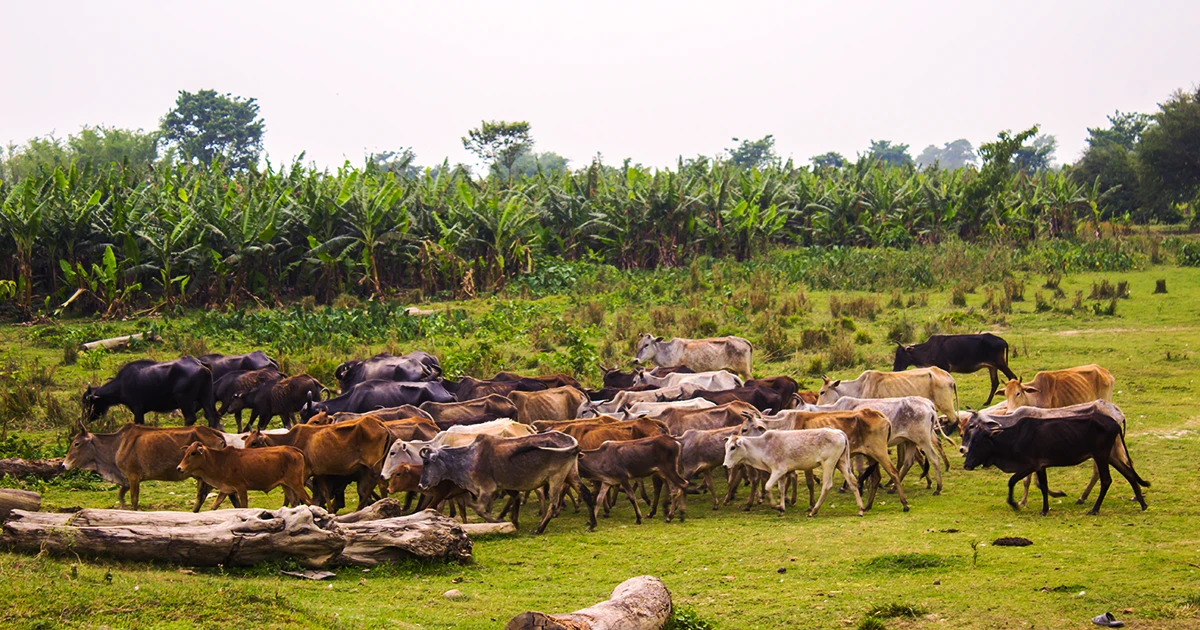
This reserve is a paradise for birdwatchers, especially during the migratory season when thousands of birds arrive from as far as Siberia. It’s also home to Nepal’s last population of wild water buffalo, known as Arna.
For first-time travelers looking for a shorter, more relaxed safari focused on birds and river landscapes, Koshi Tappu is an excellent choice.
Best Time for a Wildlife Safari in Nepal
Timing can shape your entire safari experience. The best months are generally from October to March, when the weather is cooler and visibility is clear. Animals are easier to spot as they move through open areas during the day.
The hotter months, from April to June, can actually increase your chances of seeing larger wildlife like rhinos and even tigers, as animals gather around water sources. However, temperatures can be intense.
The monsoon season (June to September) brings lush greenery but makes travel more challenging, and many safari activities may be limited.
Accommodation for Safaris in Nepal
Accommodation options around Nepal’s national parks range from simple lodges to comfortable jungle resorts. In places like Chitwan, you’ll find well-established eco-lodges with guided safari packages, meals, and cultural programs included.
In more remote parks like Bardiya, accommodations tend to be smaller and more intimate, often run by local families or conservation-focused operators. These stays offer a deeper connection to the surrounding environment and community.
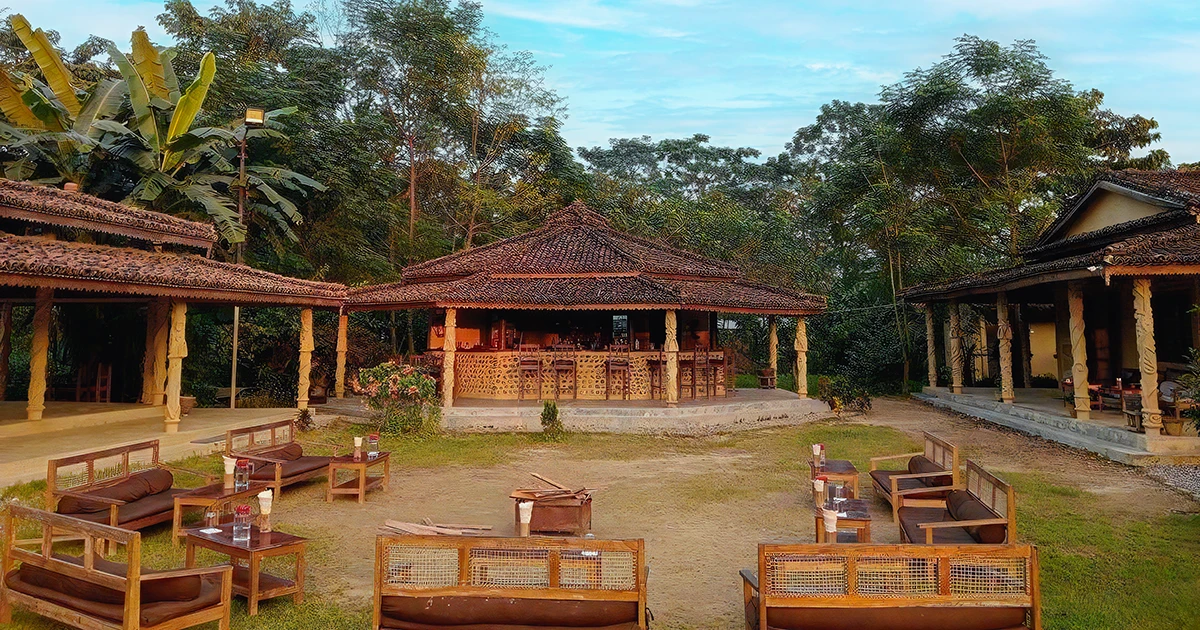
Wherever you stay, many lodges emphasize sustainability, blending comfort with responsible tourism practices.
Different Types of Safari Experiences in Nepal
One of the highlights of a Nepal safari is the variety of ways you can explore the jungle.
Jeep Safaris
Jeep safaris are the most popular and comfortable option. They allow you to cover larger areas of the park and increase your chances of spotting wildlife. With an experienced guide, you’ll learn to read tracks, listen for calls, and understand animal behavior.
Canoe Rides
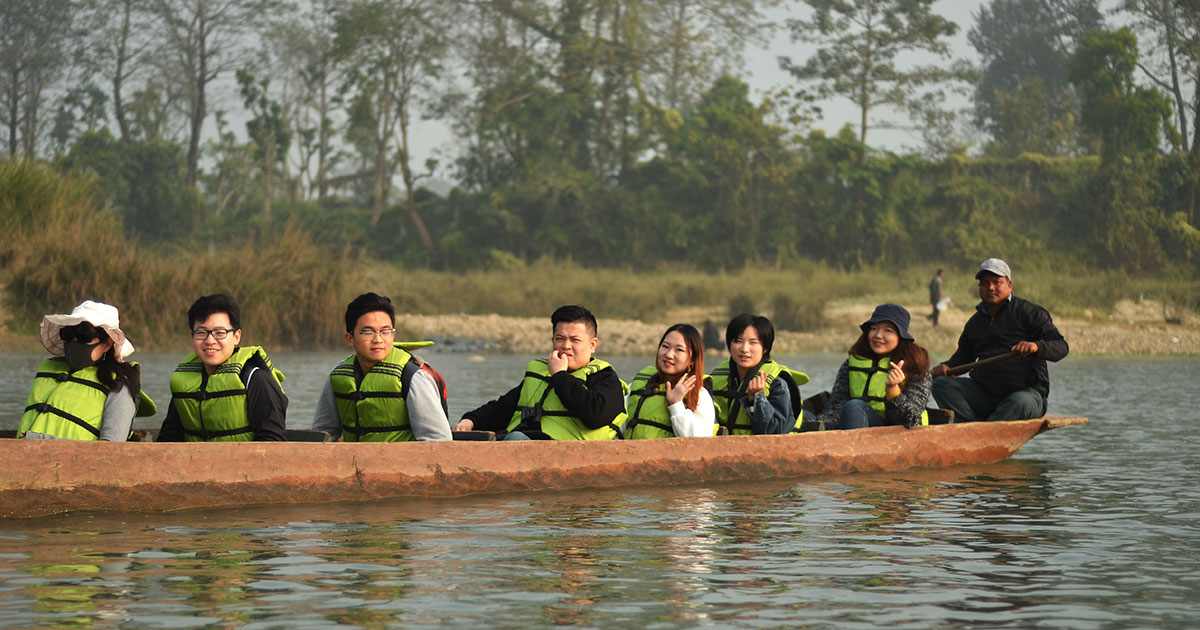
A canoe ride along a calm river is one of the most peaceful safari experiences. Gliding silently over the water, you may spot crocodiles resting on the banks, birds perched along the shoreline, and occasionally animals coming down to drink.
Jungle Walks
For those who want a more immersive experience, guided jungle walks offer a closer look at the ecosystem. Walking through the forest heightens your senses you notice sounds, scents, and subtle movements that are easy to miss from a vehicle.
These walks are always led by trained guides who ensure safety while interpreting the environment.
Elephant Safaris
Elephant safaris have traditionally been a part of Nepal’s wildlife tourism, offering a higher vantage point for spotting animals in tall grasslands. However, in recent years, there has been growing awareness around ethical wildlife practices.
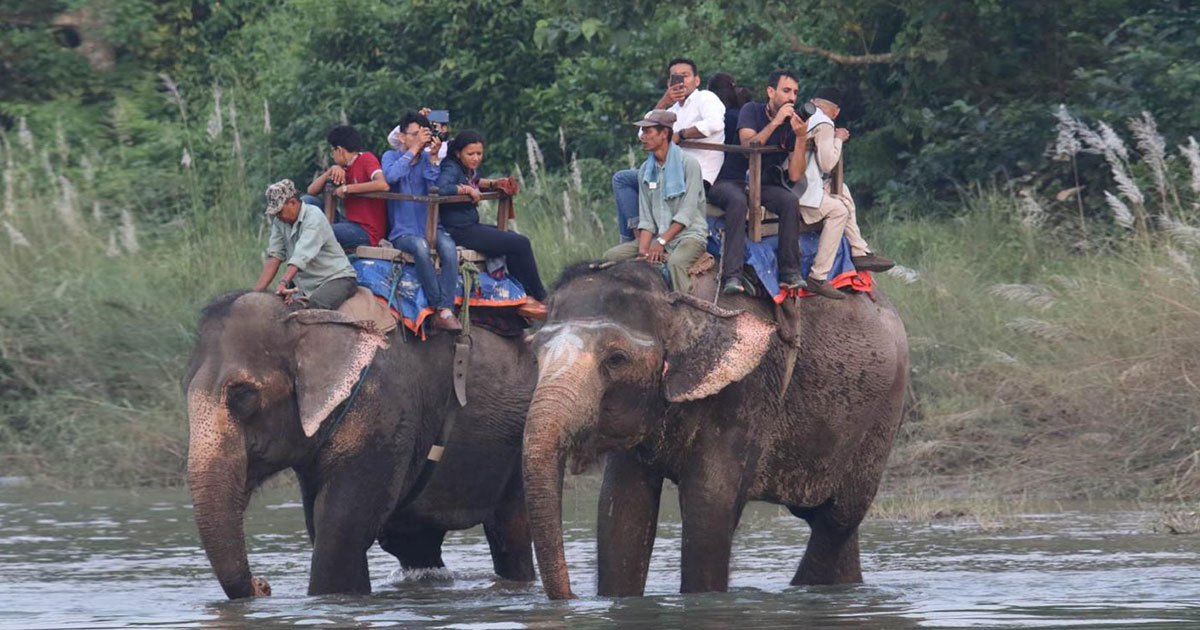
Many travelers now choose alternative safari methods, and some parks and lodges are shifting toward more responsible approaches to wildlife viewing.
Tips for First-Time Safari Travelers
A few simple tips can make your safari more enjoyable and rewarding. Wear neutral-colored clothing to blend into the environment and avoid startling animals. Early mornings and late afternoons are the best times for sightings, so be prepared for early starts.
Patience is key. Wildlife doesn’t appear on demand, and part of the magic lies in the waiting. Carry binoculars, stay quiet during safaris, and always follow your guide’s instructions.
Most importantly, approach the experience with curiosity rather than expectation, you’ll come away with far more than just photos.
A Perfect Wild Experience
A safari in Nepal offers something rare: a chance to experience wild nature without overwhelming complexity or cost. Whether you begin in the accessible jungles of Chitwan National Park or venture further into the untouched landscapes of Bardiya National Park, each park reveals a different side of the country.
For first-time wildlife travelers, Nepal strikes a perfect balance. It’s adventurous but approachable, diverse yet easy to navigate. And beyond the wildlife, it leaves you with something deeper a quiet appreciation for the rhythm of the natural world.
If you’re looking to begin your safari journey somewhere truly special, Nepal might just be the perfect place to start.
FAQs
Expand AllWhat is the best safari in Nepal for first-time wildlife travellers?
For most first-time visitors, a safari in Chitwan National Park is the best choice. It’s easy to reach, well-organized, and offers a high chance of seeing iconic wildlife like rhinos and crocodiles.
Which national park in Nepal is easiest to visit on a first trip?
Chitwan National Park is the easiest to access, with good road and flight connections from Kathmandu and Pokhara.
Is Chitwan National Park the best choice for a first safari in Nepal?
Yes, it’s widely considered the best starting point due to its accessibility, variety of wildlife, and range of accommodation options.
Is Bardiya National Park worth visiting for first-time travellers?
Bardiya National Park is absolutely worth it, especially if you prefer fewer crowds and a more immersive jungle experience. However, it requires more time to reach.
What is the difference between Chitwan and Bardiya for wildlife travel?
Chitwan is more developed and beginner-friendly, while Bardiya is quieter, wilder, and better for those seeking a more remote experience.
Which national park in Nepal is best for seeing rhinos?
Chitwan National Park is the best place to see one-horned rhinoceroses in Nepal.
Which national park in Nepal is best for tiger sightings?
Bardiya National Park offers some of the best chances for tiger sightings, though they are never guaranteed.
Are wildlife sightings guaranteed in Nepal?
No, wildlife sightings are never guaranteed. Safaris depend on timing, luck, and patience.
What animals can I see on a safari in Nepal?
You may see one-horned rhinos, Bengal tigers, elephants, deer, crocodiles, monkeys, and a wide variety of birds.
How many days do I need for a Nepal safari?
A minimum of 2–3 days is recommended, but 3–4 days allows for a more complete experience.
How many days are enough for Chitwan National Park?
2–3 days is usually enough to enjoy multiple safari activities in Chitwan National Park.
How many days are enough for Bardiya National Park?
Plan for 3–4 days in Bardiya National Park due to its size and remote location.
What is the best time of year for a safari in Nepal?
October to March is ideal for pleasant weather and good visibility. April to June offers better chances of spotting larger animals near water sources.
Is the monsoon season a bad time for wildlife travel in Nepal?
The monsoon (June–September) can make travel difficult, with fewer safari options and dense vegetation reducing visibility.
Can I do a safari in Nepal from Kathmandu?
Yes, safaris in places like Chitwan National Park are easily accessible from Kathmandu.
How do I get to Chitwan National Park from Kathmandu?
You can travel by tourist bus (5–7 hours), private vehicle, or a short domestic flight followed by a drive.
How do I get to Bardiya National Park from Kathmandu?
Take a flight to Nepalgunj and then drive to Bardiya National Park, or travel overland, which takes longer.
Is Shuklaphanta National Park good for wildlife travellers?
Yes, Shuklaphanta National Park is great for those seeking a quieter, off-the-beaten-path experience.
What is Shuklaphanta National Park known for?
It’s known for its large grasslands and herds of swamp deer, along with rich birdlife.
Is Parsa National Park worth adding to a Nepal wildlife trip?
Parsa National Park is less visited but can be a good addition for travelers interested in quieter forests experiences near Chitwan.
What is Parsa National Park known for?
It is known for its dense forests, wildlife corridors, and species like elephants, leopards, and deer.
Is Koshi Tappu a national park or a wildlife reserve?
Koshi Tappu Wildlife Reserve is a wildlife reserve, not a national park.
Is Koshi Tappu worth visiting for birdwatching?
Yes, it’s one of the best birdwatching destinations in Nepal, especially during migratory seasons.
Which place in Nepal is best for birdwatching?
Koshi Tappu Wildlife Reserve is widely considered the top spot for birdwatching.
Is Shivapuri Nagarjun National Park worth visiting from Kathmandu?
Shivapuri Nagarjun National Park is worth visiting for short hikes and birdwatching near the city, though it’s not a classic safari destination.
Which wildlife destination in Nepal is best for families?
Chitwan National Park is the most family-friendly due to its accessibility and comfortable accommodations.
Which Nepal safari park is less crowded?
Bardiya National Park and Shuklaphanta National Park are both less crowded than Chitwan.
Is a Nepal safari safe for tourists?
Yes, safaris are generally safe when conducted with trained guides and by following park rules.
Do I need a guide for a safari in Nepal?
Yes, guides are mandatory in most national parks for safety and conservation reasons.
What should I pack for a jungle safari in Nepal?
Pack light clothing, binoculars, sunscreen, insect repellent, a hat, and a camera for a jungle safari in Nepal.
What should I wear on a safari in Nepal?
Wear neutral-colored clothes (green, brown, beige), comfortable shoes, and layers for early mornings.
How much does a safari in Nepal cost?
Costs vary widely, but budget options start around $50–$100 per day, while luxury packages can be significantly higher.
What are the entry fees for Nepal’s national parks?
Entry fees vary by park but are generally affordable, typically ranging from $15–$30 per day for foreign visitors
Can children visit Nepal’s national parks?
Yes, children are allowed, especially in parks like Chitwan National Park, which offer family-friendly activities.
What are the most common mistakes first-time wildlife travellers make in Nepal?
Common mistakes include expecting guaranteed sightings, underestimating travel time, wearing bright colors, and not allowing enough days for the safari experience.
Related blog posts
Discover a choice of tourist destinations loved by most of our visitors. Whether you're on a jungle safari to spot rare animals or walking through a world heritage site, these well-planned itineraries cover the major highlights of Nepal.

 call an expert at: