
Ruby Valley Trek in 2026: The Quieter Alternative Between Langtang and Manaslu
 Sujata Pokhrel
The story of trekking in Nepal is often told through familiar names like Everest, Annapurna, Langtang, Manaslu. But tucked quietly between the popular trails of Langtang National Park and the remote wilderness of the Manaslu Conservation Area lies a region that feels like it belongs to an older, slower Nepal, the Ruby Valley.
The Ruby Valley Trek is one of the most anticipated yet challenging hidden routes in the Himalayas. Its very isolation has protected it from over-tourism, and that same remoteness is exactly what makes it so appealing today.
Often described as Nepal’s hidden trekking gem, Ruby Valley remained largely overlooked for decades, not because it lacked beauty, but because it sat quietly outside the spotlight of mainstream trekking circuits. Now, as more travellers seek meaningful and less crowded journeys, Ruby Valley is finally getting the attention it deserves.
Let’s get through the blog to better understand what makes Ruby valley trek a quieter alternative in the Himalayas.
Overview of Ruby Valley
Ruby Valley lies in the northern part of Dhading district, stretching toward Rasuwa, within easy reach of Kathmandu yet worlds apart in experience. The valley takes its name from the Ganesh Himal region, once believed to hold deposits of rubies, though today its real treasure is cultural and natural richness.
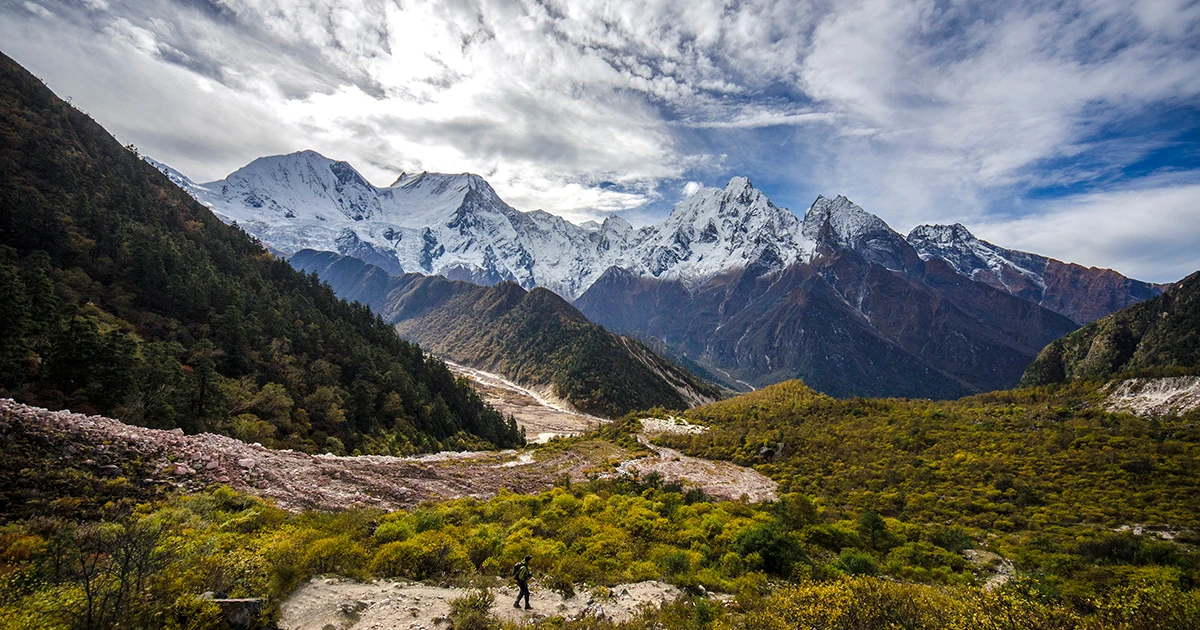
The trail unfolds through terraced hills, dense forests, and remote villages, eventually opening up to high ridgelines like Pangsang Pass. Along the way, trekkers are treated to sweeping views of the Ganesh Himal, a lesser-known but striking Himalayan range.
Unlike the structured trekking routes of Langtang or Manaslu, Ruby Valley feels raw and unfiltered. Trails are less defined, accommodations are simple, and interactions with locals feel genuine rather than transactional.
Why to Choose Ruby Valley Trek in 2026?
There’s a noticeable shift happening in trekking. Traveler’s are moving away from crowded trails and looking for experiences that feel more personal and grounded. Ruby Valley fits perfectly into this change.
In 2026, this trek stands out for a few key reasons. First, it offers solitude, a rare luxury in Nepal’s popular trekking regions. You won’t find long lines of trekkers or busy teahouses here. Instead, you’ll walk through quiet forests and villages where daily life continues as it has for generations.
Second, it offers authenticity. The region hasn’t been heavily commercialized, so the culture you experience is real, not curated for tourism.
And finally, it offers a sense of discovery. While routes like the Langtang Valley and the Manaslu Circuit Trek are well-documented, Ruby Valley still feels like a place you’re uncovering for yourself.
Everything You need to Know Before Ruby Valley Trek in 2026
Planning this trek requires a slightly different mindset compared to more popular routes. Infrastructure is basic, information is limited, and flexibility is important.
Expect fewer amenities, less connectivity, and more reliance on local knowledge. But in return, you gain a deeper, more immersive experience.
What Makes Ruby Valley Special?
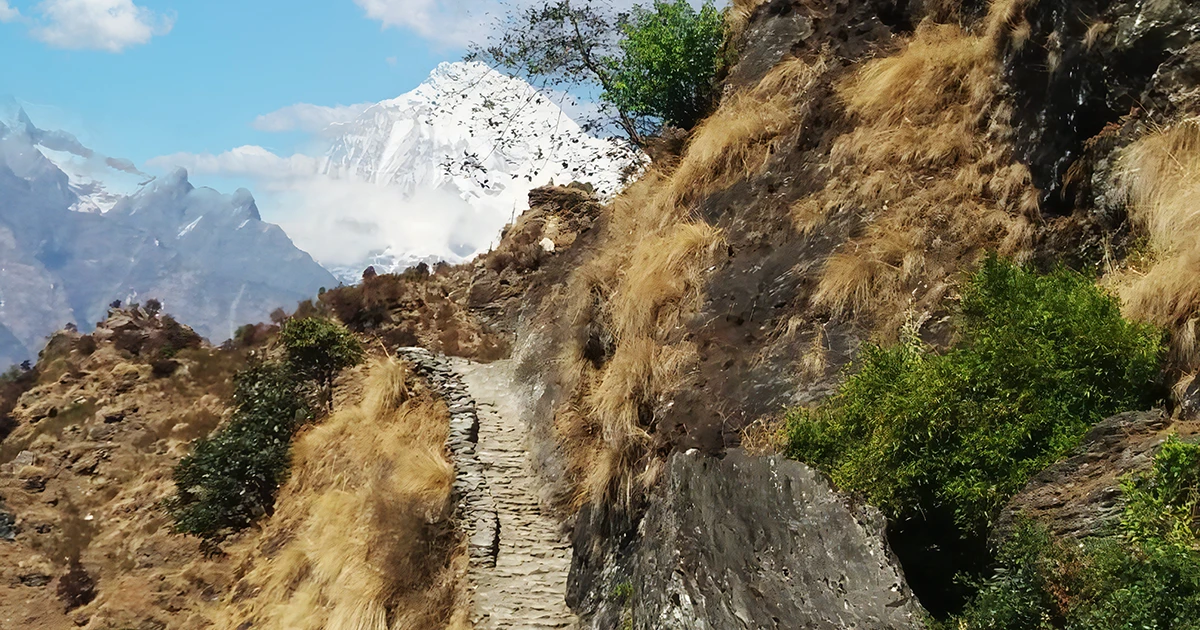
What truly sets Ruby Valley apart is its untouched character. There are no luxury lodges or large trekking groups. Instead, you’ll find quiet trails, natural hot springs like Tatopani (Ruby Valley), and uninterrupted views of Himalayan peaks.
The landscape shifts dramatically as you move, from subtropical forests to alpine ridges. The absence of crowds allows you to notice the small details: the rhythm of village life, the sound of rivers below, and the vast stillness of the mountains.
Culture and Communities of Ruby Valley
The cultural experience here is as significant as the scenery. The region is home to Tamang, Gurung, and Dalit communities, each with their own traditions and ways of life.
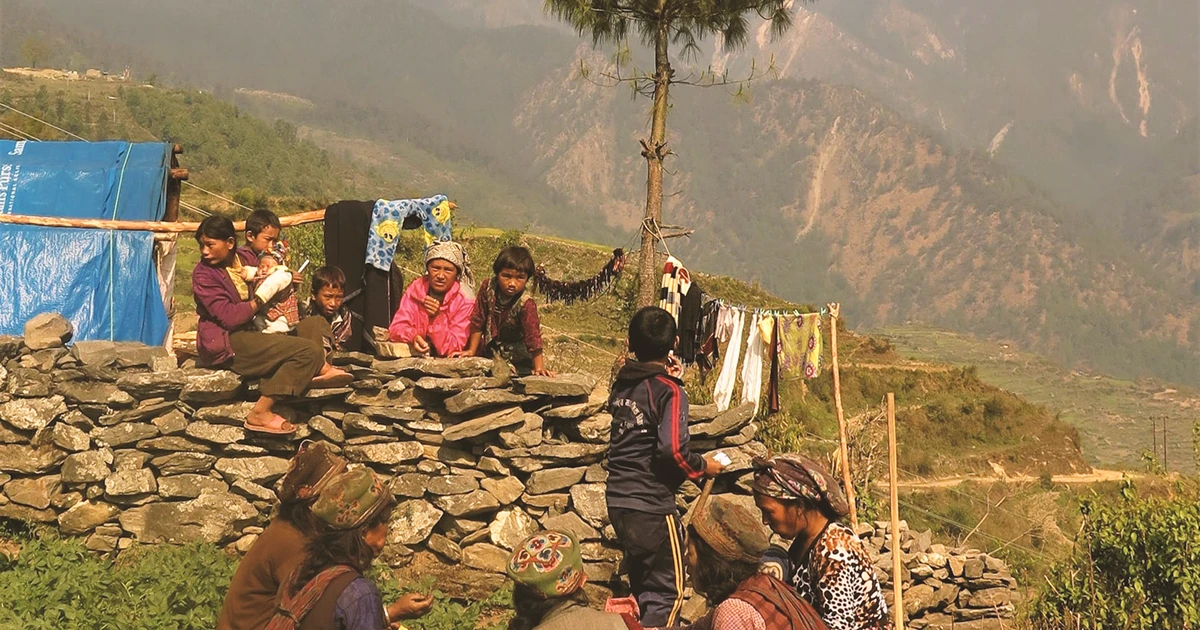
Buddhist influences are visible in prayer flags, mani walls, and small monasteries, but local beliefs often blend with older animist practices.
Hospitality is simple but heartfelt. Staying in village homes gives you a glimpse into daily routines, cooking over firewood, farming steep terraces, and living closely connected to the land.
Best Time for the Trek
Spring (March to May) and autumn (September to November) are the best seasons for Ruby Valley. In spring, the hills bloom with rhododendrons, while autumn offers clear skies and the best mountain views.
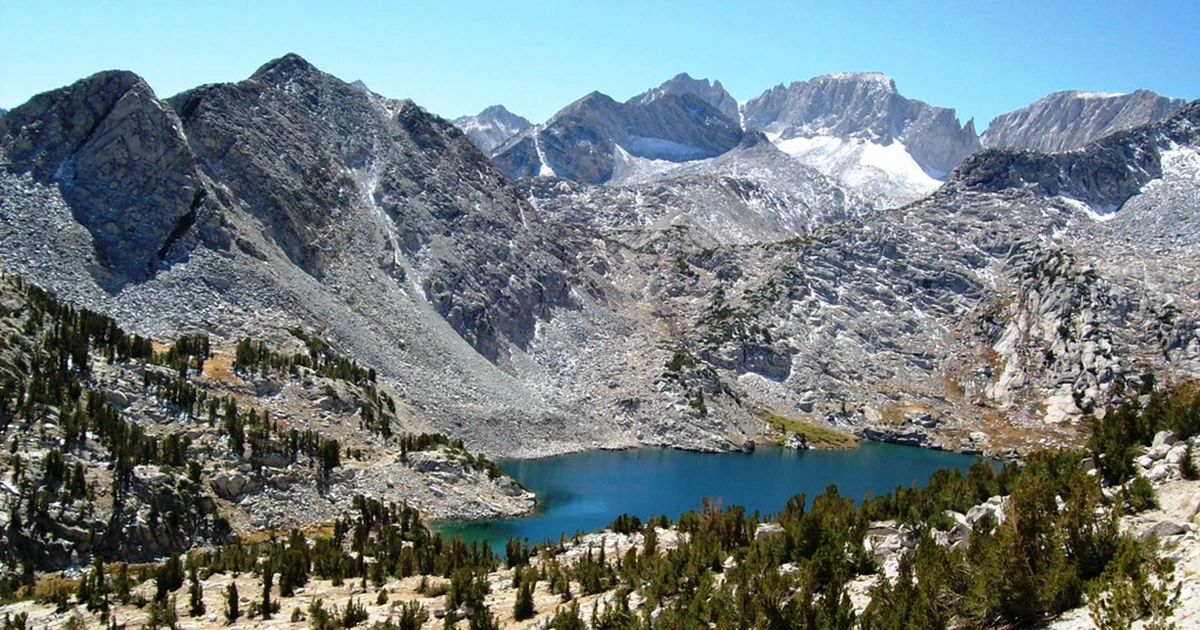
Winter can be cold, especially near Pangsang Pass, and the monsoon season brings slippery trails and limited visibility. Because the region is less developed, seasonal challenges are felt more strongly here than on mainstream routes.
Permits and Logistics Costs
Ruby Valley does not require as many permits as restricted regions like Manaslu, but you will still need a TIMS card and local entry permits depending on your route.
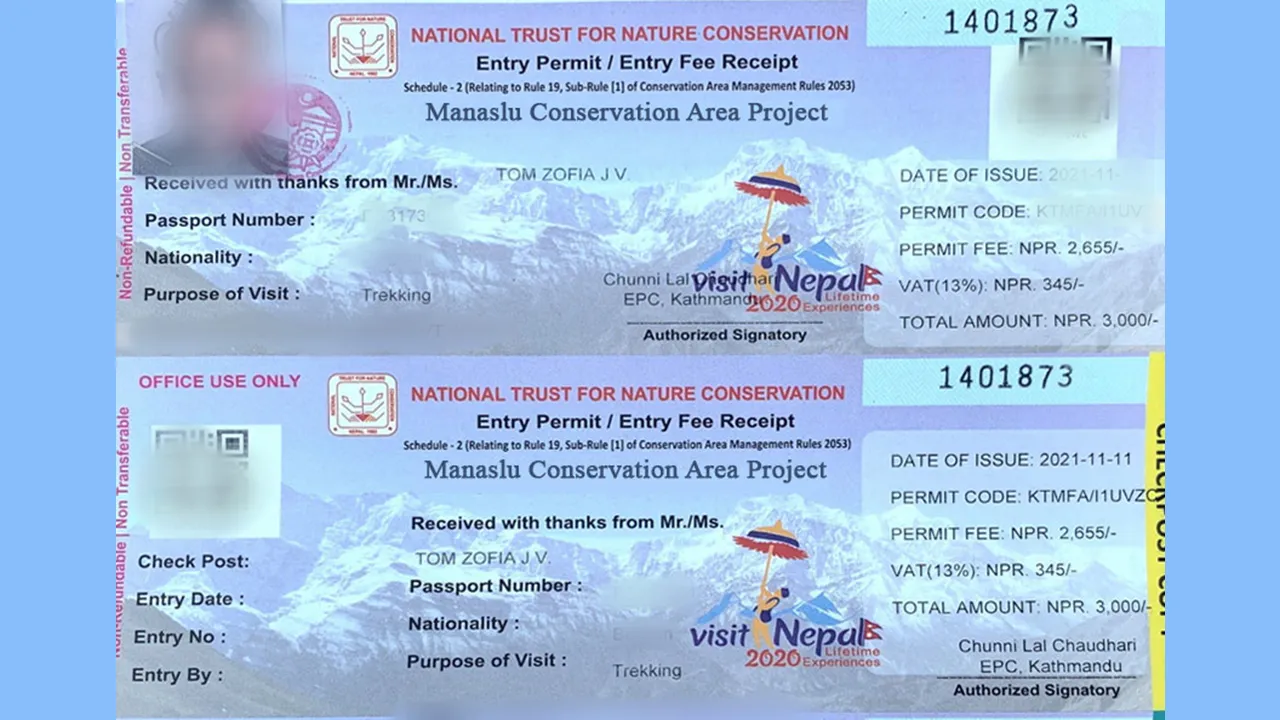
Costs are generally lower than Manaslu but can vary depending on whether you trek independently or with a guide. Transportation from Kathmandu to the starting point, usually Dhading Besi, is done by local bus or private jeep.
Guides and Porters Fee
While it is possible to trek independently, hiring a guide is highly recommended due to the less-defined trails. Guides not only help with navigation but also act as cultural interpreters.
Porters are optional but useful if you prefer to trek with a lighter load. Fees are reasonable compared to more commercial trekking regions, making it accessible without compromising on support.
Food and Accommodation
Accommodation in Ruby Valley is mostly homestays and basic teahouses. Rooms are simple, often with shared facilities.
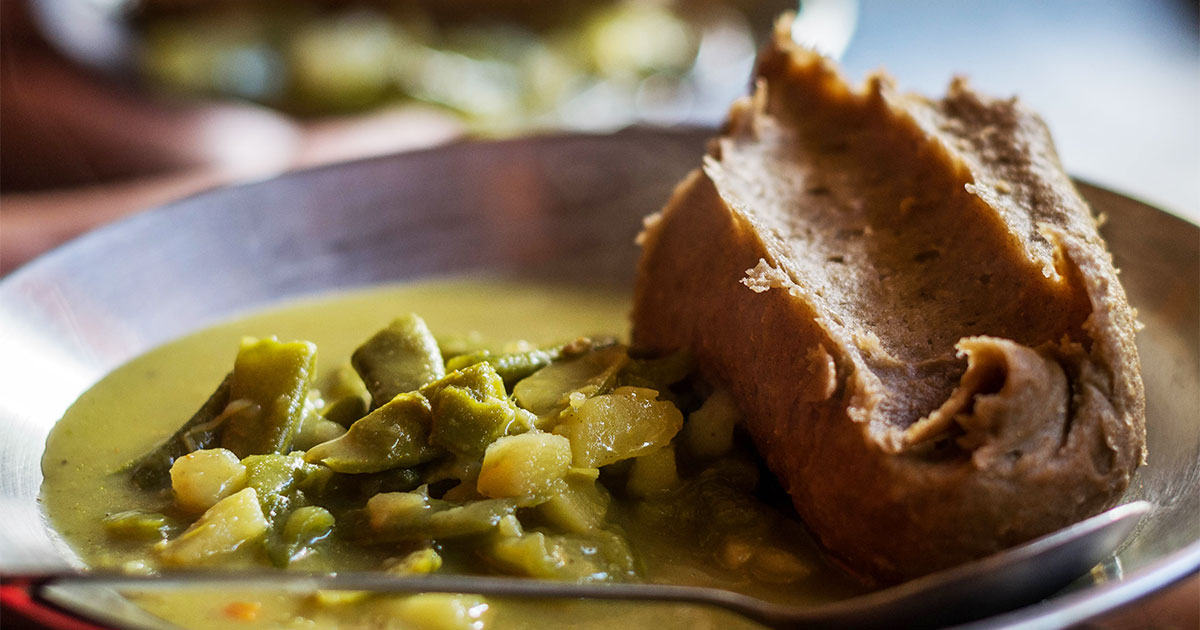
Meals are hearty and local, dal bhat, noodles, potatoes, and seasonal vegetables. Variety is limited, but the food is fresh and filling, prepared by the families hosting you.
Difficulty and Fitness Required
Ruby Valley Trek is considered moderately difficult. The challenge comes not just from altitude, but from the terrain. Trails can be steep, uneven, and less maintained.
A good level of fitness is required, along with the ability to adapt to basic conditions. The highest point, Pangsang Pass (around 3,850 meters), does not pose extreme altitude risks, but proper acclimatization is still important.
Ruby Valley Trek Itinerary
A typical Ruby Valley trek follows a gradual progression through villages and high ridge. This route offers a balanced mix of cultural immersion and mountain scenery, without rushing the experience. Here’s what a normal itinerary looks like:
Day 1: Drive from Kathmandu to Dhading Besi
Day 2: Trek from Dundure Khola to Borang Village
Day 3: Trek to Chalise Village
Day 4: Rest Day
Day 5: Trek to Tipling
Day 6: Trek to Pangsang Pass
Day 7: Trek to Gatlang
Day 8: Trek to Syabru Besi
Day 9: Drive back to Kathmandu
Ruby Valley vs Manaslu Circuit vs Langtang Valley: Which Trek to Choose?
Choosing between these treks depends on what you’re looking for.
The Langtang Valley is easier to access and more developed, making it ideal for first-time trekkers. While, the Manaslu Circuit Trek offers dramatic landscapes and a remote feel but comes with stricter regulations and higher costs.
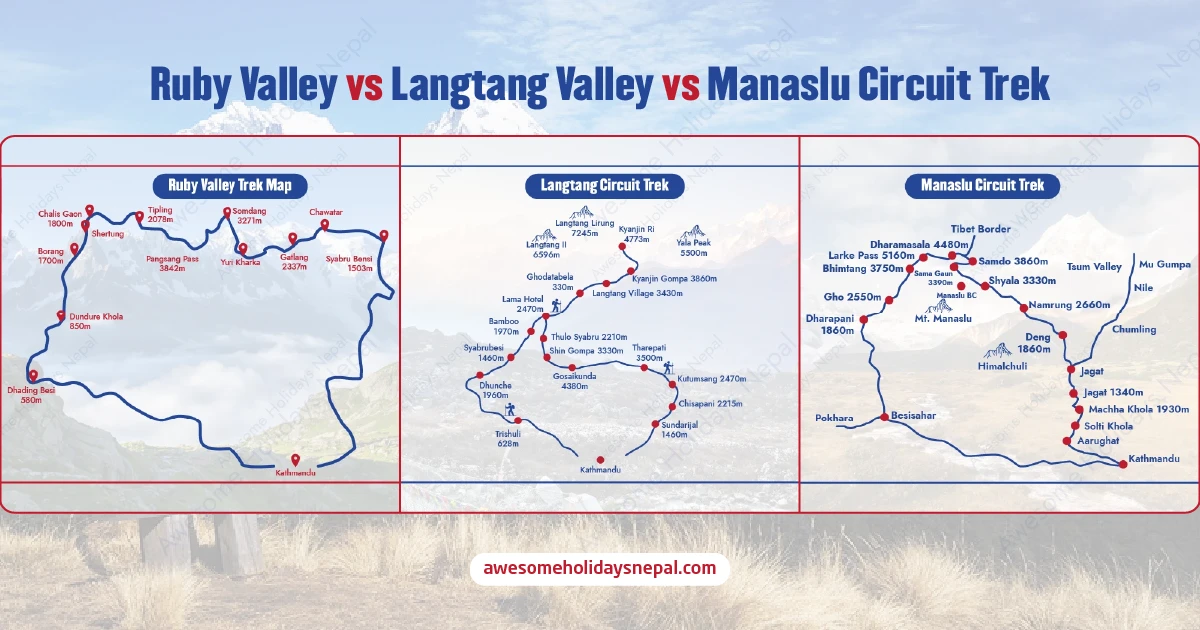
Ruby Valley sits somewhere in between. It offers the remoteness of Manaslu without the restrictions, and the accessibility of Langtang without the crowds. It’s best suited for travellers who value authenticity over comfort.
Trekking Tips for Ruby Valley
Preparation is key for this trek. Pack essentials, including warm clothing, basic medical supplies, and cash, as there are no ATMs along the route.
Expect limited electricity and almost no internet connectivity. Mentally preparing for simplicity will make the experience more enjoyable.
Hiring a guide, respecting local customs, and travelling responsibly will enhance both your journey and its impact on the community.
Is Ruby Valley Trek Worthy in 2026?
Ruby Valley is not for everyone and that’s exactly why it’s special.
If you’re looking for luxury lodges, polished trails, and predictable comfort, you may find it challenging. But if you’re drawn to raw landscapes, meaningful cultural encounters, and the feeling of walking through a place that hasn’t been shaped by mass tourism, Ruby Valley is absolutely worth it.
In 2026, as Nepal’s popular trails continue to grow busier, Ruby Valley stands quietly in contrast, a reminder that some of the best journeys are still the ones less travelled.
Dare to explore the unexplored!
FAQs
Expand AllWhat is the Ruby Valley Trek?
The Ruby Valley Trek is an off-the-beaten-path trekking route in Nepal that takes you through remote villages, forested hills, and high ridgelines between the popular trekking regions of Langtang National Park and the Manaslu Conservation Area.
Where is the Ruby Valley Trek in Nepal?
Ruby Valley lies in the Dhading and Rasuwa districts of central Nepal, not far from Kathmandu. It stretches along the Ganesh Himal region, forming a natural corridor between Langtang and Manaslu.
Why is Ruby Valley considered a quieter alternative to Langtang or Manaslu?
Ruby Valley remains far less commercialised than nearby trekking routes. With fewer lodges, less infrastructure, and limited promotion, it naturally attracts fewer trekkers, making the experience quieter and more intimate.
Is Ruby Valley Trek less crowded than Langtang Valley Trek?
Yes, significantly. While the Langtang Valley has become one of the most popular short treks in Nepal, Ruby Valley still sees only a fraction of that foot traffic.
Is Ruby Valley Trek less crowded than the Manaslu Circuit?
Yes, it is even less crowded than the Manaslu Circuit Trek. Despite Manaslu being remote, its growing popularity and regulated trekking system mean more organized groups compared to Ruby Valley.
Which local communities live along the Ruby Valley route?
The region is home to Tamang, Gurung, and Dalit communities, each with distinct traditions, languages, and lifestyles.
What are the main villages on the Ruby Valley Trek?
Key villages include Borang, Chalise, Tipling, and Gatlang, each offering unique cultural experiences and local hospitality.
Where does the Ruby Valley Trek usually start?
The trek typically begins after a drive from Kathmandu to Dhading Besi, followed by trekking from areas like Dundure Khola.
Where does the Ruby Valley Trek usually finish?
Most routes end in Syabru Besi, which connects to the Langtang region and has road access back to Kathmandu.
What is the standard Ruby Valley Trek route?
A common route runs from Dhading Besi through Borang, Chalise, Tipling, and Pangsang Pass, before descending to Gatlang and Syabru Besi.
How many days does the Ruby Valley Trek usually take?
The trek usually takes around 7 to 10 days, depending on pace, route variations, and rest days.
What is the highest point on the Ruby Valley Trek?
The highest point is Pangsang Pass, which sits at approximately 3,850 meters.
How difficult is the Ruby Valley Trek?
It is considered moderately difficult due to steep trails, basic infrastructure, and changing terrain rather than extreme altitude.
Is Ruby Valley Trek suitable for first-time trekkers?
Yes, but only for reasonably fit beginners who are comfortable with basic conditions and willing to trek without luxury amenities.
Is Ruby Valley Trek suitable for experienced trekkers?
Absolutely! Experienced trekkers often appreciate the solitude, raw trails, and lack of crowds.
Do you need a guide for the Ruby Valley Trek?
A guide is highly recommended because the trails are less marked and navigation can be challenging in remote sections.
Do you need a TIMS card for the Ruby Valley Trek?
Yes, a TIMS (Trekkers’ Information Management System) card is generally required.
Are any other permits required for the Ruby Valley Trek?
Depending on your route, local permits or conservation area entry fees may apply, but requirements are simpler than restricted areas like Manaslu.
Can you do the Ruby Valley Trek independently?
It is possible, but not advisable for most trekkers due to limited signage, remote terrain, and fewer facilities.
When is the best time to do the Ruby Valley Trek?
Spring (March to May) and autumn (September to November) are the best times due to stable weather and clear mountain views.
Is Ruby Valley Trek good in spring?
Yes, spring is excellent, with blooming rhododendrons, mild temperatures, and vibrant landscapes.
Is Ruby Valley Trek good in autumn?
Autumn is considered the best season overall, offering crisp air, clear skies, and the most reliable mountain views.
Related blog posts
Discover a choice of tourist destinations loved by most of our visitors. Whether you're on a jungle safari to spot rare animals or walking through a world heritage site, these well-planned itineraries cover the major highlights of Nepal.

 call an expert at: