
Best Routes to Kailash Mansarovar Yatra: Overland, Helicopter and Trekking

 Sujata Pokhrel
Have you ever experienced an immense amount of energy without any apparent origin? That’s what the Kailash Mansarovar Yatra is all about! Whether you want a luxury Heli tour or a pilgrimage on foot, there are different routes to Kailash Mansarovar yatra.
If you look back at history, the top-notch summiteers have attempted to ascend Mount Kailash, but mysteriously, none of them have been successful. All of them reported experiencing a different kind of energy, including weird coincidences such as losing their senses or having mysterious deaths. Considering the sacredness and stories of failure that accompany attempts to climb Kailash, the pilgrimage to the Mansarovar Lake has gained popularity in recent times.
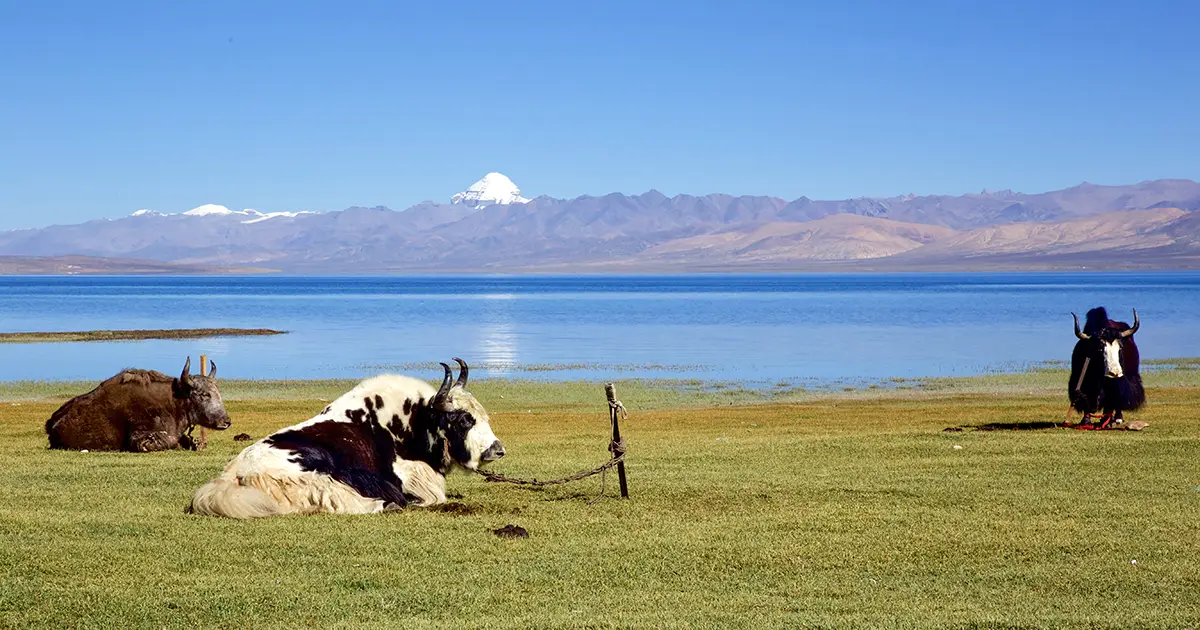
As the Mount borders all three countries, being located at the western trijunction between Nepal, China, and India, it is possible to access it through different routes. However, the way you embark on this journey totally depends on your budget, the time you have in hand, and the difficulty level you are ready to tackle.
Let’s review the blog to gain more insights into the various routes available for the Kailash Mansarovar yatra.
Kailash Mansarovar Yatra: A Journey More than Pilgrimage
Mount Kailash and the lakes surrounding it, specifically Lake Mansarovar, are a pilgrimage destination for people of different religions. While the Hindus see it as a humble abode of Lord Shiva, Buddhists worship it as the deity Chakrasamvara, who symbolizes supreme bliss. They also consider this peak the center of the cosmic universe.
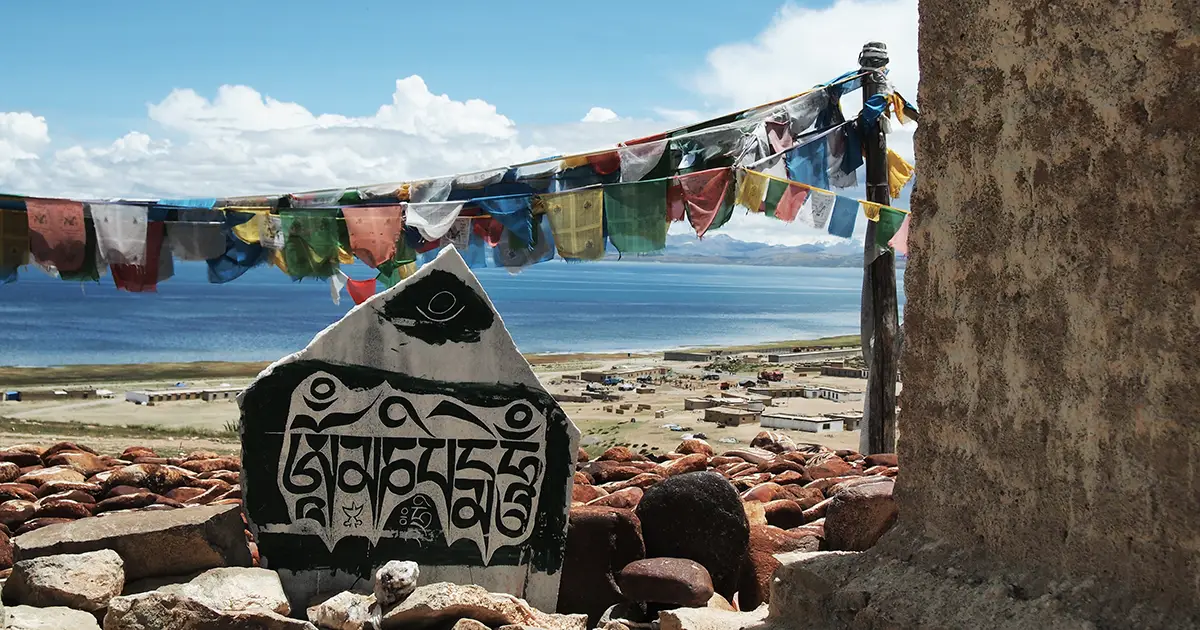
Similarly, the Jain community holds Kailash Mansarovar in high regard as a place to seek spiritual liberation and engage in meditation. In fact, this is the site where their lord Rishabhdev, the first Tirthankara, attained nirvana. Likewise, the followers of Bon Religion believe that this peak is related to their founder, Shenrab Miwo and it also holds their beliefs of cosmology.
Understanding the Kailash Mansarovar Yatra Routes
There are different routes to initiate the Kailash Mansarovar Yatra but all of these eventually converge at Darchen, a small settlement in China. This city is the actual starting point to the Kailash yatra, the trek around the mountain and its lakes.
Indian Routes
If you are an Indian trying access the yatra through the country then you can choose to go via Lipulekh Pass route or the Nathu La Pass route. Starting from Delhi, the Lipulekh route takes 24 days and passes through Dharchula, Tawaghat, Gunji, and Lipulekh before finally entering to Tibet. Whereas the Nathu La pass route takes you to Gangtok from Delhi and then to Tibet via Nathu La pass, taking a whole of 21 days.
Compared to the Lipulekh, the Nathu La pass route is suitable for elderly as it includes shorter trekking distance and covers most distant on vehicle-based route. Besides, the elevation gain in the Lipulekh route is over 5000 meters which increases the chances of altitude sickness too.
Nepalese Routes
It is also possible to access the Kailash Mansarovar Yatra via Nepali terrains and you can access it via overland route or the Heli routes. The overland route takes you via Rasuwa border (i.e. Kyirong) and takes about 14 to 18 days to complete. You can enjoy scenic road journey along the Tibetan plateau and attain a gradual acclimatization.
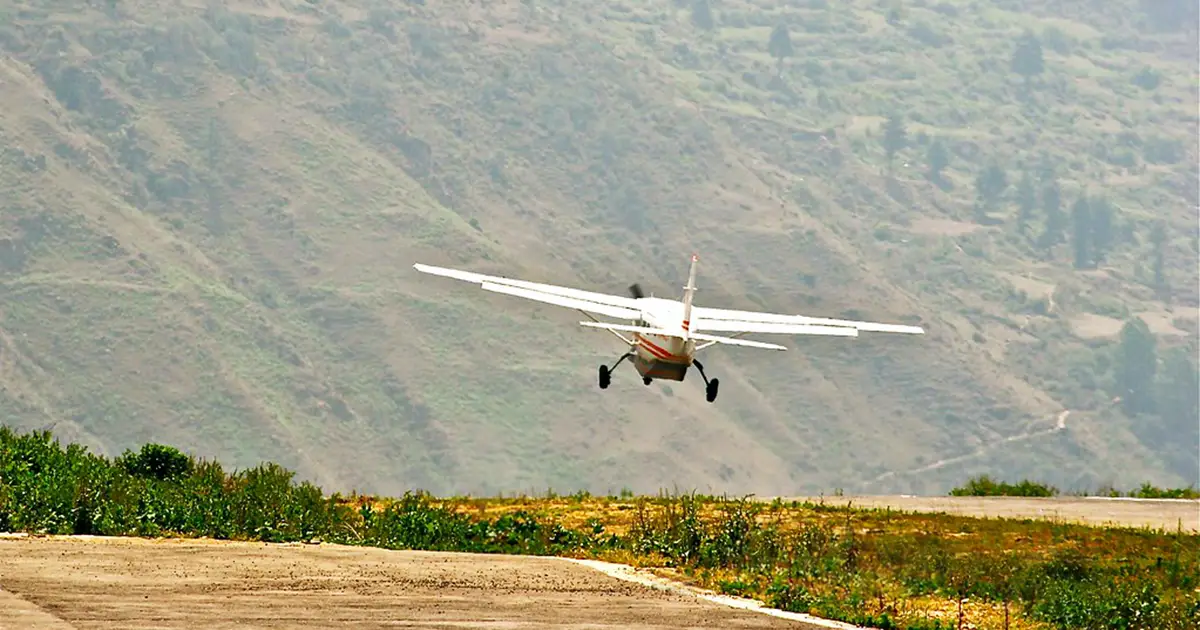
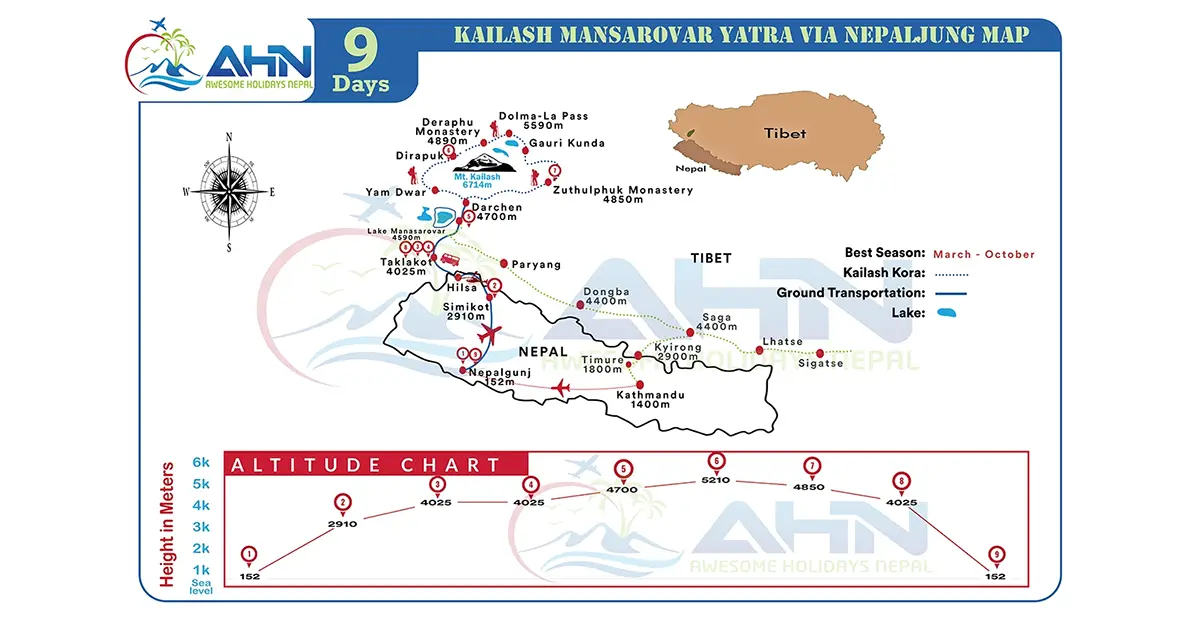
The Heli route for Kailash pilgrimage is quite popular among foreigners and elderly people as it is quicker and less challenging. It passes through Simikot-Hilsa and continues on road via Taklakot to Masarovar and then to Kailash Kora passing through Darchen.
Tibet Routes
There is an option to directly access the Kailash Yatra through Tibet via the Tibet Autonomous region (TAR). However, this journey needs government authority and hence often run by Chinese travel agencies. Since it is closer to the entry point, this journey can be done over a time of 16 days but it involves a longer trekking distance. You will also require a Chinese Visa and a Tibet travel permit for passing through this route.

You will pass through Lhasa, Shigatse, Saga to reach Mansarovar on this route. For the Kailash Kora through this route, you will have to trek to Darchen afterwards. The perk of this trail is a cultural immersion at sacred Buddhist pilgrimage like Potala Palace.
Different Routes to Kailash Mansarovar Yatra
The routes to Kailash Mansarovar Yatra differ in many factors even though the destination that you will reach is the same. While the overland route is most common one, the trekking route is more preferrable among the adventure seekers.
Planning Kailash Mansarovar Yatra in 2026?
Overland Routes to Kailash Mansarovar
You will have three different overland routes to Kailash Mansarovar. Two of these routes pass begin from India and most preferred by Indian residents whereas the other one is starts from Kathmandu and passes through Rasuwa-Kyirong border to reach Tibet. The Nepali overland route is mostly preferred by foreign nationals. Being comparatively easier and cheaper way to reach Kailash Mansarovar, the overland is the most common and popular way.
Here are some pros and cons of this:
Pros
- Can ascend gradually hence, lessens the chance of altitude sickness
- Passes through scenic landscapes of Tibetan Plateau which makes the travel fun
- More budget-friendly than other options
- Fit for people travelling with families
Cons
- Consists of rough and rocky roads making travel more tiring
- Comes with risk of natural disasters and risk associated with it
- Takes longer time
Helicopter Route to Kailash Mansarovar
If you want luxury and pilgrim at the same time or looking for the fastest way to witness the mystical Kailash, the the Heli-route is the best way. After you land in Kathmandu, you will catch a domestic flight to Nepalgunj and from there you take a Heli to Simikot and Hilsa. From Hilsa, you will have to take on a jeep and drive to Taklakot to experience Mansarovar lake beneath Mount Kailash.
Perks
- Shortest and easiest route to reach Kailash Mansarovar
- Involves less trekking before performing Kora (circumventing Mount Kailash)
- Best for elderly people who want to do a pilgrimage
- Aerial views of the peak
Difficulties
- More costly compared to road routes
- Flights are often affected by bad weather conditions
- Have a limited baggage allowance
Trekking Routes to Kailash Mansarovar
Many adventure seekers often choose to trek all the way through the high mountain passes to reach the Kailash Mansarovar pilgrim starting point. Every visitors need to trek at least 3 days for circumventing indifferent to the route you choose. But if you want to complete the entire journey on foot, you can follow this trekking route.

Benefits
- Raw traditional and spiritual experience of the pilgrim
- Up-close views of sacred sites like Yamdwar, Dolma-Lass pass, and Gauri Kund
- Spiritually rewarding journey
- Numerous chances to meditate, worship, and rejuvenate your soul.
Shortcomings
- Challenging and physically demanding
- Higher risks of natural disasters and altitude sickness
- Not suitable for travelling with family
Comparing All Routes to Kailash Mansarovar Yatra
| Route | Duration | Distance | Difficulty | Best For |
|---|---|---|---|---|
| Overland | 14–18 days | Approx. 1,200 km (drive) + 52 km trek | Moderate | Families, gradual acclimatization seekers |
| Helicopter | 10–12 days | Approx. 400 km (flight + drive) + 52 km trek | Easy–Moderate | Elderly, time-limited pilgrims |
| Trekking (Kora) | 3 days (trek only) | 52 km | Challenging | Adventure seekers, spiritual trekkers |
Tips for Pilgrims Kailash Mansarovar Yatra
- Fall season is the best time for the Kailash Mansarovar Yatra as the weather is optimal and has less chances of disasters.
- Make sure to carry all necessary documents including your IDs, all necessary permits, travel insurances etc.
- Pack the right outfits and gears to protect yourself from possible altitude sickness
- Take your time to ascent gradually and acclimatize where necessary
- Do not forget your regular medications and ensure to carry medicines to tackle altitude sickness in case it happens
Wrapping Up the Kailash Mansarovar Yatra Routes
It is pretty evident there is no correct answer to which one is the best route for Kailash Mansarovar Yatra as it entirely depends on what you require. If you want a trail that’s luxurious and enjoyable then Heli route through Nepal is the best. But if budget is your concern then overland routes through Nepal or India is the right choice.
Similarly for someone looking up for challenging pilgrimage then trekking route can be the best. This, whichever route you take, your satisfaction is what matters the most. Standing alongside the shores of Mansarovar lake and adoring the beauty of Mount Kailash is the best experience indifferent the routes you preferred.
Take you chance to witness the mystery!
FAQs
Expand AllWhat are the main Kailash Mansarovar Yatra routes?
The three main routes to Kailash Mansarovar yatra are the overland route, the trekking route, and the Heli route.
How can I reach Kailash Mansarovar by road?
You can reach Kailash Mansarovar by road via the overland route from Kathmandu to Kyirong (the Nepal-Tibet border). There is also an option to travel through Lipulekh pass or Nathu la pass if you are travelling from India.
What is the helicopter route for Kailash Mansarovar Yatra?
The helicopter route for Kailash Mansarovar Yatra begins with a flight from Kathmandu to Nepalgunj and then to Simikot. After this the journey continues on Heli. First you will fly to Hilsa then take a drive to Taklakot. Here on wards, we will continue on foot to lake Mansarovar.
How long is the Kailash Mansarovar trek?
It takes 3 days to circumvent around the mount Kailash after you reach the trekking point but the actual journey depends on the route you choose. It can take 10-15 days to complete the Kailash Mansarovar yatra.
What is the distance of the Kailash Mansarovar trek?
The total distance of Kailash Mansarovar trek after reaching the walking point is 52 kilometers.
What is included in the Kailash Mansarovar trek itinerary?
The Kailash Mansarovar trek itinerary includes arrival in Kathmandu, acclimatization, drive to Kyirung border , exploration of Mansarovar lake, circumambulation trek around Mount Kailash and return to Kathmandu.
How difficult is the trek to Kailash Mansarovar?
The trek to Kailash Mansarovar is slightly challenging as it takes up to an elevation of 5360 meters but doesn’t include any technical climbing.
Can beginners do the Kailash Mansarovar trek?
Yes, beginners can do the Kailash Mansarovar trek as long as you are physically fit and can walk 6 to 7 hours a day.
What is the fastest route to Kailash Mansarovar?
The Heli route via Simikot-Hilsa is the fastest route to Kailash Mansarovar.
How safe is the helicopter route to Kailash Mansarovar?
The helicopter route to Kailash Mansarovar is relatively safer as long as the weather permits.
What is the overland route map for Kailash Mansarovar Yatra?
The overland route map for Kailash Mansarovar Yatra follows as such:
Kathmandu→ Kyirong → Saga → Mansarovar → Darchen. But if you choose India as starting route the route can be like:
Delhi → Dharchula → Lipulekh → Tibet → Mansarovar or Delhi → Gangtok → Nathu La → Mansarovar
How many days does the road route take to Kailash Mansarovar?
The road route to Kailash Mansarovar takes a total of 14 to 18 days via Nepal route and approx. 20-24 days via Indian route
How many days does the trekking route take?
The trekking route for circumambulating around Kailash takes 3 days.
What is the elevation gain during the Kailash Mansarovar trek?
The highest elevation gain during the Kailash Mansarovar trek is 5630 meters at Dolma-La pass.
What is the total distance covered on a Kailash Mansarovar Yatra trek?
The total distance covered on a Kailash Mansarovar yatra trek is about 52 kilometers.
Are there organized group treks to Kailash Mansarovar?
Yes, there are organized group treks to Kailash Mansarovar which is organized by both, the Nepali and Indian tour operators.
What permits are needed for different Kailash Mansarovar Yatra routes?
You will need the following permits for Kailash Mansarovar Yatra routes:
- Chinese Visa (group permit only).
- Tibet Travel Permit.
- Alien Travel Permit.
- Special route permits if joining via India (Lipulekh/Nathu La)
How do I choose the best route for Kailash Mansarovar Yatra?
To choose the best route for Kailash Mansarovar yatra, analyze your fitness level, the budget you have, and experiences you want. Based on that you can choose overland route for affordability and gradual ascent, Heli route for luxury and convenience and trekking route for spiritual adventure.
Is the helicopter route more expensive than the road route?
Yes, absolutely. The helicopter route of Kailash Mansarovar Yatra is more expensive than the road route.
Can the overland route be combined with trekking?
Yes, the overland route can be combined with trekking after you reach Darchen.
What are the scenic highlights of the Kailash Mansarovar trek?
The scenic highlights of the Kailash Mansarovar trek are:
- Yamdwar (gateway of the gods).
- North and South faces of Mount Kailash.
- Dolma-La Pass (5,630 m).
- Gauri Kund (sacred lake).
- Lake Mansarovar
Is the road route accessible year-round?
No, the road route for Kailash Mansarovar yatra isn’t accessible year-around. It is available only in the months of May to September
How physically fit should I be for the trekking route?
You need a moderate level of fitness for the trekking route around Mount Kailash as you will have to walk about 15 kilometers a day.
What are the risks involved in the trekking route to Kailash Mansarovar?
The altitude sickness, fatigue, cold temperature, and probability of disasters are the risks involved in the trekking route to Kailash Mansarovar.
Are there rest stops along the road route to Kailash Mansarovar?
Yes, there are a plenty of rest stops along the road route to Kailash Mansarovar.
Can I do a solo trek to Kailash Mansarovar?
No, you cannot do a solo trek to Kailash Mansarovar.
Related blog posts
Discover a choice of tourist destinations loved by most of our visitors. Whether you're on a jungle safari to spot rare animals or walking through a world heritage site, these well-planned itineraries cover the major highlights of Nepal.


 call an expert at: