
Pilgrimage Sites in Nepal: Why They Appeal Even to Non-Religious Travelers
 Sujata Pokhrel
Pilgrimage sites in Nepal aren’t just about religious beliefs; they carry a legacy that dates back centuries. Each holding a unique story of a different reign and time, these sites are equally appealing to non-religious travelers.
Each temple, stupa, or sacred landscape reflects a different era, kings, kingdoms, trade routes, and cultural exchanges that have left their mark over time. For many travelers, this is what makes these places compelling.
You don’t need to follow a particular faith to be moved by what you see and feel. In Nepal, pilgrimage sites are as much about human experience as they are about belief. Let’s get through the blog to better understand the pilgrimage sites in Nepal.
What Makes Nepal a Unique Spiritual Destination
Nepal sits at a rare crossroads where Hinduism and Buddhism coexist naturally. Instead of being separate, these traditions often overlap shared shrines, shared rituals, and shared spaces are common.
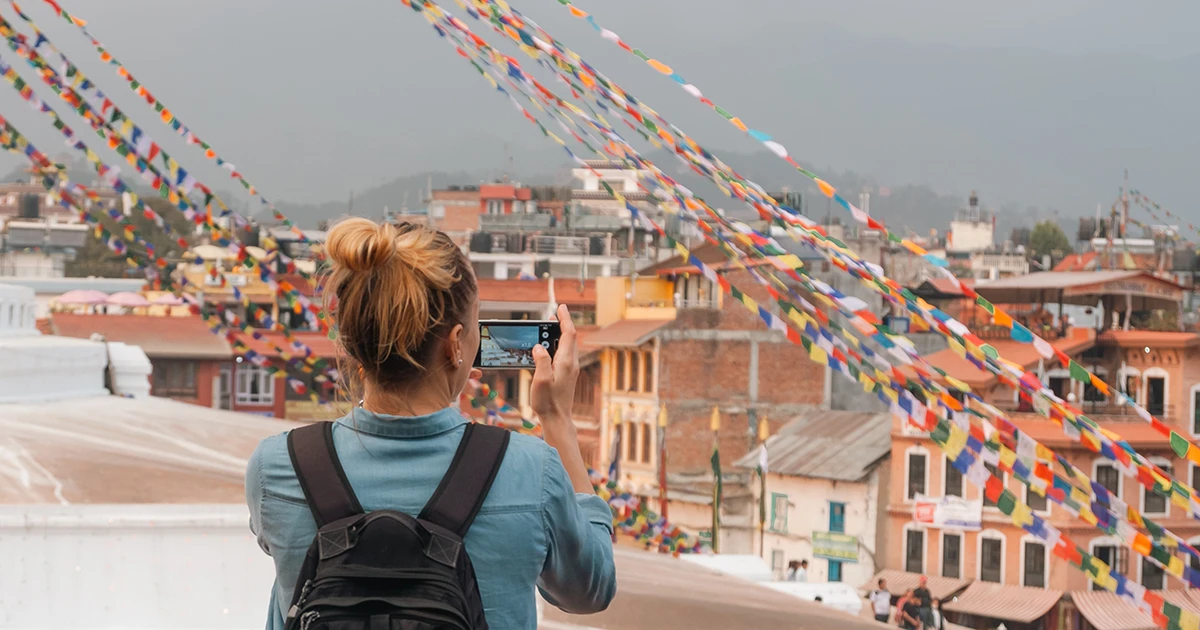
Spirituality here isn’t reserved for temples alone. It spills into streets, homes, and marketplaces. Morning prayers echo from small shrines, prayer flags flutter above busy alleys, and incense drifts through the air in places where everyday life unfolds.
For visitors, this creates an environment that feels deeply rooted yet accessible. You’re not stepping into something distant or unfamiliar, you’re witnessing a culture where spirituality is woven into daily living.
Cultural and Architectural Appeal of Pilgrimages
Even without religious context, the artistry of Nepal’s pilgrimage sites is captivating. Wooden carvings, stone sculptures, gilded roofs, and intricately painted walls reveal an extraordinary level of craftsmanship.
Temples and stupas aren’t just places of worship, they are works of art shaped by generations. The details often tell stories: mythological scenes, protective deities, or symbols of harmony and balance.
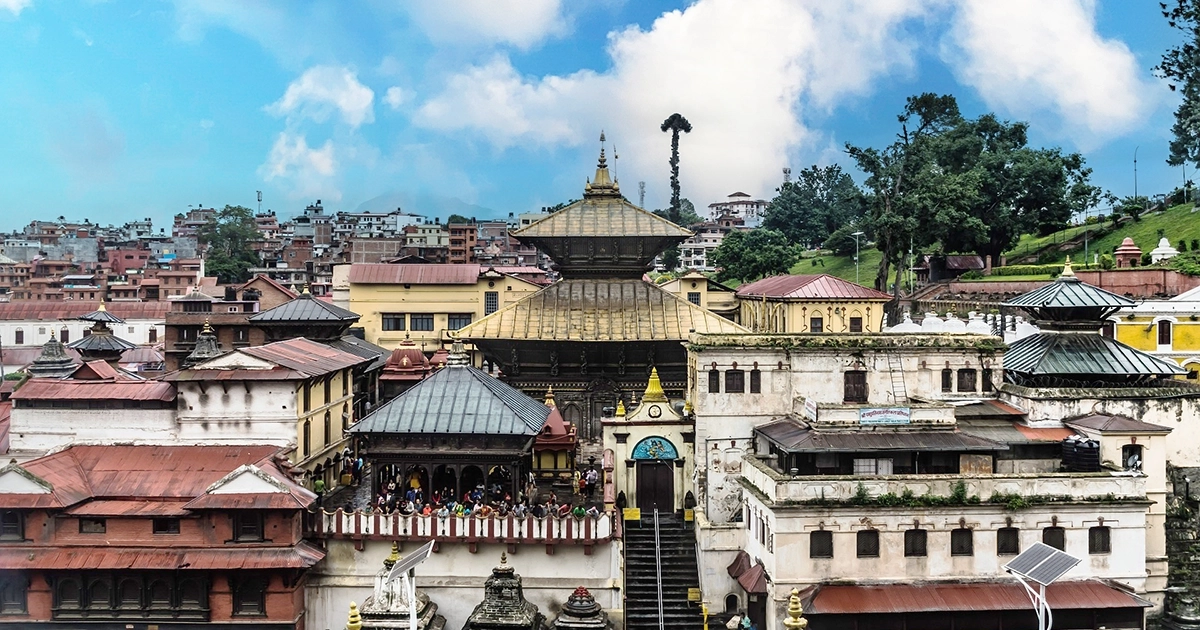
For travelers interested in history, architecture, or photography, these sites offer endless layers to explore. Every doorway, courtyard, and monument reflects both aesthetic beauty and cultural meaning.
Energy You Feel in Pilgrimage Sites
There’s a quality to these places that’s hard to define but easy to notice. Some describe it as peaceful, others as intense.
In quieter monasteries, the rhythm of chanting and spinning prayer wheels creates a calming atmosphere. In more active temple complexes, the sounds of bells, rituals, and gatherings bring a different kind of energy, vibrant, raw, and deeply human.
Even without a spiritual framework, many visitors find themselves slowing down. You become more aware of your surroundings, of people, and sometimes of your own thoughts. It’s less about belief and more about presence.
Nature and Location of Sacred Landscapes
One of the most striking aspects of pilgrimage sites in Nepal is where they are located. Many are set against dramatic natural backdrops such as rivers, hills, forests, and mountains.
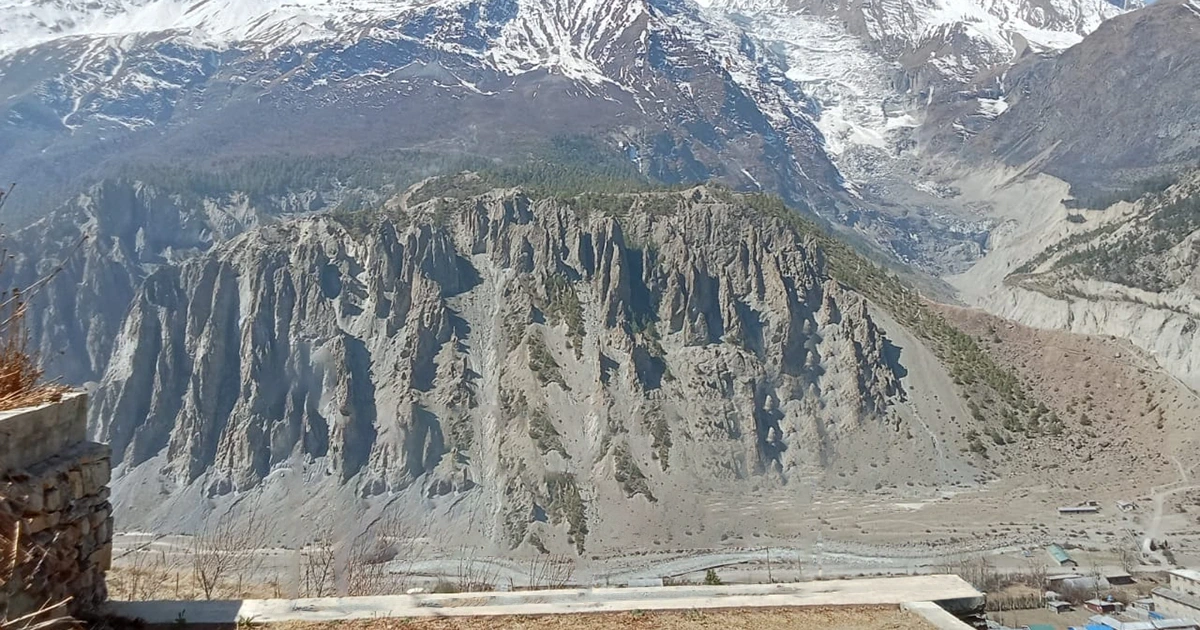
These landscapes aren’t just scenic; they’re considered sacred in their own right. Flowing rivers symbolize purity, mountains represent strength and divinity, and forests offer a sense of retreat.
For non-religious travelers, this connection between nature and spirituality often feels intuitive. Even without symbolic meaning, the surroundings themselves create a sense of awe and reflection.
Famous Pilgrimage Sites of Nepal
Nepal is rich in multiple pilgrimage sites that are very famous among all, indifferent to your religious beliefs. Here’s the list of some of these:
Pashupatinath Temple
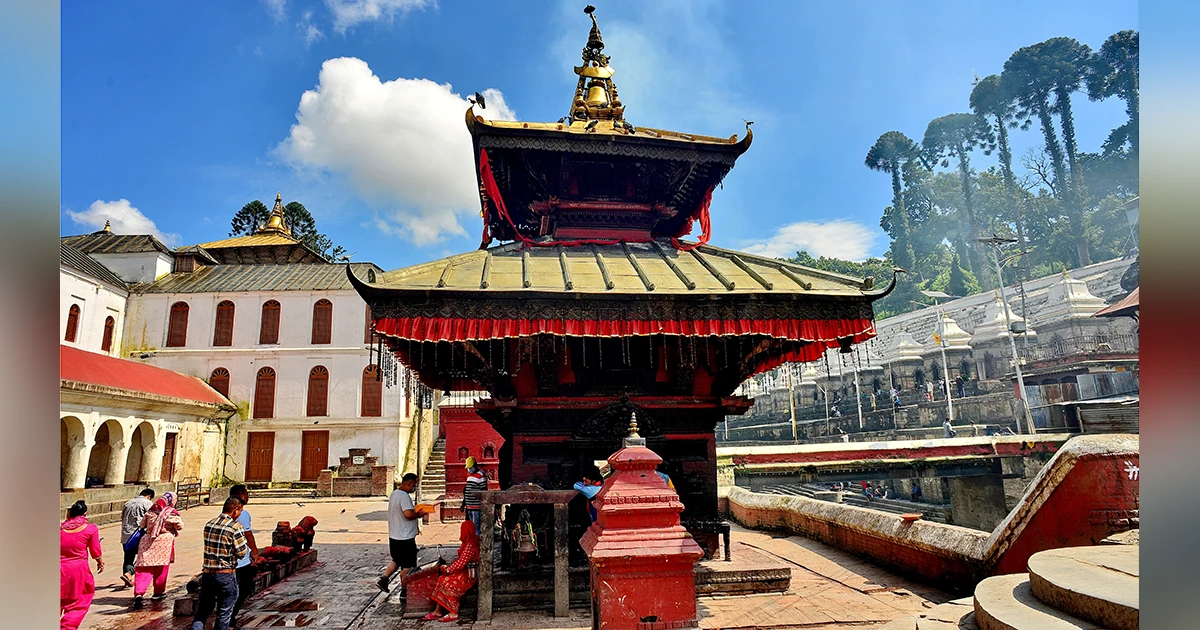
Located along the banks of the Bagmati River, this temple is one of the most significant Hindu sites in Nepal. It’s known for its rituals, including open-air cremation ceremonies.
For visitors, it can be an intense experience. Watching life and death unfold so openly often sparks reflection, even for those with no religious ties. It’s not always comfortable but it is undeniably powerful.
Boudhanath Stupa
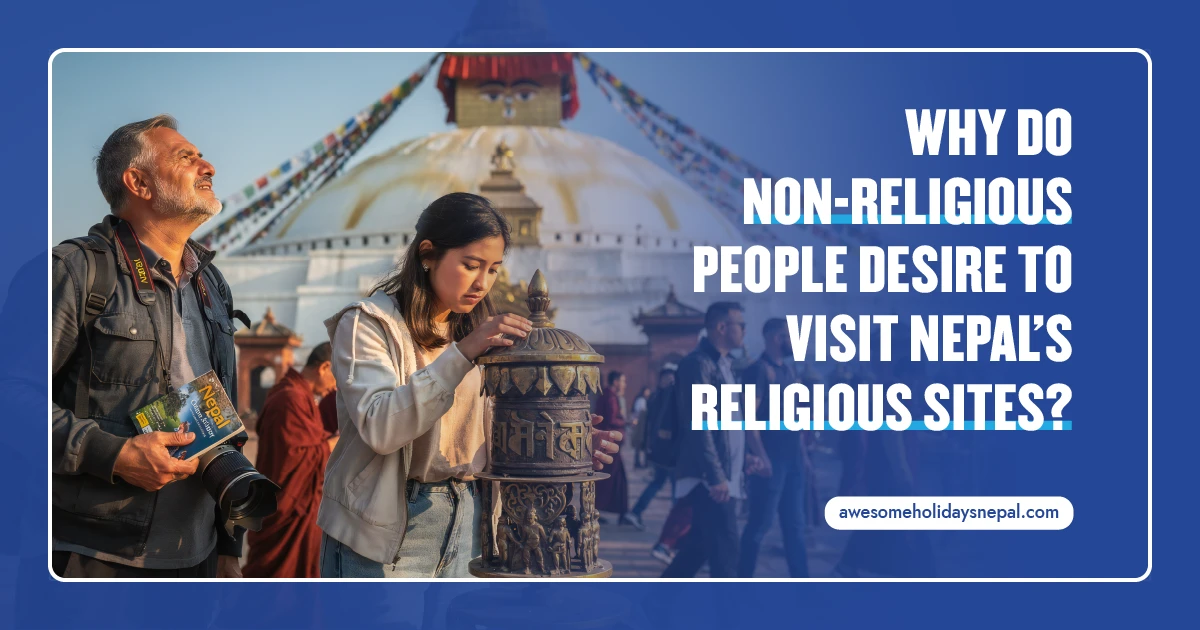
One of the largest stupas in the world, Boudhanath is a place where people walk in slow circles, spinning prayer wheels and murmuring mantras.
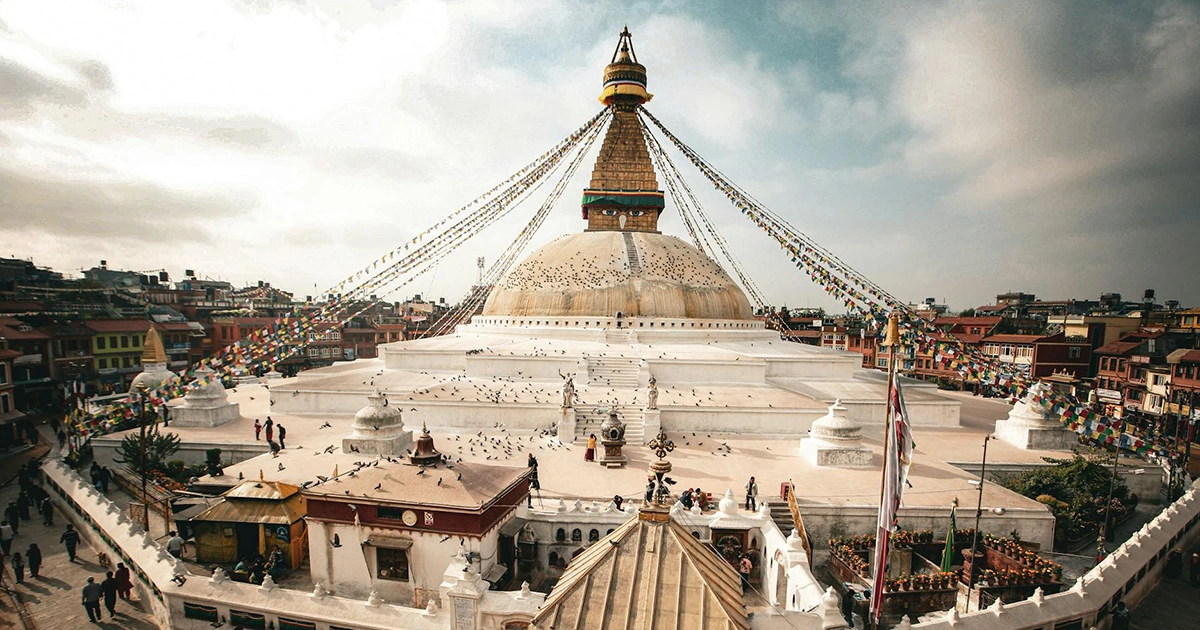
What stands out here is the atmosphere. It feels calm, almost meditative, even with crowds. Travelers often find themselves joining the quiet rhythm not out of belief, but because it simply feels right.
Swayambhunath Temple
Perched on a hill overlooking the Kathmandu Valley, Swayambhunath offers both sweeping views and a lively environment. Monkeys roam freely, prayer flags ripple in the wind, and the city stretches out below.
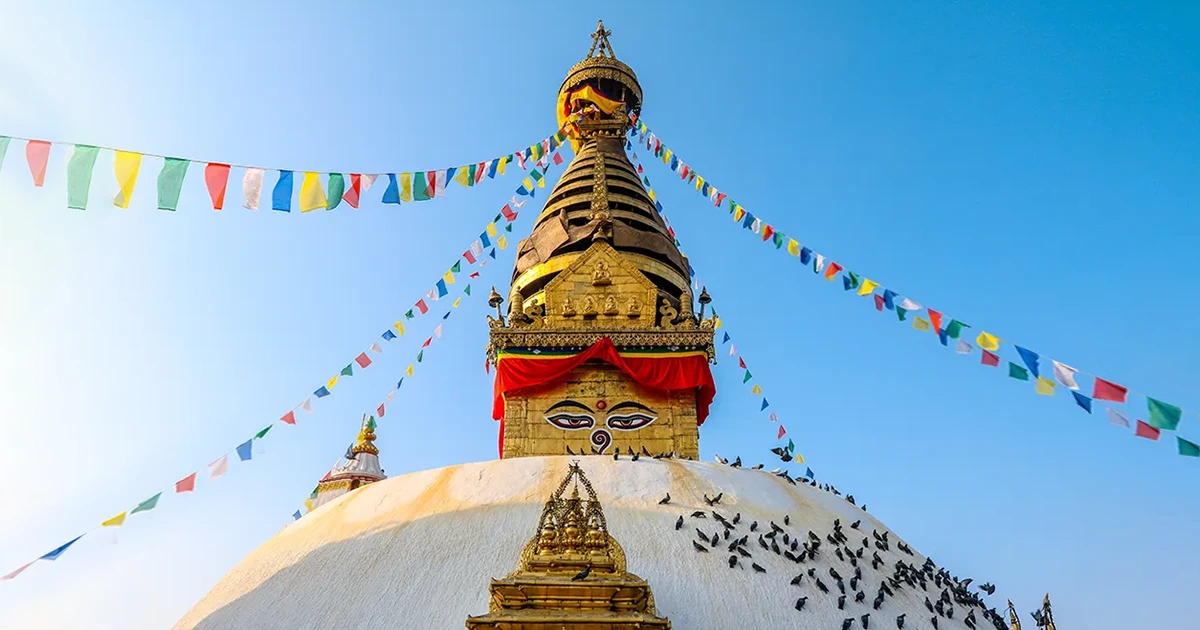
It’s a place where chaos and calm exist together, making it especially memorable for first-time visitors.
Lumbini Pilgrimage Site
Recognized as the birthplace of Buddha, Lumbini has a very different feel compared to Kathmandu’s busy sites. Wide open spaces, quiet gardens, and international monasteries create an atmosphere of stillness.
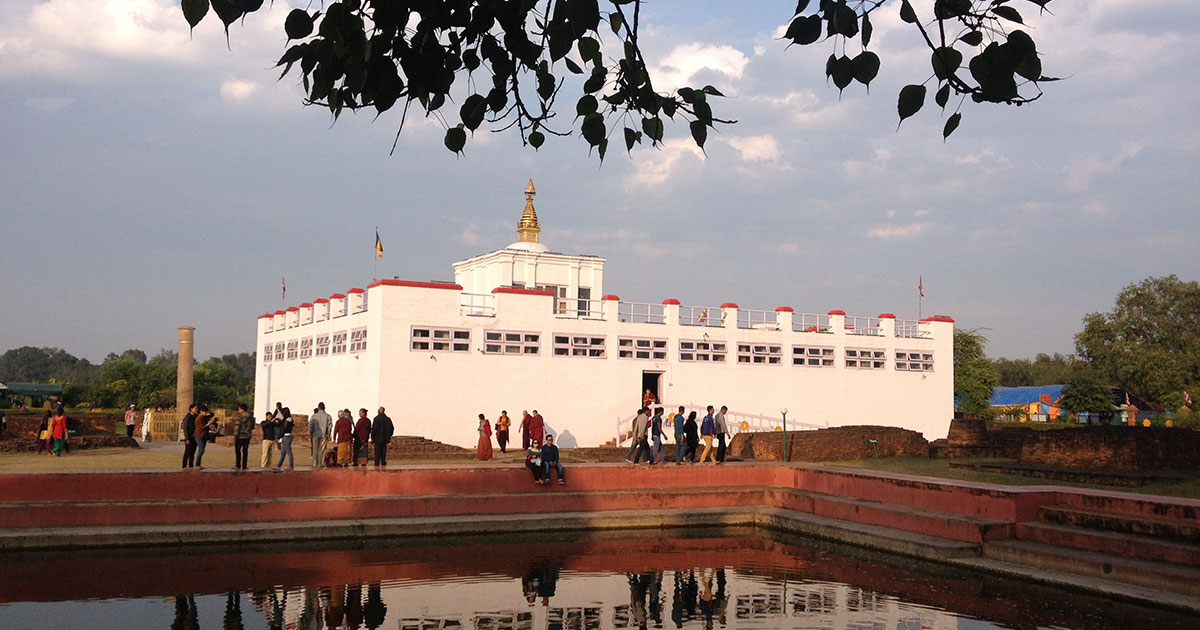
Even for non-religious travelers, it’s a place that encourages pause and reflection rather than activity.
Muktinath Temple
Set high in the Himalayas, Muktinath combines pilgrimage with adventure. Reaching it often involves trekking through remote landscapes, adding a physical journey to the experience.
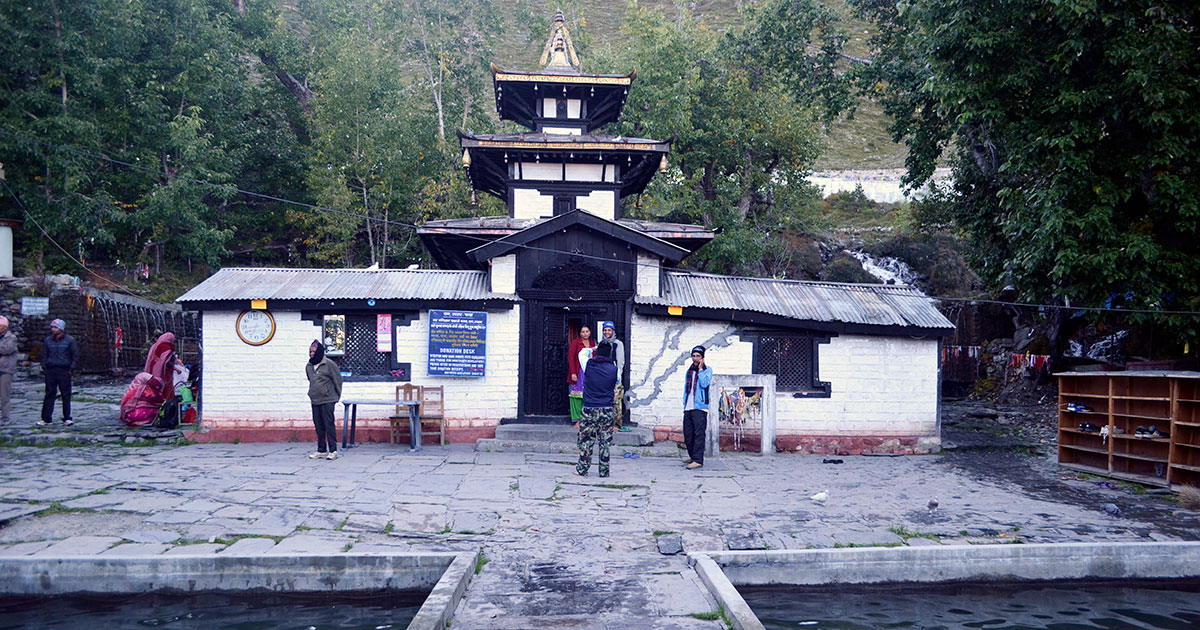
For many, the appeal lies as much in the journey as in the destination. It’s where travel, nature, and spirituality intersect in a unique way.
Tourist Experience of Rituals, People, and Stories
A large part of visiting pilgrimage sites is observing what people do there. Rituals like lighting lamps, offering flowers, chanting prayers are deeply personal acts, yet they happen in shared spaces.
Travelers often find meaning not in participating, but in witnessing. Conversations with locals, guides, or monks can reveal the stories behind what you’re seeing.
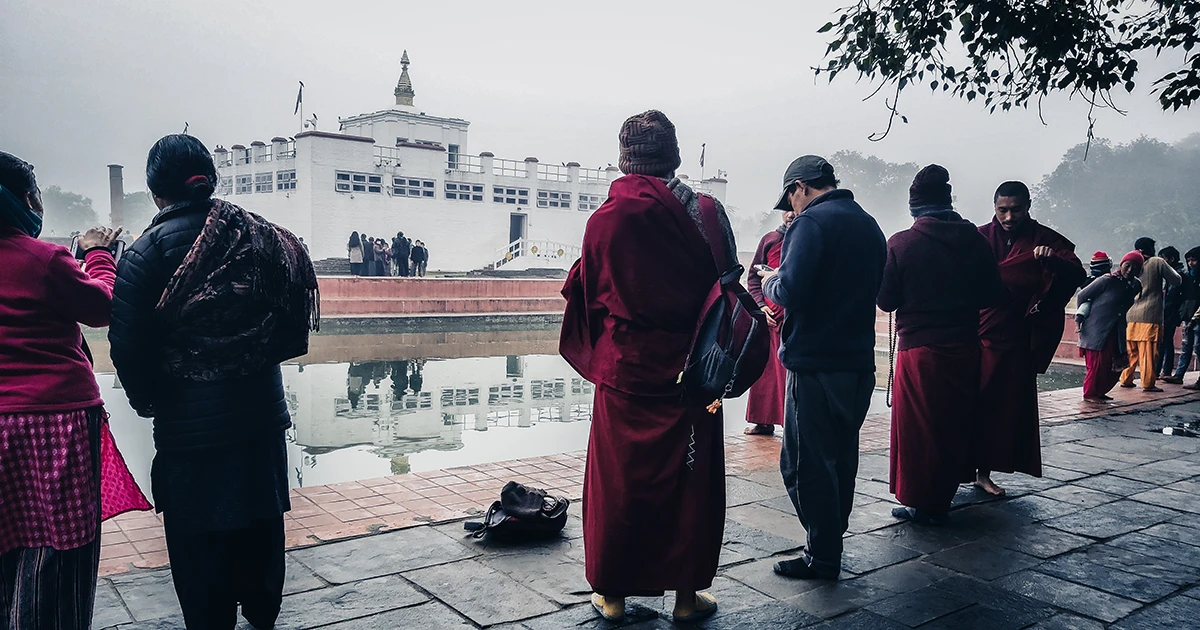
These human elements make the experience richer. It’s not just about monuments, it’s about people, traditions, and continuity.
What Draws Non-Religious Travelers
Many visitors arrive without spiritual expectations, yet leave with something they didn’t anticipate.
Sometimes it’s curiosity, wanting to understand a different culture. Sometimes it’s the need to slow down, to step away from routine and constant noise. And sometimes it’s simply the desire to experience something authentic.
Pilgrimage sites in Nepal offer all of this without demanding belief. They provide space for observation, reflection, and quiet moments that are increasingly rare in modern travel.
Tips for Visiting Pilgrimage in Nepal
Here are some of the tips for first time visitors to visit pilgrimages in Nepal:
- Dress modestly, especially at temples and monasteries
- Remove shoes where required

- Always ask before taking photos of people or rituals
- Be mindful of restricted areas for non-Hindus or non-Buddhists
- Keep noise levels low and respect the atmosphere
- Approach everything with curiosity, not judgment
Spirituality Without Labels
Nepal’s pilgrimage sites show that spirituality doesn’t always need definition. You don’t have to follow a religion to feel connected to a place, to history, or even to yourself.
These sites endure not just because of belief, but because of the experiences they offer. Whether it’s the quiet rhythm of a stupa, the intensity of a riverside ritual, or the stillness of a sacred landscape, each moment leaves an impression.
In the end, what draws people here isn’t just faith. It’s the chance to pause, observe, and feel something real without needing to name it.
FAQs
Expand AllWhat is pilgrimage travel in Nepal?
Pilgrimage travel in Nepal refers to visiting sacred temples, stupas, monasteries, and natural sites that hold religious importance in Hinduism and Buddhism. While traditionally undertaken for spiritual reasons, today it also attracts travelers interested in culture, history, and unique experiences.
Why do pilgrimage sites in Nepal appeal to non-religious travellers?
These places offer more than religion, they provide history, architecture, human stories, and powerful atmospheres. Many visitors are drawn by curiosity, cultural depth, and the chance to experience something meaningful without needing to follow a belief system.
Can non-religious visitors enjoy sacred places in Nepal?
Yes, absolutely. You don’t need to be religious to appreciate the beauty, energy, and cultural richness of these sites.
Do you need to be Hindu or Buddhist to visit pilgrimage sites in Nepal?
No. Most sites are open to everyone, although certain inner temple areas may be restricted to followers of specific religions.
What makes Nepal’s sacred places different from ordinary tourist attractions?
They are “living spaces,” not just monuments. Rituals, prayers, and traditions are actively practiced, making them dynamic and deeply human rather than purely historical.
Which pilgrimage sites in Nepal are most interesting for first-time visitors?
Popular choices include Pashupatinath Temple, Boudhanath Stupa, Swayambhunath Temple, and Lumbini due to their accessibility and cultural significance.
Which sacred places in Kathmandu are worth visiting?
Key sites include Pashupatinath Temple, Boudhanath Stupa, and Swayambhunath Temple, each offering a distinct experience.
Why is Pashupatinath important to visitors?
Pashupatinath Temple is one of the most sacred Hindu temples dedicated to Lord Shiva. It is also known for its open cremation rituals, which give visitors a rare and powerful insight into life and death traditions.
Can non-Hindus visit Pashupatinath?
Yes, non-Hindus can enter the outer complex but are not allowed inside the main temple.
What can non-Hindu visitors see at Pashupatinath?
Visitors can explore the temple surroundings, observe rituals along the Bagmati River, see shrines, and experience the atmosphere of the site.
What is Bagmati Aarati at Pashupatinath?
It is an evening ritual held on the banks of the Bagmati River, involving fire offerings, chanting, and music. It creates a visually and emotionally striking experience for visitors.
Is Pashupatinath worth visiting even if you are not religious?
Yes. Its cultural significance, rituals, and atmosphere make it one of the most memorable places in Nepal.
Why is Boudhanath such a special place to visit?
Boudhanath Stupa stands out for its peaceful energy, Tibetan Buddhist culture, and the rhythmic movement of people walking around the stupa.
What do visitors usually do at Boudhanath?
Most people walk around the stupa (kora), spin prayer wheels, sit in cafés, or simply observe the surroundings.
How should you walk around Boudhanath Stupa?
Always walk in a clockwise direction, following local tradition.
Is Boudhanath worth visiting for non-Buddhists?
Yes, it is one of the most accessible and calming places, even for those without religious interest.
What makes the atmosphere at Boudhanath so memorable?
The combination of chanting, prayer wheels, incense, and slow movement creates a deeply calming and immersive environment.
Why is Lumbini important beyond religion?
Lumbini is not only the birthplace of Buddha but also a peaceful heritage site that promotes global harmony and reflection.
Is Lumbini worth visiting for non-Buddhists?
Yes. Its serene environment and international monasteries make it appealing beyond religious interest.
What can travellers see and do in Lumbini?
Visitors can explore monasteries built by different countries, walk through peaceful gardens, and visit the sacred birthplace area.
Can visitors meditate in Lumbini?
Yes, many areas are suitable for quiet reflection and meditation.
What is the Lumbini Sacred Garden?
It is the central area where the exact birthplace of Buddha is marked, surrounded by tranquil greenery and historic ruins.
Is Namobuddha worth visiting on a day trip from Kathmandu?
Yes, Namobuddha offers a peaceful monastery setting and scenic views, making it a rewarding short trip.
What makes Nepal’s temple and stupa architecture so distinctive?
The blend of intricate wood carvings, symbolic designs, and multi-tiered pagoda styles creates a unique architectural identity.
Why do sound, chanting, bells, and ritual make such a strong impression on visitors?
These sensory elements create an immersive environment that engages emotions and attention, making the experience feel more vivid and memorable.
What does “living heritage” mean in the context of Nepal’s sacred sites?
It means these sites are actively used and not just preserved, they continue to function as places of worship and community life.
How are pilgrimage sites in Nepal also cultural and heritage experiences?
They reflect history, art, traditions, and daily practices, offering insight into Nepal’s identity beyond religion.
What are the most peaceful sacred places to visit in Nepal?
They reflect history, art, traditions, and daily practices, offering insight into Nepal’s identity beyond religion.
What should tourists wear when visiting temples in Nepal?
Modest clothing that covers shoulders and knees is recommended for visiting temples in Nepal.
What etiquette should visitors follow at religious sites in Nepal?
Be respectful, remove shoes when required, keep noise low, and follow local customs.
Is photography allowed at sacred sites in Nepal?
Generally yes, but always ask before photographing people or rituals, and avoid sensitive areas.
What should tourists avoid doing at temples and stupas in Nepal?
Avoid touching sacred objects, interrupting rituals, or behaving loudly or disrespectfully.
Are all pilgrimage sites in Nepal open to foreigners?
Most pilgrimages are open to foreigners but not for all.
What is the best way to experience sacred places respectfully without joining religious rituals?
Observe quietly, learn about the traditions, and appreciate the environment without interfering.
How can travellers appreciate Nepal’s spiritual atmosphere without being religious?
By focusing on the cultural, sensory, and human aspects, architecture, nature, and shared experiences, travelers can experience Nepal’s atmosphere without being religious.
What is the difference between a pilgrimage site and a heritage site in Nepal?
Pilgrimage sites are primarily religious, while heritage sites focus on historical and cultural preservation, though many places are both.
Are pilgrimage sites in Nepal suitable for solo travellers?
Yes, they are generally safe and welcoming, especially in well-visited areas.
Can pilgrimage travel in Nepal be part of a broader cultural itinerary?
Definitely. These sites fit naturally into cultural, historical, and even trekking itineraries.
Which sacred sites in Nepal are best for architecture lovers?
Pashupatinath Temple and Swayambhunath Temple showcase intricate design and craftsmanship.
Which sacred sites in Nepal are best for travellers seeking reflection and quiet?
Boudhanath Stupa, Lumbini, and Namobuddha are ideal sites for travelers for calm and introspection.
Related blog posts
Discover a choice of tourist destinations loved by most of our visitors. Whether you're on a jungle safari to spot rare animals or walking through a world heritage site, these well-planned itineraries cover the major highlights of Nepal.

 call an expert at: