
Paragliding in Pokhara: Weather, Wind, and Safety
 Sujata Pokhrel
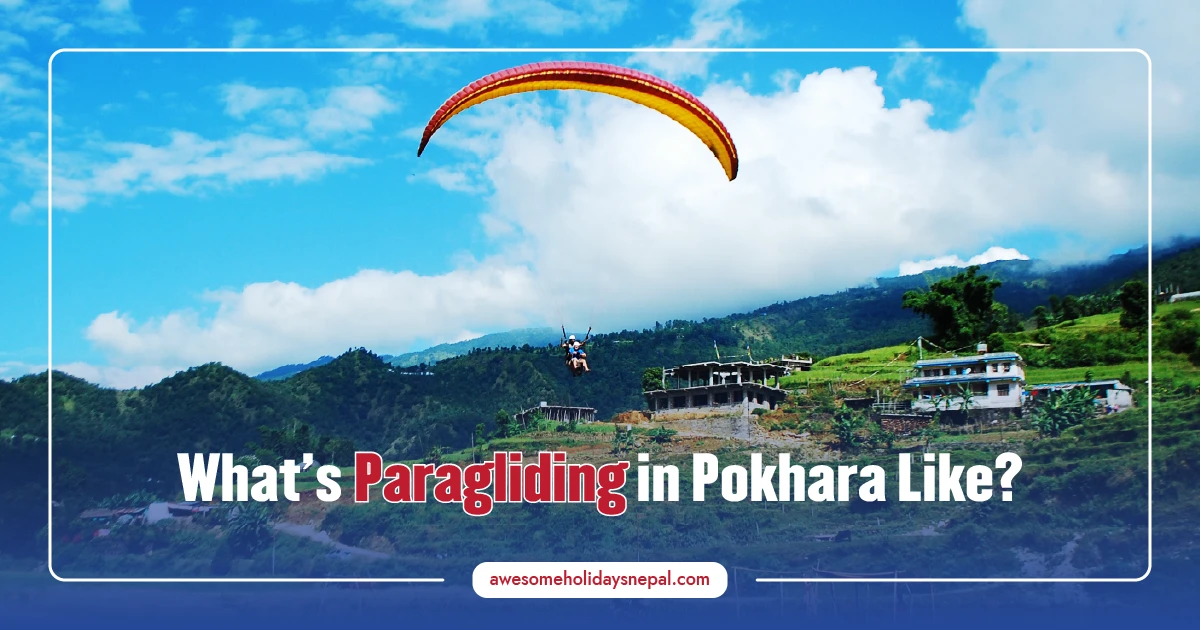
Are you thinking of adventuring in the Himalayas? If yes, paragliding in Pokhara can be a good option instead of sticking to the expedition alone.
While Nepal is famous for its high-altitude adventures, not every Himalayan experience has to involve days of walking. Sometimes, the most unforgettable perspective comes from the sky.
Pokhara has long been known as the most beautiful city in Nepal, for the lakes and mountains that enrich this region. But beyond its calm atmosphere lies one of the world’s most scenic paragliding destinations.
Let’s get through the blog to figure out why it’s ideal to do paragliding in Pokhara.
City of Adventure-Pokhara
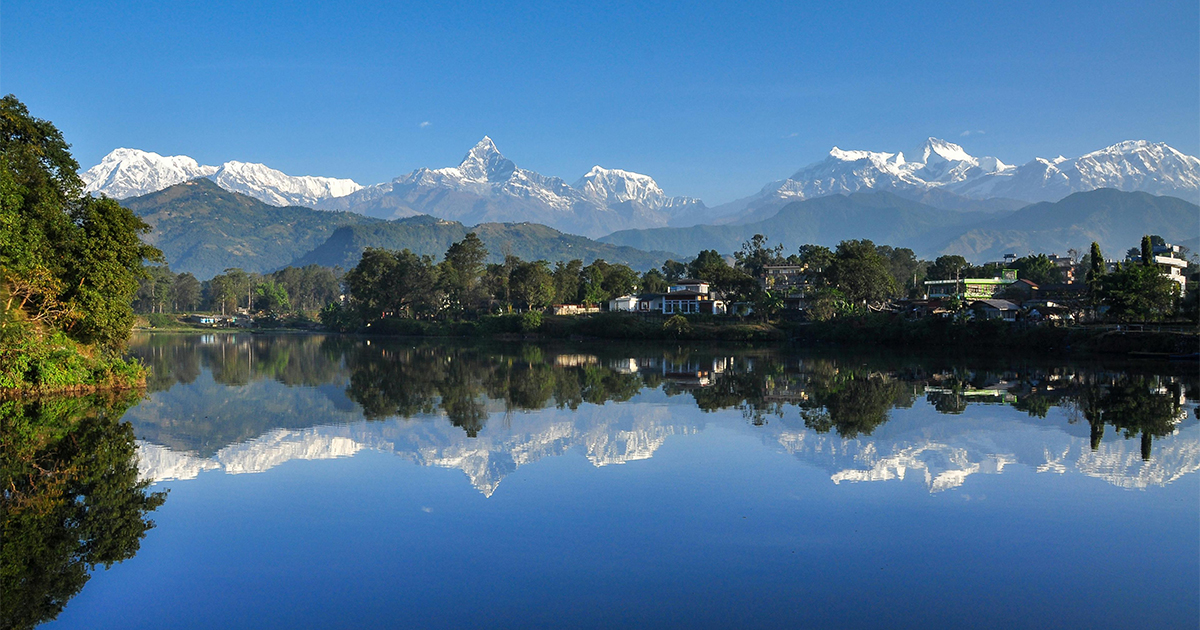
Pokhara is often called Nepal’s adventure capital. Unlike the dense urban feel of Kathmandu, Pokhara opens up into wide valleys framed by Himalayan giants. On clear days, the skyline is dominated by the iconic Machhapuchhre (Fishtail), alongside the Annapurna massif.
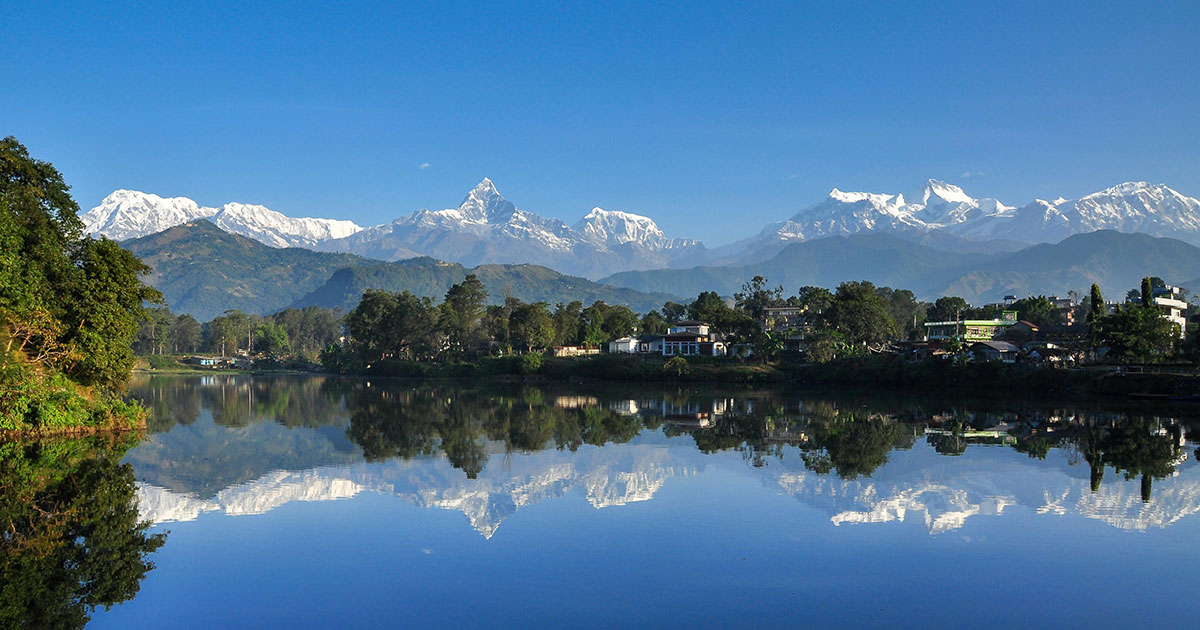
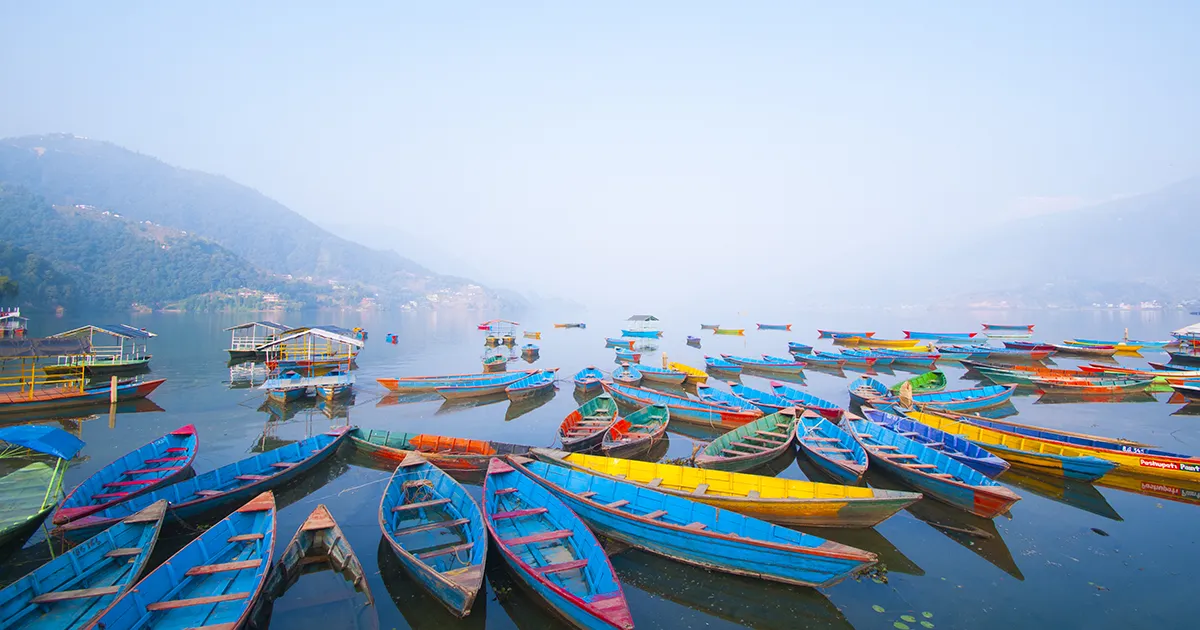
What makes this city truly special is the contrast: serene lakes like Phewa Lake resting beneath snow-capped peaks. Add to that a stable valley wind system and a reliable launch hill, and you have near-ideal flying conditions.
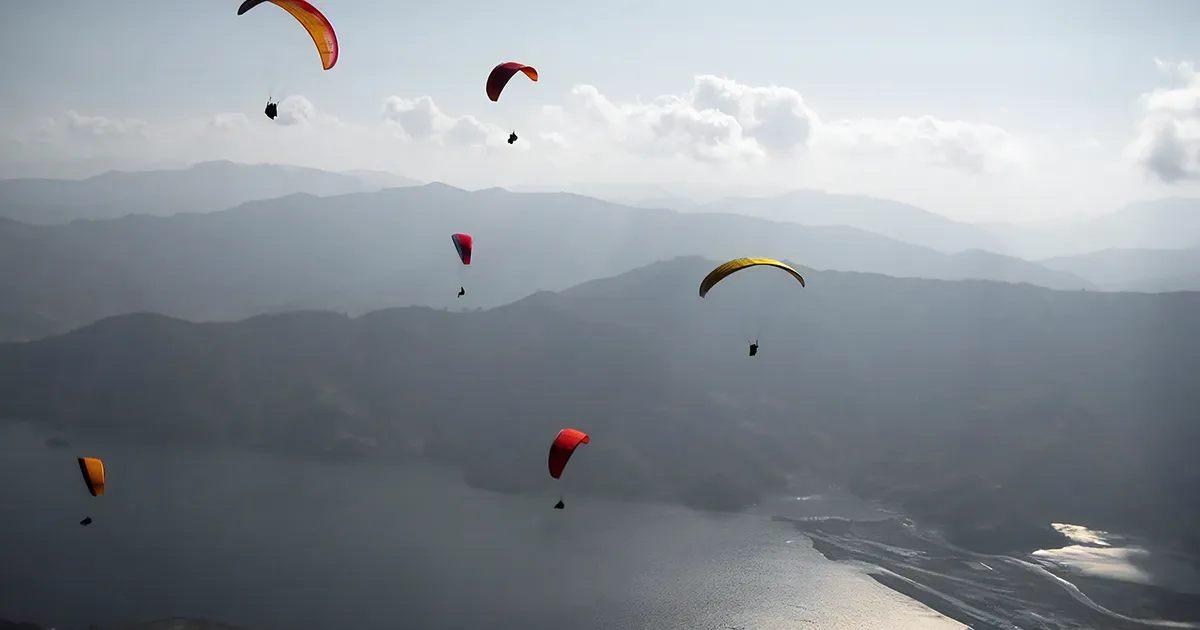
The primary takeoff point for paragliding is Sarangkot a ridge that provides both altitude and open airspace, essential for safe tandem flights.
What makes Pokhara Perfect for Paragliding?
Several natural factors combine to make Pokhara a global paragliding hotspot. Here are some of these factors:
Ideal Topography
The valley structure creates predictable wind movement. The mountains generate thermals (rising warm air), while the lake moderates airflow near landing zones.
Elevation Advantage
Sarangkot sits high above the valley floor, allowing pilots enough glide time and flexibility for smooth descents.
Stable Landing Zones
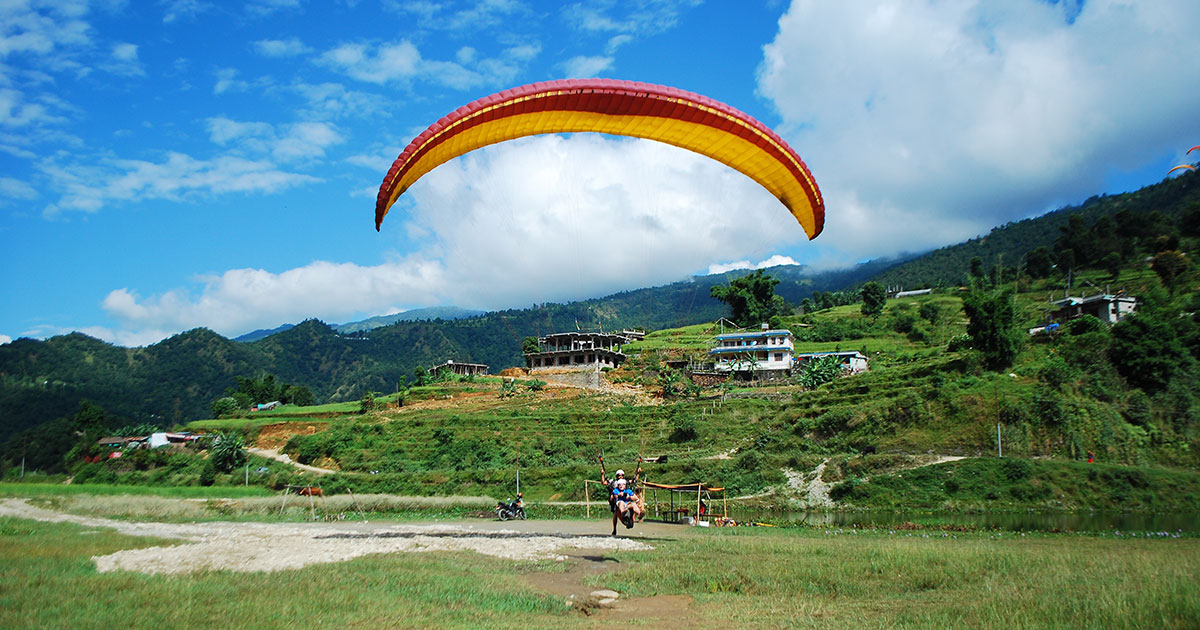
The open fields near Phewa Lake offer wide, manageable landing areas a key safety factor for tandem flights.
Scenic Reward
Few places in the world allow you to float at eye level with Himalayan peaks while looking down at a lake below. The vertical drama here is unmatched.
Things to Know for Paragliding in Pokhara
Before flying in Pokhara, keep a few essentials in mind. Most visitors take tandem flights with a certified pilot, so no prior experience is needed. Flights usually last 15–30 minutes, depending on wind and thermal conditions.
Morning flights are typically calmer, while afternoon air can be more dynamic. Weight limits and basic health guidelines apply for safety. Most importantly, paragliding is completely weather-dependent. If conditions are not suitable, flights will be postponed safety always comes first.
Best Seasons for Paragliding in Pokhara
Weather plays the most decisive role in shaping both the safety and overall quality of a paragliding experience in Pokhara. Because flights depend entirely on wind stability, cloud movement, and visibility, seasonal changes directly influence how smooth, scenic, and reliable your flight will be.
Among all seasons, autumn (September–November) stands out as the most popular and dependable time to fly. After the monsoon rains clear dust and moisture from the atmosphere, the skies become remarkably crisp, offering spectacular mountain views and steady wind conditions.
Spring (March–May) is equally appealing, though slightly more dynamic. Warmer temperatures generate stronger thermals rising warm air currents which can extend flight time but may create more active air. Visibility remains good during spring, although occasional haze can soften distant Himalayan outlines.
Understanding the Weather Conditions
The Himalayan panorama is one of the biggest highlights of paragliding in Pokhara, but clear views depend entirely on atmospheric conditions. After the monsoon, rainfall clears dust and pollution from the air, offering sharp, crystal-clear views of Machhapuchhre and the Annapurna range.
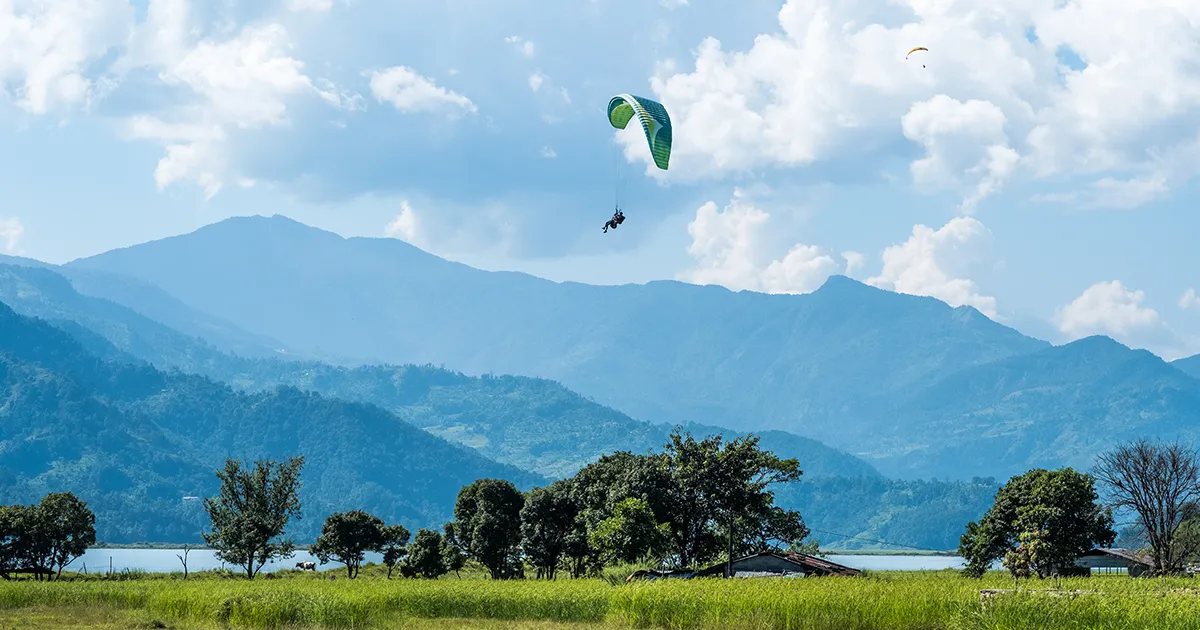
In contrast, pre-monsoon heat can create light haze, slightly softening distant mountain outlines even on sunny days.
Humidity and cloud buildup also affect visibility. Mountain weather changes quickly due to thermal activity, and peaks can become obscured within hours. This is why most flights operate in the morning, when skies are generally clearer and conditions more stable.
Wind Patterns in Pokhara
Wind is the single most important factor in paragliding, and in Pokhara, it is shaped by the valley’s unique geography. As the sun warms the slopes, air rises upward, creating predictable upslope or valley winds that pilots use for lift.
These thermals columns of rising warm air can help extend flight time, but when strong, they can also create mild turbulence. The presence of Phewa Lake helps moderate airflow near the landing area, often making descents smoother.
However, wind direction matters more than speed. Sudden shifts, crosswinds, or gusty conditions can affect takeoff and landing stability. For this reason, pilots continuously assess wind behavior before and during every flight to ensure conditions remain safe.
What if Your Flight Gets Cancelled?
It can be disappointing, especially if you planned your trip around it. But cancellations are a positive sign, not a negative one.
Flights are usually cancelled due to:
- Strong or gusty winds
- Rapid cloud buildup
- Incoming storms
- Poor visibility
Reputable operators follow strict safety guidelines. If conditions are unsafe, they simply do not fly. In aviation, caution is professionalism.
Paragliding Safety Standards in Pokhara
Over the years, safety standards for paragliding in Pokhara have strengthened considerably, making it a professionally managed adventure activity. Most commercial tandem pilots undergo structured training and hold recognized certifications, ensuring they are qualified to assess weather, manage equipment, and handle in-air dynamics responsibly.
Before takeoff, passengers receive a clear pre-flight briefing that explains proper running posture during launch, how to sit comfortably in the harness once airborne, and how to prepare for landing.
Standard gear includes a helmet, harness with back protection, reserve parachute, and inspected glider canopy, all checked before each flight. Safety is shared following pilot instructions carefully during takeoff and landing is essential.
Pokhara vs Other Paragliding Experiences in Nepal
While other destinations in Nepal, such as Bandipur or the Kathmandu Valley, offer paragliding opportunities, Pokhara stands out as the most established and reliable location. One key advantage is the consistent valley wind system, which provides predictable lift and makes flights safer and smoother compared to other regions where winds can be more variable.
The launch site at Sarangkot offers an ideal altitude, giving pilots ample space for takeoff and extended flight time. Combined with wide, forgiving landing zones near Phewa Lake, this makes Pokhara particularly beginner-friendly and safe for tandem flights.
What truly sets Pokhara apart is the scenery. Paragliders enjoy direct views of the Himalayan peaks, including Machhapuchhre and the Annapurna range, while floating over a valley dotted with lakes and villages. This combination of stable winds, reliable takeoff points, safe landings, and breathtaking landscapes creates a flying environment that few places in Nepal or anywhere in the world can match.
Respect the Wind, Enjoy the Sky
Paragliding in Pokhara is more than just ticking off an adventure activity. It is a carefully balanced interaction between geography, weather, and human skill.
The mountains create the drama.
The lake softens the descent.
The wind determines the timing.
Understanding weather and wind patterns not only enhances your experience but also builds confidence in the process. When done with certified pilots under proper conditions, paragliding in Pokhara is both exhilarating and responsibly managed.
If you are planning a Himalayan journey but want something beyond trekking trails, stepping into the sky above Pokhara might just offer the perspective you did not know you were looking for.
FAQs
Expand AllIs paragliding in Pokhara generally safe for first-timers?
Yes, tandem flights are designed for beginners, with certified pilots controlling takeoff, flight, and landing. Passengers just enjoy the ride while pilots ensure safety at every step.
What weather factors decide whether flights run on a given day?
Wind speed and direction, visibility, cloud cover, rain, and storm forecasts determine flight safety. Operators monitor these closely before approving takeoff.
Why does wind matter more than temperature for paragliding?
Stable airflow is critical for glider control. Even on warm, clear days, strong or shifting winds can make takeoff, flight, and landing unsafe.
What is “gusty wind” and why can it cause cancellations?
Gusts are sudden, brief bursts of wind. They can destabilize the glider during takeoff or landing, so flights are postponed if gusts exceed safe limits.
What is turbulence and when is it more likely in Pokhara Valley?
Turbulence is irregular air movement that makes flights bumpy. It’s more common near ridges, slopes, or during strong afternoon thermals.
What are thermals and how do they change the feel of a flight?
Thermals are rising columns of warm air. They can lift the glider for longer flights but may also create minor bumps.
Is morning or afternoon usually smoother for tandem flights?
Mornings are typically calmer with lighter winds and smoother air. Afternoons may be warmer with stronger thermals, sometimes causing mild turbulence.
What happens if the weather changes after you arrive at the launch?
If weather changes, flights are postponed or rescheduled. Pilots continuously monitor conditions and prioritize passenger safety above schedules.
How common are delays or reschedules due to weather?
Delays are fairly common, especially during monsoon or pre-monsoon haze. Planning buffer days in your itinerary helps avoid disappointment.
What conditions typically stop paragliding?
Heavy rain, low clouds, storms, and strong gusty winds all make flights unsafe and will lead to cancellations.
How does monsoon season affect paragliding availability in Pokhara?
Heavy rain, low clouds, storms, and strong gusty winds all make flights unsafe and will lead to cancellations.
Can you paraglide in winter in Pokhara? What changes?
Yes, winter mornings are calm and ideal for flying, but fog may reduce visibility. Afternoons can have slightly stronger winds.
Are post-monsoon months usually clearer for mountain views?
Yes, post-monsoon months offer clearer mountain views. September–November offers the clearest skies and best visibility of Machhapuchhre, Annapurna, and surrounding peaks.
How far in advance can weather forecasts be trusted for flying decisions?
Forecasts 24–48 hours ahead are generally reliable. Beyond that, Himalayan weather can change quickly.
What should you check on the morning of your flight?
Wind speed and direction, visibility, cloud cover, and precipitation. Operators usually confirm these before takeoff.
What safety gear should a tandem passenger expect?
Passengers get a helmet, secure harness with back protection, and a reserve parachute, all inspected before each flight.
What should be covered in a proper pre-flight safety briefing?
Takeoff and landing positions, in-flight posture, communication signals, and emergency instructions. This ensures a smooth and safe flight.
What clothing is best for paragliding?
Layered clothing for temperature changes, a windproof jacket, comfortable pants, and secure footwear are recommended.
Do you need gloves or sunglasses for comfort and safety?
Yes, gloves protect hands from cold and wind, while sunglasses shield eyes from sun and glare.
Are there age limits for tandem paragliding in Pokhara?
Most operators set minimum ages (usually 12+) and sometimes maximum ages, based on health and safety guidelines.
Are there weight limits and why do they exist?
Yes, weight limits ensure safe glider performance and proper pilot control. Exceeding limits can compromise flight stability.
Can people with motion sickness still do paragliding?
Yes, though minor bumps may trigger nausea. Taking anti-nausea measures beforehand can help.
Can people with fear of heights still enjoy tandem paragliding?
Many people with fear of height can still enjoy paragliding. Trusting the pilot and focusing on the breathtaking views can make the experience enjoyable.
What medical conditions should you disclose before flying?
Heart conditions, asthma, balance issues, or blood pressure problems should be disclosed for safety assessment.
What is a reserve parachute and when is it used?
A reserve parachute is a backup canopy deployed only in emergencies if the main glider fails.
What should you do during take-off and landing as a passenger?
Follow the pilot’s instructions, stay relaxed, lean back during landing, and lift your legs at the right moment.
Can you bring a phone or camera during the flight? What are the risks?
Yes, with a secure strap. Loose devices may fall, so many pilots recommend leaving them with staff.
Where do flights usually launch from around Pokhara (Sarangkot context) and why?
Flights mainly launch from Sarangkot. Its elevation, open slopes, and clear airspace make takeoff safe and provide stunning views.
Why can visibility be poor even when it is not raining?
Haze, dust, or humidity can reduce mountain clarity even on sunny days.
What is the safest way to plan your itinerary to handle cancellations (buffer day)?
Include at least one buffer day for paragliding and schedule flights early in your trip. This allows rescheduling if weather delays occur.
Is paragliding safer on clear days than hazy or cloudy days?
Yes, clear skies improve visibility, reduce turbulence, and make it easier for pilots to navigate safely.
What questions should you ask an operator about safety and weather decision-making?
Ask about pilot certifications, reserve systems, weather monitoring, launch safety, and cancellation policies.
Do paragliding operators in Nepal fall under recreational aviation regulation frameworks?
Yes, Nepal’s Civil Aviation Authority regulates recreational aviation, including tandem paragliding.
Where can travellers check official Nepal weather forecasts and warnings?
Nepal Department of Hydrology and Meteorology’s website and mobile apps provide reliable updates.
Where can travellers read general paragliding safety guidance?
The International Paragliding Federation (FAI) provides global safety standards, guidelines, and best practices for recreational paragliding.
Related blog posts
Discover a choice of tourist destinations loved by most of our visitors. Whether you're on a jungle safari to spot rare animals or walking through a world heritage site, these well-planned itineraries cover the major highlights of Nepal.

 call an expert at: