
Pangboche Village Guide: High-Altitude Sherpa Village in Everest Region
 Sristi Adhikari
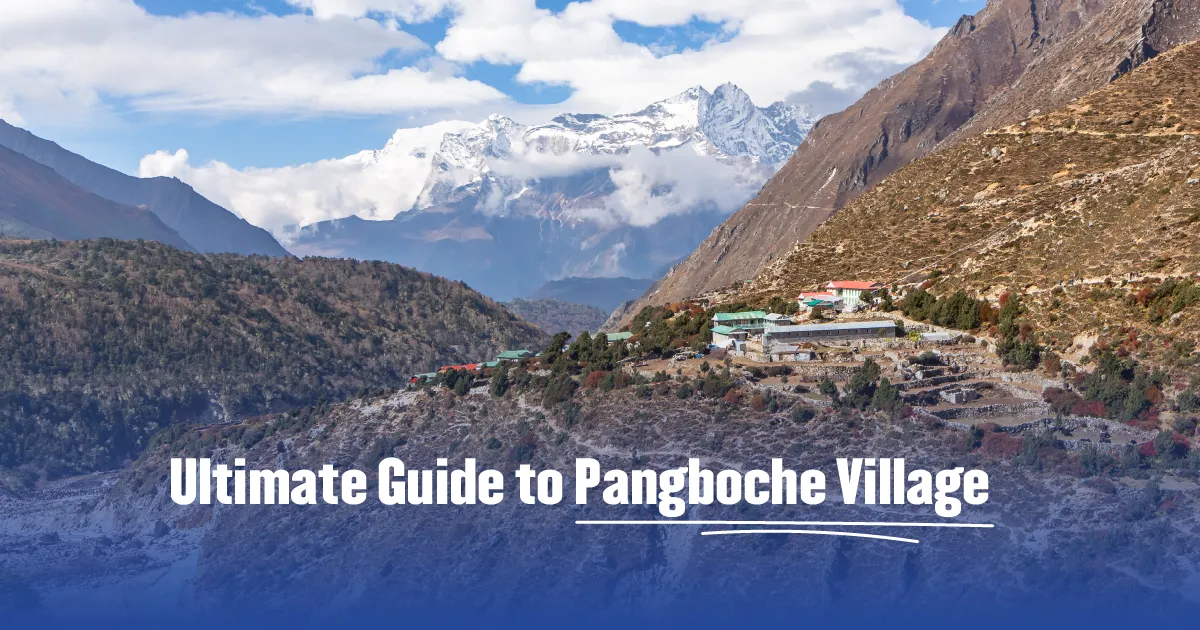
Dreaming of exploring the authentic Sherpa culture of the Himalayas? Then, Pangboche village is waiting for you. Pangboche Village is a historic Sherpa settlement of the Everest region, which lies at an altitude of 3,985 meters/ 13,074 feets above the sea level.
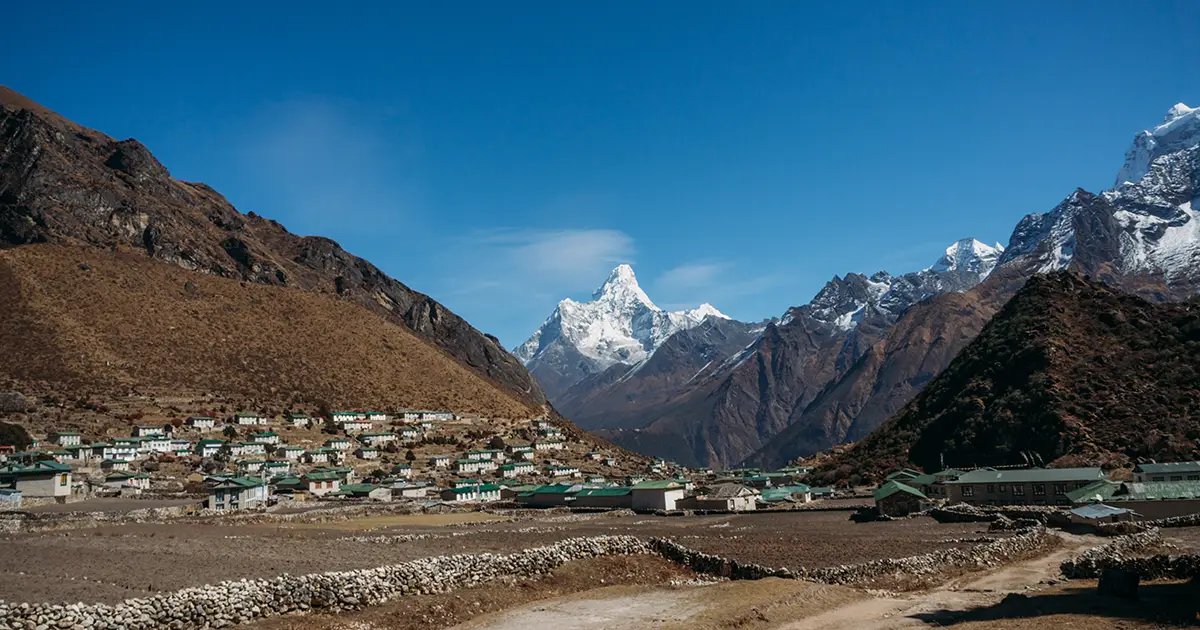
It’s a unique cultural heritage, traditional architecture, sacred monasteries, and breathtaking views of Ama Dablam, and the historic Himalayan lifestyle has made it popular among the trekkers seeking both adventure and authenticity. Pangboche Village is located alongside the Everest Base Camp trekking route, Ama Dablam Base Camp, and Tengboche.
It is the best place to acclimatize, where the trekkers can enjoy the scenic landscapes, ancient monasteries, and friendly Sherpa hospitality. Let’s explore the blog to learn more about the traditional hidden villages near Everest, such as Pangboche Village.
Reason to Visit Pangboche Village
Entrance to The Himalaya
Pangboche Village is the gateway to the Everest Base Camp trek. It is the best acclimatization spot for trekkers, and it also offers spectacular views of mountains like Ama Dablam, Lhotse, Thamserku, and Kangtega. Every trekker who is going to Dingboche or Pheriche stops in this village to rest, as it is less crowded and more peaceful.
Visit the Oldest Monastery
Pangboche Village in the Everest region is home to the oldest monastery, Pangboche Monastery. This monastery is more than 300 years old and is renowned for its ancient Buddhist manuscripts and relics. It was also famous for keeping the Yeti Scalp and hand in the mid-20th century, but this relic was lost or removed.
This monastery is linked with the legendary founder of many Sherpa sacred sites, Lama Sange Dorje. Trekkers can stop and pay a visit to the monastery and can take blessings from monks while attending the morning rituals.
Authentic Sherpa Culture and Traditions
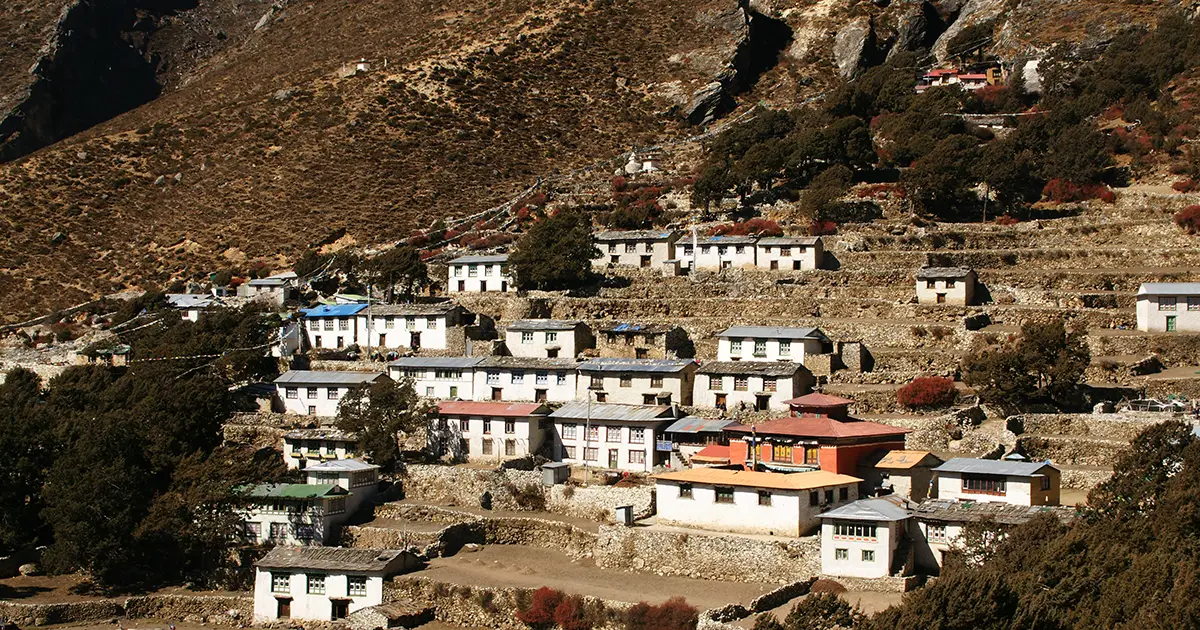
Sherpas in Pangboche village follow Tibetan Buddhism and are deeply rooted in their mountaineering heritage and Himalayan tradition. They are dedicated to the preservation of centuries-old culture and heritage. Every house is built from stone walls with a roof made of timber.
You can explore their unique pooja room, fire stoves, and wooden cupboards, which are very unique. Sherpas are an important part of identity and income, and most of them work as guides, climbers, and porters.
Less Crowded Alternative to Dingboche
Most of the trekkers escape this village and go directly to Dingboche. So, if you want a secluded village where there are no crowds, visiting this village is a perfect option for you.
Great Acclimatization Spot
Pangboche village is a very beautiful, picturesque spot where you can give your body some time to adjust to the high altitude hike.
Things To Do in Pangboche Village
Explore Upper and Lower Pangboche
Pangboche village is split into two parts, Upper Pangboche and Lower Pangboche.
Upper Pangboche
Upper Pangboche is located on the slightly higher side of the hillside and is the most older and original part of the Pangboche village. The traditional sherpas’ home has more stone structures and is home to the Pangboche monastery. Teahouses are very few in number, with basic accommodation, and are best for those trekkers who are going to the Ama Dablam Base Camp.
Lower Pangboche
Lower Pangboche is located closer to the trekking routes and is more developed. It is busier, and there are more teahouses, restaurants, bakeries, and shops. The accommodation has better wifi and other services.
Enjoy Sunrise and Sunset View
The village offers the best morning view of the sun hitting Ama Dablam’s golden peak. It gives a perfect view of the sunset as well.
Short Hikes to Ama Dablam Base Camp
Trekkers often stop in Pangboche for acclimatization. You can also go on a short hike to Ama Dablam Base Camp, explore the viewpoint above Upper Pangboche, and Pheriche and Dengboche valleys.
Food and Accommodation of Pangboche
Pangboche village offers quite a decent tea house and accommodation option, even though it is located in a high-altitude region. Most of the teahouses provide basic, cozy, and comfortable facilities with a warm bed, homemade food, and bathrooms with hot water and Wi-Fi.
You can also find a more luxurious option with an extra fee. The basic and welcoming accommodation has captured the hearts of the trekkers. Dining halls are warmed by yak-dung stoves, and you can eat Nepali foods like Dal Bhat (lentil soup with rice), Sherpa stew, Tibetan bread with honey, momos (dumplings), and thukpa (noodle soup). There is availability of international dishes such as pasta, pancakes, and fried noodles.
Festivals and Ceremonies
Villagers in Pangboche follow the Tibetan Lunar Calendar, and they celebrate festivals like Dumji, Mani Rimdu, and Lhosar.
Dumji
- The Dumji festival is celebrated in the Pangboche Monastery.
- It falls in autumn and coincides with the Mani Rimdu festival.
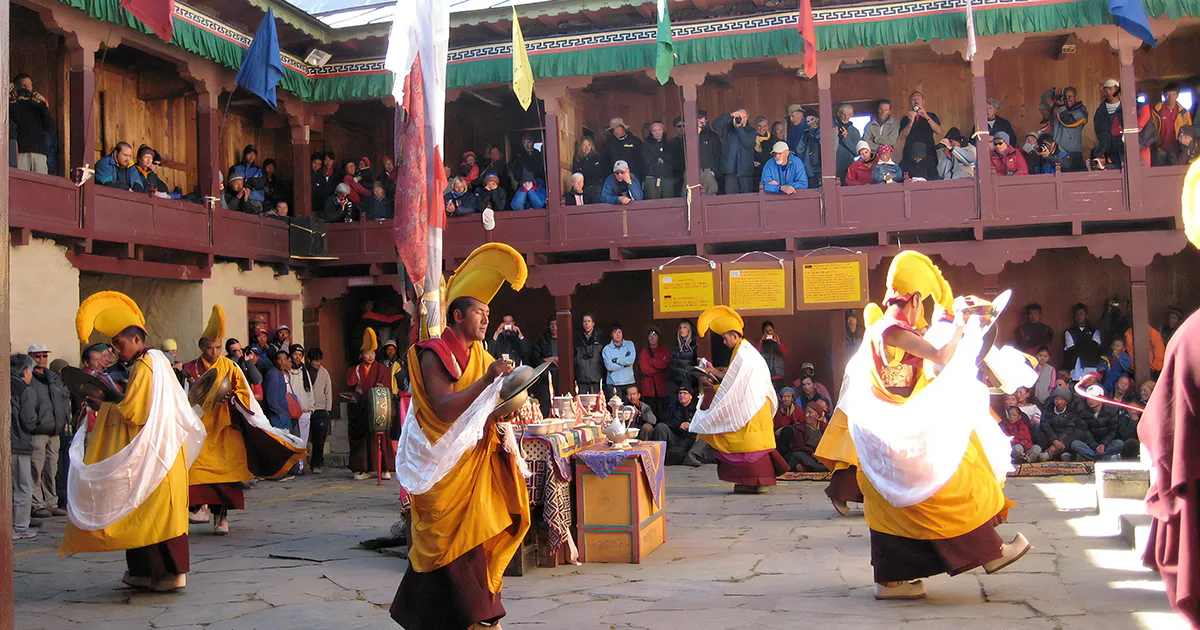
- While celebrating the festival, a special ritual dance is performed by monks wearing masks with elaborate costumes.
- They recite the sacred texts and give blessings to the community, and it also symbolises the victory of good over evil.
- The significance of this festival is to ensure the spiritual protection of the village, followed by well-being and prosperity.
Mani Rimdu
- It is a major Tibetan Buddhist festival celebrated near Tengboche Monastery and falls in October to November.
- Every member of the Pangboche family participates in the rituals and blessings.
- They perform Cham dance, which gives a colorful, vibrant, and deeply spiritual atmosphere.
Losar
- It falls in February as per the Lunar Calendar.
- It is the Sherpa New Year festival and is celebrated by dancing, singing, and communal feasts.
- The Sherpas are offering at the monastery for a prosperous year.
- Every family member reunites and cleans and decorates their homes, burns incense, and makes special foods.
Wildlife and Flora of the Pangboche Village
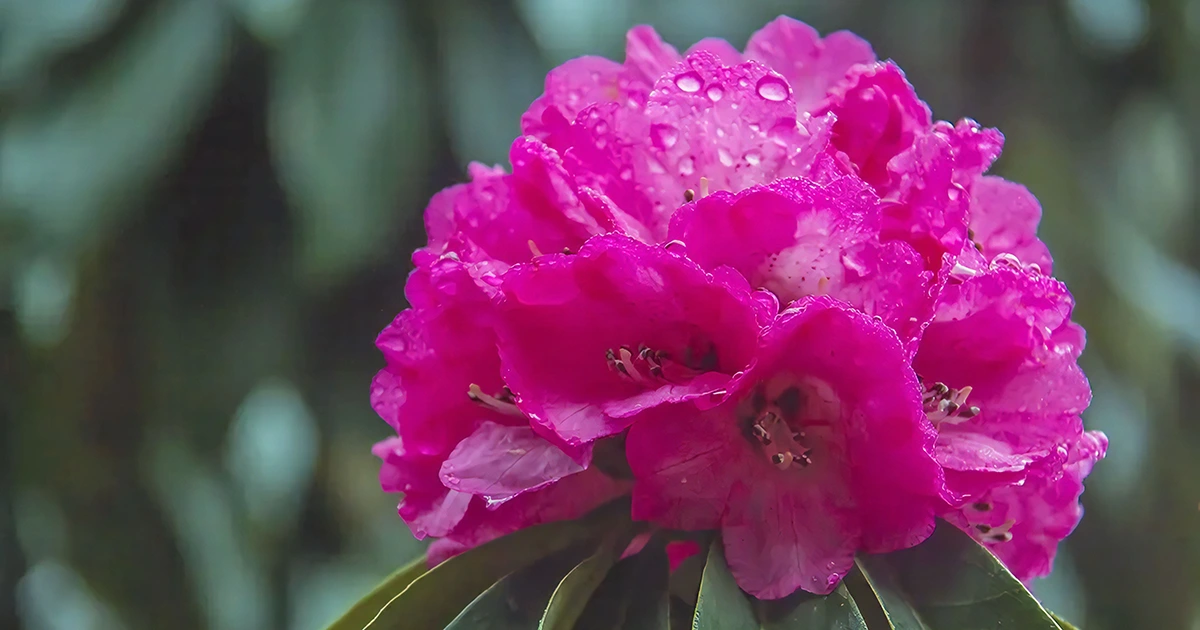
Pangboche village lies inside the Sagarmatha National Park. This protected area is home to exotic flora and fauna, such as Himalayan tahr, Musk deer, Pikas, and Himalayan monals. Trekking in the spring provides the amazing beauty of rhododendrons, junipers, and alpine shrubs. Lucky ones often hear the sound of the Himalayan snowcock and are blessed with the sighting of snow pigeons.
Cultural Etiquette to Follow in Pangboche
While exploring the Sherpa village, you must follow some cultural etiquette, such as:
- Walking in the clockwise direction around stupas, mani walls, and prayer wheels.
- Do not sit on a sacred mani stone or walls.
- Inside the monastery periphery, always remove hats and dress modestly.
- Always ask for permission when taking pictures with monks inside the monasteries.
- Maintain a quiet behaviour near shrines or natural sacred sites, as Sherpas view mountains, especially Ama Dablam, as divine.
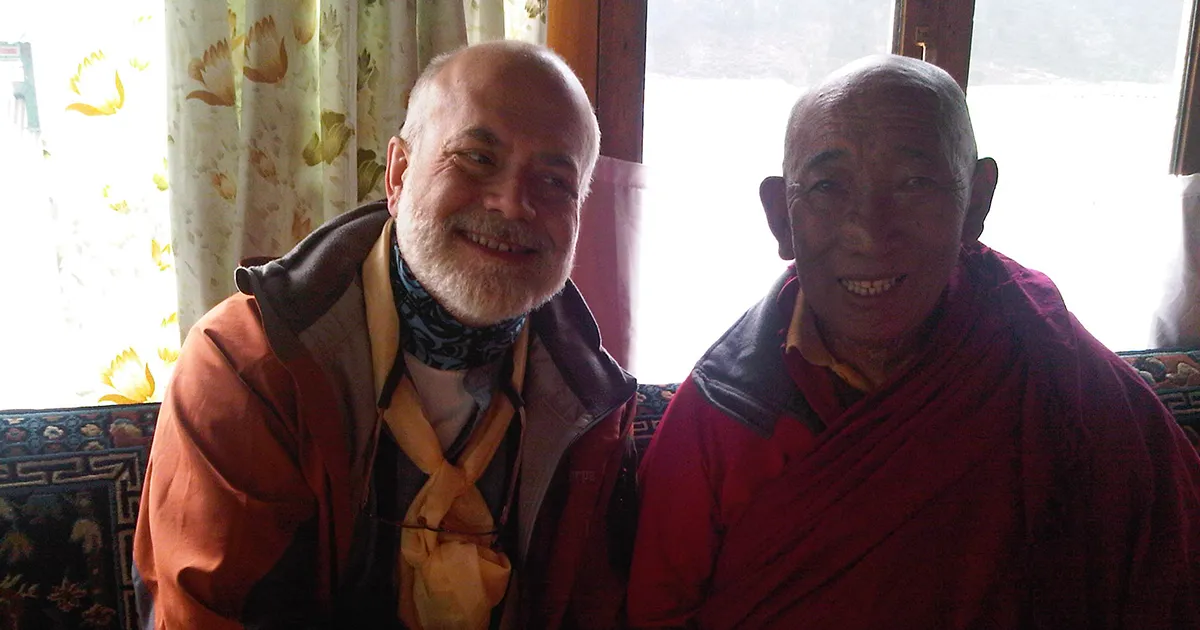
- Communicate with monks in a low voice while showing gentle body language.
- While interacting with monks, start by greeting saying Namaste or Tashi Delek.
- Move to the mountainside side not on the edge, when you encounter yaks and porters on the trekking paths.
- Do not block mani walls or stupas for photos.
- Participating in Puja or festivals, sit quietly while following the lead of the locals, and always accept blessed items such as rice, holy water, khatas with both hands.
Ways to Reach Pangboche Village
By Air to Lukla
- Lukla is the gateway to the Everest region, and is considered the starting point to reach the Pangboche Village.
- Flights from Kathmandu: It takes 30 to 40 minutes to reach Lukla from Kathmandu by flight.
- Early booking is important as the flights are weather-dependent and morning flights have higher operating chances than evening.
- When you step into Lukla, you will reach Pangboche village by hiking through places like Phakding, Namche Bazaar, and Tengboche.
Trekking to Pangboche Village
The most traditional route used by trekkers is a trek from Lukla, which consists of:
Lukla to Phakding
It takes 3 to 4 hours of trekking alongside the Dudh Koshi River to reach Phakding from Lukla. Lukla lies at an altitude of 2,610 meters, while Phakding is located at 3,440 meters.
Phakding to Namche Bazaar
Phakding offers scenic views of Everest, Thamserku, and Kusum Kanguru. While enjoying this view, you can reach Namche Bazaar in 5 to 6 hours by trekking. You will also cross suspension bridges during the trek.
Namche Bazaar to Tengboche
It takes 5 hours of trekking to reach Tengboche from Namche Bazaar. You can also visit the famous Tengboche monastery.
Tengboche to Pangboche
The hike from Tengboche to Pangboche offers panoramic views of Mount Ama Dablam. Within 2 to 3 hours of hiking, you will reach Pangboche village.
Alternative Trekking Routes
- Via Phortse: Lukla → Phakding → Namche → Phortse → Pangboche (Less crowded and more scenic route)
- Everest Three Passes Trek: The challenging trek to Everest Three Passes consists of Pangboche as an acclimatization stop. It connects Dingboche, Chhukung, and Lobuche via Renjo, Cho La, and Kongma La passes.
Private Helicopter Option
- Takes you to Pangboche either from Kathmandu or Lukla.
Best Time To Visit Pangboche Village
The best time to visit Pangboche village depends on the weather, trekking conditions, and visibility. The ideal season is the Spring and Autumn seasons.
Spring (March to May)
- Clear skies and moderate temperature.
- Stunning landscape filled with freshly bloomed Rhododendron flowers.
- Less crowds
Autumn(September to November)
- Stable weather, clear visibility
- Pleasant temperature with no rainfall
Final Thoughts
Pangboche village offers a unique glimpse of Sherpa culture and traditions. Located at an altitude of 3,985 meters, this village is popular for its centuries-old Pangboche Monastery, vibrant festivals, traditional stone and wood architecture, and the warm hospitality, which makes it culturally enriched and is the best acclimatization spot for trekkers exploring the Khumbu region.
Exploring the Pangboche village is far more than a scenic detour; it is a unique opportunity to be a part of a resilient community whose day-to-day life revolves around mountaineering, Buddhism, and high-altitude farming. Those who want to explore the breathtaking Himalayan landscapes, Pangboche offers the best view of Everest and Ama Dablam. Pangboche village is a testament to the Sherpa’s harmony, culture, and high-altitude environment.
So pack your bag and explore this beautiful secluded village in the Khumbu region.
FAQs
Expand AllWhat is Pangboche village famous for?
Pangboche village is famous for its ancient monastery and Yeti relics.
Where is Pangboche located in Nepal?
Pangboche is located in the Solukhumbu district of Nepal’s Khumbu region.
What is the altitude of Pangboche village?
The altitude of Pangboche village is 3,985 meters.
How old is Pangboche monastery?
Pangboche monastery is 350 years old.
What is the population of Pangboche village 2025?
The population of Pangboche village in 2025 is not specified, but it is believed to be in the hundreds.
How to reach Pangboche from Lukla?
You can reach Pangboche from Lukla by trekking for multiple days.
How many days trek from Namche to Pangboche?
It takes 7 to 8 hours to reach Pangboche from Namche.
Is Pangboche on Everest Base Camp trek route?
Yes. Pangboche is on the Everest Base Camp trek route.
What is the distance from Pangboche to Everest Base Camp?
There is a distance of 35 to 40 km from Pangboche to Everest Base Camp.
Can you fly to Pangboche village?
No, you cannot directly fly to Pangboche village. You can either fly to Lukla or Tumlingtar, but not to Pangboche as tehre is no airport there.
Are there hotels in Pangboche village?
Yes, there are many hotels and teahouses in Pangboche village.
What is the cost of teahouse in Pangboche?
It costs $5 to $10 per night, which fluctuates as per the season and weather demands in Pangboche.
Is there WiFi in Pangboche village?
Yes, there is a Wi-Fi service in Pangboche village.
What food is available in Pangboche?
Pangboche offers foods like dal bhat along with other dishes like noodles, fried rice, and soups.
Are there ATMs in Pangboche Nepal?
No. There are no ATMs in Pangboche, Nepal.
What is the best time to visit Pangboche?
The best time to visit Pangboche is in Spring and Autumn.
How cold is Pangboche in winter?
The daytime temperatures range -5°C while it drops to -15°C at night in winter.
What is the weather in Pangboche in October?
In October, Pangboche offers mild days and cold nights with excellent visibility and minimal precipitation.
Does it snow in Pangboche village?
Yes. Pangboche village experiences snowfall in winter.
What is the Pangboche yeti skull story?
There is a story of a yeti hand and skull kept as relics in Pangboche monastery. This story received global attention in the 1950s.
Why is Pangboche monastery important?
Pangboche monastery is important because it is the oldest monastery and is a major cultural and spiritual centre for the villagers.
What festivals are celebrated in Pangboche?
Festivals like the Dumji festival, Mani Rimdu, and Losar are celebrated in Pangboche.
Can tourists visit Pangboche monastery?
Yes, tourists can visit the Pangboche monastery. You have to follow certain manners while visiting the sacred monastery.
What is Sherpa culture in Pangboche?
Deep-rooted Buddhist faith, resilience, strong connection with the Himalayan environment are the culture of the Sherpa in Pangboche.
Is altitude sickness common in Pangboche?
Yes, altitude sickness is common in Pangboche. Pangboche lies at an altitude of 3,985 meters, and altitude sickness is common above 2,500 meters.
Is Pangboche good for acclimatization?
Yes, Pangboche is good for acclimatization. The altitude of 3,985 meters is best for acclimatization.
Are there medical facilities in Pangboche?
Yes. There are medical facilities in Pangboche. You can find health post and clinic there.
Is Pangboche safe for solo trekkers?
Yes, Pangboche is safe for solo trekkers. It is a well-trodden trail with frequent teahouses on the way.
Related blog posts
Discover a choice of tourist destinations loved by most of our visitors. Whether you're on a jungle safari to spot rare animals or walking through a world heritage site, these well-planned itineraries cover the major highlights of Nepal.

 call an expert at: