
Newar Architecture of Kathmandu Valley: Temples, Courtyards and Traditional Houses Explained
 Sujata Pokhrel
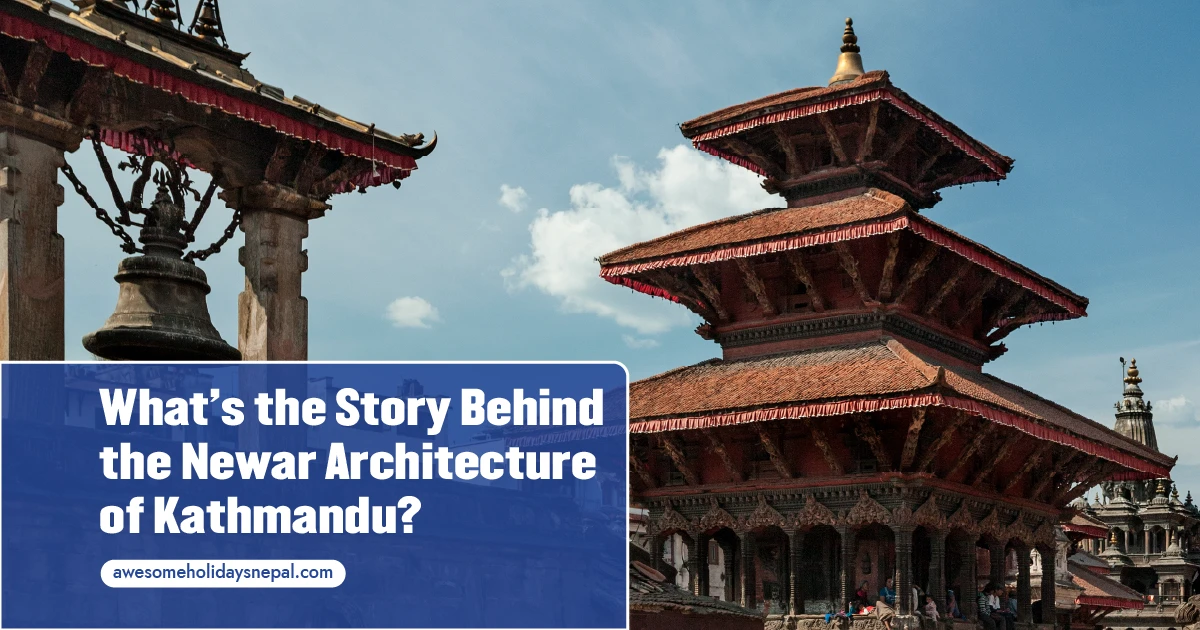
The Newari architecture of Kathmandu Valley is a unique experience for everyone visiting Nepal for the first time. Brick houses line narrow streets, temples rise above busy squares, and quiet courtyards appear behind intricately carved wooden doors.
Newari architectural tradition developed over centuries through the craftsmanship of the Newar people. Their building style blends religious symbolism, artistic detail, and practical design suited to the local climate. The historic centers of Kathmandu, Patan, and Bhaktapur still preserve this unique urban character.
Much of this heritage is recognized through the UNESCO World Heritage listing of the Kathmandu Valley UNESCO World Heritage Site. Temples, shrines, and courtyards remain part of everyday life, hosting festivals, rituals, and community gatherings just as they have for centuries.
Let’s get through the blogs to better understand Newar architecture of Kathmandu valley.
What is Newari Architecture?
Newari architecture refers to the traditional building style developed by the Newar community of the Kathmandu Valley. It is characterized by brick construction, elaborately carved wooden details, sloping tiled roofs, and carefully planned courtyards.
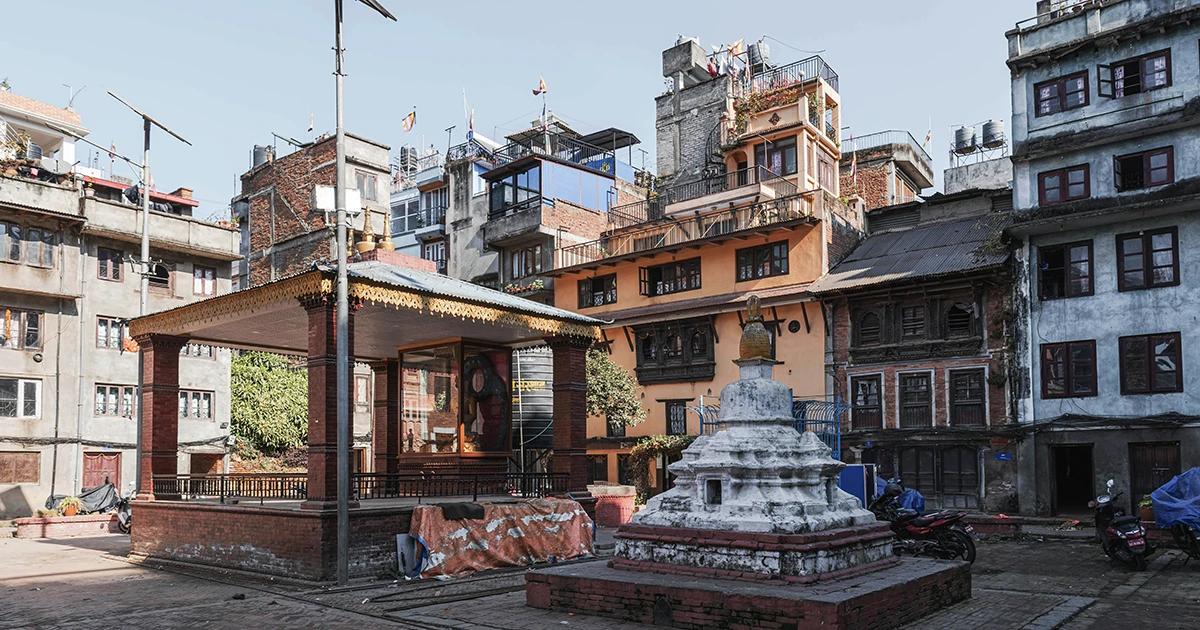
Unlike many architectural traditions that emphasize large monumental structures, Newar architecture integrates temples, homes, and community spaces into a single urban fabric. Each building contributes to the larger layout of the city.
Several key materials define the style:
- Brick: the primary construction material for walls
- Timber: used extensively for windows, doors, beams, and decorative carvings
- Clay tiles: covering sloped roofs designed to handle monsoon rains
The visual identity of historic valley cities comes largely from this combination of brick and wood craftsmanship.
Historical Development of Newar Architecture
The architectural traditions of the valley evolved gradually, influenced by political change, religious practices, and trade connections. While the basic building techniques remained consistent, each historical period added new layers of design and artistic expression.
Lichchhavi Period Foundation
The early foundations of the valley’s architecture can be traced to the period of the Lichchhavi Period (approximately 4th to 9th centuries CE). During this time, the valley saw the construction of early temples, water systems, and public structures.
Stone sculptures, chaityas (Buddhist shrines), and the earliest examples of wooden architecture date from this era. Many religious sites that later became famous temple complexes began as modest shrines in the Lichchhavi period.
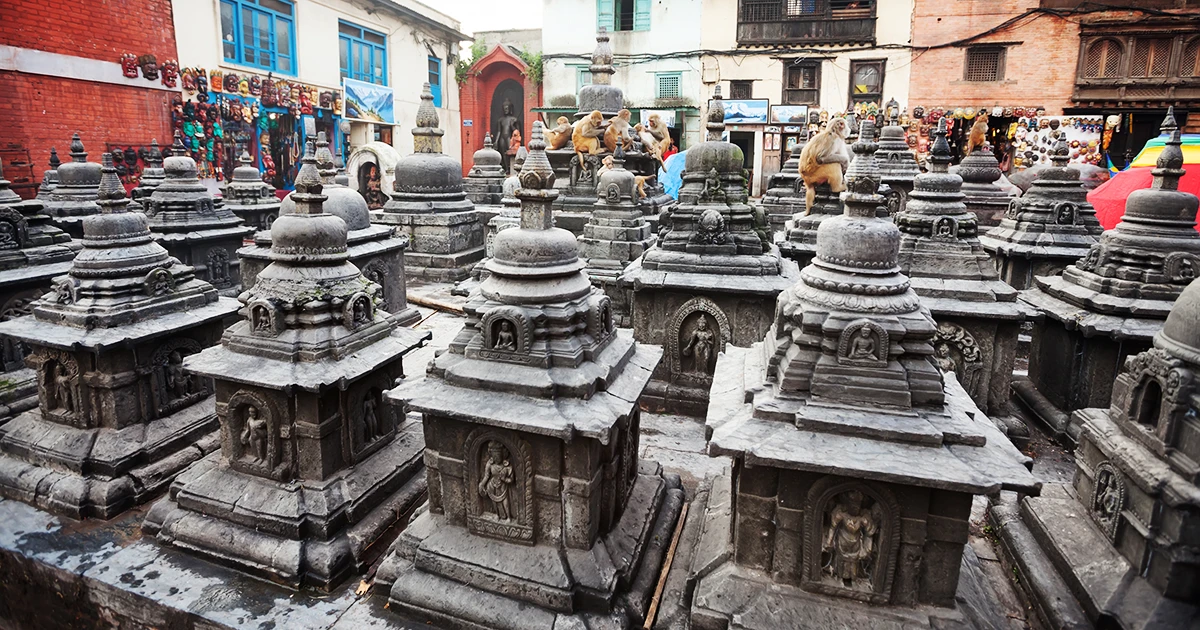
Although only fragments survive today, this period laid the groundwork for the urban and religious layout that later dynasties would expand.
Golden Age During the Malla Period
The architectural character most visitors associate with the valley developed during the Malla Period (12th–18th centuries). This era is often described as the golden age of Newar art and architecture.
The Malla kings competed with one another to build the most impressive palaces, temples, and squares. The result was the development of the iconic Durbar Squares found in the valley’s three historic cities.
Important structures from this period include temples such as Nyatapola Temple in Bhaktapur Durbar Square and Krishna Mandir. These monuments demonstrate the height of Newar craftsmanship, from detailed wood carving to carefully proportioned structures.
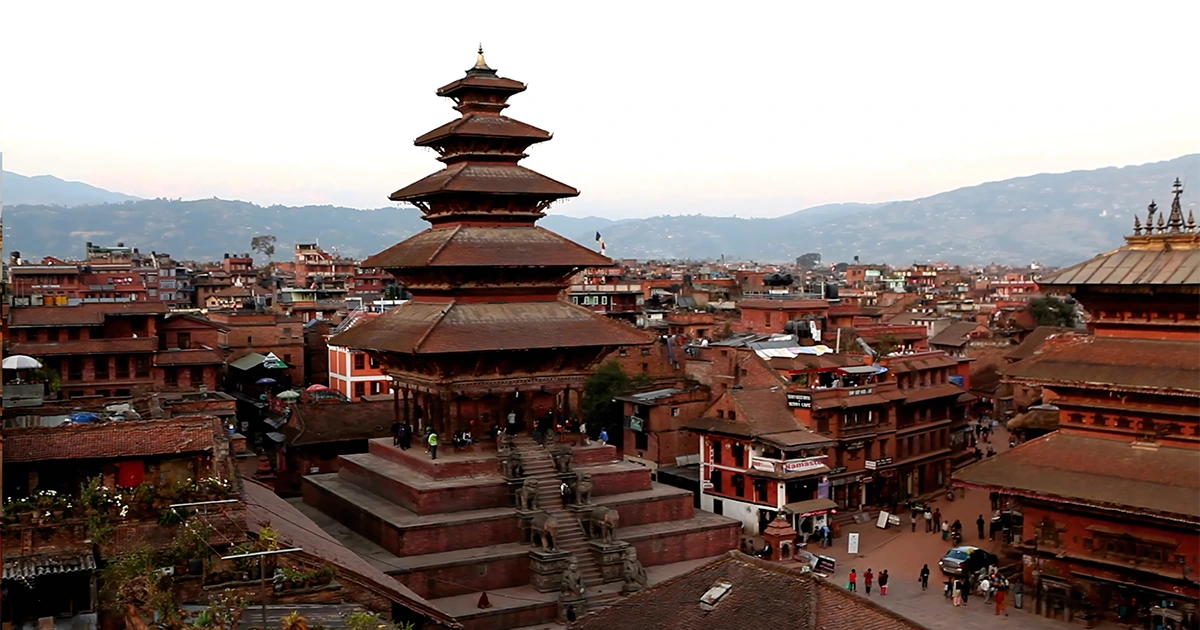
During the Malla period, architecture became not only functional but also a way to express religious devotion and royal prestige.
Changes After Unification of Nepal
The political landscape changed dramatically after the Unification of Nepal in the 18th century under Prithvi Narayan Shah. While traditional building practices continued, new influences gradually entered the architectural scene.
Later rulers introduced different architectural styles, including European-influenced palace buildings. Despite these changes, the traditional Newar neighborhoods remained largely intact, preserving the distinctive brick-and-wood urban character of the valley.
Newari Temple Architecture
Temples are among the most visible expressions of Newar architecture. These structures serve both religious and community functions, often standing at the center of busy squares or neighborhood intersections.
Two main architectural styles dominate the valley’s temples: pagoda style and shikhara style.
The Pagoda Style
The pagoda temple is perhaps the most recognizable architectural form in the Kathmandu Valley. It features multiple tiers of roofs stacked one above another, each slightly smaller than the one below.
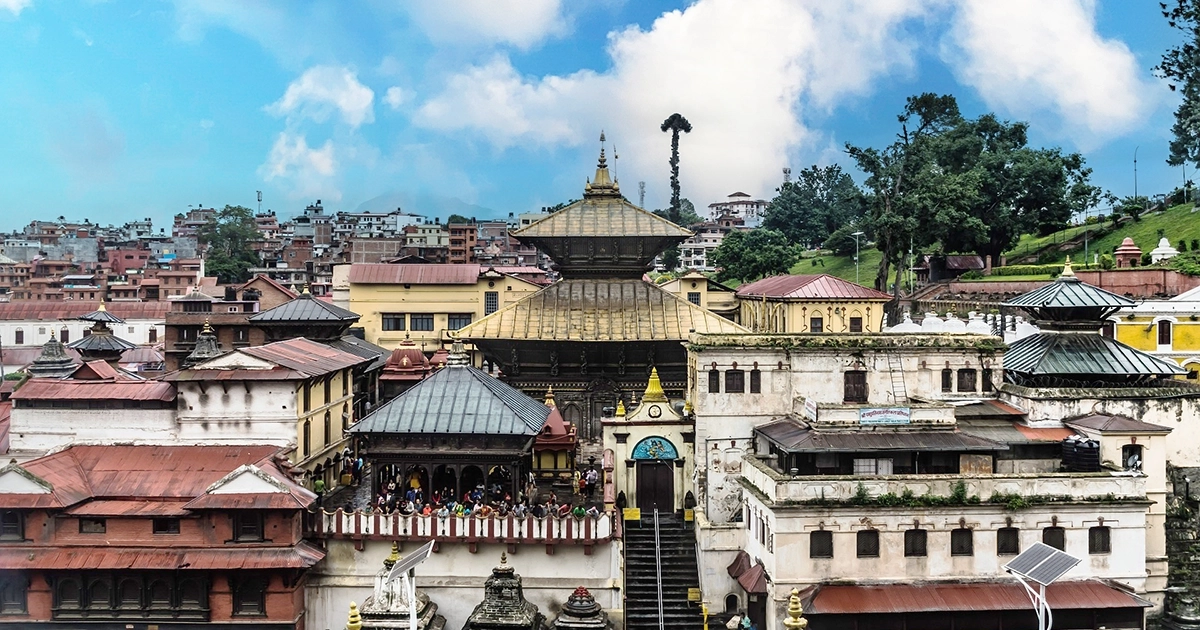
One of the finest examples is Nyatapola Temple in Bhaktapur, a five-tiered temple built in the early eighteenth century.
Pagoda temples typically include:
- Carved wooden struts supporting the roofs
- Broad platforms and stairways
- Detailed metalwork and decorative toranas above entrances
The design is both aesthetic and practical. The wide roofs protect the wooden carvings from rain while allowing air circulation inside the structure.
Shikara Style Temples
The shikhara style temple has a very different appearance. Instead of layered roofs, it features a tall stone tower rising vertically above the shrine.
A famous example is Krishna Mandir. Built entirely from stone, this temple reflects North Indian architectural influences but was constructed by Newar artisans.
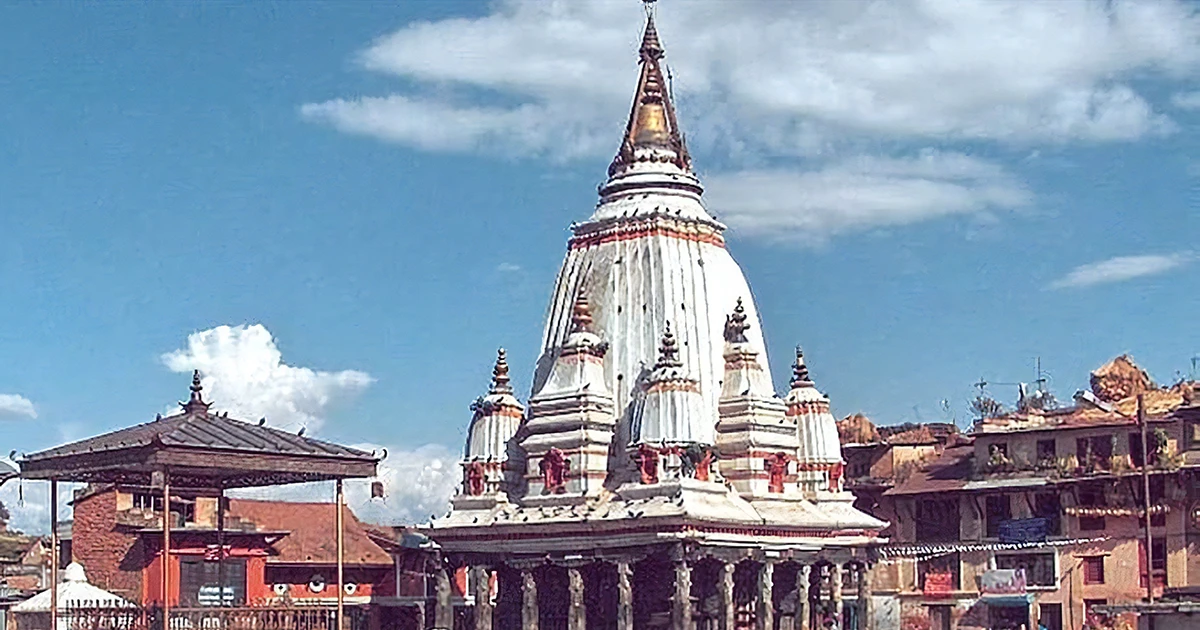
Shikhara temples often have multiple small spires surrounding the central tower, giving them a more vertical and sculptural form compared to pagoda temples.
Symbolism and Religious Function
Newari temple architecture reflects a blend of Hindu and Buddhist traditions. It is common to find shrines of both religions within the same neighborhood or even within the same courtyard complex.
Temples serve not only as places of worship but also as focal points for festivals, processions, and community gatherings. The architectural design platforms, open squares, and surrounding courtyards, makes it easy for large groups of people to participate in rituals.
Courtyard Newari Culture: The Bahal and Bahi System
Another essential feature of Newar urban life is the courtyard system. Many neighborhoods are organized around shared open spaces known as bahal and bahi.
A bahal is usually a large courtyard associated with a Buddhist monastery. These spaces often contain shrines, prayer halls, and communal areas. One well-known example is Hiranya Varna Mahavihar in Patan, a beautifully decorated monastery courtyard filled with bronze statues and gilded shrines.
A bahi, on the other hand, is typically a smaller courtyard complex with a simpler layout. Both types of courtyards provide spaces for religious ceremonies, social interaction, and everyday activities. These enclosed squares create a sense of community within densely built urban neighborhoods.
Traditional Newari House
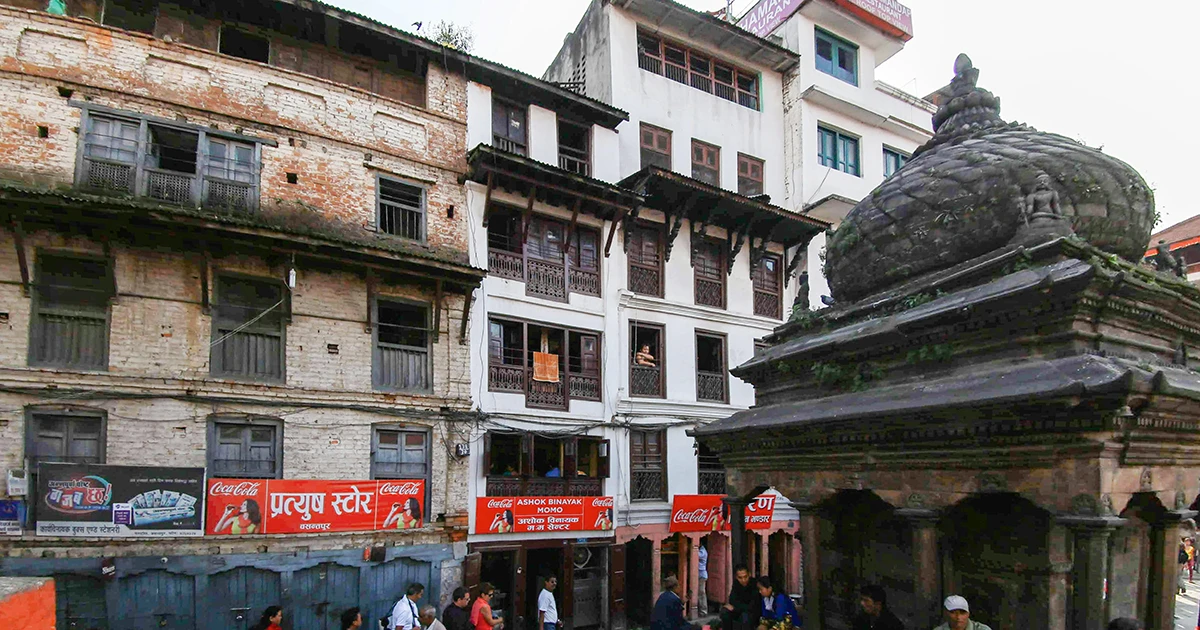
The residential buildings of the valley are just as distinctive as its temples. Traditional Newar houses line the narrow streets of historic districts, forming continuous rows of brick façades punctuated by intricately carved windows.
Most houses were built several stories high to maximize space in crowded urban environments.
Structure and Layout
A typical traditional Newar house is tall and narrow, often three to five stories in height. The buildings share walls with neighboring houses, creating compact blocks along narrow lanes.
Inside, wooden staircases connect the different floors, and rooms are arranged vertically rather than horizontally.
This vertical structure allowed families to live comfortably even within limited urban space.
Distinctive Architectural Features
One of the most striking elements of Newar houses is their wooden windows, known locally as “tikijhya”. These windows are often decorated with geometric patterns, floral motifs, or religious symbols carved into the wood.
Other characteristic features include:
- carved wooden doors
- projecting window frames
- brick façades with symmetrical openings
- sloping roofs covered in clay tiles
Together, these details give Newar neighborhoods their distinctive visual character.
Functional Design
Traditional Newar houses were carefully organized according to daily needs. Ground floor is often used for storage or small shops, while the middle floor is often used to loving and sleeping spaces. Mostly the top floor is used for kitchen and dining area, where smoke could easily escape through roof vents
The arrangement also helped with ventilation and temperature control, making the houses comfortable in both summer and winter.
Wood Carving: The Artistic Soul of Newar Architecture
Wood carving is perhaps the most celebrated aspect of Newar craftsmanship. Skilled artisans transformed structural wooden elements beams, struts, and windows into elaborate works of art.
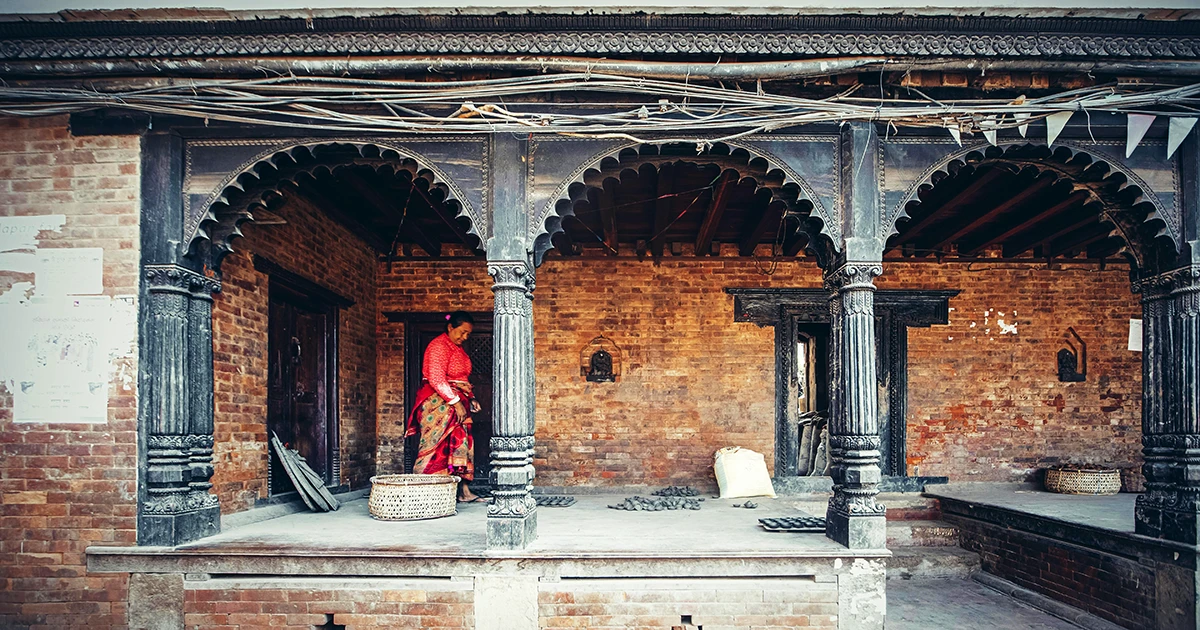
A famous example of this artistry can be seen at the 55 Window Palace, where rows of intricately carved windows decorate the façade of the historic palace.
These carvings often depict religious figures, mythical creatures, and symbolic patterns. Beyond decoration, they reflect centuries of artistic knowledge passed down through generations of craftsmen.
Urban Planning of Historic Newar Cities
The historic cities of the valley were not randomly built. Their layout followed careful planning principles that balanced religious, social, and practical needs.
Important elements included durbar squares which served as political and ceremonial centers with temples positioned along key streets and crossroads. Like the courtyard complexes for residential communities and water systems such as stone spouts and ponds
Places like Kathmandu Durbar Square, Patan Durbar Square, and Bhaktapur Durbar Square demonstrate how architecture, religion, and city planning came together to create vibrant urban environments.
Why Newar Architecture of Kathmandu Still Matters Today
Despite modernization and the challenges posed by natural disasters such as the 2015 Nepal Earthquake, Newar architecture continues to shape the identity of the Kathmandu Valley.
Traditional houses are still inhabited, temples remain active places of worship, and courtyards continue to host community gatherings. Restoration projects and heritage conservation efforts aim to protect these historic structures while keeping them part of everyday life.
For visitors, exploring the old neighborhoods of the valley offers more than a glimpse into the past. It reveals a living architectural tradition where art, religion, and community are woven into the very fabric of the city.
FAQs
Expand AllWhat is Newar architecture?
Newar architecture refers to the traditional building style created by the Newar people of the Kathmandu Valley. It is known for brick buildings, intricately carved wooden windows and doors, tiered temple roofs, and courtyard-centered urban planning that blends religious and residential spaces.
Where can you see Newar architecture in Nepal?
The best examples can be found in the historic cities of Kathmandu, Patan, and Bhaktapur. These cities preserve palace squares, temples, monasteries, and traditional houses built in the Newar architectural style.
Why is Newar architecture important to Kathmandu Valley?
Newar architecture defines the cultural and visual identity of the valley. It reflects centuries of religious tradition, artistic craftsmanship, and community-centered urban planning that still shapes everyday life in the historic towns.
What materials are used in Newari buildings?
Traditional Newari buildings mainly use brick, timber, clay tiles, and stone. Brick forms the walls, wood is used for beams and carvings, clay tiles cover the roofs, and stone is often used for temple bases and sculptures.
Why do Newar temples have multiple roofs?
The tiered roofs help protect wooden structures from rain and sun while creating a balanced architectural form. The multiple levels also symbolize spiritual hierarchy, with the upper tiers representing higher sacred space.
What is a pagoda temple in Nepal?
A pagoda temple is a multi-tiered structure with stacked roofs supported by carved wooden struts. This style became a hallmark of valley architecture and is seen in temples like Nyatapola Temple.
What makes Newar architecture unique?
Its uniqueness comes from the combination of brick construction, detailed wood carving, tiered temples, courtyard housing, and integrated urban design where religious, residential, and social spaces exist together.
What is the difference between pagoda and stupa architecture?
Pagoda temples are tiered roof structures used mainly for Hindu and Buddhist shrines, while stupas are dome-shaped monuments that house sacred relics and represent Buddhist cosmology.
How old is Newar architecture?
The roots of Newar architecture date back more than 1,500 years, with early development during the Licchavi Period and major expansion during the Malla Period.
Which cities have the best Newar architecture?
The finest examples are found in Kathmandu, Patan, and Bhaktapur, each known for its historic palace square and traditional neighborhoods.
What is special about Bhaktapur Durbar Square architecture?
Bhaktapur Durbar Square features some of the best-preserved Newar structures, including multi-tiered temples, royal courtyards, and intricately carved wooden palaces.
Why are Newari windows carved with wood?
Wood carving is both decorative and symbolic. Carved windows allow airflow and light while displaying artistic motifs inspired by religion, mythology, and nature.
What is the famous Peacock Window in Bhaktapur?
The Peacock Window is a beautifully carved wooden window depicting a peacock surrounded by intricate patterns. It is considered one of the finest examples of Newar wood carving.
What are the main elements of Newar temple architecture?
Key elements include tiered roofs, wooden struts, brick platforms, decorative toranas above doors, carved windows, and stone or metal sculptures.
What is Kasthamandap and why is it important?
Kasthamandap is a historic wooden pavilion in Kathmandu that is believed to have been built from a single tree. It is significant because the name “Kathmandu” is thought to originate from this structure.
Why are Kathmandu houses made from brick and wood?
Brick provides strength and insulation, while wood allows flexibility and detailed carving. This combination works well in the valley’s climate and seismic conditions.
What are Newar courtyard houses?
Newar courtyard houses are residential buildings arranged around a shared open space. The courtyard acts as a communal area for social gatherings, rituals, and daily activities.
What is a baha courtyard in Newar architecture?
A baha is a large Buddhist monastery courtyard containing shrines, prayer spaces, and residential areas for priests and community members.
What is a bahi courtyard in Kathmandu?
A bahi is a smaller monastery courtyard that usually has simpler structures but still functions as a religious and communal space.
How did Newar architecture influence Asian pagoda temples?
The pagoda style developed in the Kathmandu Valley is believed to have influenced temple architecture in Tibet and China through trade and cultural exchange.
What is Nyatapola Temple architecture known for?
Nyatapola Temple is famous for its five-tiered pagoda structure and strong symmetrical design, making it the tallest traditional temple in Nepal.
What religious influences shaped Newar architecture?
Both Hinduism and Buddhism played a major role. Temples, monasteries, and shrines often coexist within the same urban neighborhoods.
Why are Durbar Squares important in Kathmandu Valley?
Durbar Squares served as royal palace complexes, ceremonial centers, and major marketplaces where religious festivals and public events were held.
What is the history of Kathmandu Durbar Square architecture?
Kathmandu Durbar Square developed mainly during the Malla period when kings built temples, courtyards, and palaces to demonstrate power and devotion.
What makes Patan Durbar Square unique architecturally?
Patan Durbar Square is known for its dense concentration of temples, ornate palaces, and refined metal and wood craftsmanship.
What traditional crafts are used in Newar architecture?
Traditional crafts include wood carving, metal casting, stone sculpture, brick masonry, and decorative painting.
How did Newar architecture survive earthquakes?
Flexible wooden frameworks and interlocking brick construction helped absorb seismic shocks, allowing many structures to withstand earthquakes over centuries.
Why are temples built with wooden struts in Nepal?
Wooden struts support the wide roofs and also provide space for carved figures of gods, guardians, and mythological beings.
How were traditional Newari houses designed?
They were built vertically with multiple floors, narrow street-facing façades, and shared walls, making efficient use of limited urban space.
What are the best places to photograph Newar architecture?
Popular photography spots include Bhaktapur Durbar Square, Patan Durbar Square, and Kathmandu Durbar Square.
Can visitors explore Newar architecture on walking tours?
Yes, guided walking tours through historic neighborhoods allow visitors to explore temples, courtyards, traditional houses, and hidden alleys
What architectural details do tourists often miss in Kathmandu?
Many visitors overlook smaller details such as carved window frames, courtyard shrines, wooden roof struts, and traditional water spouts hidden in narrow streets.
Related blog posts
Discover a choice of tourist destinations loved by most of our visitors. Whether you're on a jungle safari to spot rare animals or walking through a world heritage site, these well-planned itineraries cover the major highlights of Nepal.


 call an expert at: