
New Everest Climbing Rules 2025: Age, Oxygen and Bans Explained
 Sristi Adhikari
Have you ever heard about the new Everest Climbing Rules 2025? Nepal has updated its rules for a safer and more regulated climb to Everest recently. Dreaming of reaching the top of the mountains and being curious about the rules and regulations, then you are at the right place. Continue reading for more details.
Everest expedition is the dream of every mountaineer, and only those with a high level of fitness, followed by a previous experience in an expedition over 7,000 meters, can help you summit the mountain. Following the rules and regulations is the basic requirement, and you must have an experienced guide or Sherpa to assist you in this high-altitude expedition to Everest Peak.
Every year, thousands of mountaineers land in Nepal for their Everest expedition, only a few of them return with a victory, but some couldn’t save their own lives. The success rate of Everest is 69 to 70% in 2025. For success, you must follow the new Everest climbing rules 2025 are described below:
Everest Climbing Rules History
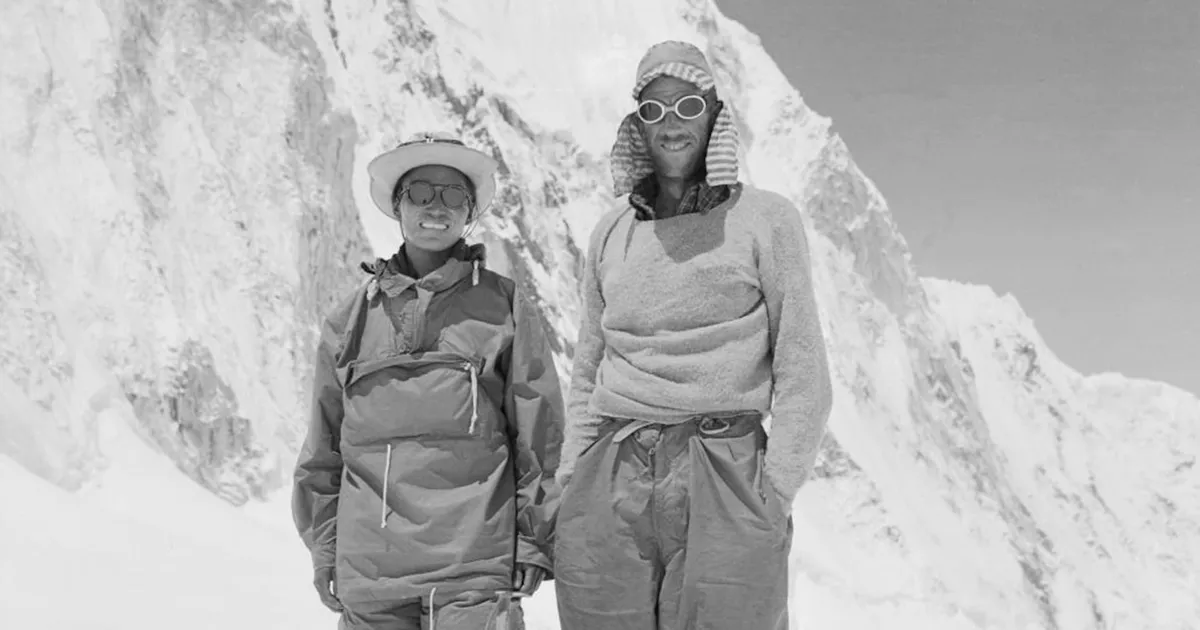
Sir Edmund Hillary and Tenzing Norgay Sherpa paved the path of the Everest Expedition and achieved victory on May 29, 1953. At first, there were no rules; everyone could attempt the expedition. There were no climbing permits, no GPS, and no governmental rules, which made the quiet mountain environment crowded and full of trash.
This raises the need for crowd management, new climbing rules, requirements, and permits. These rules and regulations will not stop mountaineers from expeditions, but will make a safe and protected expedition with environmental management.
Using the First Everest Climbing Rules
The Everest expedition from Nepal was opened only from 1950 to 1953, with new rules like:
- A Nepal Mountaineering Permit was mandatory
- One expedition was allowed per season
- Accompanied by a team of a Government Liaison Officer of Nepal
- Must hire a local porter
- Expeditors should follow the designated routes only
- Approval from Nepal’s Ministry of Tourism
New Everest Climbing Rules 2025
The Nepal Government and the Department of Tourism implemented the new Everest climbing rules 2025.
New Age Restrictions
The New Everest Regulation 2025 includes a minimum age limit of 18 years. Previously, it was of 16-year-olds. High-altitude survival requires mature judgment and physical resilience.
Those who are above 75 years old must provide a medical certificate with high altitude fitness test results. You should attach a document proving the previous 7,000 meters.
Compulsory Use of Supplemental Oxygen
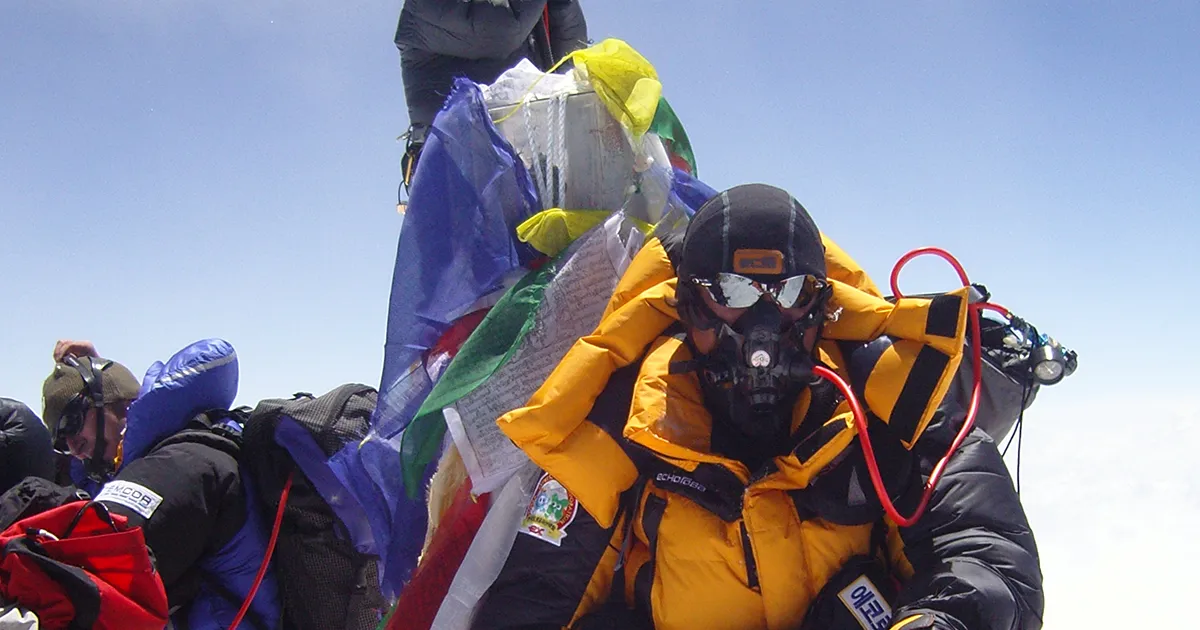
There is a compulsion to use supplemental oxygen in the Everest climbing requirements 2025. You must follow the following rules to avoid oxygen-related death on the Everest:
- Carry an emergency oxygen reserve with at least 8 hours.
- The oxygen system must be approved by the government.
- Ban on sharing and misuse between unregistered climbers.
Prior Experience
Prior experience of 7,000 meters above the summit or two high altitude climbs above 6,000 meters is required. Must have a document for proof, like:
- Previous summit climb certificates
- Alpine or expedition training
- High altitude insurance
Ban on Solo Climbs and Unsupported Expeditions
Solo and unsupported expeditions are banned as per the Mount Everest permit rules 2025. These rules include:
- No solo climb without a Sherpa
- No solo attempt in the Winter season
- No climb unless you have permits
- Avoid drone flights, base jumping, and paragliding without authorisation.
Stricter Waste and Environmental Rules
The major part of the Everest climbing rules 2025 includes environmental protection and sanitation. It includes:
- Deposit of refundable $4,000 for waste management
- Must return with a minimum weight of 8 kg of waste.
- Compulsory biodegradable gear packaging
- Camp must be free of human waste

Permit and Group Regulations
The Everest Climbing Rules 2025 include the regulation of permits and group size. The group must have at least one certified climbing guide for every two clients and should have fewer than 15 climbers for the permit. The permit is authorised by biometric verification at checkpoints and monitoring GPS tracking for the expedition.
Strict Weather Windows and Traffic Management
There will be management of traffic and weather windows, and coordination will be done through a centralised system. The Sherpas will be in charge of rope fixing schedules, and limited summit bids will be allowed daily. Also, there will be real-time monitoring of the flow of expeditors in the mountains.
Fines and Penalties
The New rules for the Everest climb 2025 also include fines and penalties for not following the above-mentioned rules. You will face the following consequences:
- A lifetime ban from mountaineering if found climbing Everest without a permit, and have to pay NPR 1,000,000. Also, you will be arrested, and your expedition gear will be seized. Check our Everest gear list for the Sherpa.
- Have to pay NPR 100,000 to NPR 200,000 ($750-1500) if you ignore the 2 PM summit rule.
- You will be flagged for future expeditions.
- The penalty of NPR 500,000 ($ 3,750) should be paid by the climber and the company if found climbing without a guide. The company’s license will be seized for a year.
- Your permit will be cancelled if found climbing with fake experience. You have to pay a NPR 300,000 ($2,250) fine, followed by black list of five years for the expedition.
- If you are expediting without a GPS tracker or fail to submit a real-time location, you have to pay NPR 50,000 ($375). Your eligibility for emergency rescue will be cancelled.
- If you leave human trash or other waste, you have to face a future ban and black listed for expediting, followed by a fine of NPR 200,000 ($1500) per climber.
- Have to face life lifetime ban from Nepal, if found lying about the Everest summit and revocation of the permit. You have to pay a fine of NPR 100,000 ($750).
- Have to pay NPR 25,000 per extra day ($190/day) if you stay more than the 55-day permit limit.
Everest Expedition 2 PM
The Everest expedition 2 pm rule is a life-saving rule for the climbers. The Everest climbers should summit before 2 PM because it saves them from the dangerous turns of afternoon winds and sudden temperature drops. Everest descent is more dangerous than the ascent, and you must return before dark.
If you miss 2 pm, your oxygen tanks will run out before you return to base camp, while avoiding crowds in death zones. If you don’t reach the summit before 2 pm, you will risk the lives of yourself and the Sherpa guide as well, and you must return.
Reason Behind The Need for New Everest Regulation 2025
Increased Death Rate and Safety
Most of the climbers do not have the experience of expeditions, which has resulted in a high death rate. Also, the increase in the death rate was due to exhaustion, altitude sickness, and poor preparation.
Crowds Management
There were heavy crowds in the death zones due to the many permits, which increased the risk of hypothermia. This also made them late for oxygen use.
Environmental Concerns
There was a lot of garbage, oxygen bottles, plastic, and human waste being piled on the Everest. This increased the pollution of Himalayan glaciers and the environment.
Protection of Sherpas and Supporting Staff
The unprepared climbers risked the lives of the Sherpa guide and supporting staff. These new rules will surely protect the lives of guides and make a good working environment for supporting staff.
Sustainable Tourism and Long-term Mountain
The overcrowded Everest expedition trails needed a transition. This updated regulation will help Everest remain safe, respected, and sustainable.

Need for Experienced Mountaineers
Without prior 7,000m experience of summit, climbers faced difficulty and faced death while attempting the Everest Expedition. These new rules improve climbers’ safety.
Old Rules Vs New Rules
| # | Rules | Old Everest Climbing Rules | Revised Everest Climbing Rules (2024–2025) |
|---|---|---|---|
| 1 | Route Permit (Spring) | USD$11,000 per person | Increased to USD$15,000 |
| 2 | Route Permit fees (other seasons) | USD$5,500 (Autumn) and
USD$2,750(Winter/Monsoon) |
USD$7,500 (Autumn) and
USD$3,750 (Winter/Monsoon) |
| 3 | Permit valid | For 75 days | For 55 days only |
| 4 | Solo Expeditions | Allowed for motivated and experienced climbers | Banned, must hire a guide |
| 5 | Guide/support | Not always mandatory. | Guide and support are Mandatory. |
| 6 | Experience/qualification (permit) | No formal requirement | Must have proof of previous 7,000 m above expeditions |
| 7 | Medical certification | Not strictly enforced or standardised. | Must have a recent health certificate with compulsory health screenings. |
| 8 | Environmental / waste management rules | Human waste and other waste, like oxygen bottles, garbage, discarded gear, and abandoned camps, were usually left on the mountain.
|
Must carry all the human waste and other trash back to base camp. |
| 9 | Rescue Obligation and casualty handling
|
Dead bodies were abandoned at the spot of death.
|
Must retrieve dead bodies, and abandonment results in penalties. |
| 10 | Regulation of commercial or expedition support labour conditions | Porters, guides, support-staff wages and insurance were low; limited care to labour protections | Increased wages and insurance coverage for guides, workers, liaison officers, and support staff, focused on better social security. |
| 11 | Permit volume or crowd control | Many permits are issued each season; limited criteria, and overcrowding | Strict rules for overcrowding, increasing costs, requiring experience, guide per climber rules, and stricter monitoring. |
| 12 | Restrictions on items or unauthorised equipment | No strict checklist for non-essential gear with a permit. | Permit‐list compliance is enforced with strict rules for non-gear mentioned on the list. |
Final Thoughts
The new Everest Climb rules 2025 symbolise the safety of the Everest climbers along with Sherpa guides and supporting staff like porters. It demands the Everest Climbing preparation with strict management. These new Everest regulations 2025 will surely make mountaineering safer, less commercialised, and more professional for the world.
It also helps the protection and preservation of the Himalaya ecosystem, followed by an increase in the economy of Sherpa guides and supporting staff. If you have a familiar experience of mountain climbing above 7000 meters and have the idea of all the rules and regulations related to the Everest climb, then we advise you to grab this lifetime experience without any delay.
FAQs
Expand AllWhat are the new Everest climbing rules for 2025?
The new Everest climbing routes include a mandatory permit fee, a mandatory prior summit of a 7,000-meter peak in Nepal, strict waste management, must have GPS trackers/RECCO devices.
Can beginners climb Everest in 2025?
No. Beginners cannot climb Everest in 2025.
What is the minimum age to climb Everest in 2025?
The minimum age to climb Everest in 2025 is generally 16 years old.
Is solo climbing allowed on Everest in 2025?
No, solo climbing is not allowed on Everest in 2025.
Are double amputees allowed to climb Everest 2025?
Yes, double amputees are allowed to climb Everest in 2025.
Can blind climbers attempt Everest in 2025?
Yes, blind climbers can attempt Everest in 2025. With a valid medical certificate, they can climb Everest.
How much does it cost to climb Everest in 2025?
It costs between $40,000-$100,000 to climb Everest in 2025.
Is helicopter rescue banned on Everest 2025?
No. Helicopter rescues are not banned on Everest in 2025.
Do you need previous 7,000m experience for Everest 2025?
Yes, as of the new rules, you must have a previous 7,000m experience for Everest.
What is the new trash rule for Everest 2025?
You must have a mandatory human waste bag with a strict 8kg trash return from the expedition.
Are drones banned on Everest in 2025?
No, drones are not banned on Everest in 2025.
How many climbers are allowed per season in 2025?
There is no limit to climbers per season for Everest expedition in 2025.
Is supplemental oxygen mandatory above 8,000m in 2025?
No. There is no mandatory of supplemental oxygen for expeditions above 8,000m in 2025.
What insurance is required to climb Everest 2025?
The insurance with high-altitude rescue, medical treatment, and body retrieval/repatriation is mandatory for the Everest climb in 2025.
Can foreigners climb Everest from Tibet side in 2025?
Yes, foreigners can climb Everest from the Tibetan side in 2025. Tibet’s side is also known as the north side of Everest.
What happens if you don’t bring back 8kg of trash 2025?
If you don’t bring back 8kg of trash in 2025, your $4,000 garbage deposit cannot be refunded.
Are there new liaison officer rules for Everest 2025?
Yes, there are new liaison officer rules for Everest. It includes rules like better pay, mandated experience, mandatory health checks, waste management, and stricter solo climbing bans, requiring liaison officers (LOs) to be part of a system ensuring climber safety.
When do Everest permits open for 2025 season?
Everest permits open for the 2025 season are as early as April.
Is the Hillary Step still there in 2025?
Yes. There is still a Hillary step on the Southeast Ridge of the Everest route.
Best month to climb Everest 2025
Spring (March to May) and Autumn(September to November) are the best for Everest Expedition.
Related blog posts
Discover a choice of tourist destinations loved by most of our visitors. Whether you're on a jungle safari to spot rare animals or walking through a world heritage site, these well-planned itineraries cover the major highlights of Nepal.



 call an expert at: