
Nepal Trip Budget: How Global Oil Prices Can Affect Flights, Transport and Trek Costs
 Sujata Pokhrel
Will the current Middle East crisis affect your Nepal trip budget? Well, that is quite a matter of discussion.
When travelers plan a trip to Nepal, they usually focus on the obvious costs: international flights, accommodation, trekking permits, guides, and food. These are the numbers that appear on travel websites and trekking agency packages. Yet behind the scenes, another factor quietly influences many of these prices, the global oil prices.
Nepal does not produce its own petroleum, meaning the country relies heavily on imported fuel. When global crude oil prices rise or fall, the effects ripple across the entire travel industry, from airlines and buses to trekking logistics in remote Himalayan villages. Even if travelers do not see the connection immediately, fluctuations in fuel prices can subtly affect the overall budget of a trip to Nepal.
Let’s get through the blog to better understand how you can plan the Nepal trip budget well to avoid side effects of global oil prices rise.
Planning Nepal Trip Budget
Planning Nepal trip budget includes several aspects including international flights, accommodation, meals, trekking permits, guides and porter tips as well as cost of gears. At first glance, these categories seem unrelated to global energy markets. However, fuel prices influence nearly all transportation systems that make tourism possible in Nepal.
Aircraft require aviation fuel, buses and jeeps run on diesel, and supplies transported to high-altitude trekking areas often depend on fuel-based logistics. When fuel prices increase globally, airlines and transport companies eventually adjust their rates.
Trekking agencies may also revise package prices because the cost of moving supplies and people becomes higher. For travelers, this means that the overall Nepal trip budget can change depending on broader economic conditions.
Why Oil Prices Matter for Travel to Nepal?
Fuel is one of the largest operating costs in the transportation industry. Airlines, vehicle operators, and logistics providers all depend on petroleum products. In Nepal’s case, the impact is even stronger because the country must import fuel from abroad.
When global crude oil prices rise, the cost of aviation fuel and diesel also increases. It affects international airline operating costs, domestic flight pricing, tourist buses and private vehicles.
The result is a ripple effect across tourism services. A rise in fuel prices might increase the cost of a flight ticket, a jeep transfer to a trekking trailhead, or even the price of meals in a remote mountain lodge where supplies must be transported long distances.
How Oil Prices Affect International Flight Costs?
For international airlines, fuel is typically one of the largest operational expenses. Long-haul flights to South Asia consume significant amounts of aviation fuel, and fluctuations in oil prices can influence ticket prices.
When global oil prices climb, airlines often introduce fuel surcharges or adjust ticket prices to cover the higher cost of operating flights. Routes connecting major international hubs to Kathmandu can be affected by these changes.
While other factors such as travel demand, seasonal tourism trends, and airline competition also influence ticket prices, fuel costs remain a key component. Travelers planning flights months in advance may notice that prices fluctuate depending on global economic conditions.
Impact of High Oil Prices in Domestic Flights
Domestic flights are an essential part of travel in Nepal, especially for trekkers heading to remote regions. Airports in mountainous areas provide access to trails that would otherwise require many days of travel.
When aviation fuel prices increase, domestic airlines may adjust their ticket prices. Flights to trekking gateways often see the most noticeable impact because these routes are relatively short yet depend entirely on aviation fuel.
Higher operating costs can therefore influence the price of flights used by trekkers and adventure travelers.
How Fuel Prices Affect Trekking Costs
Trekking in Nepal may seem disconnected from global fuel markets, but logistics in the Himalayas are surprisingly complex. Supplies, food, and equipment must be transported from lowland cities to remote mountain villages.
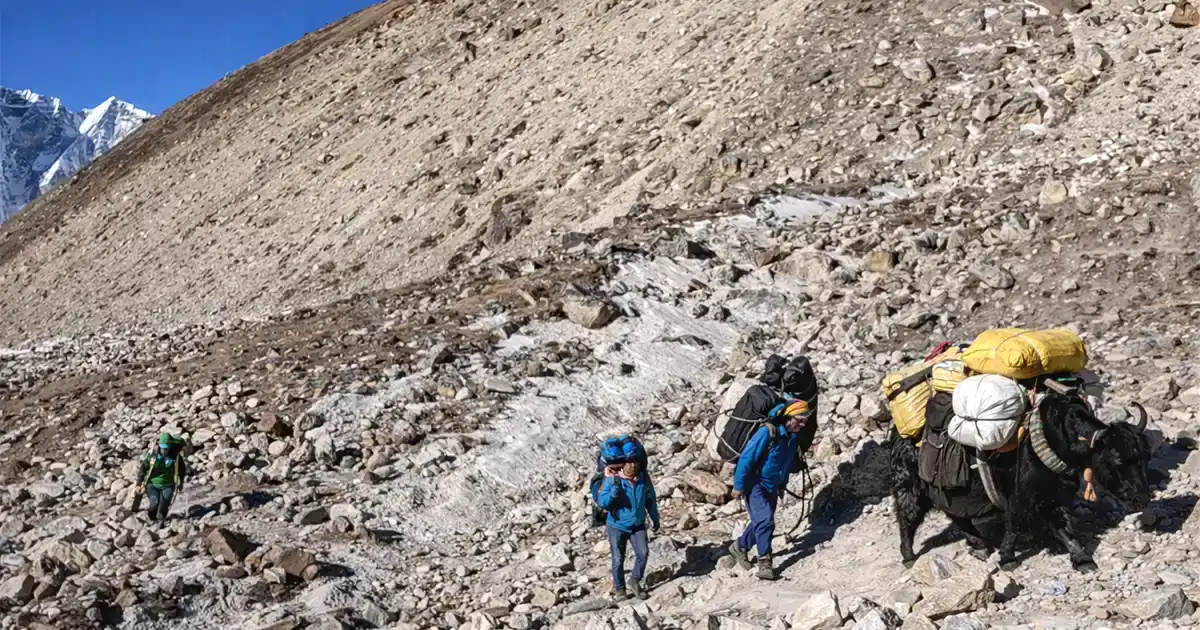
Transportation is a critical part of this process. Trucks, buses, and jeeps carry goods along highways and mountain roads before supplies continue their journey on pack animals or porters.
When fuel prices increase, the cost of these transport chains rises as well. Trekking agencies sometimes adjust package prices to account for higher logistical expenses.
Expensive Supply Transport
Remote trekking regions depend heavily on transported supplies. Rice, vegetables, cooking gas, bottled drinks, and other goods must travel long distances before reaching mountain lodges.
The journey often involves multiple stages:
- Road transport from cities like Kathmandu or Pokhara
- Jeep or truck transport along mountain roads
- Pack animals or porters carrying supplies on trails
Fuel costs affect the first two stages directly. When diesel prices increase, transporting goods to trailheads becomes more expensive, which gradually raises the overall cost of supplies in trekking regions.
Food and Lodging Prices
Teahouses and lodges in trekking areas rely on transported food and cooking fuel. Unlike cities, these villages cannot produce all the supplies required to serve travelers throughout the trekking season.
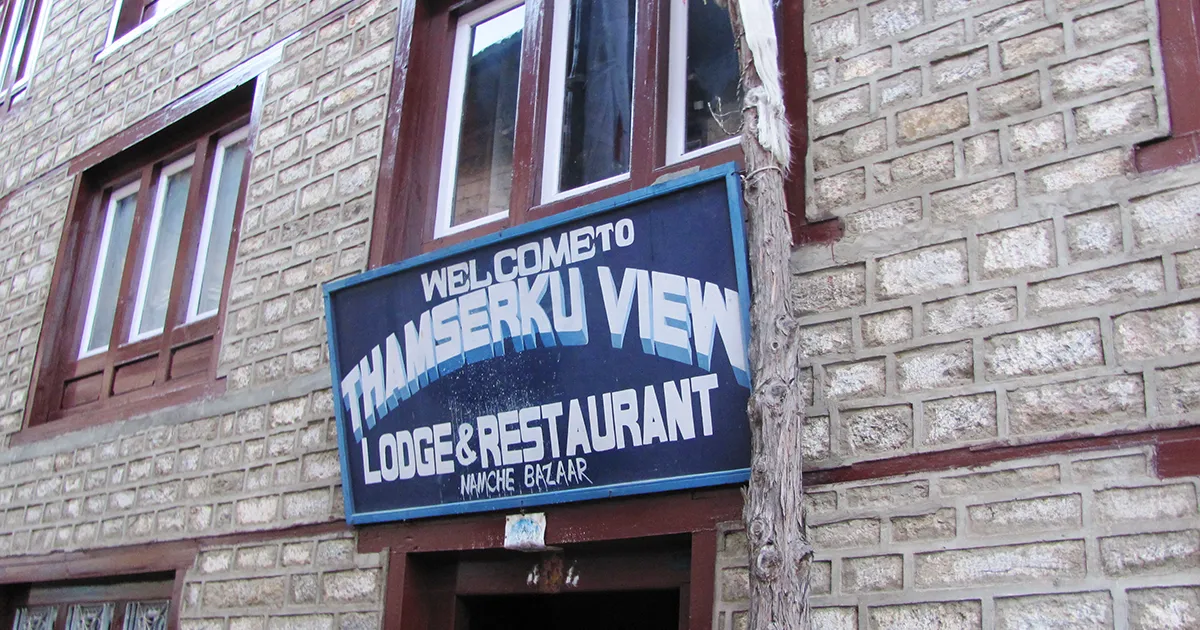
If transport costs increase, lodge owners may slightly adjust menu prices to offset the higher cost of bringing goods into the mountains. This is why meals in remote trekking areas often cost more than similar food in cities.
Although the increase may seem small on a daily basis, it can affect the overall budget for trekkers spending several days or weeks on the trail.
Guide and Porter Costs
Guides and porters are an essential part of trekking logistics in Nepal. Their wages typically reflect experience, skill, and trekking region, but operational costs can also influence pricing.
Trekking agencies often manage transportation, accommodation, and logistics for their staff. If fuel prices increase and transportation becomes more expensive, the overall cost of organizing trekking teams may also rise.
In response, agencies sometimes adjust trek package prices to maintain sustainable operations while ensuring fair wages for guides and porters.
Treks Affected by Change in Fuel Prices
Not all trekking routes are affected equally by fuel price fluctuations. Some regions rely heavily on flights or long-distance jeep travel, while others are more accessible by road.
Treks that depend on aviation transport or complex supply chains tend to feel the impact of fuel price changes more strongly.
Everest Region
The Everest region is one of Nepal’s most famous trekking destinations. Many trekkers begin their journey with a short flight to Lukla, the gateway to Everest Base Camp.
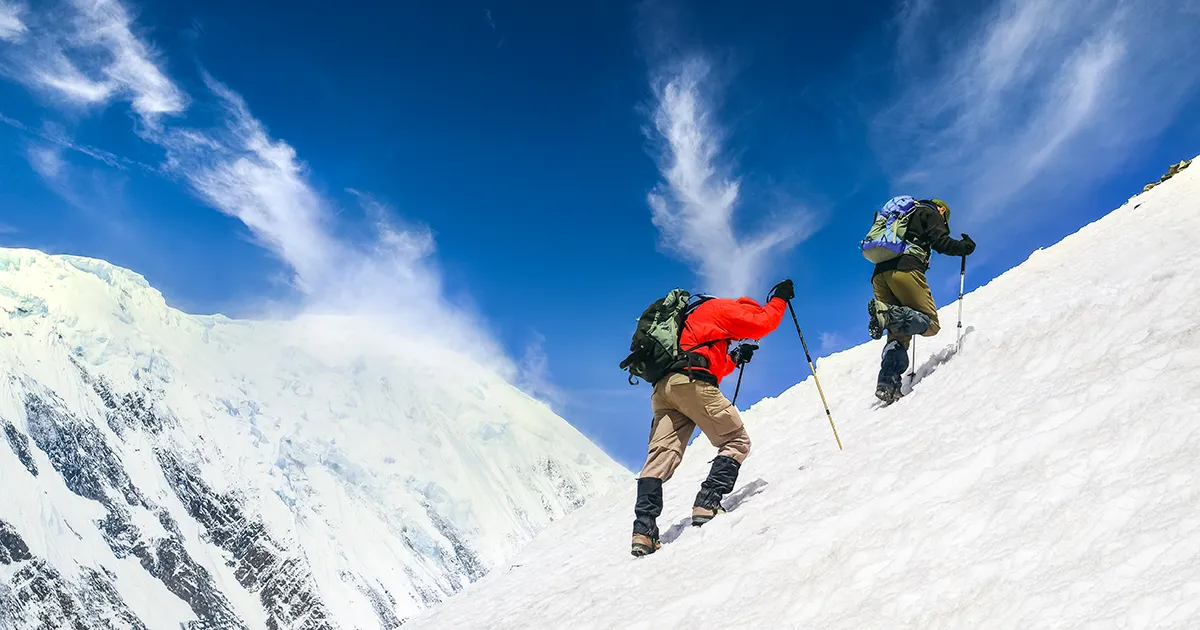
Because this region depends heavily on aviation transport, fluctuations in aviation fuel prices can influence domestic flight costs. Supplies for lodges are also transported through a combination of air cargo and porter routes, which can further reflect changes in fuel-related logistics.
Mustang and Dolpo Region
Remote areas such as Upper Mustang and Dolpo rely on long jeep journeys or occasional flights for access. These routes involve significant fuel consumption because of challenging terrain and remote distances.
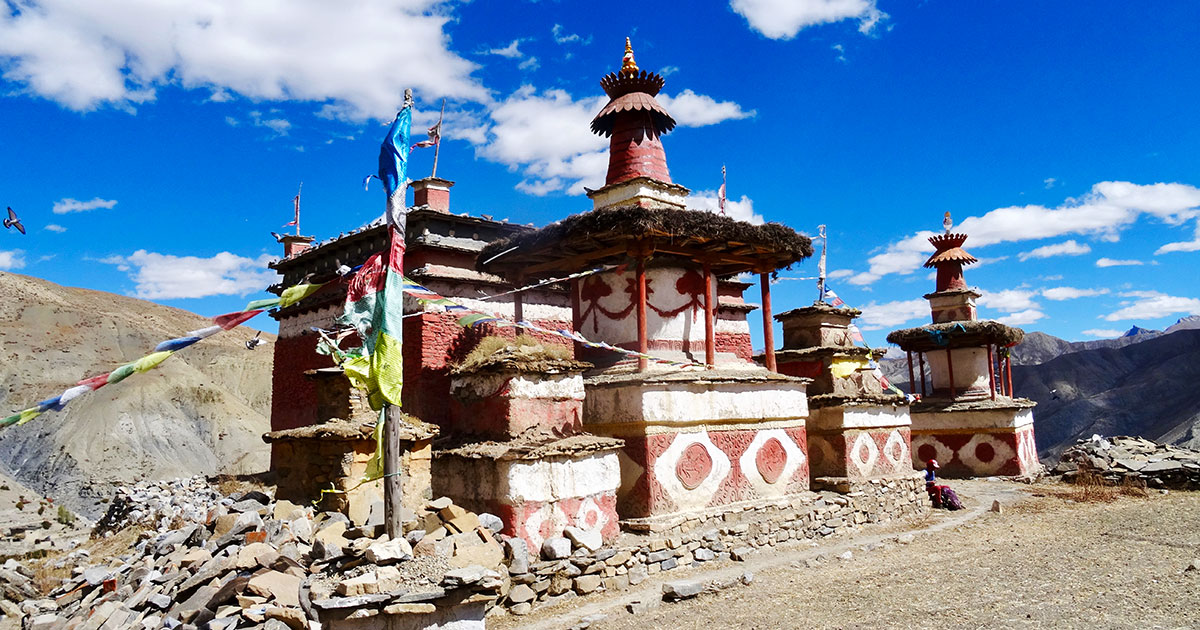
When diesel prices rise, transportation to these regions becomes more expensive. As a result, trekking packages or travel logistics in these areas may gradually reflect the increased transport costs.
Annapurna Region
The Annapurna region offers some of the most accessible trekking routes in Nepal. Many trailheads can be reached by road from cities like Pokhara.
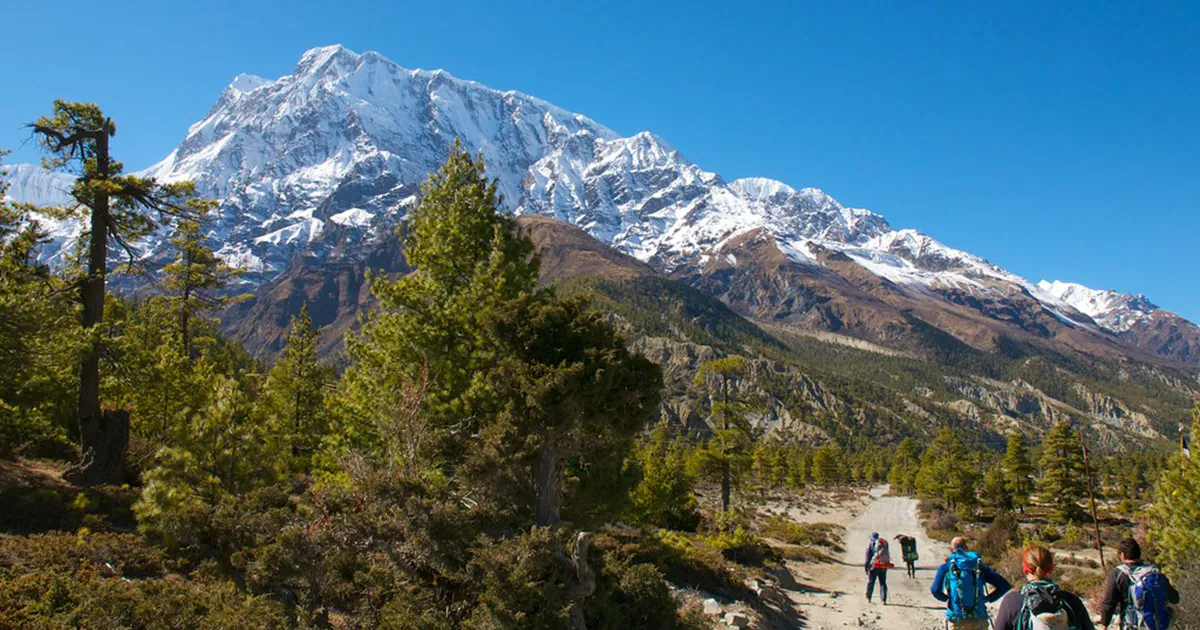
Even so, transportation still plays a role in trekking logistics. Tourist buses, private jeeps, and supply trucks carry trekkers and goods along mountain roads. When fuel prices increase, these transportation services may adjust their rates accordingly.
Helicopter Costs and Fuel Prices
Helicopters play an important role in Nepal’s tourism and rescue infrastructure. They are used for scenic mountain flights, emergency evacuations, and logistical support in remote regions.
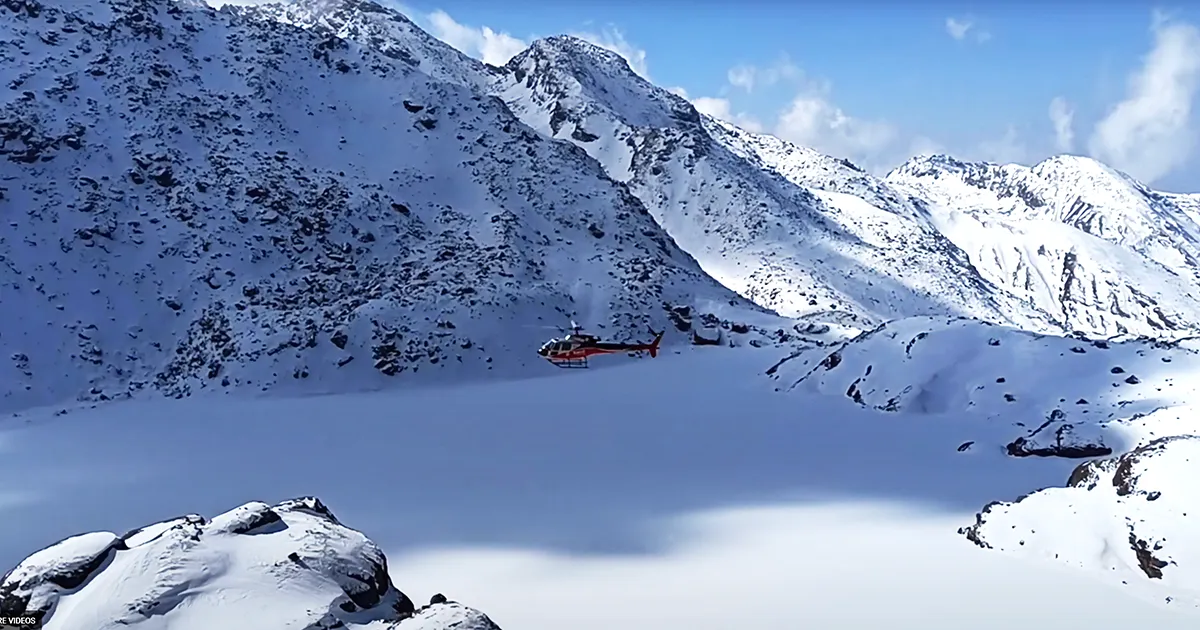
Helicopters consume a large amount of aviation fuel, making their operating costs particularly sensitive to fuel price changes. When aviation fuel becomes more expensive, helicopter flights including tours or rescue operations may also see price adjustments.
Tips for Planning a Nepal Trip Budget
Travelers cannot control global oil prices, but they can plan their budgets more effectively with a few practical strategies.
- Book international flights early: Airline prices often rise closer to departure dates, especially when fuel costs increase.
- Consider different transport options: In some cases, road transport may be cheaper than domestic flights.
- Plan a flexible budget: Allow room for small price variations in transport or trekking services.
- Travel during shoulder seasons: Spring and autumn are popular, but early or late season travel can sometimes offer better prices.
- Choose treks with easier access: Routes accessible by road may experience fewer fuel-related price fluctuations than flight-dependent destinations.
Will Oil Prices Always Affect Nepal Travel Costs?
FAQs
Expand AllCan global oil prices affect the cost of a Nepal trip?
Yes, global oil prices can indirectly influence the overall cost of traveling to Nepal. Fuel is essential for airlines, domestic flights, buses, and jeeps that transport travelers and supplies. When oil prices rise globally, transportation costs may increase, which can eventually affect parts of a Nepal travel budget.
Do higher oil prices always make Nepal holidays more expensive?
Not always. Oil prices are only one factor that affects travel costs. Demand for flights, seasonal tourism patterns, exchange rates, and airline competition also influence how much a Nepal trip ultimately costs.
Why do flight prices to Nepal change when fuel costs rise?
Airlines rely heavily on aviation fuel, which is derived from crude oil. When fuel becomes more expensive, airlines may increase ticket prices or add fuel surcharges to cover higher operating costs
How important is fuel in airline costs?
Fuel is typically one of the largest expenses for airlines, often ranking among the top operational costs. Because aircraft consume large quantities of aviation fuel, fluctuations in fuel prices can significantly influence airline pricing strategies.
Can domestic flight prices in Nepal change because of fuel prices?
Yes, domestic airlines in Nepal can adjust ticket prices when aviation fuel costs rise. Routes serving trekking regions rely entirely on aircraft, so operating costs are sensitive to fuel price changes.
Does Nepal have an official source for current fuel prices?
Yes. Fuel prices in Nepal are officially set and published by the Nepal Oil Corporation (NOC), the state-owned company responsible for importing and distributing petroleum products in the country.
Can jeep hire in Nepal become more expensive when fuel rises?
Yes, it can. Private jeeps and shared 4WD vehicles operate on diesel, so higher fuel prices can increase operating costs. Transport providers may adjust rental or fare prices accordingly.
Can tourist bus fares in Nepal change with fuel costs?
Yes, tourist bus operators may adjust fares if diesel prices rise significantly. Fuel is a major expense for long-distance bus services connecting cities and trekking gateways.
Does every Nepal travel cost move with oil prices?
No. Many travel expenses such as hotel rooms, permits, and guide wages are influenced by other factors besides fuel. Oil prices mainly affect costs related to transportation and logistics.
Is the effect stronger on flights than on hotels?
Generally, yes. Flights are far more sensitive to fuel price fluctuations because aviation fuel is a major operating cost. Hotels and lodges are less directly affected by fuel price changes.
Do global oil prices directly set petrol prices in Nepal?
Not directly. Nepal imports petroleum products and domestic prices are set by Nepal Oil Corporation. However, global crude oil trends influence import costs, which eventually affect local fuel prices.
What is the best way to describe the relationship between oil and Nepal travel costs?
The relationship is indirect but important. Oil prices affect transportation costs, which can then influence parts of the travel budget such as flights, jeep transport, and logistics for trekking areas.
Are international flights usually the biggest part of a Nepal trip budget?
For many international travelers, yes. Long-haul flights to Nepal often make up the largest single expense in a travel budget, especially for visitors coming from Europe, North America, or Australia
Can trekking access costs be affected by fuel prices?
Yes, reaching trekking starting points often requires buses, jeeps, or domestic flights. If fuel prices increase, the cost of these transportation services may also rise.
Is Lukla travel one of the most fuel-sensitive parts of some Nepal itineraries?
Yes, many Everest region treks depend on flights to Lukla, and aviation fuel costs can influence the price of these tickets. Because flights are essential for access, this route can be particularly sensitive to fuel-related changes.
Do weather delays matter more than fuel on some Nepal routes?
In many mountain regions, yes. Weather conditions often have a bigger impact on flight schedules than fuel prices. Delays or cancellations due to weather can sometimes affect travel plans more than cost changes.
Can fuel prices affect airport transfer or private car costs in Nepal?
Yes, airport transfers and private car services rely on petrol or diesel vehicles. If fuel prices increase, transportation companies may adjust their service rates.
Does rising oil always affect all travelers equally?
No, the impact depends on travel style and itinerary. Travelers relying heavily on flights or private transport may notice the effect more than those using shared buses or staying in one region.
Can group travel reduce the effect of transport cost increases?
Yes, when transport costs are shared among several travelers, the per-person expense becomes lower. Group travel can therefore help reduce the impact of rising fuel-related transportation costs.
Is Nepal still budget-friendly even when fuel prices rise?
In many cases, yes. Compared with many global travel destinations, Nepal still offers relatively affordable accommodation, food, and trekking experiences even when transportation costs fluctuate.
Which part of a Nepal trip budget is least likely to track oil closely?
Accommodation prices tend to be less directly linked to fuel costs. While logistics may influence remote lodges slightly, hotel rates in cities generally depend more on tourism demand and seasonal trends.
Should travelers budget extra for domestic transport in Nepal?
It is wise to include a small contingency for domestic transport. Flight prices, jeep fares, and other travel logistics can change depending on demand, weather conditions, and fuel costs.
Can fuel-price changes affect both independent and package travelers?
Yes, it may. Independent travelers may notice changes in flight tickets or vehicle hire prices, while package travelers may see adjustments in trekking or tour package costs if transportation expenses increase.
Related blog posts
Discover a choice of tourist destinations loved by most of our visitors. Whether you're on a jungle safari to spot rare animals or walking through a world heritage site, these well-planned itineraries cover the major highlights of Nepal.



 call an expert at: