
Nepal Travel Budget: A Realistic Cost Guide for Backpacker, Mid-Range, Comfort and Private Trips
 Sujata Pokhrel
Travelling to Nepal isn’t that costly, everyone knows it. Even so, the Nepal travel budget isn’t determined by a single factor; multiple parameters come into play.
While you can stretch your money while traveling in Nepal in many ways, the simple idea of a cheap destination can sometimes be misleading. Your actual Nepal travel budget depends on several moving parts: how you travel, where you go, the season you choose, and the kind of experiences you want to have.
Let’s get through the blog to better understand everything about the Nepal travel budget.
Nepal Travel Budget Overview
A trip to Nepal can look very different depending on your expectations. Someone backpacking through local buses and eating simple meals will spend a fraction of what a traveler on a private, guided itinerary might.
On average, here’s how daily costs tend to unfold:
- Backpacker: around $20–40 per day
- Mid-range traveler: roughly $40–100 per day
- Comfort travel: about $100–250 per day
- Private or luxury travel: $250 and above per day
These ranges aren’t fixed rules—they shift depending on location. Cities like Kathmandu and Pokhara are more affordable than remote trekking regions, where everything from food to water has to be carried in. Likewise, peak seasons (spring and autumn) tend to push prices up slightly due to demand.
Travel Budget Breakdown
To understand where your money goes, it helps to break the budget into its main components. In Nepal, your expenses are usually divided into accommodation, food, transportation, permits, and if you’re trekking, guides and porters.
Each of these categories behaves differently. Some are easy to control, like food choices, while others, like permits are fixed costs you simply have to account for.
Accommodation Cost
Accommodation in Nepal is one of the biggest reasons the country is considered budget-friendly. Even in popular areas, you can find a wide range of options.
In cities like Kathmandu and Pokhara, backpackers can easily find hostel beds or basic guesthouses starting from $5 to $10 per night. These are usually simple but comfortable enough, often with shared bathrooms.
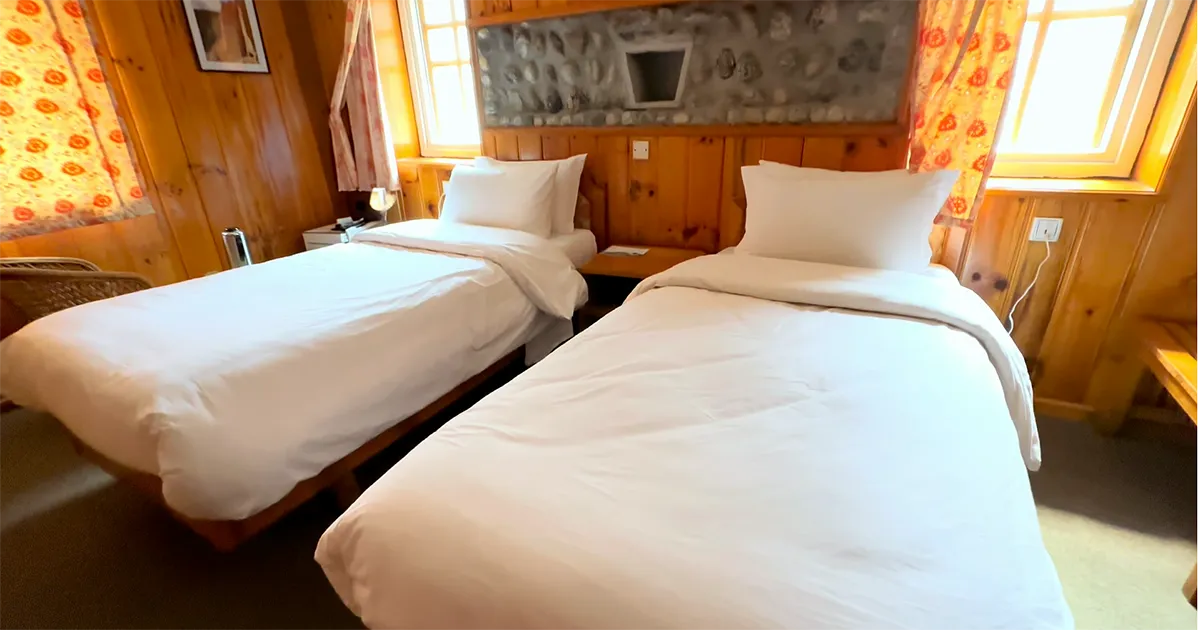
Mid-range travellers typically spend between $20 and $60 per night for private rooms with better amenities think hot showers, Wi-Fi, and a more polished environment.
For those leaning toward comfort or boutique stays, prices range from $80 to $200 per night, with well-designed hotels, scenic views, and quality service. Luxury properties and resorts can go beyond that, especially in quieter, nature-focused destinations.
In trekking regions, accommodation is often tied to teahouses. Prices may seem low at first glance, but they are designed to be offset by food purchases, which is where you’ll spend more.
Food and Drinks
Food in Nepal is another area where your budget can stretch or quickly expand depending on your choices.
Local meals are incredibly affordable. A traditional plate of Dal Bhat (rice, lentils, vegetables, and sometimes meat) usually costs between $2 and $5 in cities. It’s filling, nutritious, and often comes with free refills.
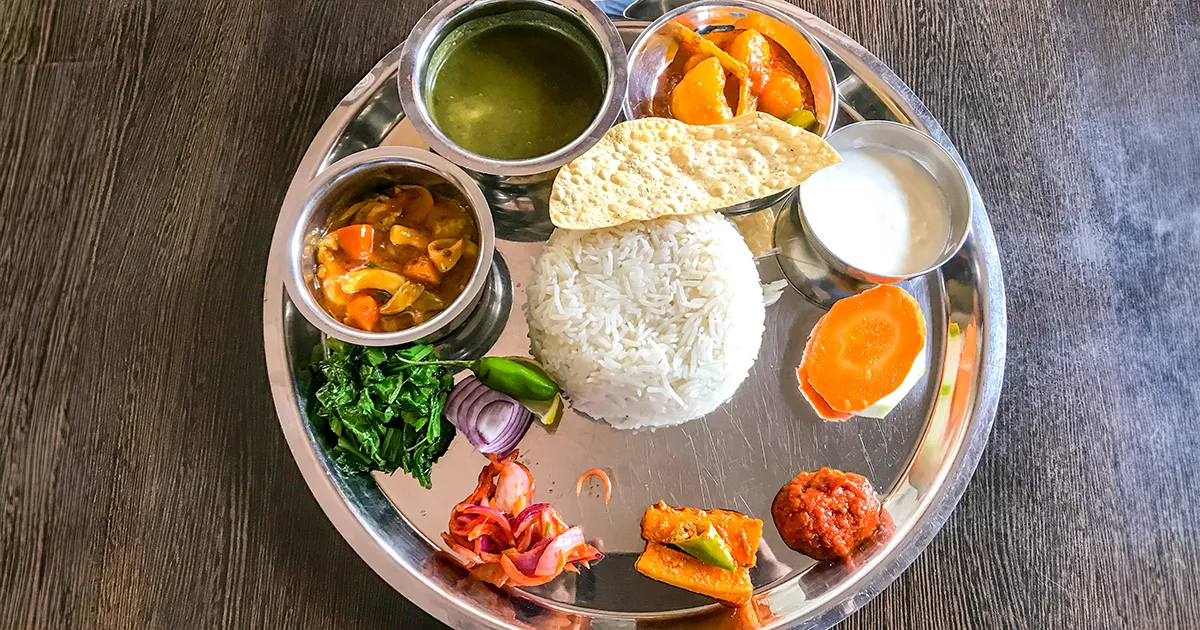
Street snacks like mo:mo are widely available and budget-friendly, making them a staple for backpackers.
However, once you step into tourist-oriented cafés or order Western food, prices rise. A simple pasta or pizza can cost anywhere from $6 to $12, and coffee culture, especially in areas like Thamel or Lakeside can quietly add up over time.
In trekking regions, food becomes significantly more expensive due to transportation challenges. A meal that costs $3 in the city might cost $7–10 at higher altitudes.
Guide and Porter Costs
If you’re planning to trek, guides and porters become an important part of your budget.
A licensed guide typically costs around $25–40 per day. They don’t just show the way, they add cultural context, ensure safety, and handle logistics, which becomes increasingly valuable in remote regions.
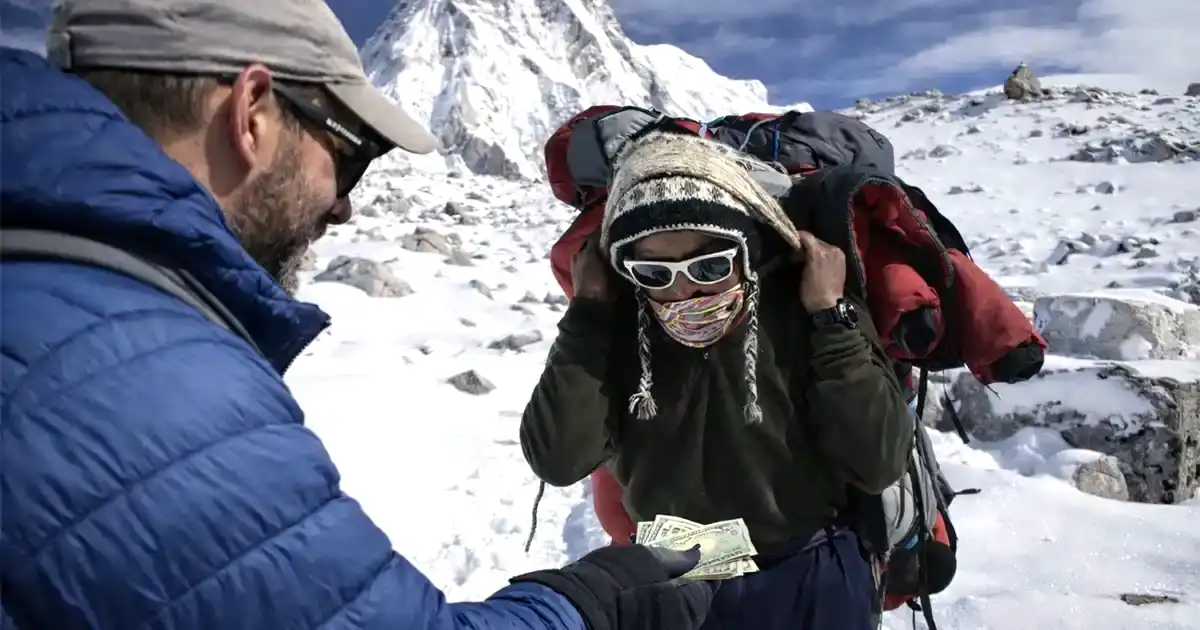
Porters, who carry your heavier gear, usually cost about $15–25 per day. For many trekkers, hiring a porter makes the journey far more enjoyable and manageable.
While it’s possible to trek independently in some areas, recent regulations and safety concerns have made guides more common and in some cases, mandatory.
Permit and Entry Fees
Permits are a fixed part of travelling in Nepal, especially for trekking and heritage visits.
For trekking, you’ll usually need:
- TIMS (Trekkers’ Information Management System) card
- National park or conservation area permits
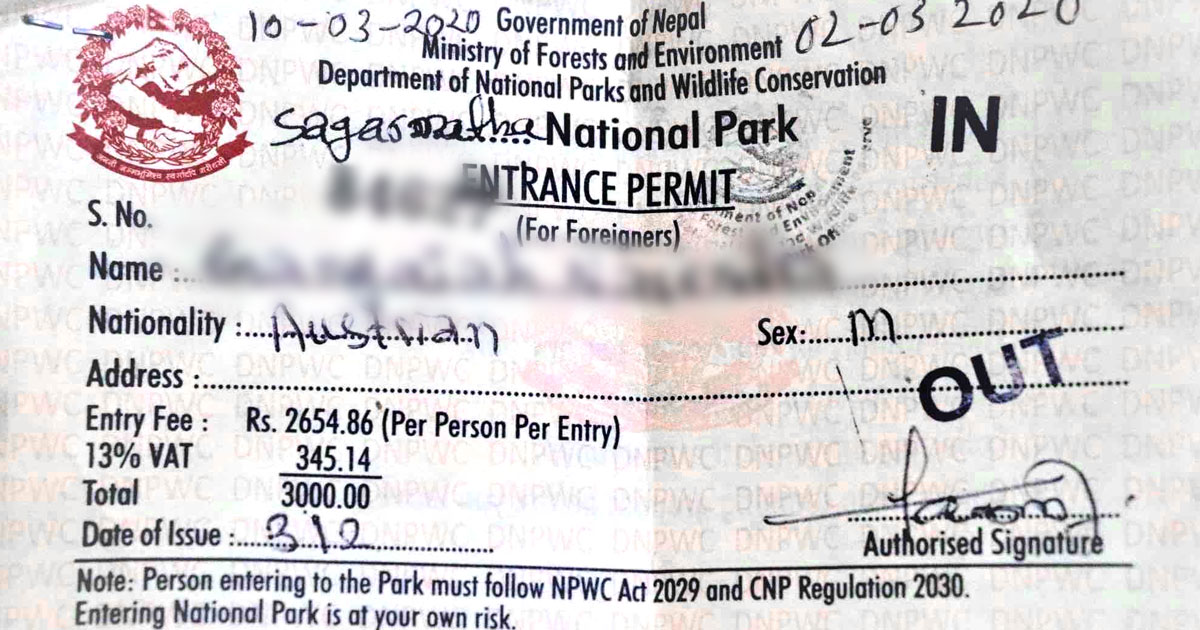
For example, entering the Sagarmatha National Park or Annapurna Conservation Area requires specific fees.
In cities, cultural sites also charge entry fees. Visiting landmarks like Pashupatinath Temple or Bhaktapur Durbar Square typically costs between $10 and $30 for foreign visitors.
These costs can add up quickly, so they should be factored into your overall plan rather than treated as small extras.
Travel Style and Their Budget Breakdowns
Your travel style ultimately shapes your entire budget. It determines where you stay, how you move around, and what kind of experiences you prioritise.
Backpackers Budgeting
Backpacking in Nepal is where the country truly shines. With careful planning, it’s possible to keep daily costs between $20 and $40.
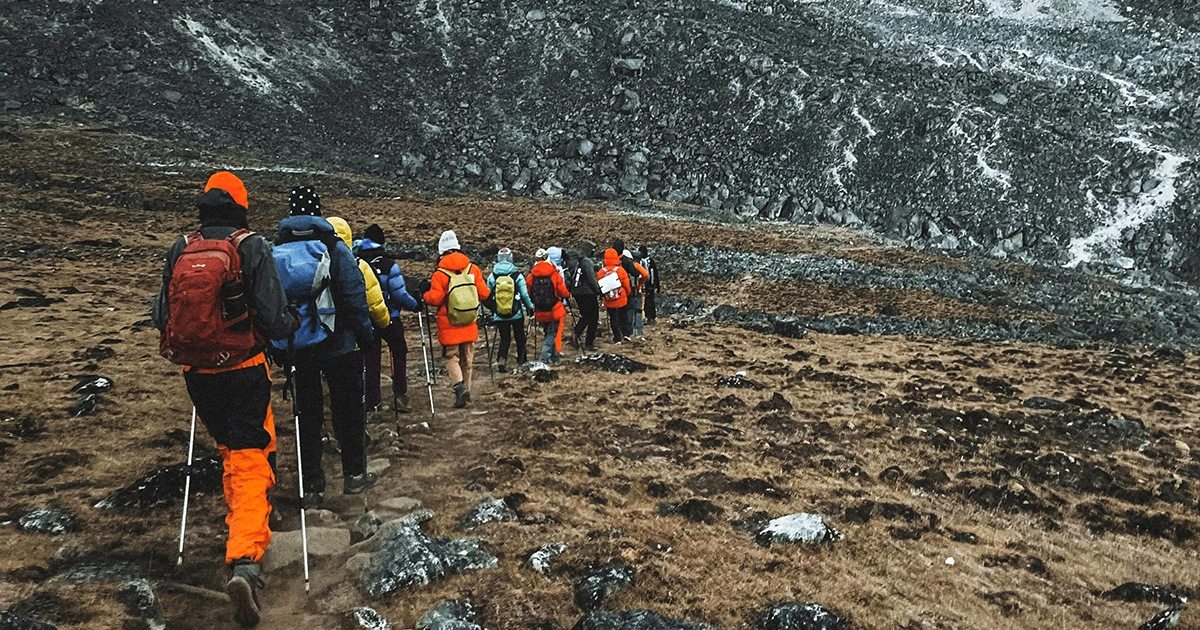
This usually involves staying in hostels or basic guesthouses, eating local meals, and using public buses for transportation. Activities are kept simple, and trekking is often done independently or with minimal support.
The trade-off is comfort. Long bus rides, basic facilities, and occasional unpredictability are part of the experience. But for many travellers, that’s exactly what makes the journey memorable.
Comfort Travel Budgeting
Comfort travel sits in the middle ground, offering a balance between affordability and ease.
With a daily budget of around $100 to $250, travellers can enjoy private hotel rooms, domestic flights instead of long road journeys, and guided tours that remove much of the logistical stress.
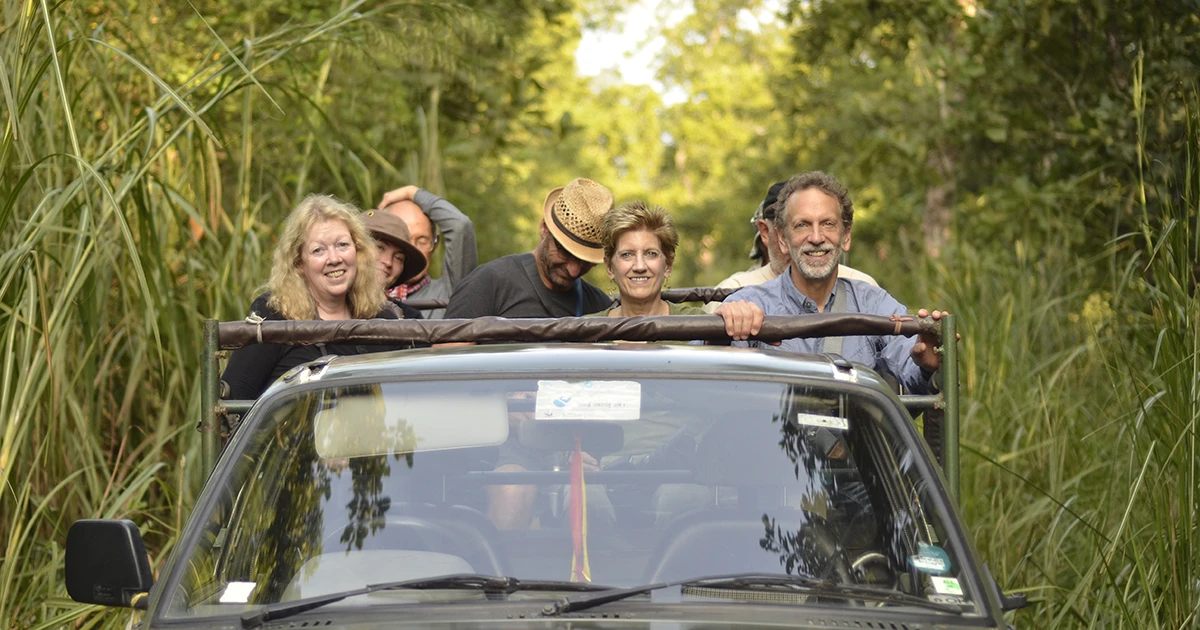
This style is ideal for those who want to explore Nepal without constantly thinking about budget constraints, but still avoid the high costs of luxury travel.
Luxury Travel Budgeting
Luxury travel in Nepal is less about extravagance and more about curated, seamless experiences.
Budgets typically start at $250 per day and can go much higher depending on the itinerary. This includes high-end hotels, private vehicles, experienced guides, and personalized services.
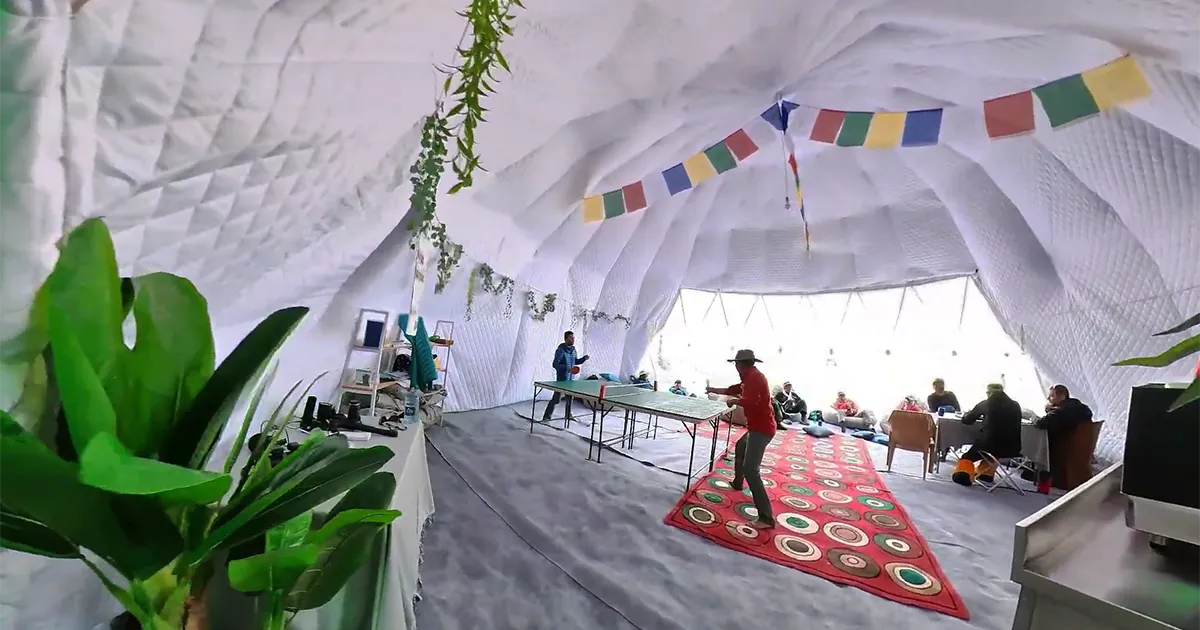
In trekking, luxury doesn’t mean avoiding the mountains, it means better lodges, organized logistics, and a more comfortable pace throughout the journey.
Group vs Private Travel Costing
One often overlooked factor in Nepal travel budgeting is whether you travel in a group or privately.
Group travel tends to reduce costs significantly. Expenses like transportation, guides, and even accommodation can be shared, making it more economical.
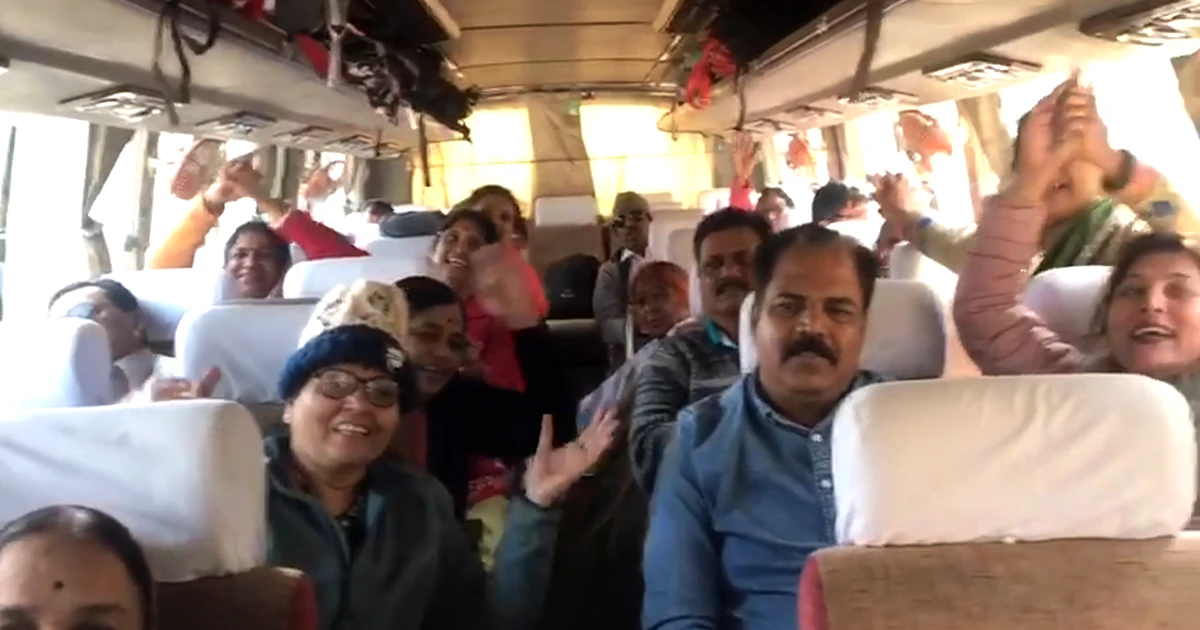
Private travel, on the other hand, offers flexibility and personalization but comes at a higher cost. You’re essentially paying for convenience and control over your itinerary.
Choosing between the two depends on what you value more: savings or independence.
Money Saving Tips for Nepal
Saving money in Nepal doesn’t require extreme effort, it’s more about making informed choices.
Eating local food instead of international dishes can cut daily expenses in half. Travelling during off-season months can also bring down accommodation prices. Sharing transport, especially taxis or jeeps, is another simple way to reduce costs.
At the same time, it’s important to be mindful when negotiating prices. Bargaining is common in markets, but not everything is meant to be negotiated, especially services that involve fair wages, like guides and porters.
Common Budgeting Mistakes to Avoid
One of the most common mistakes travellers make is underestimating trekking costs. While accommodation may seem cheap, food and small extras like charging devices or hot showers can quickly add up.
Another frequent oversight is ignoring permit fees or assuming they’re minor. In reality, they can form a significant portion of your budget.
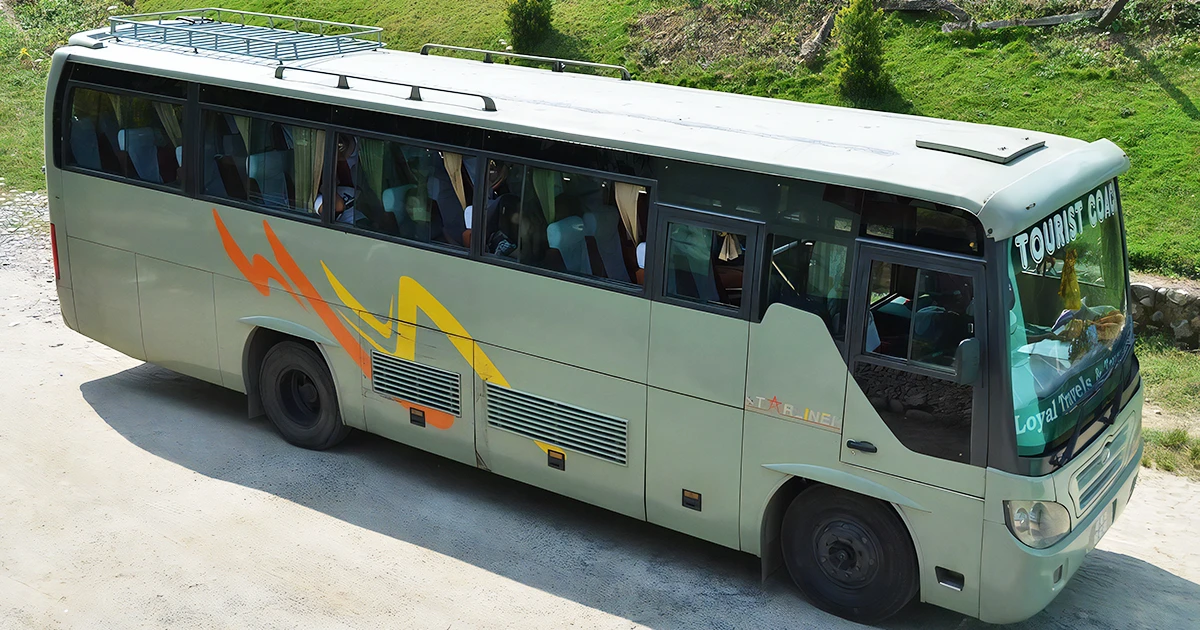
Transport is another area where costs are often misjudged. While buses are cheap, they can be time-consuming and exhausting. Many travellers end up upgrading to flights or private vehicles midway, increasing their expenses.
Planning realistically from the start helps avoid these surprises.
So, is Nepal Really a Cheap Destination?
Nepal can be cheap, but it isn’t automatically so.
It’s a destination where your experience is closely tied to your spending choices. You can travel on a shoestring budget and still have a rich, meaningful journey. Or you can opt for comfort and convenience, and your costs will reflect that.
What makes Nepal special isn’t just its affordability, it’s the value it offers. Whether you’re walking through ancient cities, sitting down to a simple meal, or trekking through the Himalayas, the experiences often feel far richer than what you pay for.
And that, more than anything, is what makes Nepal worth every dollar you spend.
FAQs
Expand AllHow much should I budget for a trip to Nepal?
You should plan your Nepal travel budget based on your travel style, but for most travellers, a realistic range falls between $25 and $250+ per day. If you want a balanced experience without overthinking every expense, budgeting around $50–100 per day works well for many trips.
Is Nepal cheap or expensive for tourists?
Nepal is generally considered affordable, especially compared to Western countries. However, it’s not automatically “cheap” for everyone. Costs rise quickly if you choose flights, guided tours, or higher-end hotels.
What is a realistic daily budget for Nepal?
A realistic daily budget varies widely, with backpackers managing on $20–40, mid-range travellers spending $40–100, comfort travellers averaging $100–250, and private or luxury trips exceeding $250 per day depending on services and preferences.
How much does a 7-day Nepal trip cost?
For a one-week trip, you can expect to spend roughly $200–350 on a tight budget, $350–700 for mid-range travel, $700–1,500 for comfort, and $1,800 or more for a private experience, excluding international flights.
How much does a 10-day Nepal trip cost?
A 10-day trip typically costs between $300–500 for budget travellers, $500–1,000 for mid-range trips, $1,000–2,500 for comfort travel, and $2,500 or more for private itineraries.
How much does a 14-day Nepal trip cost?
For two weeks in Nepal, you’re likely to spend around $400–700 on a budget, $700–1,500 for mid-range travel, $1,500–3,500 for comfort, and upwards of $3,500 for private or luxury trips, especially if trekking is included.
What is the difference between a backpacker, mid-range, comfort, and private Nepal budget?
The difference lies in the level of comfort and convenience, where backpackers rely on hostels and local transport, mid-range travellers choose private rooms and tourist buses, comfort travellers include flights and guided tours, and private travellers enjoy customised itineraries with premium services.
How much does backpacking in Nepal cost?
Backpacking in Nepal typically costs around $20–40 per day, covering simple accommodation, local meals like Dal Bhat, and public transportation.
How much does a mid-range Nepal trip cost?
A mid-range trip usually costs between $40 and $100 per day, allowing for private rooms, better dining options, and occasional upgrades like tourist buses or short flights.
How much does a comfort-style Nepal trip cost?
Comfort travel in Nepal generally falls between $100 and $250 per day, offering boutique hotels, smoother transportation, and guided experiences.
How much does private travel in Nepal cost?
Private travel typically starts at around $250 per day and increases depending on the level of luxury, personalisation, and services included in your itinerary.
Does a Nepal trip budget usually include international flights?
Most Nepal travel budgets do not include international flights, as these costs vary significantly depending on where you are flying from.
How much does a Nepal tourist visa cost?
A Nepal tourist visa usually costs $30 for 15 days, $50 for 30 days, and $125 for 90 days, making it relatively straightforward to plan for.
Can I get a visa on arrival in Nepal?
Yes, most travellers can easily obtain a visa on arrival at the airport in Kathmandu, making entry into the country simple and convenient.
How much should I budget for accommodation in Nepal?
Accommodation costs range from $5–15 for budget stays, $20–60 for mid-range hotels, and $80–200 or more for comfort and luxury options, depending on location and quality.
How much does food cost in Nepal for tourists?
Food is quite affordable, with local meals costing around $2–5, while restaurant meals can range from $5–12, and snacks like Momos remain inexpensive and widely available
How much should I budget for local transport in Nepal?
Local transport can cost as little as $2–5 per day using buses, while taxis and private vehicles can increase daily costs depending on distance and convenience.
Is it cheaper to use public transport or private vehicles in Nepal?
Public transport is significantly cheaper, but private vehicles offer more comfort, flexibility, and time savings, which many travellers find worth the extra cost.
How much do tourist buses cost in Nepal?
Tourist buses generally cost between $10 and $30 for popular routes like Kathmandu to Pokhara, offering a more comfortable alternative to local buses.
Do I need to budget for domestic flights in Nepal?
You should budget for domestic flights if you want to save time or reach remote areas, as flights can cost anywhere from $100 to $200 or more depending on the route.
How much do sightseeing and heritage-site entry fees add to a Nepal budget?
Sightseeing fees can add around $20–50 per day if you visit multiple sites such as Bhaktapur Durbar Square or Pashupatinath Temple.
Are national park and conservation area fees separate from general travel costs?
Yes, these fees are separate and should be planned in advance as part of your overall budget.
Do I need trekking permits for my Nepal trip?
Most trekking regions require permits, so you will need to include these in your travel planning.
Are trekking permits included in a general Nepal trip budget?
Trekking permits are usually not included in general budgets and are often calculated separately.
Do I need a guide for trekking in Nepal?
While not always mandatory, guides are strongly recommended for safety, navigation, and a richer experience.
How much should I budget for a guide and porter in Nepal?
You should expect to spend around $25–40 per day for a guide and $15–25 per day for a porter.
Is trekking in Nepal much more expensive than a regular sightseeing trip?
Yes, trekking generally costs more due to permits, guides, and higher food prices in remote areas.
How much extra cash should I carry in Nepal?
Carrying an extra $100–300 as a buffer is a sensible idea, especially if you plan to travel beyond major cities.
Can I rely on cards and ATMs in Nepal, or should I carry cash?
While cards are accepted in cities, cash is essential in smaller towns and trekking regions, and ATMs may not always be reliable outside urban areas.
What hidden costs do travellers often miss in Nepal?
Travellers often overlook small but frequent expenses such as Wi-Fi, device charging, hot showers, tips, and snacks, particularly during treks.
How much should I budget for tips in Nepal?
Tipping is appreciated in Nepal, and budgeting around $5–10 per day for guides and porters is generally considered fair.
Do prices go up in trekking regions and remote areas?
Yes, prices increase significantly in remote areas due to transportation challenges and limited supply.
Is Nepal affordable for solo travellers?
Nepal is still affordable for solo travellers, although costs can be slightly higher since there’s no one to share expenses with.
Is Nepal affordable for couples?
Couples often find Nepal more affordable because they can share accommodation and transport costs, reducing overall expenses.
Is Nepal affordable for families?
Nepal can be affordable for families, but costs tend to increase due to the need for comfort, private transport, and better accommodation.
What is the cheapest way to travel around Nepal?
The cheapest way to travel is by using local buses, eating local food, and staying in budget guesthouses.
What choices make a Nepal trip significantly more expensive?
Opting for private vehicles, domestic flights, luxury hotels, and guided tours can significantly increase your overall budget.
Is a private Nepal trip worth the extra cost?
For many travellers, a private trip is worth it because it offers convenience, flexibility, and a more comfortable overall experience.
How should I budget differently for Nepal with trekking vs Nepal without trekking?
A trekking trip requires additional budgeting for permits, guides, gear, and higher daily costs, whereas a non-trekking trip is generally easier to manage financially.
What is the best way to plan a realistic Nepal travel budget before booking?
The best approach is to first decide your travel style, estimate daily costs, add fixed expenses like permits and transport, and then include a buffer for unexpected spending to avoid surprises during your trip.
Related blog posts
Discover a choice of tourist destinations loved by most of our visitors. Whether you're on a jungle safari to spot rare animals or walking through a world heritage site, these well-planned itineraries cover the major highlights of Nepal.

 call an expert at: