
10 Mount Kailash Secrets You Might Not Know
 Amrit K. Aryal
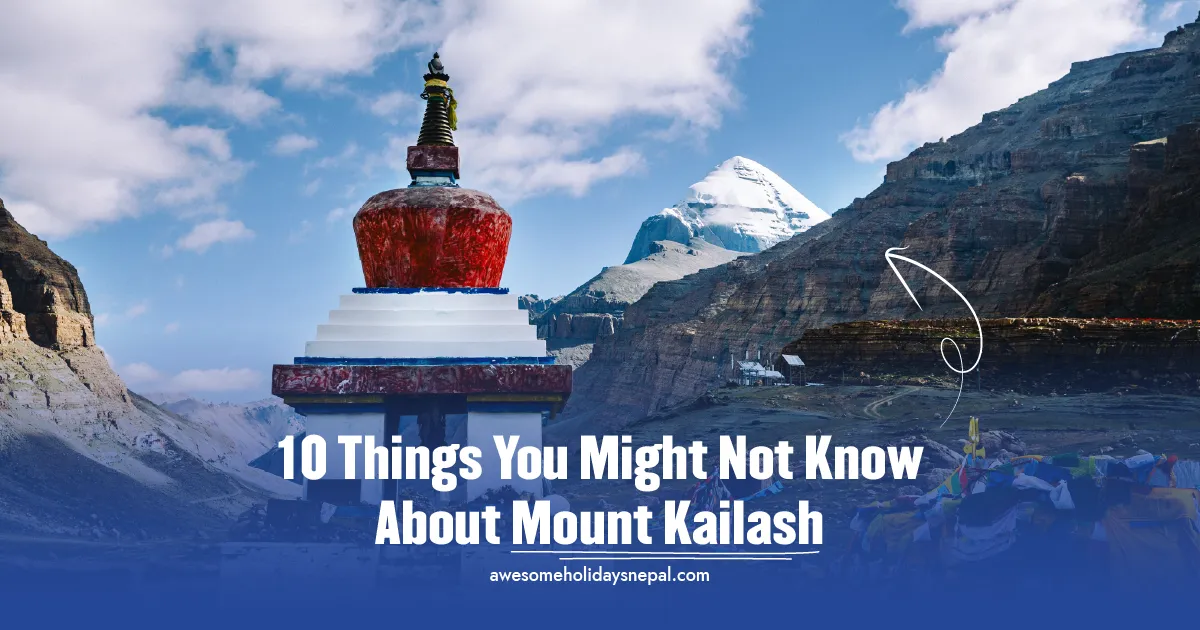
Mount Kailash still has many mysteries unanswered to date. Mount Kailash secrets are something people around the world still talk about. Though Mount Kailash lies in Tibet, an autonomous region of China, it is a centre of pilgrimage for the entire world. People following every religion have a devotion for Mount Kailash.
People from different religions see it as a holy place, and scientists also find its rocks and location unusual. Scientists have experienced unusual magnetic effects, and some say time feels different here. Let’s dive into the major facts and mysteries of Mount Kailash in this blog.
The Perfectly Shaped Peak
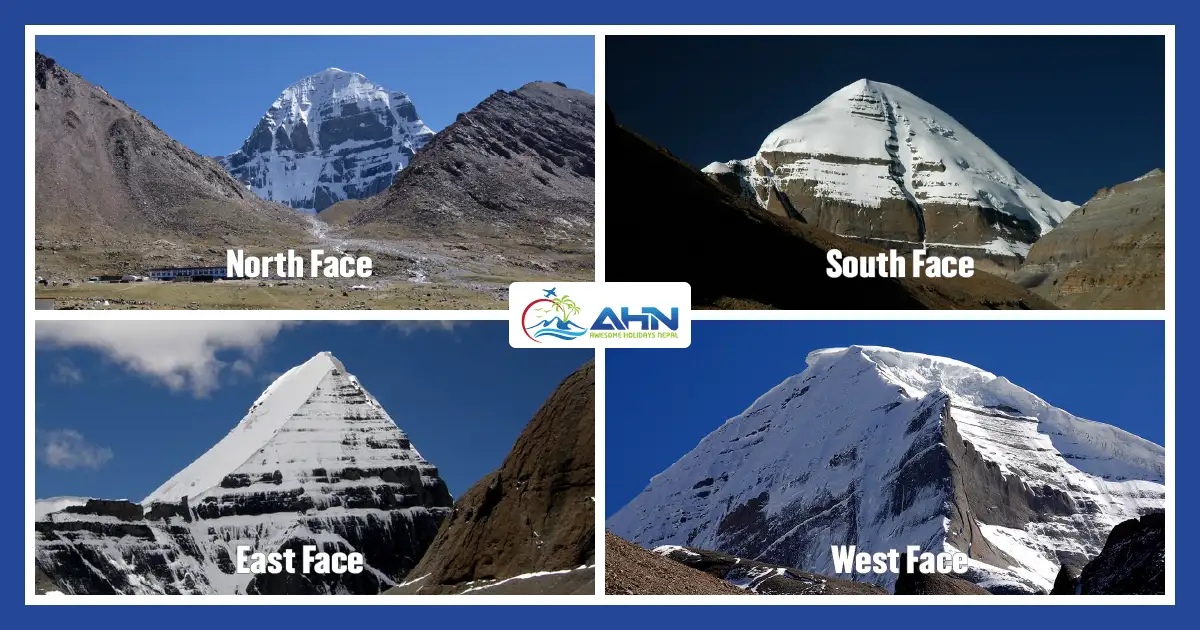
The first time, everybody who sees the mountain will blink their eyes. The perfect cut edges of a diamond are a mystical shape that Kailash holds. It looks like a pyramid, a neat, strange, clean mountain with a symmetrical shape. People often call it the pyramid mountain. This shape holds a mystery, shrouded in tales and myths.
The Axis Mundi
Buddhist texts have described Mount Kailash as the Axis Mundi, or the centre of the world. This is the spiritual pivot point about which the Earth rotates about its axis. This pivot balances the Earth, keeping it in orbit. Mount Kailash is 6,666km from the north pole and 13,332 km (twice of 6,666 km).

Magnetic Anomaly Around Mount Kailash
The science behind Mount Kailash is complex and difficult to understand. The strange magnetic anomalies around it are a topic for investigation among scientists. The high energy around the mountain causes the compass to rotate freely, without pointing exactly north or south. Pilgrims have noticed the compass rotating, mobile phones acting weird, and electronics malfunctioning. Some theories say this may be due to the magnetic rock beneath the solid rock. The exact answer, no one is sure about. This makes Kailash an interesting place for both scientific and spiritual studies.
Ageing Feels Faster
Visitors always say they notice their hair and nails growing longer than usual when they are in the Kailash yatra. These incidents cannot be scientifically proven, but cannot be fully ignored either. This is another topic regarding Kailash Mansarovar that amazes people.
Could this be the weather, or low oxygen levels, or could it be physical and mental exhaustion that accelerates the ageing? People talk about hidden geography and unusual natural features around Kailash. But the idea of accelerated ageing gives the mountain another layer of that Mount Kailash secrets vibe people love so much.
No One Has Ever Climbed It
Even though many mountains in the Himalayas have been climbed, Mount Kailash, no one has ever climbed it. No humans have ever reached the top of Mount Kailash. People who have tried to climb have either stopped due to weather, health, or a sudden force that let them turn back. Locals believe that the mountain holds some supernatural power that forbade people from climbing it. People who tried experienced strong winds that stopped them from ascending, forcing them to descend. This is one of the strongest parts of the Kailash mystery. The mountain wants to stay untouched. Not everything on earth needs footprints.
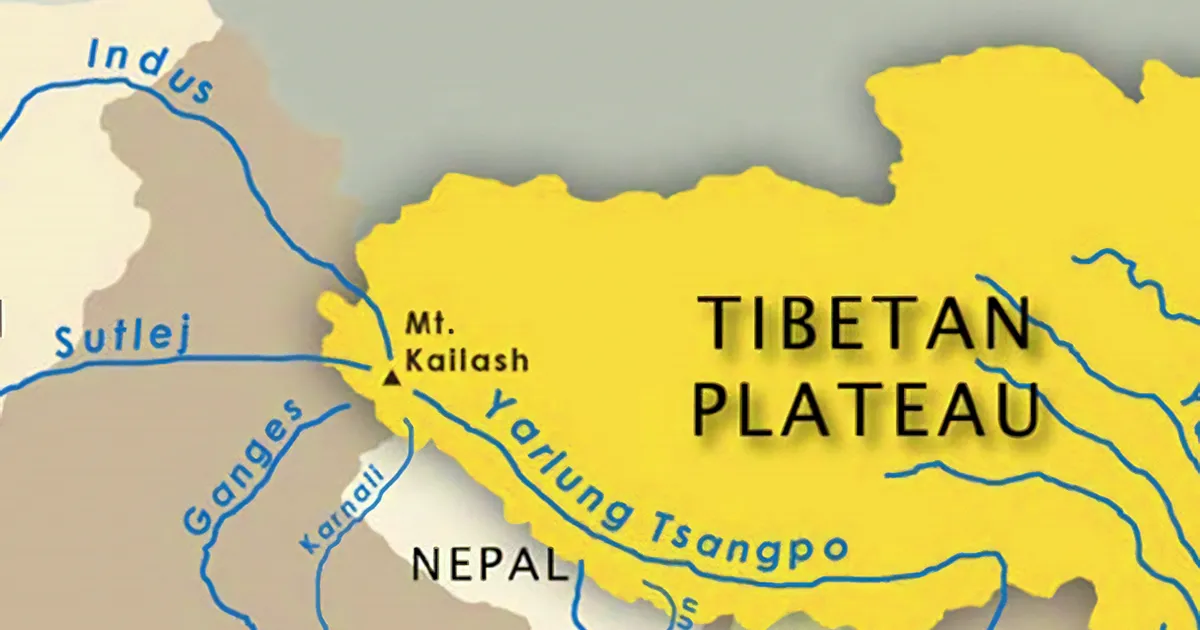
Beginning of Four Rivers Near Mount Kailash. The four rivers that make various civilisations in Asia originate from Kailash. The Brahmaputra, the Indus, the Karnali, and the Sutlej, all born from the same place, are strange. This is a rare natural phenomenon, adding to the scientific and spiritual significance of the mountain.
Half of the people from Asia drink the water from these rivers, from one single sacred mountain. If the mountain is the heart, the rivers flow like veins. This fact sounds like an unbelievable Kailash fact. Many people find it surprising that one peak connects to so many major water sources.

Inner Vs Outer Kora
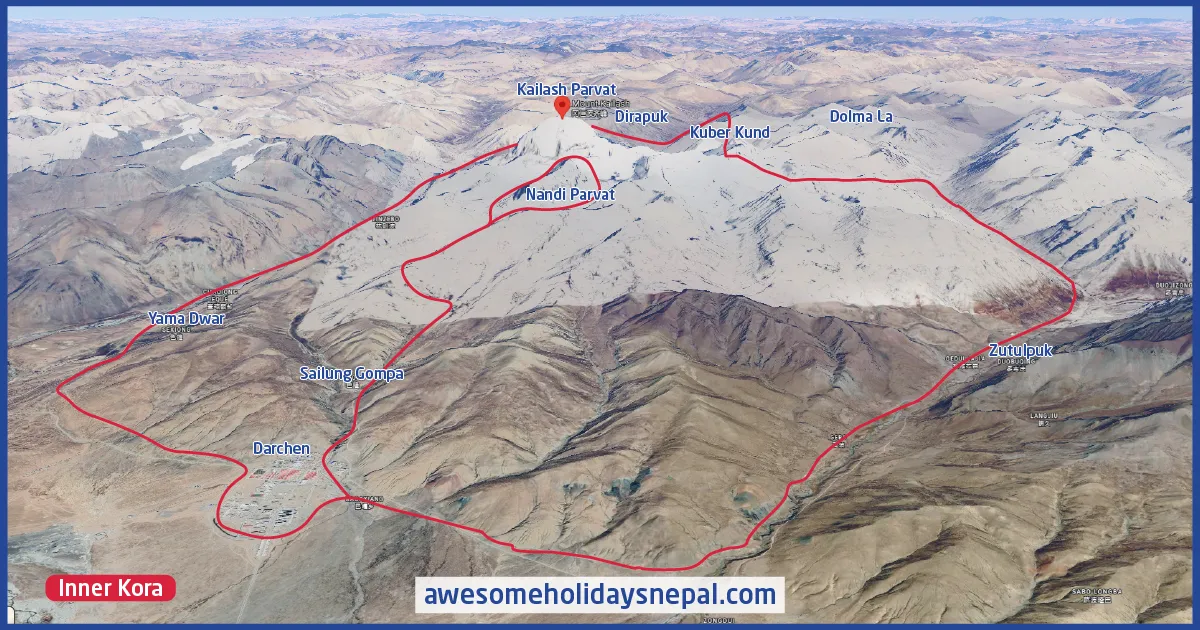
Every year, thousands of people travel to Kailash and Mansarovar to complete the Kora. This is the outer kora. This outer kora is a circumambulation around Mount Kailash. But the inner kora is something more dramatic and a more difficult trip closer to Mount Kailash. The Outer Kora is brutally beautiful, but ask those who have done the Inner Kora. They will tell you it’s one of the toughest pilgrimages on foot.
But one must not forget the inner kora is not the circumambulation of Kailash but of a smaller mountain we call the Nandi Parvat. The inner kora is more adventurous and riskier. So, the Chinese government does not allow the inner Kora unless you have completed the outer Kora 12 times. This is open only to certain monks or folks with spiritual permissions.
The Inner Kora is much more restricted and is allowed only for certain people with special permission. Both routes are important in spiritual traditions and are part of the Kailash Yatra, which many pilgrims follow. This allows your body to get adjusted to the height and oxygen level in the atmosphere.
Mount Kailash Older Than the Himalayas?
People often ask if Mount Kailash lies in the Great Himalayas. Geological studies have found that the rocks of Mount Kailash are older than the rocks of the Himalayas. This makes it older and more spiritual than most of the mountains in the Himalayas.
The age of Mount Kailash is another unique subject for scientific study of Mount Kailash mystery, theories and laws about how the Tibetan plateau was formed. The comparative study of the ages of Kailash and the Himalayas adds another layer to the amazing Kailash Yatra facts.
Shiva’s Abode and Ravan’s Meditation
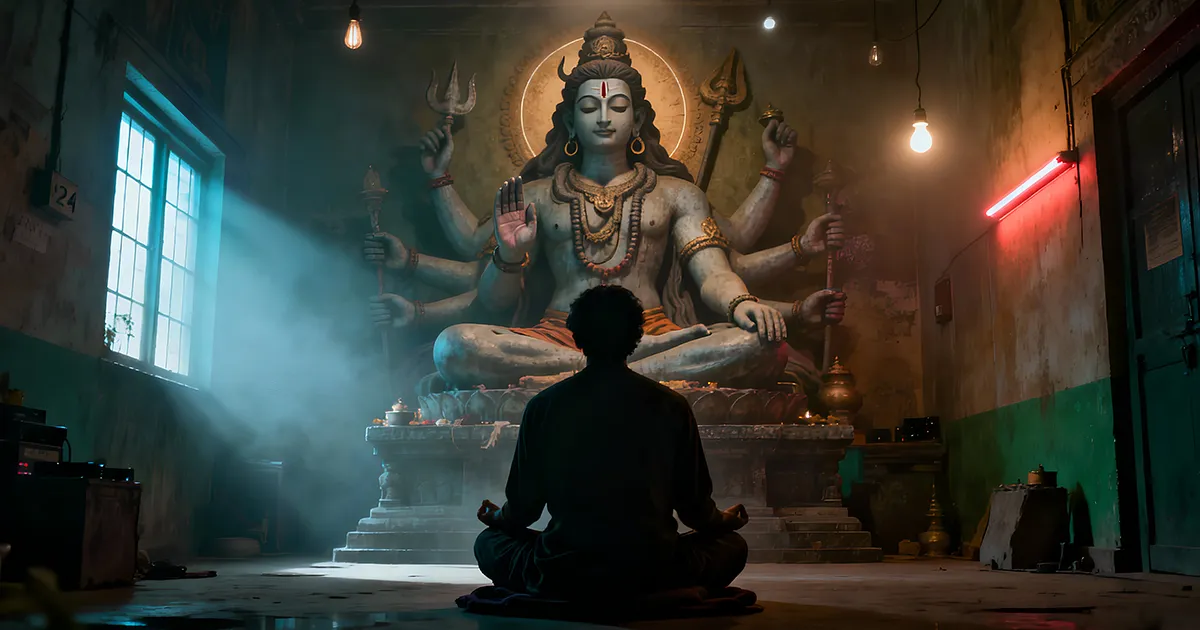
Hindus believe Mount Kailash is the home of Lord Shiva. Old Hindu inscriptions have described Mount Kailash as the eternal abode of Rudra, where he resides with his wife and children. According to the Ramayana, an old Hindu text, the king of Lanka, Ravan, went to Kailash and meditated to impress Lord Shiva.
These tales and legends make the mountain more ancient and spiritual and connect it with deep Hindu beliefs and symbolic cultural history. This makes the mountain feel like a mythological living room with an interesting Mount Kailash mystery. Even the pilgrims can now feel the Shiva energy.
A Sacred Mountain for Four Different Religions
Mount Kailash is not sacred only to Hindus but also to other religions in the world. This Kailash secret is the most unique fact about Mount Kailash. Hinduism, Buddhism, Jainism, and the Bon traditions have their stories and faith towards Mount Kailash without conflict. People from each belief have their own stories, symbols and teachings linked to the mountain, which adds to the larger Kailash secrets and spiritual mystery surrounding it.
In Hindu belief, Kailash is known as the home of Lord Shiva. In Buddhism, it is called the palace of Demchok, a powerful divine figure. In the Jain tradition, it is believed to be the place where their first Tirthankara, Rishavdeva, attained liberation. The Bon religion also sees it as its sacred mountain and an ancient spiritual centre.
This shared respect makes Kailash a peaceful symbol on the Himalayan plateau and a very important part of the Himalaya sacred mountains culture. Stories from different eras and communities repeat similar ideas about their power and importance, which show that these beliefs have deep roots and long histories.
Conclusion
Mount Kailash secrets continue to attract scientists, pilgrims, and curious readers from around the world. Its perfect pyramid shape, ancient geography, unusual magnetic force, and the way four major religions respect each other add more to the Kailash secrets. Some of the Mount Kailash mysteries have an explanation, whereas some remain unexplained. Whether it is the hidden geography, the untouched peak, the four rivers coming from the same mountain, or the spiritual stories passed down for centuries, Kailash stands as a place where nature and belief meet in a quiet but powerful way.
FAQs
Expand AllIs Mount Kailash a volcano?
Mount Kailash is a natural mountain made of ancient rocks with layers. It is a part of the Tibetan plateau and has no signs of any volcanic activity in the past.
Why is climbing Mount Kailash forbidden?
Climbing Mount Kailash is not allowed because Kailash is sacred to four major religions in the world. Local people have a strong belief in the mountain that the Chinese government has strictly prohibited climbing.
What makes Mount Kailash spiritually significant across multiple religions?
Every religion has its side of the story. For Hindus, it is the home of Lord Shiva. Buddhists see it as the palace of Demchok. Jains say their first Tirthankara, Rishavdev, got liberation here. Bon people believe that this is the land of their Tonpa Shenrab Miwoche and the swastika mountain. These shared beliefs among different religions make Kailash one of the most important sacred mountains.
Are the mysteries of Mount Kailash supported by scientific evidence?
The scientific study of Kialsh proves that the rocks of Kialsh are older than the rocks of the Himalayas. Also, another Kailash secrets, such as magnetic anomalies, are recorded using modern devices.
What is the meaning of the Kailash Kora, and why do pilgrims walk it clockwise?
Circumambulating around Mount Kailash is called Kailash Kora. It is a 52 km circuit around Kailash. Walking clockwise is a sign of respect and spiritual cleansing associated with the rotation of the universe. But, for Bons, it is the other way. They walk around the mountain in an anti-clockwise direction.
How can travellers visit Mount Kailash from Nepal?
The tour to Kailash generally starts from Kathmandu in Nepal and travels to Kerung border of China. Accommodating in Saga and Darchen, the Kora continues to Dhiraphuk and Dolma LA pass. You need a registered tour guide in Nepal and Tibet to continue your trip to Kailash.
What are the top legends associated with Mt Kailash?
There are some names associated with Kailash. Ravan did his meditation in Kailash. Milarepa, a tantric monk from the 11th century, was able to reach the top of Kailash using his magical power, legends say. Chakrasambhar, Rishavdev are other names related to Mount Kailash. These stories strengthen the Mount Kailash mystery.
Is the Kailash Mansarovar Yatra difficult for first-time trekkers?
Yes, Kailash Mansarovar Yatra can be difficult for first-time trekkers due to high altitude, cold weather, and long walking distances. With proper guidance, acclimatisation, and preparation, even people above 70 can trek this Kora easily.
What permits are required to visit Mount Kailash from Nepal?
Travellers need a Tibet Travel Permit, an Alien Travel Permit, and a group visa that applies in a group arranged via an authorised tour operator in Tibet. Solo travellers are not allowed to enter the region.
What is the best month to visit Kailash Mansarovar?
The best months for the Kailash Mansarovar yatra are from May to September.
Can travelers explore Mansarovar Lake and Kailash on the same trip?
Yes, the trip to the Kailash Mansarovar yatra is a package that includes both Lake Manasarovar and Mount Kailash because they are near each other. The lake is first visited and then head to Kailash for Kora.
Related blog posts
Discover a choice of tourist destinations loved by most of our visitors. Whether you're on a jungle safari to spot rare animals or walking through a world heritage site, these well-planned itineraries cover the major highlights of Nepal.

 call an expert at: