
Monsoon Trekking in Nepal: Is It Underrated?
 Sujata Pokhrel
Monsoon trekking in Nepal is quite risky, not without a reason. The constant rain turns stone staircases slick, forest paths muddy, and steep sections unpredictable. Yet, every year, a quiet group of trekkers laces up their boots and walks straight into the rain.
One of the most genuine concerns is the threat of disasters like landslides and the loss of mountain views due to thick clouds. It is a season that demands caution, patience, and flexibility.
Because of this, many trekkers wait for the predictable blue skies of autumn or the clear mornings of spring. They want postcard-perfect Himalayan panoramas and stable travel schedules.
So is monsoon trekking in Nepal misunderstood or simply underrated? Let’s get through the blog to better understand the best tricks to do monsoon trekking.
Understand the Monsoon Trekking Season
Nepal’s monsoon typically stretches from June to early September, when moist air from the Bay of Bengal sweeps northward and collides with the Himalayas. The result is heavy rainfall in many mid-hill and low-altitude regions, especially in eastern and central Nepal.
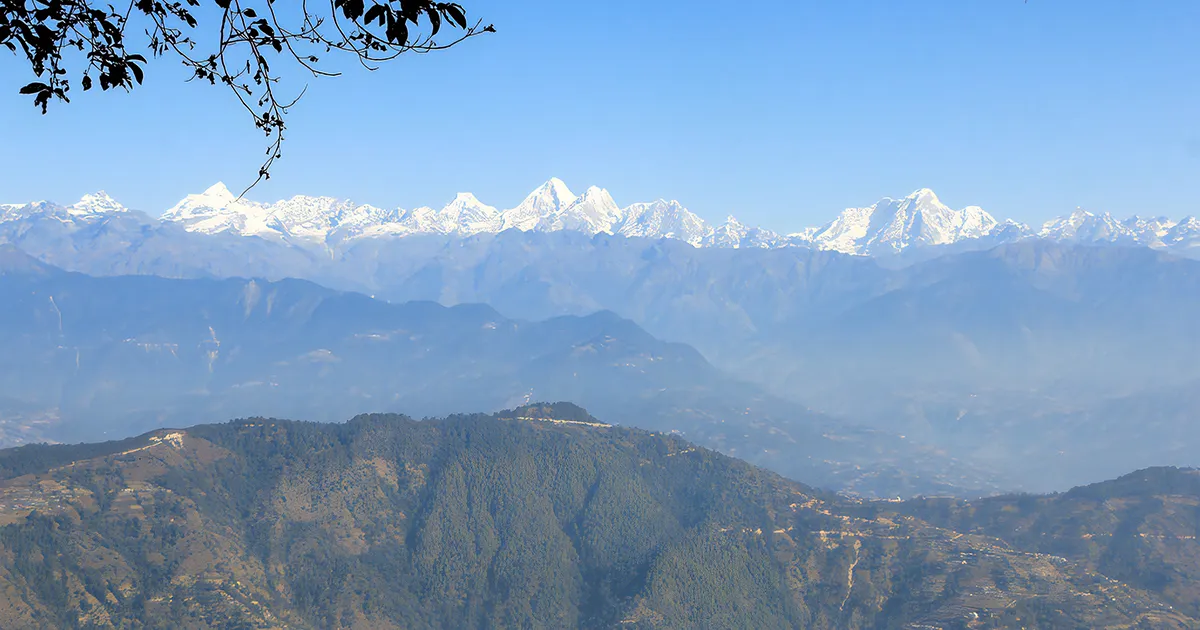
But the monsoon is not uniform. Rain often falls in cycles intense afternoon or evening showers followed by surprisingly clear mornings.
And certain parts of Nepal, particularly those tucked behind the main Himalayan barrier, lie in what’s known as a rain shadow. These areas receive far less rainfall and remain relatively dry compared to the lush southern slopes.
Understanding this regional variation is the key to seeing monsoon not just as a challenge, but as a strategic opportunity.
Why Monsoon Trekking Has a Bad Reputation
The reputation is not entirely unfair. Heavy rainfall increases the risk of landslides in some areas. Forest trails become muddy and slippery and the river crossings swell.
Mountain views are often hidden behind thick cloud cover. Insects, particularly leeches below 2,500 meters, thrive in the damp undergrowth. Mountain flights especially to remote airstrips can face delays due to poor visibility.
For travelers with tight itineraries or those dreaming of crystal-clear Himalayan panoramas every day, the monsoon can feel unpredictable and frustrating.
But reputation and reality are not always identical.
Surprising Advantages of Monsoon Trekking
What the monsoon takes away in certainty, it gives back in atmosphere. The air feels alive and the hillsides breathe mist.
Villages move at a slower, more intimate pace. The mountains reveal themselves in fragments a snow peak emerging between drifting clouds, a sudden burst of sunlight illuminating a ridge for a fleeting moment.
For trekkers who value experience over perfection, this season offers something deeply immersive.
Lush Landscapes and Dramatic Scenery
If you’ve only seen Nepal in peak trekking season, you’ve seen it in brown and gold. During monsoon, the country transforms.
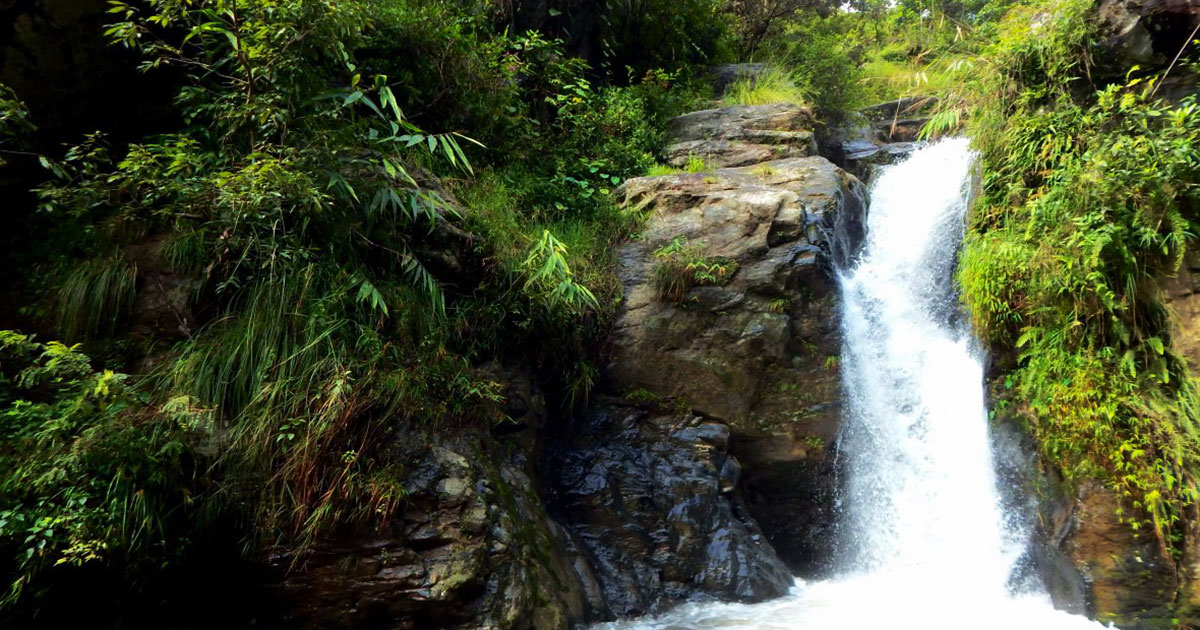
Terraced fields glow electric green and the forests thicken. Waterfalls multiply and thunder down cliffs that sit dry for most of the year. Rivers swell into powerful, churning currents. The scent of wet earth lingers in the air.
Even iconic regions like the Annapurna Region feel entirely different more tropical, more vibrant, almost cinematic. Cloud formations move dramatically across ridgelines, creating layered, moody landscapes that photographers quietly adore.
The mountains may not be visible all day. But when they appear, they do so with drama.
Lesser Crowds
Perhaps the greatest luxury of monsoon trekking is solitude.
Popular tea houses that overflow in October suddenly feel calm and personal. Trails that echo with conversation during peak season fall quiet except for birdsong and distant river sounds. Guides and lodge owners have more time to talk, to share stories, to connect.
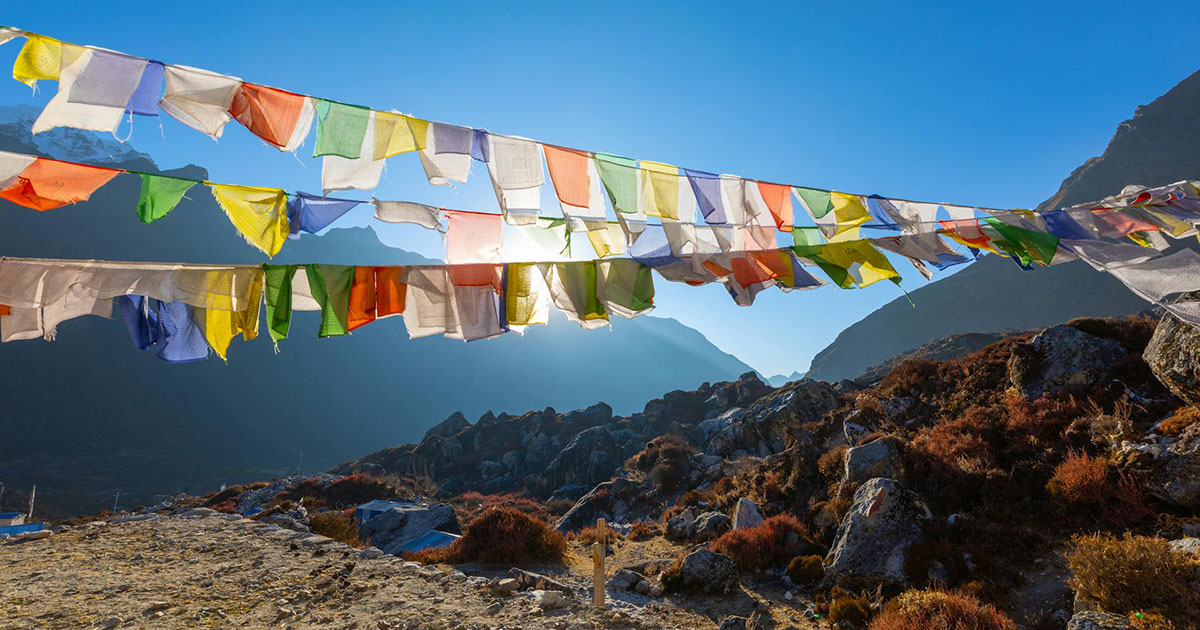
In places like the Langtang Valley, the difference is striking. Instead of joining a procession of trekkers, you may find yourself walking long stretches alone, immersed in the rhythm of your own steps.
For many, that quiet transforms the journey.
Cultural Richness
Monsoon is not just a weather season; it’s an agricultural one.
Fields are planted and villagers work long days tending crops. Local life feels authentic and unscripted. You’re witnessing rural Nepal in motion, not staged for tourism but rooted in its natural cycle.
In more remote regions such as Nar Phu Valley, cultural life continues steadily regardless of tourism flow. Monsoon trekking there often feels less like passing through and more like temporarily belonging.
Festivals tied to the lunar calendar sometimes fall within monsoon months, adding unexpected cultural depth to the journey.
Budget-Friendly Travel
Another overlooked advantage? Cost.
With fewer international trekkers arriving, some lodges and local operators offer more flexible pricing. Flights, where operating, are less competitive. Last-minute planning becomes easier.
While major permit fees remain fixed, overall travel expenses can feel lighter compared to peak-season demand. For budget-conscious trekkers willing to accept weather unpredictability, monsoon offers value without compromising the core trekking experience.
Best Destinations for Monsoon Trekking in Nepal
Not all regions in Nepal are suitable for monsoon trekking as these have the risks of unsafe trails and disaster possibilities. Thus, choosing wisely does make a difference.
Upper Mustang Region
The Upper Mustang lies in a trans-Himalayan rain shadow, north of the Annapurna range. Its desert-like terrain receives minimal monsoon rainfall. Trails remain dusty rather than muddy, and skies are often clearer than in central Nepal.
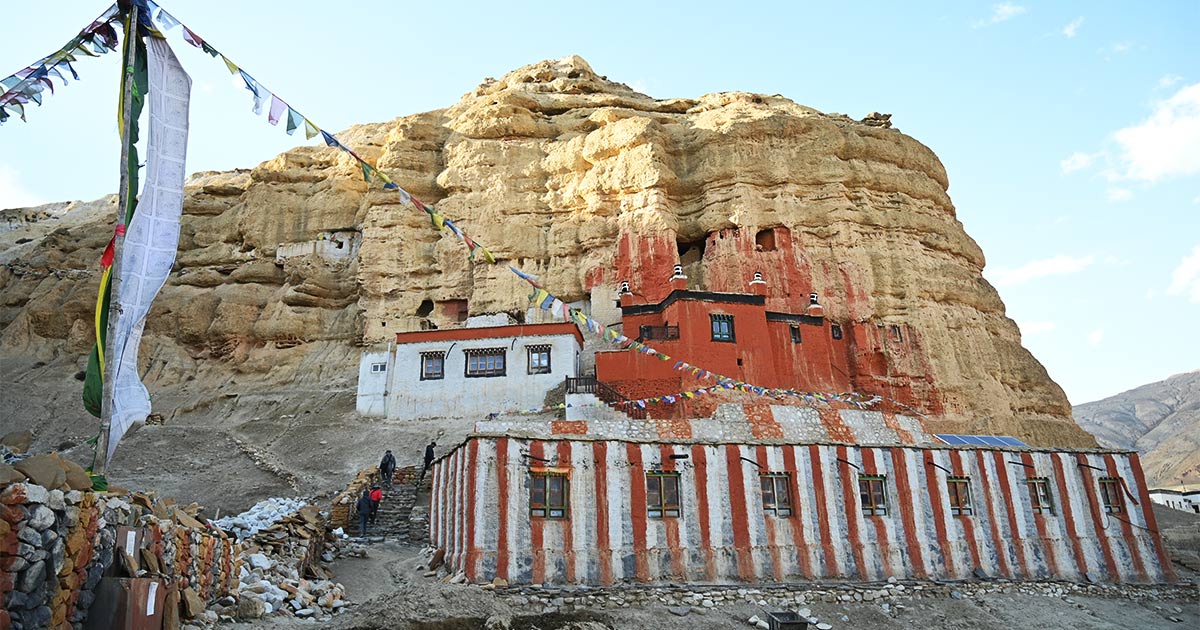
Here, the landscape feels more Tibetan plateau than lush mid-hills stark cliffs, cave dwellings, and wind-sculpted valleys. Monsoon is actually one of the best times to visit.
Annapurna Region
The broader Annapurna Region experiences rainfall, particularly in lower elevations. However, sections of the Annapurna Circuit that approach rain-shadow zones become progressively drier.
Shorter treks like Ghorepani–Poon Hill are possible during breaks in rain, though flexibility is essential. Expect greenery, mist, and fewer crowds but also muddy trails.
Upper Dolpo Region
Remote and culturally preserved, Upper Dolpo sits deep in the rain shadow near the Tibetan border. It receives significantly less rainfall than southern regions.
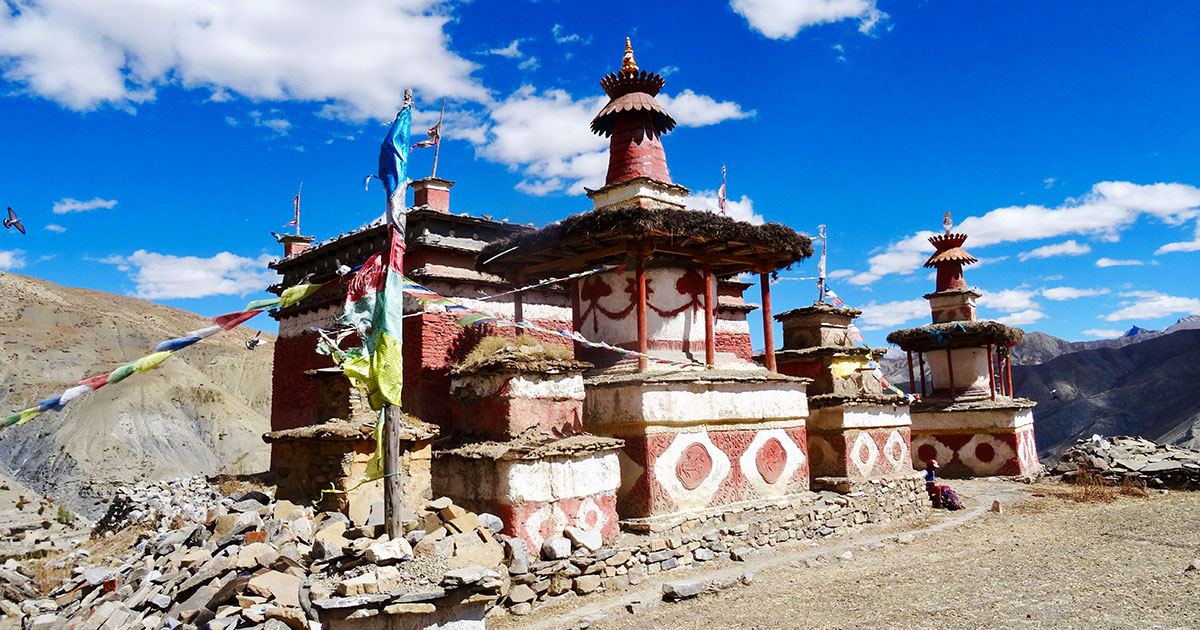
Dolpo in monsoon offers vast, open landscapes, turquoise lakes, and a sense of true remoteness. The trade-off is accessibility reaching Dolpo requires careful logistics and patience.
Nar Phu Valley
Tucked northeast of Annapurna, Nar Phu Valley benefits from partial rain-shadow protection. While access trails may receive rain, the upper valley often remains relatively dry.
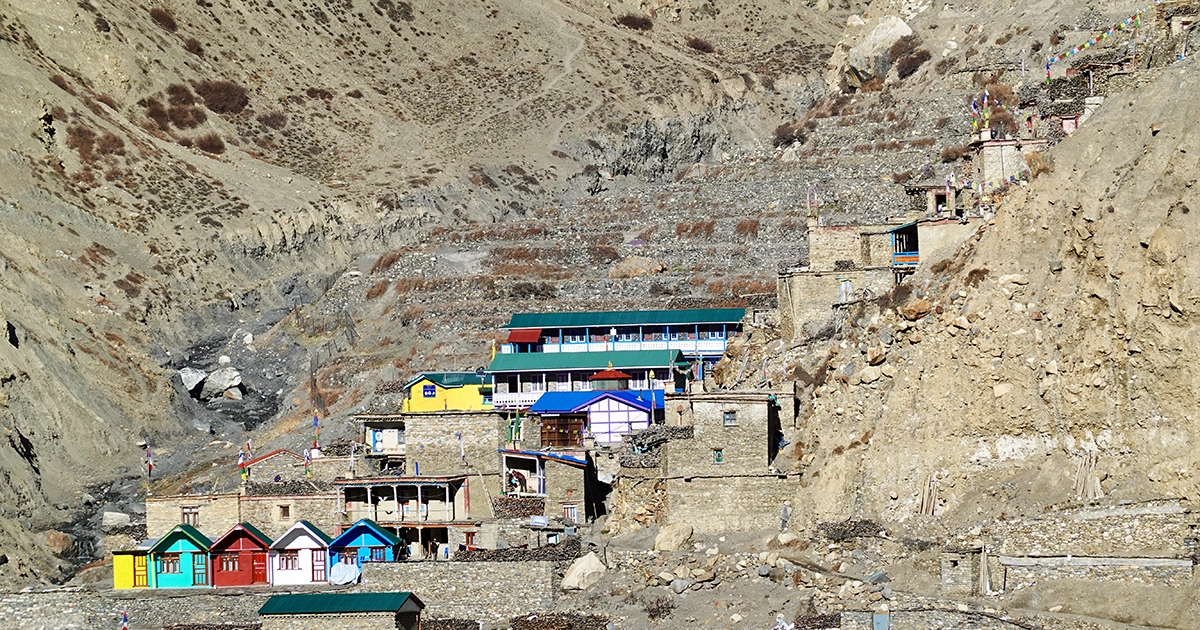
Its medieval villages, stone houses, and dramatic canyon landscapes feel even more atmospheric under shifting monsoon skies.
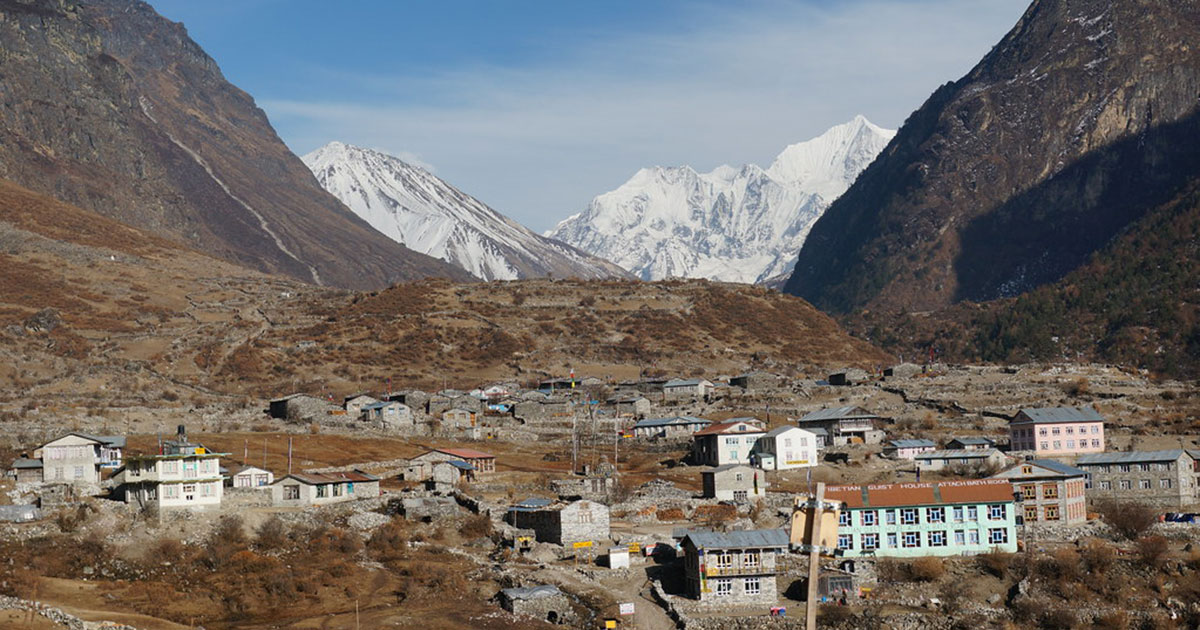
Langtang Valley
Closer to Kathmandu, Langtang Valley does experience monsoon rainfall. Trails can be muddy, and clouds frequent.
However, the valley’s forests and meadows burst into vivid green, and the lower visitor numbers create a peaceful trekking environment. For those comfortable with wet conditions, it can be deeply rewarding.
So, is the Monsoon Trekking Underrated?
It depends on what you seek.
If you want uninterrupted mountain panoramas, guaranteed flight schedules, and perfectly dry trails, monsoon will test your patience. The risks are real slippery paths, potential landslides in certain areas, and limited visibility.
But if you crave solitude, atmosphere, dramatic landscapes, and a more intimate connection with Nepal’s rhythms, monsoon offers something peak seasons cannot.
It is not the easiest time to trek.
It is not the most predictable.
But for the right traveler flexible, curious, and comfortable with a little uncertainty monsoon trekking in Nepal may be less “off-season” and more hidden season.
And sometimes, what is hidden is precisely what makes it special.
FAQs
Expand AllWhat months are considered monsoon season in Nepal for trekking?
Monsoon in Nepal typically runs from June to early September, with July and August bringing the heaviest rainfall. Conditions usually begin to stabilize by mid-September as autumn approaches.
Is monsoon trekking in Nepal safe?
It can be safe with the right route, preparation, and flexibility. Risks increase in landslide-prone mid-hill regions and along major river valleys. Choosing rain-shadow areas, trekking with updated weather information, and allowing buffer days significantly improves safety.
Is monsoon trekking underrated, or just risky?
It’s both. The risks slippery trails, landslides, limited views are real. But so are the rewards: empty trails, lush landscapes, and a quieter cultural experience. For flexible trekkers who value atmosphere over guaranteed panoramas, it’s often underrated.
What are the biggest monsoon trekking risks in Nepal?
The primary risks include landslides, muddy and slippery trails, swollen rivers, flight delays, leeches at lower elevations, and limited mountain visibility due to cloud cover.
Which regions of Nepal are best for monsoon trekking?
Rain-shadow areas north of the main Himalayan range are best, including, Upper Mustang, Upper Dolpo, Nar Phu Valley. Some higher sections of the Annapurna Region also receive less rainfall than southern slopes.
What does “rain-shadow” mean in Nepal trekking?
A rain shadow is a dry area on the northern side of the Himalayas where mountain ranges block monsoon clouds. As a result, places like Mustang and Dolpo receive far less rainfall than regions south of the range.
Is Upper Mustang suitable in monsoon?
Yes, upper Mustang is one of the best monsoon trekking destinations because it lies in a rain shadow. Trails remain mostly dry, though winds can be strong.
Is Dolpo suitable in monsoon?
Generally, yes especially Upper Dolpo. It is dry compared to central Nepal. However, access logistics can be more complicated due to flights and remoteness.
Are Annapurna region treks recommended in monsoon?
Lower sections experience heavy rainfall and muddy trails. However, parts of the Annapurna Region closer to rain-shadow areas are more manageable with flexible planning.
Is the Annapurna Circuit possible in monsoon, and what are the trade-offs?
Yes, it is possible. The early sections (lower elevations) can be wet and landslide-prone, while areas around Manang are drier. Trade-offs include fewer crowds and greener scenery, but less predictable views and trail conditions.
Is Manaslu Circuit recommended in peak monsoon months?
The Manaslu Circuit is generally not ideal during peak monsoon (July–August) due to landslide risk along narrow river valleys and trail exposure.
Is Langtang possible in monsoon, and what typically changes on-trail?
Yes, Langtang Valley is possible, but expect muddy forest sections, leeches at lower elevations, cloud cover, and fewer trekkers. The valley becomes exceptionally green.
Will I get mountain views during monsoon trekking?
You may, but they’re less consistent. Clear mornings are common, while afternoons often bring cloud buildup. Views tend to be dramatic but fleeting.
Does it rain all day during monsoon in Nepal?
Not usually. Rain often falls in heavy bursts, especially in the afternoon or evening. Mornings are frequently clearer.
What time of day is usually best to hike during monsoon?
Early morning is the best hike during monsoon season. Starting at dawn improves your chances of clearer skies and firmer trails before afternoon rain.
How bad are leeches during monsoon trekking, and where are they most common?
Leeches are most common in humid, forested areas below about 2,500 meters, especially in central and eastern Nepal. They are rarely found in dry, high-altitude rain-shadow regions.
How do I reduce leech issues without unsafe chemicals?
Wear long socks over trousers, use leech socks if needed, keep moving rather than standing in wet grass, and brush them off calmly. Salt water or simple removal works without harsh chemicals.
What are the most common foot problems in monsoon (blisters, trench foot) and prevention basics?
Blisters and trench foot (from prolonged moisture) are common. Prevention includes keeping feet as dry as possible, changing socks daily, airing feet at tea houses, and using moisture-wicking socks.
What rain gear matters most for Nepal trekking in monsoon?
A reliable waterproof jacket, pack cover or dry bags, quick-dry clothing, and a lightweight poncho (optional) are essential. A brimmed hat also helps in steady rain.
Do I need waterproof boots or quick-dry trail shoes?
Waterproof boots keep water out initially but can stay wet once soaked. Quick-dry trail shoes dry faster but allow water in. Choice depends on route and personal comfort; many trekkers prefer lightweight, quick-dry options.
What should I do if there is a landslide or trail blockage ahead?
Do not attempt to cross active landslides. Wait for local advice, consult guides or villagers, and reroute if necessary. Having patience is very critical.
How should I plan river crossings in monsoon?
Cross early in the day when water levels are lower. Use established bridges where possible and avoid crossing swollen, fast-moving rivers without local guidance.
Are domestic flights more likely to be delayed/cancelled in monsoon?
Yes, poor visibility and weather instability increase delays, especially for mountain airstrips.
How many buffer days should I keep in a monsoon itinerary?
At least 1–3 buffer days, depending on remoteness and flight connections.
Are teahouses open in monsoon on popular trails?
Most remain open on major routes, though some smaller lodges may close temporarily due to low demand.
Do I need a guide for monsoon trekking in Nepal?
While not always mandatory in all areas, hiring a guide during monsoon adds safety, especially in landslide-prone regions or restricted areas.
What permits might I need for rain-shadow or restricted-area treks?
Restricted regions such as Upper Mustang, Upper Dolpo, and Manaslu Circuit require special permits in addition to conservation area permits.
Where can I check official climate/forecast information for Nepal?
The Department of Hydrology and Meteorology (DHM) Nepal provides official weather updates. Reliable forecasting apps and local trekking agencies also monitor regional conditions.
Is monsoon trekking cheaper than peak seasons?
Often, yes. Lodging flexibility increases and demand decreases, though permit fees remain fixed.
Who should avoid monsoon trekking?
Travelers with very tight international flight schedules, low risk tolerance, significant mobility issues, or health conditions aggravated by humidity should reconsider.
What are the best short treks to consider if weather is uncertain?
Shorter routes in the Annapurna Region or flexible itineraries near Kathmandu allow adjustments based on daily weather windows.
What are realistic expectations for photography during monsoon?
Expect mood, mist, dramatic cloud movement, saturated colors, and softer light not consistent snow-peak panoramas. Patience often rewards photographers with brief but powerful scenes.
Related blog posts
Discover a choice of tourist destinations loved by most of our visitors. Whether you're on a jungle safari to spot rare animals or walking through a world heritage site, these well-planned itineraries cover the major highlights of Nepal.
 call an expert at: