
Manaslu Trek in December: Cold Weather, Clear Views and Comfort
 Sujata Pokhrel
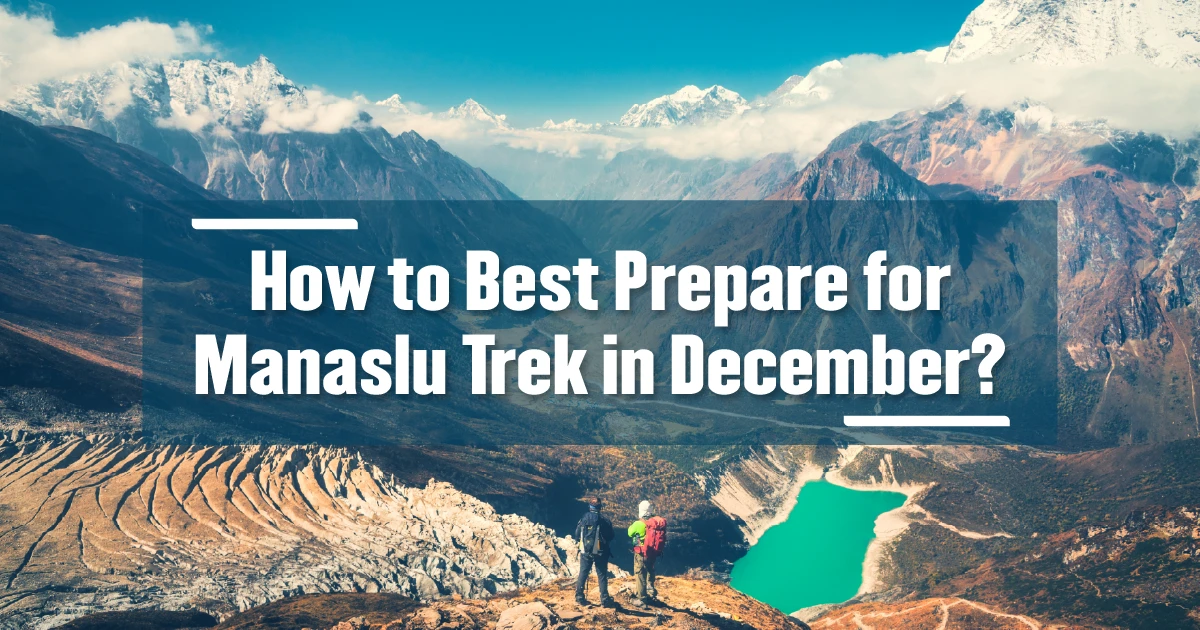
The Manaslu trek is often preferred by solitude seekers for its off-the-beaten-track, less popular routes. However, is it possible to do the Manaslu trek in December?
If you ask me, yes will be my answer, but with all the right preparation. Mountains are never generous to anyone, whether you are a beginner or a seasoned trekker. And even more so in winter seasons, which isn’t quite the right time for trekking to the Himalayas. However, it doesn’t mean this isn’t possible.
Doing the Manaslu trek in winter requires a higher level of experience, as the winter strips the trails to their essentials. Often, the teahouses are quiet and even shut, so you will find the snow-ridged mountains standing tall alone in their rawest forms.
Let’s get deeper into the blog to understand what December trekking in Manaslu feels like.
What’s the Weather Like for the Manaslu Trek in December?
December is the start of true winter in the Manaslu region. While the monsoon dust is long gone and the skies remain impressively clear, temperatures drop sharply, especially as you gain altitude. The trek is quieter, tougher, and more intimate than in peak seasons.
Temperature Fluctuation
Temperature variation is one of the defining features of a December Manaslu trek. In the lower villages like Machha Khola and Jagat, daytime temperatures are relatively manageable, often hovering between 8°C and 12°C when the sun is out. However, mornings and evenings are cold.
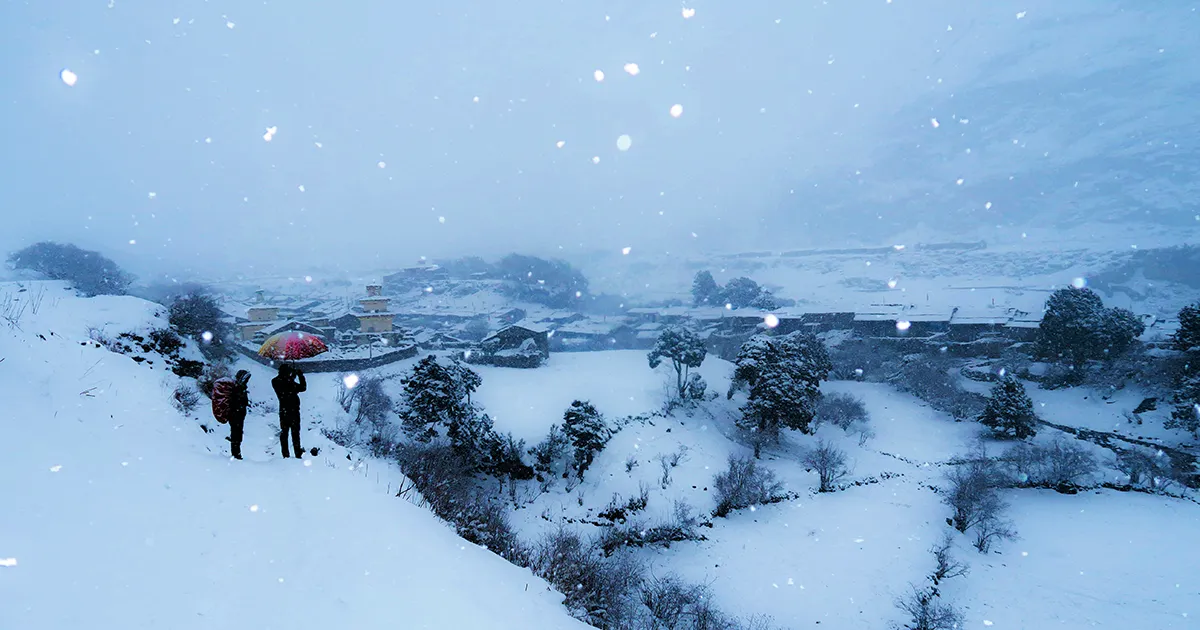
As you move higher to villages like Sama Gaon, Samdo, and Dharamsala, night temperatures drop well below freezing. Expect –8°C to –12°C at night, and even colder near Larkya La Pass.
Snowfall and Weather Conditions
Snowfall in December is possible, but it usually isn’t constant. Early December often sees light snow at higher altitudes, while trails below remain dry. As the month progresses, snowfall becomes more frequent, especially around the pass and surrounding ridges.
The good news? December weather is generally stable.
Unlike spring or monsoon shoulder months, sudden storms are less common. Most delays occur due to cold or snow depth rather than unpredictable weather.
Mountain Visibility in December
This is where December treks in Manaslu truly shines. Cold air means exceptional clarity. Manaslu, Himalchuli, Ngadi Chuli, and Ganesh Himal appear sharp, dramatic, and close enough to touch. Photographers often consider December one of the best months for crisp Himalayan landscapes.
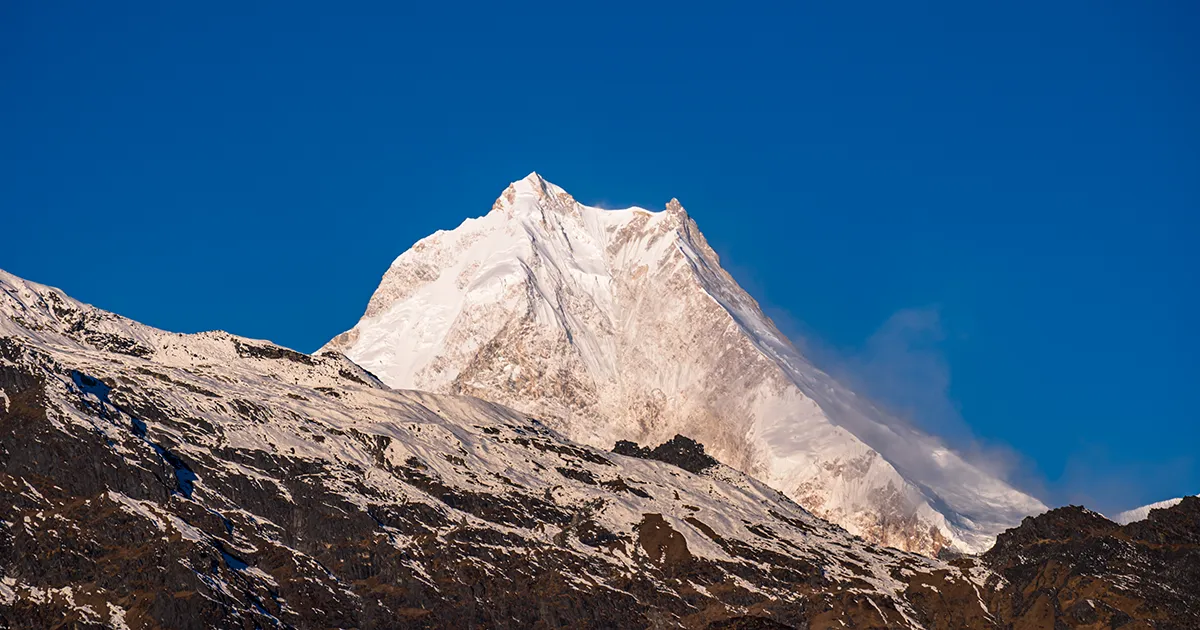
Sunrises and sunsets are especially striking, with golden light bouncing off snow-covered peaks and deep blue skies dominating the horizon.
Trail Conditions in December at Manaslu
It is pretty evident that the trail conditions in December vary vastly as the month passes, nearing more colder temperature.
Trails on Early vs Late December
In early December, most trails remain accessible and relatively dry below 3,500 meters. Snow is generally limited to higher sections, making the trek challenging but manageable.
By late December, snow accumulation increases, particularly above Sama Gaon. Trails can become icy and slower to navigate, and daily walking distances may need adjustment.
Crossing High Mountain Pass (Larkya la pass)
Crossing Larkya La Pass (5,160m) is the biggest concern for December trekkers. In early December, experienced guides regularly assess snow conditions and often manage safe crossings with early starts.
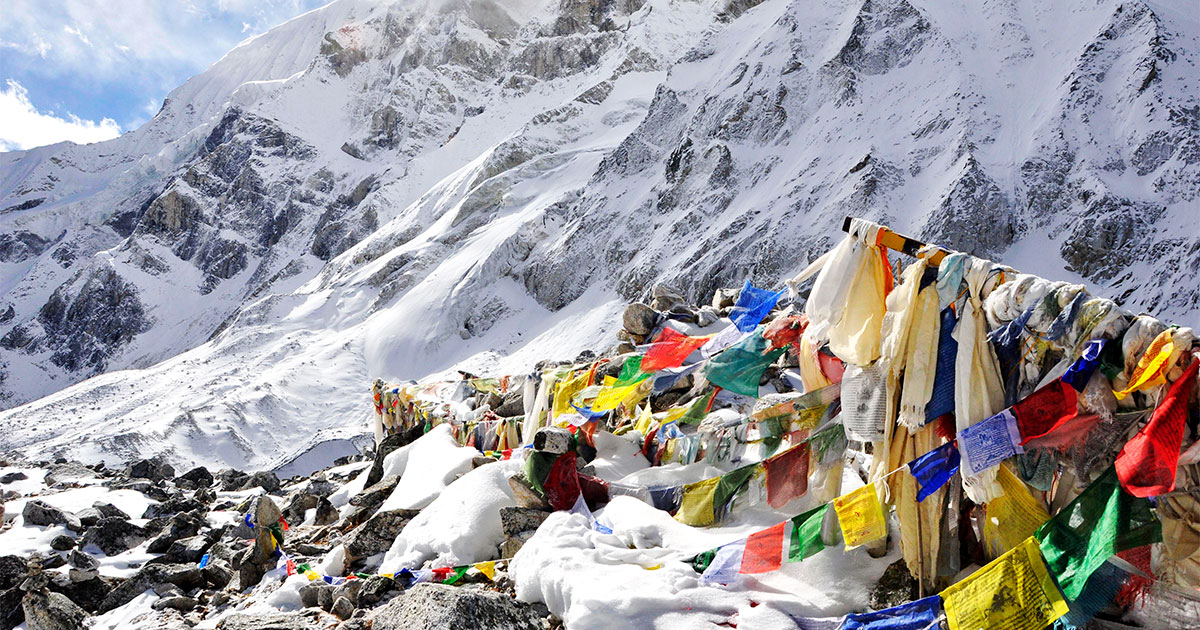
Later in the month, heavy snow or strong winds may occasionally block the pass. This is why trekking with a knowledgeable local guide, something emphasized by experienced operators like Awesome Holidays Nepal is critical in winter.
Teahouse Accommodations
Teahouses remain open in December, but options are limited. Some lodges close for winter, especially in higher villages. Rooms are basic, unheated, and cold at night. Dining areas are the warmest spaces, usually heated by a stove.
Comfort here doesn’t come from facilities, it comes from preparation.
Preparing for Winter Trek in Manaslu
One cannot actually do the winter trek in Manaslu without proper preparations. From clothing layers to the sleeping tents, everything should be sorted to avoid altitude sickness while on the trek. Here’s how you can best prepare for trekking in Manaslu during winters:
Clothing and Trekking Gears
When trekking the Manaslu Circuit in December, what you wear matters as much as how fit you are. Thus, layering you clothes in a proper way is a must. Start with base layers made of merino wool or a good quality synthetic fibers to help trap your body heat while pulling away all the moisture from your body.
The insulation layer is what truly keeps the cold at bay, especially at higher altitudes like Sama Gaon, Samdo, and Dharamsala. A high-quality down jacket rated to –10°C or lower provides excellent warmth without adding excessive weight. Your outer shell acts as protection against the elements.
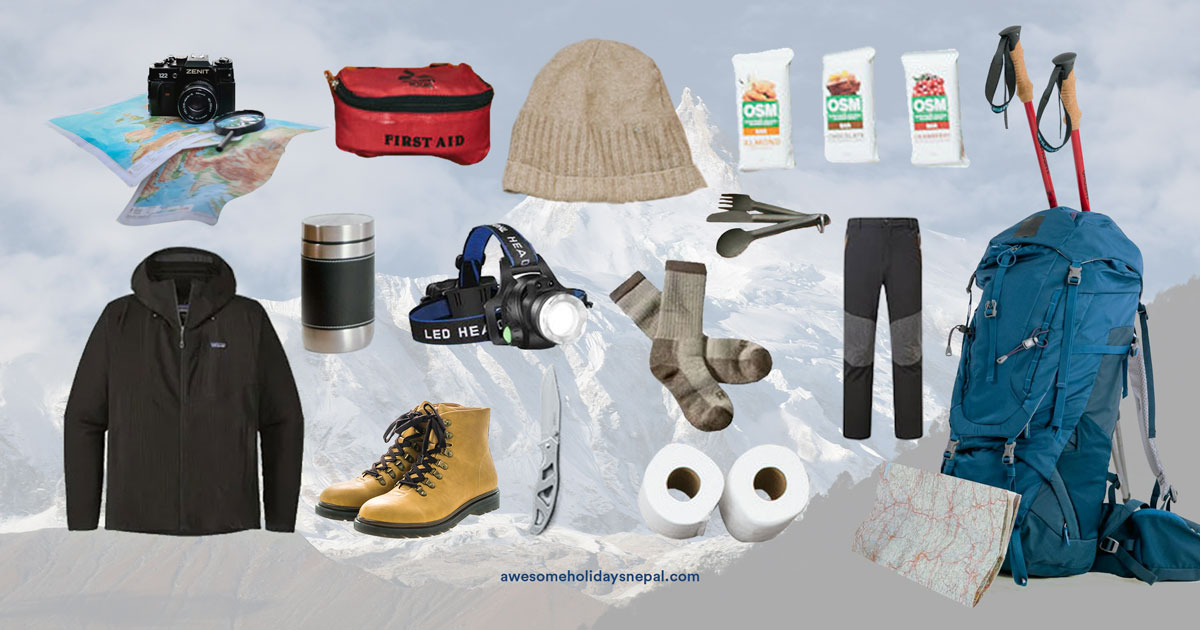
Even on clear December days, strong Himalayan winds can cut through clothing fast. A windproof and waterproof jacket and pants shield you from icy gusts, light snowfall, and unexpected weather changes. or your lower body, insulated or fleece-lined trekking pants become essential as you gain altitude. While regular trekking pants may suffice in lower valleys, higher sections demand extra warmth.
Hydrating Throughout the Trek
Cold weather suppresses thirst, but dehydration remains a serious risk. You should aim to drink 3–4 liters daily, relying on warm water, herbal teas, and soups. Insulated bottles help prevent freezing at higher elevations.
And whenever you rest out in a tea-house don’t hesitate to ask for a fill out on your thermal bottles. It’s important to avoid cold waters to stop your body from catching cold.
Eating Well on Winter Trek
Winter trekking burns more calories. Carb-heavy meals like dal bhat, noodles, potatoes, soups, and porridge are ideal. Hot meals help maintain body temperature and energy levels.
Eating well is part of staying safe in December, not just a comfort issue.
Pre-Trek Training
You need to be both physically as well as mentally fit to trek during winter season. It is important to have cardio endurance, leg strength, and stamina to trek the rough trails in worse weather conditions. Start training at least 6 weeks in advance to help your body adapt the physical strain. Stair climbing, hiking with weight, and basic strength training are quite helpful to this preparation.

Winter trekking also requires patience. Cold mornings, slower walking days, and limited comforts demand a calm mindset. Trekkers who enjoy simplicity and silence adapt best.
Comfort of Winter Trekking
While it can be tough your body to trek in harsh winter weather, it’s relaxing when it comes to solitude it offers. Crowds are minimal even more so than November. Some days, you may walk for hours without seeing another trekking group. For those seeking solitude and a raw Himalayan experience, December is unmatched.
With fewer trekkers, winter packages can be more cost-effective. Guides and porters are more available, and some logistics costs drop slightly. However, quality operators still prioritize safety and proper gear over cutting corners.
Safety Considerations
There are some safety considerations that you must be mindful of while trekking to Manaslu in winter:
-
Trek with experienced winter-season guides
Winter conditions demand local knowledge. Experienced guides know how to assess snow levels, weather shifts, and whether crossing Larkya La Pass is safe on a given day. -
Start trekking days early
Mornings are colder but more stable. Early starts help you avoid strong afternoon winds, dropping temperatures, and potential weather changes at higher elevations. -
Monitor weather updates daily
December weather is generally stable, but snow and wind can change conditions quickly. Daily checks allow itinerary adjustments before risks increase. -
Don’t rush acclimatization
Cold weather adds extra stress on the body. Proper acclimatization days at places like Sama Gaon are essential to avoid altitude-related issues. -
Carry proper winter gear
A four-season sleeping bag, insulated clothing, quality boots, gloves, and windproof layers are not optional—they are basic safety requirements in winter.
Do’s and Don’t of Manaslu Trek in December
Here’s a list of few things that you must doat any costs in December trek:
-
Pack for extreme cold
December temperatures drop sharply, especially at night and at higher elevations. Proper winter layers, a four-season sleeping bag, and insulated accessories are essential for safety and comfort. -
Listen to your guide
Winter conditions can change quickly. Guides make decisions based on weather, snow conditions, and group health—following their advice is crucial, especially around Larkya La Pass. -
Eat and hydrate well
Cold weather increases calorie burn and hides thirst. Regular hot meals, soups, and sufficient fluids help maintain energy and prevent fatigue or altitude-related issues. -
Stay flexible with plans
Snowfall or strong winds may require itinerary adjustments. Being open to changes ensures safety and reduces unnecessary risk.
What Not to D0?
-
Underestimate night temperatures
Even if days feel sunny, nights can be brutally cold. Assuming daytime comfort will carry into the evening is a common mistake. -
Rush the itinerary
Short winter days and snow-covered trails demand a slower pace. Rushing increases exhaustion and altitude-related risks. -
Trek without proper winter gear
Inadequate clothing or footwear can quickly turn dangerous in December conditions. -
Ignore early signs of altitude sickness
Headaches, dizziness, or unusual fatigue should never be dismissed. Early action prevents serious complications.
Is Manaslu Trek in Winter Worth it?
If you’re looking for warmth, social trails, and comfort, December isn’t for you. Winter brings freezing nights, basic teahouse conditions, and slower trekking days, yet it also removes the crowds and reveals the mountains in their rawest form.
But if you crave clear skies, silent trails, dramatic winter landscapes, and a deeply personal Himalayan experience, then the Manaslu Trek in December is absolutely worth it. The trail feels more personal, the villages calmer, and the journey far more immersive than during peak seasons.
It’s not an easy trek, but for the right trekker, it’s unforgettable!
FAQs
Expand AllIs the Manaslu Circuit Trek open and doable in December?
Yes, the Manaslu Circuit Trek is open and doable in December, especially in early to mid-December. The trail itself does not officially “close” for winter.
However, conditions depend on snowfall, particularly around Larkya La Pass. With proper winter gear, realistic pacing, and an experienced guide, December trekking is very much possible.
How cold does it get on the Manaslu trek in December (villages vs Larkya La Pass)?
In lower villages like Machha Khola and Jagat, daytime temperatures usually range between 8–12°C, with cold evenings.
Higher villages such as Sama Gaon and Samdo see night temperatures drop to –8°C to –12°C. At Larkya La Pass (5,160m), early morning temperatures can fall to –15°C or colder, especially with wind chill.
Does snow commonly block Larkya La Pass in December?
Snow can block the pass, but it does not happen every year. Early December often allows safe crossings, while late December has a higher risk of heavy snowfall.
Whether the pass is passable depends on recent snow, wind, and temperature, not just the calendar date. This is why guide judgment is critical.
Are teahouses fully open in December, and do rooms have heating?
Teahouses are partially open in December. Lower villages remain active, but higher villages have fewer operating lodges.
Rooms do not have heating. Only dining areas are usually warmed with a stove in the evening. Expect basic winter conditions rather than comfort.
What sleeping bag temperature rating is best for Manaslu in December?
A four-season sleeping bag rated at –15°C (or lower) is strongly recommended. Many trekkers also use a thermal liner to add warmth. Renting or bringing an under-rated sleeping bag is one of the most common winter mistakes.
Do I need Microspikes or crampons for the Manaslu trek in winter?
Microspikes are highly recommended, especially for icy sections near Samdo, Dharamsala, and Larkya La Pass. Full crampons are rarely needed unless snowfall is unusually heavy, but spikes provide safety and confidence on frozen trails.
What is the best layering system for trekking Manaslu in December?
A proper layering system for Manaslu trek in December includes:
- Thermal base layers (merino or synthetic)
- Insulating mid-layer (fleece or light down)
- Heavy down jacket (–10°C or colder rating)
- Windproof and waterproof outer shell
- Insulated or fleece-lined trekking pants
How crowded is Manaslu in December compared to October or November?
Manaslu is very quiet in December. Compared to October and November, crowds drop dramatically. Some days you may not see another trekking group at all. It’s one of the least crowded times of the year.
What permits are required for Manaslu, and can I trek without a guide?
You cannot trek Manaslu without a licensed guide. This rule applies year-round and is especially important in winter. And you need the following permits:
- Manaslu Restricted Area Permit (RAP)
- Manaslu Conservation Area Permit (MCAP)
- Annapurna Conservation Area Permit (ACAP)
How many acclimatization days should I include on a December itinerary?
At least 2 acclimatization days are recommended, typically one full day at Sama Gaon and a gradual ascent thereafter. Winter conditions add stress on the body, so rushing acclimatization is risky.
What time should I start trekking each day in December due to shorter daylight?
Most trekking days should start between 6:30–7:30 AM. Daylight is shorter, and afternoon temperatures drop quickly, especially at higher elevations. Early starts improve safety and comfort.
How do I manage drinking water when pipes freeze at higher elevations?
Use insulated bottles, drink warm water, and refill whenever possible. Teahouses usually provide boiled water even if pipes are frozen. Avoid relying on untreated natural sources in winter.
What should trekking insurance cover for a Manaslu winter trek?
An effective trekking insurance must cover the following:
- High-altitude trekking (up to 5,200m)
- Emergency helicopter evacuation
- Winter trekking conditions
- Medical treatment in Nepal
Can I combine Tsum Valley with Manaslu in December?
It is possible to combine Tsum valley with Manaslu in winter but challenging.
Tsum Valley is lower in altitude and often more manageable in winter, but adding it increases total days and exposure to cold. This combination is best for very experienced trekkers with flexible schedules.
What’s the best backup plan if weather closes the pass (route changes or extra days)?
The best backup plan is extra buffer days in your itinerary. If Larkya La Pass becomes unsafe, trekkers usually wait in Sama Gaon or Samdo until conditions improve. In rare cases, returning the same way is the only option. Flexibility is essential in December.
Related blog posts
Discover a choice of tourist destinations loved by most of our visitors. Whether you're on a jungle safari to spot rare animals or walking through a world heritage site, these well-planned itineraries cover the major highlights of Nepal.
 call an expert at: