Tucked away in Nepal’s western Himalayas, the Manaslu region feels like a journey back in time. Far from crowded trails and overdeveloped towns, this part of the country offers raw mountain scenery, deep river gorges, ancient monasteries, and villages where traditions are still lived rather than performed.
However, trekking here isn’t as simple as packing a backpack and hitting the trail. The Manaslu region is classified as a restricted trekking area in Nepal, meaning special permits, rules, and procedures apply.
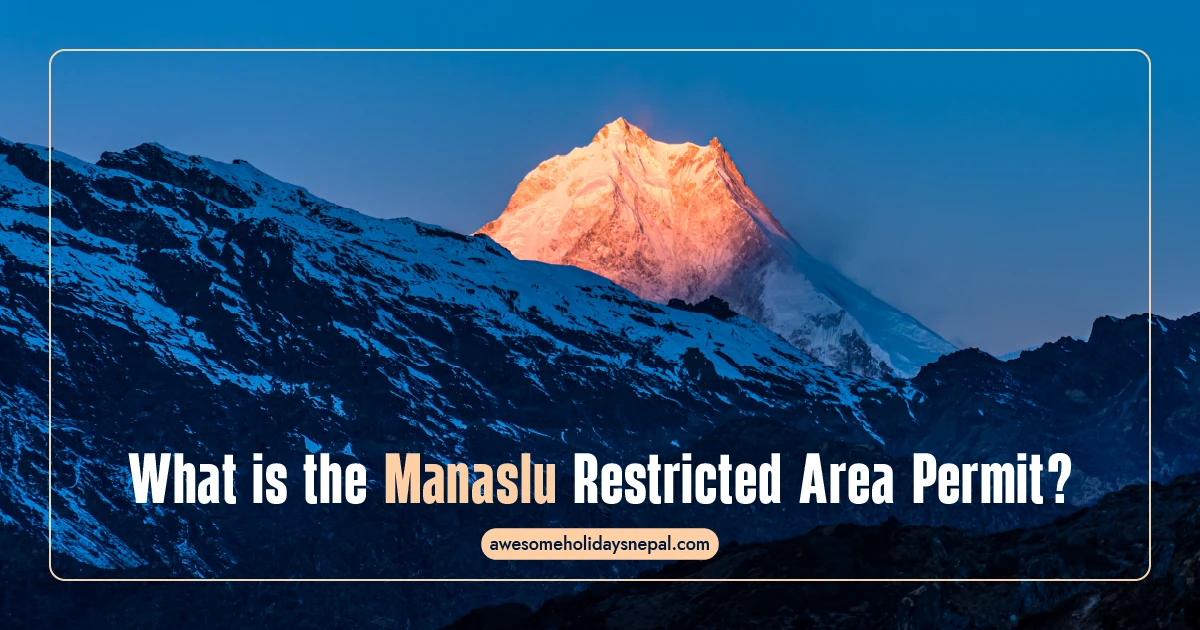
Whether you are trekking on the classic Manaslu Circuit or the traditional Tsum Valley, it is essential to understand the permit system. Let’s review the blog to better understand the Manaslu Restricted Area Permit and the rules that govern it.
The Manaslu Region offers a perfect combination of mountain views, rarely explored, challenging terrain, and rich cultural diversity among ethnic peoples. Despite being home to the 8th-highest mountain in the world, it is comparatively less explored, yet an exquisite trekking destination.
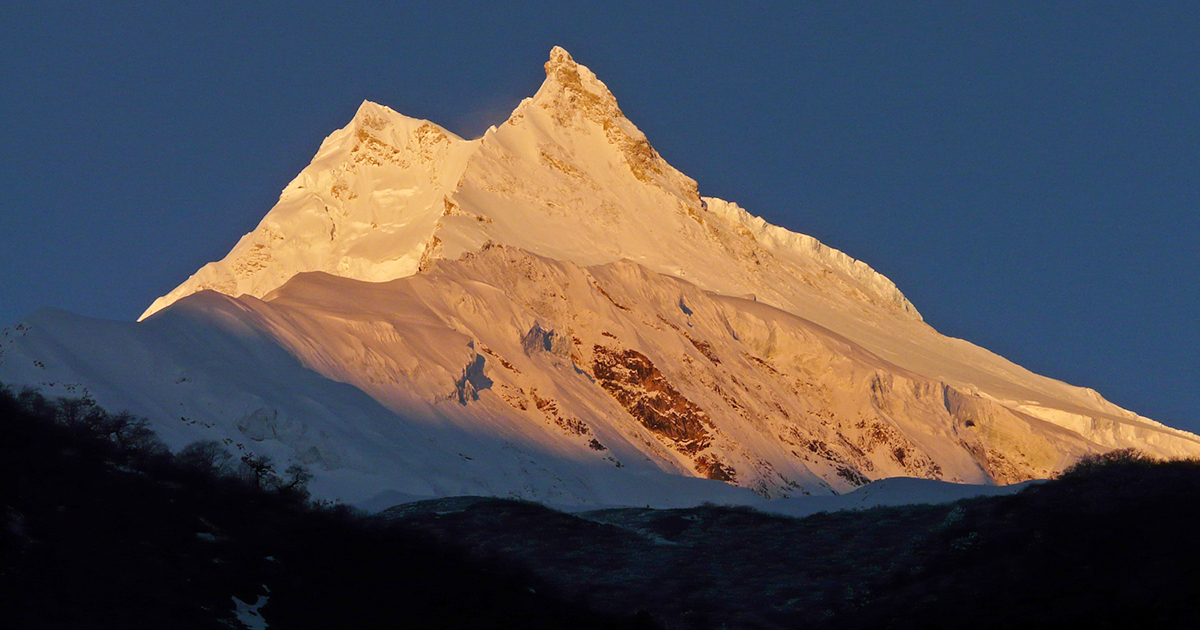
Mount Manaslu-The Killer Peak
Trekking through this region takes you across luscious subtropical forests and terraced fields that swiftly change to high-altitude countryside and alpine forests. You also get a chance to pass through the protected biodiversity of the Manaslu Conservation Area while walking on the off-beaten and quiet trails.
Apart from its pristine landscapes and breathtaking mountain views, the Manaslu region also offers a rich experience of diverse cultural heritage. Given its proximity to Tibet, villages are most likely inhabited by people who follow Buddhism but have little influence of Tibetan culture. The villages along the trail such as Samagaun, Samdo, and Lho are deeply influenced by Tibetan Buddhism. Prayer flags, mani walls, and monasteries are part of daily life rather than tourist attractions.
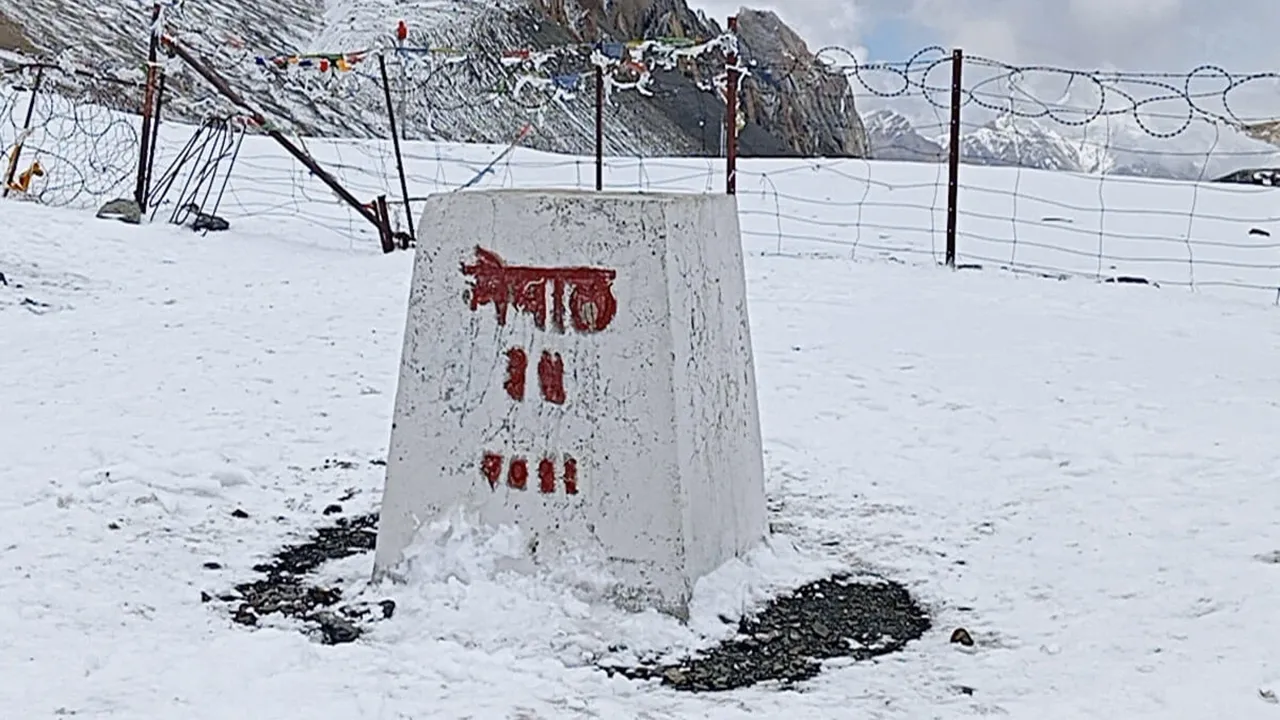
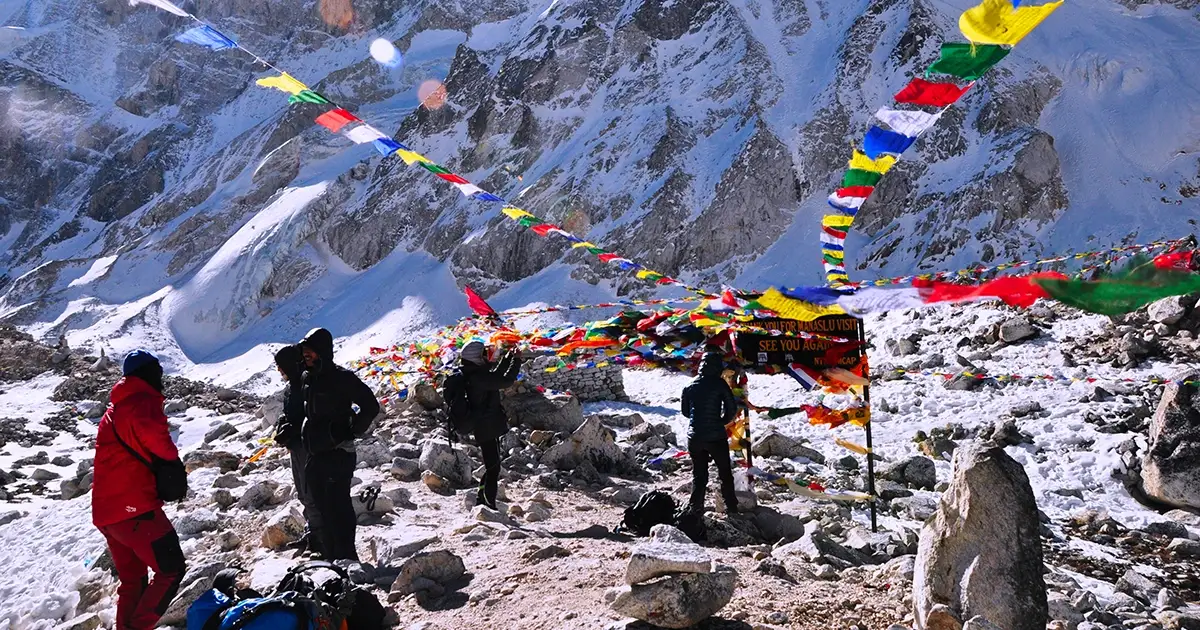
Tibetan Border in Manaslu Region
Rules for Trekking to the Manaslu Region
Trekking in Manaslu comes with a clearly defined set of rules designed to protect both travelers and the region itself. These regulations are strictly enforced at multiple checkpoints along the route.
Trekkers in these region must follow a set of rules as mentioned below:
A minimum of two trekkers is required to enter the restricted area
A licensed government-registered guide is mandatory
Independent or solo trekking is not permitted
All permits must be processed through a registered Nepali trekking agency
Entry dates must match permit dates exactly
These rules may feel restrictive at first, but they play a crucial role in preserving the region’s fragile environment and cultural heritage.
What Makes the Manaslu Area Restricted?
Manaslu was designated a restricted area primarily due to its geographical sensitivity and cultural significance. The region lies close to the Tibetan border, making controlled access essential for security reasons. Additionally, the communities living here maintain centuries-old traditions that could easily be disrupted by uncontrolled tourism.
Environmental protection is another major factor. The trails pass through delicate ecosystems that cannot support mass tourism. By regulating visitor numbers, Nepal ensures that Manaslu remains pristine, peaceful, and authentic—qualities that attract trekkers in the first place.
Manaslu Trekking Permits
Trekking in Manaslu requires more than one permit. Unlike unrestricted regions, Manaslu trekkers must carry a combination of permits, each serving a specific purpose. All permits must be carried at all times, as inspections are frequent along the trail.
The main permits include:
Manaslu Restricted Area Permit (RAP)
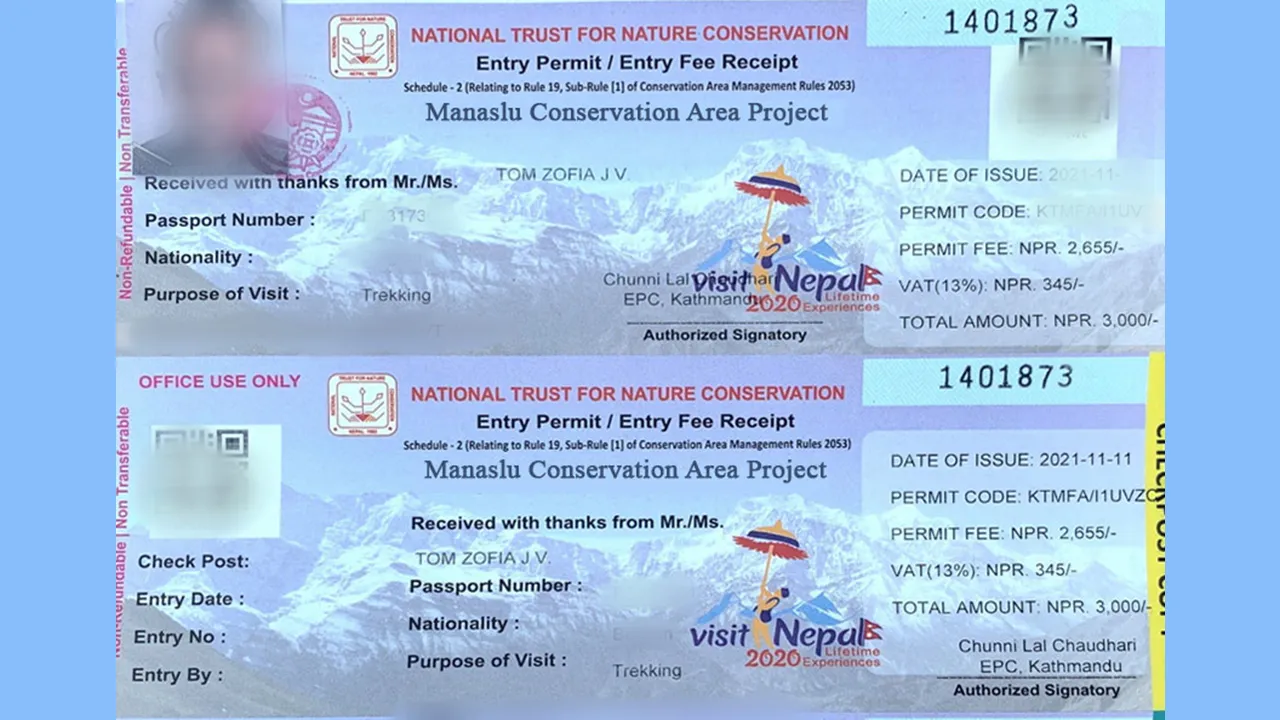
Manaslu Conservation Area Permit (MCAP)
Annapurna Conservation Area Permit (ACAP)
Manaslu Conservation Area Permit
Manaslu Restricted Area Permit
The Manaslu Restricted Area Permit (RAP) is the most important document for trekking in this region. It allows you to enter specific sections between Jagat and Samdo, which are classified as restricted.
The cost of the RAP depends on the season. During peak trekking months (September–November and March–May), the permit fee is higher, while winter and monsoon seasons are slightly cheaper. The permit is issued for a fixed number of days, and extra days come with additional charges.
How to Get the Restricted Area Permit (RAP) for Manaslu Treks?
Individual trekkers cannot apply for the RAP themselves. The process must be handled by a registered trekking agency in Nepal. Once submitted, the permit usually takes one working day to process in Kathmandu. Because entry dates are fixed, it’s important not to change your trekking schedule after the permit is issued.
To apply, you’ll need the following documents:
A valid passport
A Nepal tourist visa
Passport-size photographs
Confirmed trekking itinerary
Details of a licensed guide
Manaslu Trekking Packages
Due to permit regulations, Manaslu treks are almost always done as organized packages. These packages typically include permits, guide services, accommodation, meals during the trek, transportation, and logistics support.
Opting for a package doesn’t mean giving up flexibility. Most agencies offer customizable itineraries, allowing trekkers to adjust rest days, side trips, or combine routes like Manaslu Circuit with Tsum Valley.
Manaslu Circuit Trek
The Manaslu Circuit Trek is a 16-day adventure that takes you through Nepal’s most remote yet stunning landscapes and offers trekkers a unique blend of natural beauty, cultural richness, and adventure. This trek is perfect for adventurers seeking an off-the-beaten-path experience in the Himalayas.
Manaslu Circuit Trek
The trek begins with a drive from Kathmandu to Machha Khola, following the Budhi Gandaki River and passing through lush forests, terraced fields, and traditional villages. As you ascend, the landscape transforms into alpine meadows and high-altitude terrain, with breathtaking views of Manaslu, the eighth-highest mountain in the world.
One must pass through the challenging Larkya La Pass, one of the most rewarding sections of the route, before descending into the beautiful Bimthang Valley. You will also come across many traditional monasteries in the Tibetan villages of the region.
Tsum Valley Trek
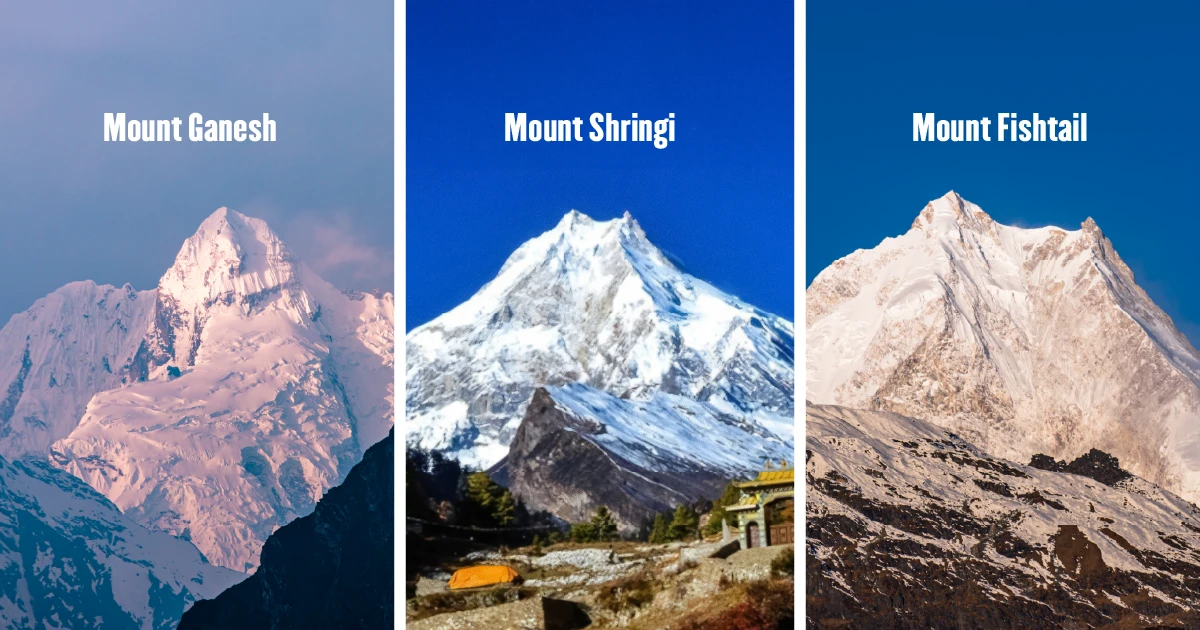
The Tsum Valley trek is an exciting adventure that takes you through the most secluded landscapes nestled between the peaks of Manaslu region. This 13 day adventure allows you to have the best opportunity to explore the rich cultural heritage of people residing in the Himalayan village. Traversing through the most rustic trails, you will be able to enjoy the most captivating sights of peaks like Ganesh, Shringi and Boudha.
Mountains Visible from Tsum Valley
Not just the natural beauty, but the cultural heritage of the Tibetan Buddhists residing here is equally interesting to experience. The valley itself is home to Tsumbas, whose art, culture, religion, and lifestyle practices reflect ancient Tibetan Buddhist traditions. In addition, the diverse biodiversity includes rare wildlife animals such as the Himalayan thar, the Blue Sheep, and the snow leopard.
Remote Yet Ethereal
The Manaslu region is not just another trekking destination, it’s an experience defined by remoteness, authenticity, and depth. While the restricted area permit system may seem complex at first, it plays a vital role in protecting the region’s environment, culture, and communities.
For trekkers willing to follow the rules, Manaslu offers something increasingly rare in the Himalayas: solitude, untouched beauty, and genuine cultural encounters. Whether you choose the Manaslu Circuit or the sacred trails of Tsum Valley, the journey is well worth the extra effort.
If you’re looking for a Himalayan trek that feels meaningful rather than crowded, Manaslu quietly stands in a league of its own.
A restricted area permit (RAP) is a special government-issued trekking permit required for certain sensitive regions of Nepal. These areas are regulated due to their proximity to international borders, fragile environments, or strong cultural significance.
Why does the Manaslu region require a special permit?
Manaslu lies close to the Tibet border and is home to traditional Tibetan Buddhist communities. The special permit helps Nepal regulate visitor numbers, protect local culture, ensure environmental conservation, and maintain safety in this remote Himalayan region.
Do I need a guide to trek Manaslu?
Yes, hiring a licensed, government-registered guide is mandatory for trekking in the Manaslu region. Independent trekking is not allowed under current regulations, and permits will not be issued without a confirmed guide arranged through a registered trekking agency.
Can I trek Manaslu solo?
No, solo trekking is not permitted in the Manaslu restricted area. A minimum group size of two trekkers is required, along with a licensed guide. Even experienced trekkers must follow this rule, and there are no official exceptions.
How much does the Manaslu restricted area permit cost?
The cost of the Manaslu RAP depends on the season. During peak trekking seasons (spring and autumn), the fee is higher, while winter and monsoon seasons are slightly cheaper. The permit is charged on a per-week basis, with additional fees for extra days beyond the initial validity period.
How many days is the Manaslu permit valid for?
The Manaslu restricted area permit is issued for a fixed number of days based on your trekking itinerary. It usually covers seven days initially, and additional days can be added at an extra cost. The permit dates must match your actual entry and exit from the restricted zone.
What documents are required for the Manaslu RAP?
To apply for the Manaslu restricted area permit, you need a valid passport, a Nepal tourist visa, recent passport-size photographs, and a confirmed trekking itinerary. The application must be submitted through a registered trekking agency along with guide details.
Is TIMS required for Manaslu Circuit Trek?
No, TIMS (Trekkers’ Information Management System) is not required for the Manaslu Circuit Trek. The restricted area permit, along with MCAP and ACAP, replaces the need for TIMS in this region.
Where do you apply for the Manaslu permit?
Manaslu permits are issued in Kathmandu through registered trekking agencies. Individual trekkers cannot apply directly. All documentation is handled by the agency, and permits are processed through the Department of Immigration.
What happens if you trek Manaslu without a permit?
Trekking without a valid permit is illegal and can lead to fines, being turned back at checkpoints, or even legal action. Since permit checks are frequent along the trail, trekking without proper documentation is not practical or worth the risk
Are permit rules enforced on the trail?
Yes, permit rules are strictly enforced in the Manaslu region. There are multiple checkpoints where officials check permits, guide licenses, and group details. Trekkers without proper documentation are not allowed to continue.
Does the permit cost change by season?
Yes, the Manaslu restricted area permit cost changes depending on the trekking season. Spring and autumn have higher permit fees due to high demand, while winter and monsoon seasons offer lower rates.
Can permit dates be changed once issued?
No, permit dates cannot be changed once the Manaslu RAP is issued. If your trekking schedule changes, a new permit must be applied for, which may involve additional costs. This is why confirming your itinerary before applying is extremely important.
As a polished and passionate writer, Sujata has created content for different types of businesses. She believes good content is the key to reaching out to potential clients through your website. Working as a Sr. Content Writer for Awesome Holidays Nepal, she intends to guide adventurers through the Himalayan country's lovely atmosphere and diverse landscapes with detailed itineraries and informative blogs. Besides writing, Sujata loves traveling and reading good books.
Related blog posts
Discover a choice of tourist destinations loved by most of our visitors. Whether you're on a
jungle safari to spot rare animals or walking through a world heritage site, these
well-planned itineraries cover the major highlights of Nepal.




 call an expert at: