
Kathmandu Walking Tour Guide: Best Heritage Walks for First-Time Visitors
 Sujata Pokhrel
Have you ever tried exploring the narrow alleys in the heritage sites of Kathmandu? If not yet, then you must try the Kathmandu walking tours to experience the other side of this cultural city.
A walking tour in Kathmandu isn’t just about sightseeing. It’s about noticing the details: carved wooden windows, hidden shrines at street corners, locals offering morning prayers, and the quiet hum of history that runs through the city.
For first-time visitors, walking is the most natural way to understand how the past and present coexist here. Let’s get through the blog to better understand the different heritage walk routes and experience the Kathmandu heritage walk tour.
What Does Heritage Walk Mean?
A heritage walk is more than a casual stroll through a city. It’s a guided or self-guided journey through places that hold historical, cultural, and architectural significance.
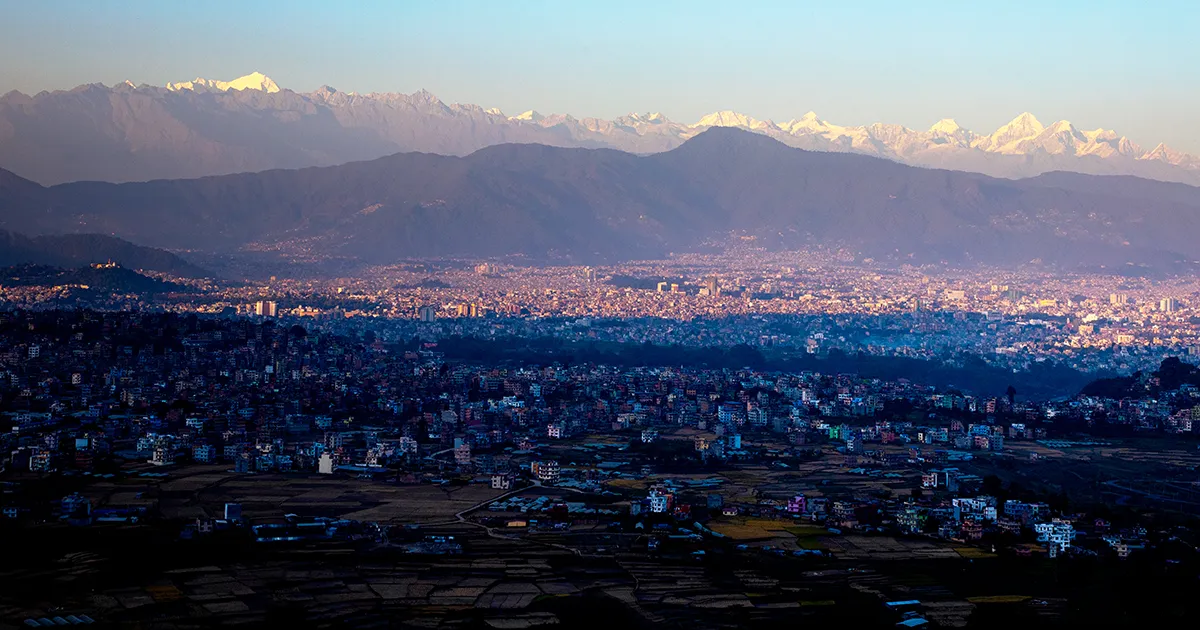
In a city like Kathmandu, where heritage is woven into everyday life, a simple walk can take you past UNESCO-listed monuments, ancient trade routes, and living temples that are still actively used. Unlike museum visits, heritage walks are immersive. You’re not just observing history, you’re walking through it.
Why Choose a Walking Tour in Kathmandu?
Kathmandu is uniquely suited for walking tours, especially within the old city areas. The streets are narrow, layered, and often inaccessible by vehicles, which makes walking the only way to fully explore them.
Walking allows you to:
- Experience local life up close
- Discover hidden courtyards and shrines
- Appreciate intricate architecture and craftsmanship
- Move at your own pace without missing small details
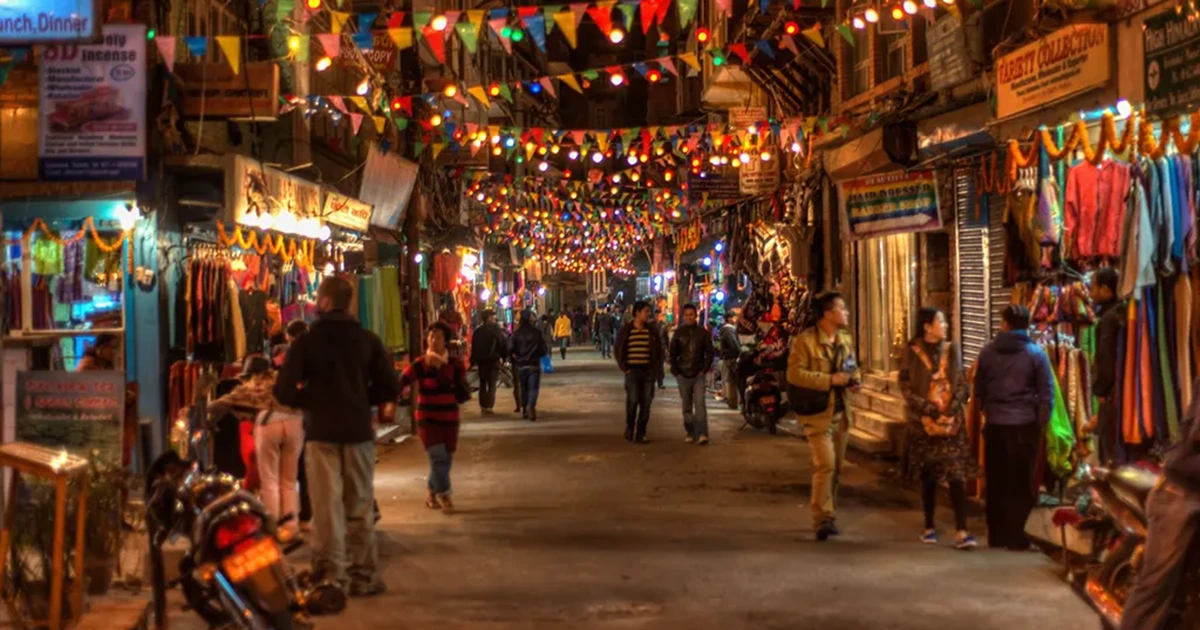
Areas like Asan Bazaar or Thamel feel completely different when explored on foot. What might seem chaotic from a vehicle becomes fascinating and full of character when you walk through it.
Things to Know Before Kathmandu Walking Tour
Before heading out, a little preparation goes a long way. Here are a few things you need to keep i mind:
- Timing matters: Early mornings and late afternoons are ideal. The light is softer, temperatures are pleasant, and the streets are less crowded.
- Dress appropriately: Comfortable walking shoes are essential. Since many routes pass through religious sites, modest clothing is recommended.
- Entry fees: Heritage zones like Kathmandu Durbar Square and Patan Durbar Square require entry tickets for foreign visitors.
- Stay hydrated and carry cash: Small shops and local vendors often prefer cash, and you’ll likely want to try snacks along the way.
- Be respectful: Always be mindful when visiting temples and photographing people or rituals.
Best Heritage Walking Routes in Kathmandu
Kathmandu offers a variety of walking routes, each with its own character. Some are lively and crowded, others peaceful and spiritual. For first-time visitors, a mix of both gives a balanced introduction to the city.
Kathmandu Durbar Square to Asan Bazaar Walk
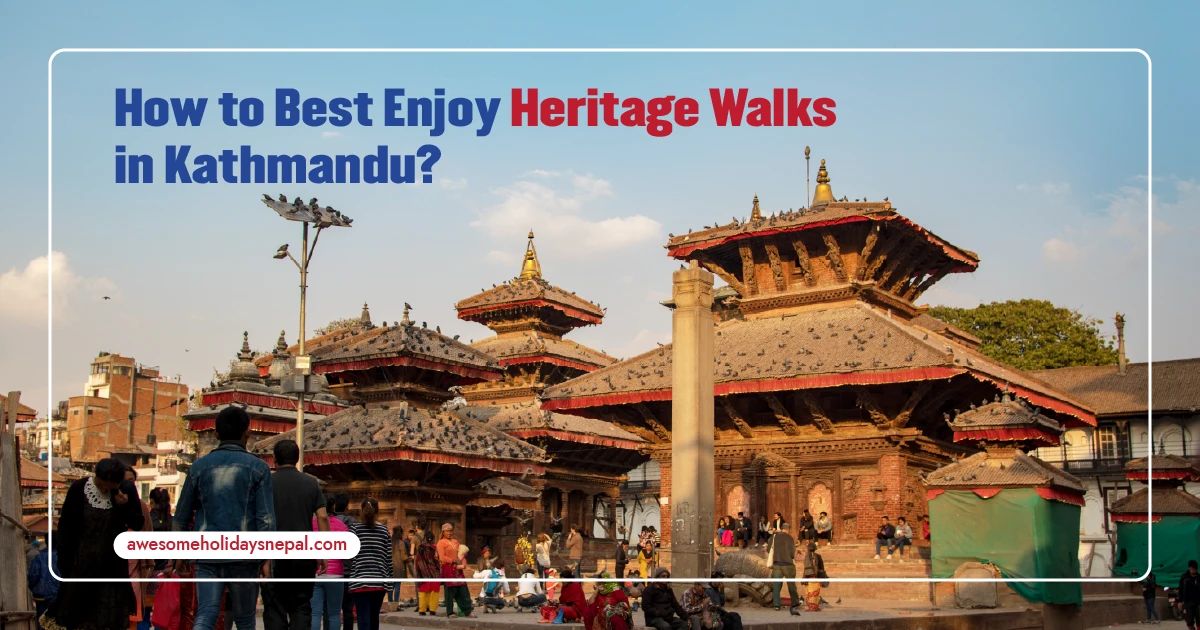
This is one of the most classic heritage walks in the city. Starting at Kathmandu Durbar Square, you’re immediately surrounded by ancient palaces, temples, and courtyards that date back centuries.
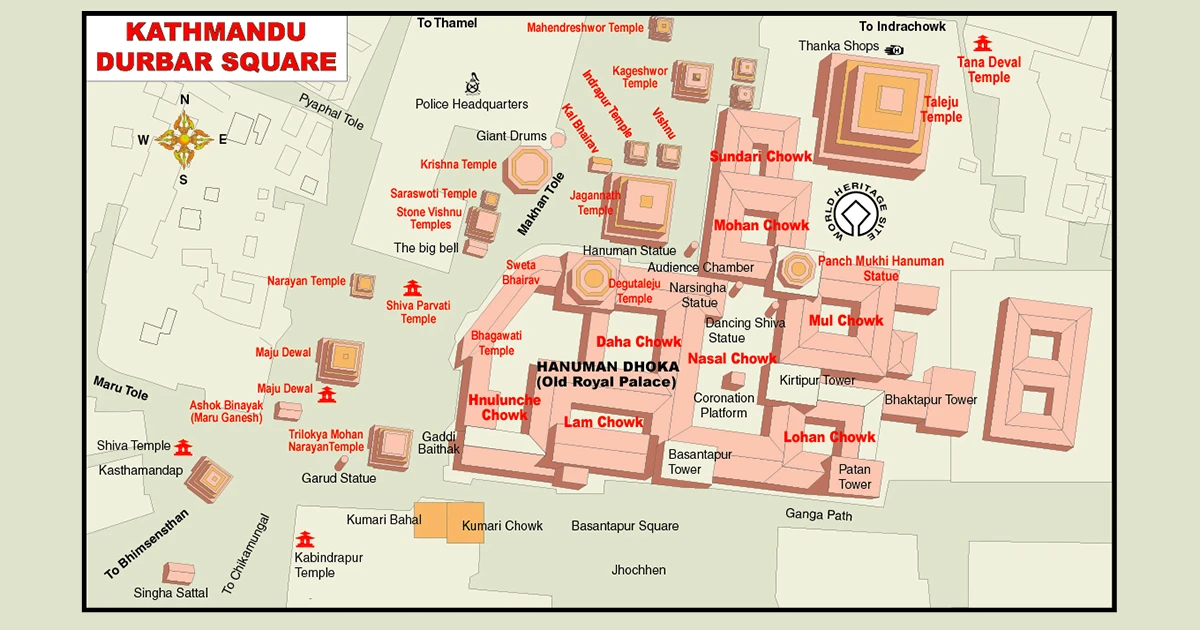
As you walk towards Asan Bazaar, the atmosphere shifts. The quiet grandeur of the square gives way to a bustling marketplace filled with spices, vegetables, textiles, and locals going about their daily routines.
This route captures the essence of Kathmandu where history and daily life blend seamlessly.
Thamel to Swayambhu Walk
Starting from Thamel, the city’s tourist hub, this walk gradually leads you away from busy streets toward a more spiritual setting.
The final destination, Swayambhunath Stupa, sits atop a hill overlooking the valley. The climb up the stone steps can be a bit challenging, but the views and the peaceful atmosphere at the top make it worthwhile.
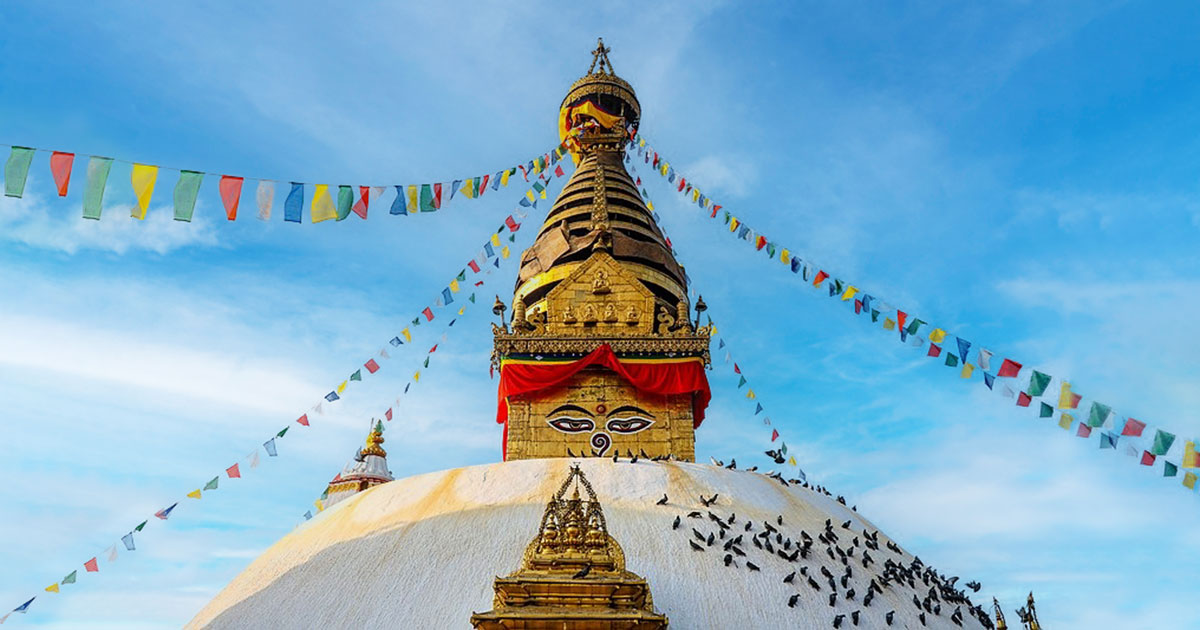
Along the way, you’ll notice the transition from shops and cafes to quiet residential areas and finally to a sacred space filled with prayer flags and spinning wheels.
Patan Durbar Square Heritage Walk
Located in Lalitpur, just across the river from Kathmandu, Patan Durbar Square offers a more relaxed walking experience.
The area is known for its beautifully preserved Newar architecture, intricate wood carvings, and peaceful courtyards. Walking here feels less rushed, allowing you to take your time exploring temples, museums, and traditional neighborhoods.
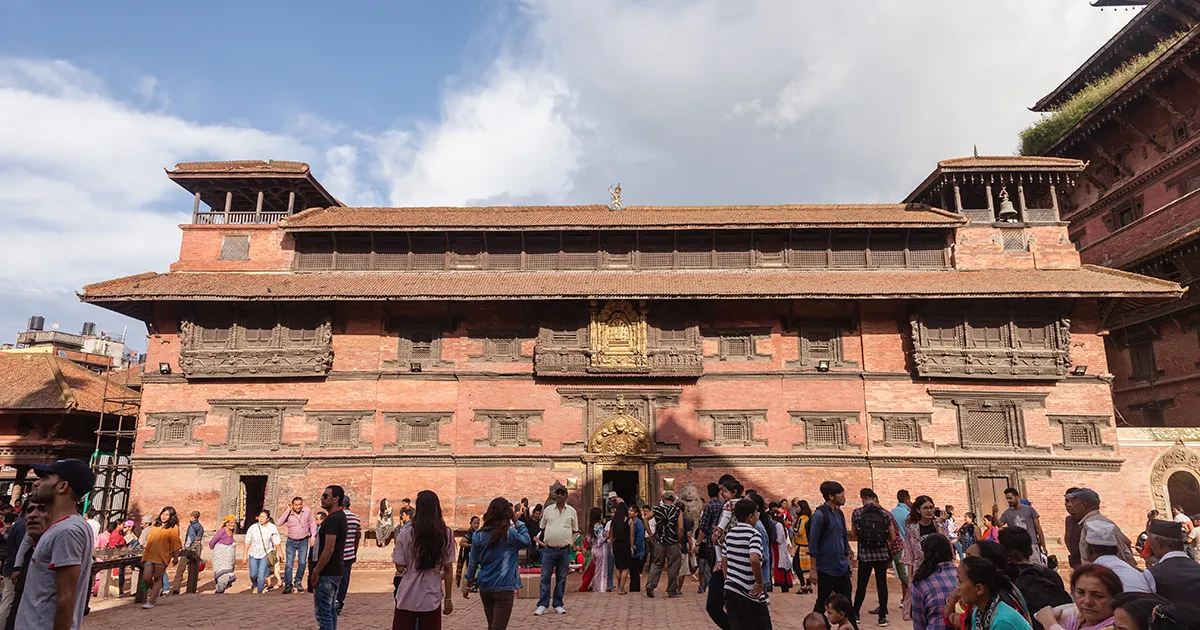
It’s an ideal route for those who want a quieter, more reflective experience.
Monastery Walk at Boudhanath
The area around Boudhanath Stupa offers a completely different atmosphere.
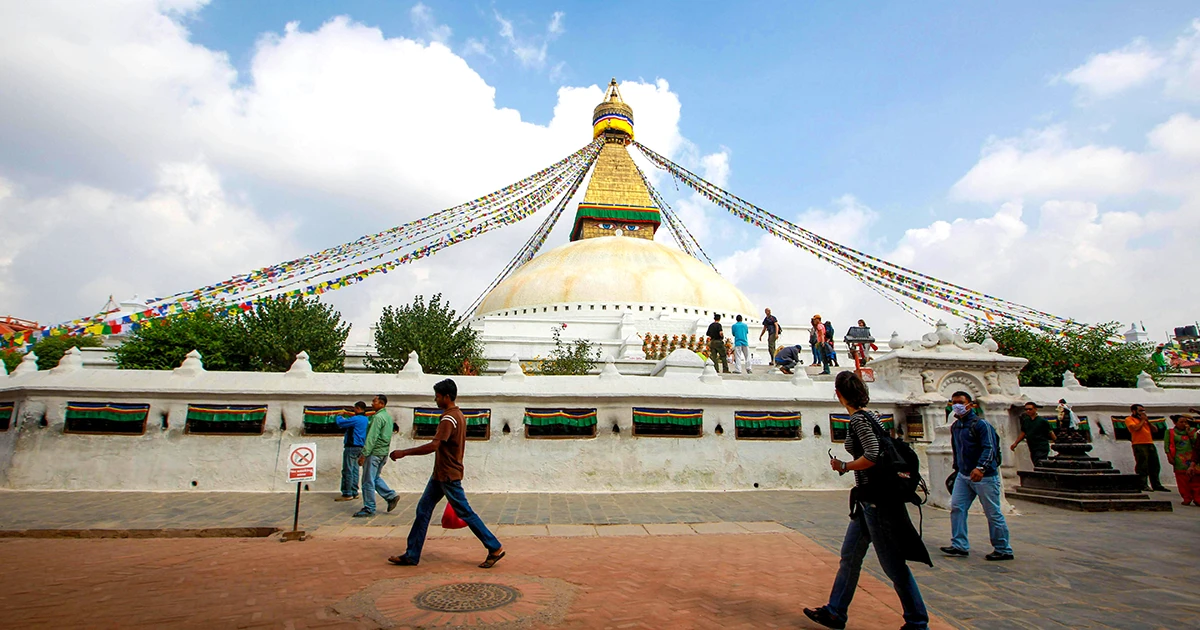
Instead of crowded markets, you’ll find a calm, spiritual environment. Walking clockwise around the stupa alongside monks, pilgrims, and locals is a unique experience. The sound of prayer wheels and soft chants creates a sense of peace that contrasts with the busy streets elsewhere in the city.
Small monasteries, rooftop cafes, and Tibetan shops surround the stupa, making it a great place to slow down and observe.
Pashupatinath Temple Area Walk
A walk around Pashupatinath Temple is both cultural and deeply spiritual.
Located along the Bagmati River, this sacred Hindu site is known for its temples, ghats, and daily rituals. Visitors can walk along the riverbanks, observe ceremonies from a respectful distance, and explore the surrounding forested paths and smaller shrines.
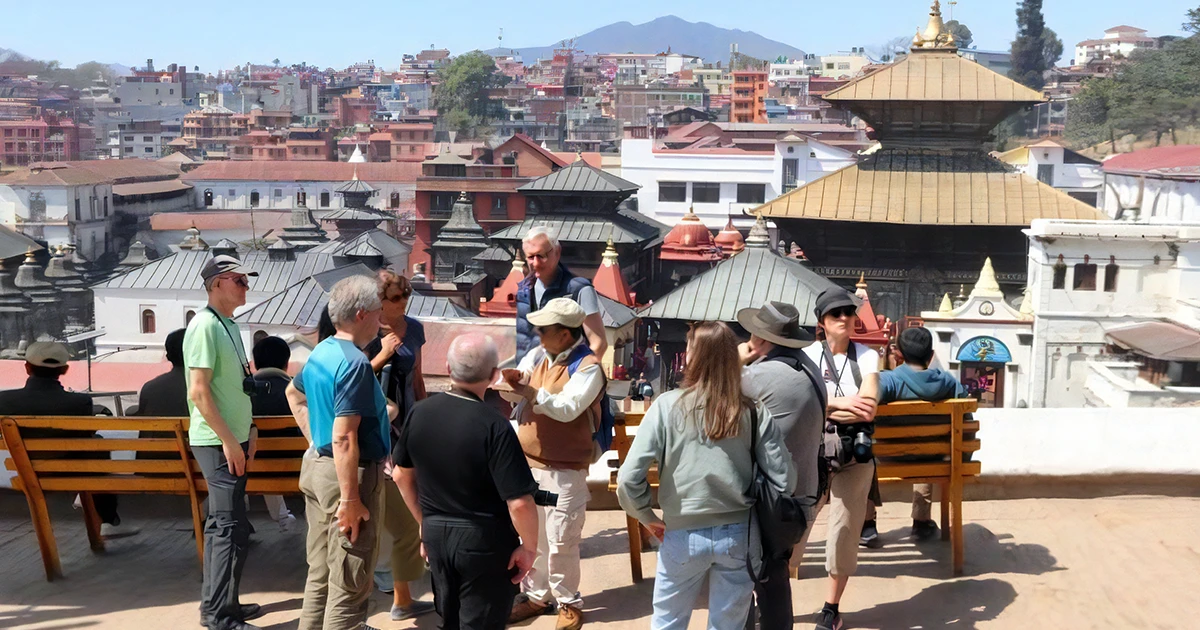
It’s an eye-opening experience that offers insight into local traditions and beliefs.
Guided vs Non-guided Heritage Walks
Both guided and self-guided walks have their advantages.
Guided walks provide context. A knowledgeable guide can explain the history behind temples, decode symbolism, and share stories you might otherwise miss. Self-guided walks, on the other hand, offer flexibility. You can move at your own pace, take detours, and spend more time in places that interest you.
For first-time visitors, a mix of both often works best, start with a guided walk to understand the basics, then explore independently.
Common Mistakes to Avoid in Heritage Walk
A walking tour in Kathmandu may seem simple, but a few common mistakes can take away from the experience, especially for first-time visitors.
One of the biggest is trying to cover too much in a single day. Areas like Kathmandu Durbar Square, Asan Bazaar, or the climb to Swayambhunath Stupa deserve time and attention. Rushing through them often means missing the details that make these places special.
Ignoring cultural etiquette is another common misstep. Sites such as Pashupatinath Temple and Boudhanath Stupa are active religious spaces, so dressing modestly and being respectful while observing rituals is important.
Practical oversights also matter. Uncomfortable shoes can make walking difficult on uneven streets, and not carrying enough water or cash means missing out on small local experiences, especially in places like Thamel.
Above all, avoid rushing. Kathmandu reveals itself slowly. The more time you take to observe and explore, the richer your experience becomes.
Witness Paradise on Foot
A walking tour in Kathmandu is not just about moving from one landmark to another. It’s about experiencing the city in its most authentic form on foot, at street level, where life unfolds naturally.
From the historic charm of Kathmandu Durbar Square to the spiritual calm of Boudhanath Stupa and the hilltop serenity of Swayambhunath Stupa, each walk offers a different perspective.
For first-time visitors, these heritage walks are more than just routes, they’re an introduction to the soul of Kathmandu. Slow down, stay curious, and let the city guide you.
FAQs
Expand AllWhat does UNESCO include in the Kathmandu Valley World Heritage property?
The UNESCO World Heritage property in the Kathmandu Valley includes seven monument zones: Kathmandu Durbar Square, Patan Durbar Square, Bhaktapur Durbar Square, Swayambhunath Stupa, Boudhanath Stupa, Pashupatinath Temple, and Changu Narayan Temple.
Is Kathmandu Valley the same as Kathmandu city for sightseeing purposes?
No. Kathmandu Valley includes multiple cities like Kathmandu, Lalitpur (Patan), and Bhaktapur. Kathmandu is just one part of the valley.
Does Nepal Tourism Board publish an official Kathmandu Heritage Walk?
Yes, the Nepal Tourism Board provides recommended heritage walk routes for visitors.
What does the official Kathmandu Heritage Walk focus on?
It focuses on exploring the historic core of Kathmandu—especially traditional markets, temples, and old trade routes within the city.
Which stops does NTB highlight on the Kathmandu Heritage Walk?
Nepal Tourism Board (NTB) highlights stops like Kathmandu Durbar Square, Indra Chowk, and Asan Bazaar.
Is Asan relevant to a first-time heritage walk in Kathmandu?
Yes, Asan Bazaar is one of the most vibrant and culturally rich stops, offering a glimpse into local daily life.
Where exactly is Asan in the old city?
Asan lies in the heart of old Kathmandu, between Kathmandu Durbar Square and Thamel.
Does Nepal Tourism Board also publish an official Patan Heritage Walk?
Yes, the Nepal Tourism Board also outlines a heritage walk for Patan.
Where does the Patan Heritage Walk start?
Patan heritage walk usually begins at Patan Durbar Square.
Which Patan stops does NTB highlight?
Highlighted spots include Patan Durbar Square, Krishna Mandir, Hiranya Varna Mahavihar (Golden Temple), and Mahabouddha Temple.
Is Patan Museum part of the Durbar Square area?
Yes, Patan Museum is located within Patan Durbar Square.
What are the Patan Museum opening hours?
Patan Museum is typically open from around 10:30 AM to 5:30 PM, though timings may vary slightly.
Where is Boudha located relative to central Kathmandu?
Boudhanath Stupa lies about 6–7 km northeast of central Kathmandu.
Why is Boudha important?
It is one of the largest stupas in the world and a major center of Tibetan Buddhism, attracting pilgrims and visitors alike.
Where is Swayambhunath located relative to Kathmandu?
Swayambhunath Stupa is situated on a hill about 2–3 km west of central Kathmandu.
Why is Swayambhunath important?
It is one of Nepal’s oldest and most sacred religious sites, known for its panoramic valley views and spiritual significance.
Can first-time visitors treat Boudha and Swayambhunath as the same walk as old Kathmandu?
No. Boudhanath Stupa and Swayambhunath Stupa are separate from the old city core and require transport between them.
Can non-Hindus enter the main Pashupatinath temple complex?
Non-Hindus are not allowed inside the main temple, but they can explore the surrounding areas.
What can non-Hindu visitors do at Pashupatinath?
Visitors can walk along the Bagmati River, observe rituals from designated areas, and explore nearby shrines around Pashupatinath Temple.
Is photography allowed at Pashupatinath?
Photography is allowed in outer areas but should be done respectfully, especially near rituals.
Are leather items allowed inside the Pashupatinath temple complex?
Leather items are generally discouraged inside sacred areas.
What is the official foreign visitor entry fee for Kathmandu Durbar Square?
Kathmandu Durbar Square typically charges around NPR 1,000 for foreign visitors
What is the official foreign visitor entry fee for Patan Durbar Square?
Patan Durbar Square typically charges around NPR 1,000 for foreign visitors.
What is the official foreign visitor entry fee for Boudha?
Boudhanath Stupa usually charges around NPR 400 for foreign visitors.
What is the official foreign visitor entry fee for Swayambhunath?
Swayambhunath Stupa generally charges around NPR 200 for foreign visitors.
What is the official foreign visitor entry fee for Pashupatinath?
Pashupatinath Temple typically charges around NPR 1,000 for foreign visitors.
Is Patan a strong first-time option for travellers who want a cleaner route structure?
Yes, Lalitpur (Patan) offers a more organized and less chaotic walking experience.
Is old Kathmandu a stronger option for visitors who want market atmosphere?
Yes, areas like Asan Bazaar and Indra Chowk provide a lively, market-focused experience.
Related blog posts
Discover a choice of tourist destinations loved by most of our visitors. Whether you're on a jungle safari to spot rare animals or walking through a world heritage site, these well-planned itineraries cover the major highlights of Nepal.


 call an expert at: