
Kathmandu 2-Day Itinerary for First-Time Visitors
 Sujata Pokhrel
What does the Kathmandu 2-day itinerary look like? That’s a pretty vague question to answer, especially for a first-time visitor.
From city tours of heritage sites to UNESCO World Heritage Site exploration, Kathmandu offers a wide range of options. If you are a core adventurer, you will also have an option to day hike in the surrounding hills.
Frankly speaking, Kathmandu isn’t a place you can cover in a day. It’s so loud, layered, chaotic, and artistic that you can’t see everything in just 2 days; neither should you try. However, you can still experience a balanced and meaningful stroll around the city.
Let’s get through the blog to better plan your itinerary for a short 2-day stay in Kathmandu.
Overview of Kathmandu
Kathmandu is not just Nepal’s capital, it’s the cultural and historical heart of the country. The city sits in a bowl-shaped valley surrounded by green hills, ancient towns, and centuries-old sacred sites.
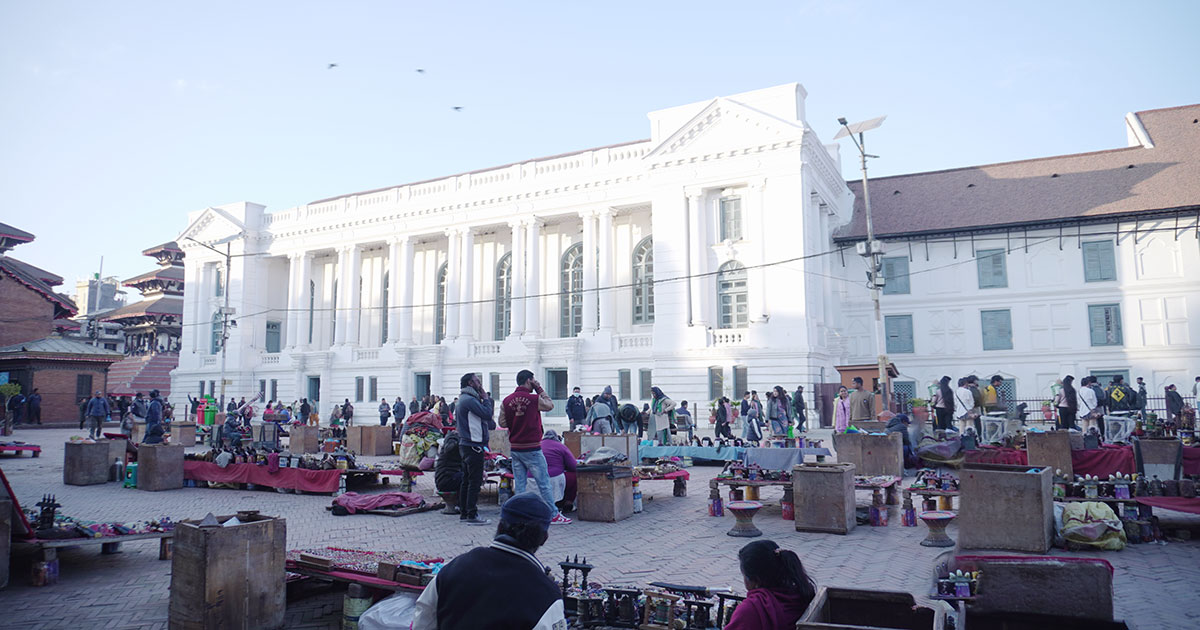
What makes Kathmandu unique is how seamlessly everyday life blends with history. Temples stand beside tea shops. Prayer flags flutter above busy intersections. A walk through the city can feel overwhelming at first, but once you slow down, the rhythm starts to make sense.
For first-time visitors, two day is more than enough to understand the city’s cultural roots, and visit major heritage as well as spiritual landmarks. All you to do is choose the kind of itinerary that fits your taste and way of exploration.
Kathmandu 2-Day Itinerary Options
Not every traveler wants the same Kathmandu experience. Some want history, some want adventure, and others are looking for calm and introspection. Below are the most realistic ways to structure your two days.
An All-Inclusive City Tour
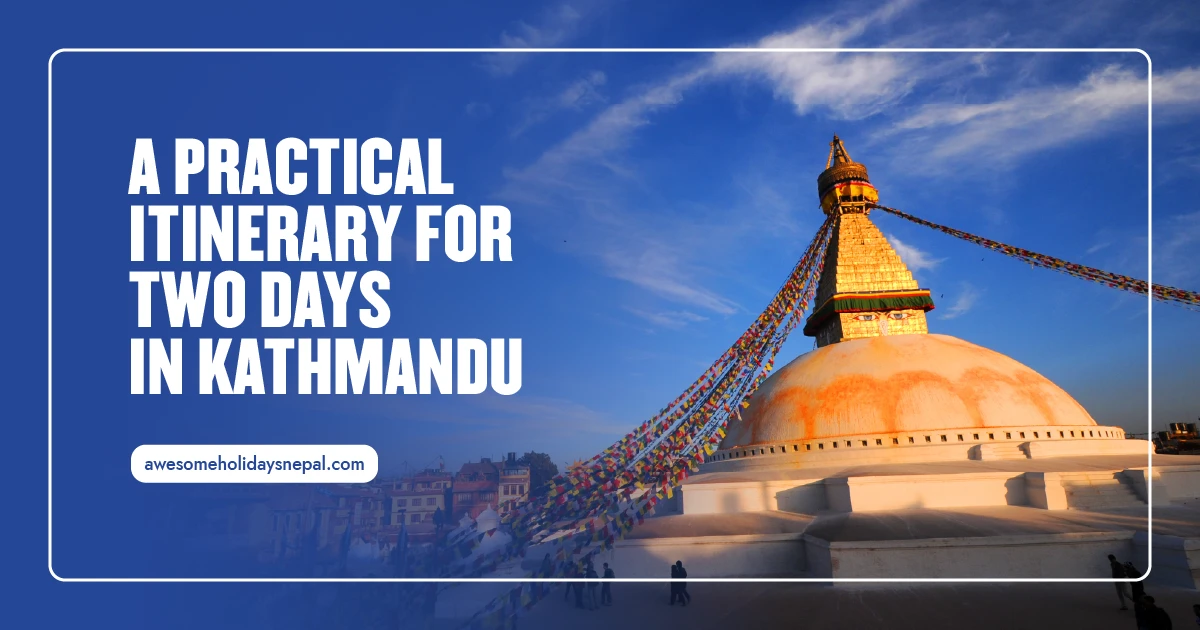
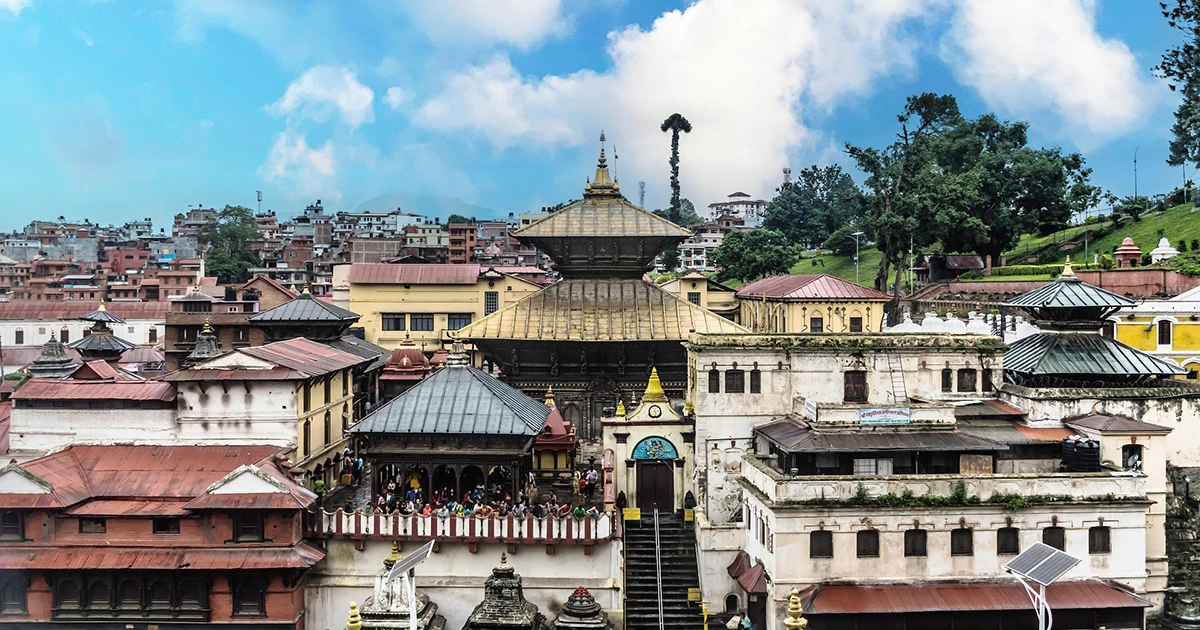
For first time visitors, an all-inclusive city tour is the best way to experience the best of Kathmandu. Typically, the tour includes an exploration of major cities like Kathmandu Durbar Square, Swayambhunath temple, Pashupatinath temple, Boudhanath stupa etc.
Such kind of tour have a simple advantage. You get to see the city highlights without worrying about logistics, transport, or time management. A guided tour also helps decode the symbolism behind temples, rituals, and architecture, which can otherwise feel confusing for newcomers.
This option works best for travelers who want context, structure, and comfort in a short time.
For Adventure Lovers
If you’re the kind of traveler who prefers movement over monuments, Kathmandu still has plenty to offer. Since it’s a valley, the surrounding hills are perfect options for one-day hike. Many destinations in the outskirts such as Nagarkot and Dhulikhel are some of the best sunrise/sunset destinations.

You can easily combine a morning hike with light city exploration in the afternoon. The surrounding hills offer fresh air, quiet trails, and panoramic views, perfect if you want a break from the city’s intensity.
This option suits travelers who enjoy active exploration and outdoor experiences.
UNESCO World Heritage Tour
Kathmandu Valley is home to one of the highest concentrations of UNESCO World Heritage Sites in the world. If history and architecture fascinate you, this itinerary is ideal.
Key sites usually include:
- Kathmandu Durbar Square
- Patan Durbar Square
- Bhaktapur Durbar Square
- Swayambhunath
- Boudhanath
- Pashupatinath
You won’t explore every corner in detail, but you’ll gain a strong understanding of Nepal’s ancient kingdoms, artistry, and religious traditions.
This is a great choice for travelers who enjoy storytelling through monuments.
Cultural Exploration
Cultural exploration in Kathmandu is about slowing down and experiencing the city as locals do. Instead of rushing between landmarks, you wander through markets like Ason and Indra Chowk, where daily trade, street sounds, and temple rituals blend naturally into everyday life.
You’ll pass through artisan neighborhoods where traditional crafts are still practiced, observe small rituals and local festivals, and sit down to enjoy home-style Newari food prepared with generations of tradition behind it.
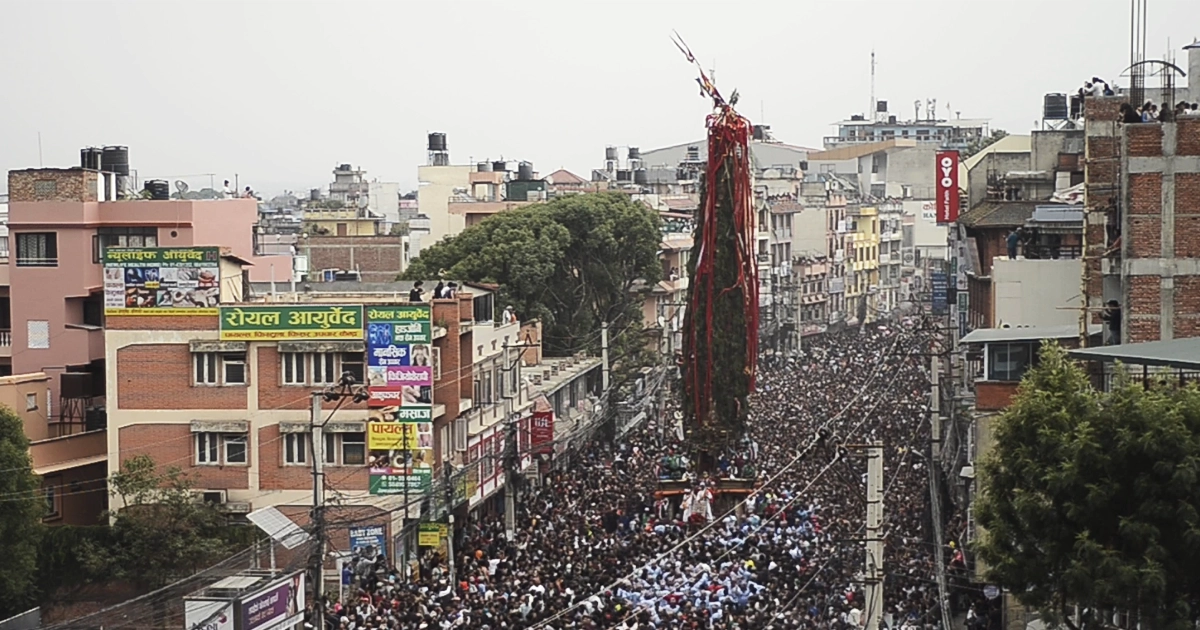
You may visit fewer famous sites, but you’ll leave with a deeper, more genuine understanding of how Kathmandu truly lives and breathes, perfect for travelers who value authentic local experiences.
Sunset/Sunrise Tour
Kathmandu’s beauty often shows itself during the quieter hours, when the city slows down and the crowds thin out. Early mornings and gentle evenings reveal a softer, more contemplative side of the valley that many visitors never get to experience.
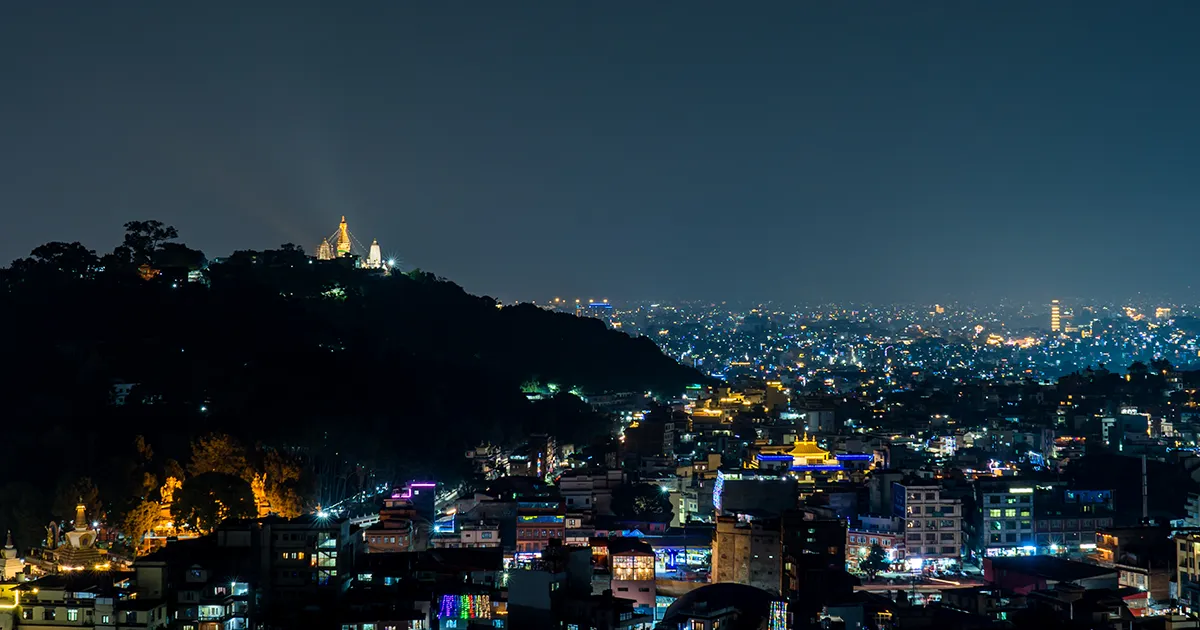
Watching the sunrise from Swayambhunath as prayer flags flutter and monks begin their day creates a calm, almost meditative atmosphere. For wider Himalayan views, sunrise trips to Nagarkot or Chandragiri offer fresh air and sweeping landscapes bathed in golden light.
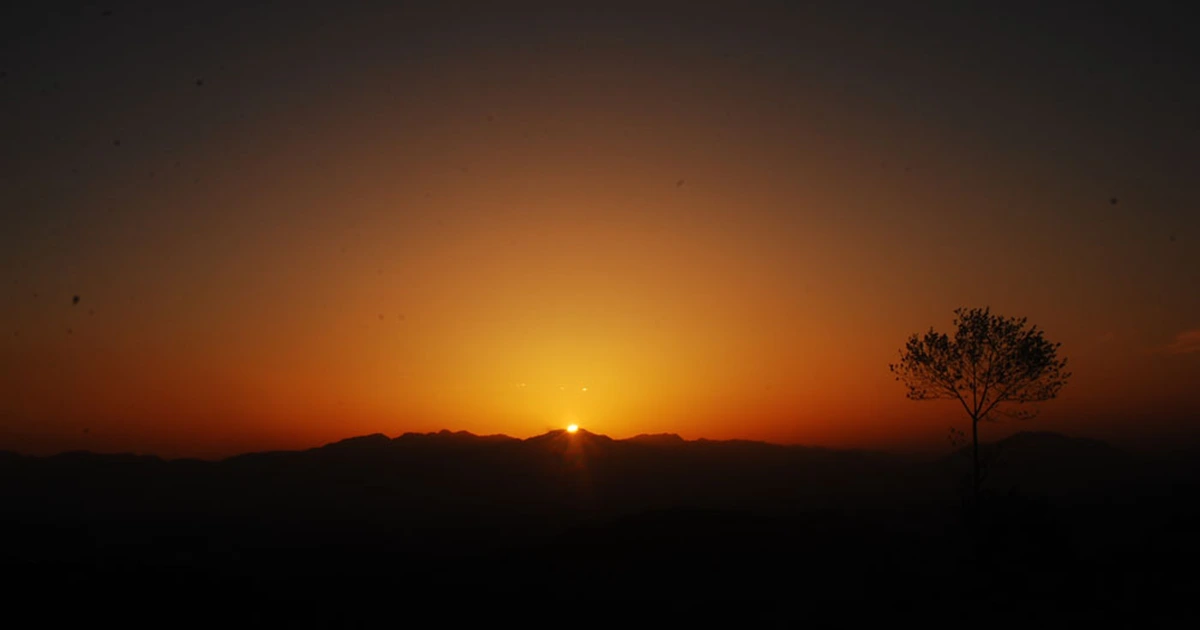
As the day winds down, spending sunset at one of the rooftop cafés around Boudhanath allows you to watch the stupa glow as devotees walk their evening kora below. These moments, marked by warm light and quiet energy, provide a peaceful contrast to Kathmandu’s usual bustle.
Yoga and Meditation
Kathmandu also serves as a quiet spiritual retreat for many travelers who are looking to slow down and reconnect. Beyond its busy streets and historic squares, the city offers peaceful spaces where reflection and inner balance take center stage.
A two-day itinerary can easily include early morning yoga sessions, often held in serene studios or monastery courtyards, followed by guided meditation or sound healing experiences that help calm the mind.
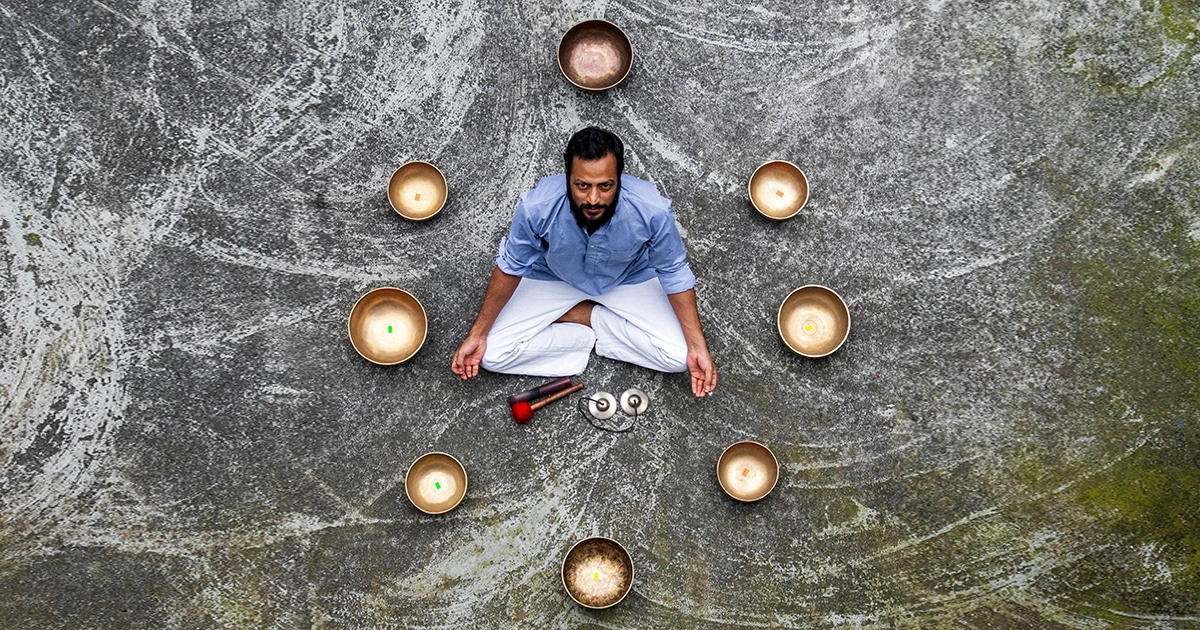
Visits to monasteries or ashrams offer a glimpse into Nepal’s deeply rooted spiritual traditions and daily practices. This gentle, unhurried approach allows you to recharge both physically and mentally while still forming a meaningful connection with Kathmandu’s spiritual soul.
Best Things to Experience in Kathmandu
No matter which itinerary you choose, certain experiences add real depth to a short visit and help you connect with Kathmandu beyond sightseeing. Here are some of the best things to experience in Kathmandu:
Local Food Hunt
One of the most rewarding ways to understand the city is through a local food hunt. Kathmandu’s food scene goes far beyond the familiar plate of momos. Sampling traditional Newari dishes like bara, Yomari, and choila introduces you to flavors shaped by centuries of culture and celebration.
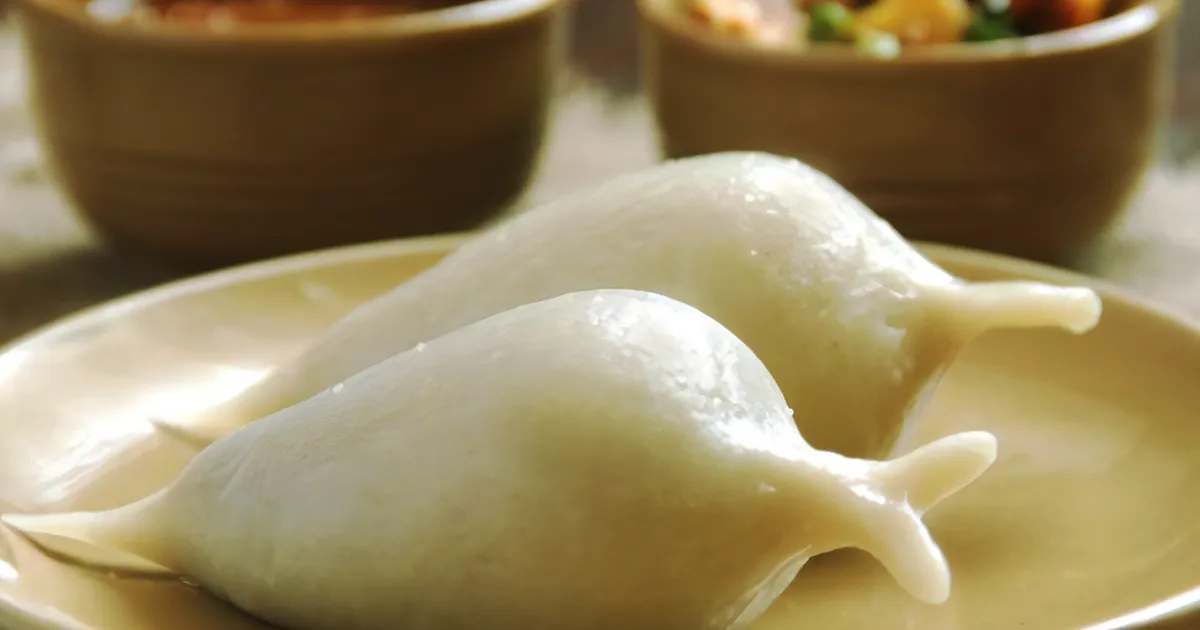
Street snacks found in local markets offer quick, authentic tastes of daily life, while rooftop cafés with valley views provide a relaxed setting to soak in the city from above. Food, in many ways, is one of the fastest and most enjoyable ways to understand Kathmandu’s culture.
Pottery Sessions
In places like Bhaktapur and Patan, you can watch or even try traditional pottery-making. It’s a hands-on way to connect with generations-old craftsmanship and take home more than just photos.
Evening Stroll
An evening walk through Thamel, Patan Durbar Square, or around Boudhanath offers a completely different atmosphere. Lights glow, chants echo softly, and the city feels calmer and more intimate.
Souvenir Shopping
Souvenir shopping in Kathmandu is most rewarding when you look beyond generic tourist items and seek out pieces with real cultural meaning. The city is known for handmade singing bowls, intricately painted thangka artworks, soft pashmina shawls, and beautifully crafted handmade paper products.

These items are often created using traditional techniques passed down through generations, making them more than simple keepsakes. Choosing such souvenirs allows you to take home a small but meaningful piece of Kathmandu’s artistic and cultural heritage.
Common Mistakes to Avoid in Kathmandu 2-Day Itinerary
While exploring Kathmandu can be exciting, people can often get overwhelmed and make some mistakes. Some of these common mistakes are:
Trying to See Everything in Two Days
One of the biggest mistakes first-time visitors make is trying to fit too much into a short stay. Kathmandu is dense with history, culture, and daily life, and attempting to see everything in two days often turns the trip into a checklist rather than an experience.
Underestimating Travel Time Between Sites
Distances in Kathmandu may look short on a map, but traffic and narrow streets can significantly slow you down. Moving between heritage sites often takes longer than expected, especially during peak hours
Ignoring Cultural Etiquette at Temples
Kathmandu is deeply spiritual, and many of its landmarks are active places of worship. Ignoring simple cultural practices such as removing shoes, dressing modestly, or walking clockwise around stupas can feel disrespectful.
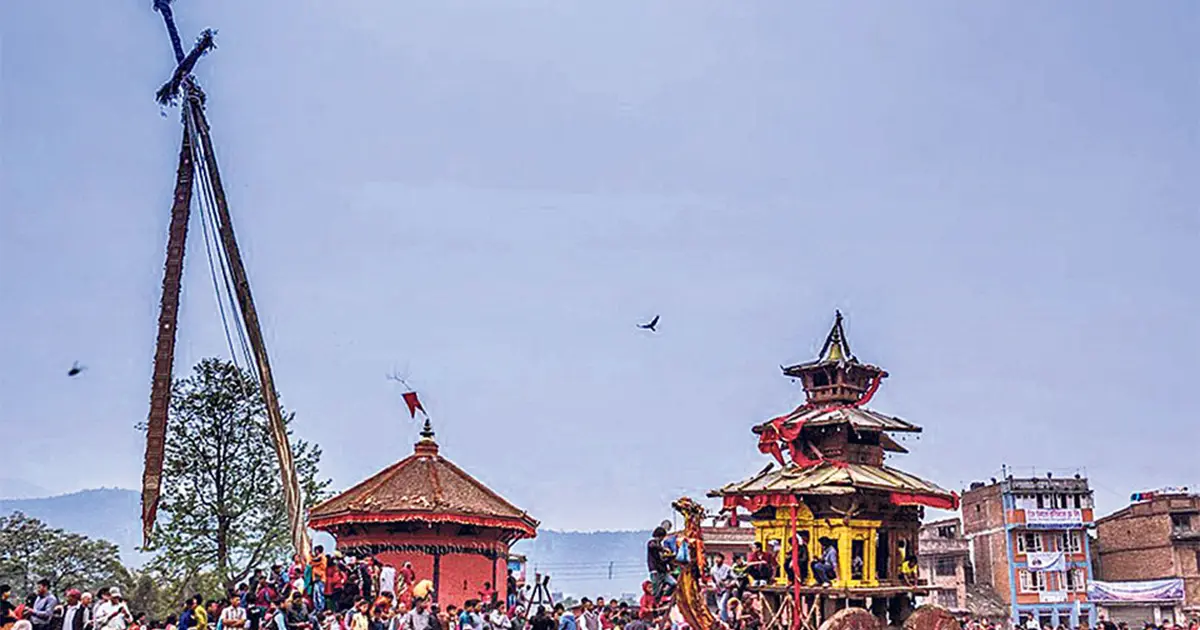
Spending the Entire Trip Inside Vehicles
While guided tours and taxis are convenient, staying inside vehicles too much means missing the city’s real character. Some of Kathmandu’s most memorable moments happen on foot, wandering through markets, noticing small shrines, or watching daily life unfold in narrow alleyways.
Treating Kathmandu as Just a Transit City
Many travelers view Kathmandu only as a stopover on the way to the mountains, which is a missed opportunity. The city has its own rich identity, history, and rhythm that deserves attention. Treating it as a destination rather than a transit point transforms your short stay into a far more rewarding experience.
Explore at Your Own Pace
A Kathmandu 2-day itinerary isn’t about covering ground. it’s about choosing experiences that resonate with you.
Whether you explore UNESCO heritage sites, hike surrounding hills, dive into culture, or slow down with yoga and meditation, the city offers far more than first-time visitors expect. Two days won’t make you an expert, but it will give you a strong first connection—and often, a reason to return.
Plan smart, stay flexible, and let Kathmandu unfold at its own pace.
FAQs
Expand AllIs 2 days enough to see Kathmandu’s main highlights?
Yes, two days is enough to cover Kathmandu’s key highlights, including Durbar Squares, Swayambhunath, Boudhanath, and Pashupatinath, as long as you plan your time carefully. You won’t see everything, but you can get a meaningful experience.
What is the most efficient way to spend 48 hours in Kathmandu?
Focus on grouping sites by location, start early to avoid crowds, and combine cultural, historical, and optional short hikes. Consider guided tours for smoother navigation, or create a mix of city walking tours and light sightseeing drives.
What is the best area to stay in Kathmandu for a short visit?
Thamel is ideal for first-time visitors due to its central location, accessibility, restaurants, and shops. Lazimpat is another good option for quieter stays with easy access to Durbar Square and embassies.
Can I see UNESCO World Heritage Sites in just two days?
Yes, you can visit the main UNESCO sites: Kathmandu Durbar Square, Swayambhunath, Pashupatinath, Boudhanath, and optionally Patan or Bhaktapur Durbar Squares, with careful planning.
What is the best order to visit Kathmandu sights to avoid traffic?
Start early with Swayambhunath, then move to Durbar Squares and markets before heading to Pashupatinath and Boudhanath in the afternoon. Visiting sunrise spots like Nagarkot or Chandragiri first thing in the morning can also help you avoid crowds and traffic.
Can I visit Pashupatinath Temple and Boudhanath Stupa on the same day?
Yes, you can visit Pashupatinath temple and Boudhanath stupa. These two sites are relatively close. It’s best to visit Pashupatinath in the morning or late afternoon and Boudhanath in the morning or sunset for quieter experiences.
How early should I visit Swayambhunath to avoid crowds?
Arriving around 6:00–7:00 AM is ideal. You’ll experience the morning rituals, enjoy peaceful views, and avoid most tourists and tour groups.
How much walking is involved in a 2-day Kathmandu itinerary?
For first-time visitors interested in art and local culture, Patan Durbar Square is more accessible and compact. Bhaktapur offers a more traditional experience but takes longer to explore and is better if you have a slightly relaxed schedule.
Is Kathmandu safe for tourists walking around independently?
Yes, Kathmandu is generally safe, especially in tourist areas. Keep an eye on belongings, avoid isolated streets at night, and follow local guidance near busy traffic zones.
What should I wear when visiting temples and monasteries?
Dress modestly: cover shoulders and knees, avoid revealing clothes, and remove shoes when entering sacred areas. A scarf or shawl is handy for both men and women.
Are temple entry fees included in guided city tours?
It depends on the tour. Many guided tours include entry fees for major sites, but always confirm in advance to avoid surprises.
How much time should I spend at Kathmandu Durbar Square?
Plan for 1.5 to 2 hours, enough to explore major temples, courtyards, and the Kumari Ghar (Living Goddess residence) without rushing.
Is it better to hire a guide for a short Kathmandu visit?
Yes, it’s a good idea to hire a guide for this tour. A guide helps navigate narrow streets, explain the history and symbolism of temples, and can save valuable time on a tight schedule.
Can I do a half-day hike near Kathmandu within a 2-day trip?
Yes, options like Shivapuri, Champadevi, or Chandragiri can be done as a half-day morning or afternoon hike, depending on your schedule.
Which short hike is best near Kathmandu: Shivapuri, Champadevi, or Chandragiri?
Some of the best hikes near Kathmandu are:
- Shivapuri: for lush forests and panoramic valley views, moderate difficulty.
- Champadevi: for scenic viewpoint over the valley, good for sunrise.
- Chandragiri: for short cable car option for spectacular sunset views with minimal walking.
What are the best food experiences to include in two days?
Try Newari dishes like bara, Yomari, and choila, street snacks from local markets, and meals at rooftop cafés overlooking the city or stupa complexes.
Where can I try authentic Newari food in Kathmandu Valley?
Places like Asan Market, Patan Old Town, and small family-run restaurants near Bhaktapur Durbar Square serve traditional Newari cuisine.
Is street food safe for first-time visitors to Kathmandu?
Yes, if you choose busy stalls with high turnover. Avoid raw salads or unboiled water and stick to freshly cooked items.
What is the best time of day to visit Boudhanath Stupa?
Sunrise or sunset is ideal. The stupa is quieter, the light is soft, and you can see monks and devotees performing rituals, giving a more authentic experience.
Can I fit shopping for souvenirs into a 2-day itinerary?
Yes, markets like Thamel, Asan, and Patan can be visited in short time slots, especially in the late afternoon after sightseeing.
What are the best markets to visit in Kathmandu in limited time?
Some of the the best markets to visit in Kathmandu in limited time are: Thamel for souvenirs, Asan Bazaar for local goods, and Patan Market for crafts and traditional items.
How do I get around Kathmandu—taxi, ride apps, or walking?
A combination works best for exploring Kathmandu. You can try walking in historic areas, taxis or ride apps for longer distances, and occasional guided tours to save time.
How much should I budget per day for sightseeing in Kathmandu?
Expect $25–50 USD per day per person for meals, transport, and entry fees, excluding accommodation. Guided tours or private drivers will add to this.
What are good rainy-season alternatives if outdoor plans change?
Visit indoor attractions like Patan Museum, Patan Durbar Square courtyards, or local workshops for pottery, woodcarving, or cooking classes.
Is Kathmandu suitable for families or older travelers on a short trip?
Yes. Stick to accessible areas like Durbar Squares, Boudhanath, and short walks. Avoid narrow or crowded streets during peak hours.
Can I store luggage if I’m sightseeing between flights?
Yes, most hotels offer luggage storage, and airports have short-term storage options. Thamel also has several luggage storage services for day trips.
How should I plan if I arrive late on Day 1?
Focus on nearby attractions, such as a casual evening stroll in Thamel, rooftop dinner with city views, or a quick sunset visit to Swayambhunath.
How do I plan a 2-day itinerary if I have an early flight on Day 3?
Start early on Day 2, prioritize key attractions like Durbar Square and major stupas, and leave plenty of time for airport transfer. Keep the last evening light and nearby.
Related blog posts
Discover a choice of tourist destinations loved by most of our visitors. Whether you're on a jungle safari to spot rare animals or walking through a world heritage site, these well-planned itineraries cover the major highlights of Nepal.

 call an expert at: