
Kailash Winter Trek: Challenges, Rewards, and Best Months (Dec-Feb)
 Amrit K. Aryal
Trekking Mount Kailash in Winter?
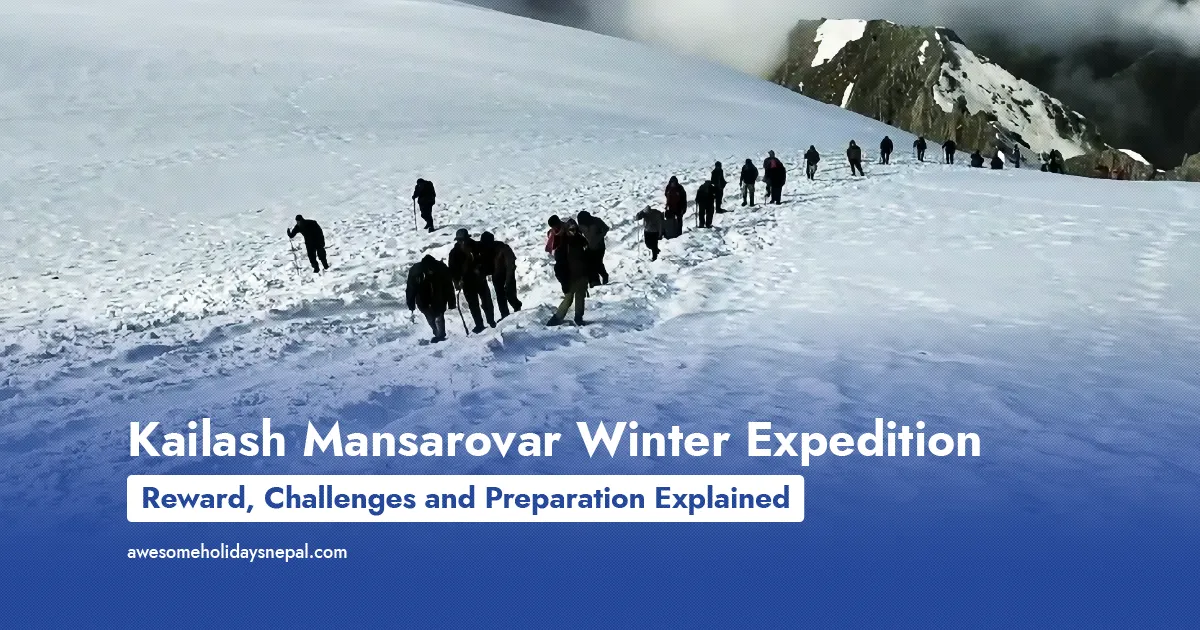
Thinking of going to the Kailash Mansarovar Trek in 2026? Kailash Mansarovar Winter Expedition sounds bold and challenging. Winter hits the Tibetan region like a hammer. The big pile of snow, biting cold winds can even pierce your thick jackets. Snow piling, winds that bite even through thick jackets. But still, pilgrims chase that silence to the sacred Kailash Winter Trek.
Wondering if it is a good idea to go for a Winter Kailash Yatra? Maybe, or maybe not. Let us explore the pros and cons of the Kailash Winter Trek, then maybe you will wait for a couple of warmer months.
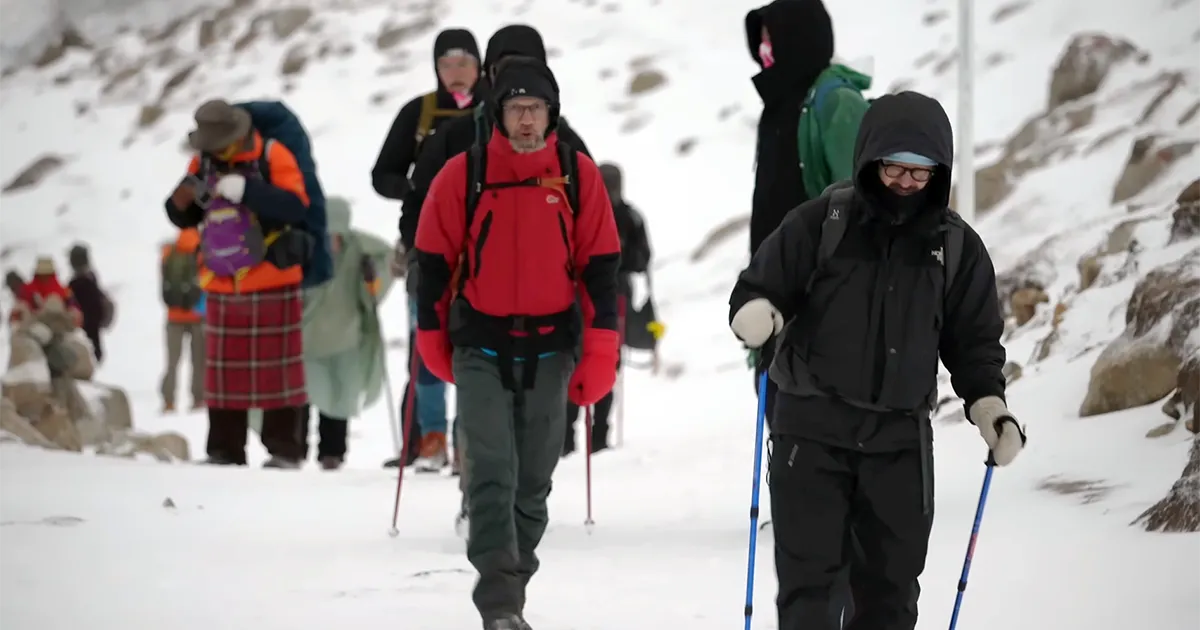
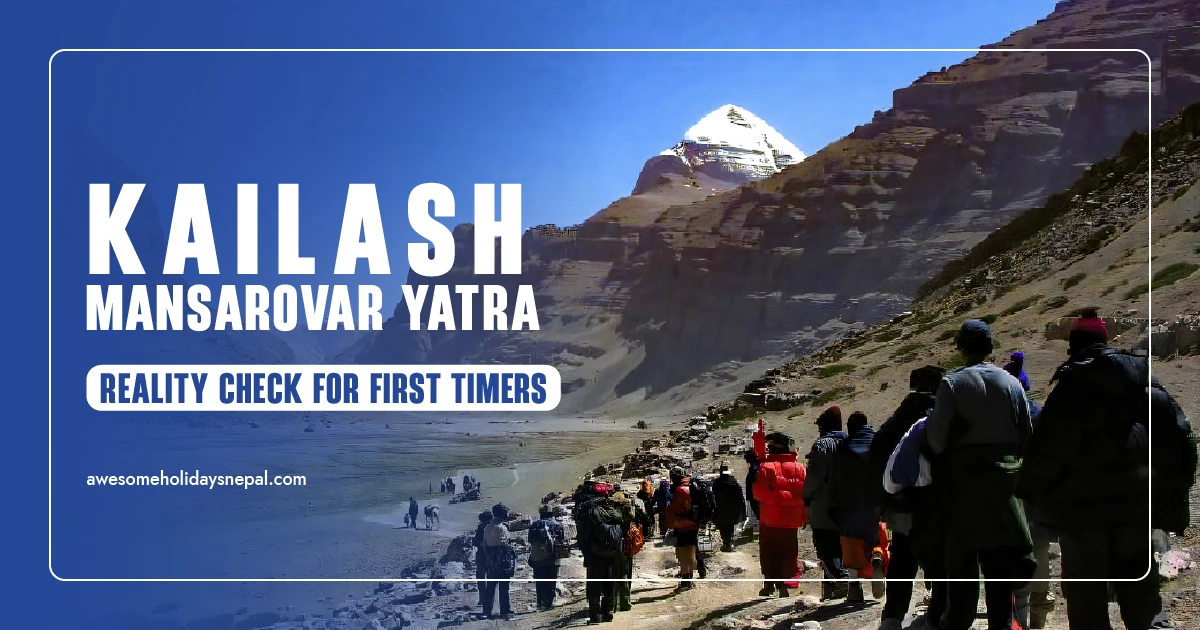
Kailash trek in winter is not a usual trek. The scared mountain waits in silence, and that stillness calls you when the crowd is gone. If you are ready for the pain with frozen boots, slow steps, and ready to bear the snow biting your cheeks, then this trek could be your adventure for the next Kailash Mansarovar Winter Expedition.
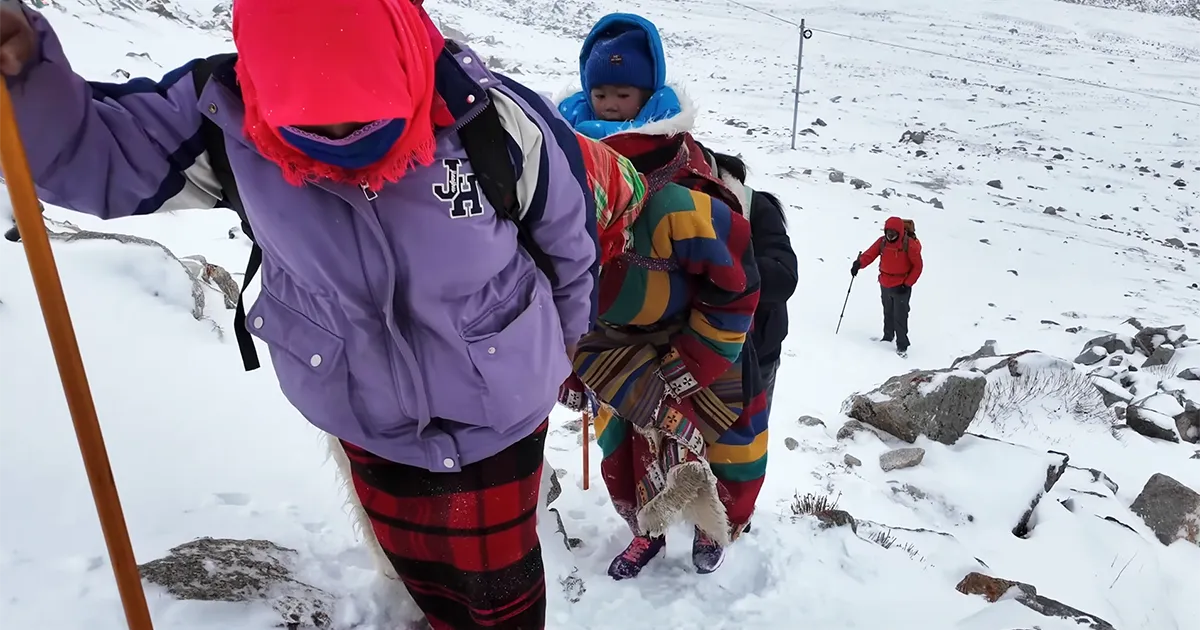
Kailash parikrama can be done by any age group of people. Even children below 5 have been seen around the Dolma La pass. A 73-year-old man shared his experience of undergoing all the medical tests and completing his third Winter Kailash Yatra.
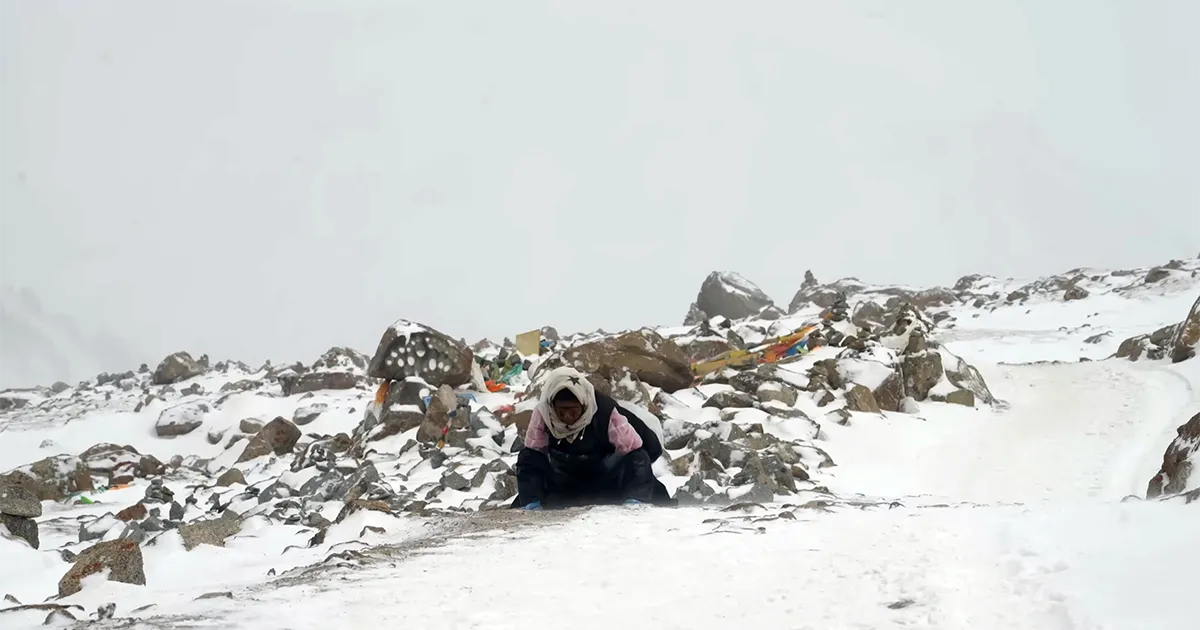
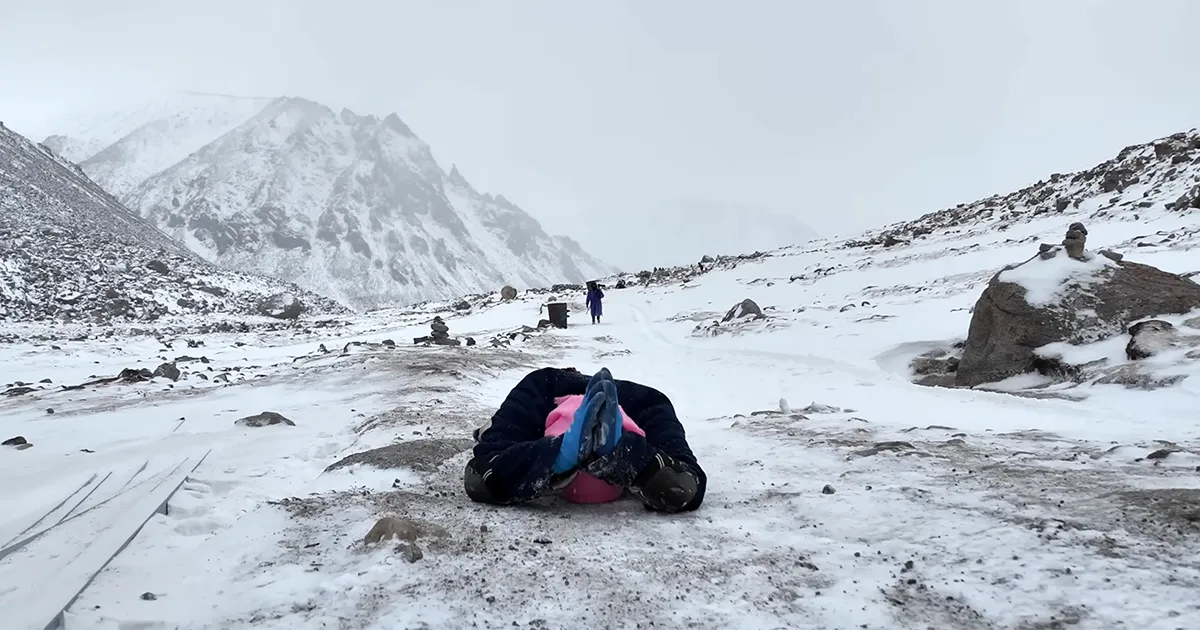
And the most amazing part of trekking Mount Kailash in winter, people are prostrating on the rocky mountain filled with ice and snow. That is another level of devotion, full body bow after another. The Winter Kailash Yatra is a strange mix of pain, inner peace, and clarity in the cold winter. No, people are not afraid, as they know the lord will be with them even in difficult situations.
Challenges of Winter Trek to Mount Kailash
Weather Conditions after November
The days might look slightly kind unless you start at Dirapuk. The sun may play peek a boo with you. You can only wish the wind not to blow cruelly. The path vanishes underneath the snow and ice, and even the sound of boots gets blurred. The trip slows, and people move backwards to avoid the cold in their faces.
The Kailash Kora route becomes slippery due to snow. People breathe fog, look up at the giant mountain sitting like some ancient force is watching you.
You could hardly get any companion to chat on the way in winter. You feel like you are walking into a different world of mountains. Yes, it’s too risky to trek in winter, but the magical feeling cannot be obtained in summer.
Temperature
- Early winter (Nov–Dec): -5° to -15° C
- Deep winter (Jan–Feb): -15° to -25° C at night
- Dolma La Pass: sometimes -30° C with strong wind
Difficulty at Dolma La Pass
At the top, Dolma La Pass feels harsher as the wind screams sideways. The climb is steep even in summer, but winter requires much more from you. It is a common practice to walk and pause after every 10 steps in the Dolma La Pass.
Getting lost
The snow falls suddenly from heaven. When the path vanishes, locals often shift their track, a bit different from the trekking Kailash route map. So, the best advice is to follow the tracks marked by local people. It is their land; they know the lines in winter much better.
Health Risks in the Kailash Winter Trek
In winter, even acclimatisation feels difficult. Extreme cold shrinks the lungs a bit. The breathing becomes shallower, and the headache becomes deeper. Drink warmer water as much as possible. Sleeping more and getting hydrated are the only ways to avoid altitude sickness at high altitudes.
- Frostbite
- Altitude headache
- Decreased oxygen levels
- Altitude sickness
- Dehydration (the cold steals your water vigorously)
- Physical exhaustion
- Mental stress
Mental stress
When you are walking in the snow for hours, the wind may whisper to you to return to your hotel and wrap yourself in the blanket. You might also like to listen. Above that, frostbite has another plan for you. Watch your gloves.
Falls, wounds, and bruises are common. They might act normally unless the situation worsens. But mental stress hits you hard. Such a cold, even your bones will feel it, all you can do is take the name of lord shiva and move forward. This is it. This is Kailash, the abode of your Shiva.
Rewards of Winter Kailash Yatra
The Kailash Kora is not a Kora for yourself but for your friends, family and for the betterment of mankind. People often take the photographs of the people who have deceased to the Shivasthal (5,320 m) for the salvation of their souls. Let the soul leave this world and move to the upper realms. It’s a faith under the snow, one that modern science can not explain. Walking slowly but steadily will take you to the Dolma La Pass.
If the heart and lungs are working smoothly, there is no need to get afraid. This trek is not about speed, not about challenge, but it’s a spiritual journey to say, let it go. One Kora can cleanse the sins of a lifetime, and 100 kora can bring enlightenment.
Local Bon People and the prostrators
You will find local Bon people doing prostrations, flattening themselves on ice, touching their head, throat and heart repeatedly until the whole 52 km is completed. This practice of moving around Mount Kailash on their knees is a symbol of respect, humility, and cleansing of inner thoughts. This could be somehow easier in the summer, but winter hits it hard.
Every breath they take feels like a small meditation itself. They could generally do three to five kilometres each day doing the prostration. But winter slows them down. Tsampa with tea is what they basically eat during the Kora.
Best Months for Kailash Mansarovar Winter Trek
Early November brings early snow. December brings much prettier snow, but it becomes rough as time passes. January is the hardest month for Kailash Winter Yatra. The temperature drops, and cold is painful and risky. Dolma La Pass becomes the most dangerous part of the trek in winter. The situation starts easing as February starts, but still with chilling icy rocks. If anyone chooses Kailah Mansarovar in winter, early December and late February are the best times for the winter trek to Kailash.
Tibet Winter Trekking Kailash Route Map
Normally, it takes three days to complete the kora. Maybe the scenario will change for winter. Winter might extend the schedule to four days due to slow walking, slow breathing. And maybe a blockade on the way by snow.
- Day 1: Darchen → Derapuk
- Day 2: Derapuk → Dolma La Pass → Zutulphuk
- Day 3: Zutulphuk → Darchen
What to Carry for Kailash Parikrama in Winter
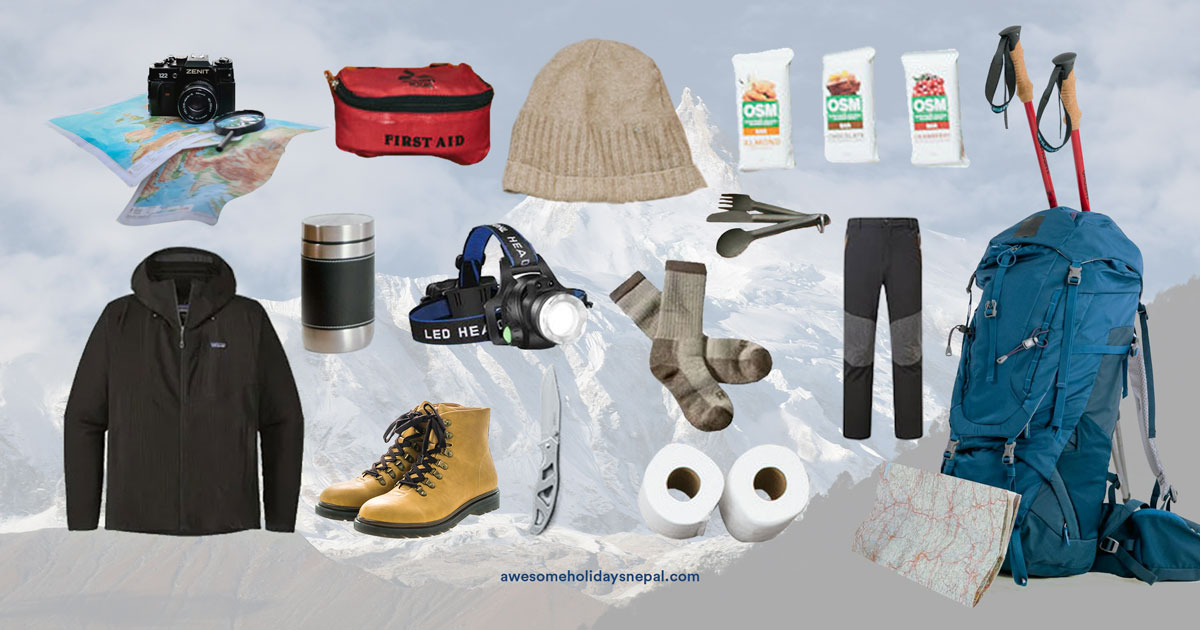
This section might be tricky. Choose your gear wisely during the Kailash winter trek. Even a small gear matters a lot. Remember, cold and altitude don’t forgive mistakes.
Essential Gear
- High-altitude insulated boots
- Thick woolen socks
- Down jacket (heavy grade)
- Thermal inner wear
- Waterproof gloves and inner fleece gloves
- Windproof trousers
- Neck gaiter
- Good quality trekking poles
- UV sunglasses
- Headlamp with extra batteries
- Lip balm, sunscreen
- A good quality thermos flask
- Crampons or Microspikes
What not to miss?
- Energy bars, dry fruits, and chocolates
- Hand warmers
- Waterproof backpack cover
- Printout of permits
- Copies of passport, visa, and Tibet Travel Permit
Wrapping this up, the winter trek to Kailash is not catered for everyone. Not everybody can tolerate the cold and walk the hidden paths under the ice crystals. The strange force that pulls you to the Kailash trek in winter is something that feels ancient.
If there is anything that can help you through the harsh winter in Kailash, it’s you. Drink more water, eat well, sleep enough and listen to the rhythm of your heart. The wind has a message for you, and the mountains speak with you.
Prepare well with all the necessary gear you need and fill enough oxygen into your lungs. Kailash becomes tough in winter. A strong willpower and, calm mind can make you complete the Kailash Kora in winter. This is what makes the Kailash Kora in winter beautiful.
FAQs
Expand AllHow difficult is the Kailash Mansarovar winter trek?
Kailash Mansarovar Winter Trek is much more difficult than the trek in summer. Winter hits the trail, snow covering trails, and the bone-aching cold. Walk as slowly as you can. This is not a race in a marathon; this is a spiritual journey. Follow the safety rules and always listen to your guides.
What are the challenges of Kailash Parikrama in winter?
Cold is the biggest hindrance to the trek in winter. The trials are covered by the snow, and the icy rocks might skid you down. The fast-blowing wind whispers to our ears and cheeks, just frees up.
Which is the best month for Kailash winter yatra?
Late October and late February are the best months for a winter trek to Kailash. Though the cold persists, these months are better than December and January.
Can I do Kailash Yatra in January?
That’s a bad idea. It’s not a good month for the Kailash yatra. January is the coldest month in Kailash. The permits remain closed in January and only open if the weather does not go wild.
What is the temperature during Kailash winter trek?
Even the temperature during the day is below zero degrees centigrade. The nights might fall below minus twenty or more.
Do pilgrims perform Kailash Parikrama in snowfall?
Local people are often found doing the Kora in winter. Some crazy pilgrims prefer winter kora in Kailash. The trails are often lonely, but slippery.
How to acclimatise for high altitude Kailash trek in winter?
Staying hydrated and going slow is the only way to remain safer in high altitudes. Take an extra rest day if you feel a mild headache. This is not a race nor a marathon.
What gear is essential for the Mount Kailash winter expedition?
High altitude trekking boots that can withstand cold, thick gloves, base layers, crampons, a woollen hat, a headlamp with some additional pair of batteries and a thermos for tea in the cold might help. Every gear you carry or miss, has a meaning here.
What gear is essential for the Mount Kailash winter expedition?
High altitude trekking boots that can withstand cold, thick gloves, base layers, crampons, a woollen hat, a headlamp with some additional pair of batteries and a thermos for tea in the cold might help. Every gear you carry or miss, has a meaning here.
Is Kailash Mansarovar open in December?
If the weather is good, it might remain open, but it usually shuts down due to storms. December has unpredictable weather.
What is the weather like in February for Kailash trek?
February remains a bit more open than December or January. The sun is seen quite often. Few trekkers are seen around Kailash in February.
Are there any restrictions for the Kailash winter pilgrimage?
Half of the guesthouses remain closed, and limited vehicles and strict rules are enforced for safety.
How many days does it take to complete Kailash Parikrama in winter?
It takes three days to complete the Kailash Kora. But in winter, as the weather is unpredictable, the days might extend if there is a storm or heavy snowfall.
What are the health risks of trekking to Kailash in winter?
Trekking in winter is associated with altitude sickness, frostbite, dehydration, and headache. The cold will make your chest tight, making it difficult to breathe.
What permits are required for the winter Kailash Mansarovar trek?
Tibet Travel Permit, Alien Travel Permit, military permits, and a visa applied in a group are needed for trekking to Kailash.
Related blog posts
Discover a choice of tourist destinations loved by most of our visitors. Whether you're on a jungle safari to spot rare animals or walking through a world heritage site, these well-planned itineraries cover the major highlights of Nepal.
 call an expert at: