
Icefall Doctors Nepal: The Unsung Heroes of the Himalayas

 Sujata Pokhrel
Every single adventure enthusiast has heard of countless triumphs over the summit of the highest peak in the world, Mount Everest. But the stories of Icefall doctors, the ones who contribute the most to the successful endeavors of this peak, are less talked about.
It is necessary to know that you can’t climb the deadly Everest from just any random point. You need a clear point to start and a proper trail to ascend as well as descend safely after reaching the peak of the world.
Then who makes that safe trail on thick ice beds? The answer is “the icefall doctors”.
Let’s go through the blog to learn everything about these icefall doctors and why they are called the Unsung heroes of Everest.
The Icefall Doctors of Mount Everest
The Khumbu Icefall is one of the most treacherous formations of towering ice that lies on the way to the summit of Everest. It constantly shifts and moves, forming large crevasses that are very difficult to cross.
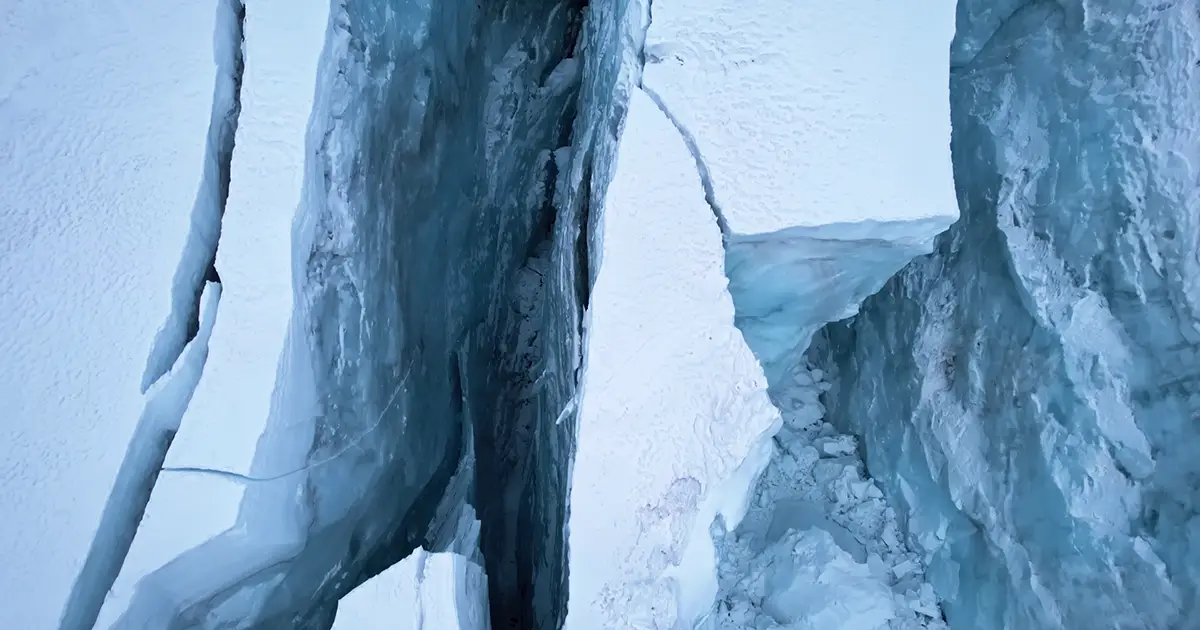
Since there is no way to top the peak without safely passing through these crevasses, this is where the Icefall doctors come into action.
Who are Icefall Doctors?
The Icefall doctors are the experienced and highly-skilled Sherpa mountaineers who prepare the summit route through the Khumbu Icefall every climbing season. Usually these are the former expedition masters take on this difficult job of opening the world’s highest peak, the Mount Everest for climbing.
Since the only favorable time for climbing the Everest is a short window between April to May, these doctors of the Khumbu Icefall do all the hard work for setting up the trail. In fact, these Icefall doctors are the first ones to climb the mighty Everest and last ones to leave.
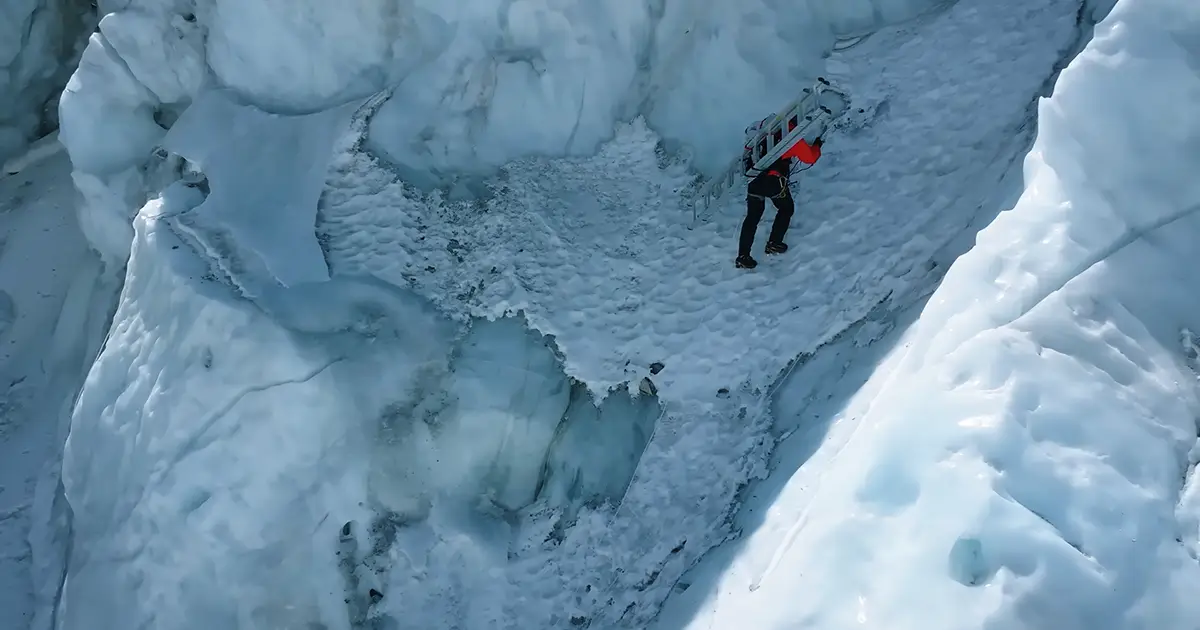
They set up their tents on the Everest Base Camp and look over the Khumbu Icefall route throughout the season. And when the work is done, they are ones who pickup all the ropes, ladders, and pre-installed climbing gears from the route and pack up for the season. Later on, when the season of climbing starts, they again come to the base camp to repeat the same task.
Role of Icefall Doctors
As soon as they arrive, the Ice doctors set up a tent in their respective areas in base camp. Then a sacred rituals takes place where they worship and perform a prayer to take permission from mountain goddess to begin trekking. This tradition shows how Sherpa respect this sacred peak and mark the beginning of their challenging job.

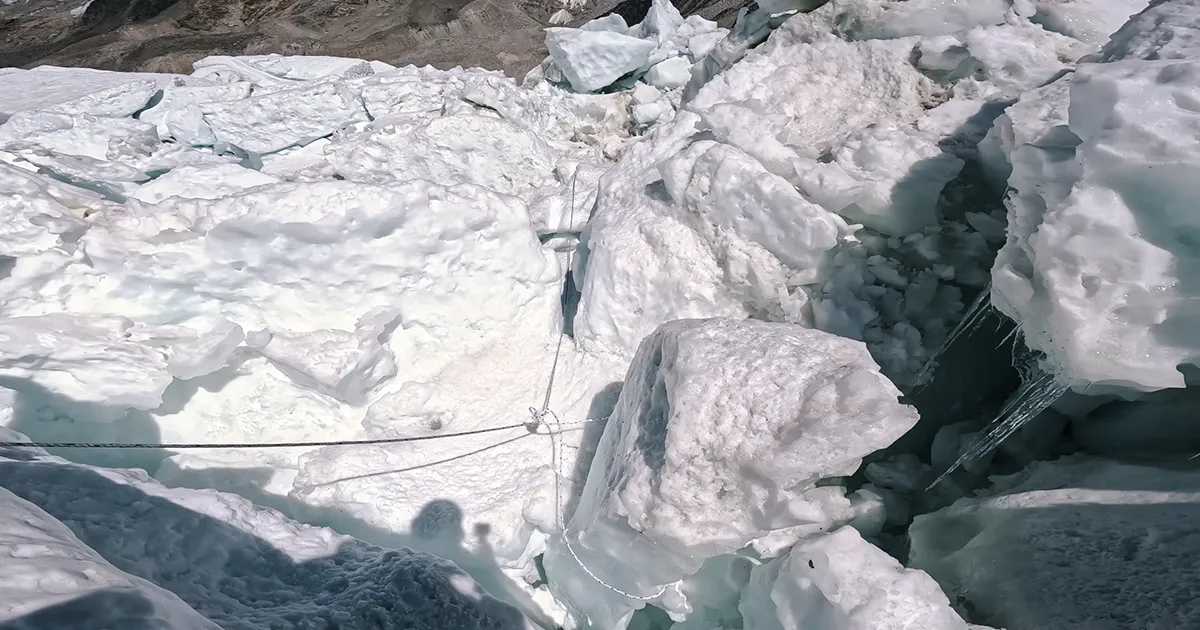
The main role of these brave ice warriors is to recognize the sturdy ice formations, breakthrough these ice blocks and fixate the ropes for climber to clip their harness as a safety precaution.
In fact the constant movement of the ice blocks forms maze of the crevasses. The wall of icefalls are often the size of a building and are difficult to climb. Thus, these Sherpa ice doctors place ladder over these crevasses and ice wall, secure the ropes to help the climbers navigate the trails.

And even during the mid-season, when the shifting icefall and avalanches wash away the route, these doctors are always on alert. Upon receiving the news, they go up and restore the path again.
To list out, following are the routes of Icefall doctors:
- Analyze the crevasse, speculate the possibility of avalanches, and set trekking trail.
- Establish new routes if the old ones vanish in the ice.
- Routine monitoring of the Khumbu Icefall trail during the climbing season.
- Maintenance of the trail in case of breakage.
- Respond to call of clients if the trail gets broken.
Key Traits of Icefall Doctors
The icefall doctors aren’t just skilled mountaineers but the well-trained Sherpas. The SPCC has trained them and supported for many years to ensure the climbers do not have to suffer traversing through Khumbu Icefall to reach higher camps. Many of these have taken up the role season after season, equipping them with all knowledge about the ever changing ice formations of Khumbu glacier and icefall region.
Here are a few key traits of these Icefall Doctors:
Knowledge of the Locality
These Sherpa ice masters know the Khumbu Icefall like the back of their hand. Having walked through the same route over and over again searching for the new trekking trails every season, the knowledge of the location is top-notch.
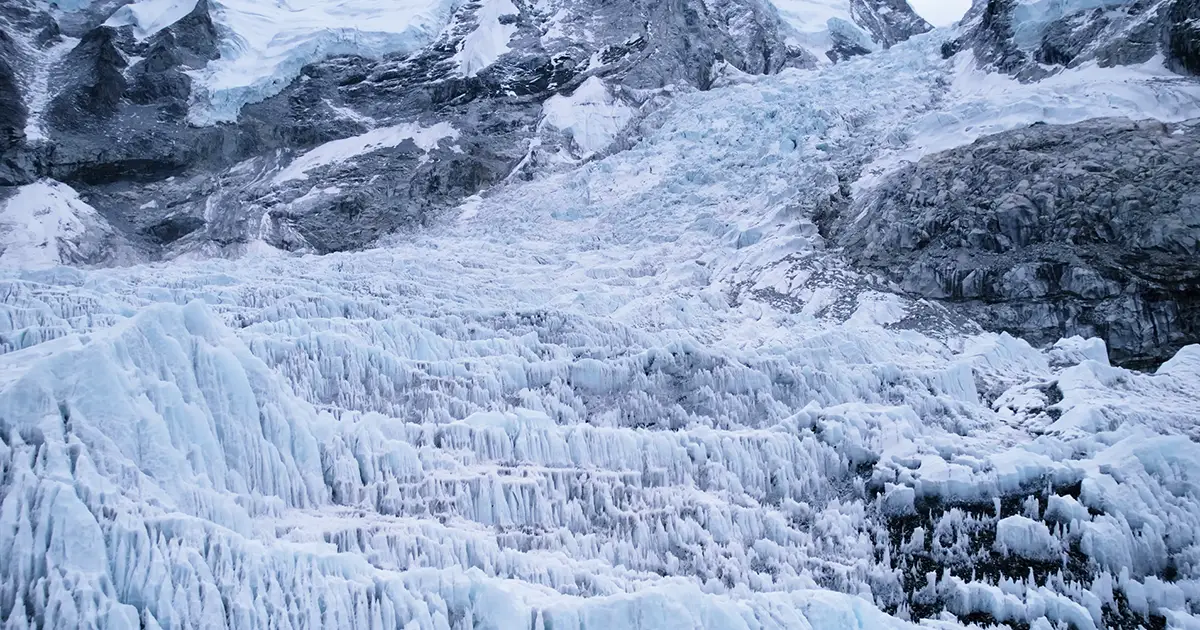
Not just the location, these Sherpas also recognize the sturdiness of ice-formations and can clearly distinguish between newly formed ice blanket and old formations.
Technical Proficiency
Since the Icefall doctors have to climb first to establish the route, they have the top level technical proficiency to trek through the ice. Their technical proficiency allows them to trek while carrying the ladder, ropes, and gadgets.

And this expertise also lies in recognizing the right ice for piercing through for setting up the climbing assistance.
High-altitude Experience
One cannot be a Icefall doctor without having the years of experience of these high altitudes. While some mountain guides join in for this role, the other are porters from the Khumbu region who have had the experience for the longest duration.
Who Hires Icefall Doctors?
In current times, the Sagarmatha Pollution Control Committee (SPCC) hires the brave Sherpas who have a good exposure to the landscapes of Everest as Icefall doctors. Since it looks after the safety of this Everest summit route, it trains these ice police and pays them a good salary to establish this trail for Everest summit.
Initially, the organization was established in 1991 by the local Sherpa community to oversee the pollution in Everest trekking trail and manage the environment of the region. But later on the organization collaborated with the national government to take up the most responsible job of maintaining the Everest climbing route and take the responsibility of safety of summiteers.

SPCC takes contract from the government to maintain the Khumbu Icefall route of the Everest. Not only these doctors fix the route but also maintain these in case any catastrophe or unforeseen cause destroys the pre-established route. These brave Sherpas put their life on risks and fix the routes through out the whole climbing season.
Protecting Environment, Safeguarding Lives
Initially, your climbing Sherpas used to dig out the climbing route through the icefall and set your path for the Everest summit. But with the establishment of Icefall doctors, the hard work through the dangerous shifting ice of Khumbu glacier has become easier.
And for icefall doctors it isn’t just about following one’s passion of piercing through the ice, learning about the icy paths or a good pay. Being an icefall doctors also adds up to a guide’s experience and making them a experienced Everest guide. It’s more like an honorary certification for the trekking guides.
These doctors also work to wrap up all the dirt left behind by climbers and return the mountain in its original form before closing it for the season. Their work is truly a praiseworthy task as they aid climbers to fulfill their dream of summiting the highest peak in the world.
FAQs
Expand AllWhat do Icefall Doctors do?
Icefall Doctors are a specialized team of Sherpa climbers responsible for fixing ropes, ladders, and routes through the Khumbu Icefall, one of the most dangerous sections of the Everest route. They ensure safe passage for all climbers and expeditions by constantly maintaining and repairing the route during the climbing season.
How much do Icefall Doctors get paid?
Icefall Doctors typically earn between USD 3,000 to 6,000 per climbing season, depending on their experience and sponsorships. While this is a significant income by local standards, it comes with immense risk and physical hardship.
Who are the Icefall Doctors on Everest?
The Icefall Doctors are a group of elite Sherpa climbers employed by the Sagarmatha Pollution Control Committee (SPCC). Selected for their technical expertise and deep knowledge of the Khumbu Icefall, they are tasked exclusively with maintaining the route between Base Camp (5,364 m) and Camp I (6,000 m).
Why are Icefall Doctors important?
Without the Icefall Doctors, Everest expeditions would not be possible. They create and maintain the safe passage that allows hundreds of climbers to cross the treacherous Khumbu Icefall, the first major obstacle on the route to the summit. Their work is essential for the safety and success of every Everest climb.
How are ladders fixed on Everest?
The Icefall Doctors install aluminum ladders across deep crevasses and ice walls using ice screws, ropes, and anchors. Each ladder is carefully secured and tested for stability. In some sections, multiple ladders are tied together to span wider gaps, creating bridges climbers must cross with crampons.
How dangerous is the job of Icefall Doctors?
It’s one of the most dangerous jobs in mountaineering. The Khumbu Icefall is constantly shifting, with collapsing seracs and hidden crevasses. Icefall Doctors often work during early morning hours when the ice is most stable, but the risk of avalanches and icefall remains high.
Who trains Icefall Doctors in Nepal?
Most Icefall Doctors receive professional training at mountaineering schools like the Himalayan Mountaineering Center in Khumjung and from experienced Sherpa climbers. Many are veteran Everest summiteers themselves, with years of experience in rope fixing and high-altitude rescue
What equipment do Icefall Doctors use?
Icefall doctors use essentials gears like dynamic ropes, aluminum ladders, ice screws, anchors, crampons, ice axes, harnesses, helmets, and radios. They also carry shovels, snow stakes, and safety lines for emergency rescues and route rebuilding.
How many Icefall Doctors died on Everest?
Several Icefall Doctors have tragically lost their lives while maintaining the route. The 2014 Everest avalanche was the deadliest, killing 16 Sherpa workers, including multiple Icefall Doctors. Their sacrifice is a reminder of the immense risk they take for others’ safety.
Do Icefall Doctors get insurance?
Yes, the Icefall doctors are covered under life and accident insurance provided by the SPCC, though the amount is often limited compared to the risks involved. Many advocacy groups continue to push for better pay, higher insurance coverage, and safety equipment.
When do Icefall Doctors start fixing Everest?
The Icefall Doctors usually begin setting up the route in late March or early April, ahead of the main climbing season. Their work can take several weeks, depending on weather and ice conditions. Once complete, the route opens for expedition teams heading toward Camp I and beyond.
Related blog posts
Discover a choice of tourist destinations loved by most of our visitors. Whether you're on a jungle safari to spot rare animals or walking through a world heritage site, these well-planned itineraries cover the major highlights of Nepal.



 call an expert at: