
How to Train for The Everest Base Camp Trek from Sea level?

 Sristi Adhikari
Are you wondering about how to train for the Everest Base Camp trek from sea level? Everest Trek is not an easy task, especially for those who live at sea level; you will need a high level of training. Dreaming of walking towards the Himalaya while standing infront of the sea waves is absolutely doable.
The proper plan that boosts strength, willpower, and resilience can transform people living at sea level into world-class trekkers. From the thick and warm air of sea level to the experience of crispy Himalayan air in every step will make your heart pound much harder. This will be a lifetime experience for you.
Let’s break down all the queries regarding how to train for the Everest Base Camp trek from sea level, from altitude, acclimatization, to the necessary preparation for the travel enthusiasts living near sea level.
The Obstacle of Training for the Everest Trek from Sea Level
Those who live at sea level find it quite an arduous task to even think about the Everest trek. Their real struggle begins before setting foot in Nepal. You don’t need a marathon level of preparation; with enough endurance and a positive mindset, you can complete your trek. Some of the obstacles you might face how to train for the Everest Base Camp Trek from sea level are:
Lack of High Elevations
The sea level offers enough oxygen for your lungs and heart, while living here, you can’t replicate the Everest environment. The physiological stress due to thinner air and 50 % less oxygen on the Everest route is hard to bring to sea level.
How to Overcome It?
You can overcome this obstacle by focusing on strong aerobic capacity.
Limited Steep Terrain
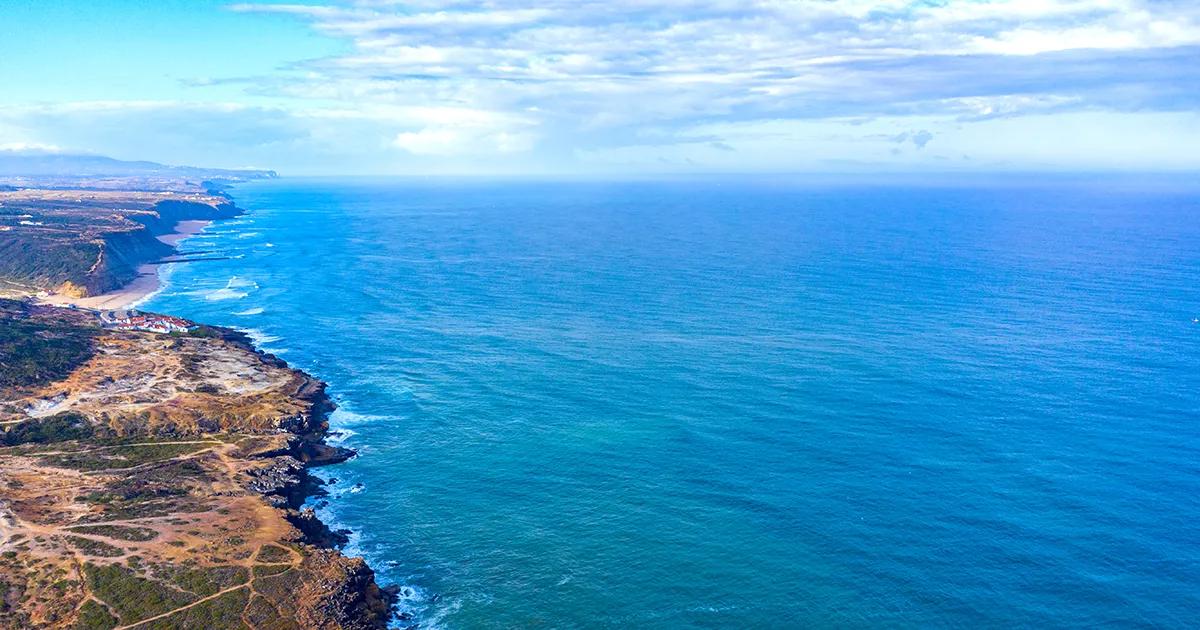
The Sea level landscapes are full of flat lands and valleys. There are no hills or stairs for training, and you have to be familiar with a constant series of steep ascents and long descents for the Everest trek.
Things to Do
Prioritize using the staircase, stadium, and treadmills’ inclines, and the ramps of the parking garage for the solution.
Less Exposure to Cold and Wind
Sea level means a mild, warmer climate with moderate rainfall. You will barely experience crisp air, lower air pressure, drier air, and less oxygen, which is more common in high altitude areas like the Everest region. Trekkers have difficulty maintaining pace in harsh Himalayan weather.
Solution
Start walking and go for a short hike nearby in different weather. Get used to your trekking gear.
Underestimated Psychological Barrier
The most underestimated obstacle on how to train for the Everest Base Camp Trek from Sea level is mental preparation. They don’t have to deal with the altitude and steep mountains in their everyday life. Overcoming the mental barrier is very important for the hike in the Himalayas.
How to Overcome It
Imagine the trek with structured planning, and train your mind to positivity.
Absence for Longer Trekking Trails
There are no trekking trails at sea level, so you have no idea about the ascent and descent of the mountainous hike. This is a critical factor for most of the Everest trek; your body must handle 5 to 8 hours of daily hiking for 12-14 days continuously.

Suggestion
Make sure to go for a mini-hike on the weekends. This will make your body handle multiple-day fatigue. Go for longer cardio sessions with more targeted strength routines. Include steep-incline workouts in your daily routine.
Success of the Everest Base Camp Trek from Sea level
No matter where you live, the success of the Everest trek depends on your physical and mental preparation. If you have strong willpower and continuous dedication, the success of the Everest trek is only a step away. Out of 100 trekkers, the Everest trek success rate is 90%.
The reason behind this success is proper follow-up of acclimatization, guided by certified tour and trekking leaders/guides. The success rate of beginners for the EBC trek is around 95 % approximately. During peak season, like Spring or Winter, there will be more than 500 people on the trekking trails.
Here is the description of how to train for the Everest Base Camp Trek from sea level:
Physical Training for the Everest
Everest trek demands consistency, strong legs and core, good recovery habits, and the ability to walk continuously in uphill and downhill. Boosting your cardiovascular efficiency must be your number one priority.
Cardio
- Opt for 3-4 sessions of steady cardio per week
- Cardio must keep your heart rate in the Zone 2 and do it for 45-90 minutes each
- Use an incline treadmill for walking

- Prioritise walking or hiking in nature
- Do some cycling, use the Stair machine, and follow with light jogging
- Do strength training for muscular endurance, like squats, lunges, and deadlifts, for quads and hamstrings.
- Step-ups, hip thrusts, and Bulgarian split squats for glutes and core strength do planks, side planks, and anti-rotation
- For back and shoulders, do rows, lat pulldowns, and overhead carries
- Lastly, train yourself by carrying a backpack of 8 to 12 kg
Breathing
Trekking to 5000 meters in altitude for the Everest demands deeper and slower breathing training. This is also the popular criteria of how to train for the Everest Base Camp Trek from Sea level. In order to control the shallow and fast breathing while hiking at a higher altitude, make sure to do some breathing exercises.
- Go for the Diaphragmatic breathing exercise
- Box breathing (4–4–4–4)
- Nose breathing during easy cardio
- Breathing ladders during workouts
Nutrition and Diet
The multiple-day trek demands a balanced diet and nutrition-enriched foods. Food is very important for improving stamina, recovery, and overall body performance.
Carbohydrates
Carbohydrates are the main source of energy, and make sure to include 40 to 45 % of daily intake for balanced energy. Carbs like Oats, whole wheat bread, brown rice, Quinoa, barley, buckwheat, and Sweet potatoes should be consumed before cardio, during longer hikes, or on heavy training days.
Proteins
The Proteins are the building blocks of the body. These help to repair and rebuild muscles and ligaments broken during the longer training. Adding 1.2–1.6 g of protein per kg of body weight per day will support leg strength, core stability, and endurance.
Focus on including enriched protein sources like Chicken, turkey, eggs, Fish and seafood, Greek yogurt, cottage cheese, Beans, lentils, chickpeas, Tofu, tempeh, and Protein shakes (whey or plant-based).
Healthy Fats
Healthy fats like Avocado, Nuts and seeds, Olive oil, coconut oil, Nut butters, Fatty fish (salmon, sardines) help maintain endurance and hormone production. While stabilizing blood sugar, it will maintain energy on longer trekking days.
Hydration
Hydration is important for longer treks in high altitudes. How to train for the Everest Base Camp trek from sea level includes consuming 2.5–3.5 liters of water per day. When you are doing a longer workout session or an intense cardio, add electrolyte tablets to water or opt for salt water mixes or coconut water.
Anti-oxidants Rich Food and Snacks
Practice eating snacks during long sessions of workout or nearby hikes. Mid-training fueling is very important for longer treks like EBC. Snacks like Bananas, Granola bars, Nuts/trail mix, Dates or dried fruit, Small sandwiches, Electrolyte gels, Berries, Leafy greens (spinach, kale), Carrots, tomatoes, beets, Green tea, and Dark chocolate (70%) help you to recover your tensed muscles during trekking.

Mental Preparation
How to Train for the Everest Base Camp Trek from Sea level consists of mental preparation. It determines the success of your EBC trek. Being a sea level dweller, you have no idea about the altitude stress, rough Himalayan terrains, or long days of trekking, which makes you feel the trek feel distant, unpredictable, and mentally tougher than expected. Mental awareness about the challenges of the Himalayan environment helps you succeed on one of the world’s most iconic treks to the Everest Base Camp.
- Accept the fact that a slower pace does not refer to weakness, and you can take a break
- Make a slow and steady mindset with a firm breath
- Opt for small and manageable steps while focusing on energy conservation
- Simulate a mountain mindset by training in cold, wind, or rain, and regular early morning intense workout
- Mental consistency is important for motivation, and following a structured training session with long-term goals
- Accept the fact of a cold morning walking, loss of appetite at high altitude, tired legs, and thin crisp air, basic accommodation, and unpredictable weather
- Build enough confidence and visualise the trek ahead
Gear Arrangement
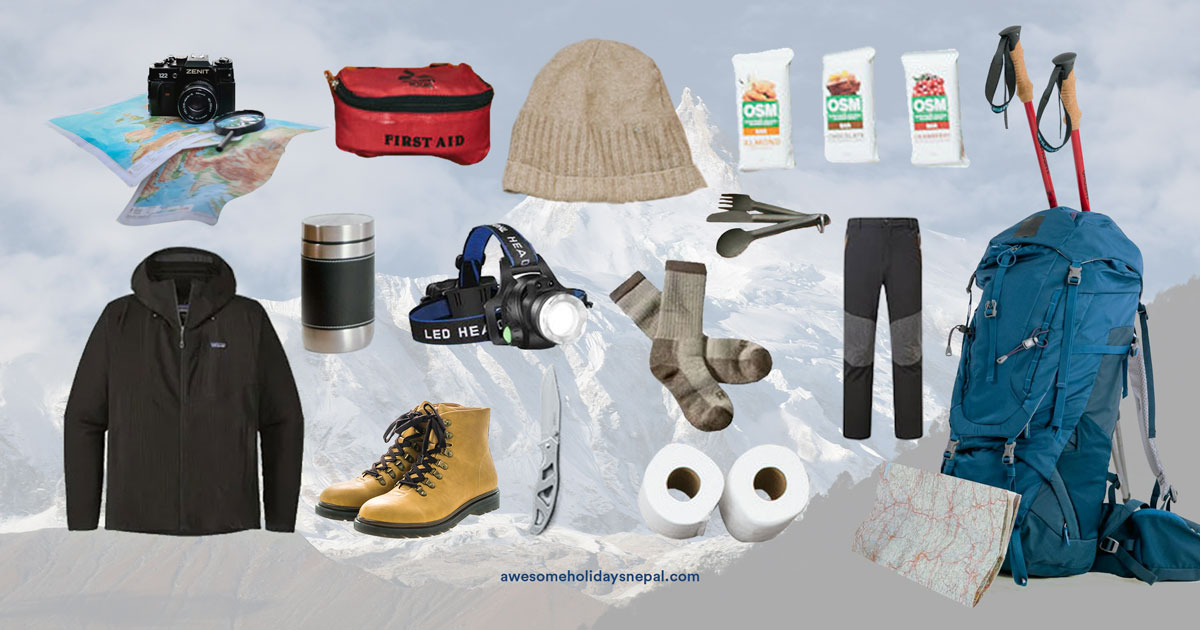
When you plan how to train for the Everest Base Camp trek from sea level, it requires prior gear arrangement. Trekking requires different types of clothing for morning and day hikes. As an inhabitant of sea level, you may have no idea regarding the types of clothing required for an altitudinal hike. You must have clothing, footwear like boots and camp shoes, and warmth accessories like a woolen beanie/hat, gloves, sun protection gear like caps, and sunscreen, followed by sleeping gear and medication items.
Make sure to check out the complete packing list for the Everest base camp trek.
Final Thoughts
Training for the Everest base camp trek from sea level is highly feasible. With consistent training, strategic planning, and patience, one can beat the higher altitude and its challenges easily. The mental and physical preparation with proper guidance and gear results in the success of the Everest trek, no matter where you are from.
It’s how you prepare your body and mind to thrive once you get there. Make sure to always listen to your body’s demands while trekking at high altitude. We advise you to be patient and train your body and mind for high altitudes.
Strengthen your body and step into the adventure of a lifetime!
FAQs
Expand AllHow long does it take to train for Everest trek?
You must start your training at least three to six months early. Those who have zero fitness level can train for one year before the actual trek.
What is the best training program for Everest base camp?
Cardiovascular endurance, strength, and long-duration endurance hiking with a weighted pack are the best training for the Everest Base Camp. Similarly, mental preparation and acclimatization are also important for the hike.
Can beginners climb Everest trek with proper training?
Yes, beginners can climb with proper training. With teh physical and mental preparation and under teh guidance of the certified guide, one can easily complete the Everest trek as a beginner.
Do I need gym membership to train for Everest?
No, you donot need a gym membership to train for the Everest trek. Sport-specific fitness, like cardio, uphill and downhill walking, running, and cycling, is enough for the Everest training.
How does altitude affect sea level climbers?
The lower atmospheric pressure at high altitudes makes it difficult to breathe, resulting in fatigue and headaches. Lack of proper oxygen causes frequent urination and poor sleep.
What is the best way to acclimatize for Everest?
The best way for Everest acclimatization includes a gradual ascent, staying hydrated, eating a high-carbohydrate diet, avoiding alcohol, and listening to your body. You must follow the “climb high, sleep low” principle to avoid altitude sickness.
Can you train for altitude at sea level?
Yes, you can train for altitude while living at sea level. If you focus on high-intensity aerobic exercise, incorporating strength training, and practicing specific breathing techniques to build a strong cardiovascular and respiratory base, you can trek in higher altitude like Everest.
What is acute mountain sickness and how do I prevent it?
Illness caused by rapid ascent to high altitudes, leading to symptoms like headache, nausea, and fatigue, is known as acute mountain sickness. You can prevent it by ascending gradually, staying hydrated, avoiding panicking, listening to your body’s demands, and considering preventive medication like acetazolamide after consulting a doctor.
What exercises build leg strength for mountain climbing?
The exercises like squats, jump squats, pushups, single-leg deadlifts, goblet squat, lunge, plank, pull-ups, calf raises, and so on will help you build leg strength for mountain climbing.
How much cardio do I need for Everest training?
You need to do cardio 4 to 5 times a week for Everest training. Cardio, like running, cycling, swimming, or stair climbing, helps you build the required stamina for the Everest.
Is stair climbing effective for Everest preparation?
Yes, stair climbing is effective for Everest preparation. Most of the Everest trek is uphill and downhill, if you practice tair climbing, it will be a help for you.
What is VO2 max and why does it matter for altitude climbing?
VO2 max is defined as the maximum volume of oxygen your body will need during intense exercise. It matters for altitude climbing because there is an oxygen deficiency in the air at high altitude climbing.
Should I use a weighted vest for Everest training?
You should use a weighted vest for Everest training as it helps in muscular endurance. You should start using a proper backpack with a weight and gradually increase the weight as you get stronger.
Are hypoxia chambers effective for altitude training?
Yes, hypoxia chambers are effective for altitude training. It helps the trainers by improving athletic performance, enhancing acclimatization, and speeding up recovery.
What is the difference between Everest Base Camp and summit climb?
The Everest base camp is a multi-day trek, while summit climbing is a technical mountaineering. Ebc requires moderate fitness and takes you to an altitude of only 5,364 meters, but summit climbing demands excellent fitness and prior experience, and you will be at an altitude of 8,848.86 meters.
What is a realistic training timeline from sea level?
A multi-month preparation with an altitude exposure, followed by a high altitude fitness level, makes a realistic sea level training timeline for Everest.
How do I measure my fitness progress for Everest?
You can measure your fitness progress for Everest by tracking improvements in cardiovascular endurance, strength, muscular endurance, and hiking-specific performance, using both quantitative metrics and self-assessment.
Related blog posts
Discover a choice of tourist destinations loved by most of our visitors. Whether you're on a jungle safari to spot rare animals or walking through a world heritage site, these well-planned itineraries cover the major highlights of Nepal.



 call an expert at: