
How to Eat Food in Kailash Yatra When Appetite Drops? Food Tips for High Altitude
 Amrit K. Aryal
Travelling to a high altitude pilgrimage, and suddenly you feel the food in Kailash yatra is boring, and you lose your appetite. The food you wanted to have earlier is now bland and tasteless. You are hungry, but when you look at your table, you feel like you should reject the food at Kailash. Isn’t this strange?
Most people have felt it. Yes, they have admitted it. Pilgrims during the Kailash Mansarovar Yatra, where the altitude changes so quickly, and your body starts reacting to the altitude, rejecting the food.
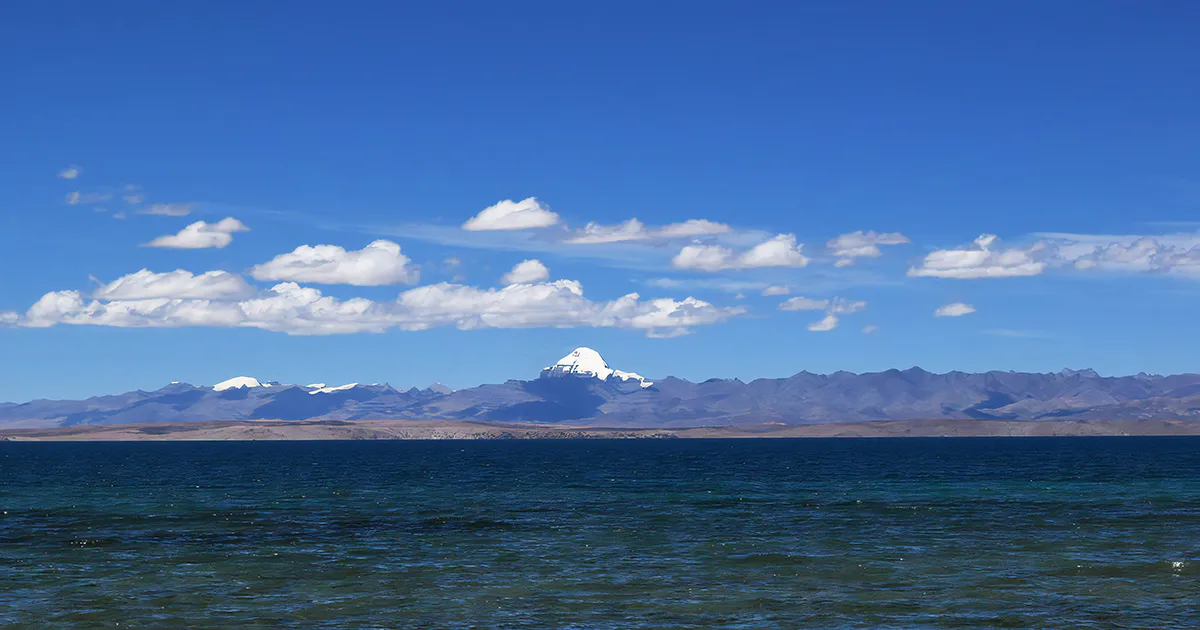
Here, at the high altitude, the appetite fades, digestion slows, energy drains quickly, and this is the time to worry. The truth is, eating at high altitude with loss of appetite in Kailash is not normal. You can expect it, but do not ignore it.
Walking at high altitude needs more calories to burn, producing extra fuel to walk. The solution is not to eat more but to eat smartly. In this blog, we will learn the tricks for eating at high altitude, and preparing for high-altitude trekking, understand what happens to your body at high altitude, and plan eating food in Kailash when you have no appetite.

What Really Happens to Your Body at High Altitude
Walking at high altitude does not only involve cold but also high-speed wind, low oxygen, and the astonishing Mountain view. Traveling to Kailash from Kathmandu via the Kerung border has a sudden rise in altitude from 1450 m to more than 4500 m in just a few days. Your body system is adjusting quickly, too. The oxygen drops, digestion slows, and at a point, every food tastes strange.
At high altitude, your body needs more energy, so it burns more calories, demanding a higher rate of oxygen, increasing blood flow to the brain and lungs. Above that, the nausea hits harder, reducing hunger. The food in Kailash feels odd, and the taste buds become dull. The hunger signal also becomes weaker.
Many pilgrims mistake this for a sickness. Such minor symptoms are not necessarily serious. Sometimes, they might be just a temporary discomfort. But do not make the mistake of ignoring them. In such discomfort, do not neglect your water or food in Kailash. Low food intake can reduce strength, increase fatigue, and worsen altitude sickness preventive efforts. Up here in the high altitude, eat something before hunger arrives. Drink sip by sip, time and again, before you feel thirsty.
Why Does Appetite Drop During Kailash Mansarovar Yatra?
During the early days of the Kailash Yatra, especially above 3500 meters, loss of appetite is very common. There are several reasons for the Loss of appetite in Kailash, such as lower oxygen levels, a slowdown of the digestion, reduced rate of emptying the stomach. The hormones and enzymes responsible for digestion slow their effects. Dehydration shifts the hunger further. Cold also suppresses thirst and hunger signals. Above all, fear, anxiety, or exhaustion also plays a silent role in reducing the appetite.
Loss of appetite in Kailash alone might not be very dangerous, but if it is combined with dehydration and fatigue, then it might weaken the body at a higher rate. So, at high altitude, avoiding altitude sickness is not only about medicines like Acetazolamide, or enough rest. Intake of nutrition, protein, and carbohydrate also matters a lot.

For the first few days, this phase is seen in most of the people. Some get adjusted quickly, and some need more time to get used to it. As the acclimatization improves, appetite slowly returns, sometimes partially and sometimes fully. If it continues, do not panic and try to go easy with your food.
What to Eat at High Altitude When Hunger is Low?
This is something most people talk a lot about, but not something that has a universal solution. Every person has different tastes and choices. People can eat a lot at low altitude, but as the altitude increases, the appetite decreases. You will not be able to eat heavy meals as you do at sea level. Your taste buds search for something simple, warm, and easy food. Here, you think of comfort, not feast, good for digestion, too.

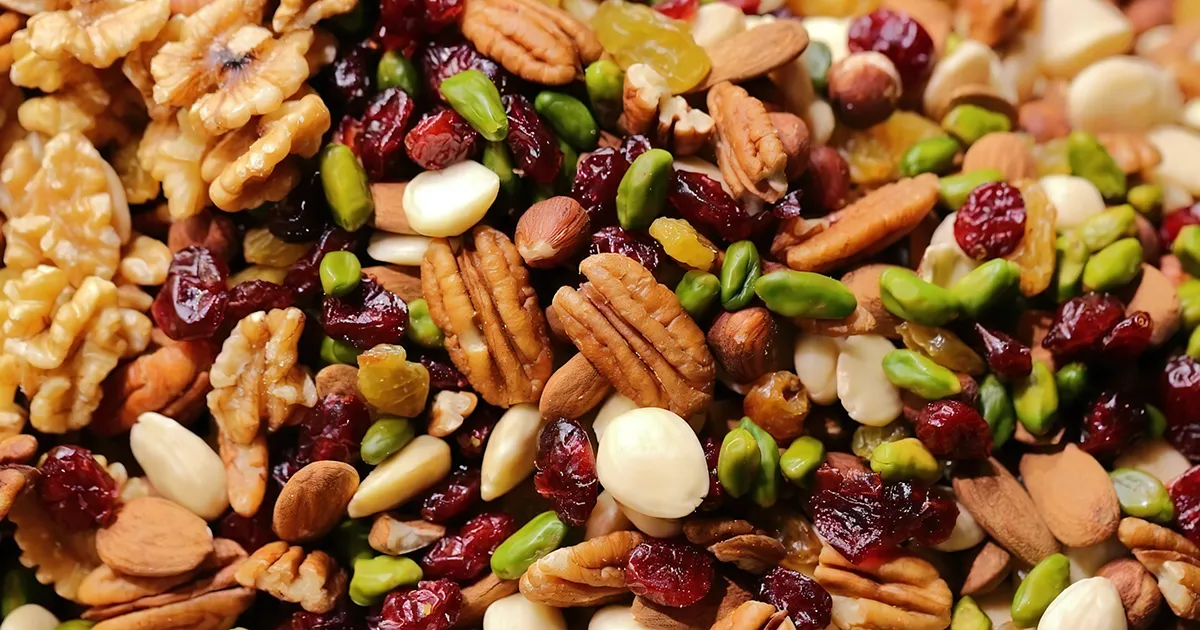
The smartness here is that, instead of heavy meals, small portions every few hours help digestion and energy generation. Cashew nuts, almonds, and other dry foods are often taken by pilgrims during the Kailash Mansarovar Yatra. Chocolates, energy bars, and fruits are always a backup in the handbag. In remote areas, even a few bites matter. Similarly, Glucose powder and electrolyte drinks provide instant, quick energy, useful during trekking days.
Best Foods for High Altitude Nutrition
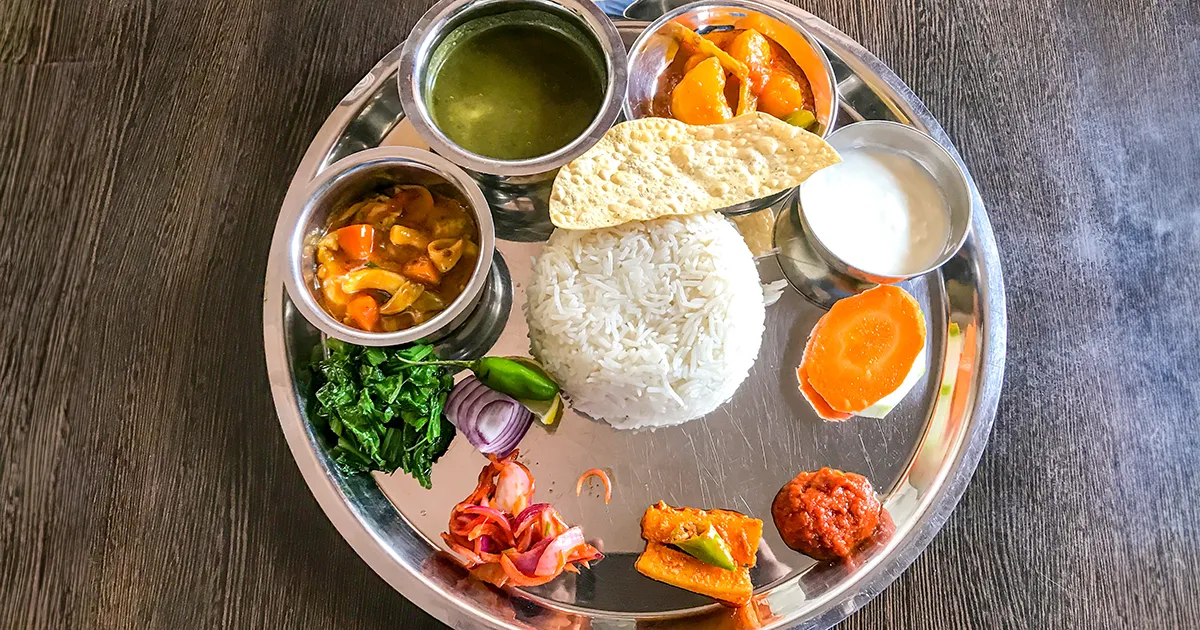
Hotels and teahouses in Kailash and Mansarovar offer warm and simple soups at a reasonable price. Here are some soup menus available in Kailash.
- Boiled potatoes
- Dal bhat (rice and lentil soup)
- Instant noodles
- Plain rice
- Porridge
- Steamed vegetables
- Toast or simple bread
- Tsampa
- Warm soups and broths
- Bananas, apples, and seasonal fruits, when available
These foods are easily digested and support high altitude nutrition without burdening the stomach. The warm soup can save you from a tiring and hectic day.
Liquids vs Solid: Which Works Better?
As the appetite fades, liquid can be a better friend than fully depending on solid food. Many pilgrims love to take liquid soup, Tibetan butter tea, and lentil soup in the early days. Warm soup hydrates and nourishes you internally, and Tibetan butter tea supports digestion.

Along with soup, some prefer light porridge and light snacks, easy to digest and easily absorbed. This is the reason why many guides recommend soup-based meals during difficult altitude trekking. The soup keeps you hydrated and prevents you from altitude sickness. Dehydration quietly worsens fatigue, headache, and appetite loss, more risky in high altitude. Drink more than you think you need. Yes, this is the smart move.
Smart Food Choices During Kailash Trekking Days
When you are choosing your food in Kailash yatra and similar high altitudes, you need to be more careful. The wrong choice of food might create more trouble. Avoid oily and spicy food as far as possible. Also, avoid overeating when you are tired.
Always take a rest before eating or drinking something. Always choose warm soup as a starter. Prefer warm, freshly cooked food. Cold meals create strain on the stomach. There are options for both vegetarian and non-vegetarian food in Kailash. Do not take raw food in remote and unknown regions where hospitals and medical facilities are rare.
Fasting Reality
Most people think fasting during the Kora is religious, and the Lord will be happy, providing them with release from all sins. But the reality is fasting drains you of energy. The mountains teach you to be strong and stay healthy. Strength is devotional, and being healthy is your dharma.
Food for Survival, Not Your Taste Buds
Eating and drinking in high mountains is not only about taste but a survival instinct. Maintaining the nutrients and balancing the water level in the body is crucial for a healthy journey to Kailash.
Your appetite becomes mild, but do not forget to eat frequently and drink every time to remain hydrated. Just be aware of the signals your body shows, respect altitude, walk slow and drink warm.
FAQs
Expand AllWhy does appetite decrease at high altitude?
At high altitude, there is a low volume of oxygen, which slows down the digestion and alters hunger hormones.
Is loss of appetite a symptom of altitude sickness?
Sometimes the altitude sickness is triggered by loss of appetite, accompanied by nausea and fatigue.
Is it normal to feel no hunger during the Kailash Yatra?
It is a very normal in early altitude days. You need to adjust to the loss of appetite in Kailash to be strong and healthy.
What happens to digestion at high altitude?
At high altitude, the digestion is slowed, and appetite decreases.
Why does food taste bad at high altitude?
The reduction of oxygen and dryness affects the activities and actions of the taste buds, reducing the taste in food.
What should I eat at Kailash when I don’t feel hungry?
If you are not hungry, you still need to eat something to provide energy to your body. You can have warm garlic soups, porridge, rice, light, and simple meals.
Should I force myself to eat if I have no appetite while trekking?
You might lose your appetite at a higher altitude, but you need to eat something in small, frequent bites and take more juicy food and soups.
Can dehydration cause loss of appetite Loss of appetite in Kailash?
Yes, dehydration reduces hunger and causes headache and nausea.
What snacks are best for trekking at high altitude?
Snacks like dry fruits, nuts, glucose, energy bars, and chocolates are best for trekking at high altitudes.
Should I avoid oily or spicy food at high altitude?
Yes, avoid oily, spicy, and heavy foods at high altitude, as they slow digestion.
Is vegetarian food better for digestion at high altitude?
The vegetarian foods are often lighter and easier. Most of the pilgrims opt for vegetarian food during Kailash Kora.
Can altitude medicines like Diamox reduce appetite?
Diamox can have some sideeffects affecting the appetite.
When does appetite usually return after acclimatization?
It usually takes two to three days to return appetite after acclimatization.
Is appetite loss more common in the first few days at altitude?
Yes, loss of appetite is common in the early days at high altitude, such as on Kailash.
What drinks help with appetite and digestion at high altitude?
At higher altitude such as Mount Kailash, warm soup, herbal tea, light fluids, and dry fruits can help with loss of appetite.
Related blog posts
Discover a choice of tourist destinations loved by most of our visitors. Whether you're on a jungle safari to spot rare animals or walking through a world heritage site, these well-planned itineraries cover the major highlights of Nepal.


 call an expert at: