
How Many Mountains Are in Nepal? Why the Number Changes
 Sujata Pokhrel
Nepal is a Himalayan country, which is evident to everyone around the world. But out of the world’s highest, how many mountains are in Nepal? Well, that’s a pretty vague question, as the country is home to countless ones.
From the top of the world, Mount Everest, to the endless layers of unnamed peaks stretching across the horizon, Nepal’s landscape is far more complex than a simple number can capture. What seems like a straightforward question quickly turns into something more technical, shaped by geography, measurement, and even interpretation.
Let’s get through the blog to figure out how many mountains are in Nepal and why this number keeps changing.
Official Counts of Mountains: What Do the Records Say?
If you look at official data, Nepal is generally said to have over 1,300 peaks above 6,000 meters. This figure is widely accepted in mountaineering circles and is often referenced by bodies like the Department of Tourism Nepal and the Nepal Mountaineering Association.
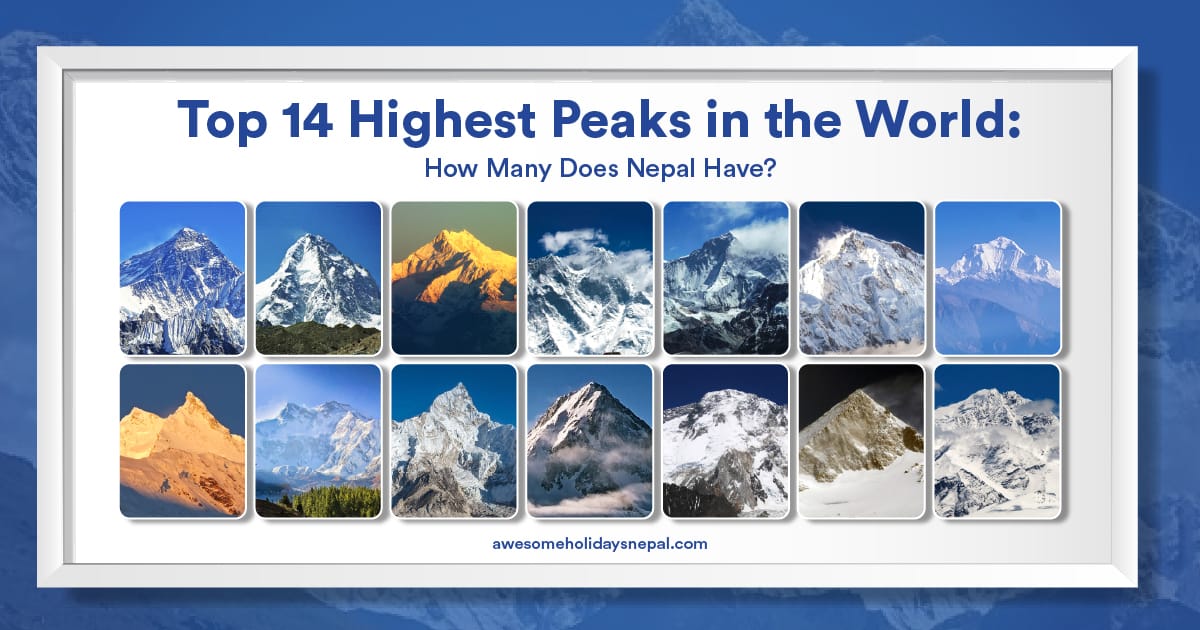
At the highest level, Nepal is home to 8 of the world’s 14 mountains above 8,000 meters, including iconic giants like Kanchenjunga and Lhotse. These numbers are clear and well-documented because the tallest peaks are easier to define and agree upon.
However, once you move below the 8,000-meter category, things become less fixed. The count of 6,000-meter and 7,000-meter peaks is where variation begins, depending on how different authorities classify them.
What Actually Counts as a Mountain?
This is where the confusion really starts. There is no single global definition of what qualifies as a mountain.
In Nepal, a large mountain is rarely just one summit. Instead, it often forms part of a massive ridge or massif with multiple high points. Some of these high points are considered independent mountains, while others are labeled as sub-peaks.
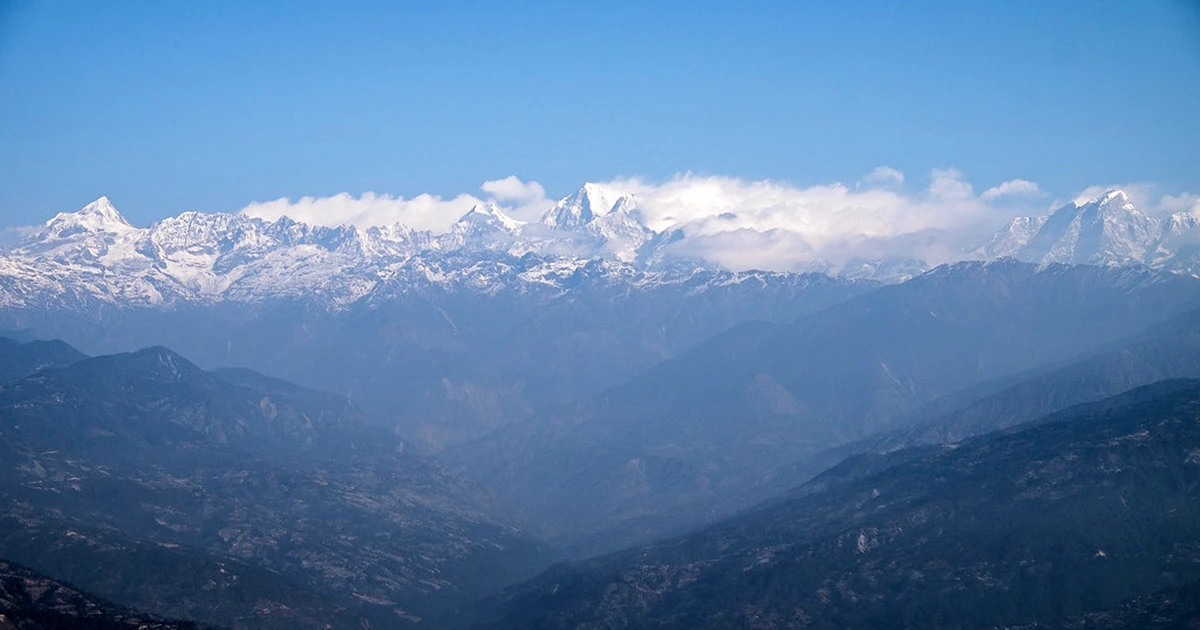
A key concept here is topographic prominence, which measures how distinct a peak is from the surrounding terrain. A summit with high prominence stands clearly apart, while one with low prominence might just be a bump along a ridge. Depending on how much prominence is required, the same landscape can produce very different mountain counts.
So, one ridge could be counted as one mountain or several depending on the criteria used.
Why Does the Number of Mountains Keep Changing in Nepal?
The number of mountains in Nepal isn’t fixed because the way we understand and measure them keeps evolving. It’s not that new mountains are suddenly appearing, but rather that our interpretation of the terrain continues to improve.
Reclassification of Peaks
Over time, some peaks that were once considered minor sub-peaks are reclassified as independent mountains. This usually happens when new data shows that a peak has enough prominence or separation to stand on its own.
On the other hand, some peaks may be merged into larger systems if they are found to be less distinct than previously thought. These adjustments can subtly increase or decrease the total count.
New Peaks Are Still Being Measured
Despite Nepal being one of the most studied mountain regions in the world, mapping is still improving. With modern satellite technology and more precise surveys, previously overlooked or poorly recorded peaks are now being identified.
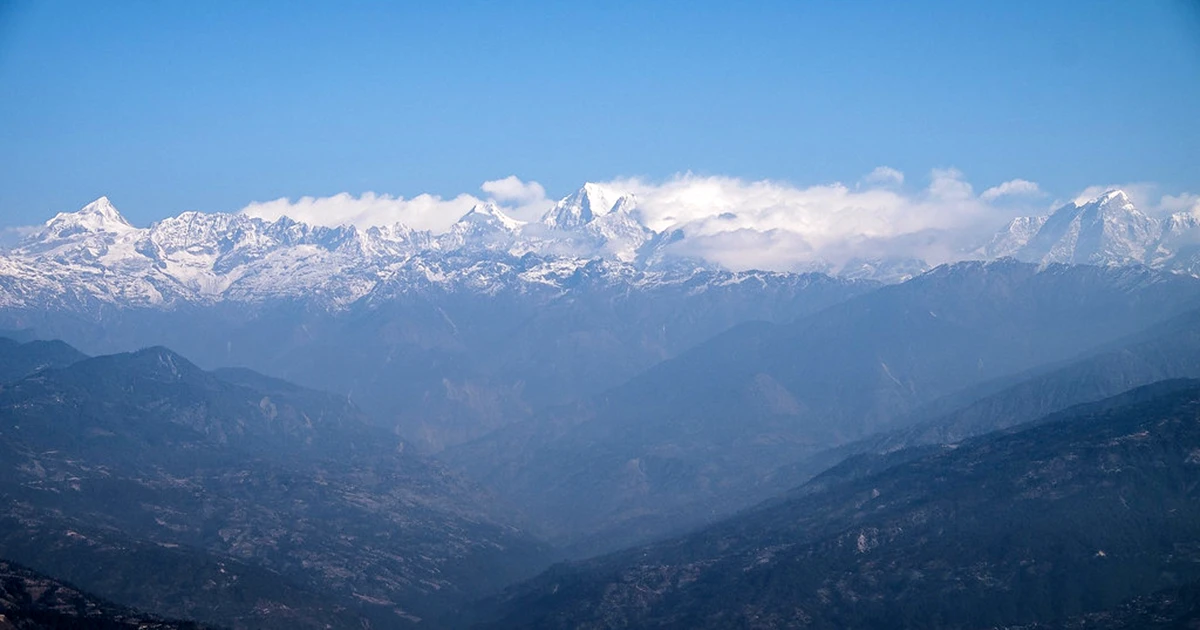
Remote regions of western and far-eastern Nepal, in particular, still hold peaks that are not widely documented. As these areas are studied in more detail, the official lists continue to expand.
Various Organization Have Different Lists
Another reason for the changing number is that not all organizations follow the same criteria.
The Department of Tourism Nepal focuses on peaks that are relevant for expeditions and permits, while the Nepal Mountaineering Association manages a separate list of trekking peaks. International mountaineering databases may apply different prominence thresholds or naming conventions altogether.
As a result, the total number of “mountains” varies depending on which list you are looking at.
Naming and Local Recognition
Not every mountain in Nepal has an official name. Many peaks are known only to local communities, while others have multiple names in different languages.
In some cases, a peak may exist physically but not appear on official records simply because it hasn’t been formally recognized or named. When such peaks are documented and accepted, they add to the total count.
How Many Mountains in Nepal are Climbable?
Out of the more than 1,300 peaks above 6,000 meters, only a portion are open for climbing. Nepal currently allows expeditions on over 400 mountains, though the exact number changes as new peaks are opened or regulations shift.

The Nepal Mountaineering Association also oversees a category known as trekking peaks, which are generally more accessible and do not require the same level of technical expertise as expedition peaks.
This means that while Nepal has thousands of mountains in a broad sense, only a carefully managed selection is available for climbers.
Some of Nepal’s Highest and Popular Mountains
When people think of Nepal’s mountains, they usually picture its most famous giants. At the top is Mount Everest, followed by other towering peaks like Makalu and Annapurna I.
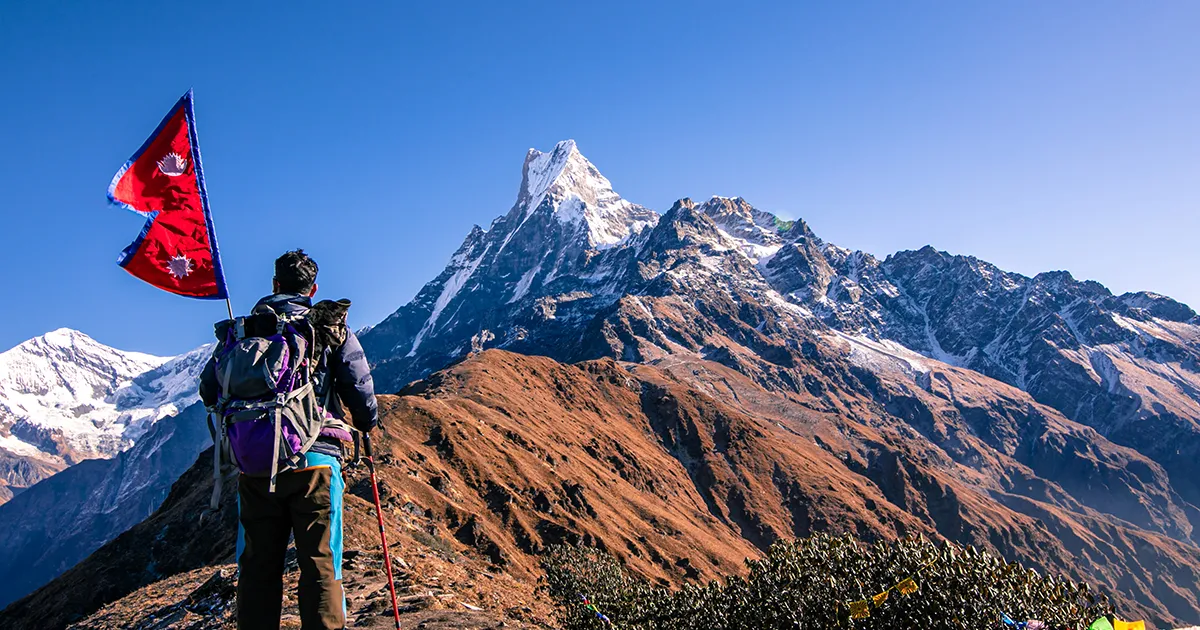
These mountains dominate global attention, but they represent only a tiny fraction of Nepal’s full mountain landscape. Beyond them lies an immense network of lesser-known peaks, many of which are just as striking but far less visited.
Mountains vs Hills: How Nepal Differentiates Them?
Nepal is often divided into three geographical regions: the Himalaya, the Hills, and the Terai. While the Himalaya contains the high-altitude giants, the Hill region also features steep, elevated terrain that might feel mountainous but doesn’t meet the same criteria.
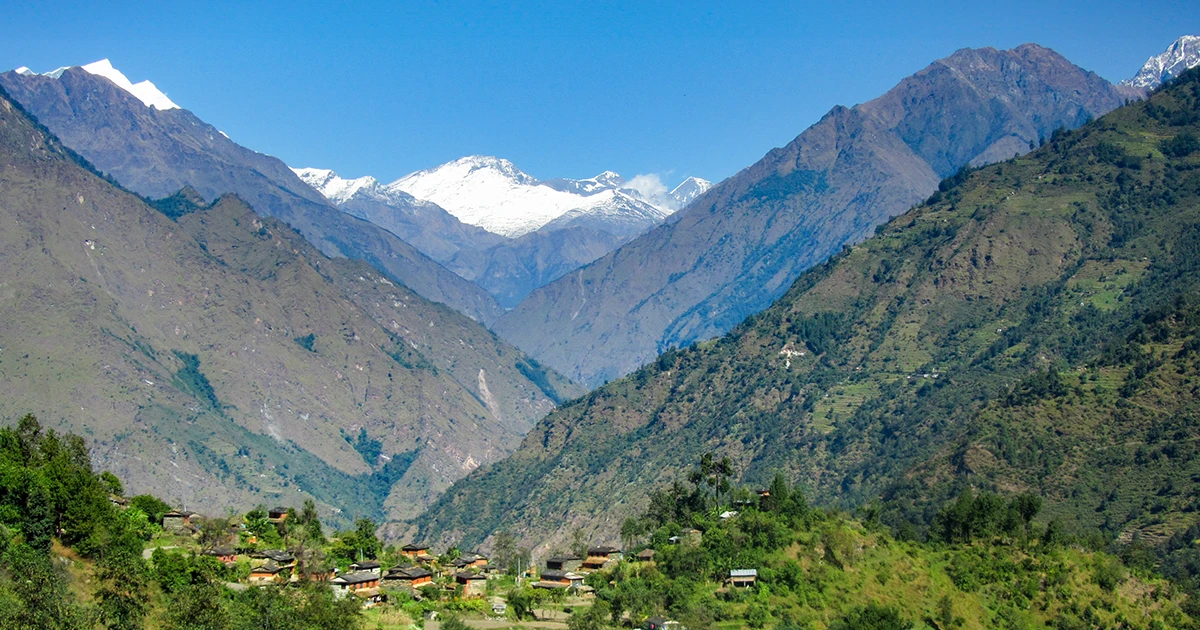
The distinction isn’t always obvious to the eye. A hill in Nepal can still rise dramatically and feel like a mountain to a visitor. However, in technical terms, factors like elevation and prominence determine whether it is officially classified as a mountain.
So, How Many Mountains Are in Nepal?
In the end, there isn’t a single, fixed answer. The most widely accepted figure is that Nepal has over 1,300 mountains above 6,000 meters, along with thousands more smaller peaks spread across the Himalayas.
But the exact number continues to change because mountains are not just counted, they are defined, measured, and sometimes redefined. As mapping improves and criteria evolve, so too does the total.
What remains constant is the scale of Nepal’s landscape. Whether you count 1,300 mountains or many more, the country is undeniably one of the most mountainous places on Earth, where every horizon reveals another peak waiting to be understood.
FAQs
Expand AllHow many mountains are there in Nepal?
There isn’t a single fixed number. The most widely accepted figure is that Nepal has over 1,300 peaks above 6,000 metres, along with thousands of smaller, unnamed or unclassified peaks.
Why do some websites say Nepal has 8 mountains while others say 14?
The number 8 refers to the eight mountains in Nepal that are above 8,000 metres and are fully or partly within its borders, including Mount Everest.
The number 14 refers to the total number of 8,000-metre peaks in the world, not just Nepal. Some confusion happens when people mix these two figures.
How many peaks above 6,000 metres are there in Nepal?
Nepal has more than 1,300 peaks above 6,000 meters, according to commonly cited mountaineering records and government data.
How many 8,000-metre mountains are globally recognized in Nepal?
Globally, there are 14 mountains above 8,000 metres, and Nepal is home to 8 of them, either fully or along its borders.
Why does Nepal’s official peak profile show 14 mountains above 8,000 meters?
Nepal’s official listings sometimes include all 14 of the world’s 8,000ers because many of them lie along the Himalayan range connected to Nepal, or are partially accessible from the Nepal side.
Which mountain is the highest in Nepal?
The highest mountain in Nepal is Mount Everest, standing at 8,848.86 meters.
Which are the highest mountains in Nepal after Everest?
After Everest, the highest include: Kanchenjunga, Lhotse, Makalu, Cho Oyu, Dhaulagiri I, Manaslu, and Annapurna I.
Are all of Nepal’s highest mountains entirely inside Nepal?
No. Many of Nepal’s highest mountains lie on international borders, especially between Nepal and Tibet (China), and in some cases India.
Which mountains in Nepal sit on the border with Tibet or India?
Mountains like Mount Everest, Lhotse, and Cho Oyu sit along the Nepal–Tibet border, while Kanchenjunga lies on the Nepal–India border.
What are the major mountain ranges in Nepal?
Nepal’s Himalaya is divided into several major ranges, including the Everest (Khumbu), Annapurna, Langtang, Manaslu, and Kanchenjunga regions.
Which mountain range is Everest in?
Mount Everest lies in the Mahalangur Himal range, part of the greater Himalayas in eastern Nepal.
Which mountain range is Annapurna in?
Annapurna I is part of the Annapurna range in central Nepal.
Which mountains can travellers easily see on a normal Nepal trip?
Even without trekking, travellers often see peaks like Machhapuchhre, Annapurna South, and Dhaulagiri I, especially around Pokhara.
Can you see Everest without doing a full expedition?
Yes. You can view Mount Everest from scenic flights or short treks like the Everest View Trek, no expedition required.
Can you see major Himalayan peaks from Kathmandu or Pokhara?
From Kathmandu, mountain views are limited but possible on clear days. From Pokhara, you can enjoy some of the best close-up Himalayan views, including Annapurna and Machhapuchhre.
Which short treks in Nepal have the best mountain views?
Popular short treks include the Ghorepani Poon Hill trek, Mardi Himal trek, and Everest View trek, all offering impressive Himalayan panoramas.
Which easy viewpoints in Nepal show Annapurna and Dhaulagiri?
Poon Hill is one of the best easy viewpoints to see both Annapurna I and Dhaulagiri I.
Is Machhapuchhre one of Nepal’s most famous mountains even though it is not an 8,000er?
Yes. Machhapuchhre is one of Nepal’s most iconic mountains due to its distinctive shape and sacred status, even though it is below 8,000 metres.
Why is Nepal called the home of the Himalayas?
Nepal contains a large central stretch of the Himalayas and hosts many of the world’s highest peaks, making it one of the most significant mountain regions on Earth.
How many mountains in Nepal are open for climbing?
Nepal has over 400 mountains open for expeditions, though the number changes as new peaks are opened or regulations are updated.
Do travellers need permits to trek near Nepal’s mountains?
Yes. Most trekking regions require permits such as national park or conservation area permits, and sometimes TIMS cards.
Do climbers need separate permits for expedition peaks in Nepal?
Yes. Climbing major peaks requires special expedition permits issued by the Department of Tourism Nepal.
What is the difference between trekking peaks and expedition peaks in Nepal?
Trekking peaks are generally lower, less technical, and managed by the Nepal Mountaineering Association, while expedition peaks are higher, more technical, and require full climbing permits.
Which mountains in Nepal are best known to trekkers rather than climbers?
Mountains like Machhapuchhre and peaks in the Annapurna and Langtang regions are more commonly admired by trekkers than climbed.
Which mountain region in Nepal is best for first-time visitors?
The Annapurna region is widely considered the best for beginners due to accessibility, infrastructure, and diverse scenery.
Which mountain region in Nepal is best for remote, offbeat travel?
Regions like Manaslu, Dolpo, and Kanchenjunga offer more remote and less crowded trekking experiences.
When is the best time to see clear mountain views in Nepal?
The best seasons are autumn (October–November) and spring (March–April), when skies are usually clear and visibility is at its best.
Which mountains in Nepal are culturally or spiritually significant?
Machhapuchhre is considered sacred and unclimbed, while Mount Everest holds deep cultural meaning for local communities like the Sherpas.
Why does Nepal have so many famous mountains in a small country?
Nepal sits directly on the collision zone between the Indian and Eurasian tectonic plates, which created the Himalayas and concentrated many of the world’s highest peaks within a relatively small area.
Is Nepal only about Everest, or are there many other major mountains worth planning around?
Nepal is far more than Everest. While Mount Everest draws global attention, regions like Annapurna, Manaslu, and Kanchenjunga offer equally stunning and diverse mountain experiences.
Related blog posts
Discover a choice of tourist destinations loved by most of our visitors. Whether you're on a jungle safari to spot rare animals or walking through a world heritage site, these well-planned itineraries cover the major highlights of Nepal.


 call an expert at: