
Helicopter Rescues in Nepal: When They Happen and Who Pays
 Sujata Pokhrel
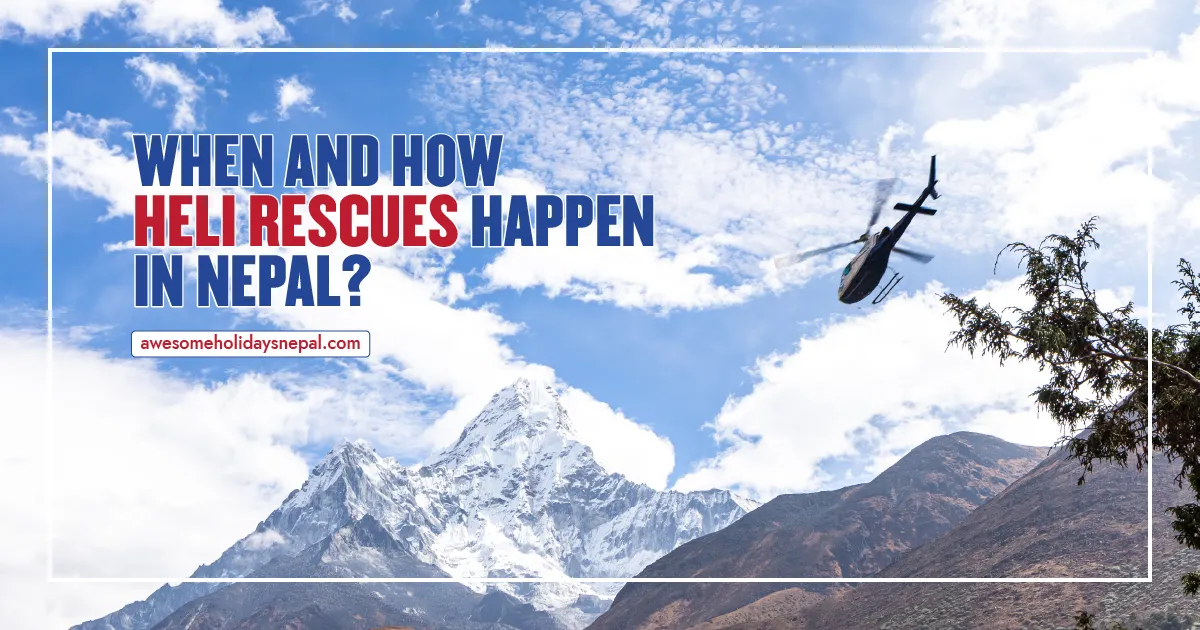
Helicopter rescues in Nepal have become more common than ever. With the continuously growing trekking and mountaineering business, many people visit Nepal for Himalayan adventures.
While these journeys are deeply rewarding, Nepal’s geography, altitude, and unpredictable weather can often invite accidents and medical emergencies, requiring emergency evacuation. In such instances, helicopter rescues aren’t just a luxury but something inevitable at all costs.
In fact, these kinds of rescues often determine whether a person lives or dies. They are often the only life-saving option when time, terrain, and medical urgency collide. To be eligible for such emergency rescues, it is vital to have trekking insurance that prioritizes safety above 6000 meters.
Before you begin a high-altitude trek, it’s important to understand how rescues work and who is responsible for such emergency evacuations. While travel insurance for Nepal is necessary, not all providers are capable of pulling off such a daring aerial rescue on the spot.
Let’s go through the blog to find more about helicopter rescues in Nepal and how they work.
Why Helicopter Rescues are Common in Nepal?
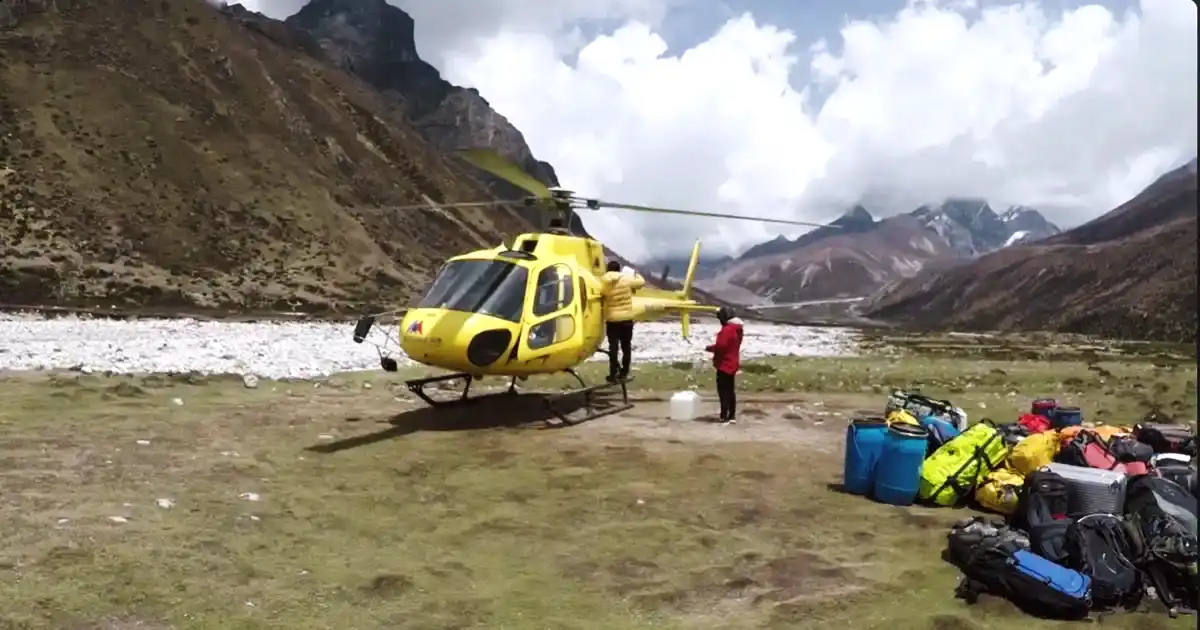
Nepal’s geography plays a major role in contributing to the increasing number of helicopter rescues in present time. Most major trekking regions such as Everest, Annapurna, Langtang, Manaslu, Upper Mustang, and Dolpo barely have good road access. In these areas, reaching the nearest medical facility on foot or by stretcher can take several days, which is often impossible during emergencies.
Altitude is another major factor that contributes to this frequency. Trekkers usually ascend above 3,000 meters, where oxygen levels decreases, placing their body under significant stress. Even healthy, well-trained, and experienced trekkers can develop serious altitude-related illnesses.
In case the condition worsens, these trekkers need to be brought back to safety right away, and what helps better than a heli in such instances. In addition, the changing weather, cold exposure, steep trails, and landslide-prone terrain make helicopters an essential part of Himalayan safety infrastructure.
Some of the privately owned heli companies in Nepal are:
- Altitude Air
- Simrik Air
- Heli Everest
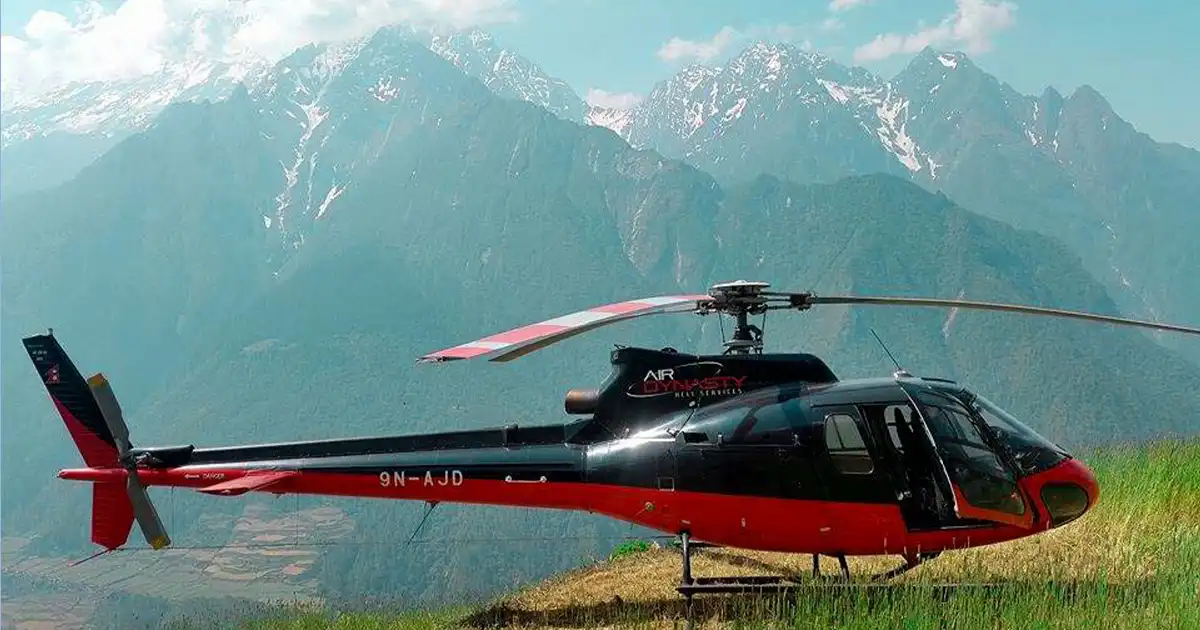
- Air Dynasty
- Manang Air
- Fishtail Air
- Kailash Air
These are also the companies who run heli tours in popular regions like Everest, Annapurna, and Langtang.
Common Situations That Require Helicopter Rescue
While the rescue on a heli is possible but you don’t always ask for it unless it’s urgent and covered in your insurance plan. Here are some common instances that might require heli- rescue.
Altitude Sickness-Related Emergencies
Altitude sickness is the most common reason for helicopter evacuation in Nepal. Conditions such as Acute Mountain Sickness (AMS), High Altitude Pulmonary Edema (HAPE), and High Altitude Cerebral Edema (HACE) can worsen rapidly if a person continues to ascend or delays descent.

Symptoms such as persistent headaches, nausea, confusion, loss of coordination, breathlessness at rest, or altered consciousness are clear warning signs. When immediate descent is not possible on foot, a helicopter evacuation becomes medically necessary.
In many cases, timely helicopter rescue is the difference between full recovery and severe complications.
Catastrophic Disasters Rescue
Nepal’s mountains are very prone to natural disasters. Avalanches, landslides, sudden snowstorms, earthquakes, and glacial lake outburst floods can trap trekkers or climbers in isolated areas. During such events, trails may be destroyed, weather windows limited, and ground evacuation impossible.
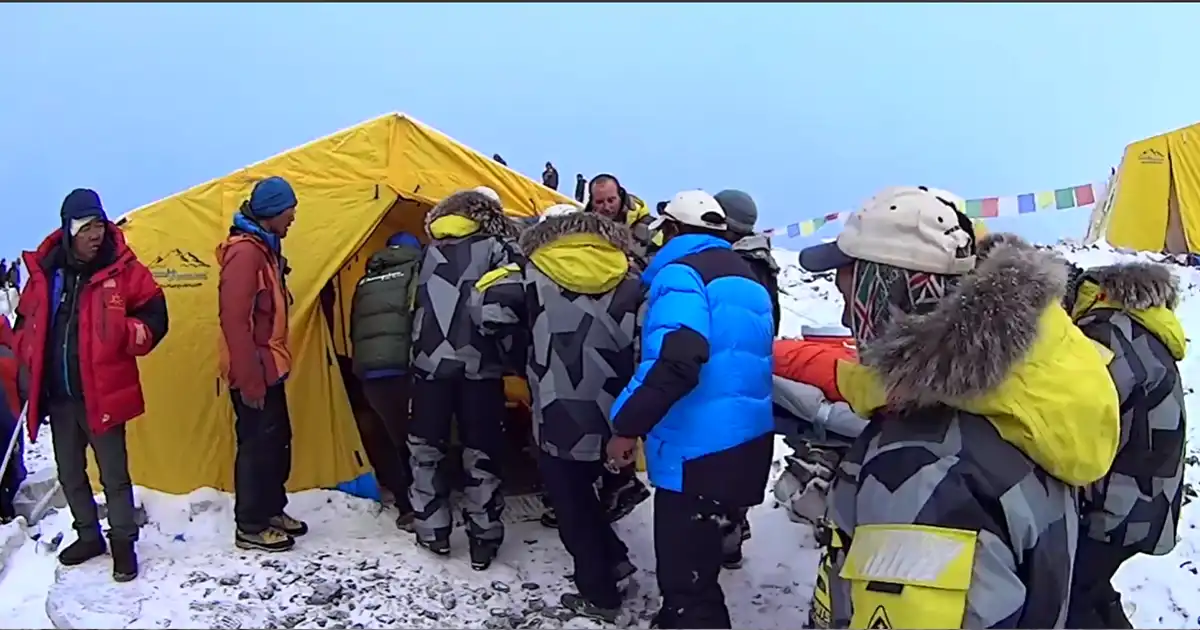
Helicopters are deployed for emergency extraction, search-and-rescue operations, and evacuation of injured or stranded individuals. These rescues often involve coordination between aviation companies, trekking agencies, medical professionals, and government authorities.
Injuries and Accidents on Trekking Trail
Trekking trails in Nepal vary greatly in condition. Some are wide and well-maintained, while others are narrow, exposed, and carved into steep mountainsides. Slips, falls, fractures, and joint injuries are common, particularly on icy trails, suspension bridges, or during long downhill sections.
When a trekker is unable to walk and stretcher evacuation would take days, helicopter rescue becomes the safest option. Guides and porters are also at risk of such injuries, and their evacuation follows the same protocols.
Who Pays for Helicopter Rescues in Nepal
Despite their importance, helicopter rescues are costly, and there is often confusion about who bears the financial responsibility. Unlike emergency services in some countries, helicopter rescues in Nepal are not government-funded for foreign travelers. And only the emergency operation team of Nepal Army is equipped enough and supported by the government for operation these rescues.
Until it’s a national concern, these Heli’s don’t get air-borne. In such cases, its usually the commercial operators that carry on with evacuation of tourists on the trek.
Travel Insurance Coverage
In most cases, travel insurance covers helicopter rescues, provided the policy includes high-altitude emergency evacuation. Comprehensive trekking insurance typically pays for helicopter evacuation, medical transportation, and initial hospital treatment.
However, insurance companies require:
- Medical justification for evacuation
- Verification that the trekker is within the policy’s altitude limit
- Approval from their emergency assistance provider
Without insurance authorization, helicopter operators may refuse dispatch or request a financial guarantee.
Different Travel Insurance for Nepal
Not all travel insurance policies are suitable for trekking in Nepal. Standard travel insurance often excludes activities above certain altitudes, commonly 3,000–4,000 meters. Popular treks such as Everest Base Camp, Annapurna Circuit, and high passes exceed these limits.
Some insurance plans also distinguish between guided trekking, independent trekking, and mountaineering. Choosing insurance designed specifically for Himalayan trekking is essential to avoid claim denials during emergencies. Usually, there are country-specific insurance providers who cover such a risky operation for your safety. The most common ones are:
- USA and Canada: Blue Criss, United Healthcare, Tugo, World Nomad
- Europe: Austrian Alpine Club, Europe Assistance, Allianz Europe
- New Zealand and Australia: Allianz Australia, Fast Cover
- Singapore: World Nomad, Ergo
- India: ICICI Lombard
Essential Insurance Tips
Being properly insured not only protects finances but also speeds up rescue coordination when time is critical. Thus, before you board a flight to Nepal for an exciting adventure, here are few things that you need to be aware of:
- Confirm altitude coverage of at least 5,500–6,000 meters
- Ensure helicopter evacuation is explicitly included
- Check for 24/7 emergency assistance services
- Carry printed and digital copies of insurance details
- Disclose pre-existing medical conditions honestly
Out-of-Pocket Payments
If a trekker does not have valid insurance, exceeds the policy’s altitude limit, or cannot obtain insurance approval in time, they may be required to pay for the rescue themselves. Helicopter evacuations can cost several thousand dollars depending on distance, altitude, and weather conditions.
In such cases, helicopter companies usually require upfront payment or a written payment guarantee before dispatching the aircraft.
Role of Trekking Agencies
Professional trekking agencies play a crucial role during emergencies. They assist with communication, medical assessments, documentation, and coordination between helicopters and insurance providers. However, it is important to understand that most trekking agencies do not cover the cost of helicopter rescues.
Their responsibility lies in facilitating the rescue process and ensuring the safety of their clients, not in assuming financial liability. This is why reputable agencies strongly emphasize proper insurance before confirming a trek.
Preparedness Saves Lives
Helicopter rescues are a vital safety tool in Nepal’s mountains, but they should never replace responsible trekking practices. Proper acclimatization, realistic itineraries, experienced guides, and early recognition of symptoms can prevent many emergencies from escalating.
An overall preparation on all, physical, logistical, and financial bases ensures that when emergencies arise, help arrives quickly and effectively. In the Himalayas, being prepared is not just about reaching your destination; it is about ensuring a safe return.
Prepare well in advance to prevent being a dead story!
FAQs
Expand AllWhen do helicopter rescues in Nepal usually happen on treks?
Helicopter rescues are typically used for serious medical emergencies on treks, such as severe altitude sickness, injuries from falls, or cases where a trekker cannot continue safely on foot. They are rare for minor issues.
Who decides whether a helicopter evacuation is necessary in the mountains?
The decision is usually made by your trekking guide, sometimes in consultation with your insurance company or medical team, and confirmed by the helicopter operator. The priority is always safety.
Who pays for a helicopter rescue in Nepal if I’m a foreign trekker?
If you have comprehensive travel insurance, it usually covers helicopter evacuation costs. Without insurance, the trekker is personally responsible, which can be very expensive, often several thousand dollars.
Do helicopter companies require payment upfront, or can insurance pay directly?
It depends on the companies offering the service. Some operators may ask for payment or credit card authorization before takeoff, while others accept direct payment from your insurance company once coverage is confirmed.
What is a “Letter of Intent (LOI)” and why does it matter for rescues in Nepal?
A Letter of Intent is a document from your insurer confirming they will cover the rescue costs. Helicopter companies often require it before flying to ensure that payment is guaranteed.
What documents are typically needed for a helicopter rescue insurance claim?
You usually need your passport, insurance policy details, medical report, receipts from the helicopter and hospital, and sometimes your trekking permit. Keeping these ready helps process claims faster.
Are helicopter rescues common on Everest Base Camp and Annapurna treks?
They are relatively common in high-altitude regions like Everest Base Camp and Annapurna due to risks like altitude sickness or injuries. They are generally only used for serious or urgent situations.
How can I avoid unnecessary or unethical helicopter evacuations?
Avoiding rescues involves proper acclimatization, monitoring your health, and being honest with your guide about your condition. Avoid requesting a helicopter for convenience or fatigue alone.
What travel insurance features should I look for before trekking in Nepal?
Look for coverage that includes high-altitude trekking, medical evacuation, helicopter rescue, hospitalization, and repatriation. Make sure your policy explicitly covers trekking above 4,000 m.
What happens after a helicopter rescue—where do patients usually go next?
After evacuation, patients are usually flown to the nearest suitable hospital, such as Kathmandu for Everest and Pokhara for Annapurna. Insurance and trekking operators coordinate admission, treatment, and follow-up care.
Related blog posts
Discover a choice of tourist destinations loved by most of our visitors. Whether you're on a jungle safari to spot rare animals or walking through a world heritage site, these well-planned itineraries cover the major highlights of Nepal.



 call an expert at: