
Gauri Kund at Kailash: Significance, Legend, and Where You See It on the Kailash Kora
 Amrit K. Aryal
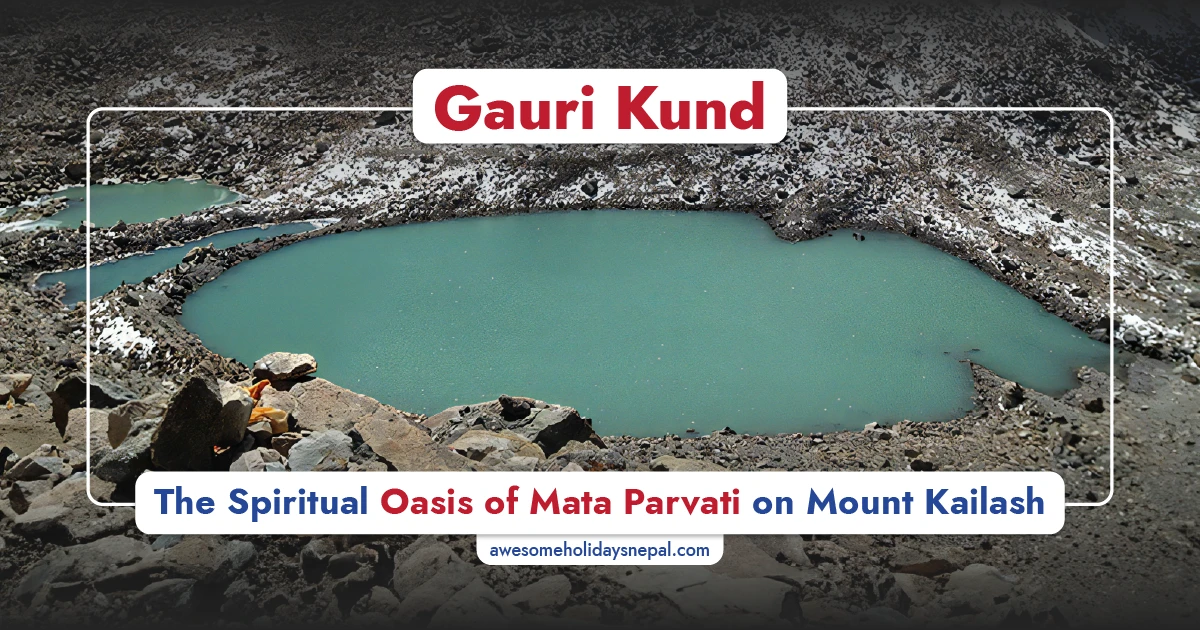
Nestled near the majestic Mount Kailash, Gauri Kunda is one of the most spiritually significant lakes for pilgrims while completing the Kailash Kora. The lake, often called the “Lake of Compassion” or Parvati Kund, is a serene emerald-blue spring lake, where mythology, faith, and geography converge.
For pilgrims visiting Kailash, it is a source of purification, blessings, and divine inspiration, making it an essential stop during the Kailash Mansarovar Yatra in 2026.
The Legend of Gauri Kund at Kailash: Birthplace of Lord Ganesh
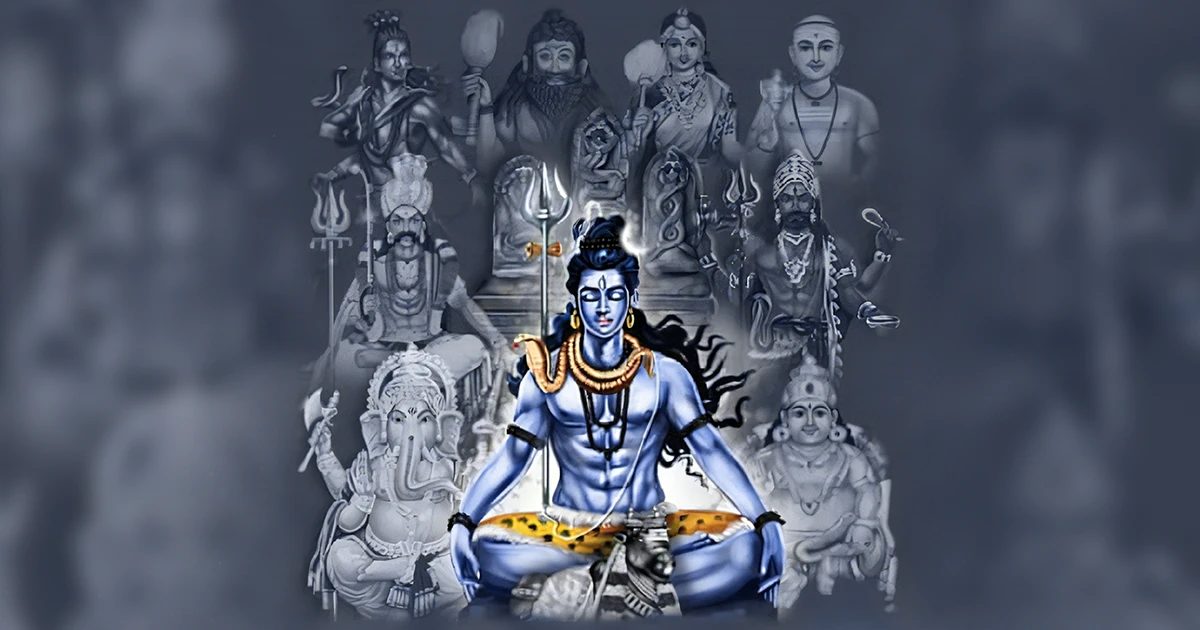
According to Hindu mythology, Gauri Kund is closely connected to Goddess Gauri, a manifestation of Goddess Parvati. Legend says that Ganesh, the son of Parvati, was born here. The story as narrated by the Shiva Purana, goddess Parvati created a child who could talk while she was taking a bath at the lake, giving him life.
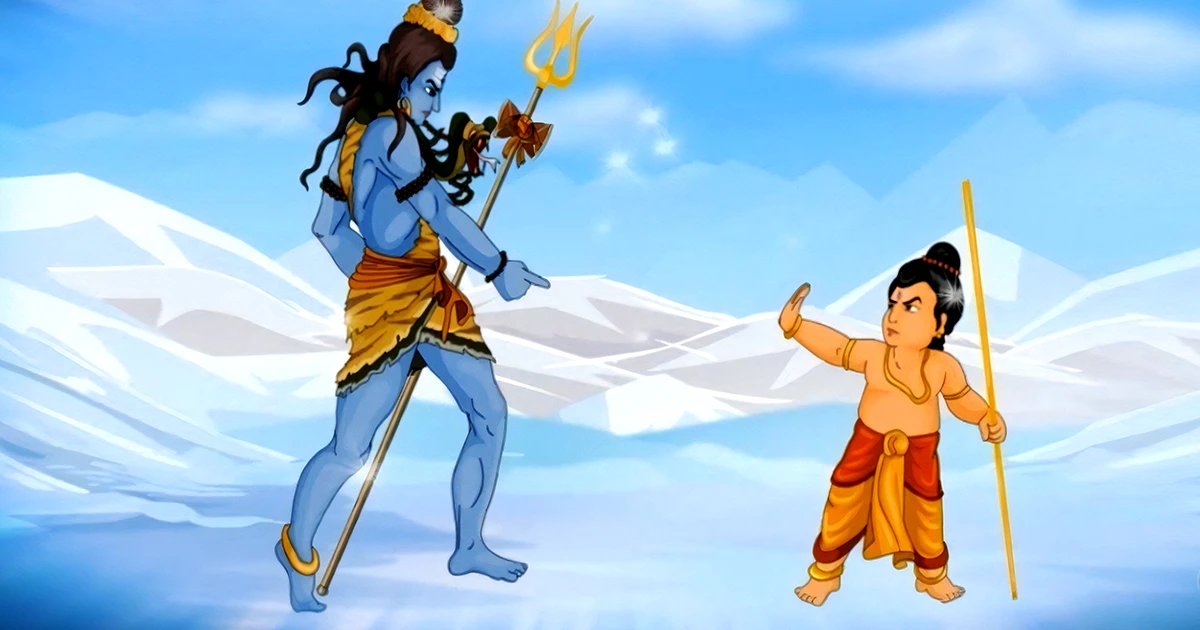 She positioned him at the entrance to safeguard her privacy, telling him not to let anybody enter her room. Later, when Lord Shiva (husband of Parvati) arrived, the small child stopped him from entering the room. Without knowing each other, they argued. Offended and in a fierce rage, Shiva beheaded the small boy.

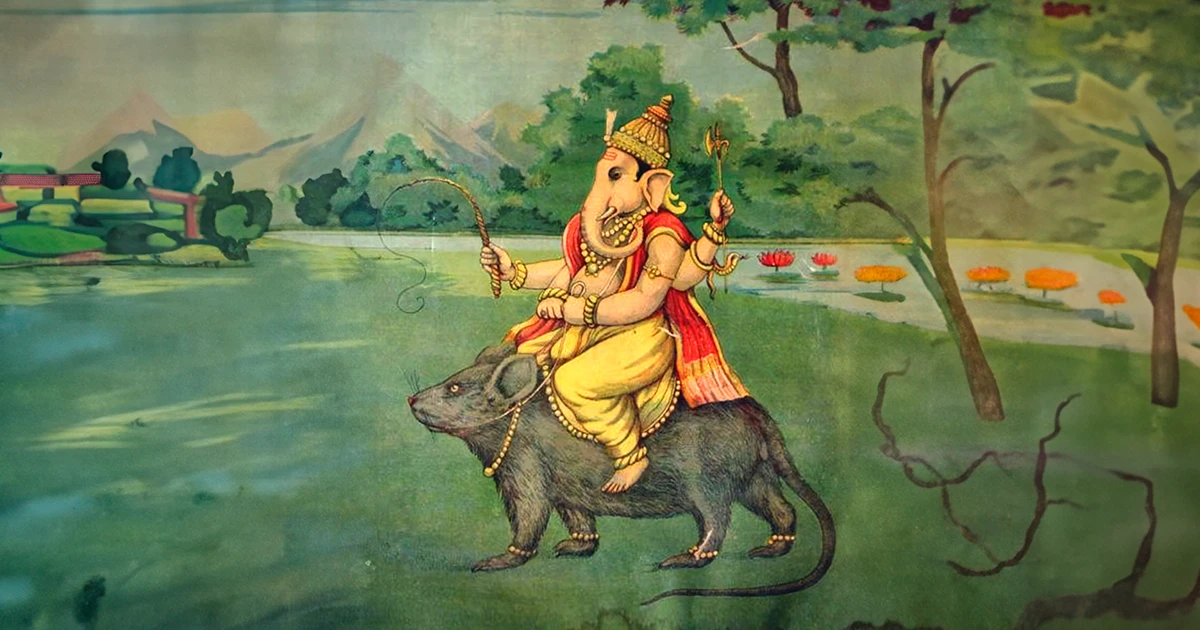
As Parvati heard the cry of the child, she came and saw the small child’s dead body lying on the floor. Witnessing Parvati’s grief, Shiva called Nandi, the bull, to bring the head of the first animal he sees on the way. Nandi brought the head of an elephant, and Shiva affixed it to the torso of the child, giving new life to Lord Ganesh. Ganesh, after reviving, became the head of the Gana. So, he is also known as Ganapati.

Gauri Kund at Kailash: Location and Access
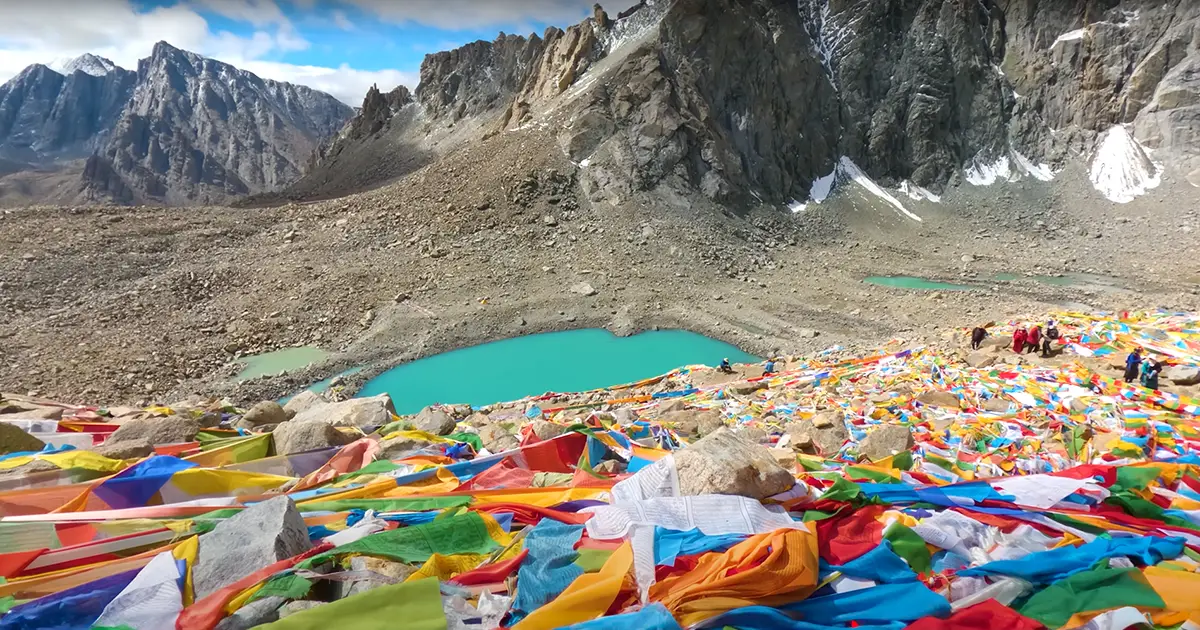
Pilgrims encounter the Gauri Kund in Kailash Kora shortly after descending from Dolma La Pass. Positioned at an elevation of 5,608 meters (around 18,400 feet), this cluster of five emerald-colored ponds appears near the south face of Mount Kailash, just a few kilometers away from Dirapuk.
As walking for the Kailash Kora, Gauri Kund is one of the stops, where pilgrims can appreciate the pristine waters and the surrounding Himalayan landscape. The journey is about the physical challenge of high-altitude trekking as much as it is about spiritual reflection.
Why is Gauri Kund so sacred?
The holiness of Gauri Kund on Mount Kailash is deeply intertwined with Hindu beliefs. For Hindus, it is considered the birthplace of Lord Ganesh. This lake is also called the “Lake of life and purity”, and pilgrims often splash the liquid over themselves to cleanse body and soul. Most of the pilgrims often bring a small amount of water back to their home with the belief to purify the environment and offer blessings to their home and family members.
The Gauri Kunda at Kailash represents the divine feminine energy, linking Gauri with the cosmic power of Shiva. This is why pilgrims often highlight why Gauri Kund is sacred and why stopping here is an essential act of devotion.
Physical and Spiritual Aspects of Gauri Kund
The entire region around the Gauri Kund at Kailash remains cold due to high altitude and being a glacial lake. The lake remains cold even during the summer months, adding to its mystical aura. The lake’s perfectly round shape, cold water even in summer months and emerald-blue hue add a mystical aura and evoke a sense of calmness. Pilgrims get to experience both faith and nature here. Witnessing the lake on their descent to Zutulphuk allows travelers to reflect on both the spiritual and physical majesty of Mount Kailash.
Lord Ganesh and His Spiritual Connections with Gauri Kund
Apart from Shiva and Parvati, the lake is linked with Lord Ganesh too. It is his birthplace, and got a new life at the same place. He is regarded as the guard of the entire area. Stories retold by locals and pilgrims often describe the protective role of Ganesh and his symbolic presence along the Kora. For many devotees, this connection reinforces the sense that visiting Gauri Kund is both a devotional act and a step in the cosmic narrative of Kailash.
Gauri Kund vs Other Sacred LakesWhile most of the pilgrims talk about Lake Mansarovar, the Gauri Kund Lake in Kailash offers a more intimate, ancient experience for the worshippers of Shiva, Parvati, and Ganesh. Unlike Mansarovar or the nearby twin lake Rakshastal, Gauri Kund is smaller in size, secluded, and tied to deeply personal devotional acts like splashing water on one’s head or offering prayers.
Many people get confused with the name and ask, “Is Gauri Kund the same as Parvati Kund”? Yes, the names are often used interchangeably, indicating the same lake, synonymously called Gauri Kund, Parvati Kund, or Parvati Sarovar,” emphasizes the Goddess’s presence.
Rituals and Practices at Gauri Kund
During the Kailash Kora, pilgrims are often seen offering flowers or doing Namaskar near the Kund. They sprinkle water from Gauri Kund over themselves for purification of body, mind and soul. Yogis, rishis and pilgrims meditate at the bank of the lake for some time, appreciating the spiritual significance and Himalayan panorama of the mountains.
As a responsible Yatri, one must respect the local customs and follow etiquette, ensuring the sacred site remains pristine, calm and clean. The Gauri Kund is spiritually heavy even for non-Hindu visitors, and witnessing the rituals at Parvati Kund Kailash offers a glimpse into the layered spirituality of the region.
Dolma La Pass and the Route Context
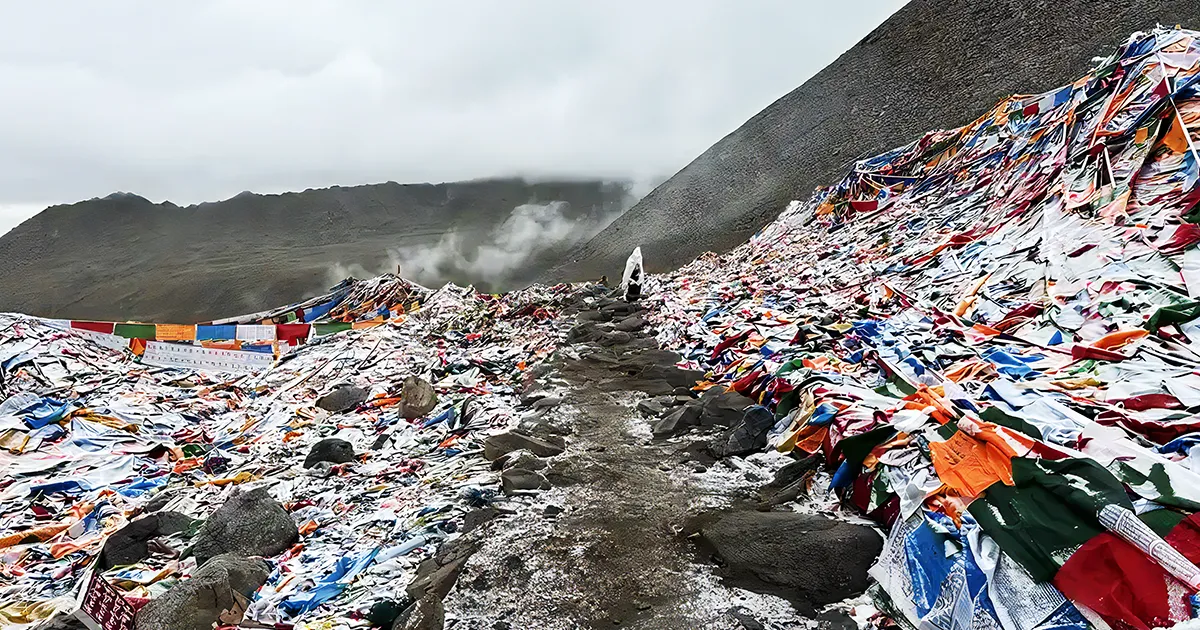
Parvati Kund, which lies just below the Dolma La Pass, is a remarkable stop during the Kailash Kora, the descent from the highest altitude passes down into the southern approach toward Dirapuk Monastery.
This remarkable altitude difference makes the Gauri Kund not just a spiritual waypoint but also a strategic resting stop, where pilgrims can acclimatize, rest, and honor the mythology of Ganesh and Mother Parvati into the landscape.
Practical Tips for Visiting Gauri Kund
- Kailash Kora is best visited during the months from April to September. These months are good for travelling with clear skies and a pleasant environment for Kailash circumambulation.
- But the most prominent problem to face during the Kailash Kora is the thin air. Reaching a height of 5,608 m, at the Dolma La Pass, is not free from the risk of altitude sickness, and requires preparation, both mental and physical, for cold temperatures and thin air.
- Photography in the Kailash is usually permitted, but one must be careful to take snaps around the monasteries and military check posts, maintaining respect for ongoing rituals.
- You can bring a small amount of water from the lake in a small container, but do not be greedy.
- Follow the local etiquette, respect local tradition, avoid loud conversation, littering, or stepping into the lake without consent.
A Sacred Glacial Origin
From the stories of Parvati, Ganesh, and Lord Shiva to the serene waters and glacial origin, Gauri Kund of Kailash makes the Mansarovar Kailash Yatra more fruitful. The yatra embodies the delicate balance between faith and nature, as well as legend vs geography. Visiting Gauri Kund during the Kailash Mansarovar yatra is not just a ritual, but an opportunity to connect with the profound spiritual energy that permeates the Himalayan landscape.
Whether splashing its sacred water, reflecting at its shores, or simply witnessing its serene beauty, every pilgrim carries the essence of Gauri Kund back into the world, a reminder that Mount Kailash is as much about the journey inward as the trek outward.
FAQs
Expand AllWhat is Gauri Kund in the Mount Kailash region?
Gauri Kund in Mount Kailash is a small glacial lake, located below the Dolma La Pass, on the way to Zutulphuk. This small lake is revered in the Hindu religion as a bath pond of Goddess Parvati (Gauri) and is considered one of the spiritually significant stops during the Kailash Kora.
Is Gauri Kund the same as Parvati Kund or Parvati Sarovar?
Yes, both of the names indicate the same small lake in the Kailash Parikarama. The lake is associated with the goddess Parvati or Gauri.
Where do pilgrims encounter Gauri Kund on the Kailash Kora?
The Gauri Kund is seen during the descent from Dolma La Pass on the second day of the Kailash Kora. The lake appears below the Kailash trail shortly after crossing the high pass.
Is Gauri Kund visited during the outer Kora, inner Kora, or both?
Yes, on the second day of the Kaialsh Kira, one must pass across the Gauri Kund. It is a part of the great Kailash Kora, but it is not a different destination.
Why do many guides describe Gauri Kund as a sacred stop?
Guides often highlight the Gauri Kund as the birthplace of Lord Ganesh. As per the Hindu mythology, this lake connects Goddess Parvati and Lord Ganesh with Lord Shiva.
Which Hindu beliefs are commonly associated with Gauri Kund?
Many legends are associated with the Gauri Kunda.
- It is the pond where Goddess Parvati used to bathe.
- The lake represents divine feminine energy.
- It is the place where Lord Ganesh was born.
- The water symbolizes spiritual purification.
What legend connects Gauri Kund with Parvati (Gauri)?
According to popular mythology, Goddess Parvati bathed in this sacred lake and created Lord Ganesh from the soap or clay from her body. This Gauri Kund mythological story is widely narrated by pilgrims and guides.
Why is Gauri Kund sometimes linked to Ganesh in popular retellings?
Some legends say that Goddess Parvati gave birth to Lord Ganesh after taking a bath in this sacred lake.
How is Gauri Kund different from Lake Mansarovar?
Lake Mansarovar is a large freshwater lake that is on the way to Kailash. Pilgrims bathe, perform rituals while Gauri Kund lies on the Inner Kora and is visited on the second day of the Kailash Kora.
Lake Mansarovar is visited before the kora setarts while Gauri Kund is encountered during the pilgrimage walk on the second day.
How is Gauri Kund different from Rakshastal?
Rakshastal is another large Lake near Mansarovar, but it is considered dark and impure. It is associated with the stories of Ravana and is often described as evil.
Gauri Kund, in contrast, is linked with Mother Parvati and represents compassion, Parvati, and purity.
Do all pilgrims stop at Gauri Kund during the Kora?
Not always. The lake is sacred, especially for Hindus. For others, it is just a small lake formed near the mountain.
What kinds of respectful observances do pilgrims do near Gauri Kund?
Pilgrims often offer prayers or silently bow toward the lake, sprinkle a few drops of water on their heads, and often take a break meditating near the lake.
Are there etiquette rules pilgrims follow at sacred lakes in the Kailash region?
Yes. Pilgrims must follow simple guidelines such as not polluting the water, avoiding loud conversations, and respecting the sensitive cultural beliefs of the local people.
What makes the setting of Gauri Kund feel significant for pilgrims?
The Gauri Kund is a small lake that sits below the Dolma La Pass. One can see the lake after crossing the highest point of the Dolma La Pass. Parvati Kund often feels emotionally powerful for pilgrims on this demanding journey.
Is Gauri Kund associated with Buddhist or Bon interpretations?
The entire Kaialsh Mansarovar area is sacred to the people of all religions, including Buddhism, Hinduism, Bons, and Jainism. While the Gauri Kund is sacred to Hindus and believers of Shakta and Shiva.
Is it guaranteed that you will see Gauri Kund clearly?
This cannot be said. The visual of the lake depends on the weather and snow cover.
How should travelers distinguish Gauri Kund (Kailash) from similar places in India or Nepal?
There are Gauri Kunds in other places of India and Nepal, such as the Gauri Kunda of Kedarnath. This Gauri Kunda can be distinguished by the mention of Mount Kailash with its name.
Can foreigners visit Gauri Kund during the Kailash Yatra?
Yes, the Gauri Kund can be visited on the second day of the Kailah Kora. This site can be visited after getting a group visa and permits from the Chinese Government.
What permits and travel formalities apply to Kailash travel?
Traveling to Mount Kailash requires the following documents:
- Chinese Group visa
- Tibet Travel Permit
- Alien Travel Permit
- A registered tour operator in Nepal should apply for the visa and permits.
Is solo travel allowed for Kailash trips?
No, Independent solo travelers are not allowed to travel to Mount Kailash and the Tibetan region. One must get a visa and permits from a registered tour company in Nepal.
Related blog posts
Discover a choice of tourist destinations loved by most of our visitors. Whether you're on a jungle safari to spot rare animals or walking through a world heritage site, these well-planned itineraries cover the major highlights of Nepal.



 call an expert at: