
In this environment, heavy, oily, or protein-rich foods can be difficult to process and may lead to bloating, nausea, or stomach discomfort. This is why vegetarian, carbohydrate-rich meals, such as rice, lentils, and simple vegetable dishes are strongly recommended during treks. These are easier to digest and help maintain steady energy levels at altitude.
Food Safety in Nepal: What Foreigners Can Eat Safely
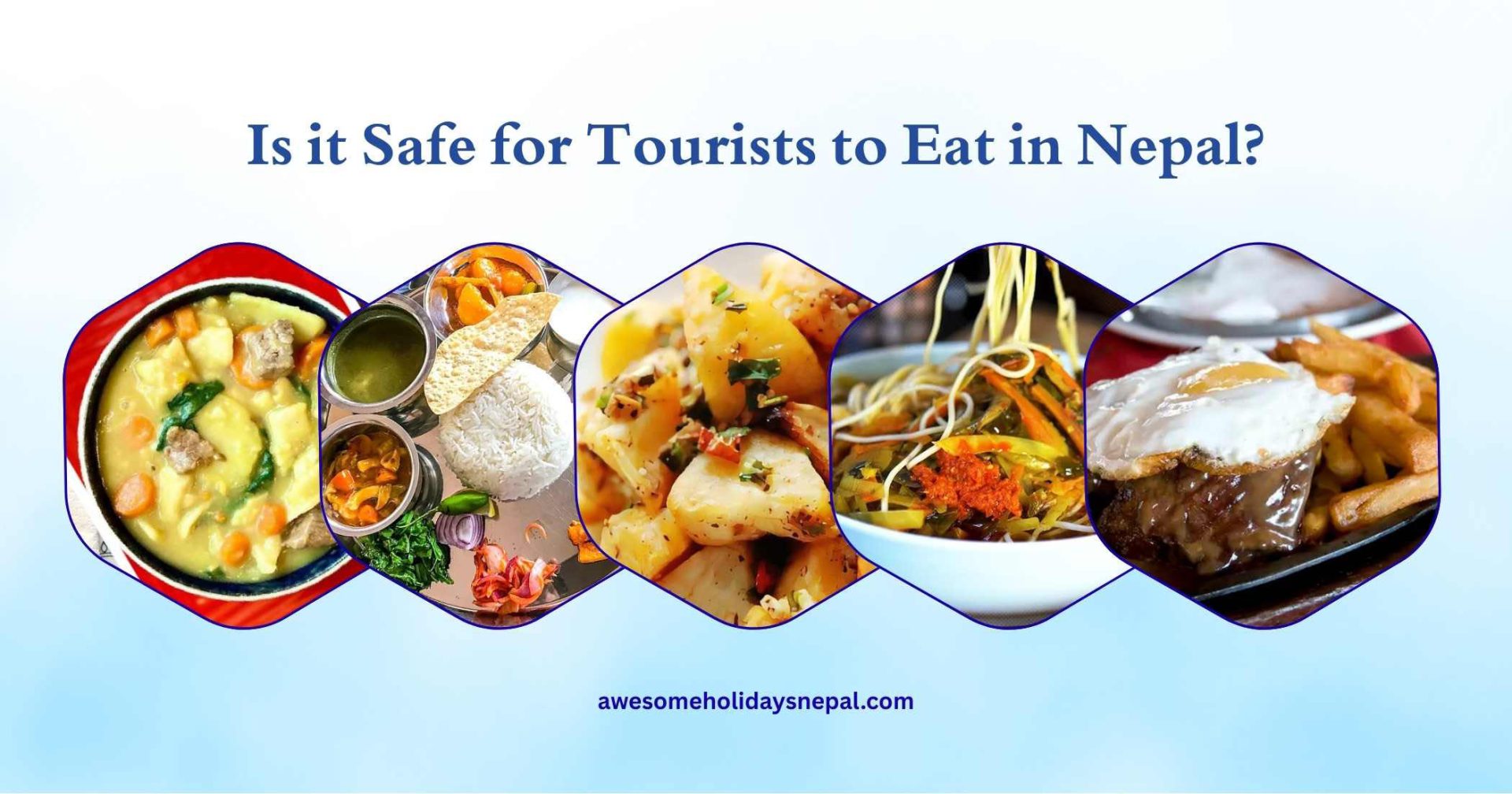
 Sujata Pokhrel
Is it safe to eat in Nepal for tourists?
This is a pretty common question that comes to the mind of every first-time visitor to the country.
It’s true that some eateries, particularly roadside stalls and budget street vendors, may not consistently meet international hygiene standards. In such cases, improperly handled food can sometimes lead to stomach issues or food poisoning.
But the reality is that food in Nepal is generally safe for tourists, unless you have a food allergy or intolerance. Food preferences also pose a major issue, as people are increasingly turning to vegetarian or vegan diets, making mindful eating a must. Yet, countries like Nepal have yet to adapt that gastronomic culture.
So, how safe is food in Nepal really? And more importantly, what should you eat and avoid during your visit? Let’s dive deeper into food safety in Nepal.
What are Safe Food for Tourists in Nepal?
Food safety in Nepal has long been a concern for tourists, especially Western travelers, largely because the local cuisine, cooking style, and food-handling practices differ significantly from what many are used to back home. While globalization has encouraged travelers to explore traditional Nepali dishes and local flavors, lingering concerns about hygiene, digestion, and food quality still persist.
Traveling to a country with a different food culture, spice level, and cooking style naturally raises concerns about hygiene and digestion. Safe eating in Nepal depends largely on freshness, preparation method, and location. On top of that, food allergies and intolerances are becoming increasingly common. Some travelers struggle with gluten, others with lactose, while many prefer vegetarian or vegan diets.
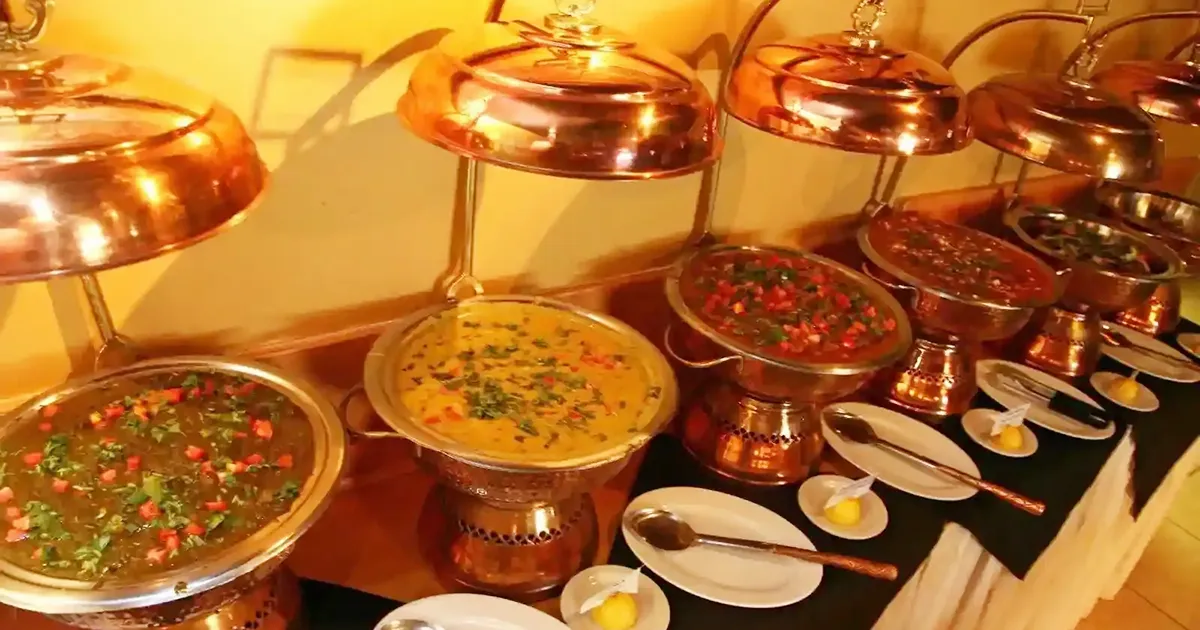
In the meantime, it’s equally important to follow the advice of your trekking guide or tour operator. Guides are familiar with local food logistics and know which meals are safest at different elevations. Informing them before your trek about any food allergies, intolerances, or dietary preferences allows your itinerary and meals to be customized accordingly, reducing unnecessary risks on the trail.
With mindful choices and local guidance, eating in Nepal can be both safe and enjoyable.
Traditional Meals
Traditional meals that are cooked daily and eaten immediately are far better than foods that require refrigeration or long storage. Even though these can be costly sometimes, these freshly cooked meals in busy restaurants with high customer turnover, and traditional dishes made daily are usually the safest options.
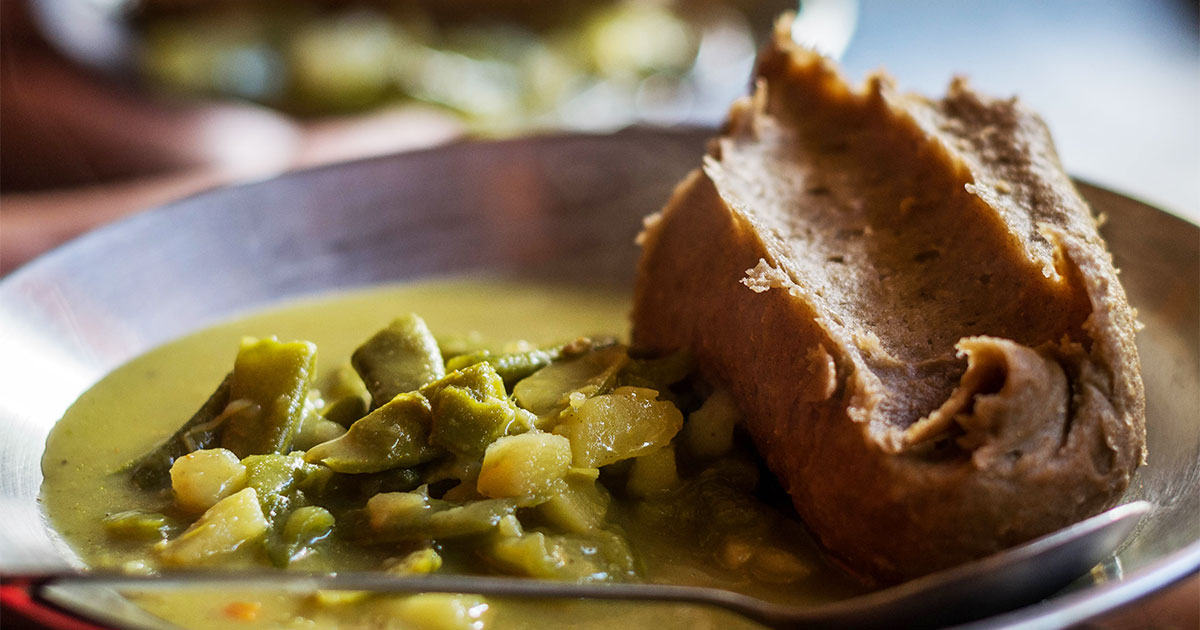
Problems typically arise with food that has been sitting out for hours, improperly stored ingredients, or items that require refrigeration in places where cold storage is limited. Understanding this distinction becomes especially important once you move away from cities and into trekking regions.
Street Foods in Nepal
Street food is another topic that often causes confusion. It is pretty evident that some eateries, particularly street food stalls, do not meet hygiene standards, often leading to food poisoning when the food is consumed.
While street food in Nepal is widely eaten by locals and is often freshly prepared, it may not always suit foreigners. The issue is usually not hygiene alone, but spice tolerance and digestion.
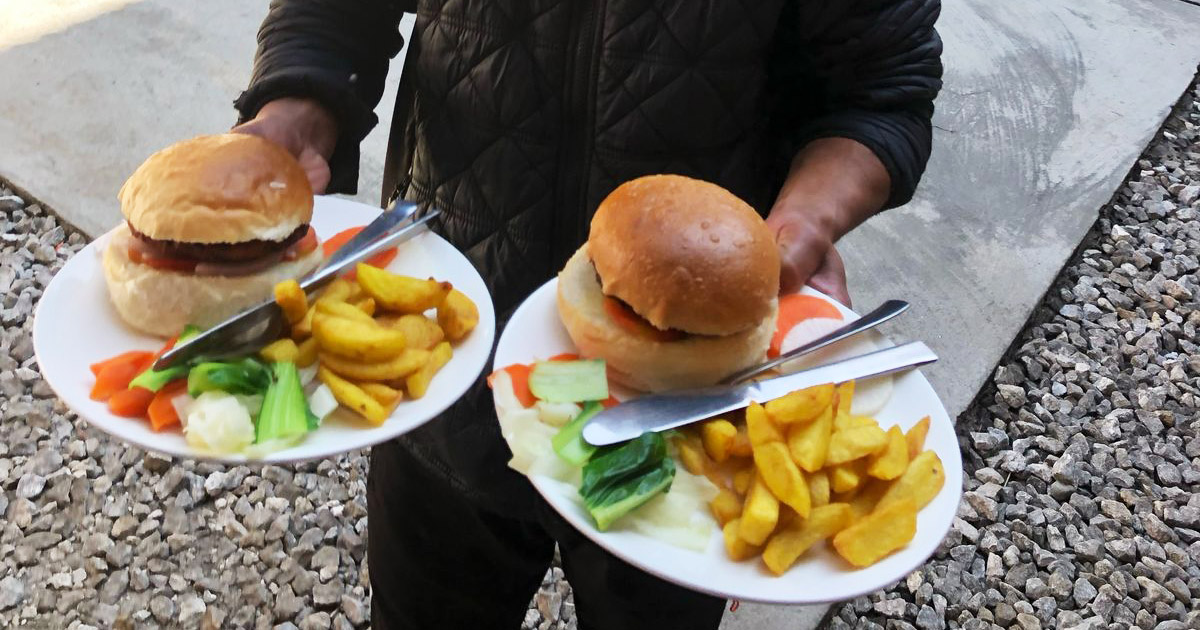
The strong spices, oils, and seasoning methods commonly used can be difficult for visitors who are not accustomed to them.
Dal Bhat: The Safest Meal in Nepal
If there’s one phrase every traveler hears in Nepal, it’s “Dal Bhat Power 24 Hour.” And there’s a very good reason why this humble meal has earned legendary status.
Dal Bhat is a combination of steamed rice, lentil soup, seasonal vegetables, and sometimes pickles. It is widely considered the safest food for tourists in Nepal.
Here’s why:
- The lentils are pressure-cooked, which effectively kills harmful bacteria
- The meal is prepared fresh daily, often multiple times a day
- It’s served hot, reducing contamination risks
- It’s light, nutritious, and easy to digest—even at altitude
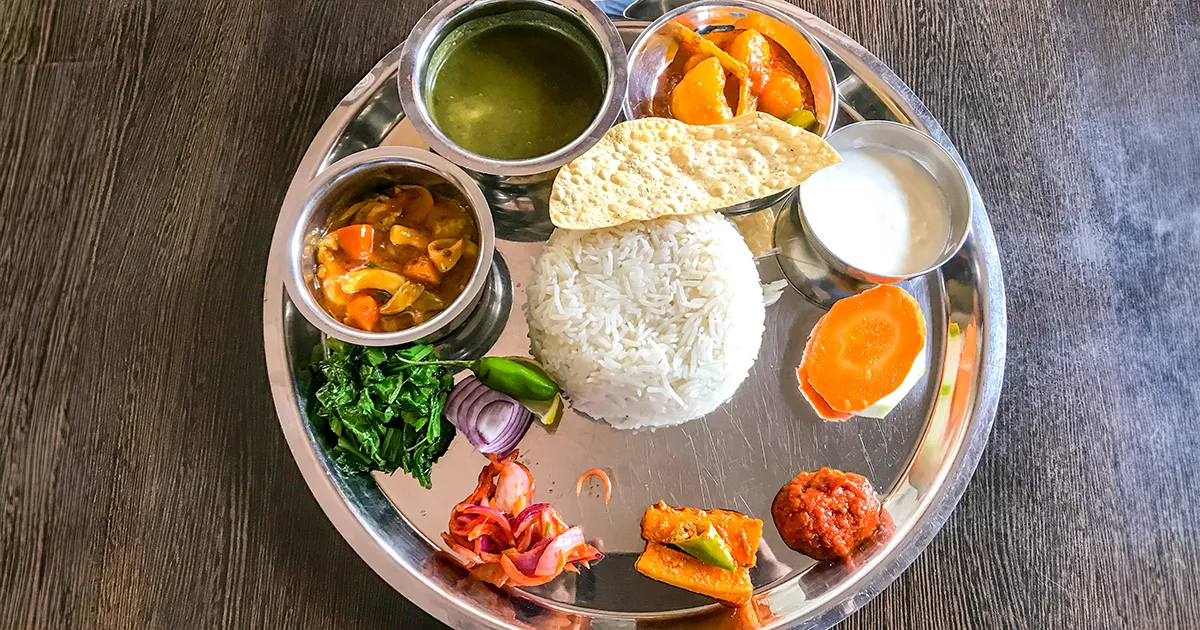
From city restaurants to remote mountain teahouses, Dal Bhat is consistent, reliable, and filling. For trekkers especially, it provides sustained energy without upsetting the stomach.
When in doubt, remember: Dal Bhat Power 24 Hour isn’t just a slogan; it’s solid advice.
Best Hygienic Restaurants in Kathmandu for Tourists
Kathmandu offers a wide range of clean, tourist-friendly restaurants that maintain good hygiene standards. Areas like Thamel, Lazimpat, and Jhamsikhel cater heavily to international visitors and are accustomed to dietary preferences and safety expectations.
Some of the recommendations for you are:
OR2K
Located in Thamel, OR2K specializes in Middle Eastern and vegetarian cuisine, making it ideal for vegetarians, vegans, and travelers looking for light, plant-based meals.
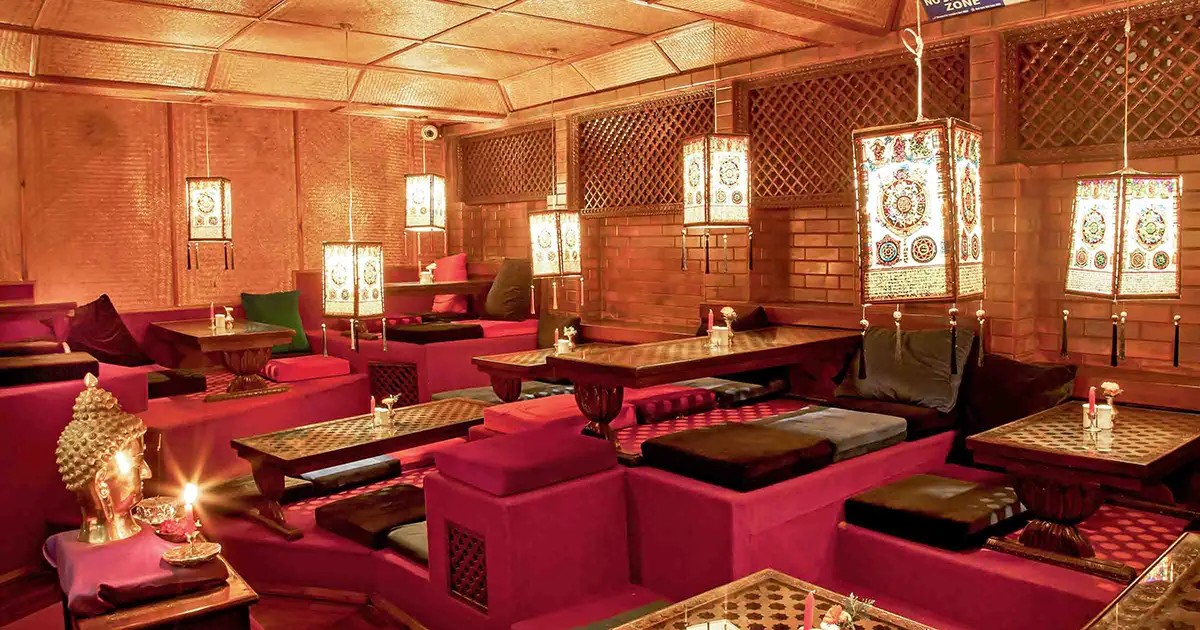
Third Eye Restaurant
Situated in the heart of Thamel, this long-running restaurant serves Nepali, Indian, and continental dishes and is well-suited for travelers seeking familiar flavors prepared in a hygienic setting.
Fire and Ice Pizzeria
Found in Thamel, Fire and Ice is known for its wood-fired pizzas and Italian-style dishes, making it a good choice for those craving Western comfort food.
Places Restaurant & Bar
Located in Thamel, this restaurant offers a mix of Nepali and international cuisine, catering to tourists who prefer a varied menu in a clean, relaxed environment.
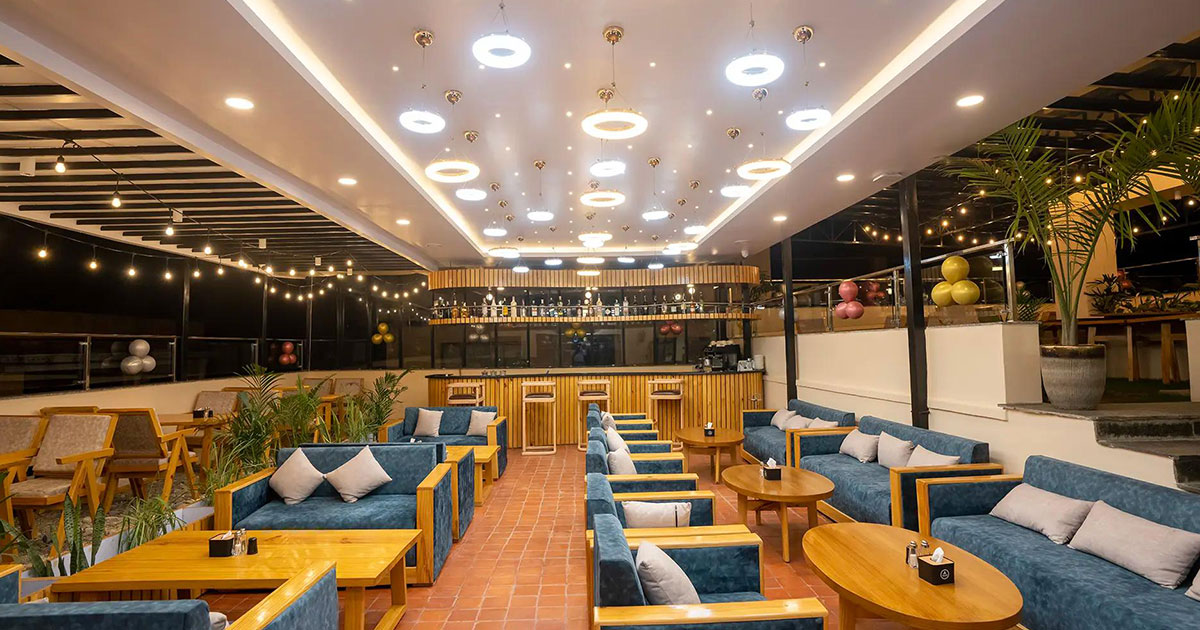
Sky Watch Restaurant and Bar
Located on the rooftop of Kathmandu Business Hotel in Jyatha, Thamel, Sky Lounge serves Nepali, continental, and international cuisine, making it suitable for travelers looking for hygienic dining with city views in a relaxed rooftop setting.
Roadhouse Café
With outlets in Thamel and Lazimpat, Roadhouse Café serves pizzas, grills, and international dishes, ideal for travelers looking for modern dining standards and consistent quality.
Yangling Tibetan Restaurant
Located in end of Thamel, Yangling is famous for simple Tibetan dishes like momos and Thukpa, suitable for those wanting freshly cooked, mild-flavored meals.
Check the blog on “Best Restaurants in Kathmandu” for more options.
Safe Places to Eat in Pokhara
Pokhara, the city of lakes is often considered easier on the stomach than Kathmandu due to better access to fresh supplies and a slower pace of life. The Lakeside area is particularly popular for clean and reliable dining.
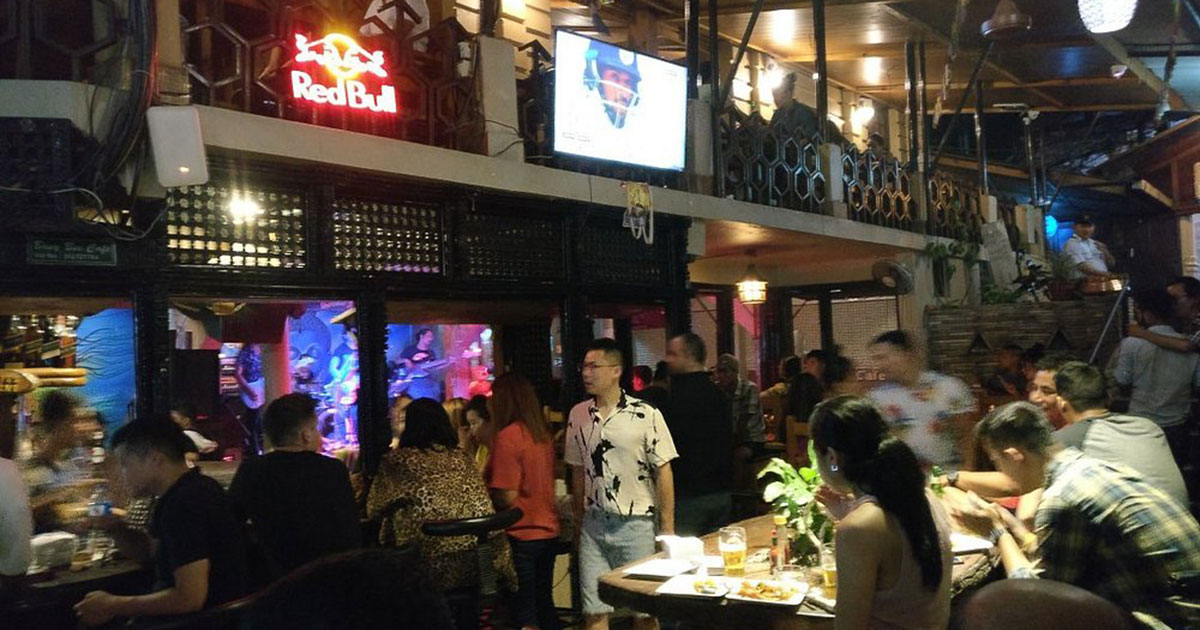
Moondance Restaurant & Bar
Located in the Lakeside area, Moondance serves international, Nepali, and vegetarian dishes and is popular among trekkers for its clean setup and relaxed atmosphere.
Caffe Concerto
Situated near Lakeside, this European-style café offers Italian, continental, and vegetarian options, making it suitable for travelers seeking lighter meals and coffee-based dining.
OR2K Pokhara
Located in Lakeside, OR2K focuses on vegetarian and Middle Eastern cuisine, ideal for health-conscious travelers and those following plant-based diets.
Fresh Elements Restaurant
Found in Lakeside, this restaurant emphasizes fresh ingredients and wholesome cooking, catering to travelers who prefer simple, healthy, and hygienically prepared meals.
Byanjan Restaurant
Located in Pokhara city, Byanjan specializes in traditional Nepali cuisine, making it a good choice for travelers wanting authentic local food prepared in a clean setting.
Roadhouse Café
Situated in Lakeside, Roadhouse Café offers pizzas, international dishes, and a comfortable dining space, suitable for tourists seeking familiar food with reliable hygiene.
Food Safety in Nepal’s Mountains
Once you head into the mountains, food safety depends heavily on logistics. Roads are limited, transport is costly, and refrigeration is rare.
Menus become repetitive not because of poor planning, but because simple foods are safer to store and prepare. Trust teahouse staples rather than experimenting with unfamiliar dishes, and always follow your guide’s instructions. They know the routes and restaurants way better than you.
Digestion Issue is Pretty Common
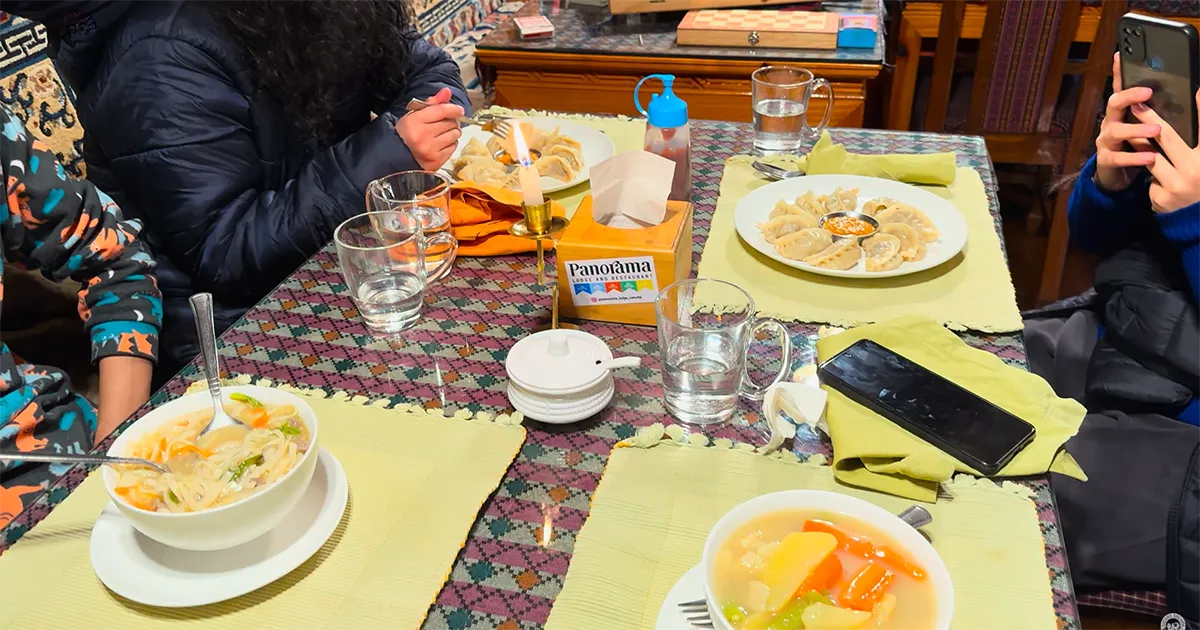
Digestive issues are quite common at higher elevations, even when the food itself is clean and properly prepared. As altitude increases, oxygen levels drop, which slows down the body’s metabolic and digestive processes. Many trekkers notice changes in appetite, delayed digestion, or a general feeling of heaviness after meals.
Finding Fresh Food is Tricky
Fresh food in the mountains is expensive and difficult to source. Unless you are willing to pay significantly more or eat what locals eat, options can be limited.
Local foods like rice, lentils, potatoes, noodles, and soups are easier to transport and store, making them safer and more reliable choices than imported or perishable items.
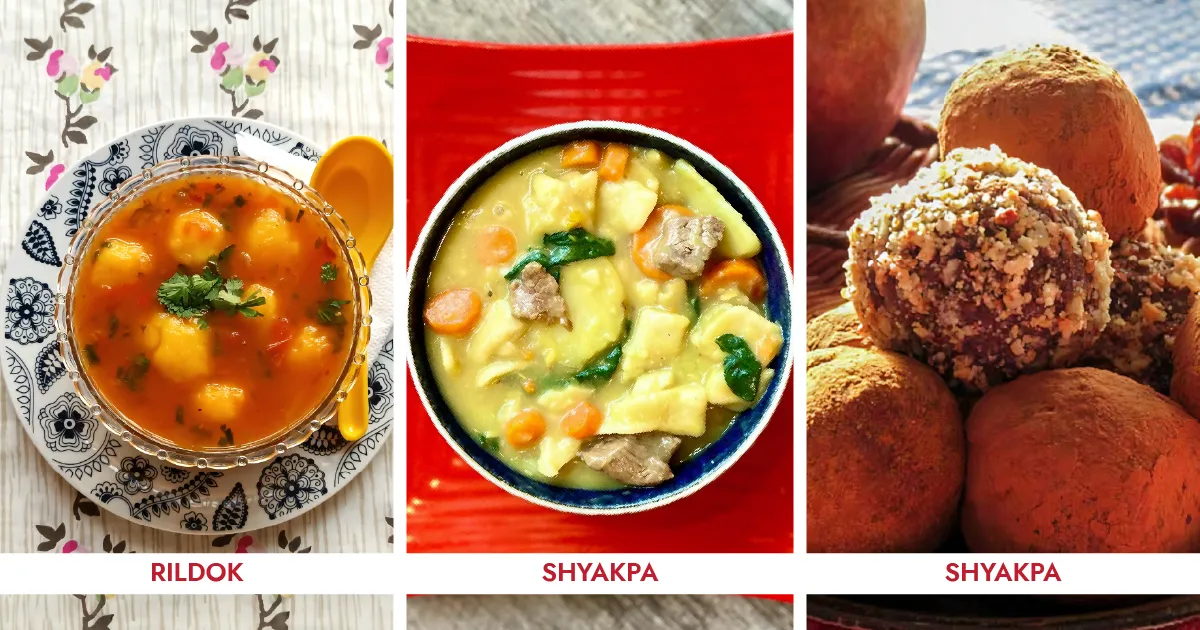
Honestly, following the local’s diet routine is practically safer, unless you have any allergies.
What to Eat on the Trekking Trails?
When trekking in the mountains, choosing the right foods is essential for maintaining energy, staying healthy, and avoiding digestive discomfort. The safest and most practical options are meals that are freshly prepared, easy to digest, and compatible with local food logistics.
- Dal Bhat : It is the cornerstone of trekking nutrition. It provides a balanced combination of rice, lentils, and vegetables that is cooked fresh daily and gentle on the stomach.
- Vegetable Fried Rice or Noodles – Light yet filling, these dishes are simple to prepare and digest. They offer a good balance of carbohydrates and vegetables, helping trekkers stay energized without overloading the stomach.
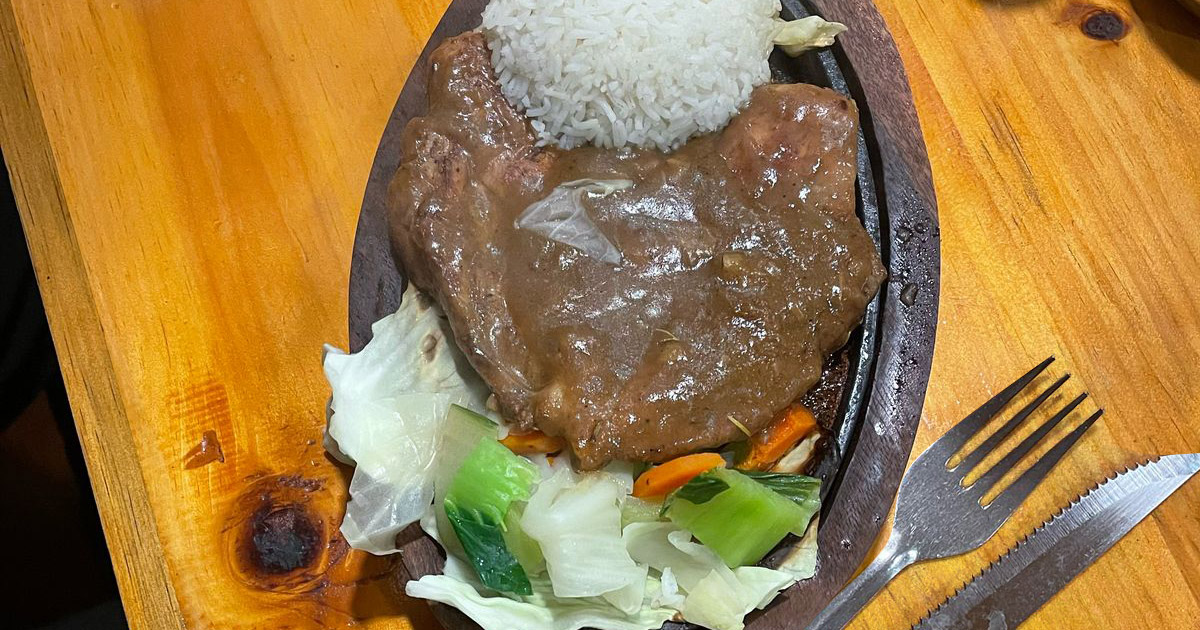
- Garlic Soup – A warm and comforting option often available in mountain teahouses, garlic soup is easy on the stomach and is believed to help with altitude adjustment due to its natural properties.
- Porridge, Chapati, and Pancakes – These lighter breakfast or snack options are gentle on the digestive system while supplying steady energy for the day ahead. They are often freshly made and can be paired with local jams or honey for extra nutrition.
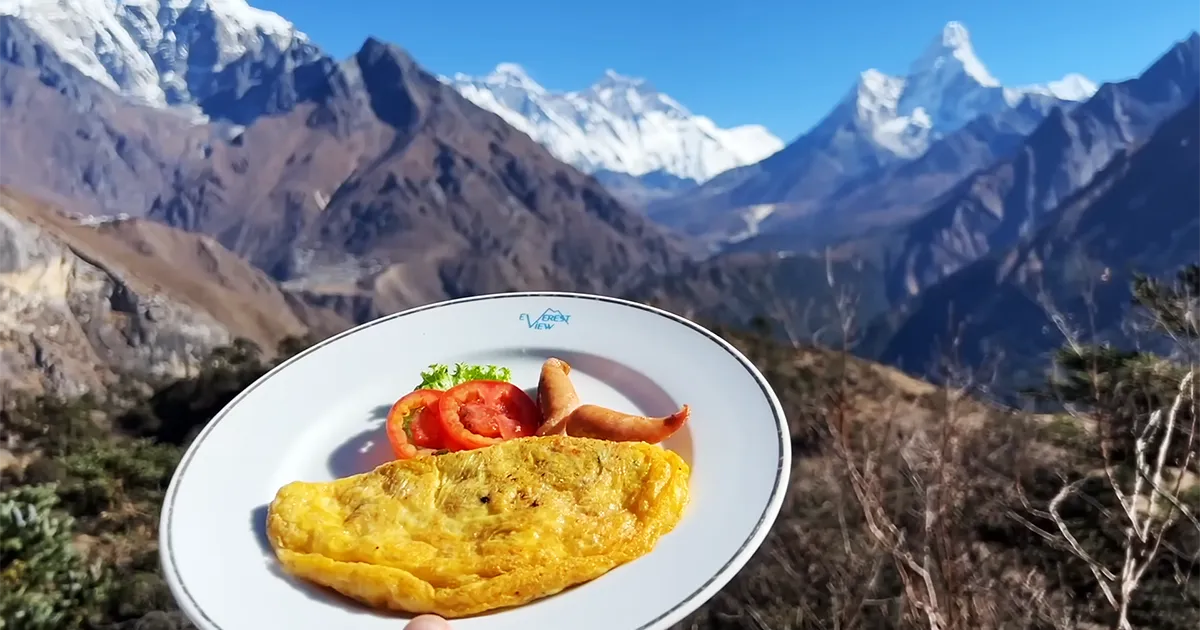
- Simple Egg Dishes (at lower elevations) – Eggs provide a source of protein without being too heavy, and are best consumed at lower altitudes where digestion is less affected by thin air. They are easy to prepare and complement vegetarian meals on trekking trails.
Eat Smart and Travel Healthy
Eating in Nepal is not as risky as many first-time visitors fear. Food is generally safe when you follow your guide’s advice, eat freshly cooked meals, and communicate your dietary needs in advance. Mentioning allergies or intolerances before your trek allows your itinerary to be customized for safety and comfort.
Street food, while popular and often safe for locals, may not suit foreigners due to spice tolerance rather than hygiene alone. Choosing simple, cooked meals in trusted eateries is usually the wiser option.
By saving meat for major cities, relying on staples like Dal Bhat Power 24 Hour, and eating in reputable restaurants, you can enjoy Nepal’s food culture without worry.
With right food, make your journey healthier, smoother, and far more enjoyable!
FAQs
Expand AllIs street food safe in Nepal for tourists?
Street food is generally safe for locals, but for foreigners it can be too spicy or heavy. Stick to busy stalls with freshly cooked items and avoid raw or undercooked foods.
What food should I avoid in Nepal?
Avoid unrefrigerated meat, raw salads washed in untreated water, and heavily oily or spicy foods if your stomach isn’t used to them, especially on trekking trails.
Can tourists drink tap water in Nepal?
Tap water is not considered safe for tourists. Always use bottled, filtered, or boiled water, especially in cities and on treks.
Is dal bhat safe to eat in Nepal?
Yes. Dal Bhat is freshly cooked, pressure-cooked, and served hot, making it the safest and most reliable meal for trekkers and tourists alike.
How common is food poisoning in Nepal?
Food poisoning can happen, mostly from unrefrigerated meat, street food, or untreated water. It’s relatively rare if you follow hygiene tips and eat at recommended restaurants.
Are momos safe to eat in Kathmandu?
Mo: mo is safe to eat in Kathmandu if freshly steamed and served hot in clean restaurants. Avoid ones that have been sitting out for a long time
Which bottled water is safe in Nepal 2026?
Look for well-known brands like Aquafina, Himalayan, and Kinley, which are widely available in cities and trekking hubs.
Can I eat salad in Nepal as a foreigner?
Raw salads are risky unless prepared with treated water. Stick to cooked vegetables, Dal Bhat, or freshly boiled items.
Is it safe to eat meat in Nepal?
Meat is safe in major cities where cold storage exists but should be avoided on high-altitude treks due to long unrefrigerated transport.
Which are the best safe restaurants in Thamel 2026?
The safest options of restaurants in Thamel include OR2K, Third Eye Restaurant, Fire and Ice Pizzeria, Places Restaurant & Bar, Roadhouse Café, Sky Lounge, and Yangling Tibetan Restaurant.
How to avoid traveler’s diarrhea in Nepal?
You can avoid traveler’s diarrhea in Nepal by drinking only bottled or boiled water, eat freshly cooked meals, avoid raw salads or street food of uncertain hygiene, and inform your guide about any allergies.
Are there gluten-free options in Nepal that are safe?
Yes, many vegetarian and rice-based dishes like Dal Bhat are naturally gluten-free. Always confirm ingredients, especially in restaurants serving Western dishe
Can I eat dairy products in Nepal?
Yes, you can eat dairy products in Nepal as long as you aren’t lactose intolerant. Pasteurized milk, yogurt, and cheese in hygienic restaurants are generally safe. Avoid raw milk from local sources.
Is Newari food safe for tourists?
Newari cuisine can be enjoyed safely if eaten in clean, well-maintained eateries. Be cautious with heavily fried or oily dishes and street vendors.
What are the safe places to eat in Pokhara for foreigners?
Some of the safest places to eat in Pokhara are Moondance Restaurant & Bar, Caffe Concerto, OR2K Pokhara, Fresh Elements, Byanjan Restaurant, and Roadhouse Café Pokhara.
Should I take Dukoral before going to Nepal?
It isn’t mandatory. Dukoral is optional and may be advised for long-term travelers in rural areas. For most tourists sticking to safe food and water, it is not mandatory.
Is Himalayan water safe to drink on treks?
Water from natural sources like rivers or streams should be boiled or treated before drinking. Bottled or filtered water is safest on treks.
Are buff momos safe in Nepal?
Buff (buffalo) momos are safe if freshly steamed and served hot at clean restaurants. Avoid ones that have been sitting unrefrigerated.
Can I eat fruit in Nepal if I peel it myself?
Yes, fruits that you peel yourself (like bananas, oranges, or mangoes) are safe. Avoid unwashed or pre-cut fruit sold by street vendors.
What medications to bring for food poisoning in Nepal?
Carry oral rehydration salts, antacids, and mild antibiotics if prescribed. Always consult your doctor before traveling.
Which are safe coffee shops in Kathmandu 2026?
Some of the options of safe coffee shops in Kathmandu include Roadhouse Café, Himalayan Java, Café Soma, Caffe Concerto, and OR2K, which maintain good hygiene and serve filtered water.
Is sel roti safe during Dashain/Tihar?
Sel roti from hygienic bakeries is safe, especially when freshly made. Avoid street versions if you are unsure about cleanliness.
Are there any Michelin or high-hygiene restaurants in Nepal yet?
Nepal does not have Michelin-starred restaurants, but several tourist-focused eateries maintain very high hygiene standards, especially in Thamel and Lakeside Pokhara.
Is dairy and Yak cheese safe to eat in Nepal?
Pasteurized dairy products are safe to eat in Nepal. Yak cheese and other traditional cheeses are best consumed from reputable shops or restaurants to avoid contamination.
Related blog posts
Discover a choice of tourist destinations loved by most of our visitors. Whether you're on a jungle safari to spot rare animals or walking through a world heritage site, these well-planned itineraries cover the major highlights of Nepal.

 call an expert at: