Planning a trek in the Himalayas? If yes, it’s essential to note a few fitness requirements for trekking in Nepal to ensure a smooth, safe, and truly enjoyable experience.
The mountains here are not technical climbs for most trekkers, but they are demanding in their own quiet, persistent way. Long ascents, thin air, stone staircases, and multi-day walking require a different kind of fitness than what you might be used to at the gym.
This guide walks you through what are the fitness requirements for trekking in Nepal and practical fitness benchmarks for some of Nepal’s most famous Himalayan trails.
Nepal offers an incredible range of trekking routes, from relatively gentle hill walks to high-altitude adventures crossing Himalayan passes above 5,000 meters.
Trekking Trails in Nepal
Beginner-friendly routes like Ghorepani Poon Hill stay below 3,500 meters and are achievable for moderately active individuals. Moderate treks such as Annapurna Base Camp and Langtang Valley involve higher elevations and longer walking days. More demanding routes like Everest Base Camp, Annapurna Circuit, and Manaslu Circuit cross high mountain passes and require stronger endurance and altitude adaptation.
The key point is this: you don’t need to be an athlete, but you do need consistent endurance and functional strength.
Nature of Trekking Trials
Himalayan trekking trails are rarely flat or easy. Expect constant uphill and downhill walking, long stone staircases, especially in the Annapurna region, along with rocky, uneven paths and narrow mountain tracks. You will also cross suspension bridges stretched over deep river gorges, adding both excitement and challenge to the journey.
Most trekkers walk 4 to 8 hours a day for several days in a row. As altitude increases, oxygen levels decrease, making even gentle slopes feel steep and tiring. Unlike a one-day hike, Himalayan trekking requires sustained effort over 7 to 18 days, which is why proper preparation and stamina are so important.
Probable Difficulties
Himalayan trekking can challenge even fit and active people. Above 3,000 meters, reduced oxygen often causes breathlessness, and energy levels drop more quickly. Continuous uphill climbs lead to muscle fatigue, while long downhill sections can strain the knees over time.
Cold temperatures at higher elevations and basic teahouse accommodations also test comfort and endurance. On high routes like the Annapurna Circuit, where elevations exceed 4,000 meters, everyone naturally slows down. No matter your fitness level, proper acclimatization is more important than speed.
Fitness Requirements for Trekking in Nepal
You need to have a good physical fitness to trek in the Himalayan region. Here are the four core areas you need to primarily focus on:
Leg Strength and Stability
Your legs do most of the work in the Himalayas. Strong quadriceps, hamstrings, calves, and glutes help you climb uphill efficiently and descend safely.
Leg exercises
You should ideally be able to:
Climb stairs continuously for 20–30 minutes
Perform bodyweight squats and lunges with good control
Hike uphill for 2–3 hours without extreme fatigue
Downhill walking often causes more soreness than climbing. Stability exercises and controlled strength training reduce knee strain and improve balance on uneven terrain.
Cardiovascular Strength
Cardio fitness determines how well your body handles long walking days and higher elevations. You don’t need marathon-level endurance to trek successfully.
However, you should be able to comfortably walk 10–15 kilometers in a day and sustain activities like jogging, cycling, or brisk walking for 45–60 minutes without feeling completely drained. The key is maintaining a steady, consistent pace without relying on frequent, extended breaks.
Cardio Exercise
At altitude, your heart works harder. A strong cardiovascular base makes acclimatization smoother and reduces overall exhaustion.
Muscle Endurance
Trekking in the Himalayan is less less about short bursts of strength and more about sustained effort over consecutive days. Building muscle endurance ensures that each day’s trek feels manageable rather than exhausting from the first step.
Ideally, you should be able to comfortably walk 5–7 hours a day for several days in a row, carry a light backpack of 5–7 kilograms without shoulder or back strain, and recover sufficiently overnight to tackle the next day’s route.
Running on stairs
Training on back-to-back walking days, preferably with some elevation change and weight in your pack, helps simulate real trekking conditions and prepares your muscles for the repetitive demands of the Himalayas.
Mental Resilience
Often overlooked, mental resilience is crucial for Himalayan trekking. Days start early, accommodations are basic, meals are simple, and connectivity is limited. Weather can change rapidly, and progress may feel slow at higher altitudes.
Staying positive during long climbs, cold mornings, and challenging conditions makes a huge difference. In the mountains, patience and persistence are more rewarding than speed, and a strong mindset helps you enjoy the journey despite discomforts.
How Can You Best Prepare for Trekking in Nepal?
An 8–12 week preparation plan works well for most trekkers.
Start with regular walking or light jogging 3–4 times a week. Gradually increase duration and intensity. Add stair climbing sessions and strength training (squats, lunges, step-ups, and core work).
In the final weeks, include long weekend hikes with a backpack. If possible, train on uneven trails rather than flat surfaces. Consistency is more important than intensity.
Key Factors that Decide Success on Himalayan Treks
While physical fitness is important, it is only one part of what makes a trek in the Himalayas successful. The mountains demand careful planning, patience, and attention to your body’s signals.
Here are a few key factors you need to consider:
Proper Acclimatization – Gradually ascending allows your body to adjust to thinner air and reduces the risk of altitude sickness. Even very fit trekkers can struggle if they climb too quickly.
Slow and Steady Pacing – Maintaining a consistent pace conserves energy for long trekking days and helps your body adapt to elevation changes without overexertion.
Hydration and Nutrition – Drinking enough water and eating balanced meals is vital, as high-altitude trekking increases calorie burn and fluid loss.
Quality Rest – Adequate sleep and downtime allow muscles to recover, improve endurance, and keep energy levels stable for consecutive trekking days.
Listening to Your Body – Paying attention to fatigue, soreness, or signs of altitude stress ensures safety and helps you adjust your pace or rest as needed.
Choosing a Route That Matches Your Ability – Selecting a trek suited to your fitness and experience level can determine whether the journey is enjoyable or overly exhausting. Even moderately fit trekkers often succeed when pacing themselves wisely.
Fitness Benchmarks for Famous Himalayan Trails
Assessing your fitness before a Himalayan trek helps ensure a safe and enjoyable experience. Here’s a practical comparison of popular routes based on the effort and endurance they demand:
Beginner Level – Ghorepani Poon Hill
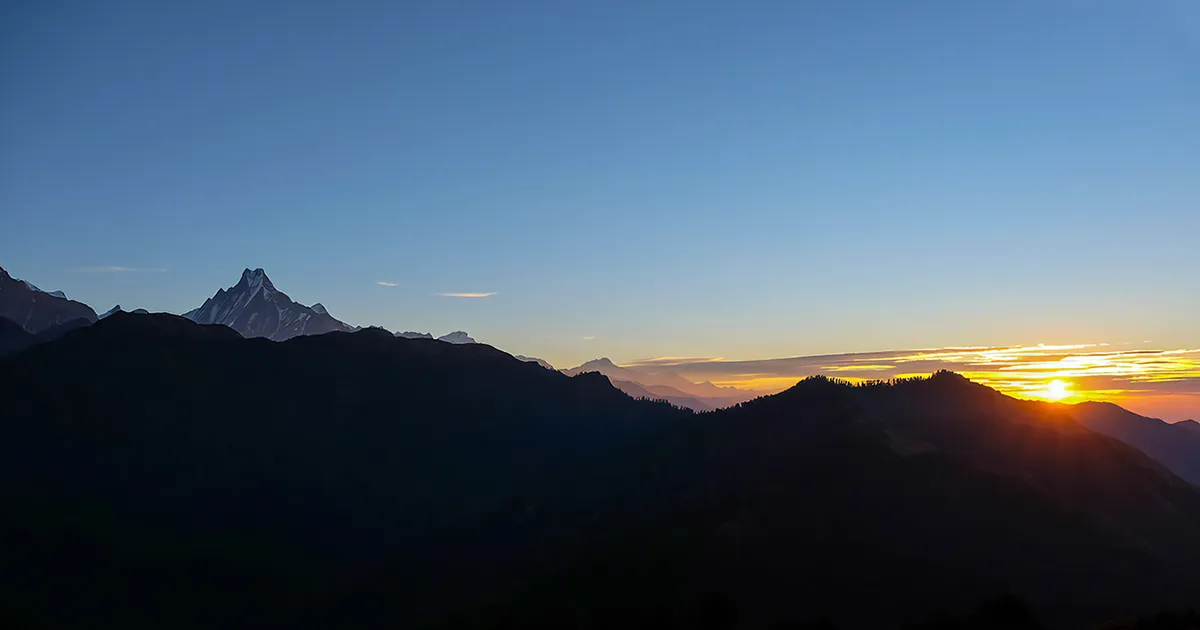
This trek is ideal for active beginners with basic endurance. You should be able to comfortably hike 4–5 hours per day, including sustained stair climbing and gentle uphill sections. The route provides a manageable introduction to Himalayan trekking while offering spectacular views.
Sunrise View from Ghorepani Poon Hill
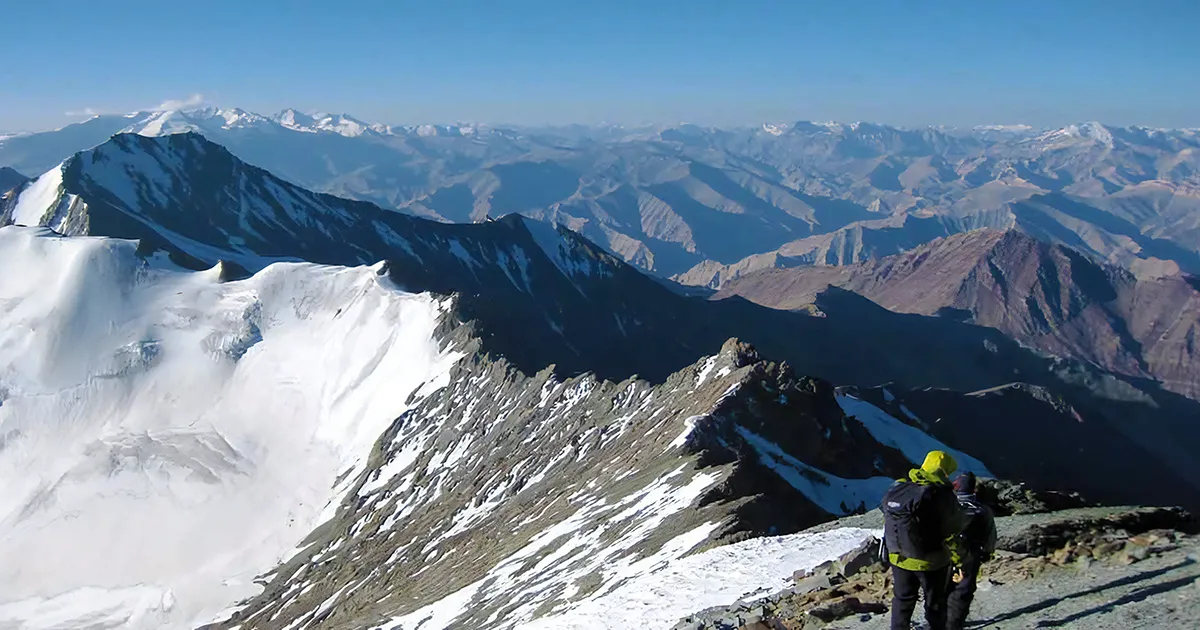
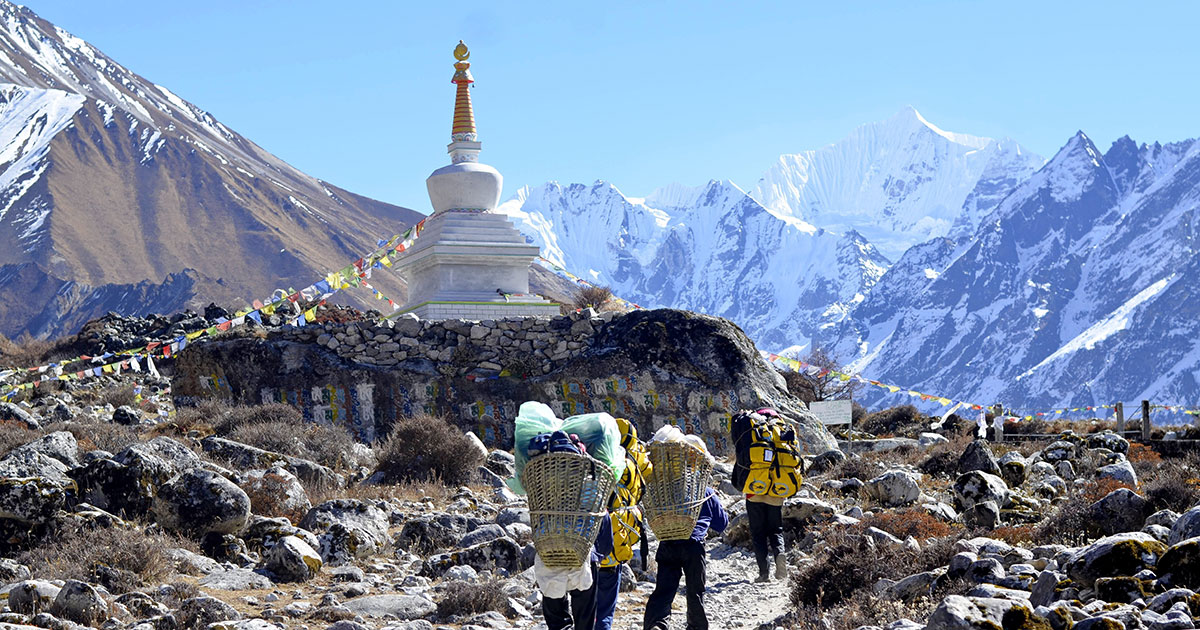
Moderate Level – Annapurna Base Camp / Langtang Valley
Moderate treks demand 5–7 hours of walking each day over varied terrain, including steady uphill climbs and moderate altitudes above 4,000 meters.
Langtang valley trek
Back-to-back trekking days should feel achievable, and your body should recover well overnight. These routes require a balance of stamina, leg strength, and acclimatization awareness.
Moderate to Challenging – Everest Base Camp
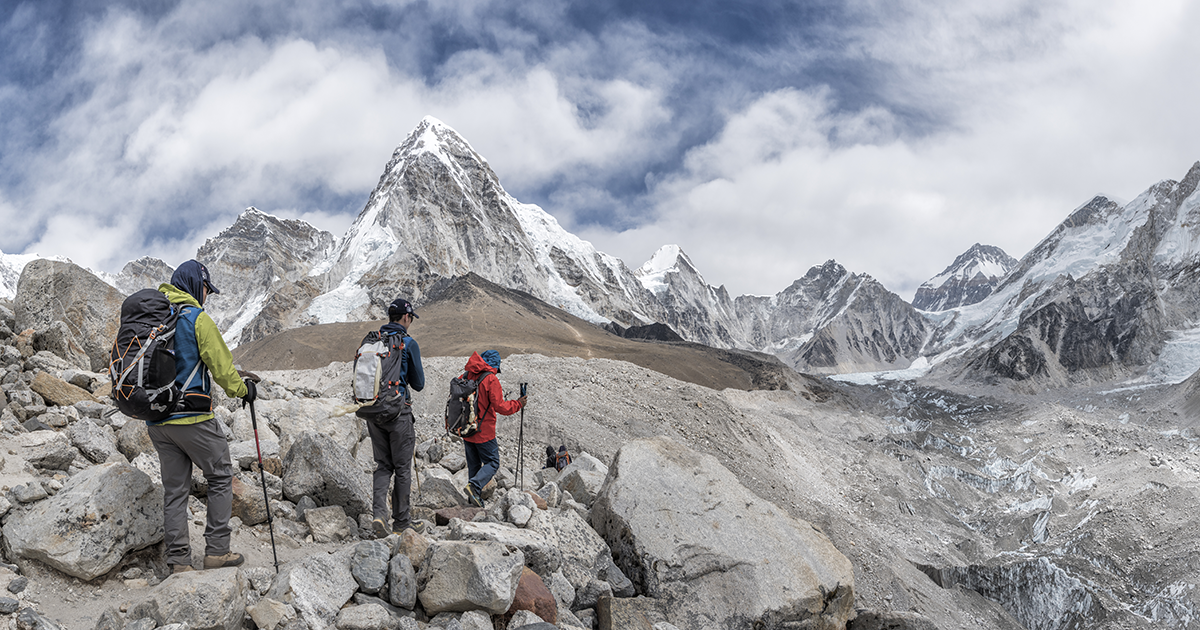
Everest Base Camp requires strong cardiovascular endurance and the ability to sustain 12–14 days of trekking. Altitude increases gradually, reaching over 5,000 meters, which demands proper acclimatization and mental resilience. Trekkers need to manage long walking days, variable terrain, and thinner air effectively.
Everest Base Camp trek
Challenging – Annapurna Circuit / Manaslu Circuit
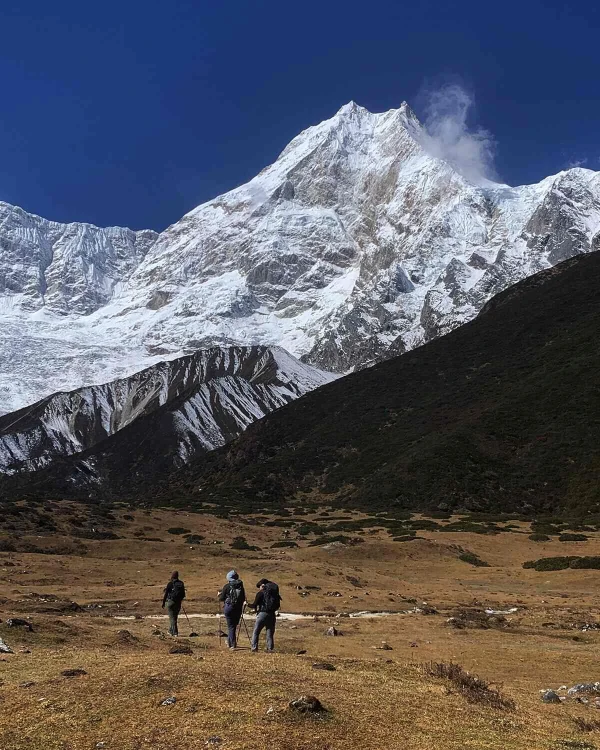
These treks are for experienced hikers comfortable with long days of trekking, substantial elevation gains, and high mountain passes above 5,000 meters. Multi-day hiking experience, a strong cardiovascular base, and muscular endurance are highly recommended. Preparation and pacing are crucial for safely completing these demanding routes.
Manaslu Circuit Trek
Wrapping Up
So, what are the fitness requirements for trekking in Nepal? You don’t need elite athletic ability, but you do need consistent endurance, strong legs, and mental determination.
The Himalayas are demanding, but they are achievable for most people who prepare properly. Start training early, choose the right route for your current fitness level, and remember: trekking in Nepal is less about speed and more about steady progress.
With the right preparation, the journey through the Himalayas becomes not just possible, but unforgettable.
How fit do you need to be to trek in the Himalayas?
You don’t need to be an elite athlete, but you do need sustained endurance, strong legs, and mental resilience. Most Himalayan treks involve 4–8 hours of walking per day for multiple days, often on steep, uneven terrain and at altitude. Consistent cardiovascular fitness and leg strength are the keys to trekking comfortably.
What’s the simplest trekking readiness test I can do at home?
Try this test to check readiness for trek: walk up and down a flight of stairs continuously for 20–30 minutes without stopping. If you can do this without severe breathlessness or knee pain, your basic leg strength and cardiovascular endurance are probably sufficient for beginner-level treks.
How do I know if I’m ready for multi-day trekking (back-to-back days)?
Your best indicator is training with consecutive long walks. If you can hike 2–3 days in a row with moderate intensity and recover overnight, you are likely ready for multi-day trekking.
What matters more for trekking: cardio or leg strength?
Both matter, but leg strength slightly edges out cardio for mountainous terrain. Strong legs reduce fatigue and knee strain during descents. Cardiovascular fitness ensures you can sustain effort at altitude.
How should I train if I have weak knees on descents?
Focus on eccentric exercises like slow downhill squats, step-downs, and controlled lunges. Use trekking poles to offload pressure from your knees during training and on the trail.
What exercises best prepare you for steep uphill walking?
Lunges, step-ups onto a bench or stairs, weighted backpack walks uphill, and incline treadmill sessions are all effective for strengthening the quads, glutes, and calves, which are essential for sustained uphill walking.
What exercises best prepare you for steep downhill walking?
Eccentric squats, step-downs from a bench, controlled lunges, and balance exercises such as single-leg stands or wobble boards help your muscles absorb impact and protect your knees on descents.
How should I train with a backpack without getting injured?
Start with a light weight of around two to five kilograms and focus on maintaining good posture and engaging your core. Gradually increase the pack weight over several weeks, keeping initial sessions to one or two hours to avoid injury.
What pack weight should I train with (relative approach)?
A practical approach is to train with roughly thirty to forty percent of the weight you plan to carry daily on the trek. If you plan to hire porters, you can train lighter, but if you will carry your full load, training closer to actual weight is better.
How long should my longest training walk be before a trek?
You should aim for at least fifteen to twenty kilometers with a light backpack on varied terrain, as this closely simulates a typical trekking day.
How many days per week should I train for a Himalayan trek?
Training three to five days per week is ideal, combining two to three days of cardio or hill walking with one to two days of strength and mobility exercises, leaving optional light walking or recovery on other days.
Is running necessary to prepare for trekking?
Running is not necessary. While it improves cardiovascular fitness, brisk walking, stair climbing, and hiking are sufficient for most trekkers and place less strain on the joints.
Are stairs a good substitute for hill training?
Yes, stairs or step machines effectively mimic uphill terrain. Whenever possible, supplement this with outdoor hikes for a more realistic experience.
What are common training mistakes before trekking in Nepal?
Common mistakes include neglecting downhill training, overloading the backpack too early, skipping rest days, avoiding long-duration walks, and assuming gym workouts alone are enough preparation.
How close to departure should I stop hard training (taper)?
It is best to stop intense training three to five days before departure. Short, easy walks can keep your legs ready without causing fatigue.
How does altitude change how hard trekking feels?
Above three to four thousand meters, your body receives less oxygen, making the same effort feel thirty to fifty percent harder. Slow pacing and proper acclimatization are crucial.
Does being fit prevent altitude sickness?
Fitness does not prevent altitude sickness. While being fit allows your body to cope better physically, it does not eliminate the risk of Acute Mountain Sickness (AMS), which can affect anyone.
What acclimatization approach is commonly recommended above 3,000 m?
A gradual approach is recommended, following the “climb high, sleep low” principle. Limit daily sleeping altitude gains to 300–500 meters, include rest days every two to three days, stay hydrated, and avoid alcohol.
Should I add rest days even if I feel strong?
Yes, rest days are important for both muscle recovery and altitude adaptation, even for physically strong trekkers.
What’s the difference between “trek fitness” and “mountaineering fitness”?
Trek fitness focuses on endurance, leg strength, carrying light packs, and multi-day hiking. Mountaineering fitness includes technical climbing skills, heavy loads, glacier travel, and exposure to extreme altitude, which requires more specialized training.
Do trekking poles reduce fatigue on steep routes?
Yes, trekking poles help reduce fatigue by offloading stress from the knees, improving balance, and lowering overall energy expenditure, particularly on descents.
How do I pace myself on long uphill sections?
Maintain a steady, conversational pace using short steps, take brief micro-breaks every hour, and focus on consistent breathing rather than speed.
How do I reduce soreness during consecutive trekking days?
Stretching, foam rolling, hydration, protein-rich meals, and using trekking poles all help reduce soreness. Maintaining a moderate pace is more effective than pushing too fast.
What should I do if I’m exhausted early in the trek?
Slow down, take extra breaks, hydrate, eat a small snack, and do not attempt to match the pace of other trekkers. If fatigue persists, adjust your itinerary to avoid overexertion.
How much does carrying your own bag change effort levels?
Even a light backpack of five to seven kilograms increases effort by ten to fifteen percent depending on terrain. Proper training with your pack is important to avoid early fatigue.
When does hiring a porter make sense from a fatigue/injury point of view?
Hiring a porter makes sense for older trekkers, those with knee or back issues, when trekking high-altitude or long-duration routes, or if you want to conserve energy for acclimatization or photography.
What’s the best way to break in boots during training?
Wear them on progressively longer walks, ideally over wet, uneven, and rocky surfaces, and always use the trekking socks you plan to wear on the trek.
How do I prevent blisters during training hikes?
Keep feet clean and dry, wear moisture-wicking socks, apply blister tape or petroleum jelly on pressure points, and replace shoes that rub excessively during training.
How should I train if I live somewhere flat?
Focus on stair climbing, treadmill inclines, and weighted backpack walks. Weekend trips to hilly areas are useful, but building leg strength and endurance is key regardless of terrain.
How should beginners train differently from experienced hikers?
Beginners should gradually progress with shorter hikes and focus on endurance and leg strength, while experienced hikers can take on longer, more challenging hikes, simulate altitude, and train with heavier packs.
Can older trekkers train for high-altitude routes safely (general considerations)?
Yes, older trekkers can train safely by progressing gradually, prioritizing strength, mobility, and joint protection, taking longer rest periods, pacing carefully, and consulting a doctor if they have pre-existing conditions.
What are signs I’m not ready yet and should rebuild base fitness?
Signs include severe breathlessness on moderate walks, knee or back pain after light hikes, excessive soreness after short walks, and inability to complete consecutive training days.
What should I prioritise if I only have 4–6 weeks to prepare?
Focus on cardio endurance through long walks, stairs, or incline training, build leg strength with squats, lunges, and step-ups, strengthen your core, and include back-to-back hikes to simulate trekking conditions.
How should hydration and nutrition change for long trekking days?
Drink frequently, ideally 250–500 ml per hour, include electrolyte-rich drinks when it’s hot or at altitude, eat small, frequent meals with carbohydrates and protein, and avoid heavy fats or alcohol during trekking.
What recovery habits matter most during training (sleep, rest days, mobility)?
Adequate sleep, scheduled rest days, stretching, foam rolling, proper hydration, protein-rich meals, and gentle massage or ice for sore muscles are all crucial for effective recovery during trekking preparation.
As a polished and passionate writer, Sujata has created content for different types of businesses. She believes good content is the key to reaching out to potential clients through your website. Working as a Sr. Content Writer for Awesome Holidays Nepal, she intends to guide adventurers through the Himalayan country's lovely atmosphere and diverse landscapes with detailed itineraries and informative blogs. Besides writing, Sujata loves traveling and reading good books.
Related blog posts
Discover a choice of tourist destinations loved by most of our visitors. Whether you're on a
jungle safari to spot rare animals or walking through a world heritage site, these
well-planned itineraries cover the major highlights of Nepal.





 call an expert at: