
Everest Wildlife: The Rich Biodiversity You See on Trek

 Sujata Pokhrel
Everest wildlife isn’t as much talked about as the adventure of trekking and summitting the tallest peak in the world. But hidden behind the extreme weather and steep slopes, the biodiversity of Everest is as rich as the natural beauty and splendid culture of the people living here.
The flora and fauna that you find in these difficult terrains have withstood the harshest climatic conditions, natural disasters, human encroachment, and more. Yet, you will find a variation of lush green and animals with every elevation you gain while trekking through the Everest region.
Let’s learn more about the Everest wildlife and their status in recent times. But before that, it’s necessary to talk about the natural heritage of Everest, the Sagarmatha National Park, which has been home to these diverse natural beings for ages.
Sagarmatha National Park: The Hub of Everest Wildlife
It wouldn’t be wrong to say that the heart of the Everest region beats at the Sagarmatha National Park. Covering an area of 1148 square meters, this natural heritage is one of the largest Himalayan ecological zones of the Khumbu region.
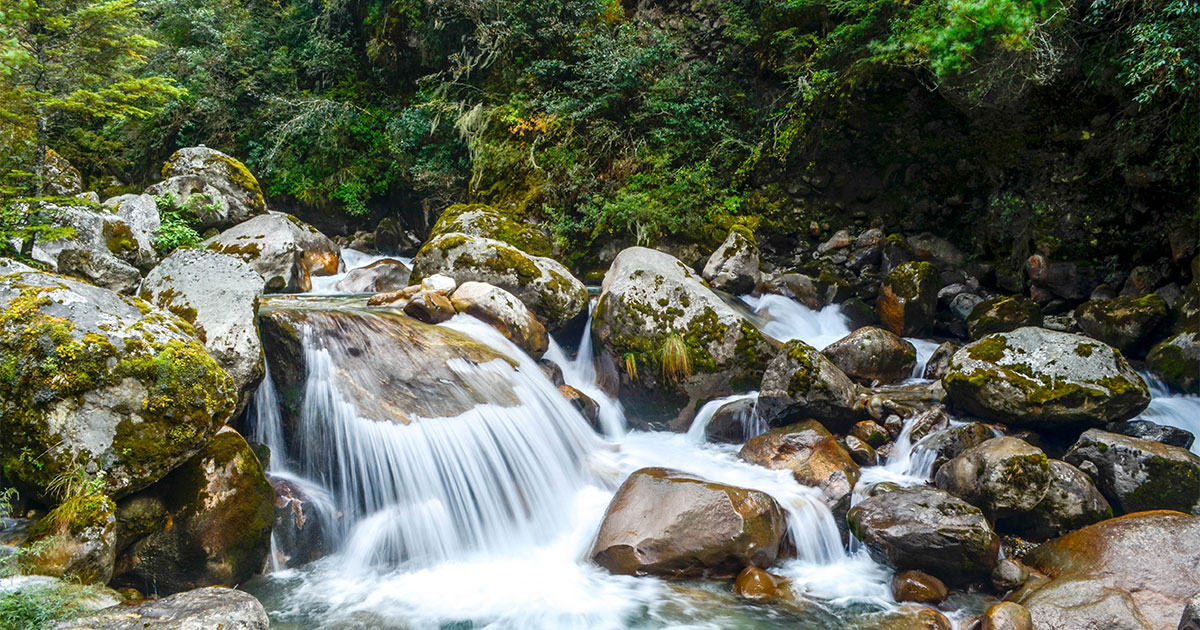
It was announced as a national park in 1976 with the intent to conserve the ecosystem of the Everest region. It encompasses major glacial lakes, wetlands, and rivers of the region, which include Gokyo Lake, Dudh Koshi, Bhotekoshi, Imja Khola, etc.
The national park connects a different sets of ecosystems, the alpine, subalpine, and temperate as it expands over different elevations.
Different Categories of Everest Wildlife
You will find all different kinds of wildlife in the diverse terrains and forests of the Everest region. From rare Himalayan species like Himalayan Tahr to common bears, the Sagarmatha National park o the Khumbu district is home to wide species.
| Elevation Zone | Habitat Type | Wildlife Highlights |
|---|---|---|
| 2,500–3,500 m | Temperate Forest (Oak, Pine, Rhododendron) | Musk deer, pheasants, squirrels |
| 3,500–4,500 m | Subalpine and Conifer Forest | Himalayan tahr, Monal, bears |
| 4,500–5,500 m | Alpine Meadows & Rocky Slopes | Blue sheep, snowcock, vultures |
| Above 5,500 m | Nival and Glacial Zone | Choughs, snow pigeons, rare mammals |
Common Inhabitants of the Everest Region
Animals
Some of the most common inhabitants of the Everest region are the animals like Himalayan thar which is a big mountain goat that grazes on steep rocks. Likewise, the Blue Sheep also known as bharal are found near Dingboche and Lobuche.
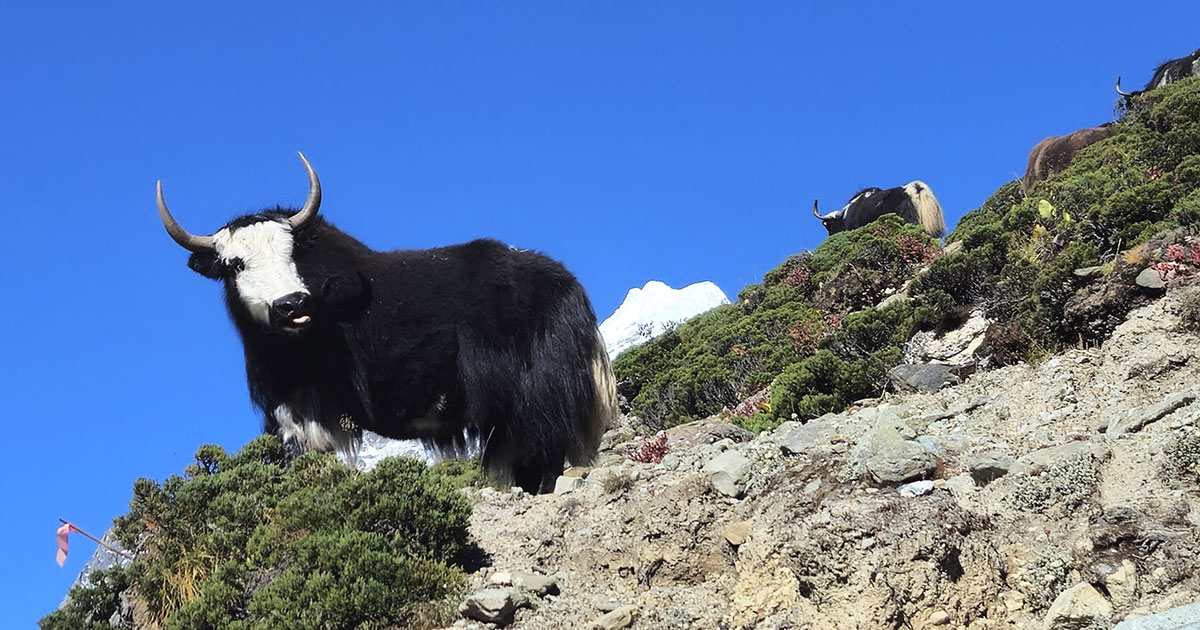
While in Tengboche and Namche Bazaar inhabit shy dwellers like Musk Deer. As you ascend up, you can see burrowing mammals like Himalayan Marmot and Pika in the alpine meadows of the higher elevation.
Birds and Avian Species of Everest
Despite being a higher altitude, you can still catch a sight of flying birds and different avian species while trekking to Everest. Only the Sagarmatha National Park is recorded to have over 219 different species of the birds.
One of the most interesting bird you will find is the Nepal’s national bird, Himalayan Monal which is also called Danphe in local language. This rainbow-hued species of pheasant is found in the elevation of 3000 to 4000 meters.
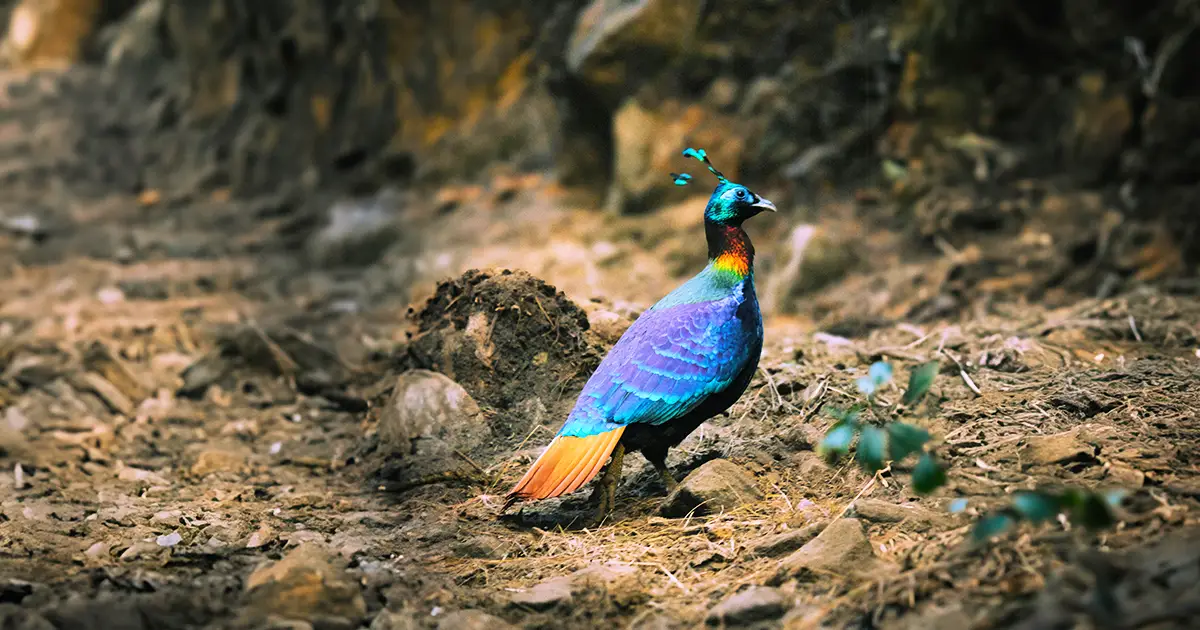
If you trek in summer season, you will find Blood pheasant seated on rhododendron tress. And the most common ones seen around alpine slopes are the Tibetan Snowcock, Snow pigeon, and Himalayan griffon.
Whereas in the areas around Everest Base Camp, you are most likely to find red-billed and yellow-billed choughs.
Signature Species of the Everest Region
Apart from the usual animals and birds, you will also find the signature species that reigns well and high on the Everest region. Some of these are found only in specific seasons.
Snow Leopard
Residing at an elevation above 3500 meters, the Snow leopard is a very rare animal species that you can find. Since it can camouflage with the white snow and walks stealthily, it is often called Ghost of the mountains.
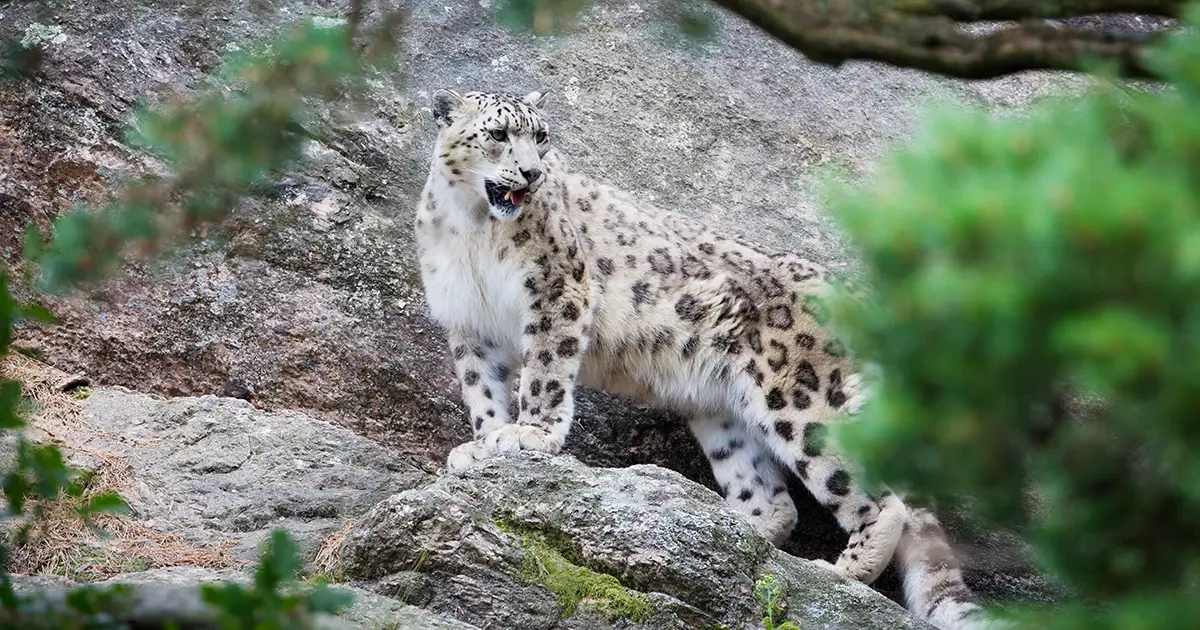
These big cats have thick furs and wide paws along with a long tail and hence can walk slowly to catch its preys, the blue sheep and marmots.
It is primarily found upper Khumbu region and catching a sight of these is very rare.
Musk Deer
The Musk deer are quite common animals that you will see while trekking through the Everest region. You are most likely to find it on the areas with thick trees or forest. Since the deer is shy and nocturnal, you will see it in dawns and dusks only.
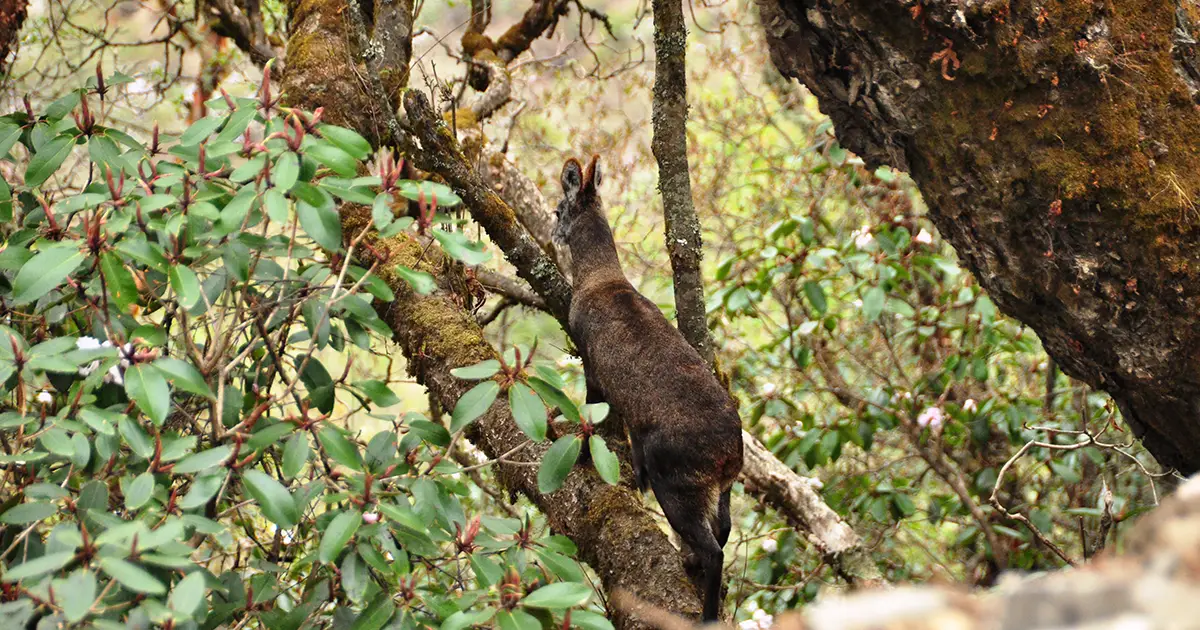
The musk of male deer is highly fragrant and is highly valued in perfume industries.
Himalayan Tahr
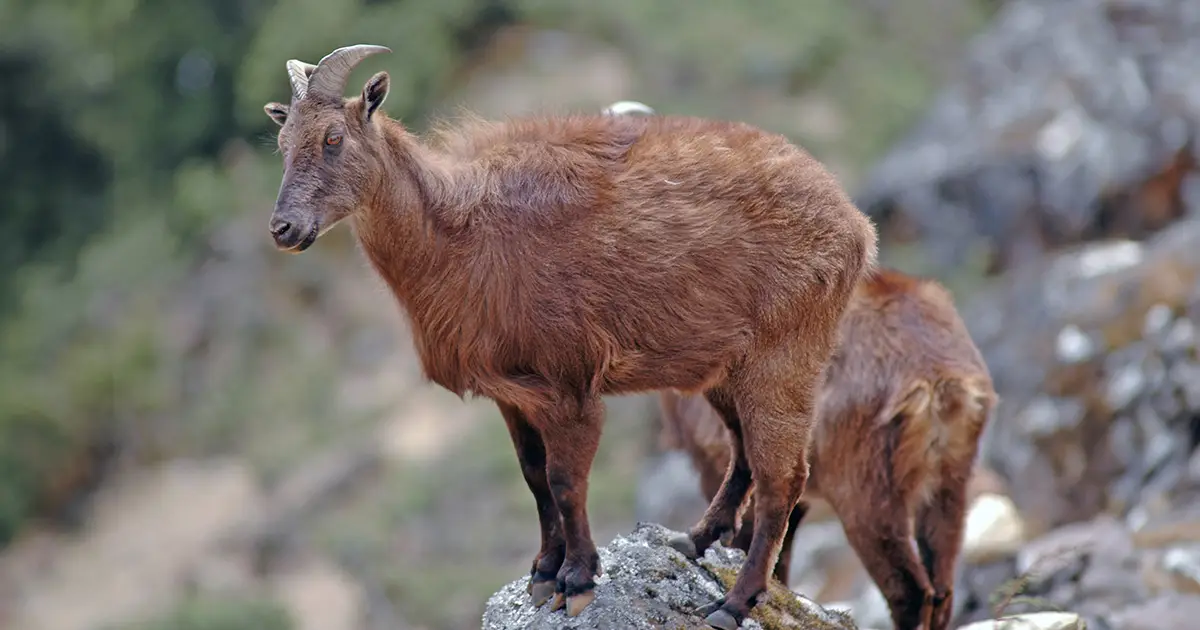
Synonymously known as the mountain goat, the Himalayan Tahr is most common animal found in the Everest region. You will find these goats grazing in herds in the slopy terrains,.
Rare and Endangered Species Found on Everest
There are a few animal and bird species which have been enlisted as rare species by International Union for Conservation of Nature (IUCN). Some of these species are listed below:
| Species | Status | Habitat |
|---|---|---|
| Snow Leopard | Endangered | High alpine zones (3,500–5,500 m) |
| Red Panda | Endangered | Lower bamboo forests (rare in Khumbu) |
| Musk Deer | Endangered | Forested slopes (2,800–3,800 m) |
| Himalayan Griffon | Near Threatened | High ridges and cliffs |
| Himalayan Monal | Near Threatened | Subalpine forests (3,000–4,500 m) |
Wildlife Trekking to Mount Everest
Even though it sounds uncommon thing to do wildlife trekking to Mount Everest, there are a lot of biodiversity enthusiasts who visit Everest only for its flora and fauna. While some visit the Sagarmatha National Park for their research, a few are in the outlook for rare species like Snow leopard.
While trekking from Lukla to Everest Base Camp, you will come across different ecosystems which host all different kinds of animals.
Things to Consider Before Everest Wildlife Trek
It is tempting to trek to the most adventurous destination of the world, all while witnessing the diverse wildlife of the region.
Best Season
Definitely, the best season to do Everest Wildlife trek is on spring seasons, i.e. the months between March to May. Since the weather is clear and warm, forests are blooming with rhododendron, the birds and animals come out for a stroll.
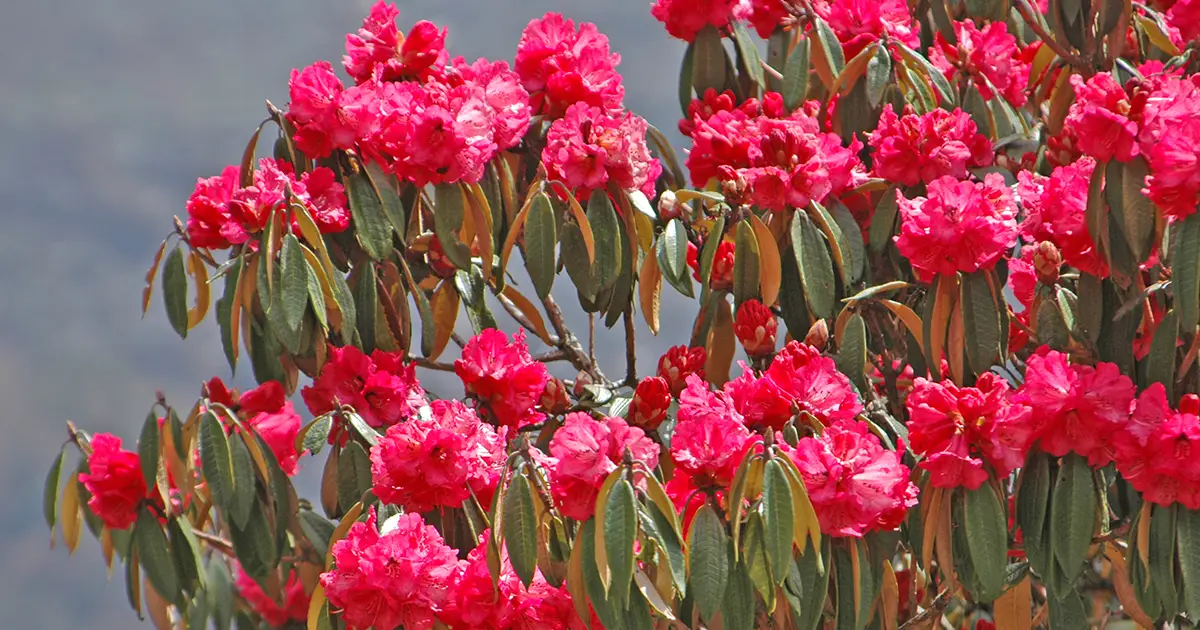
Hence, it is possible to spot many of these. However, for spotting herbivores like musk deer, the autumn season is also equally ideal.
Trek Etiquettes
If you are trekking for watching the wildlife, there are a few etiquettes you need to follow sharply. Make sure to stay quiet and move slowly while trekking through the spots which is likely to have animal movement. And you should never feed or chase animals while on the trek.

You should always stick to the established trekking trail and not just wander off to trace any animal movement. Such unplanned wandering tramples the vegetation and can also lead to encounter the dangerous wildlife.
Wildlife Photography
If you are also looking to capture the wildlife while on the trek, make sure to carry wild angle lenses. And it is better to wait for early morning and late evenings for catching the sights of these animals.
FAQs
Expand AllIs there wildlife on Mount Everest?
Yes, there are wildlife on Mount Everest. Despite the harsh climate, the Everest region supports a surprising variety of wildlife. The lower and middle slopes (especially within Sagarmatha National Park) are rich in birds, mammals, and alpine vegetation.
What wildlife lives on Mount Everest?
Wildlife on Mount Everest ranges from snow leopards, Himalayan tahrs, and blue sheep to monals, choughs, and griffon vultures. Lower areas host musk deer, red pandas (rare), and pheasants, while higher elevations have smaller mammals like pikas and marmots.
Are there animals on Mount Everest?
Yes, there are animals on Mount Everest. Even though few survive near the summit, animals such as snow leopards, blue sheep, Himalayan tahr, and choughs inhabit the slopes below 6,000 meters. The uppermost slopes are too cold and oxygen-poor for most life forms.
What types of wildlife can be found on Everest?
You can find different kinds of mammals, birds, and insects on the Everest region.
How diverse is wildlife near Mount Everest?
The wildlife near Mount Everest is very diverse. Sagarmatha National Park alone records over 219 species of birds and more than 30 mammal species, along with a vast array of alpine plants.
Which mammals live on Mount Everest?
Mammals like Snow Leopard, Musk Deer, Himalayan Tahr, Bharal, Himalayan Marmot etc. live on Everest.
Are there birds on Mount Everest?
Yes, there are birds on Everest. You can find birds like Himalayan Monal, Himalayan Griffon, Blood pheasant, Tibetan Snowcock.
What reptiles or insects can survive on Mount Everest?
Reptiles aren’t found due to cold temperatures, but some cold-tolerant insects like beetles, moths, and butterflies exist at lower altitudes. A few insect species have been recorded as high as 6,000 meters, surviving under rocks and near warm microclimates.
Do snow leopards live near Everest Base Camp?
Snow leopards inhabit the higher ridges and valleys above 4,500 meters, so they do roam in areas near the Everest Base Camp region.
Are yaks considered part of Mount Everest wildlife?
Domesticated yaks are a vital part of Sherpa culture and trekking life, but wild yaks do exist in the broader Himalayan range. Wild yaks prefer remote high plateaus above 4,000 meters and are larger and more aggressive than domesticated ones.
What wildlife is found near Everest Base Camp?
Since Everest Base Camp is located at an elevation above 5000 meters, you will find animals like Blue Sheep, Himalayan marmot, snow leopards, and vultures.
Can trekkers see animals while trekking to Everest Base Camp?
Yes! Trekkers often see Himalayan tahrs, monals, blood pheasants, and blue sheep along the trail. The forests between Namche Bazaar and Tengboche are especially rich in wildlife sightings.
Are there any endangered species near Mount Everest?
Yes, there are a few endangered species near Mount Everest like blood pheasants, blue sheep, Himalayan tahr, monals etc.
How does altitude affect wildlife on Mount Everest?
Altitude limits oxygen, temperature, and vegetation which means only specially adapted species can survive. Animals have thicker fur, larger lungs, slower metabolism, and hemoglobin-rich blood to cope with low oxygen levels.
Are there any rare birds in the Everest region?
Yes, there are some rare birds in the Everest region like Satyr Tragopan, Impeyan Monal, and Tibetan Snowcock.
Is Everest wildlife protected by any conservation programs?
Yes, the Everest wildlife is protected within the Sagarmatha National Park as an UNESCO world heritage site.
What is the role of the World Wildlife Fund near Mount Everest?
The WWF Nepal works with local communities to promote snow leopard conservation, reduce human-wildlife conflict, and improve climate resilience in the greater Everest ecosystem.
Are there wildlife research centers around Everest?
Yes, there are wildlife research centers around Everest like Himalayan research center which conducts biodiversity monitoring, camera-trap surveys, and educational outreach with local communities.
How do climbers and trekkers impact Everest wildlife?
Human activity can disturb animals, pollute habitats, and cause noise or litter-related issues. Responsible trekking and proper waste management help reduce these effects.
Are there tree or plant species that support wildlife on Everest?
Yes! Rhododendron, birch, pine, and juniper forests provide food and shelter for musk deer, pheasants, and insects. Juniper shrubs are also culturally significant and used in local rituals.
Do animals migrate to lower altitudes during winter?
Yes. Many species, especially birds and herbivores, descend to lower forests (below 3,000 m) during winter when food is scarce and temperatures plummet.
Can you spot wildlife at high altitudes above 5,000 meters?
Even though its rare, it is possible to spot wildlife at high altitudes above 5000 meters. Blue sheep, choughs, and snow pigeons are the most common at these altitudes, while predators like snow leopards occasionally pass through.
What is the highest altitude where animals live on Everest?
Birds like the bar-headed goose have been recorded flying over 8,000 meters, while ground animals such as blue sheep and marmots live up to about 5,500 meters.
Are there mint or other unique plants associated with Everest wildlife?
Yes. Several aromatic alpine herbs like wild mint, juniper, and thyme grow in subalpine meadows, supporting pollinators and herbivores.
How can trekkers safely observe wildlife near Everest Base Camp?
Trekkers can safely observe wildlife near Everest Base Camp by staying quiet, maintaining a respectful distance. Don’t feed or follow animals, instead use binoculars to watch the animals.
Should I bring binoculars to spot wildlife during Everest trekking?
Yes, a compact pair (8x or 10x magnification) is perfect for spotting distant birds, blue sheep, and raptors on cliffs
Are there guided wildlife tours in the Everest region?
Yes. Several operators offer birdwatching and wildlife-focused treks that include expert naturalists and local conservation guides
Related blog posts
Discover a choice of tourist destinations loved by most of our visitors. Whether you're on a jungle safari to spot rare animals or walking through a world heritage site, these well-planned itineraries cover the major highlights of Nepal.



 call an expert at: