
Everest View Trek in Winter 2026: Can You Get Everest Scenery Without Peak-Season Crowds?
 Sristi Adhikari
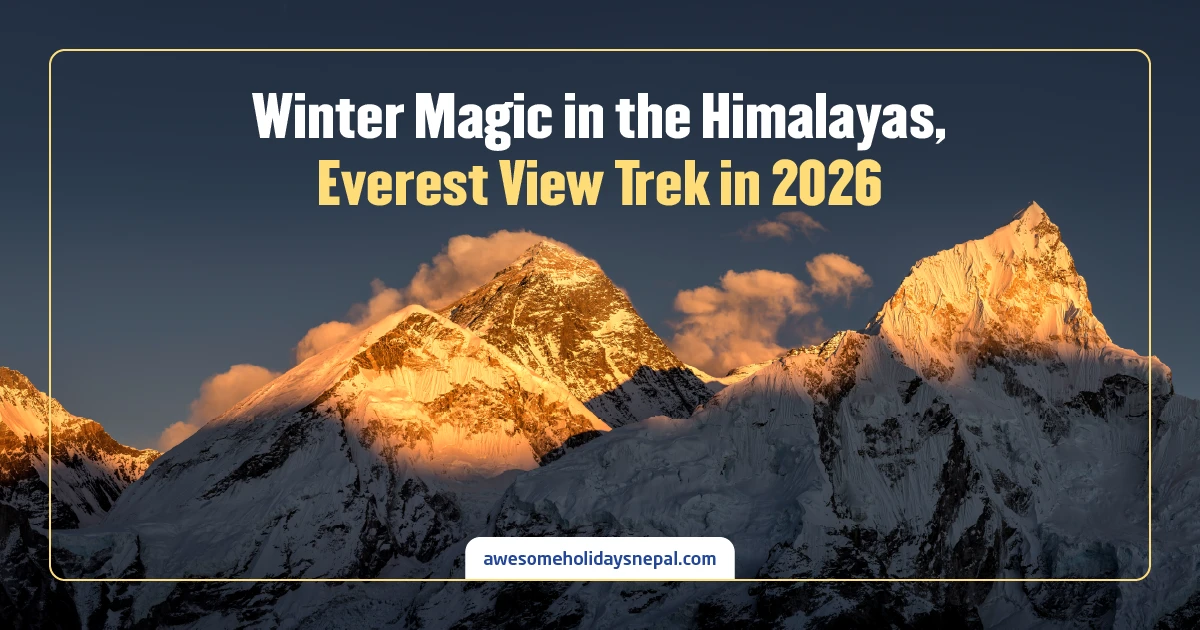
Everest View Trek in Winter is a unique experience that offers a peaceful, quieter, colder journey to the remote Himalayas of the Khumbu region. Every year, thousands of trekkers from all around the world flock in peak season, like Autumn or Spring, but if you are searching for solitude and a modern life detox, then the raw Himalayan beauty of the Everest View trek is waiting for you in winter in 2026.
The rare silence of the Everest View Trek in Winter must be experienced once in a lifetime as you will be walking for multiple days on snowy trails, spending nights in empty teahouses and lodges, followed by the uninterrupted views of the world’s highest peaks, Everest. But is it worth the cold? Let’s explore in detail:
Top Highlights of Everest View Trek in Winter
The rich experience of winter in Everest view trek will surely surprise you and make your journey more memorable:
- Stunning views of Everest, Ama Dablam, Pumori, Nuptse, Lhotse, etc.
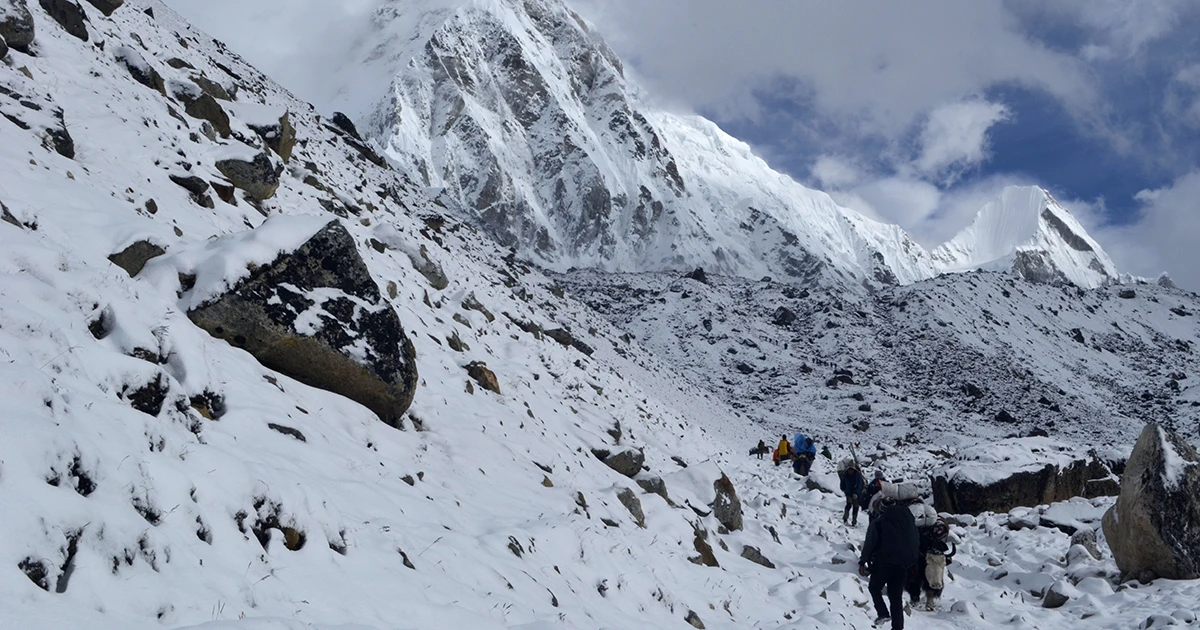
- Heavy blanket of snow on the trekking trail which looks like an off-the-beaten-trail.
- Dramatic flights to dangerous airport, Lukla from Kathmandu.
- Exploration of Sagarmatha National Park, a UNESCO world heritage sites.
- Opportunity to immerse in rich cultural Sherpa villages in Namche Bazaar.
- Discover Tengboche Monastery situate at an elevation of 3,867 meters.
- Fewer crowds makes the trekking trails more peaceful and intimate.
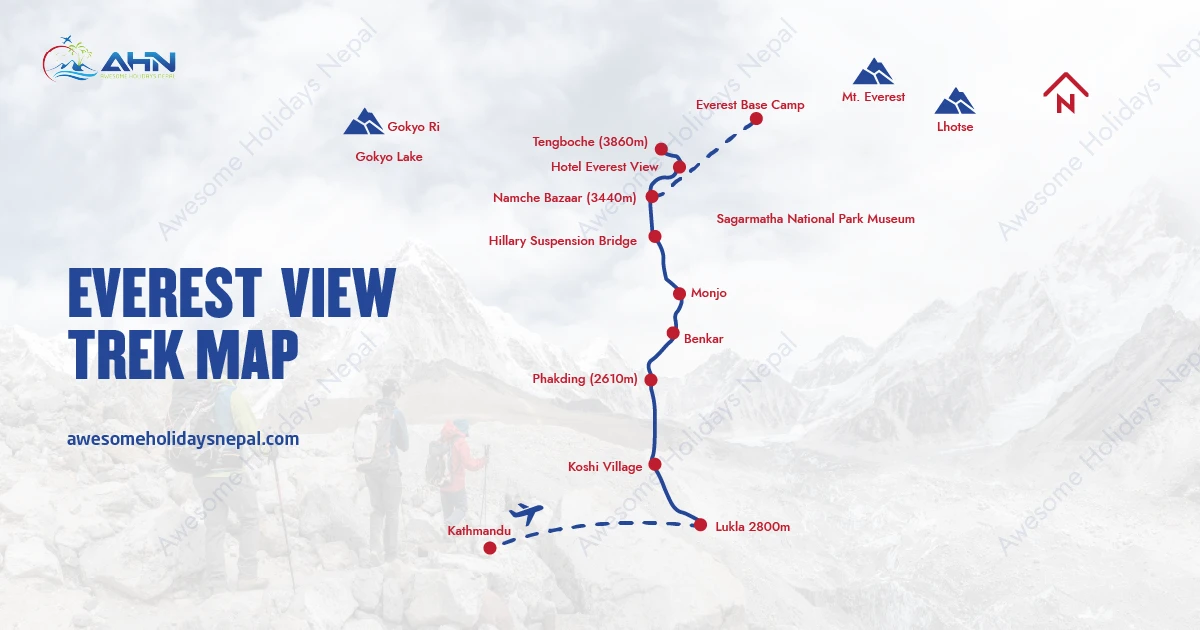
Everest View Trek Route and Map
The trekking trails of the Everest view routes follows:
- Kathmandu/Manthali → Lukla(Via flight)
- Trek from Lukla → Phakding
- Trek from Phakding → Namche Bazaar (Acclimatization)
- Trek from Namche Bazaar → Tengboche
- Trek from Tengboche → Namche
- Trek from Namche → Lukla → Fly to Kathmandu
The Everest View trek route map is given below:
Rewards of Everest View Trek in Winter
Trekking in winter feel like stepping out of your comfort, but it is actually worth it. The quiet, peaceful trekking trails of Everest region will reward you with following things:
Unmatched Mountain Clarity
Winter in Himalayan region of Everest offer greater visibility as air is dry and free from dust and haze. This will provide you a sharper more clear views of Everest Scenery without tackling the peak-season crowds.
Likewise, you will get a stunning sunrise and sunset panoramas with golden light hitting snow capped mountains. If you are photography enthusiast this will provide you a unique opportunity to capture the mountain ranges in your lens. You will feel you are very close to the Everest in winter in comparison to other peak seasons.
Accomodation Ease
When doing Everest view trek or Everest Panorama trek in cold season, you don’t have to book room in advance, can eat freely and in a more relaxed form in dining halls. You will receive more attentive service and extra blankets for you in winter.
Less Crowd More Peace
Everest view trek in winter is an excellent chance for you to indulge in a solitude. Most of the trekking trails are less crowded and you can choose the room in teahouses and lodges as you want.
Also, you don’t have to wait in line at viewpoints like Everest View Hotel to enjoy the beauty of the mountain peaks. Less crowd of winter season make you fully absorb the Himalayan atmosphere without distractions which will help you detox from your regular day to day life stress.
Authentic Cultural Experience
The teahouses and lodges are quite empty in off-season like Winter in Everest region, which will offer you a quality time to spend with local Sherpas. You can learn about their local language, culture, and centuries old traditions.
Moreover, you can observe the morning prayers and ritual in spiritual atmosphere of monastery like Tengboche for more time. The Everest View Trek in Winter often feels less commercial and more culturally immersive along with the warm hospitality.
More Personal Connectivity with Nature
Out of all above rewards, the biggest rewards is intangible, winter trek for Everest view is a unique time to replace noise with silence and enjoy the mother nature of Everest in its own form.
Challenges of Everest View Trek in Winter
Trekking to the Himalayas is an adventurous journey but it also has its own challenges if you are planning for Everest view trek in winter:
Extreme Temperature
The biggest challenges of trekking to Everest region in winter season is extreme cold climate. The temperature ranges from 0°C to 10°C in the lower region like Lukla, Phakding, and Namche Bazaar in day while it drops down to -2.8°C to -15°C at night.
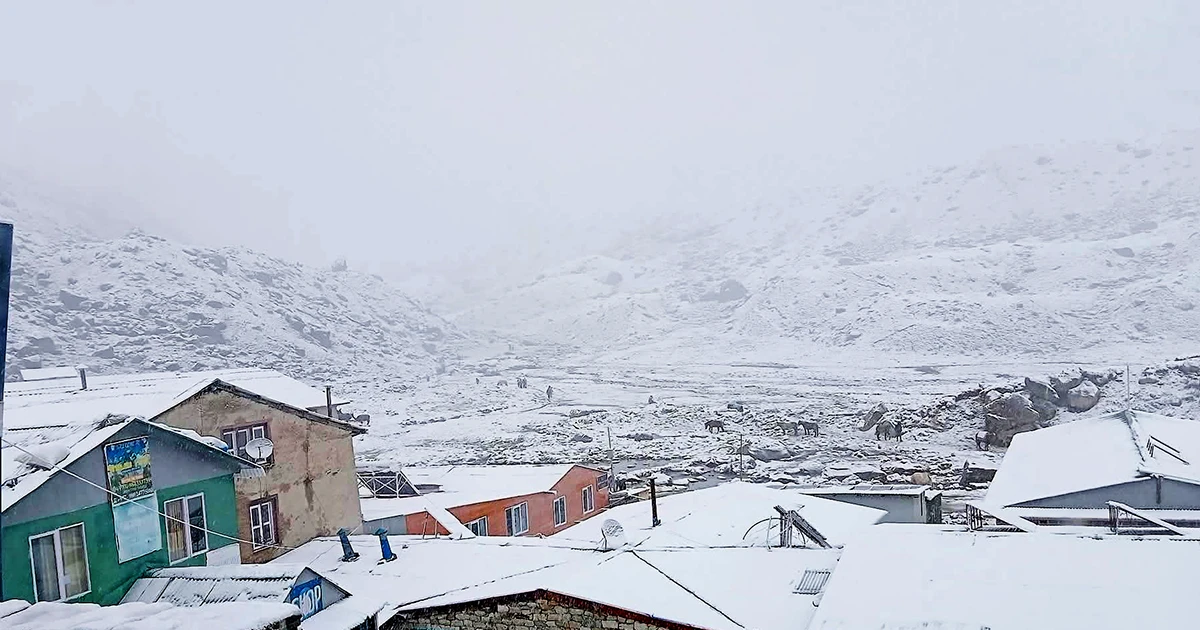
In higher altitude region, Tengboche you will experience a nighttime temperature up to -20°C while in daytime it ranges from -5°C to 5°C. Every trekkers should bring heavy outer wears like down jacket and own sleeping bag to cope with this freezing cold weather conditions. Otherwise, you will suffer from frost bite and hypothermia.
Snowy and Slippery Trail
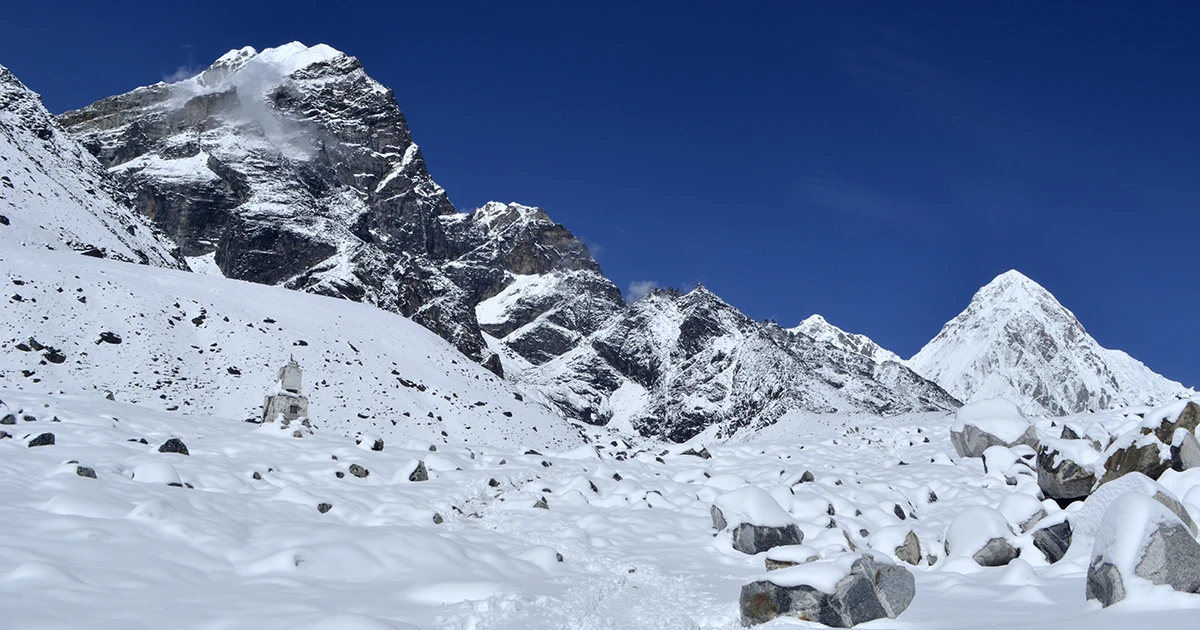
In winter trekking trails of the Everest region becomes more slippery due to continuous snowfall. You have to wear a climbing boots because normal trekking shoes lack grip which will make you slip and fall. Also, being injured on remote trekking trails makes your conditions worsen which will led to suffering from altitude sickness.
You should buy a breathable, waterproof boots with stiff sole which has compatibility with crampons.
Short Trekking Hours
In winter there is short day light hour, so you have to start your trek early in the morning to reach the stop for the day on time. This will make your condition more stressful and you will automatically tend to rush. As a result, there is high chances of suffering from exhaustion when doing Everest view trek in winter.
Prone to Altitude Sickness
The Everest view trek in winter takes you to an altitude of 3,867m which is less in comparison to iconic Everest Base Camp trek. But, in winter, the reflected light from snowy trails increase sun exposure (glare), causing premature fatigue or even “snow blindness” to the trekkers.
Similarly, continuous walking for multiple days in cold weather may make you suffer from headache, nausea, and finally you will suffer from altitude sickness, if you ignore your body signs and requirements.
Flight Delays and Cancellation

The trek to Everest demands a scenic flight to the one of the most dangerous airport in the world, Lukla airport. Lukla Airport is situated at an elevation of 2,846 meters (9,337 feet) where fast-changing conditions, intense crosswinds, and sudden fog and wind speed affect the visibility and causes delays and cancellation of the flights.
Tips for Trekkers in Winter
To enjoy the Everest View Trek in Winter, a few smart strategies go a long way:
- Start your trek early morning each day to avoid cold evenings.
- Focus on proper acclimatization in Namche Bazaar by drinking enough water rehydration salts or electrolytes and eating balanced meals.
- Keep your itinerary flexible in case of flight delays or cancellation due to weather.
- Always take care your body demands and rest properly.
- Share your small discomfort to your guide and do accordingly.
- Do not go alone without a local guide and always walk on the designated trails.
- Bring energy and protein bar, dry nuts, and chocolate for instant energy.
Packing List for Winter
You should pack well so that you can cope up with extreme temperature of Himalayas during Everest View Trek. You should pack winter gears like:
- Upper wears like: Down Jacket, thermal layer, fleece jacket, neck gaiter and balaclava, pullover, waterproof gaiter, and lightweight jacket.
- Waterproof pants, woolen gloves, headwear, a beanie, socks, sunglasses, and four-season sleeping bags.
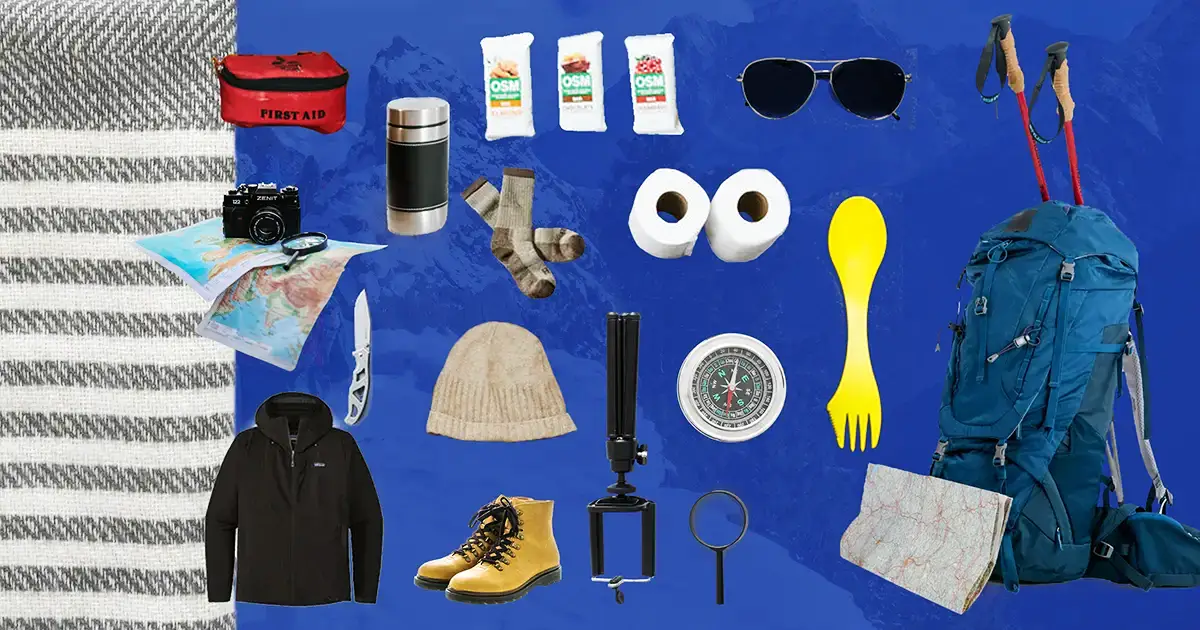
- Trekking poles for icy paths, Micro spikes or Crampons.
- First aid box with band aids, antiseptics, blister pads, painkillers, Diamox, Diarrhea medication, and rehydration salt.
Final Thoughts on Everest Panorama Trek in Winter
Everest Panorama Trek also referred as Everest View Trek is quite different busy seasons like Autumn and Winter. You will be exploring the snow covered trails and have to walk multiple days in the cold weather which surely need enough physical as well as mental preparation in 2026.
No matter either you are trekking in peak season or winter, you will get unmatched beauty of Everest view which proves that you don’t need perfect weather or peak-season timing to experience the Himalayas. What you gain instead is something rarer like silence, space, and a deeper connection to the mountains.
If you want to trade comfort for clarity, and crowds for calm, the Everest View Trek in Winter might just be the best decision you make in 2026. And, remember Awesome Holidays Nepal for tailor-made trips and smart travels to Everest region or all around the Nepal.
FAQs
Expand AllIs winter a good time for the Everest View Trek?
Yes, the Everest View Trek in Winter is a great option.
Can you really see Mount Everest clearly in winter?
Yes. You can really see Mount Everest clearly in winter.
Is the Everest View Trek less crowded in winter than in autumn?
Yes. Everest View Trek is less crowded in winter than in autumn season.
How cold does the Everest View Trek get in December?
The temperature drop to around -10°C in December during the Everest View Trek.
Do you need microspikes for a winter Everest View Trek?
Yes, microspikes are highly recommended for a winter Everest View Trek.
Is December or February better for the Everest View Trek?
December is better for for the Everest View Trek as it offer clearer and more consistent mountain visibility.
Is the Everest View Trek too cold for beginners in winter?
The Everest View Trek in Winter can be manageable for beginners if you packed all the essential winter gears.
Does it snow on the Everest View Trek route in winter?
Yes, snowfall is commonly experienced during the Everest View Trek in Winter.
Are the trails icy on the Everest View Trek in winter?
Yes, trails are icy on the Everest View Trek in winter.
Do teahouses stay open on the Everest View Trek in winter?
Yes, few teahouses stay open on the Everest View Trek in winter.
Are rooms warm enough on the Everest View Trek in winter?
Rooms during the Everest View Trek in Winter are very cold at night so you should pack sleeping bag rated with -10 degree celsius.
Do you need a sleeping bag for the Everest View Trek in winter?
Yes. You will need a sleeping bag for the Everest View Trek in winter as rooms in teahouses are unheated.
What is the highest point on the Everest View Trek?
Tengboche situated at around 3,860 meters is the highest point on the Everest View Trek.
Is Hotel Everest View worth it in winter?
Yes, visiting Hotel Everest View during Winter is worth it.
Is the view better from Hotel Everest View or Tengboche?
Tengboche provides a wider Himalayan panorama while Hotel Everest View gives a closer look at Everest so both offer best views.
What permits do you need for the Everest View Trek?
Sagarmatha National Park Permit and the Khumbu Pasang Lhamu Rural Municipality Permit are permits you will need for the Everest View Trek.
Is the Everest View Trek better than a mountain flight for seeing Everest?
The Everest View Trek offers a more immersive and rewarding experience when compared to a short mountain flight for Everest sight.
Are Lukla flights more likely to be delayed in winter?
Yes, Lukla flights are more likely to be delayed in winter.
How many buffer days should you keep for Lukla flights in winter?
1–2 buffer days is recommended for Lukla flights in winter.
Do Lukla flights operate from Kathmandu in winter?
Lukla flights will operate from Kathmandu in winter depending on the weather conditions.
Related blog posts
Discover a choice of tourist destinations loved by most of our visitors. Whether you're on a jungle safari to spot rare animals or walking through a world heritage site, these well-planned itineraries cover the major highlights of Nepal.
 call an expert at: