
Everest Trekking Packing List: What to Carry and What to Skip

 Sujata Pokhrel
How to sort your Everest trekking packing list? This is quite a frequently asked question. Rather than a seasoned or an experienced trekker, the beginners in adventurous treks often wonder about things to carry or what not to carry.
It is evident that you need a complete Everest Trekking Packing List to be able to fully enjoy the trek. But packing heavily for the trek can often cause discomfort to the trekker. Even though you get a porter to carry your essentials while on the trek, stacking too many things isn’t a good decision.
Let’s go through the blog to decide the best Everest Trekking packing list that carries only the essentials, no crap.
Understanding the Terrain and Climate
It is very necessary to understand the terrain and climate before deciding what to pack for your trek to the Everest region. Given the freezing climate, unpredictable weather conditions of Everest, and rough terrains, a lack of packing essentials often leads to catching altitude sickness or events leading to an unsuccessful trek.
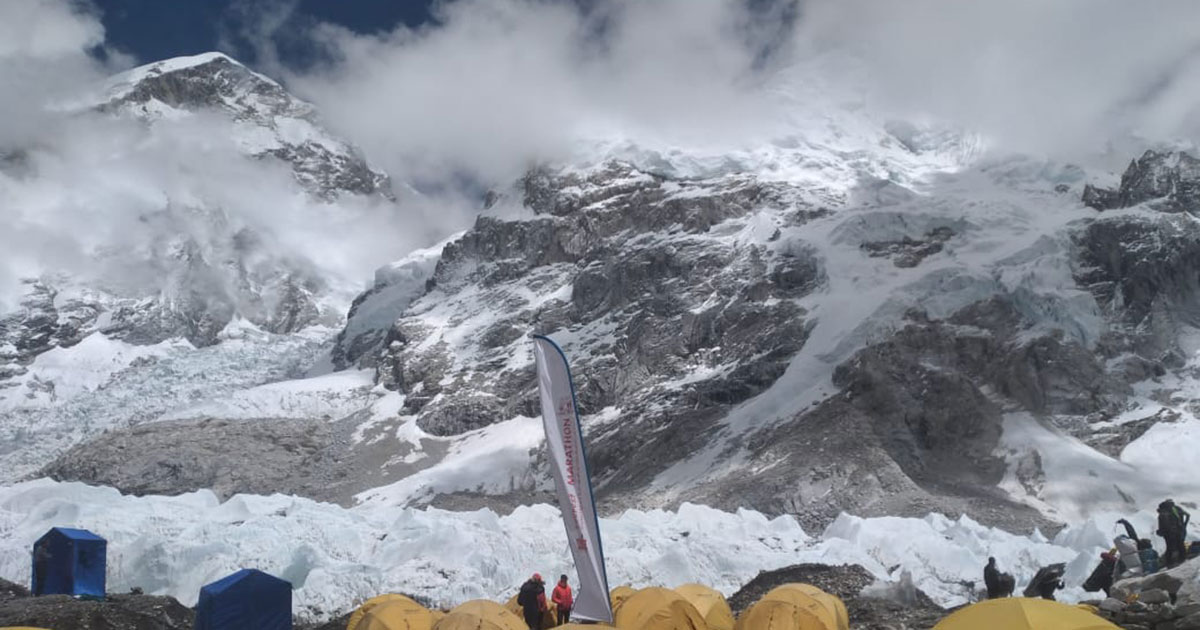
The trekking trails of Everest Base Camp take you from an elevation of 2800 meters to over 5000 meters, and can reach up to 8849 meters if you ascend the summit. Because of varying altitudes, the climatic conditions also keep changing. While lower altitudes are often mild and sunny during the day, the higher altitudes like Dingboche to Gorakshep have a cold, arid, and dry climate.
Packing Essentials for Everest Trekking
Clothing
You need a proper layering of clothes to prevent yourself from catching a cold during the trek. Since the weather is unpredictable and the temperature can drop very low. It’s better to start with a base thermal layer made of wool or any warm fabric that traps your body heat.
For a mid layer, take a fleece jacket or a lightweight to wear as an insulating layer in between. And to top it off, carry a waterproof or windproof jacket and waterproof trekking pants in the outer layer.
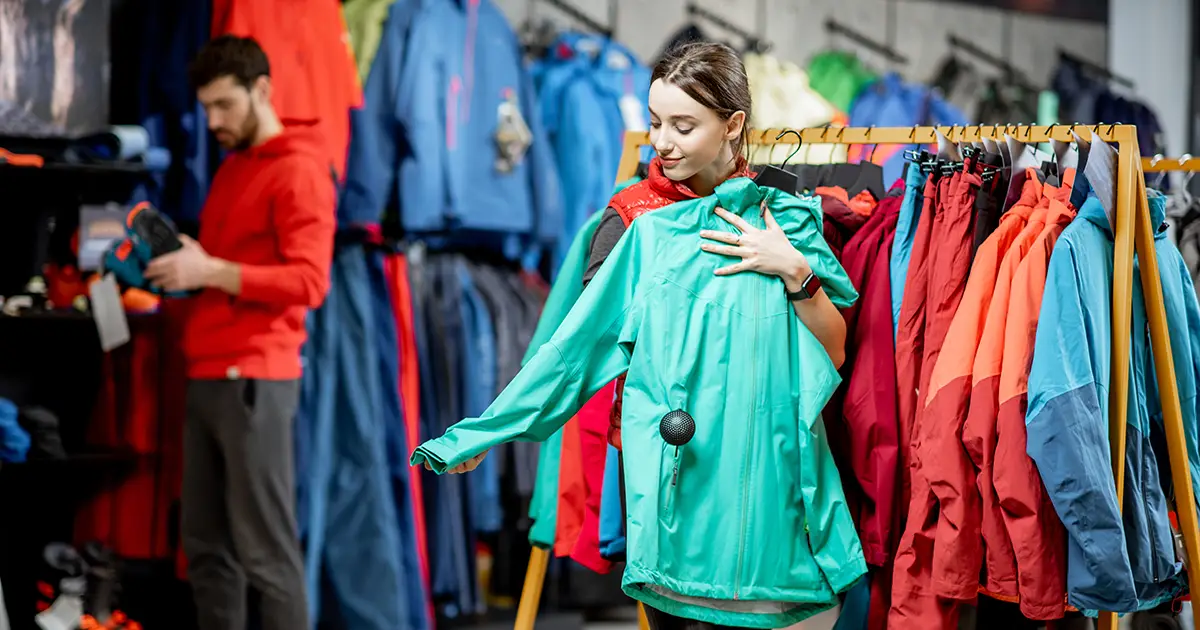
It is also necessary to add a few more trekking clothes that consists of 2-3 pairs of quick-drying trekking shirts and a few pairs of lightweight pants and one more warm trekking pant for evenings. You should also wear a beanie or woolen hat along with neck gaiter to protect your head.
You should also carry a cap or sun hat for protecting your head under sun. For protecting your hands and foot from freezing cold, use lightweight inner cloves and waterproof insulated outer gloves.
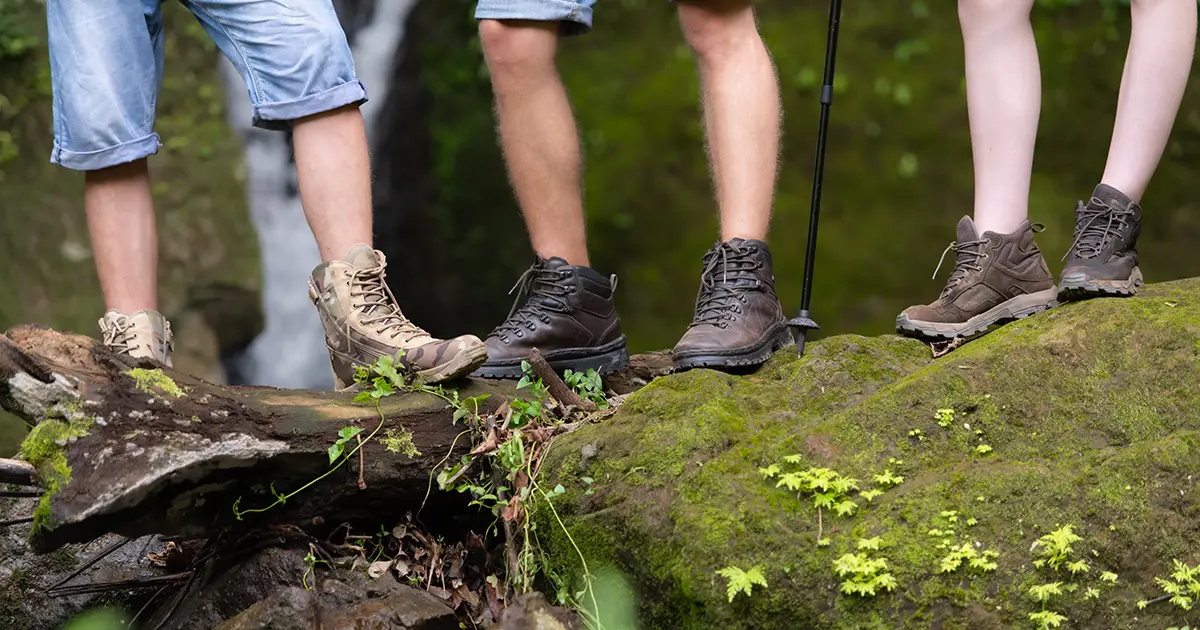
And for foot, its recommended to carry few pair of liner socks and few more pairs of trekking socks along with camp shoes and trekking boots.
Trekking Gear
Is it even possible to trek without the right trekking gear? Not at all, right? A properly packed trekking bag pack consists of all essential trekking gears for your convenience as well as for ensuring your safety. Starting with a lightweight but spacious backpack of 50 to 65 liters volume and a day pack of about 30 liters.
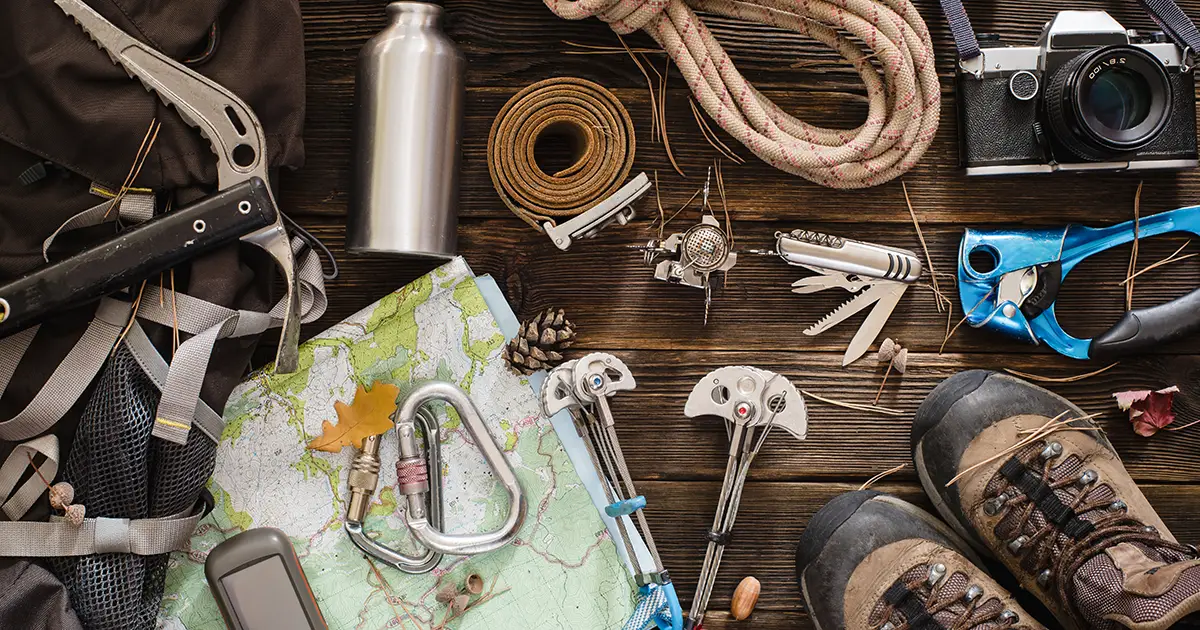
Some other essentials to include in list of trekking gear:
- Duffel bag
- Trekking poles
- Sleeping bag
- Sleeping bag liner
- Headlamp
- Extra batteries
- Hydration bladder/Reusable Water bottle
- Water purification tablets
- Backpack cover
Personal Items
Hygiene is a major concern that people often have while trekking to rural areas that often do not have personal toilet. Besides, the higher altitudes have water scarcity thus it’s necessary to carry your sanitary items to tackle the hygiene issues.
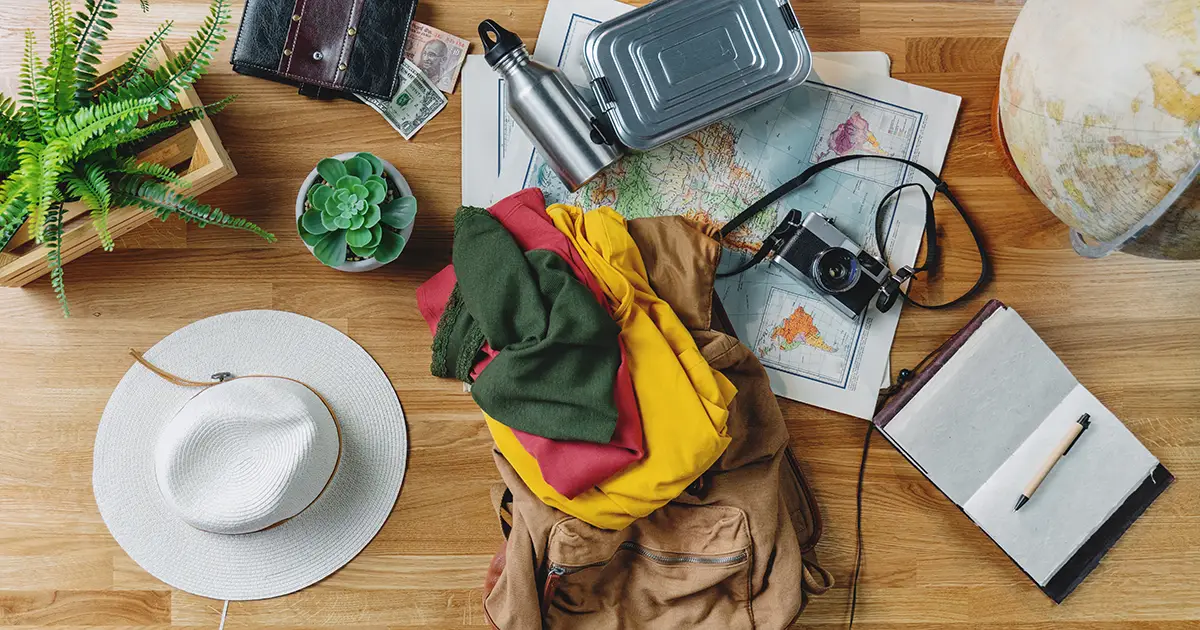
You need to carry personal items like quick-drying towel, wet-wipes, hand-sanitizers, toilet papers, and feminine hygiene products. You also need to carry your toothpaste and toothbrush, biodegradable body wash, sunscreen, deodorant etc.
Gadget and Accessories
Since many location on your Everest trekking can lack sufficient electricity, it’s a better idea to carry your own power bank. It is also a good idea to carry rechargeable solar batteries for ensuring your gadgets remain charged up every time.
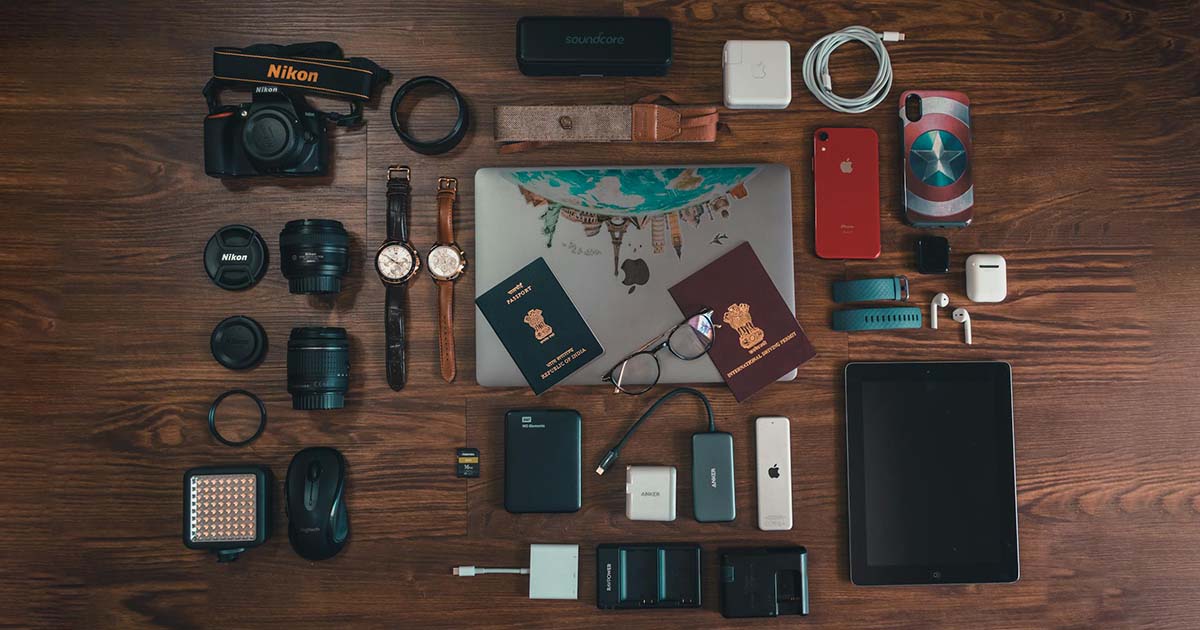
If you are looking to catch some exquisite pictures, it’s better to carry your own camera with a zoom lens (75-300 mm), telephoto lens (75-200 mm), and 85 mm lenses.
What to Skip from the List of Everest Trekking Packing List
Not everything that you think might be essential isn’t actually necessary to take on a trek. Usually the beginners in trekking often make a mistake of overpacking for going on the trek which might not actually come to use. Thus, it’s better to skip such unnecessary items from your packing list. Here’s a list of few of them:
- Jeans, dresses, or clothes that are too heavy or dry slowly.
- Makeup and excessive jewelries
- Hair dryers or grooming gadgets
- Heavy books
- Bulky coats and sweaters
- Unnecessary gadgets
Special Considerations for Luxury and Semi-Luxury Everest Treks
If you are planning for a luxury one-day heli excursion of the Everest or doing a Everest Heli-trek, you might not need to pack as much essentials as you do for a standard trek. Since luxury trek offers you personal porter, you might even sneak in a few luxury items like extra fleece comforter, and a compact camera.
FAQs
Expand AllWhat should I pack for an Everest Base Camp trek?
You need to pack layered clothing, a quality sleeping bag, and sturdy trekking boots. Essentials also include trekking poles, a headlamp, water bottles, and a first aid kit. Don’t forget sun protection and snacks in your personal items.
How do I pack for Everest Base Camp trekking?
Use a 50-60L backpack for your main gear and a 20-30L daypack for essentials. Pack light, functional layers for warmth, and ensure everything is packed in waterproof bags for protection against the elements.
What is the essential packing list for Everest Base Camp trek?
The essential list includes thermal layers, a down jacket, waterproof outerwear, trekking boots, sleeping bag (rated for -10°C), trekking poles, and a first aid kit. Also pack sun protection, hydration gear, and snacks.
How much weight should my Everest Base Camp trek pack be?
Your Everest Base Camp trek pack should weigh 8–12 kg (18–26 lbs), which is manageable for long trekking days while ensuring you have all essentials without overloading your bag.
What is the ideal day pack size for Everest Base Camp trek?
The ideal day pack size is 20 t0 30 liters including enough space for water, snacks, extra clothing, and personal items needed for a day of trekking without being too heavy.
What clothing is needed for Everest Base Camp trekking?
You need moisture-wicking base layers, an insulating mid-layer like fleece, and a waterproof outer layer. Don’t forget a warm hat, gloves, and trekking boots.
What shoes or boots should I pack for Everest Base Camp trek?
You need sturdy waterproof trekking boots with good ankle support for rocky terrain. Also pack lightweight shoes or sandals for relaxing in the lodges.
Do I need gloves and hats for Everest Base Camp trekking?
Yes, you need gloves and hats for Everest Base Camp trekking to avoid cold and prevent from catching altitude sickness.
What type of sleeping bag is recommended for Everest Base Camp trek?
A down or synthetic sleeping bag rated for -10°C to -15°C (14°F to 5°F) is recommended for Everest Base Camp trek and add an additional sleeping bag liner for extra warmth during cold nights.
Are trekking poles necessary for Everest Base Camp?
Yes, trekking poles are highly recommended as they provide balance, reduce strain on knees, and help on steep ascents and descents.
What should female trekkers pack for Everest Base Camp?
Female trekkers should pack the same essentials as male trekkers, including feminine hygiene products, extra layers for warmth, and personal hygiene items like wipes and toiletries.
Are there special packing tips for solo trekkers?
Solo trekkers should ensure reliable communication (carry a satellite phone or make sure someone knows their itinerary). Pack lightly and focus on self-sufficiency.
How can women pack efficiently for Everest Base Camp trek?
Women should prioritize layered clothing, multi-functional items, and minimalist hygiene products to save space and weight. Focus on essential items for comfort and practicality.
Should female trekkers bring extra hygiene products for Everest Base Camp trek?
Yes, it’s advisable to carry extra feminine hygiene products (pads, tampons, menstrual cups) as these may be difficult to find on the trail. Make sure to bring enough for the entire trek.
What are essential items for women trekking in cold weather at Everest Base Camp?
Essential items include warm, moisture-wicking clothing, thermal gloves, insulated boots, and feminine hygiene products. Ensure you also have sun protection and hydration gear.
What should I pack for Everest Base Camp trek in winter?
In winter, you should pack heavier insulation, including a warmer sleeping bag (rated for colder temperatures), extra down layers, winter gloves, and a balaclava for added warmth.
Are there different packing tips for summer vs winter Everest Base Camp trek?
Yes, there a different packing tips for summer vs winter Everest Base Camp. For summer, pack lighter layers and rain gear due to the monsoon season, whereas for winter, focus on insulating layers, a warmer sleeping bag, and winter accessories.
What extra gear is needed for high-altitude trekking?
For high-altitude trekking, bring altitude sickness medication (like Diamox), sunscreen with high SPF, lip balm, and hydration packs to stay hydrated at higher elevations.
Do I need a rain jacket for Everest Base Camp trekking?
Yes, a rain jacket is essential, especially during the monsoon season (June–August), to protect against rain and wet conditions that are common in the lower altitudes.
Should I bring sun protection for Everest Base Camp trek?
Yes, you should bring sun protection for Everest Base Camp trek. It is better to include high SPF sunscreen, UV-protection sunglasses, and lip balm with SPF to prevent sunburn.
Should I carry a camera or drone for Everest Base Camp trek?
Yes, its better to carry a camera or drone for Everest Base Camp trek for capturing the stunning scenery. But be mindful to local regulations and environmental concerns before flying.
How much electronics gear should I bring on Everest Base Camp trek?
Bring minimal electronics: a smartphone for communication and photos, power bank for charging, and possibly a small camera. Avoid bringing laptops or excessive gear.
Is a power bank necessary for Everest Base Camp trekking?
Yes, a power bank is essential as charging opportunities are limited on the trail. A 10,000mAh power bank or higher is recommended to keep devices charged.
Should I pack water bottles or hydration packs?
Yes, you should pack water bottles and hydration packs for the trek.
Are trekking apps useful for Everest Base Camp trekking?
Trekking apps are useful for navigation, weather forecasts, and tracking altitude. Make sure to download offline maps before your trek.
What medical supplies should I pack for Everest Base Camp trek?
Pack painkillers, band-aids, blister care, altitude sickness medication, and any personal medication you may need. Carry a basic first aid kit with antiseptic and gauze.
Should I carry altitude sickness medication?
Yes, altitude sickness medication like Diamox is recommended to prevent altitude-related illnesses at higher altitudes. Always consult your doctor before the trek.
What first aid items are essential for Everest Base Camp trekking?
Essential first aid items include band-aids, blister pads, antiseptic cream, painkillers, and anti-nausea medication. Ensure these are packed in easily accessible pouches.
How to pack safely to avoid cold injuries?
To avoid cold injuries, layer your clothing to trap warmth, avoid sweating, and ensure your hands, feet, and head are covered. Stay dry, as wet clothes increase the risk of frostbite.
What personal safety items should I carry for Everest Base Camp trek?
Carry a whistle for emergency situations, personal identification (passport, permits), and a satellite phone or GPS device for communication in remote areas.
Related blog posts
Discover a choice of tourist destinations loved by most of our visitors. Whether you're on a jungle safari to spot rare animals or walking through a world heritage site, these well-planned itineraries cover the major highlights of Nepal.
 call an expert at: