
Everest Helicopter Rescue: How Genuine Evacuations Work and the Red Flags Trekkers Should Know
 Sujata Pokhrel
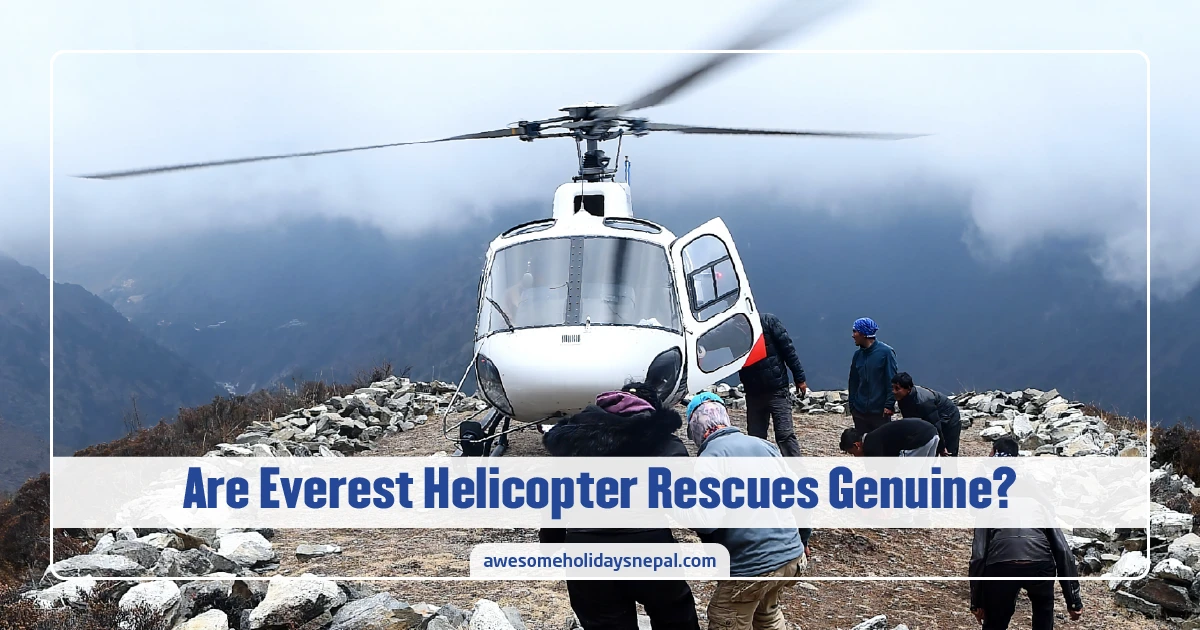
Trekking to higher elevations, such as the Everest Region, is as rewarding as it is unpredictable and often fraught with risks. Thin air, sudden weather shifts, and physical strain can turn a dream journey into a medical emergency in a matter of hours. That’s why Everest helicopter rescue services exist: to save lives when descending on foot is no longer an option.
Whether it’s altitude sickness or other health issues, it’s always necessary to have a rescue plan in hand. But what if something meant for emergencies gets misused and becomes a business scheme? Exactly, that’s what a fake Everest helicopter rescue is all about!
In recent times, there has been a lot of speculation and news about insurance fraud involving fake rescues, which has not only raised concerns among travelers but also called into question the credibility of Nepal’s tourism. While these incidents have sparked debate, it’s important to remember that they represent a small fraction of Nepal’s trekking industry. For the most part, this industry relies on integrity and professionalism.
Let’s get through the blog to understand how the Everest Helicopter rescue works and how to avoid the red flags of fake rescues.
Overview of Heli Rescue on Everest
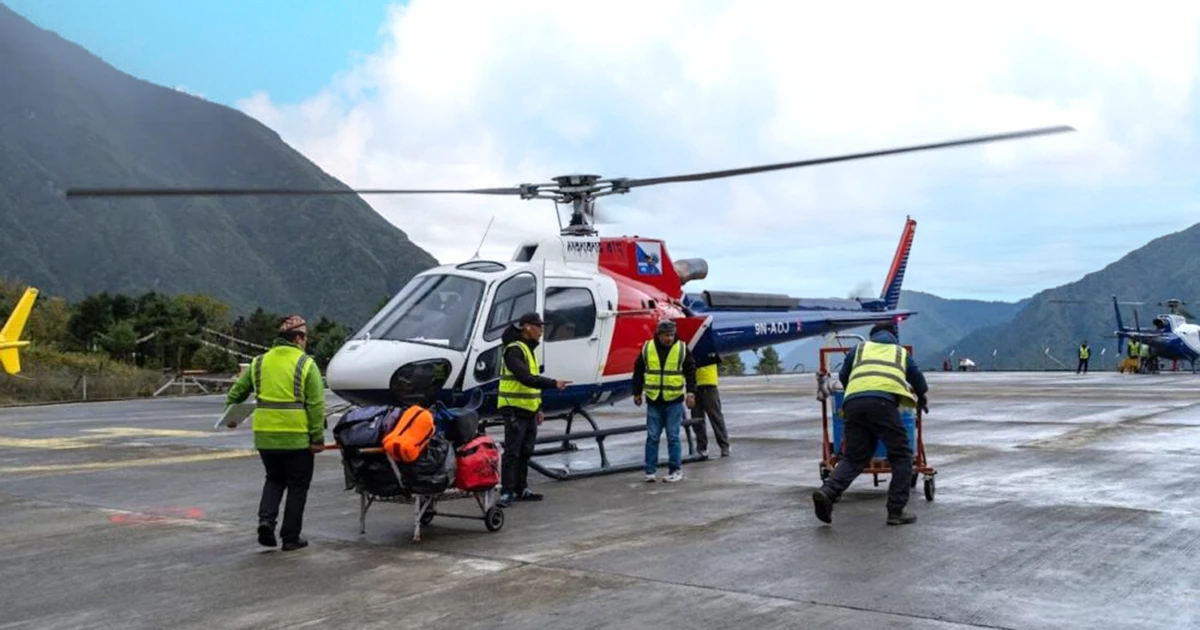
Helicopter rescues are a critical part of trekking infrastructure in the Everest region. With no road access and limited medical facilities at high altitude, helicopters often serve as the fastest and sometimes only way to evacuate someone in distress.
These rescues are typically coordinated between trekking agencies, insurance companies, and helicopter operators. When done correctly, the process is structured, verified, and entirely focused on the trekker’s safety.
Why Helicopter Rescues Are Necessary in the Everest Region?
The Everest region is remote, rugged, and physically demanding. Even experienced trekkers can run into trouble.
Altitude sickness is one of the most common risks. Conditions like Acute Mountain Sickness (AMS), High Altitude Pulmonary Edema (HAPE), or High Altitude Cerebral Edema (HACE) can escalate quickly if not treated. Add to that injuries from slips, exhaustion, dehydration, or underlying health conditions, and the need for rapid evacuation becomes clear.
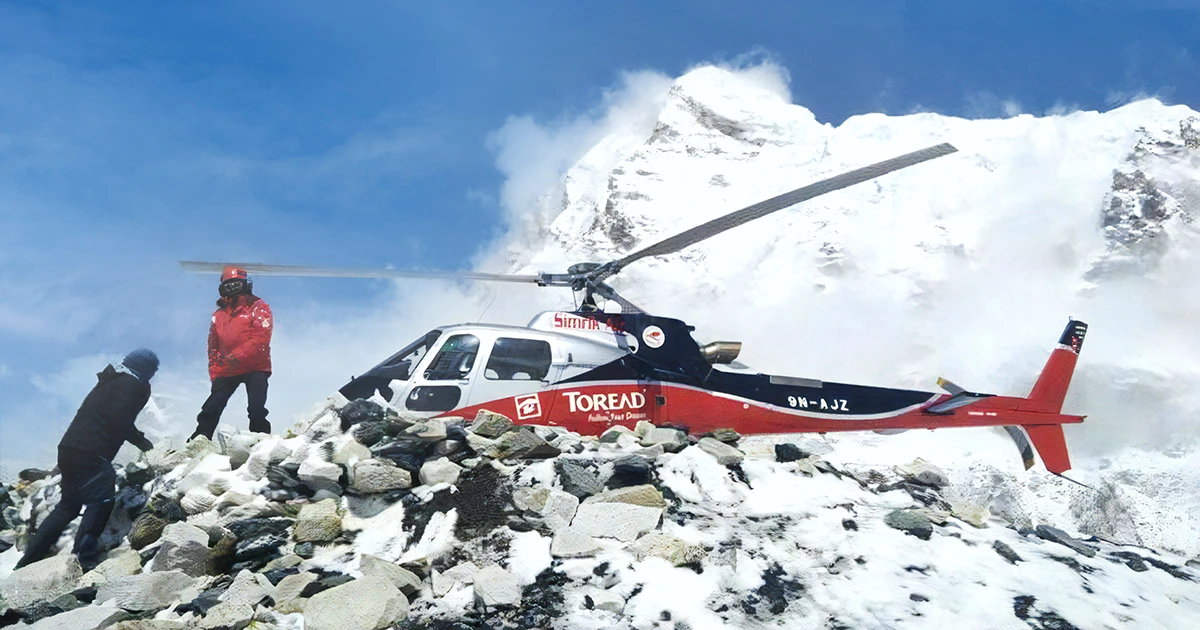
In many cases, descending on foot is either too slow or simply not possible. A helicopter can mean the difference between recovery and serious complications. But before that be aware of what altitude sickness symptoms look and feel like.
How a Genuine Everest Helicopter Rescue Actually Works?
With fake rescues cases being so evident, it’s necessary to be pre-informed about how a rescue mission actually operates. Here’s a sequential description about an ideal genuine Everest helicopter rescue process:
Identifying a Real Emergency
A genuine rescue begins with a legitimate medical concern. Symptoms like severe breathlessness, confusion, inability to walk, or worsening altitude sickness are taken seriously.
Guides play a crucial role here. Experienced guides are trained to assess symptoms and decide whether immediate descent or evacuation is necessary. In many cases, they’ll first attempt a controlled descent before recommending a helicopter.
Making a Rescue Call
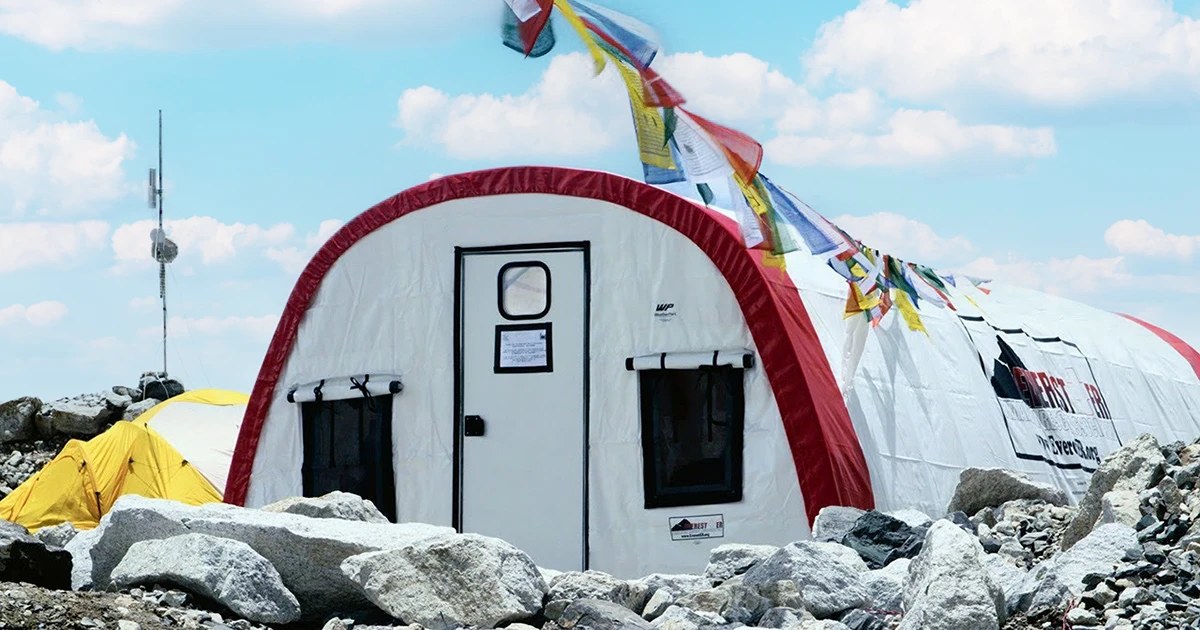
If evacuation is required, the guide or trekking agency initiates the process. Communication is usually done via satellite phone or mobile networks available in certain parts of the trail.
The agency contacts both the helicopter company and the trekker’s insurance provider to begin coordination.
Insurance Verification
This is one of the most important steps in a genuine rescue.
Before a helicopter is dispatched, the insurance company must approve the evacuation. They assess the medical necessity of the case, it’s policy coverage and the estimated cost of entire rescue mission.
Without this approval, helicopters are rarely deployed unless it’s a life-threatening emergency where immediate action is unavoidable.
Dispatch and Evaluation
Once approved, the helicopter is dispatched. However, it’s not as simple as calling a cab. However, pilots must consider the weather conditions (which can change rapidly), altitude limitations, and if there are safe landing zones.
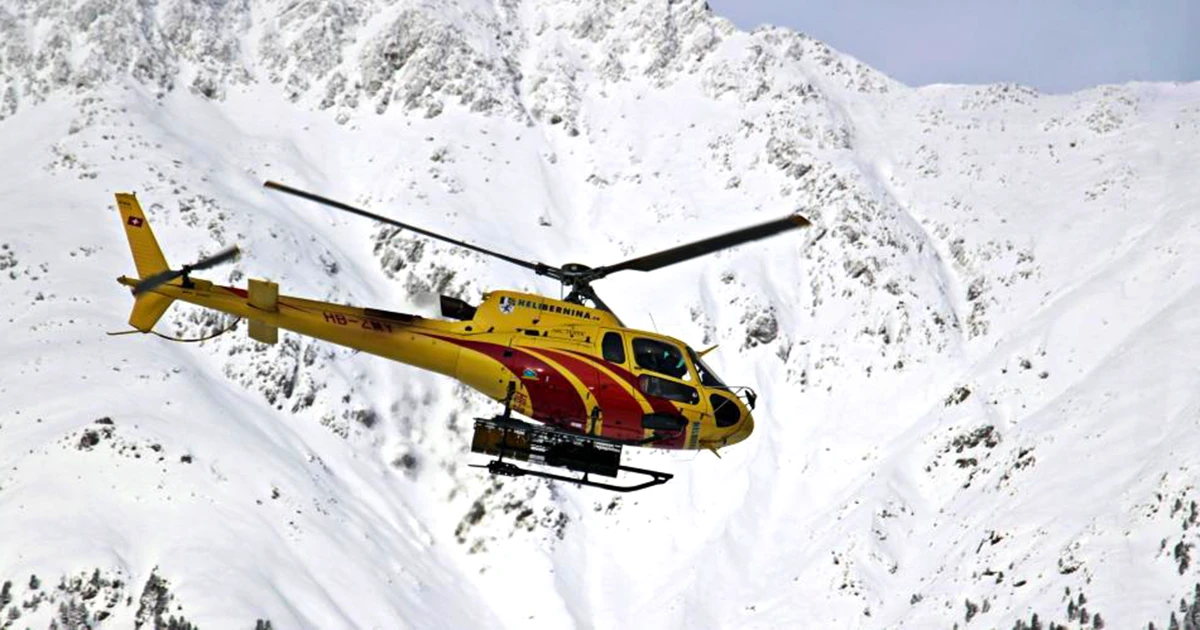
Sometimes, trekkers are moved to a slightly lower or more accessible location for pickup. Most evacuations are routed to Lukla first, and then onward to Kathmandu for medical care.
Hospital Treatment and Follow-Up
After evacuation, the trekker is taken to a hospital for diagnosis and treatment. The medical team evaluates the condition and begins appropriate care.
Meanwhile, documentation is prepared for insurance claims, including medical reports, rescue details, and cost breakdowns. This paperwork ensures transparency and proper reimbursement.
How Much Does an Everest Helicopter Rescue Cost?
Helicopter rescues in the Everest region are expensive, typically ranging from USD 3,000 to USD 10,000 or more, depending on altitude, distance, and logistics.
In most genuine cases, travel insurance covers the cost, provided:
- Your policy includes high-altitude trekking (usually up to 5,000–6,000 meters)
- Helicopter evacuation is explicitly included
If you don’t have insurance or if your policy doesn’t cover the situation you may be required to pay out of pocket, which can be financially overwhelming.
Rise of Everest Helicopter Rescue Scams in Nepal
Over the past few years, cases of staged or unnecessary evacuations have made headlines. These scams often involve exaggerating symptoms or convincing trekkers to opt for evacuation when it isn’t medically required.
The motivation is usually financial as insurance payouts from unnecessary rescues.
While these incidents have affected Nepal’s tourism image to some extent, authorities and industry bodies have taken steps to monitor and reduce such practices.
Common Red Flags of Fake Rescues To Watch For
As a traveler, it’s important to lookout for common signs of fake rescues to avoid being a target. Here are a few things you need to be aware of:
- Pressurizing to Evacuate Without Serious Symptoms: If you’re being pushed toward evacuation despite feeling relatively stable, take a step back and ask questions.
- Vague or Rushed Diagnosis: A genuine medical concern should be explained clearly. If the explanation feels unclear or rushed, it’s worth seeking a second opinion.
- Sudden Claims of “Insurance Will Cover Everything”: No responsible operator guarantees coverage without verification. Insurance approvals are always conditional and documented.
- Being Asked to Sign Documents You Don’t Understand: Never sign anything under pressure. Take your time to read and clarify what you’re agreeing to.
- Unnecessary Detours: Unusual stops, especially at specific clinics without clear medical reasoning can be a warning sign.
- Lack of Communication with Insurance Company: If no one is contacting your insurer or asking for policy details, something isn’t right.
How to Protect Yourself from Fake Rescue Scams
Despite the news of fake rescues, there is still a way to prevent being a target of one. Here’s how you can protect yourself:
Choose a Reputable Trekking Agency
Always do a proper research of the trekking agency for histories of fake rescues. Make sure to choose a reputable trekking agency like Awesome Holidays Nepal as licensed and experienced agencies are far less likely to engage in unethical practices.
Get the Right Travel Insurance
Make sure to choose a travel insurance with full coverage so that you don’t end up paying unnecessary amount of money for rescues. Ensure you policy covers the high-altitude trekking and emergency helicopter evacuation. And don’t forget to carry a copy of your policy details.

Understand the Basics of Altitude Sickness
Knowing the difference between mild discomfort and serious symptoms helps you make informed decisions. Do take necessary first-aids and ask help from your guide before requesting an emergency rescue.
Asks Questions Before Agreeing to Evacuation
Never hesitate to ask questions to the tour operator and your guide before agreeing for a rescue. Let the doctor onboard check you condition and ask the following questions:
- Is this life-threatening?
- Has insurance approved this?
- Are there alternatives?
Stay Involved in the Decision
Even if the situation becomes stressful, you will always have a say in every decision made for your rescue. A genuine team will keep you informed and involved.
What to Do if You Suspect a Scam
If something feels off during the rescue process, it’s important to trust your instincts and take action calmly but promptly. Start by contacting your insurance provider directly to verify whether the evacuation has been approved and is medically justified.
Don’t hesitate to ask for clear, detailed explanations about your condition, the need for evacuation, and the associated costs. If the situation continues to feel unclear or pressured, reaching out to your embassy can provide additional guidance and support.
You can also report your concerns to local tourism authorities in Nepal, who are increasingly attentive to such issues. Acting early and staying informed can help you avoid unnecessary complications and ensure your safety remains the top priority.
Ethical Helicopter Rescues
It’s important to highlight that many helicopter rescues in Nepal are genuine and life-saving. Skilled pilots, experienced guides, and responsible agencies work together every day to ensure trekkers are brought to safety when it truly matters.
These rescues are not just services, they are often critical interventions in extreme conditions.
Rescue is a Vital Safety Net, Not a Convenience
Helicopter rescues in the Everest region are a vital safety net, not a convenience. While stories of misuse have understandably raised concerns, they shouldn’t overshadow the many real, life-saving evacuations that happen each year.
The key is awareness. When you understand how the system works and what red flags to watch for, you’re far less likely to be misled.
Trek smart, stay informed, and remember, most journeys to Everest are not just about reaching a destination, but returning safely with stories worth telling.
Be aware and travel safe!
FAQs
Expand AllWhat is a helicopter rescue on a Nepal trek?
A helicopter rescue is an emergency evacuation service used when a trekker cannot safely continue or descend on foot due to illness, injury, or severe altitude-related conditions. In remote regions like Everest region, it is often the fastest and safest way to reach proper medical care.
When is a helicopter rescue actually necessary in the Everest region?
A rescue becomes necessary when a trekker’s condition is serious enough that delaying evacuation could worsen their health, such as severe altitude sickness, inability to walk, breathing distress, or major injury.
Is altitude sickness always a reason for helicopter evacuation?
No, not always. Mild altitude sickness can often be managed with rest and gradual descent. Helicopter evacuation is typically reserved for severe or worsening cases.
What symptoms suggest a trekker may need urgent evacuation?
Symptoms like extreme breathlessness, confusion, loss of coordination, persistent vomiting, chest tightness, or inability to descend independently are strong indicators that urgent evacuation may be required.
What is the difference between mild AMS, HAPE, and HACE?
Mild AMS (Acute Mountain Sickness) usually includes headache, fatigue, and nausea. HAPE (High Altitude Pulmonary Edema) affects the lungs and causes breathlessness and fluid buildup, while HACE (High Altitude Cerebral Edema) affects the brain, leading to confusion, loss of balance, and potentially life-threatening conditions.
Can descent be enough instead of a helicopter rescue?
Yes, in many cases, descending even a few hundred meters can significantly improve symptoms. A helicopter is only needed when descent is not possible or symptoms are severe.
Who decides whether a helicopter rescue is needed?
The decision is typically made collaboratively between the guide, trekking agency, medical advice (if available), and the insurance company.
Should a guide be the only person making the rescue decision?
No, while guides are experienced, a genuine rescue decision should involve communication with the agency and insurance provider, ensuring it is medically justified.
What should a genuine helicopter rescue process look like in Nepal?
It should involve a clear medical reason, communication with your insurer, formal approval, and coordination between the trekking agency and helicopter operator, followed by evacuation to a proper medical facility.
Who normally arranges a helicopter rescue during a trek?
Your trekking guide or agency usually initiates and coordinates the rescue, working alongside your insurance provider and helicopter company.
What information should be shared when requesting a rescue?
Details about your symptoms, altitude, location, insurance policy, and condition must be shared clearly to justify and organize the evacuation.
How long does it usually take to organize a helicopter rescue?
It can take anywhere from a couple of hours to longer, depending on weather conditions, location, and how quickly insurance approval is obtained.
Does a rescue always require insurer approval first?
In most cases, yes. Insurance approval is needed before dispatch, unless it is a critical life-threatening emergency.
Who pays for a helicopter rescue in Nepal?
Typically, your travel insurance covers the cost. Without insurance, the trekker is responsible for paying the full amount.
Does travel insurance usually cover helicopter evacuation?
Yes, but only if the policy includes high-altitude trekking and emergency evacuation coverage. Not all standard policies include this.
What kind of insurance should trekkers check before coming to Nepal?
Trekkers should ensure their insurance covers trekking at high altitudes (often up to 5,000–6,000 meters) and includes helicopter evacuation and medical emergencies.
What documents should trekkers carry in case of an emergency?
You should carry a copy of your insurance policy, emergency contact details, passport copy, and trekking permits.
What role does the Himalayan Rescue Association play?
Himalayan Rescue Association provides medical support, education, and assistance related to altitude sickness in trekking regions, helping trekkers understand and manage risks.
What happens after a trekker is flown out by helicopter?
After evacuation, the trekker is taken to a hospital or clinic for medical evaluation and treatment, followed by documentation for insurance claims.
Which hospital or clinic is a trekker usually taken to after rescue?
Most trekkers are transferred to medical facilities in Kathmandu, where better-equipped hospitals are available.
What paperwork is normally involved in a legitimate rescue?
Medical reports, evacuation details, insurance approvals, and cost breakdowns are documented to support the insurance claim.
What are the red flags of a suspicious rescue recommendation?
Pressure to evacuate without serious symptoms, unclear explanations, lack of insurance communication, and rushed decisions are all warning signs.
How can trekkers tell if they are being pressured into an unnecessary evacuation?
If the situation feels rushed, overly urgent without clear symptoms, or if questions are discouraged, it may indicate unnecessary pressure.
What questions should a trekker ask before agreeing to a helicopter rescue?
Ask whether the situation is life-threatening, if insurance has approved it, and whether descent is still an option.
Can a trekker refuse a helicopter rescue?
Yes, trekkers can refuse, especially if they feel stable and unconvinced, but it should be done cautiously after understanding the risks.
What should trekkers do if the rescue explanation feels unclear or rushed?
They should pause, ask for clarification, and contact their insurance provider directly before agreeing to evacuation.
How can travellers verify that a rescue is genuine?
By confirming insurance approval, asking for medical reasoning, and ensuring proper communication between all parties involved.
What billing warning signs should trekkers watch for after evacuation?
Unclear invoices, inflated costs, unexplained services, or charges not aligned with the evacuation route are potential red flags.
Why has the 2026 fake-rescue case raised concern among trekkers?
Recent reports of staged evacuations and insurance misuse have made trekkers more cautious and aware of possible scams.
How can trekkers protect themselves from rescue-related scams in Nepal?
By choosing reputable agencies, understanding their insurance, staying informed, and actively participating in decisions.
What emergency contacts should every Everest Base Camp trekker keep handy?
Trekkers should keep contacts for their insurance provider, trekking agency, local emergency services, and their embassy.
How should trekkers prepare for a medical emergency before the trek starts?
Preparation includes proper insurance, understanding altitude risks, physical fitness, and carrying essential documents.
What should solo trekkers know about emergency evacuation planning?
Solo trekkers should be extra cautious, ensure someone knows their itinerary, and stay in regular contact with agencies or lodges.
Are helicopter rescues different in Everest, Annapurna, and Langtang?
The process is generally similar, but logistics may vary depending on terrain, accessibility, and weather in regions like Annapurna region and Langtang region.
How can trekkers choose a trekking company that handles emergencies responsibly?
Look for licensed, experienced operators with transparent policies, good reviews, and a clear approach to safety and emergency management.
Related blog posts
Discover a choice of tourist destinations loved by most of our visitors. Whether you're on a jungle safari to spot rare animals or walking through a world heritage site, these well-planned itineraries cover the major highlights of Nepal.

 call an expert at: