
Everest Commercialization Debate: Should Everest be Closed to Climbers?
 Sujata Pokhrel
Climbing Everest is no longer an adventure, according to many Sherpas who have been guiding summits. The Everest commercialization debate has been ongoing for some time, mainly due to its environmental impact and humanitarian concerns.
With growing competition among people to be the first to set new records on Everest, many inexperienced climbers attempt to ascend the mountain. Sadly, this race to be the youngest, fastest, or oldest has taken the lives of many. Despite the tragedies, the business of climbing Everest persists, and summiteers face deadly consequences in pursuit of fame.
Besides the deaths, business on Everest has also contributed to excessive pollution on the mountain. Additionally, the environmental damage these expeditions cause to Everest’s terrain is beyond explanation.
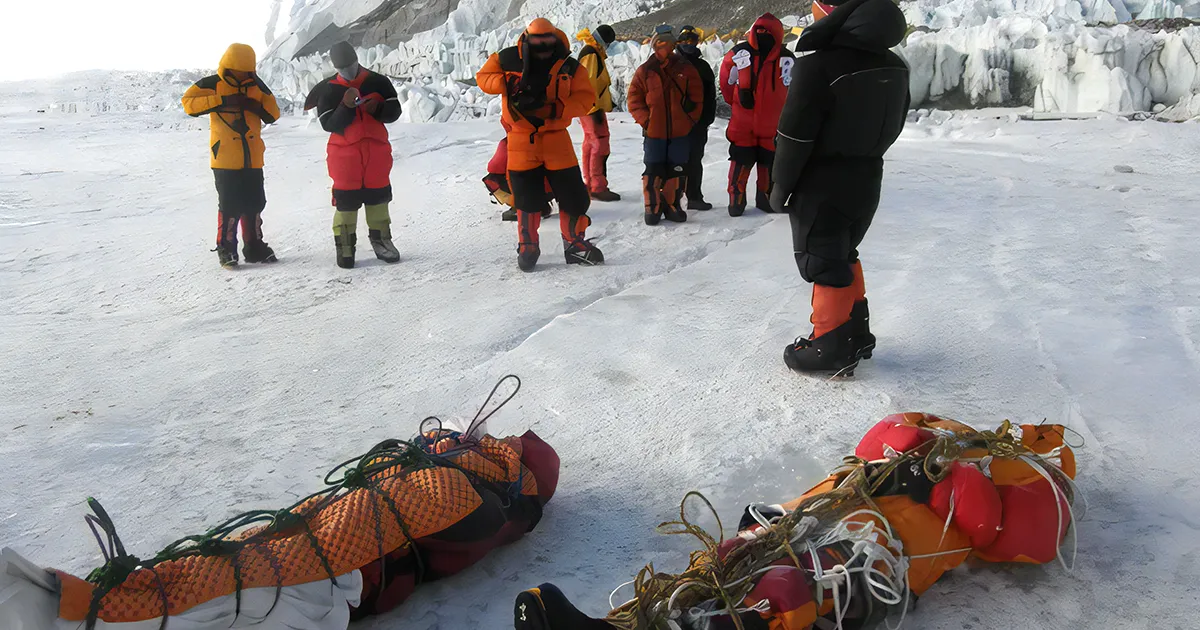
Many socialists have tried to address this issue, but it has consistently been a recurring debate between the tourism industry and environmentalists. While some argue the mountain should be closed to let it restore its originality, others deny it.
Let’s delve into the blog to gain a better understanding of the Everest commercialization debate and its impact on the world’s mightiest peak.
Problems of Commercialization of Everest
Commercialization of Everest has caused a lot of problems not only to the true adventurers but the local residents, and fragile Himalayan ecosystem. What was once the pinnacle of mountaineering has evolved into a crowded, profit-driven endeavor where expertise and environmental stewardship are frequently subordinated to money.
Overcrowding on Everest
Overcrowding has become a bigger problem on Everest in recent few years. If you scroll through the internet, you can see a number of news articles and posts about traffic jam on the way to summit. A long queue of climbers clinging on to the rope, waiting for their turn through the steep ridges keep circulating on media every year.
Such congestion on Everest is more than just being uncomfortable, its deadly. Waiting long hours on elevation above 8000 increases the chances of getting frostbites and catching altitude sickness. Besides, delays on ascent also means a delayed descent which makes the scenario even critical.

In fact, staying up for a longer time also means your oxygen burns faster which makes the situation even difficult during descents. And the freezing cold winds that grow even intense after sunset add up to. Many people have died on descent just because of having to wait on the long queues on Everest. Apparently, the traffic jam on Everest in 2019 has caused the death of several people presenting a warning scenario of Everest business.
What Causes Overcrowding in Everest?
The answer is simple, its the commercialization of Everest. Climbing to the top of the world used to be a once in a lifetime kind of adventure. However, a few business minded people wanted to make the mountain accessible to everyone.
It is no lie that there’s a limited weather window which is favorable for summiting Everest. But mindless distribution of permits just for the sake of business intensifies the crowd even more.
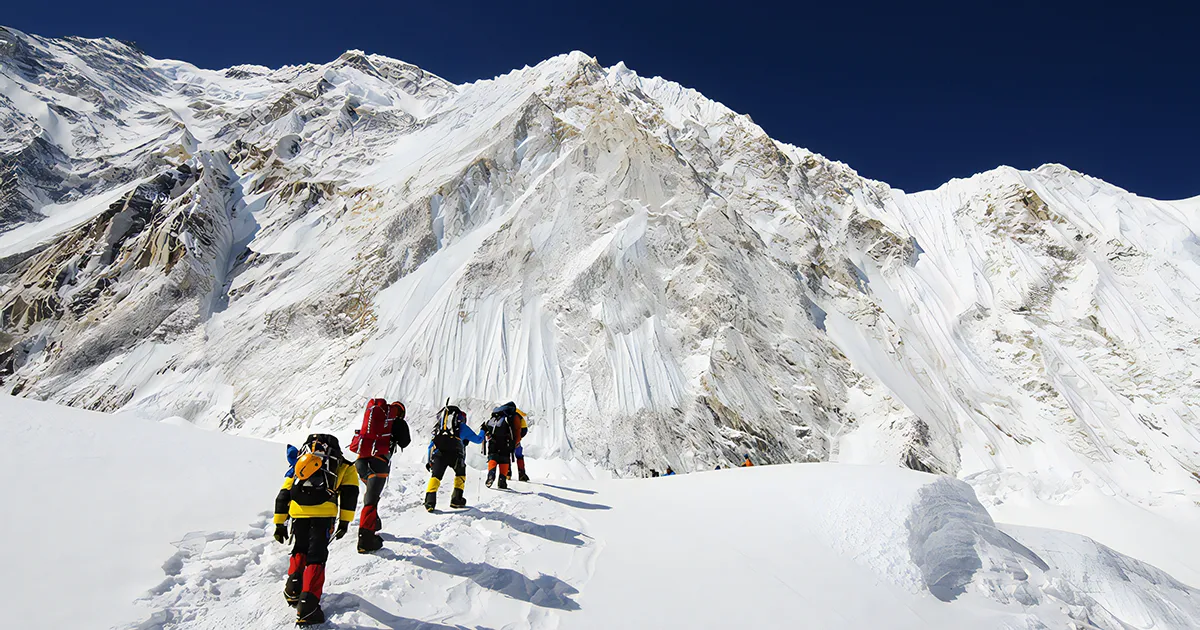
According to the recent reports, the Nepalese government issues more than 400 permits every season. Only in 2023, 478 climbing permits were issued which is the highest number on Everest’s history. And if you add the Sherpa guides and porters, the number of people on Everest every season goes up to 1000. If you send 1000 people to Everest at once, its definitely gonna make it crowded.
Additionally, the other reasons mentioned below have contributed to excess number of people on Everest:
- Inexperienced climbers joining commercial expeditions without proper training.
- Low-cost operators taking large groups for profit with minimal safety standards.
- Competition for records and social media fame, increasing the number of non-professional climbers.
- Limited route capacity, since only one narrow path leads to the summit.
Collectively, all these factors cause Everest to be overpopulated every climbing season.
Pollution on Everest
Once known as purest and the most remote place on Earth, the Everest is now more popular as the world’s highest dumping yard. From used oxygen bottles and worn out tens to human excreta, there are all different kinds of waste on all the camping areas and trekking trails of Everest. Experts estimate that over 30 tons of garbage have accumulated on Everest since expeditions began.
It is said that an individual creates around 8 kgs of waste on Everest expedition. Now multiply that to the number of climbers, guides, and porters, the number is just unimaginable right?
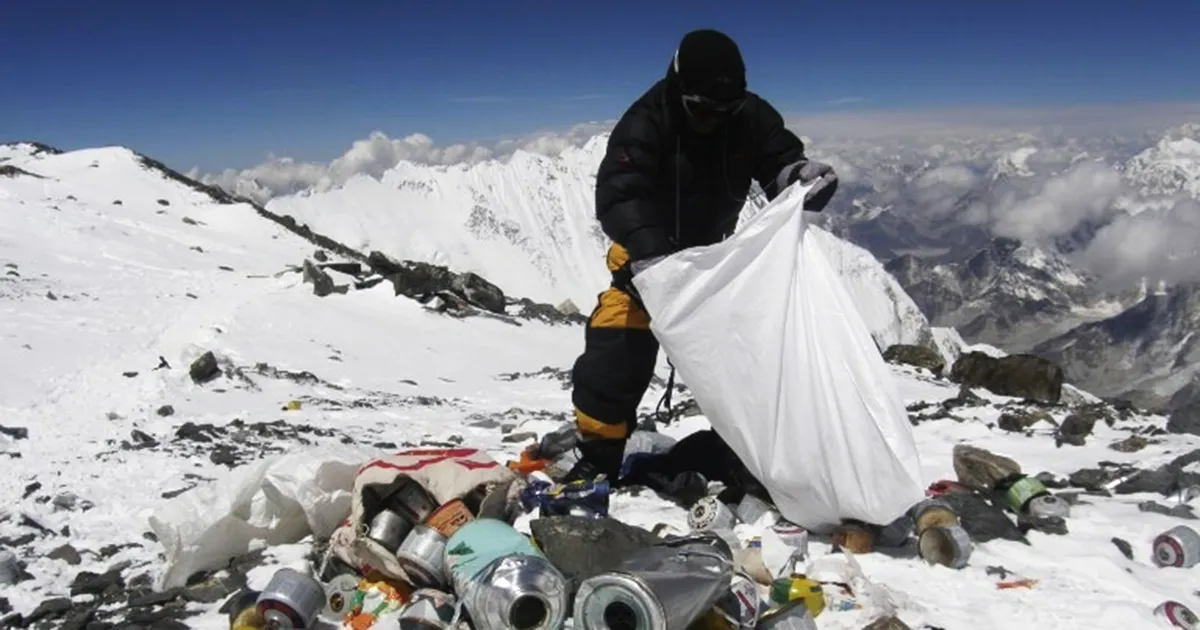
The government’s cleanup campaign in 2019 only, collected 11 tons of trash and four bodies from the mountain in just one season, showing the intensity of the problem.
Modernization of Camps
With time, the Everest trek has become more of a luxury holidays instead of a challenging adventure. The tents on Everest base camp feels more extravagant than a luxurious five-star hotel in the capital city.
From suite rooms to full course meals, you will be served everything on the dinner tents. These common houses even have separate entertainment room with espresso machines served on call. In fact, these tents also have separate toilets with running hot water which is rare to find even on tea-houses along the trail for budget travelers.
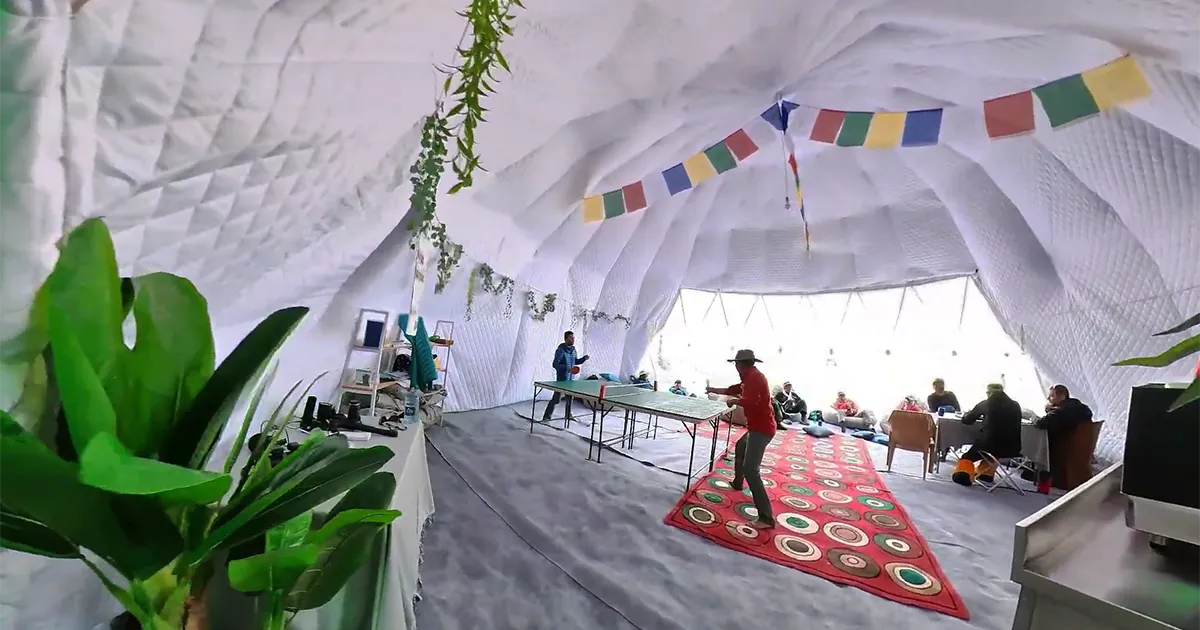
Commercialization on Everest itself is a competition among the travel companies. And this contest of offering unique and luxurious experiences to tourists who can offer any amount has destroyed the environment even more.
Details of Everest Commercialization Debate
The debate on Everest commercialization is debatable on itself. While it does good to the Nepalese economy, it’s turning even more detrimental to the ecosystem of Everest.
It is pretty evident that many Sherpas residing on small villages around Everest get employment because of mountaineering and trekking. The permits alone generate millions worth of revenues for the country every year. And the income of hotels, hospitality businesses, travel companies and the local teahouses is additional.
Contrastingly, the excess commercialization of Everest has led to overcrowding and littering of Everest. Companies commit success even to beginners who have barely known the mountains, leave alone the eight thousanders. This has caused congestion on higher elevation causing demise of even the polished climbers due to longer exposure to harsh weather.

Similarly, more number of people means more trash on Everest. It not only stains the terrains of the Everest but also impacts on natural and spiritual essence of the mountain. And to add, the disasters like avalanche gather even more trash on the icy landscapes.
When did Everest Climbing Become Controversial?
Even though Everest was discovered during the reign of Britishers, people weren’t able to summit it until Edmund Hillary and Tenzing Norgay succeeded on May 29, 1953. Following their footsteps, many made the attempt to climb Everest but weren’t successful. It used to take a lot of training, effort, and repeated attempts for people to summit the top of Everest.
However, with commercial expeditions in the picture, people stopped taking Everest ascent seriously. With guided support, less-skilled and unexperienced climbers started booking trips with several expedition companies. And this took away the essence of climbing Everest!
And there came a final blow of a social media post about the human traffic on Everest. The picture showed the a long queue of summiteers waiting on a bottleneck of the death zone. This was shot by the climber Nirmal Purja while he was on his quest to summit 14 peaks. It symbolized how Everest has become overcrowded and extremely dangerous climb due to the unrestricted commercialization.
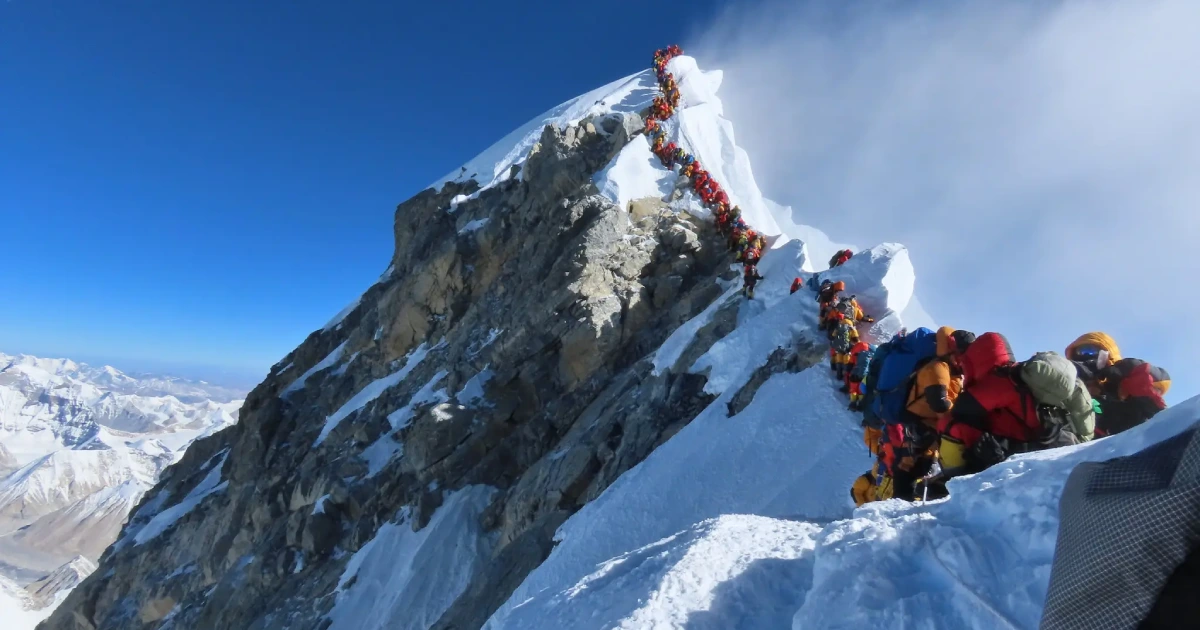
Since then Everest climbing controversy has kept resurfacing every season. While some argue on the issues like overcrowding due to higher number of inexperienced climber, the other address the environmental impact it has on the eco system.
Should Everest be Closed to Climbers?
Many environmentalists and Sherpa leaders have suggested temporarily closing Everest to allow recovery from pollution and overcrowding. They argue that a few years of rest could reduce pollution and restore its ecosystem. However, others oppose this idea.
Since the entire livelihood of Sherpas relies on the income from the mountaineering, closing Everest would mean closing their source of income. A complete ban could devastate livelihoods in Khumbu and nearby regions.
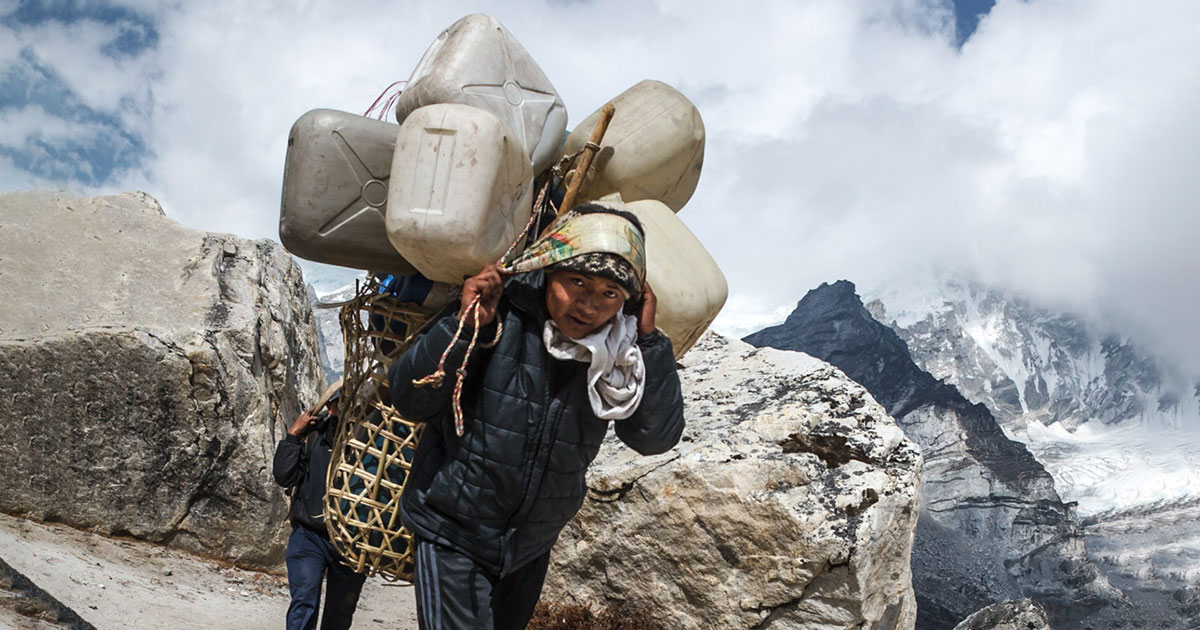
Instead, there should a balanced approach with stricter permit rules and mandatory regulations on previous experience of climbing peaks of similar caliber. It would be a good idea to include season rest periods for controlling the impact environment without interrupting the economy.
Future of Mount Everest Tourism: What’s the Solution?
The future of Everest tourism relies on a proper balance between the economy and environment. Legal entities and responsible government bodies should impose stricter rules and monitor its enforcement on regular intervals. Some of the best practices to preserve mountain for the future would be:
- Setting stricter climber qualifications.
- Capping permits to reduce traffic.
- Improving waste management systems.
- Encouraging off-season tourism to spread demand.
- Promoting eco-tourism instead of luxury mountaineering.
Ethical Climbing Mount Everest
Respecting the mountain, nearby communities, and the environment are all part of ethical climbing. Climbers should carry their trash, put safety first, and refrain from taking advantage of local guides. Following “Leave No Trace” principles and understanding the cultural and spiritual value of Everest are key aspects of responsible mountaineering.
Sustainable Everest Expeditions
Some companies now promote sustainable climbing by using solar-powered base camps, biodegradable materials, and waste-return incentives. Organizations like Sagarmatha Pollution Control Committee (SPCC) and Eco Everest Expedition lead efforts to reduce Everest’s environmental footprint.
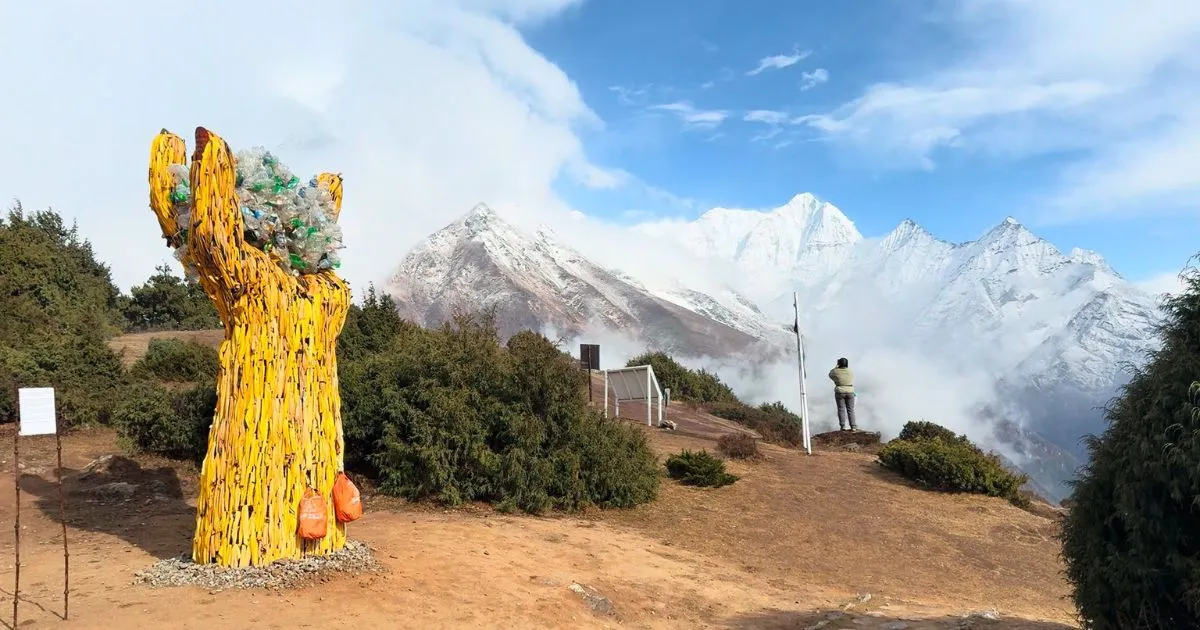
These practices show that responsible tourism is possible if the industry prioritizes environmental ethics over profit.
Cleaning Campaigns
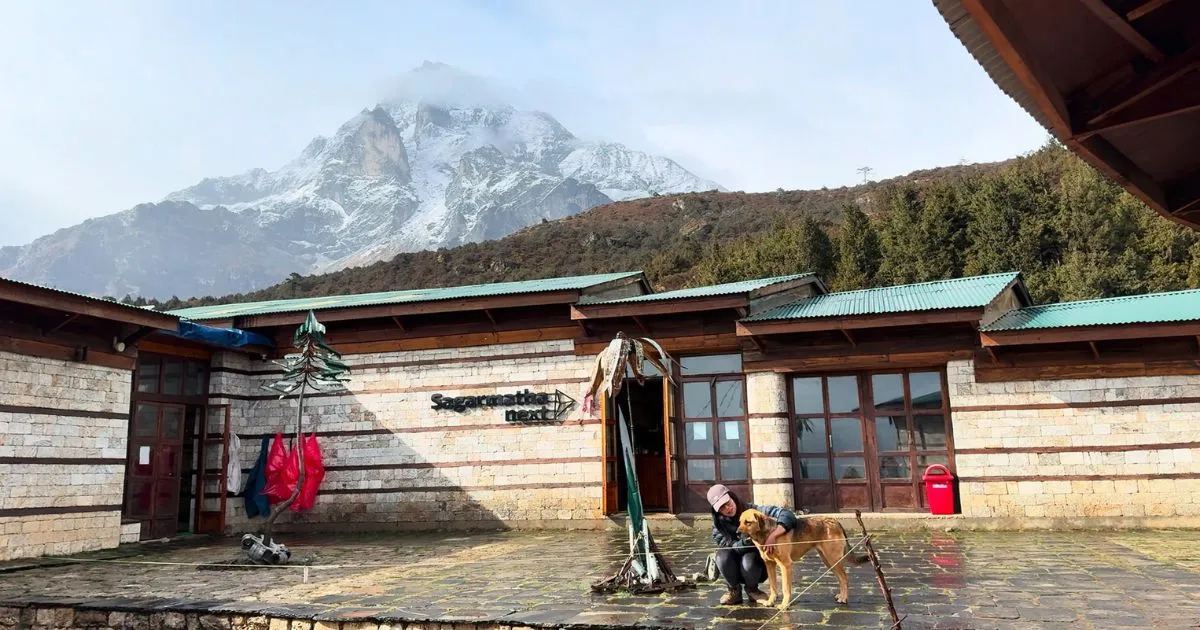
Over the years, multiple organizations and government bodies have launched cleanup drives. Campaigns like “Everest Cleaning Campaign 2019” and Sagarmatha Pollution Control Committee (SPCC) have removed tons of waste and old gear. Though commendable, these efforts must continue year after year to counteract the damage caused by over-commercialization.
However, without prevention, cleanups are temporary solutions. Long-term management, strict monitoring, and climber education are essential to ensure Everest remains a symbol of natural beauty rather than human greed.
Climbers Perspective: Is Climbing Everest Worth the Cost?
Summiting the Everest always been an ultimate mountaineering goal of almost every summiteer. It stands as an undeterred symbol of courage and endurance. But with rising commercialization of Everest expeditions, many question if the climb is genuinely of worth the financial, moral, and physical cost it demands.
Depending on the route, climbing Everest today can cost anywhere between USD 40,000 to USD 100,000 with basic amenities. Some high-end trekking companies that offer personalized Sherpa support, private tents, and gourmet meals can charge more than $150,000. But this huge amount of money is only one part of the equation; climbers also risk their lives in one of the most dangerous places on Earth.
Since the first successful ascent by Sir Edmund Hillary and Tenzing Norgay in 1953, more than 330 people have died attempting to reach the top. The “death zone” above 8,000 meters, where oxygen levels drop dangerously low, remains one of the most unforgiving places on the planet.
For a lot of people, climbing Everest is less about adventure and more about showing off. People are starting to wonder if the climb is still a worthwhile accomplishment or just an expensive, dangerous trophy because of rising costs, too many people, and more inexperienced climbers.
Let’s be responsible and keep Everest alive!
FAQs
Expand AllWhy is Everest so polluted?
Everest is so polluted because of the decades of rapidly growing tourism and commercial expeditions that have left behind oxygen bottles, tents, food packaging and human waste in an environment with limited melt/runoff and slow decomposition. The extreme cold makes it hard to clean or decompose waste, so it builds up year after year.
How many people die on Everest each year?
On average, about 5 to 10 climbers die on Everest each year. Some years, like 2019 and 2023, saw more deaths due to crowding and bad weather. Over 340 people have died on Everest since 1953.
What is the environmental cost of climbing Everest?
Each climbing season leaves tons of trash, burned fuel, and human waste on the mountain. Helicopter flights, generators, and imported supplies also add to carbon emissions and glacier pollution
Should Nepal limit Everest permits?
Many environmentalists argue Nepal should issue fewer permits to reduce crowding and waste. But others worry this could hurt local jobs and tourism income. A balanced rule, fewer permits but higher safety standards, may work best.
Does commercial climbing ruin Everest’s spirit?
It is very debatable argument whether commercialization ruins Everest’s spirit. While some say, Everest has become a “pay-to-climb” mountain instead of a true adventure. Others argue guiding companies make it possible for more people to experience Everest safely.
How much trash is left on Everest?
Estimates say there are around 50 tons of trash frozen on Everest that includes tents, ropes, cans, and human waste. Crews remove some every year, but much remains buried under ice.
Are Sherpas exploited in Everest commercialization?
Sherpas face big risks fixing ropes, carrying heavy loads, and rescuing climbers. Some companies pay them fairly and provide insurance, but others don’t.
Can Everest be cleaned up effectively?
Yes, with proper effort and strict regulations, Everest can be cleaned up effectively but its going to be challenging. Several cleanup campaigns have already removed dozens of tons of trash. However, the thin air, cold, and steep slopes make full cleanup very slow and costly.
What are the new rules for climbing Everest in 2025?
According to the new rules, Nepal has raised the permit fee from $11,000 to $15,000 and plans to allow only climbers who have already climbed a 7,000-meter peak. The rules also require better insurance and licensed guides to improve safety.
Is guided Everest climb ethical?
The guided Everest climb is party ethical as some companies treat Sherpas fairly, manage waste properly, and ensure clients are prepared. Whereas some companies run unethically by cutting corners to save money, risking both people and the mountain.
How does climate change affect Everest tourism?
Rising temperatures are melting glaciers and exposing buried waste and bodies. The melting of Khumbu icefalls causes to change the route for ascent of Everest making these trails even more dangerous for climbers.
Who profits most from Everest commercialization?
The large expedition and Nepalese government profits the most from commercialization of Everest. Local Sherpas and tea-house owners earn income too, but often much less compared to foreign operators.
What happened during the 2019 Everest traffic jam?
In 2019, a short weather window caused hundreds of climbers to line up near the summit. The long queues in the “death zone” led to exhaustion, frostbite, and at least 11 deaths that season.
Do climbers pay to remove their own waste?
Theoretically, yes the climber do pay for removing their own waste. Climbers pay a trash deposit and must bring down a set amount of garbage. Some use special “poop bags at high camps but not everyone follows the rules, and enforcement is uneven.
Can technology solve Everest’s overcrowding?
Even though technology cannot completely solve the Everest’s overcrowding problems, it does help a little bit to manage it. With better weather forecasts, GPS tracking, and permit systems, we can get some aid.
Why do people still climb Everest despite risks?
Despite the risks, people still climb the top of Mount Everest because it is the highest peak in the world. It is a lifetime goal of many true adventurers to summit the peak at least once in a lifetime.
Has commercialization made Everest less safe?
Yes, commercialization has played a part in making Everest less safe for the summiteers. It has allowed too many inexperienced climbers to such challenging terrains and increased the risk but if the regulatory bodies imposes stricter rules, it can be better again.
What countries send the most climbers to Everest?
Most climbers come from the United States, India, China, the UK, and other European nations. Every year, hundreds from around the world apply for permits in Nepal.
Are there eco-friendly Everest expeditions?
Yes, there are some companies that run eco-friendly Everest expeditions. They focus on clean climbing, pack out all waste, use solar power, and support local cleanup projects.
Will Everest become a paid reservation-only mountain?
With rising crowd, the raise in fees for permits and plans to limit the summiteers, Everest might become a paid reservation only mountain in future. But there is so certainty on it yet.
Related blog posts
Discover a choice of tourist destinations loved by most of our visitors. Whether you're on a jungle safari to spot rare animals or walking through a world heritage site, these well-planned itineraries cover the major highlights of Nepal.
 call an expert at: