
A Realistic Look of Everest Base Camp Trek Risks and Safety Measure
 Sristi Adhikari
Thinking of reaching the base of the Everest Base Camp Trek? Wait, before making a preparation, you must acknowledge the Everest Base Camp Trek risks and safety measures that impact every trekker’s experience. Trekking on the Everest Base Camp trails is a demanding adventure as you must walk for longer hours daily in rough terrain, unpredictable weather conditions, and at high altitude.
Different real challenges test your physical fitness and demand close attention. The sudden snowstorms require extra strength and challenge your body to adapt to a higher altitude. Together, let’s explore the different risks and safety measures you should follow while trekking to the Everest Base Camp.
Different Risks of the Everest Base Camp Trek
Altitude Sickness (AMS, HAPE, HACE)
The main Everest Base Camp Trek risk is suffering from altitude sickness. This trek takes you to an altitude of 5545 meters, and after 3,000 meters, the thin air makes your body adjust to high altitude. The common symptoms of the Everest Base Camp trek are headache, nausea, poor sleep, and dizziness.
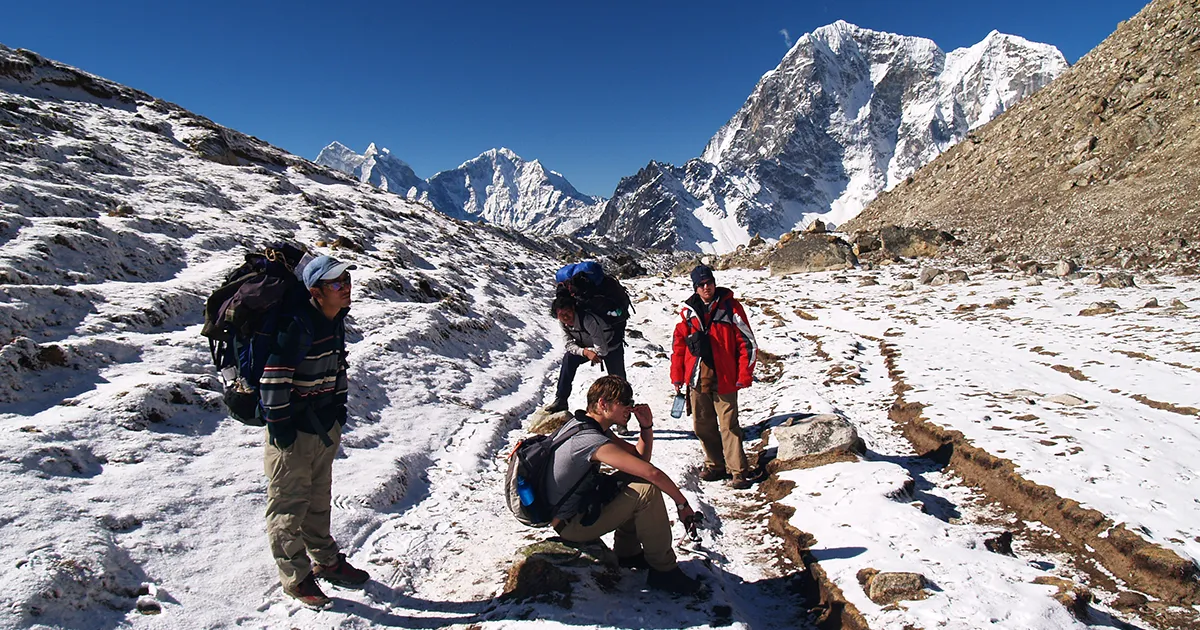
If you ignore these early symptoms, the conditions get worse and may lead to HAPE and HACE.
Weather and Temperature
The weather conditions can change anytime in the Himalayas. Within hours, the sunny climate changes to snowy or rainy, making the environment dark. The unpredictable storms and cold winds make your trek to the Everest Base Camp difficult after you reach an altitude of 3,000 meters.
Lukla Flight
You have to board the most thrilling airport to reach Lukla, known as Lukla Airport. The Lukla airport is located at an altitude of 2846 meters. Everest Base Camp Trek risks include a high chance of flight delays and cancellations. The unpredictable mountain weather, mainly fog, clouds, and high winds that limit visibility, is the main reason behind the flight delays at Lukla Airport.
Trails and Terrain
The Everest Base Camp Trek risks comprise a challenging terrain. It is a mixture of rocky paths, steep ascents, suspension bridges, and glacial moraines, which make the longer hours of trekking quite difficult. You will need to walk on uneven ground, narrow trails, and navigate glacial streams and rocky debris. The occasional landslides make your trek full of hassle.
Physical Fitness
The Everest base camp trek demands a physical fitness level requirement and prior training. You have to walk more than 6 hours a day, and the trek will only be completed in 12 to 14 days. So, you have to have a practice of ascent and descent while carrying a backpack of 7 to 8 kg.

Illness, Food, and Water Safety
The Everest Base Camp trek risks also include illness due to food and water. As hotels and lodges have to bring food from lower regions like Namche Bazaar via mules, porters, or airways, and have to store it for a longer period. These long-term stored foods may affect your stomach, leading to diarrhea or food poisoning.
Plus, the stream water is full of bacteria, so only drinking bottled water or boiled water is advised.
Physical Exhaustion and Injuries
The Everest Base Camp trek takes 12 to 14 days until completion. The continuous hike to a higher altitude makes you physically drained. The long trekking days may lead to injuries like ankle sprains, blisters, bruises, and muscle strains. You may also suffer from dehydration and sunburn.
How to Minimize These Risks?
Proper Acclimatization Schedule
The Everest Base Camp trek demands following the “climb high, sleep low” principle. You must ascend gradually and make your trekking schedule with 2 to 3 days of acclimatization. You should apply to the best trekking agency, like Awesome Holidays, for trained guides.
Similarly, regularly check your pulse oximeter, and you should always prioritize your health, followed by a medical checklist. Every uneasiness should be addressed, and you should consult if any symptoms appear.
Experienced, Trained Guides 24/7
Only experienced and trained guides can address altitude sickness in the early phase. Going through a reputable travel agency will help you manage anything related to altitude sickness. Your guide should regularly check your oxygen saturation level and be trained in emergency first aid.
The level of experience of your guide depends on the completion of your EBC trek. Solo female safety is highly prioritized by a company like ours.
Support and Emergency Planning
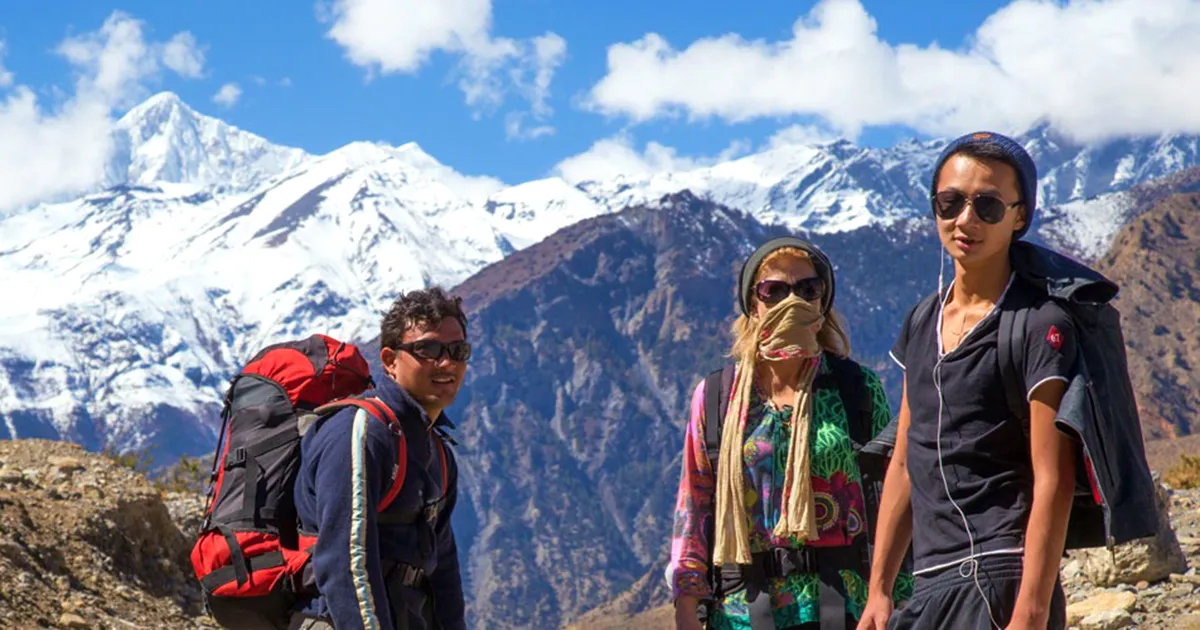
The travel agency with an experienced guide should prepare you with the necessary satellite phones, followed by coordination with a helicopter for emergency rescues. So, only go with a certified and licensed travel agency as they know local health posts and rescue protocols.
Plus, your travel insurance must include high altitude trekking up to 6,000 meters with a helicopter emergency evacuation and medical emergencies. Having a trip cancellation and delay mentioned in the insurance is best for you.
Weather Monitoring and Flexible Itinerary
A reputed agency guide knows when to monitor the mountain forecasts, and they adjust the plan accordingly. Your safety always comes first, so you must be prepared for all kinds of weather and should pack clothing and gear accordingly. Having a flexible schedule with a mindset of delays will make you stress-free in the higher altitude regions.
Also, if you like solitude, avoid the peak season, as there will be more crowds on trekking trails, tea houses, and lodges, as well as in the viewpoints.
Quality Accommodation and Nutrition
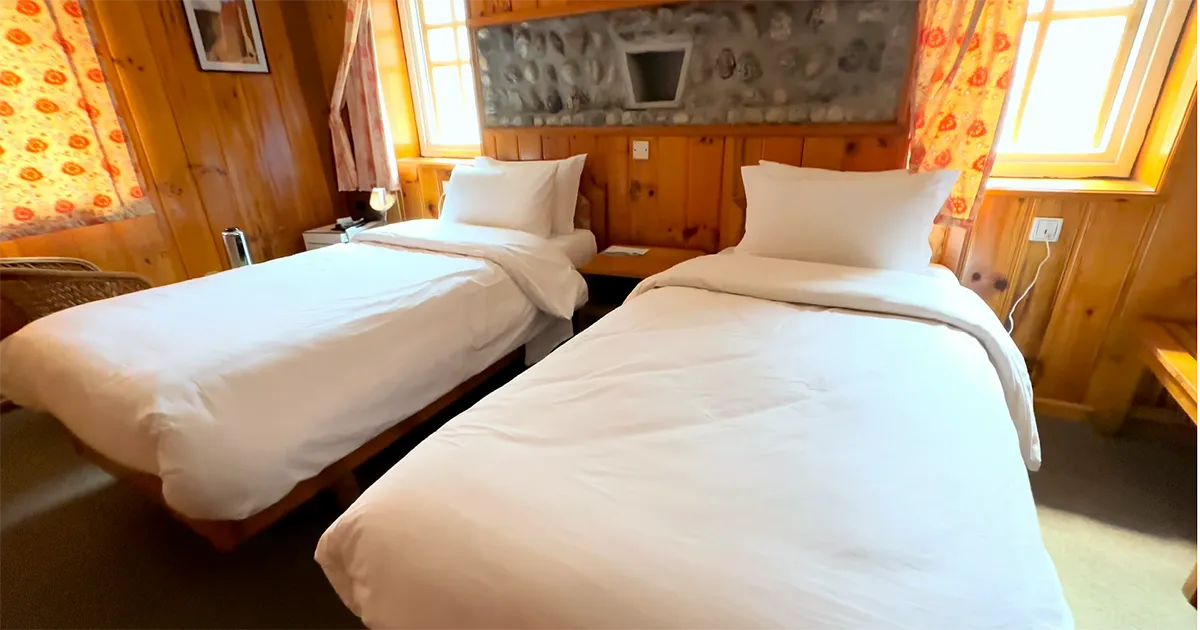
You must book a teahouse with a high rating in cleanliness and food services. It will cost you a few extra dollars, but it’s worth your health. Also, you should book a trek in the off-season, as in peak season, there are no options for luxury room services.
When booking a room, ask for a reliable heated room with well-equipped sleeping gear. Avoid consuming non-veg products in higher regions and go for a vegetable option for a protein source. Bring your own hand sanitiser and toiletries as teahouses will not provide them and buying there is very expensive.
Only drink boiled water or filtered water. Avoid caffeine, intoxication, and smoking. Bring a thermos if you are travelling in the winter season.
Lukla Flight Safety
You should prioritize booking a morning flight as it has a low chance of getting delayed. opt for those airlines with safety record and a rebooking strategy with added buffer days on your itinerary.
Pack Proper Gears
The Everest Base Camp trek risks can be minimised by packing proper gear, like:
- Layering system clothing for cold weather
- Proper trekking boots, crampons
- Sleeping bag (−10°C to −20°C rating)
- Trekking poles
- Water purification tablets
- First-aid kit
- Headlamp and thermal gear
So.. Is the Everest Base Camp Trek Safe?
The Everest Base Camp Trek risks and how safe this trek is dependent on the trekkers’ preparation, weather, and terrain awareness, along with their own responsibility. Every year, thousands of trekkers from all around the world walk on the EBC trails while dealing with challenges like high altitude, rapidly changing weather, flight problems, and demanding terrain.
Guidance from the experienced and certified guides makes you deal with all sorts of problems more calmly. The safe EBC trek allows enough time for acclimatization, staying properly hydrated, and using reliable trekking gear. You will have a more secure and memorable trip to the base of Everest if you communicate your sudden uneasiness to your travel guide and descend or rest as per the body’s needs.
Yes, the Everest Base Camp trek is safe, and you must have enough caution, patience, and respect for the Himalaya environment. While minimising the Everest Base Camp trek risk, we offer you a marvelous journey to the base of the highest peak in the world. So, what are you waiting for? Book a trip to Everest with a reputed travel company like ours, Awesome Holidays Nepal.
FAQs
Expand AllIs the Everest Base Camp trek safe for first-time trekkers?
Yes, the Everest Base Camp trek is safe for first-time trekkers. With good fitness, adequate preparation by cardio or hiking, and proper acclimatization, first-time trekkers can complete this trek.
What are the biggest risks on the Everest Base Camp trek?
The biggest risks on the Everest Base Camp trek are unpredictable weather, altitude sickness, acclimatization, dehydration, diet, and hydration.
How do you minimise altitude sickness on the Everest Base Camp trek?
You can minimise altitude sickness on the Everest Base Camp trek by a gradual ascent, hydration, and having proper rest days, by sleeping well, and so on.
Is the flight to Lukla safe?
Yes. Lukla flight is a safe and adventurous flight to the Himalayas.
What kind of travel insurance do I need for Everest Base Camp?
You will need high-altitude trekking insurance that covers elevations up to 6,000m, emergency helicopter evacuation, medical expenses, and trip disruptions for the Everest Base Camp trek.
Is Everest Base Camp safe for solo female travelers?
Yes, Everest Base Camp is safe for solo female travelers.
How fit do I need to be for a safe Everest Base Camp trek?
With a moderate level of fitness, one can complete the Everest Base Camp trek safely.
What safety equipment do guides carry on the Everest Base Camp trek?
Guides carry safety equipment like first aid kits, water purification, navigation tools (GPS/maps), communication devices, and headlamps for the Everest Base Camp trek.
Are the tea houses and food safe on the Everest Base Camp route?
Yes, the tea house’s food is safe on the Everest Base Camp route, and safety depends on your choices.
When is the safest time of year to trek to Everest Base Camp?
Spring (March-May) and Autumn (September-November) are the safest times for the Everest Base Camp trek.
Related blog posts
Discover a choice of tourist destinations loved by most of our visitors. Whether you're on a jungle safari to spot rare animals or walking through a world heritage site, these well-planned itineraries cover the major highlights of Nepal.
 call an expert at: