
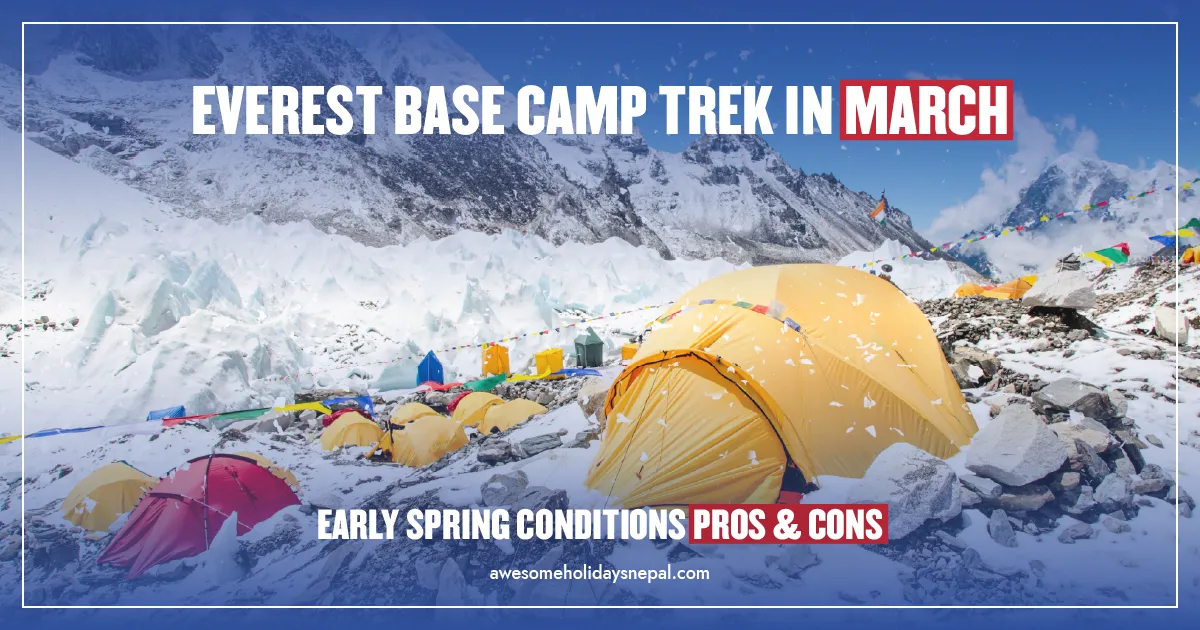
Everest Base Camp Trek in March: Early Spring Conditions, Pros and Cons
 Sristi Adhikari
Dreaming of the Everest Base Camp Trek in March 2026? Wondering whether March is the perfect trekking season for the Everest Base Camp? Then, you are right! It is the beginning of the Spring trek in the Khumbu Region.
After the chilly winter season, March brings in mild weather, clearer skies, and blooming landscapes. The trails come back to life after the thawing of snow and ice, which is ideal and allows comfortable hiking. Early spring brings challenges and considerations, as busier trekking periods coincide with crowded trails, chilly nights, and lingering winter ice in higher elevations.
While balancing the early spring benefits and drawbacks, one can enjoy the best of this transitional month. If you’ve decided on the early Spring trek in March, you are in the right place. Continue reading for more details guide on booking the Everest Trek this season.
Spring Weather in Nepal
Spring spans from March to May in Nepal. The specialty of this season is a warmer and more stable weather with a vibrant blooming of Rhododendron in the forest. The skies are clear, and the days are beginning to get longer, which is best for trekking for a longer period. It is one of the most popular seasons for trekking and travelling all around the Country.
Everest Trek in March
March is the beginning of the spring season. In the Khumbu region, the mountains remain cold at higher altitudes, and the daytime temperature starts to get warmer. The short days of winter will be replaced by longer days, and the clear skies make the Everest Base Camp weather more favorable for trekking for nature enthusiasts. March is a mixture of crisp winter remains and the vibrant blooming of spring.
Weather at Everest Base Camp in March
- Lukla(2,860 meters): 2°C to 12°C
- Namche (3,440 meters): –4°C to 8°C
- Dingboche (4,410 meters): 0°C to –24°C
- Kalapathar (5,643 m): 0°C to 8°C (Daytime) and -15 °C to -5°C(night)
- Gorakshep/EBC (5,100–5,364 meters): –12°C to –2°C
- Skies: Clear, distinct visibility
- Winds: Higher rate in the afternoon
- Snowfall: Limited; fewer chances
Pros of The Everest Base Camp Trek in March
Clear Visibility
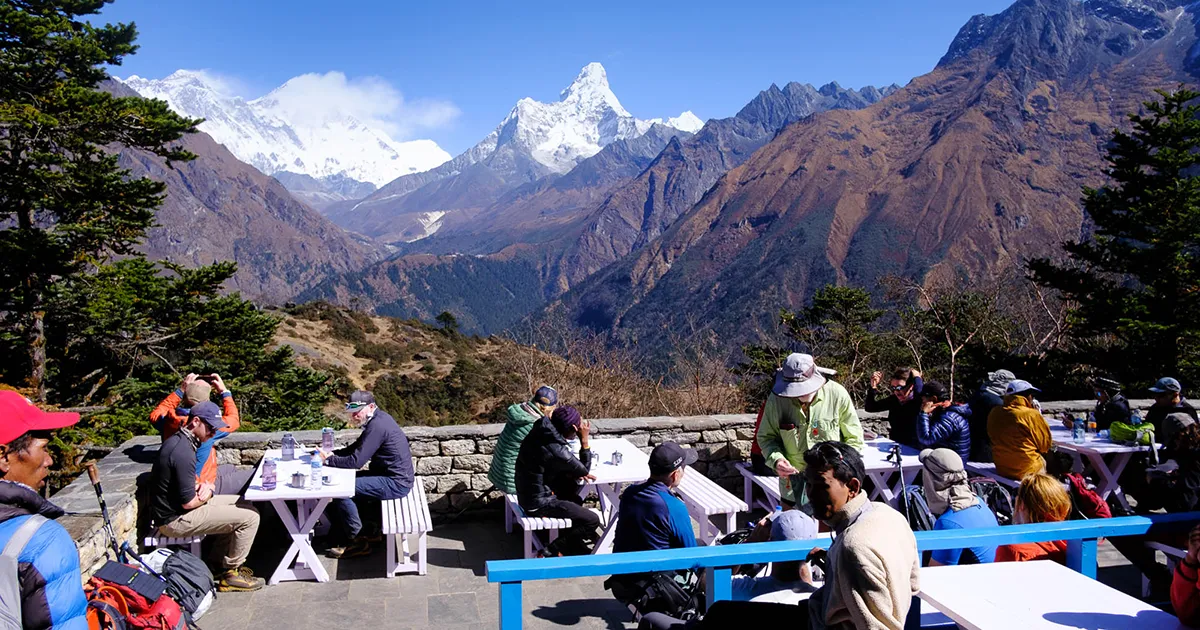
The Everest Base Camp trek in March allows you to grab the perfect views of towering peaks like Everest, Lhotse, Ama Dablam, Nuptse, Makalu, and Pumori. You can take a beautiful picture of yourself in front of the smiling peaks.
Moderate Temperature
The cold night and warm daytime are perfect for the Everest Base Camp Trek in March. The longer warm days make you walk comfortably in the trials. You can overcome the colder nights with proper sleeping gear.
Witness the Beauty of The Rhododendron Forest
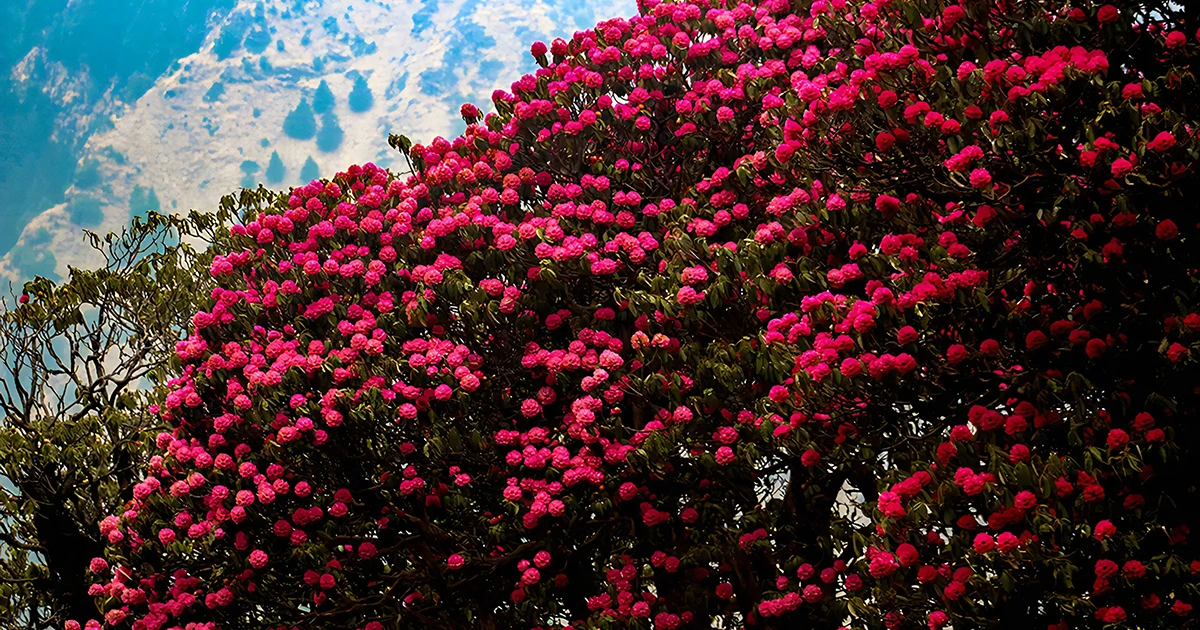
The trail of the Everest Base Camp Trek in March is full of Rhododendron forest in the lower altitudinal region. Rhododendron starts blooming in March, and the freshly bloomed flowers’ aroma helps you recharge while trekking into the wild. All of your tiredness will be forgotten easily.
The vibrant color of the Rhododendron flowers makes your picture perfect, and we suggest you not pluck the flowers, as it is the national flower of Nepal.
Reliable Lukla Flights
There is no guarantee of a flight to the Edmund Hillary Airport in Lukla, all year round, because of its high altitude and unpredictable weather conditions. As compared to other seasons, like monsoon and winter, Spring offers more reliable flights.

Cons of The Everest Base Camp Trek in March
Cold Morning and Night
Everest Base Camp trek in March still has remaining cold of the winter season. The mornings and nighttime temperatures at higher altitudes like Kalapathar, Gorakshep, and Dingboche fall below freezing points. You must carry a warm sleeping bag (–15°C rated), thermal layers, good gloves, and socks in order to save yourself from the cold. This makes your trekking luggage extra heavy.
Snowfall Probability
At higher altitudes, there is a chance of snowfall, and you must be careful while walking on the slippery trails. This will cause simple changes in the itinerary, so you have to add some buffer days before and after the trek.
Crowded Trails
The start of the trekking season in the Everest Base Camp makes the trails more crowded. You will encounter blockage at popular spots like Everest View Hotel, Namche Bazaar, and Kala Patthar.
Overpacked Teahouses
Tea houses become fuller in March as it is the start of peak season. Be prepared for sharing rooms and bathrooms in the teahouses. Book your room in November and December if you don’t like sharing your personal space with others. There will be extra prices on the menu and limited hot showers during the Everest Base Camp trek in March.
Safety Tips for EBC Trek in March
Adequate Gear Packing
The higher altitude regions like Dingboche, Kalapathar, Gorakshep, and the base of Everest offer freezing nighttime temperatures. You have to bring layers of clothing in order to avoid catching a cold. Make sure to pack, down jacket, warm gloves, and hats with thermal layers.
Also, packing windproof daytime wear makes your hike more comfortable. Lightweight, moisture-wicking layers are preferred for the Everest Base Camp trek in March.
Early Morning Trekking
The morning temperature is calmer, clearer, and warmer, and favors trekking. Starting the trek early in the morning also avoids more crowds, and you can explore the Everest wilderness in peace.
Advance Booking
Early spring often gets high demand for trekkers on the Everest. The prices of accommodation, guides, and flights get high in March, so booking ahead gives you prior relief and a secure trek. Some of the trekking agencies and guides give early-bird discounts or reduced deposits, so research thoroughly before booking an agency or guide.
Proper Acclimatization
Acclimatization is very much needed in order to stabilize your body at a higher altitude. You have to take acclimatization seriously as it saves you from altitude sickness. During acclimatization days, don’t force your body and give your body a proper rest. During the afternoon, you can simply explore the key locations.
Get Permits and Insurance
EBC Trek demands the Khumbu Pasang Lhamu Rural Municipality Permit and the Sagarmatha National Park Entry Permit. Get them two to three days before starting your trek, as it avoids standing in the queue during the peak season. You have to pay NPR 3000 each for the permit.
You must have travel insurance that covers a high altitude helicopter rescue with a trip cancellation or delay policy, and medical expenses for the Everest Base Camp Trek in March. Your travel agency will guide you regarding the insurance.
Hydration
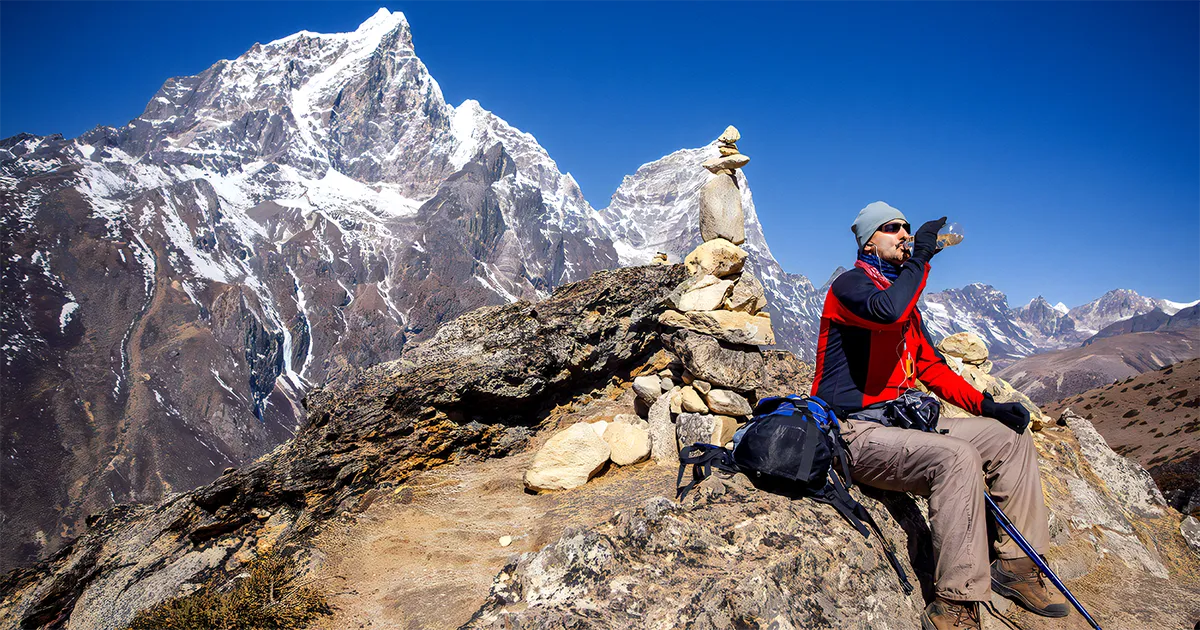
Trekking in the Everest region requires 5 to 6 hours of daytime hiking. Hydrating your body while walking in the dry air of high altitude is necessary. It also helps you to avoid altitude sickness. Make sure to consume 2 to 3 liters of water daily.
Required Gear for EBC Trek in March
Everest base camp trek in March can be more enjoyable if you pack proper essentials like:
- Insulated jacket & down layers
- -15°C to -20°C sleeping bag
- Crampons/Microspikes for icy sections
- Trekking poles
- Thermal layers and woolen gloves, and socks
- Waterproof/windproof shell
- Sunglasses and SPF 30+ sunscreen
- Moisturizer and lip balm
- Extra battery and power banks
Ready For March Departure
Everest Base Camp Trek in March is the most rewarding month as it offers crisp mountain views, clear skies, manageable crowds, and comfortable daytime trekking temperatures. Besides this, occasional snowfall and chilly nights and mornings also add extra sparks to the Himalayan adventure.
Managing the pros and cons of the Everest base camp, one can take a heart full of memories from this trek. March is excellent for trekking and exploring every corner of the Everest region. Every adventure has both pros and cons side by side; it’s just that you have to balance them and make a lifetime souvenir out of them.
Lace up your boots, Everest Base Camp awaits you in March 2026!
FAQs
Expand AllWhat is the weather in the Everest Base Camp?
The Everest Base Camp weather is quite unpredictable. There is a rapid change of weather at high altitude, so you have to be prepared for all the possible weather and pack accordingly.
What is the weather forecast in Everest Base Camp?
The weather forecast for EBC is -8 °C with humidity of 19 %. The wind is blowing at a velocity of 13km/h.
How cold is the Everest Base Camp?
The lowest temperature at the Everest Base Camp is as low as -20 °C. Packing layers of clothes and a warm jacket with fleece hats, gloves, and socks is recommended.
Can you drive to Everest Base Camp?
No, you cannot drive to Everest Base Camp. But you can reserve an Everest Heli Sightseeing Tour.
How to trek Everest Base Camp?
Everest Base Camp trekking is done by flying to Lukla and then trekking for 12 to 14 days until you reach the base of the Everest.
Which place is known as the entrance of Mount Everest?
Lukla is known as the entrance to Mount Everest. The town is located in the Khumbu region and is popular because of the Lukla Airport, which is a gateway to the Everest.
Can you visit Everest Base Camp?
Yes, you can visit Everest Base Camp. You can visit this beautiful place by trekking for 12 to 14 days or simply via helicopter.
How long do you stay at Everest Base Camp?
You can spend as much as you want in the Everest Base Camp. It depends on your itinerary, and if you are for an expedition, you will be staying for acclimatization.
Related blog posts
Discover a choice of tourist destinations loved by most of our visitors. Whether you're on a jungle safari to spot rare animals or walking through a world heritage site, these well-planned itineraries cover the major highlights of Nepal.
 call an expert at: