
Everest Base Camp Trek for Indians 2026: Visa-Free Entry, Budget Tips and Cultural Insights
 Sujata Pokhrel
How is an adventure journey in Nepal different for Indians? That’s quite an interesting topic to discuss, as most travel companies barely consider fellow trekkers from neighboring countries.
Everest Base Camp trek for Indians isn’t as uncommon as it seems. If you take a look back at the records of Everest summiteers, you will find a few Indian men, women, as well as younger climbers making it to the top.
While the destination, the Everest, is the same, the EBC trek for Indian isn’t the same as for Westerners. From visa rules to permitted areas, Nepal is more liberal than its neighbors. Even the permit fees for protected areas are comparatively low for the Indians.
Let’s review the blogs to better plan the Everest Base Camp trek for Indian travelers in 2026.
How to Acquire a Nepal Visa for Indian Citizens in 2026?
This is where Indians already have a major advantage.
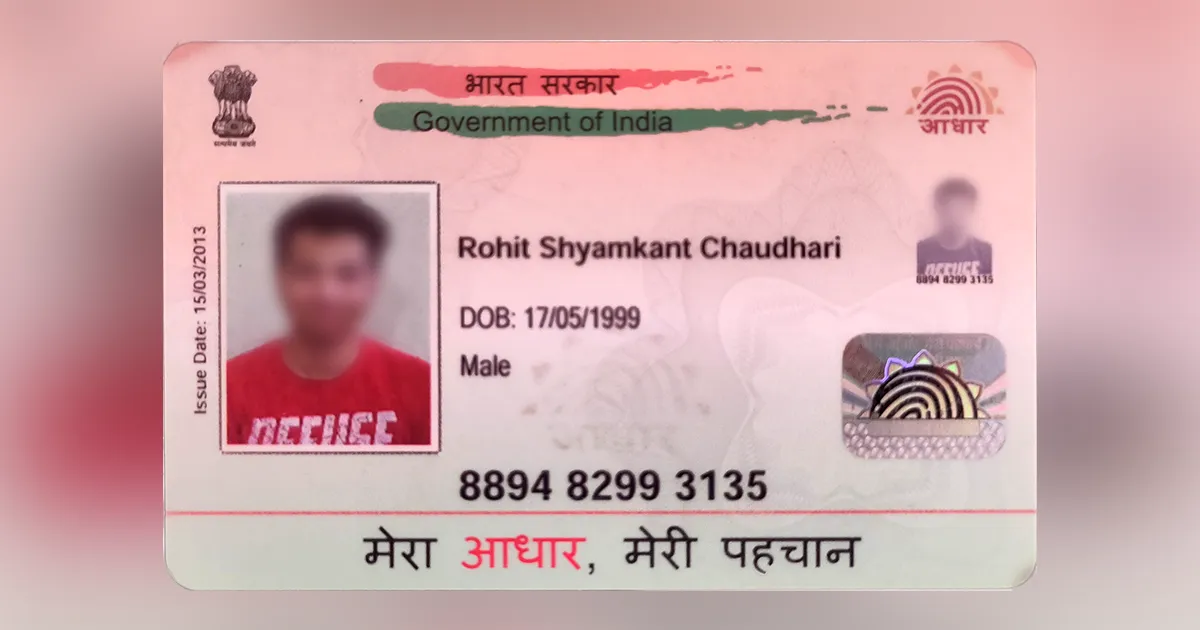
Indian citizens do not need a visa to enter Nepal by road or by air. You can obtain a visa-on-arrival and enter Nepal without a visa in advance. But, you still need to submit a valid passport or a voter ID issued by Election commission to prove your Indian nationality. Similarly, Birth Certificates for minors and School Identity Card for children below 18 years (accompanied by parents) is required.
Thanks to the 1950 Indo-Nepal Treaty of Peace and Friendship, which allows free movement of citizens between the two countries. As a result, Indian trekkers don’t have to stand in long visa lines or pay visa fees like travelers from Europe, the US, or Australia.
However, this rule does not apply to Non-Resident Indians (NRIs). NRIs must follow standard Nepal visa procedures based on the passport they hold.
Basics of Everest Base Camp Trek for Indians
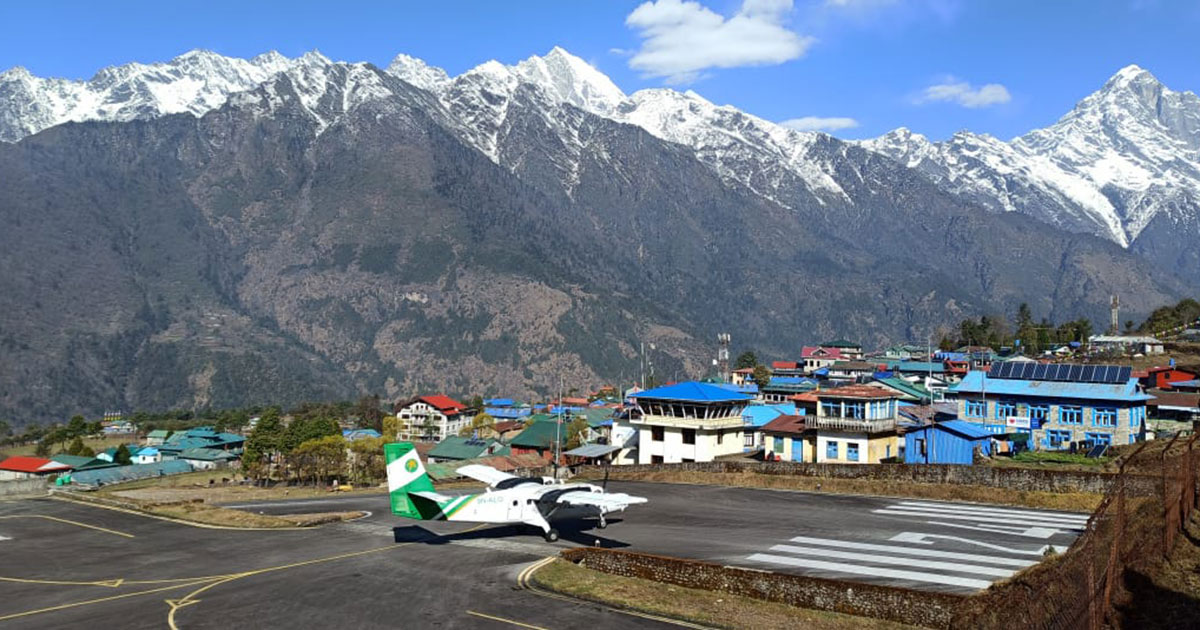
The Everest Base Camp trek is a moderate to challenging high-altitude trek, not a technical climb. You don’t need mountaineering skills, but you do need time, patience, and physical preparation. Your trek begins with a short flight from Kathmandu to Lukla, the gateway to the Everest region and the true starting point of the adventure.
The Everest Base Camp trek reaches its highest point at 5,364 meters at Kala Patthar, where trekkers get rewarded with some of the closest and most iconic views of Mount Everest. The journey usually takes 12 to 14 days, allowing enough time for acclimatization as the trail gradually climbs higher into the Khumbu region.
On average, trekkers need to walk for 5 to 7 hours a day, following a steady pace through Sherpa villages, forests, and glacial valleys. And you will be staying in local tea houses and lodges, offering simple rooms, warm meals, and a cozy place to rest.

For Indian trekkers, the trail feels surprisingly familiar as there is dal bhat on the menu, a food palate we share. Similarly, the shared religious spaces, similar village rhythm make it dramatic enough to feel like a once-in-a-lifetime journey.
Trekking Permits and Guides
To trek to Everest Base Camp in 2026, Indians need two permits, just like other foreigners:
- Sagarmatha National Park Permit
- Khumbu Pasang Lhamu Rural Municipality Permit
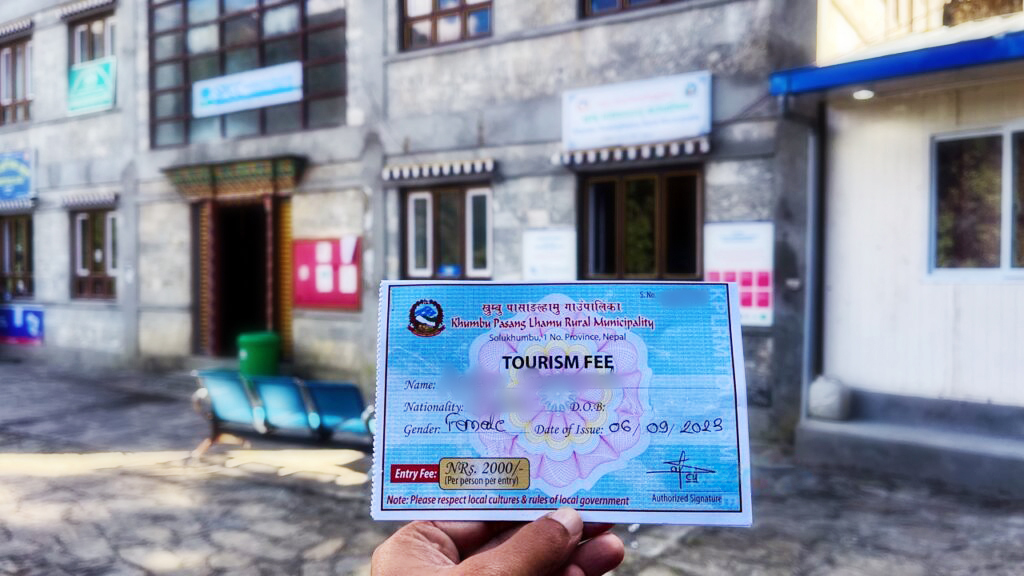
The good news?
Permit fees for Indians are slightly lower than for many Western nationalities, and the process is straightforward. Permits can be obtained in Kathmandu or along the trail.
As for guides, Nepal now strongly encourages trekkers to hire licensed local guides, especially for safety and route management. While independent trekking is still technically possible in the Everest region, most Indian trekkers benefit from hiring a guide.
Having a good experienced guide assures altitude safety, ease of communication the locals, a better acclimatization planning, as a whole a best experience.
EBC Trek Insurance for Indians
Travel insurance is not optional for the Everest Base Camp trek, it’s a critical safety requirement rather than a formality. The remote terrain, high altitude, and unpredictable mountain weather mean that even minor health issues can quickly become serious if not handled properly.
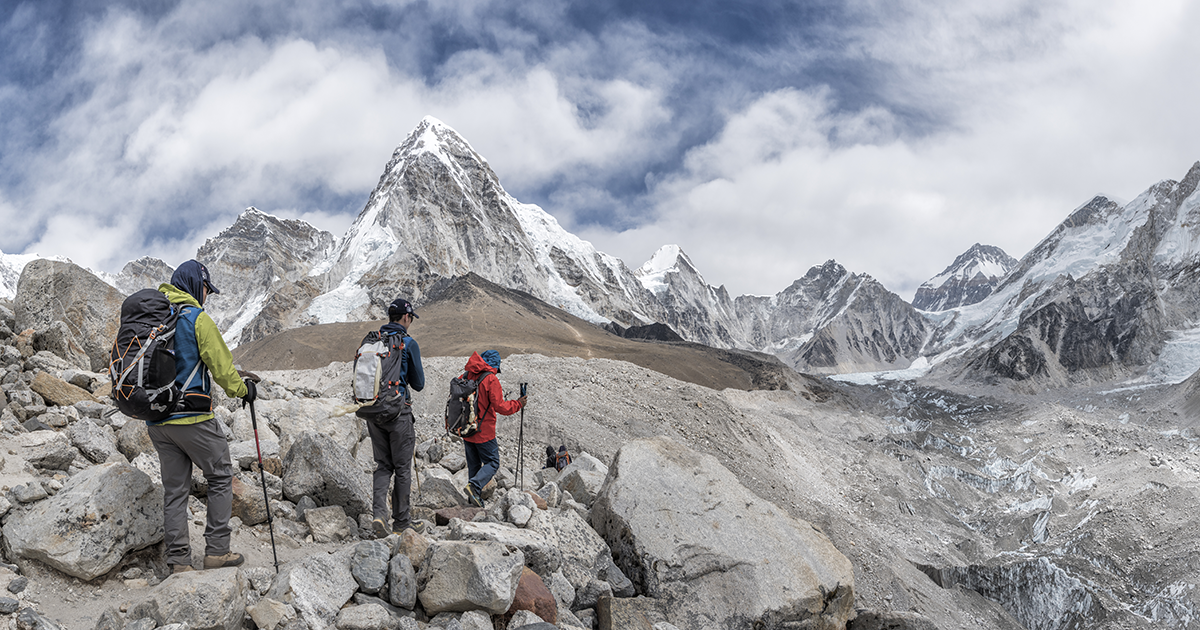
For Indian trekkers, it’s important to choose a policy that specifically covers trekking up to at least 5,500 meters, along with emergency helicopter evacuation and medical treatment in Nepal. In the Everest region, evacuation is often the only way to reach proper medical care, and without insurance, the costs can be overwhelming.
Food and Accommodation on the Trail
Food is something that’s Indians can relax on while travelling to Everest base camp. Except on the actual trekking trails, higher up, the food often resembles to what Indians will eat on a daily basis. Mostly the teahouses serve staples like lentil, rice and vegetables along with Chapati or Tibetan bread, soups, noodles, and breads.
Besides, vegetarian food is widely available, and Jain travelers can manage with advance communication. Compared to Western trekkers adjusting to unfamiliar meals, Indians often feel right at home with the food.
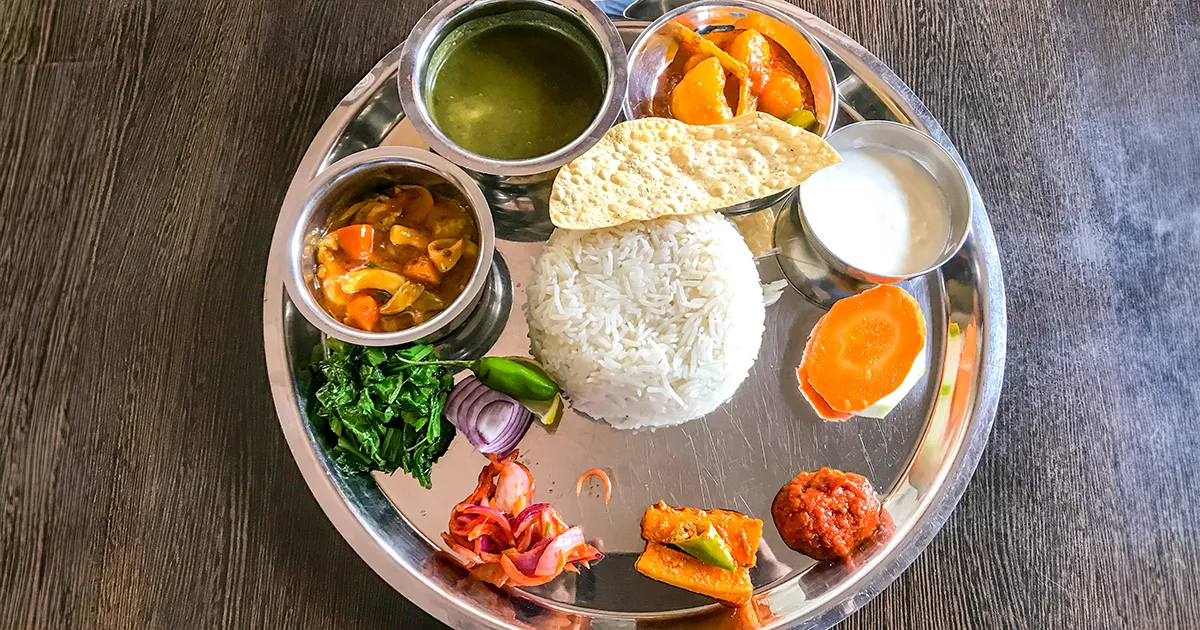
Similarly, your accommodation on trek usually comprises of modest tea houses with basic amenities, whereas you get standard rooms in main city areas. It is important to remembers, your accommodation primarily depends on
Everest Base Camp Trek Cost for Indians
The Everest Base Camp trek cost for Indians in 2026 is generally more affordable compared to what many Western trekkers pay. One major reason is Nepal’s visa-free entry for Indian citizens, which removes a significant upfront expense.
In addition, shorter international flight routes, familiarity with local food, and the ease of joining group departures help keep overall costs manageable without compromising the trekking experience.
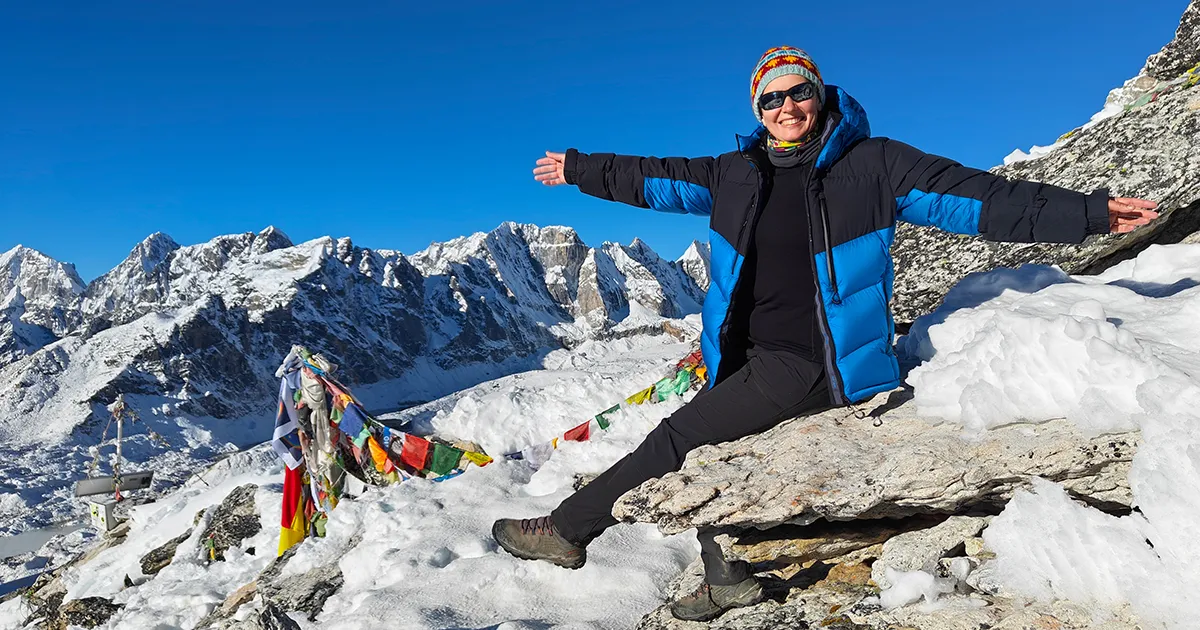
Generally, the cost depends on the kind of package you choose, your group size and obviously the season. Those looking for added comfort, smaller groups, or premium services can opt for higher-end packages. These prices typically include trekking permits, licensed guides, accommodation, meals on the trail, and domestic flights within Nepal, such as Kathmandu to Lukla.
EBC Packing List for Indians
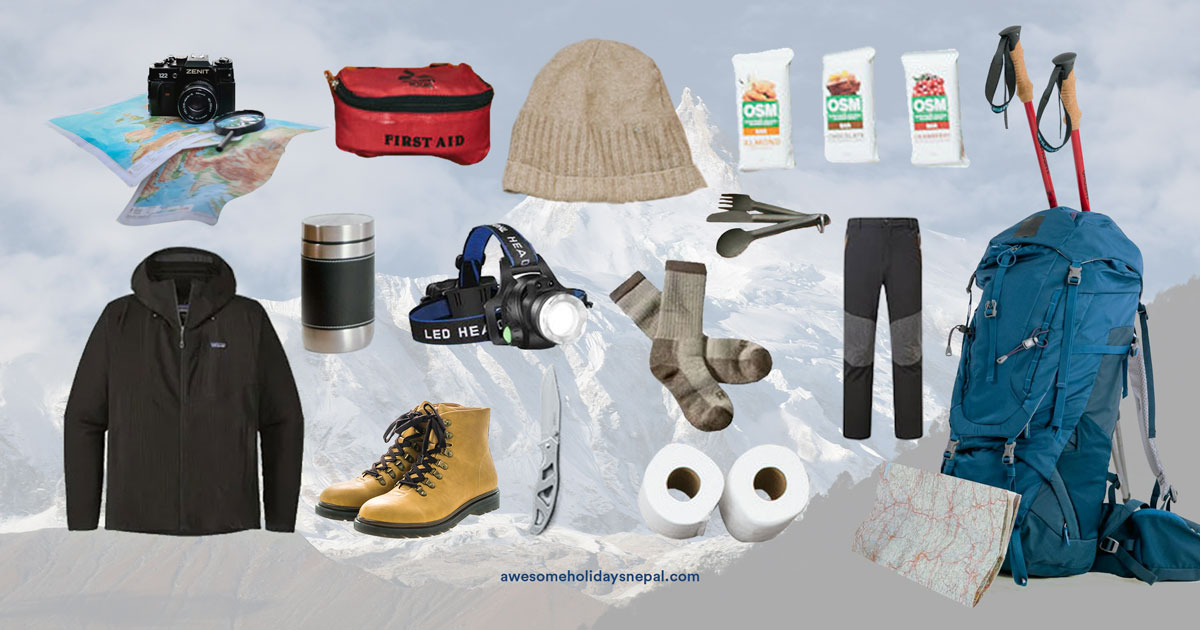
There’s a tendency to overpack for Indians as there is an option to travel via road. Thus, here’s how your packing list of essentials is supposed to look like:
- Down jacket (rated for sub-zero temperatures)
- Good trekking shoes
- Thermal layers
- Rain jacket
- Personal medicines
- Sunscreen and lip balm
- Power bank
EBC Trek Preparation Tips
Preparing for the Everest Base Camp trek should begin at least two to three months before your departure, especially for Indian trekkers who may be experiencing high altitude for the first time. It is necessary to build steady endurance allowing you to walk comfortably for several hours
You need to focus on cardio-based exercises such as jogging, brisk walking and cycling to help your lungs and legs adapt better for the hike to come. Along with this, practice walking while carrying a backpack similar in weight to what you’ll use on the trek. This helps your body adjust to long walking hours and reduces discomfort once you’re on the trail.

Apart from this, it’s mental preparation is equally important. Practice meditation and a few breathing exercises to help you relax.
Health and Fitness Tips
Since altitude doesn’t discriminate on the basis your nationality, it’s better to be well-prepared before you trek. Here are a few health and fitness tips that you need to follow:
- Don’t rush and trek at your own pace
- Eat well and avoid food that doesn’t suit you
- Avoid alcohol at all instances
- Carry all personal medications, altitude medication, and basic first-aid
- Use altitude medication whenever you are likely to feel sick.
Cultural Insights for EBC Trek
The Everest region is not just a trekking route, it’s home to the Sherpa community, whose culture is deeply rooted in Tibetan Buddhism. Simple gestures of respect, such as walking clockwise around stupas and mani walls, go a long way in showing cultural sensitivity.
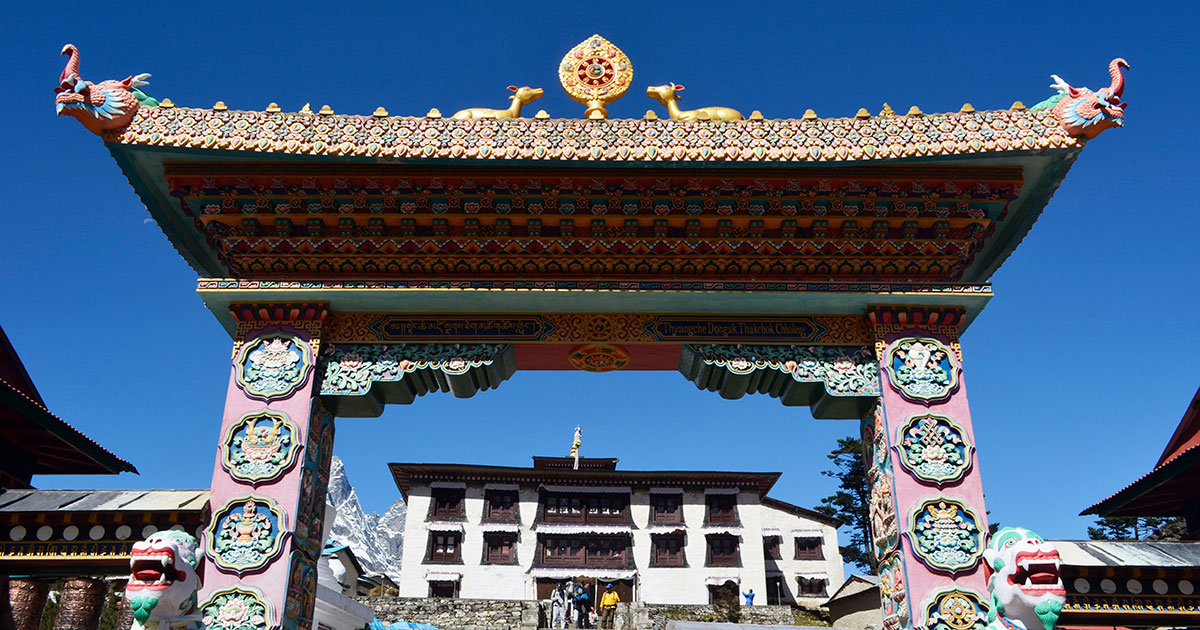
While Nepali culture feels familiar to many Indians, there are subtle differences worth noting. Dressing modestly in villages, removing shoes before entering homes or monasteries, and asking before taking photographs are all appreciated. A friendly “Namaste” often opens doors and conversations along the trail.
Common Mistakes to Avoid on Trek
One of the most common mistakes Indian trekkers make is rushing the itinerary. Trying to shorten the trek or skip acclimatization days increases the risk of altitude sickness and often leads to early exits from the trail. Patience is not just a virtue in the Himalayas—it’s a necessity.
Another frequent error is underestimating the cold. Even trekkers accustomed to Indian winters are often surprised by sub-zero temperatures at higher altitudes. Packing the right layers and not relying solely on tea house blankets is crucial for comfort and safety.
Finally, many trekkers miscalculate budgets or ignore travel insurance, assuming things will “work out.” The Everest region is remote, and preparation matters. Planning realistically and respecting the challenges of the terrain makes the trek far more rewarding.
Not Just a Mere Destination
Everest Base Camp trek is absolutely a worthy for Indian adventurers. With visa-free entry, cultural familiarity, manageable costs, and a trekking infrastructure that welcomes Indian travelers, Everest Base Camp is not an unreachable dream. It’s a well-planned adventure waiting to happen.
In 2026, the Everest region continues to evolve, but the soul of the journey remains the same. Slow walks, big mountains, shared meals, and the quiet pride of standing at the foot of the world’s highest peak.
For Indians looking to experience the Himalayas beyond postcards, Everest Base Camp is not just a trek, it’s a connection.
FAQs
Expand AllDo Indians need visa for Everest Base Camp trek 2026?
No, Indian citizens do not need a tourist visa to enter Nepal. Under the India–Nepal treaty, Indians can freely travel to Nepal in 2026 as well. You only need valid identity documents, not a visa.
How much does Everest Base Camp trek cost for Indians in 2026?
For Indians, the Everest Base Camp trek typically costs USD 1,200 – 2,500 depending on style. Budget trekking with local lodges is cheaper, while guided packages with flights, permits, and meals are higher. Luxury versions can exceed the basic cost range.
Is visa free for Indians to Nepal in 2026?
Yes, Nepal remains visa-free for Indian citizens in 2026. This policy has been consistent for decades and continues under bilateral agreements.
Can Indians do EBC trek without passport?
Yes, Indians can enter Nepal using a valid passport or a government-issued voter ID card. However, airlines often require a passport for flights to Lukla, so carrying a passport is strongly recommended for trekking logistics.
What is the cheapest way to do Everest Base Camp trek from India?
The cheapest option is:
Travel overland or low-cost flight to Kathmandu → take a shared Lukla flight → trek independently → stay in tea houses → eat local dal bhat. Avoid luxury packages and helicopter returns to keep costs minimal.
Which is the best month for EBC trek for Indians in 2026?
The best months are April–May (spring) and October–November (autumn). For Indians used to warmer climates, April and October are ideal: stable weather, clear views, and manageable cold.
How to reach Lukla from India without flying Kathmandu
You generally cannot. Lukla flights operate from Kathmandu or Ramechhap only. Even if you enter Nepal overland, you still need to reach Kathmandu to access Lukla flights.
What documents required for Everest Base Camp trek for Indian citizens?
You will need the following documents for Everest Base Camp trek for Indians:
- Passport or voter ID
- Sagarmatha National Park permit
- Khumbu Rural Municipality permit
- Travel insurance
Is Everest Base Camp trek safe for Indian solo female trekkers?
Yes, EBC is considered one of the safest major treks in the world. The trail is busy, tea houses are family-run, and locals are respectful. Solo Indian women regularly complete the trek. Hiring a guide adds extra comfort.
How much cash to carry for EBC trek as Indian in 2026?
While permit and flight costs might be prepaid, it’s wise to carry extra Nepali rupees for tea-house meals & snacks, showers, Wi-Fi, charging phone calls and tips. Many villages above Namche Bazaar have limited or no reliable ATMs, so cash is useful.
Can I use Indian rupees in Everest Base Camp trek route?
Indian rupees are accepted in Kathmandu and some lower villages, but not reliably in higher regions. Convert to Nepali rupees before flying to Lukla.
What is the total cost of EBC trek 14 days for Indians?
A 14-day guided trek usually costs ₹1.1–₹1.5 lakh per person, including Lukla flights, permits, accommodation, and meals. Budget independent trekkers may spend less.
Do I need TIMS card for Everest Base Camp as Indian?
No, TIMS is no longer required for the EBC route. You only need the Khumbu permit and Sagarmatha National Park entry permit.
Is helicopter return option available for Indians in 2026?
Yes, Indian trekkers can book helicopter returns from Gorakshep or Kala Patthar. It’s legal, common, and popular for saving time.
How to book Lukla flight from India directly 2026?
There are no direct India–Lukla flights. You must book Lukla flights through Nepali airlines or trekking agencies after arriving in Kathmandu.
What food is available for Indian vegetarians on EBC trek?
Plenty of food is available for Indian vegetarians on EBC trek. Dal bhat, vegetable curries, noodles, fried rice, potatoes, soups, pancakes, chapati-style bread, and momos are widely available. Vegetarian trekkers manage easily.
Is altitude sickness common for Indians in EBC trek?
Altitude sickness affects everyone equally, nationality doesn’t matter. Indians are not immune. Proper acclimatization, slow ascent, hydration, and rest days reduce risk significantly.
Can I do Everest Base Camp trek without guide as Indian?
Yes, independent trekking is allowed on the EBC route. However, beginners often prefer a guide for safety, navigation, and logistics.
Which Indian cities have direct flights to Kathmandu for EBC?
Direct flights commonly operate from Delhi, Mumbai, Bangalore, and Kolkata. Availability may expand seasonally in 2026.
How to avoid ATM charges on Everest Base Camp trek route?
Withdraw enough cash in Kathmandu before flying to Lukla. ATM fees increase with altitude and machines frequently stop working above Namche.
Related blog posts
Discover a choice of tourist destinations loved by most of our visitors. Whether you're on a jungle safari to spot rare animals or walking through a world heritage site, these well-planned itineraries cover the major highlights of Nepal.
 call an expert at: