
Overcrowding in the Everest region does not mean you should stop dreaming of the dramatic alpine scenery of the world; it only needs proper management and preparation. With proper gear packing, an acclimatisation plan, physical and mental fitness, cardiovascular and leg strength, followed by a certified guide on the trek, your trek to EBC can be completed without any difficulties.
Everest Base Camp Trash and Crowds: The Truth, The Fixes, and What Trekkers Can Do
 Sristi Adhikari
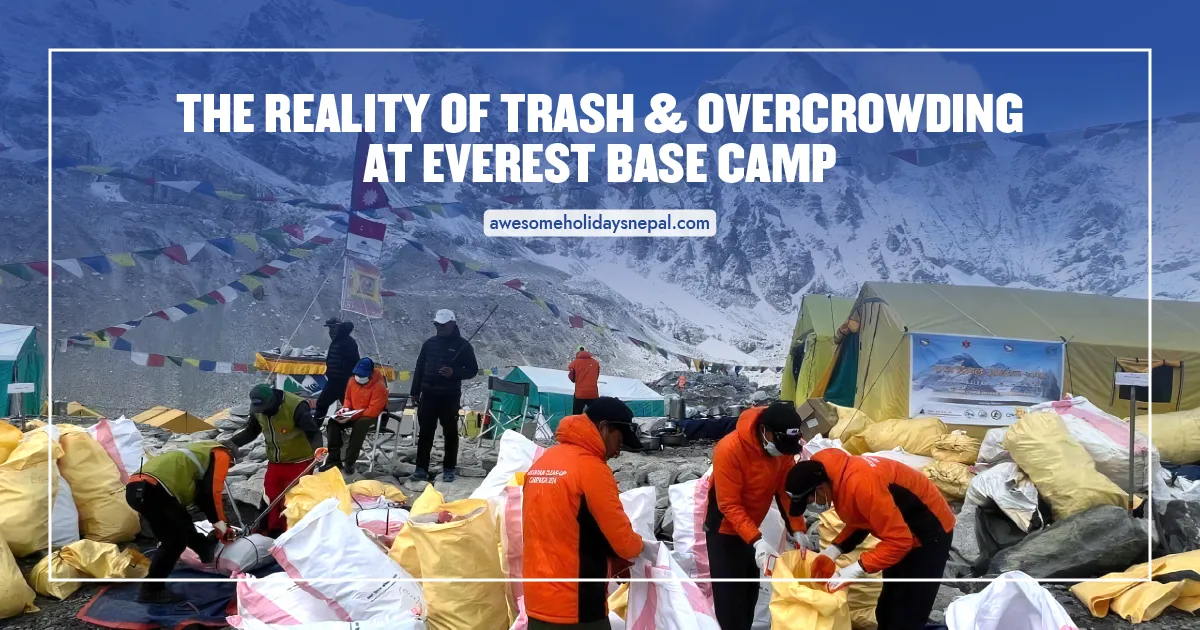
Everest Base Camp trash and crowds have become a rising problem hidden inside the beauty of the iconic trek in the world. Every year, thousands of global adventure enthusiasts head into this pristine journey for the exploration of the snow-capped mountains, Sherpa culture and tradition, centuries-old gompas and monasteries, along standing in front of the world’s highest mountain, Everest.
Everest Base Camp trash is due to the littering done by the thousands of trekkers and nature enthusiasts. Also, the EBC trails are crowded with trekkers during the peak season, like Spring and Autumn. The Khumbu region’s fragile ecosystems are degrading day by day due to growing pressure from trekker crowds and littering.
Let’s delve deeper into the growing concerns of Everest Base Camp Trash and crowds with a solution, so that the trekkers can practice a responsible Everest Base Camp trek in the upcoming 2026 season.
The Truth About Everest Base Camp Trash
The most uncomfortable truth about the Everest Base Camp trek is that trash and waste accumulate in the pristine Himalayas.
How Big is the Trash Problem of EBC?
The Everest Base Camp is not filled with trash, but the problem is so real. It requires strict enforcement rules, better monitoring, and a stronger application of the “Leave No Trace” principle.
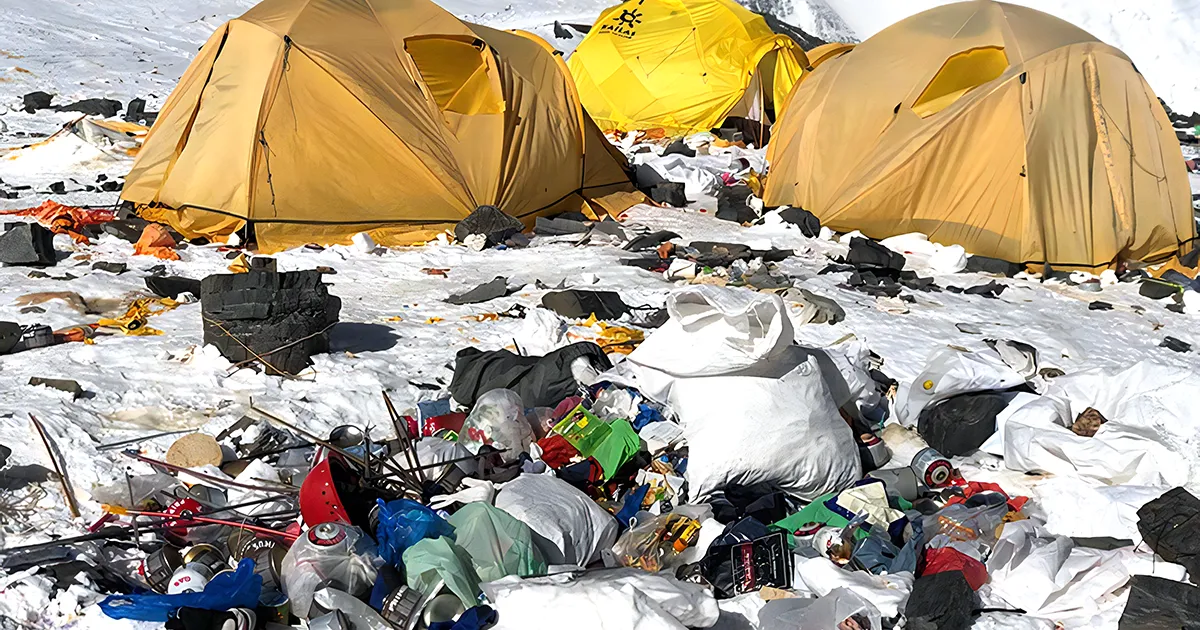
There is a high concentration of trash in trails with heavy foot traffic, like Phakding, Namche, and Tengboche. The teahouses and lodges in nearby areas are also piled with waste like plastic bottles and wrappers. This trash is found more piled up in climbing and trekking peak seasons.
One can see different piles of trash, like:
- Plastic bottles and snack wrappers.
- Food packaging and cans near campsites and teahouses
- Discarded trekking and climbing gear, like broken ropes, tents, crampons, and even oxygen cylinders higher up the mountain.
- Human waste near lodges and high camp.
Reason Behind the Trash Build-Up
The Everest Base Camp trash buildup is mainly due to overtourism, logistical challenges, and irresponsible human behaviour.
Trekking and Expedition Growth
The Everest region is popular for many Himalayan trekking and expeditions to the world’s highest mountain, Everest. Every season, thousands of trekkers, expeditors, guides, and porters enter the Khumbu region for their adventure.
This results in higher waste materials in the trails of the secluded and pristine Himalayan environment. Some of the popular wastes seen in the EBC trails are plastic bottles, food wrappers, packaging, and discarded gear.
Limited Infrastructures
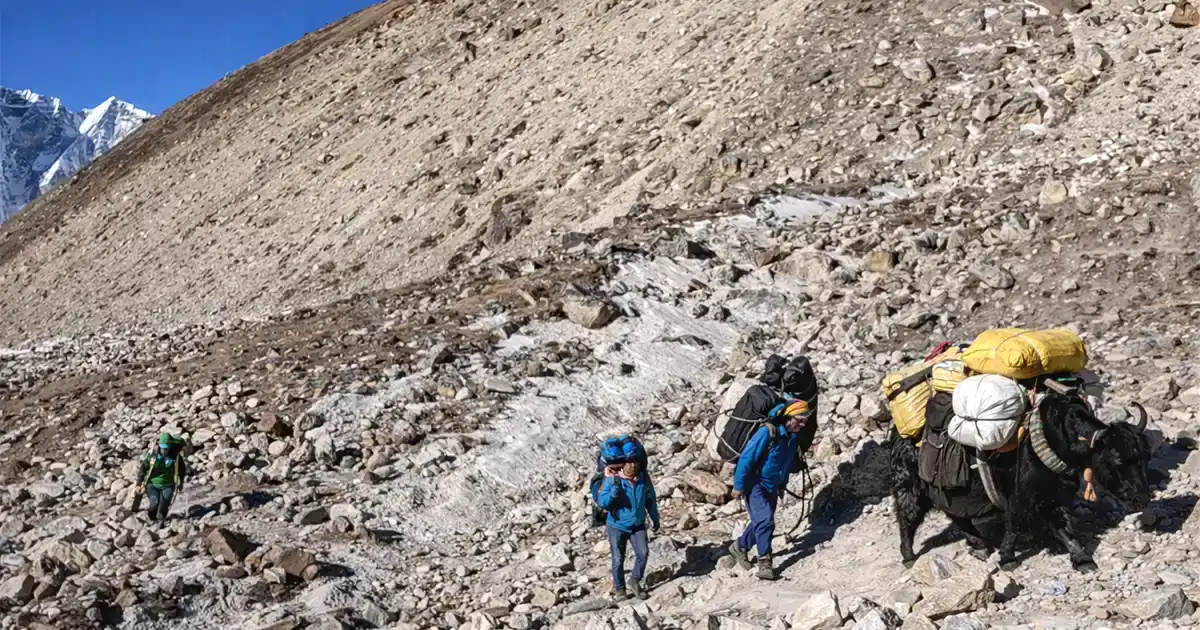
Everything carried to the remote Himalayas is done either via porter, yaks, or by helicopter. The absence of road facilities makes it expensive to carry the trash down, so the trekkers and climbers tend to throw their waste, bury or burn it instead of bringing it down.
Single-Use Plastics and Packaged Foods
The remote Everest region requires everything to be transported from lower elevations, and most of the food supplies are single-use plastic, like water bottles, snack wrappers, and food containers, which increases the waste piling up.
Harsh Climate and Terrain
Cleaning and sanitation campaigns are disturbed by extreme cold, snow, and heavy winds. Also, trash gets blown by heavy winds, gets buried below the snow, which reappears after the snow melts.
Lack of Awareness
It takes decades to decompose the biodegradable waste at high altitude. Many trekkers are so careless, while some do not know anything about the environmental impact of leaving trash behind or about waste segregation.
Growing Concern About Everest Base Camp Overcrowding
The Everest Base Camp crowds get high during the peak seasons like Autumn and Spring. The overtourism in the Khumbu region has converted a remote, serene, and pilgrimage destination into a bustling pathway overwhelmed.
The peak season crowds make the narrow trails busier, and you have to wait in lines at the viewpoints and teahouses. The overcrowding in the Khumbu region has affected its limited water and sanitation facilities, waste buildup, along natural beauty and cultural impacts.
Overcrowding Season
Everest Base Camp overcrowds is seen mostly in Autumn and Spring. Autumn starts in March and lasts till May, while Autumn starts from October to November. When planning a trek in the peak season, trekkers will get bottlenecked in regions like Namche Bazaar, Tengboche, Dingboche, and Lobuche.
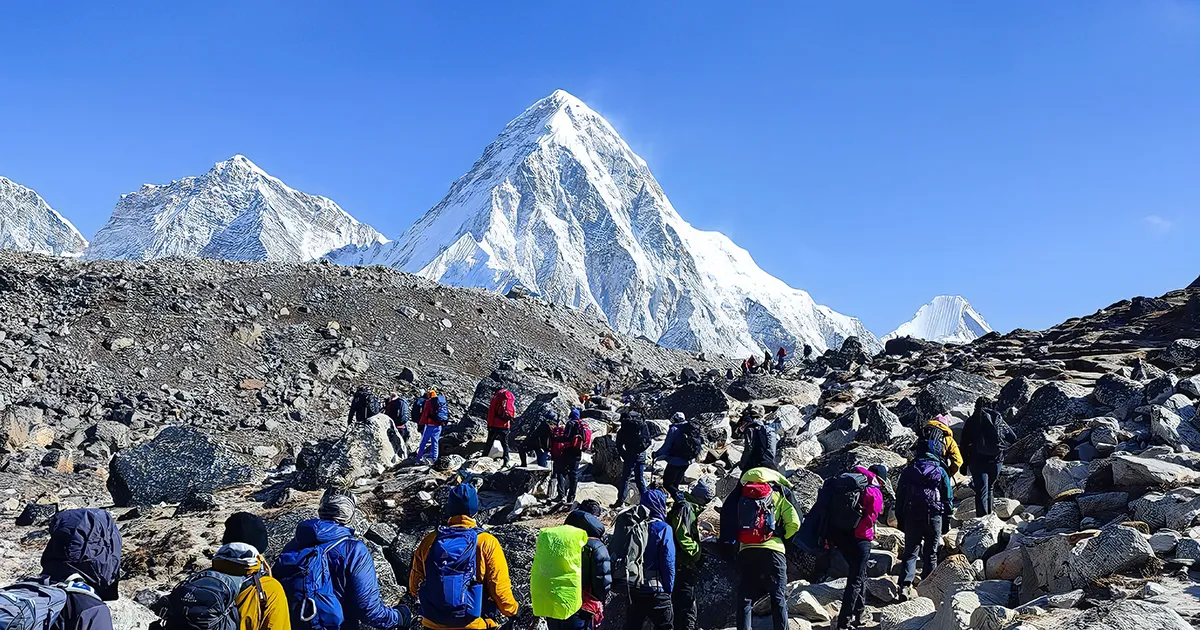
The teahouses, viewpoints, suspension bridges, and acclimatisation stops are filled with trekkers and climbers. The trekking journey will be more hectic as you have to wake early in the morning to avoid the daytime crowds, followed by limitations in dining. You have to compromise while sleeping and share a room with multiple people.
Is EBC Trek Still Worth It?
Yes, the EBC trek is still worth it. If you plan with a certified and government-registered trekking company like ours, Awesomen Holidays Nepal, we will plan an off-season trek without compromising the beauty of peaceful Sherpa villages, snowcapped mountain peaks like Mount Everest, Lhotse, Nuptse, Ama Dablam, Thamserku, and Pumori, and iconic landmarks such as Namche Bazaar and Tengboche Monastery.
How to Solve the Trash and Crowds Problems?
Trash Management Efforts
The Khumbu local municipality rules and their application help trash management at the higher altitude.
Cleanup and Waste Initiatives
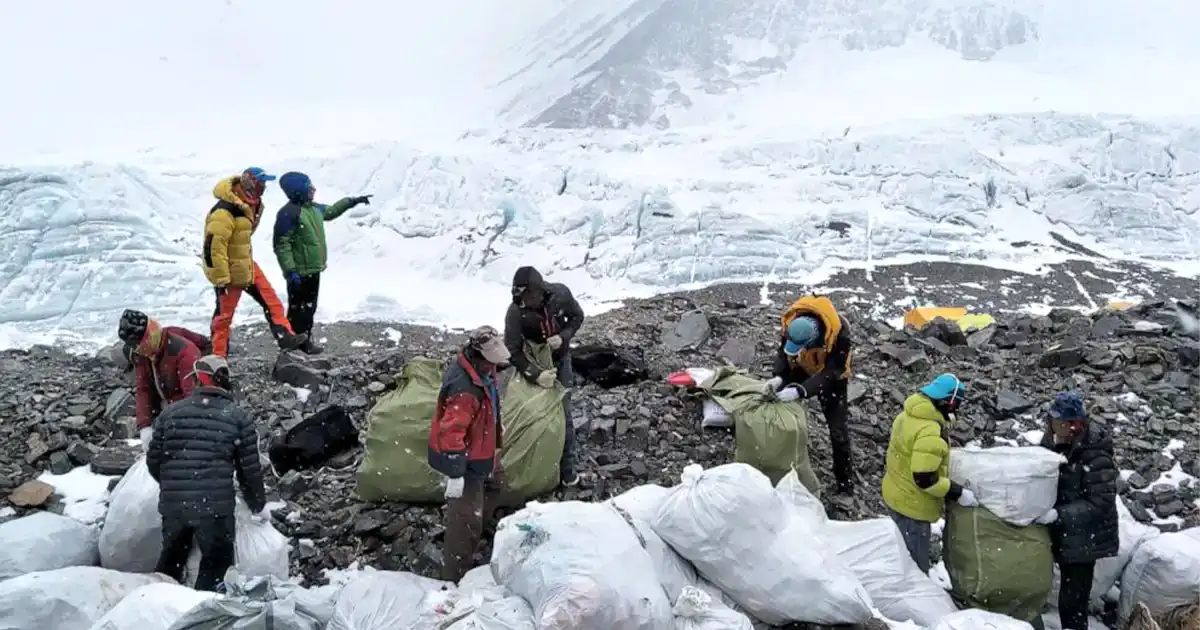
The EBC trash problem requires a cleanup and waste initiatives. Every year, the locals and NGO should plan the Everest cleanup expeditions. There should be strong waste regulations for Sagarmatha National Park. The Sagarmatha Pollution Control Committee (SPCC) should focus on organising cleanup and sanitation programs.
Government and Local Efforts
New government rules for climbers include that they should bring back their human and plastic waste; otherwise, they will be fined and won’t be refunded the deposit of $4,000 for waste management. Local teahouses and lodges should ban plastic use in the Khumbu region.
Sherpa communities should also hold a cleanup trek and environmental education programs in the peak season, while motivating the explorers to participate in the program.
Crowd Management Efforts
Permits System
The permit system will monitor and regulate the number of trekkers entering the Everest region. So, they should avoid giving permits after a certain number of visitors.
Awakening the Off-Season Trek
An off-season trek to EBC offers without compromising to explore the beauty of the Himalayas on less congested trails.
Trail and Teahouse Management
The EBC trail should be filled with proper signs along with proper resting areas so that off-season hikers don’t get lost in the wild. The Teahouses Development Committee should do a rotation system of guests during the off-season in the EBC.
Responsible Everest Base Camp Trek
Everyone who enters the Khumbu region should do a responsible exploration so that the environment and ecosystem are preserved for future generations. Trekkers and climbers can make a real difference by doing the following things:
Reduce Plastic Usage
Trekkers and climbers visiting the Everest region should bring their own reusable high-quality water bottle and avoid using plastic food containers. Packing the tea house’s food in a tiffin will avoid plastic snack usage.
You should bring down all the non-biodegradable waste and properly dispose of it. Every trekker and climber should follow the Carry in and carry out principle.
Opt for Responsible Trek Operators
Book your EBC trek with a certified trekking company, as they are more responsible and enforce the waste-carrying policies for their clients. Responsible trekking companies promote sustainable trekking in Nepal while supporting the local conservation campaign.
Choose Off-season Trek
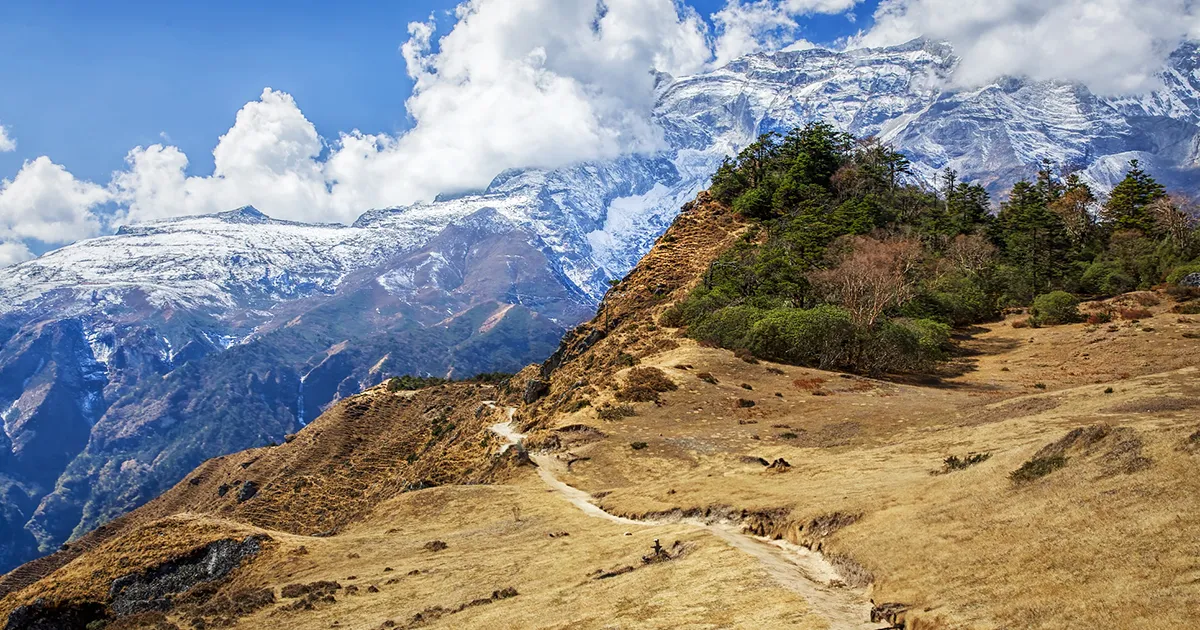
Winter and monsoon are considered off-season for trekking in the Himalayas of Nepal. It offers a few crowds without compromising the Himalayan adventure.
Support Local Teahouses
Disposing of human waste in toilets and using the water and electricity facilities at teahouses supports the local teahouse business.
Educate Fellow Trekkers
Change starts from a single conversation, raising awareness about the impacts of littering in this pristine Himalayan environment, and helping with eco-friendly trekking in Nepal.
The Final Thoughts
The rising problem of Everest Base Camp Trash and overcrowds demands proper management, awareness, and a sanitation campaign. The problems are irreversible, but with smart preparation, planning, and strict rules offers a sustainable experience for future trekkers in the Khumbu region.
The fragile ecosystem is facing a trash pile up near trekking trails, in teahouses and sherpa settlements. The overtourism of the Everest region in peak season and the lack of proper waste management play a critical role in the imbalance of this pristine mountain climate.
Everyone who is planning to explore the EBC for the upcoming season should do responsible trekking, and if they have extra time, they should also take part in the sanitation and awareness program conducted by the Sherpa communities and Sagarmatha Pollution Control Committee (SPCC). Make your Everest journey more memorable by contributing in an eco-friendly way.
FAQs
Expand AllIs Everest Base Camp worth it anymore?
Yes. The Everest Base Camp trek is still worth it. Proper planning and preparation with sustainable trekking in Nepal make your journey more memorable.
How to trek to Everest Base Camp responsibly?
Trek to the Everest Base Camp responsibly, including safe acclimatization with proper planning from a certified trekking agency, followed by respecting the Himalayan environment.
Is Everest Base Camp dirty now?
Yes. The Everest Base Camp is suffering from huge piles of waste.
What rules exist for waste on Everest?
The rules for waste on Everest include mandatory waste retrieval with human waste management.
How can trekkers reduce plastic in the Khumbu?
Trekkers reduce plastic in the Khumbu region by avoiding the use of plastic bottles, treating their own water or drinking only boiled water, avoiding consuming plastic-wrapped snacks, and following the leave no trace principle.
Are there cleaner alternatives to EBC?
Yes, the cleaner alternatives to EBC include using water purification like filter bottles, UV purifiers, pump filters, and so on.
Related blog posts
Discover a choice of tourist destinations loved by most of our visitors. Whether you're on a jungle safari to spot rare animals or walking through a world heritage site, these well-planned itineraries cover the major highlights of Nepal.
 call an expert at: