
EBC Trek Etiquette
 Sristi Adhikari
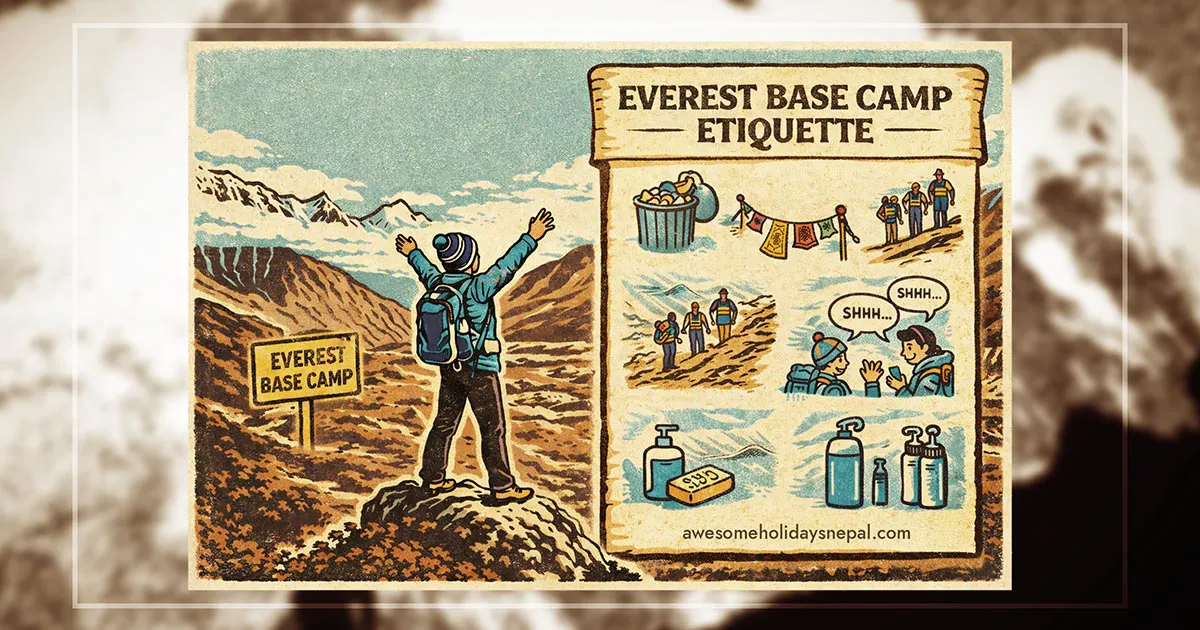
EBC Trek Etiquette is one of the most important things every trekker should understand when exploring the pristine Himalayan environment. Are you wondering how you can be a responsible and welcome trekker on the iconic trek to Everest Base Camp?
The EBC Trek etiquette helps trekkers to respect the Khumbu culture, safeguard the mountain environment, and maintain harmony on the trail. Respecting the guides, porters, and other trekkers on the trails and following a narrow path courteously helps you create a positive and more rewarding experience on the trails.
Ready to trek smartly with responsibility? Continue reading for more details on the EBC trek courtesy.
Common Courtesies
When planning for the EBC trek, learn the common Nepali greeting, “Namaste” or “Namaskar,” which means respecting the god inside a person. Namasakar is done by bowing our head and keeping both palms together near our heart, and fingers should face upwards.
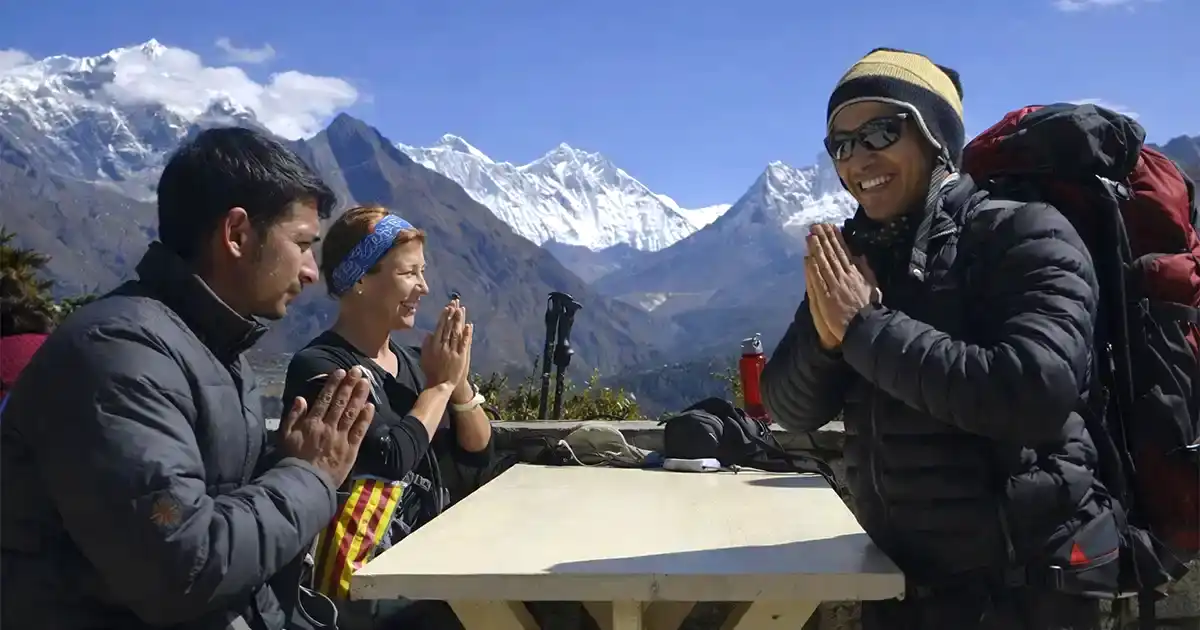
Everyone should know that saying “Hi” or “Hello” looks kind of informal, and a man should never offer a hand to a woman unless she offers to shake hands. Also learn “Dhanyabaad,” which means Thank you, so that you can delve closer to the Himalayan communities on your Nepal trekking journey.
Trail and Environmental Etiquette
EBC trekkers should always focus on protecting the fragile Everest ecosystem.
Keep Low Levels of Noise
Avoid listening to loud music and enjoy the natural sounds of birds chirping and the wind whistling in the Himalayas.
Greet Other Trekkers
Smile or say “Namaste” when you meet other group trekkers on the trails.
Walk on Designated Trails
Always walk on trekking trails and avoid damaging vegetation and walking off-trails.
Avoid Littering
Don’t litter everywhere; pack your trash in trash bags and dispose of them only in designated compost bins. Follow the principle “Leave no trace”.
Always Prioritise Yaks and Porters
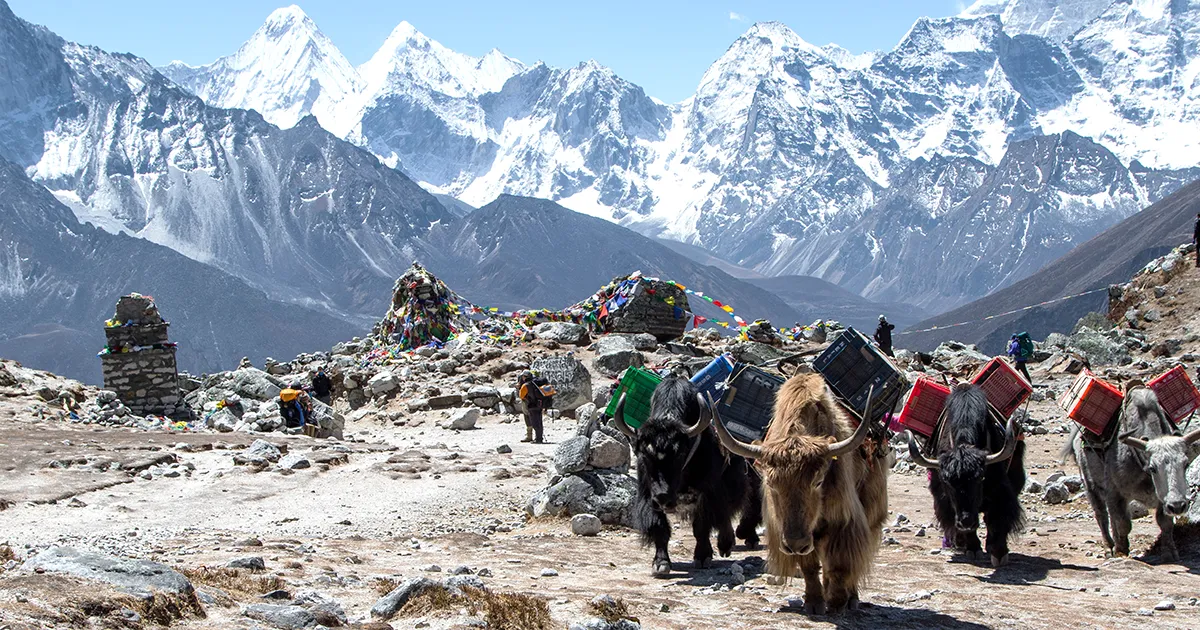
When you are on the EBC trail, always give way to mules, yaks, or porters carrying loads by standing on the mountainside. Do not rush on a narrow path and always walk in a single file.
Respect Wildlife
Always observe wildlife from a distance; do not poke them or feed them.
Avoid Burning Fire
Do not burn fires in sensitive areas of the trekking trails. Always use stoves where there is no vegetation.
Always Toilets and Restrooms
Trekkers should always focus on human waste management in toilets. Do not pollute the rivers and streams of the Himalayas.
Accommodation Etiquette
You should follow certain accommodation etiquette to maintain peace and comfort in teahouses and lodges of the EBC trails.
Respect the Teahouses and Lodge Hosts
Trekkers in EBC should greet the lodge owner respectfully and politely while always appreciating their hospitality. Also, be respectful to staff and lodge hosts.
Follow Teahouse hours
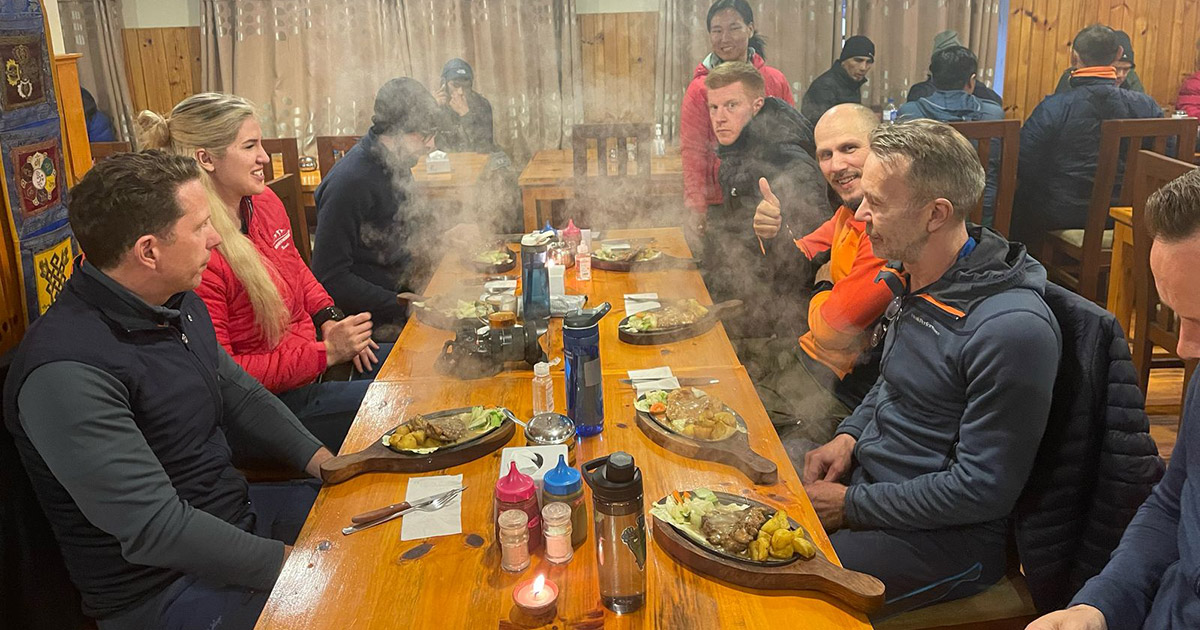
Always follow the teahouse’s guidelines, like being on time at the dining hall during lunch and dinner hours. A gluten-free diet option is also available in Everest teahouses and lodges. We suggest you opt for a vegetarian option, as it is more easily digested than non-vegetarian items.
Avoid Noise
Most of the trekkers follow the “sleep early and wake up early” principle. Avoid talking in a loud voice and always use headphones for listening to music or making phone calls at night.
Preserve Resources
Use hot water, electricity, and heaters responsibly. Do not leave water running in bathrooms or in dining hall basins.
Support the Lodge
Always eat in the teahouses or lodges where you plan to stay overnight. The income of teahouses depends on food sales, so you should respect them and eat there.
Eating Manners
Following these simple points, you can make your dining experiences more memorable:
Maintain Good Hygiene
Trekkers in EBC teahouses should practice good hygiene. Must wash or sanitise your hands before meals. Clean your table and dispose of dropped food in the dustbins.
Be Patient
Meals in high altitude region teahouses or lodges are only prepared after ordering. So, you should wait patiently, as it takes time to make fresh foods during lunch and dinner time.
Eat Where You Stay
When trekking to EBC, trekkers should always eat and stay at the same teahouses and lodges. As teahouses’ income depends on the sale of food rather than renting rooms.
Do not Waste Food
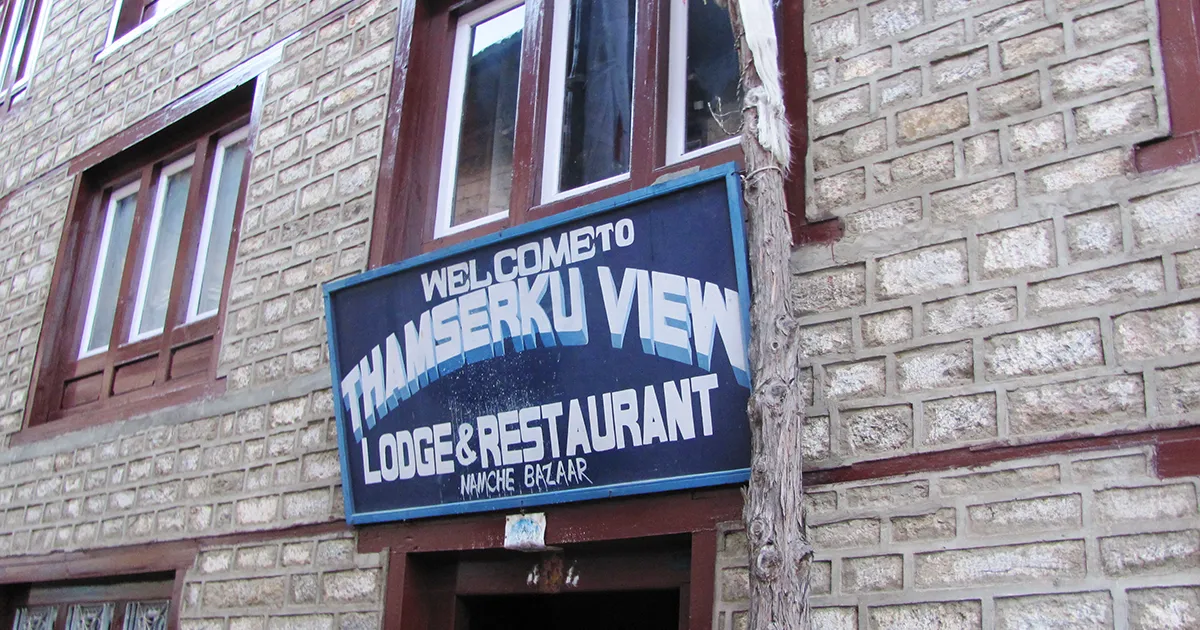
Tea houses and lodges of the higher Everest regions require a yak or a porter to carry essentials from lower regions like Namche Bazaar. So, you should avoid wasting food and only order the quantity you can eat.
Respect Food Customs And Other
When exploring the Himalayas of Nepal, opt for traditional Dalbhat instead of ordering momo and chowmein. Eat thoroughly without complaining.
Clothing Etiquette
Wearing appropriate clothing in the Everest village and monastery shows respect towards the locals and their culture.
Dress Modestly
Always wear clothing that is not too revealing. Cover yourself fully when entering monasteries and Sherpas’ homes. Wear pants and tops with full sleeves in religious places.
Change in Private
Always use the restroom or teahouses for changing clothes. Never change in the trails or in public areas.
Remove Hats or Sunglasses
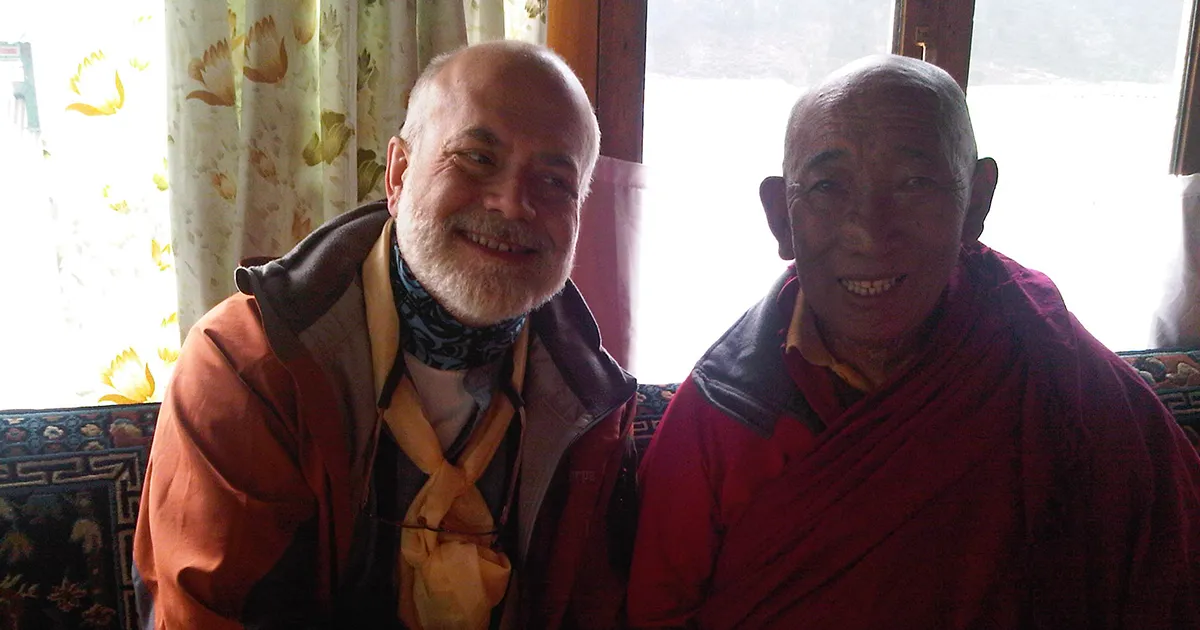
When entering monasteries like Tengboche or Pangboche, always remove gats or sunglasses. This is a sign of respect, and every trekker should follow this rule.
Wear Clean Clothing in Dining Halls
Always change your muddy shoes and dirty clothes when entering dining halls. Change your sweaty clothing when having dinner or lunch in teahouses and lodges.
Respect Local Norms and Values
Always follow the local norms and values and be respectful towards their culture.
Cultural Respect
Every trekker, while exploring the Sherpa communities and religious places, should have respect for their culture and traditions.
Ask for Permission
Always ask for consent when taking pictures inside the gompas and monastery periphery. Do not capture a picture of monks and Sherpa people without asking them beforehand.
Talk Politely with Locals
Exchange conversation with Everest locals with a warm smile and say Namaste.
Avoid Display of Affection
Trekkers in the Everest Base Camp region should avoid displays of affection. Traditional Sherpa communities find these behaviors offensive.
Respect Religious Sites
Always remove hats and sunglasses when entering Sherpa monasteries like Tengboche, Pangboche, Namche, and Khumjung. Also, rotate prayer wheels in a clockwise direction, and avoid touching sacred objects like mani walls.
With Guides and Porters
Guide and porters are the companions who make your EBC Trek safer and memorable.
Respect and Treat Them Well
You should always respect and obey your guide’s advice related to safety and altitude on the trails. Always use kind words when engaging in conversation.
Tip Appropriately
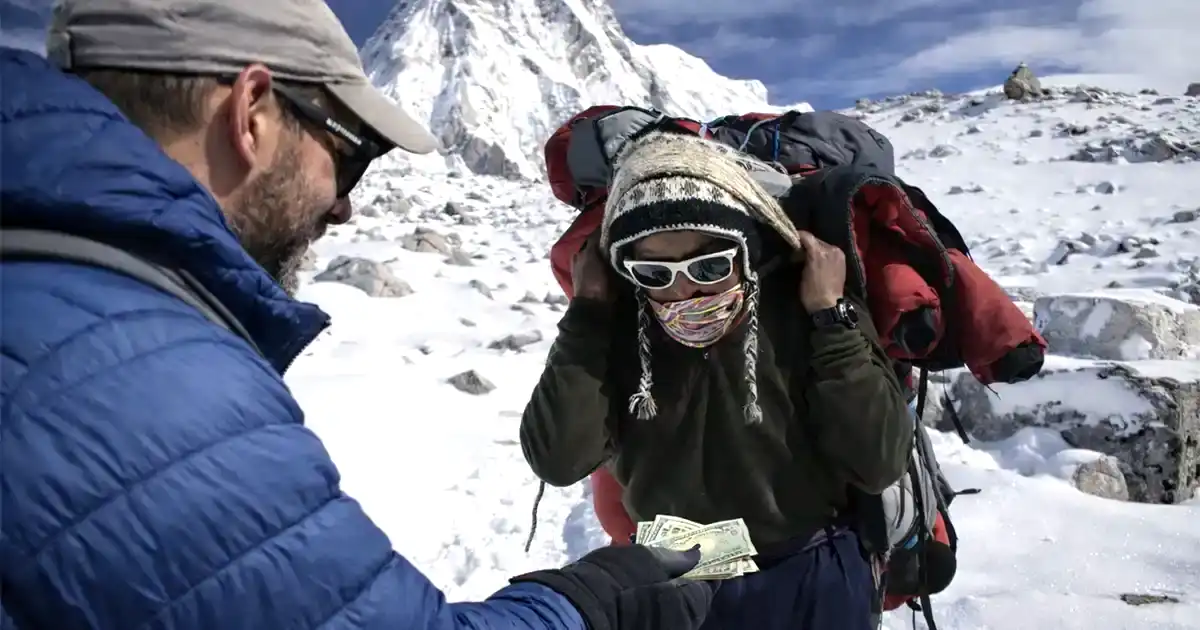
Always tip generously to your trekking companions, porters, and guides.
Avoid Overloading
Do not make porters carry overweight and respect their efforts.
Clear Communication
Always talk clearly with porters and guides. Share your little unease with the guide so that they can manage your altitude sickness in time.
EBC Trek Etiquette for Health and Safety Courtesy
Everest Base Camp trek health and safety are crucial for the success of the journey.
Report Health Issues to Guides
If you suffer from any medical symptoms like headache or dizziness, you should immediately share them with the guides.
Use Trekking Poles and Gear
Walking at a higher altitude requires trekking poles for support. So do not forget to buy them. Pack sleeping bags to withstand the chilly nights of the high altitude, like Gorakshep and Lobuche.
Follow the Guide’s Advice
Always respect the guide’s advice and follow it thoroughly, whether it is related to acclimatisation or altitude sickness prevention.
Stay Hydrated and Eat Well
Trekkers, while exploring the dry and windy region of higher altitude, should hydrate themselves by drinking 3 to 4 litres of water daily. Also, choose reliable water bottles instead of buying multiple water bottles. Drink boiling water only in teahouses and lodges during meals.

Also, have a plate full of meals to maintain energy. Carrying electrolytes saves you from dehydration and fatigue.
Carry a Basic First-Aid Kit
The Everest base camp trek takes you to an altitude of above 5,000 meters above sea level. Exploring these high-altitude places is full of risk and dangers; at any time, you can injure yourself. Carrying a basic first aid kit helps you avoid major complications. Also, carry Diamox for altitude sickness.
Responsible Trekking on the EBC Trail
The EBC trail demands proper following of the etiquette in trails, the teahouses, monasteries, and health and safety procedures. Every trekker trekking in Nepal must respect the culture and tradition of the locals with a smile on their face. Nepalese are kind-hearted; if you greet them saying “Namaste,” they become happy.
Every trekker should avoid plastic use and practice proper waste management to protect the fragile ecosystem of the Khumbu region. EBC trekkers should respect the wildlife and cultural norms and values while exploring the rough terrain of the region. Your Everest journey will be filled with unforgettable memories when you follow the EBC trek etiquette properly.
FAQs
Expand AllWhat are the basic dining room rules in EBC teahouses?
The basic dining room rules in EBC teahouses include entering dining rooms in clean clothing and by properly washing hands. You should eat at the same teahouses where you are staying for the night.
Who gets the right-of-way on narrow trails—uphill or downhill trekkers?
The right-of-way on narrow trails goes to uphill rather than downhill trekkers.
What should I do when yaks or mules are coming towards me on the EBC trail?
You should stand on the mountainside of the trails if yaks or mules are coming on the EBC trail.
Is it okay to save a seat by the stove in the dining room?
No. You cannot save a seat by the stove in the dining room.
What’s polite behaviour when using charging points and Wi-Fi in teahouses?
The polite behaviour when using charging points and Wi-Fi in teahouses includes asking for permission, buying something, not hog the space/outlets, etc.
Are there quiet hours in EBC lodges, and how can I be considerate at night?
Yes, nighttime is the quiet hour in EBC lodges. You should avoid making loud noises at night and use headphones when listening to music, watching movies, or talking on the phone.
What’s the respectful way to handle boots, wet gear, and the drying room?
You should handle boots, wet gear, and the drying room by cleaning them first.
How does tipping work on the Everest Base Camp trek for guides, porters, and lodge staff?
The tipping on the Everest Base Camp trek includes $10 to $20 USD for guides, $5 to $10 USD for porters, and $3 to $5 for lodge staff per day.
What cultural etiquette should I follow around monasteries, mani stones, and prayer wheels?
The cultural etiquette you should follow around monasteries, mani stones, and prayer wheels is dressing modestly, walking clockwise near sacred objects, and rotating prayer wheels in a clockwise direction.
How can I avoid food waste and still eat enough for altitude on the EBC trek?
You should eat the dalbhat option to avoid food waste and still eat enough for the altitude on the EBC trek.
Related blog posts
Discover a choice of tourist destinations loved by most of our visitors. Whether you're on a jungle safari to spot rare animals or walking through a world heritage site, these well-planned itineraries cover the major highlights of Nepal.

 call an expert at: