
Corporate Hiking Retreats in the Himalayas: The Complete Team Preparation Checklist
 Sujata Pokhrel
Are you looking for corporate hiking retreats for your hardworking team? If yes, the Himalayas in Nepal are a perfect option.
Apart from boardrooms, deadlines, and endless notifications, the mountains offer something few conference halls can replicate: shared challenge, raw perspective, and genuine connection.
A corporate hiking retreat in the Himalayas is not just an incentive trip. It is a transformative experience where colleagues walk the same trail, breathe the same thin air, and overcome the same uphill climbs together.
Let’s get through the blog to better understand the complete team preparation checklist for corporate hiking retreats in the Himalayas.
Why Take Your Team to the Himalayas?
Modern workplaces move fast. Teams are constantly solving problems, chasing targets, and adapting to change. But growth doesn’t only happen in meetings, it often happens outside comfort zones.
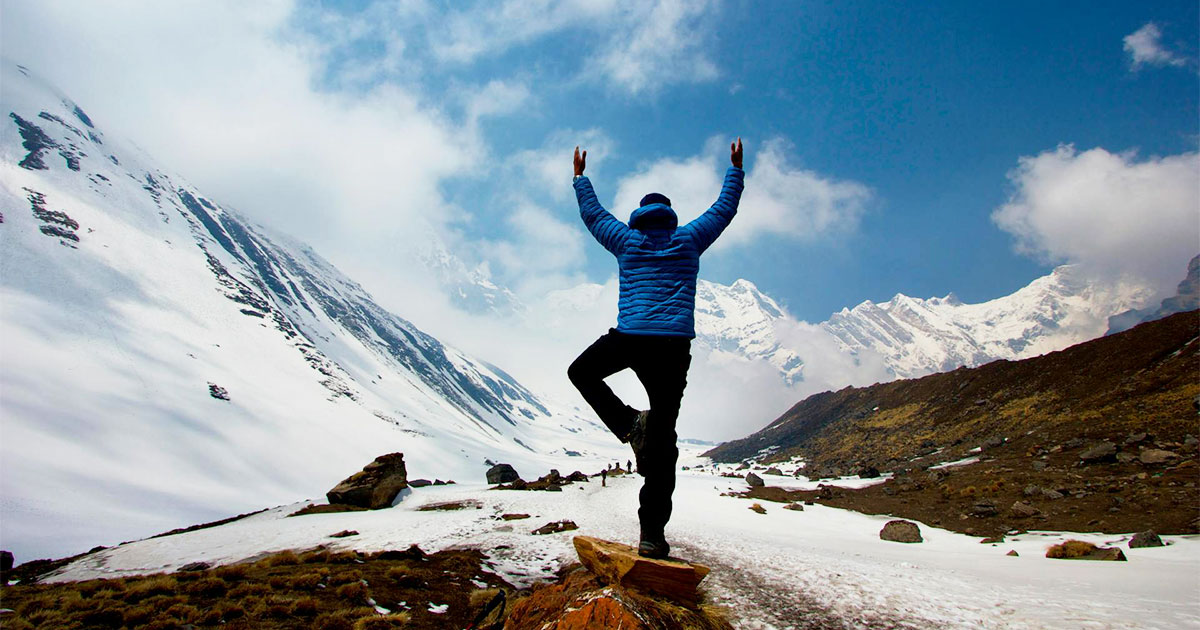
Away from constant notifications and routine pressures, people gain mental clarity and space to think more strategically. Conversations become more open, ideas flow more naturally, and perspective widens in the presence of vast landscape. The shared physical challenge of hiking together strengthens trust in an organic way.
As the trail steepens, titles fade into the background and human qualities come forward, patience, resilience, encouragement, and teamwork. Progress depends on collective pacing and mutual support, not hierarchy. In the mountains, teams don’t just walk side by side; they grow stronger together.
Reasons that make the Himalayas an Ideal Corporate Retreat Destination
Nepal’s Himalayan regions offer a rare balance of accessibility and authenticity. Well-established trekking infrastructure, welcoming teahouses, and experienced local guides make it suitable even for first-time trekkers.
The landscapes are diverse, terraced hills, rhododendron forests, glacier valleys, and towering peaks. Cultural encounters with Gurung, Tamang, and Sherpa communities add depth to the journey.

Unlike luxury resorts, the mountains demand participation. And in that participation, teams rediscover collaboration in its simplest form.
How to Choose Right Trek for Your Team
While adventure in Himalayas can be fun, it’s equally necessary to know what works for your team. Not every employee leads an active lifestyle, and that’s perfectly fine. A successful corporate retreat considers inclusivity first.
Access Your Team’s Fitness Level
Before committing to a Himalayan program, it’s important to take a realistic look at your team’s overall fitness and experience. An honest internal evaluation helps you choose a route and pace that will stretch the group in a positive way, rather than overwhelm them.
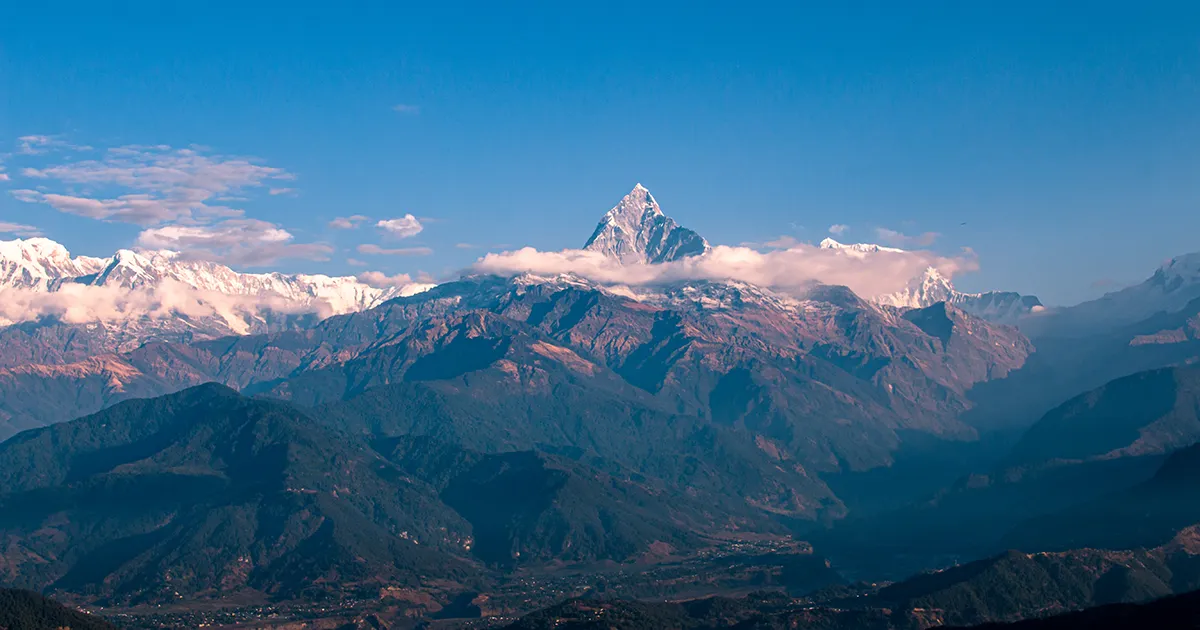
Consider whether participants are regularly active, if anyone has prior altitude exposure, and whether there are mixed age groups or varying fitness levels within the group.
Simple surveys and open conversations can help set clear expectations and avoid mismatches. The aim is to create a healthy challenge that builds confidence and teamwork, not to push anyone toward exhaustion.
List Out Your Corporate-Friendly Trek Options
Nepal offers several trekking routes that work especially well for corporate groups, depending on the team’s fitness, time frame, and overall objectives. Each trek varies in duration, altitude, and difficulty, so match the route to your team’s collective capacity.
Some of the corporate-friendly trek options are:
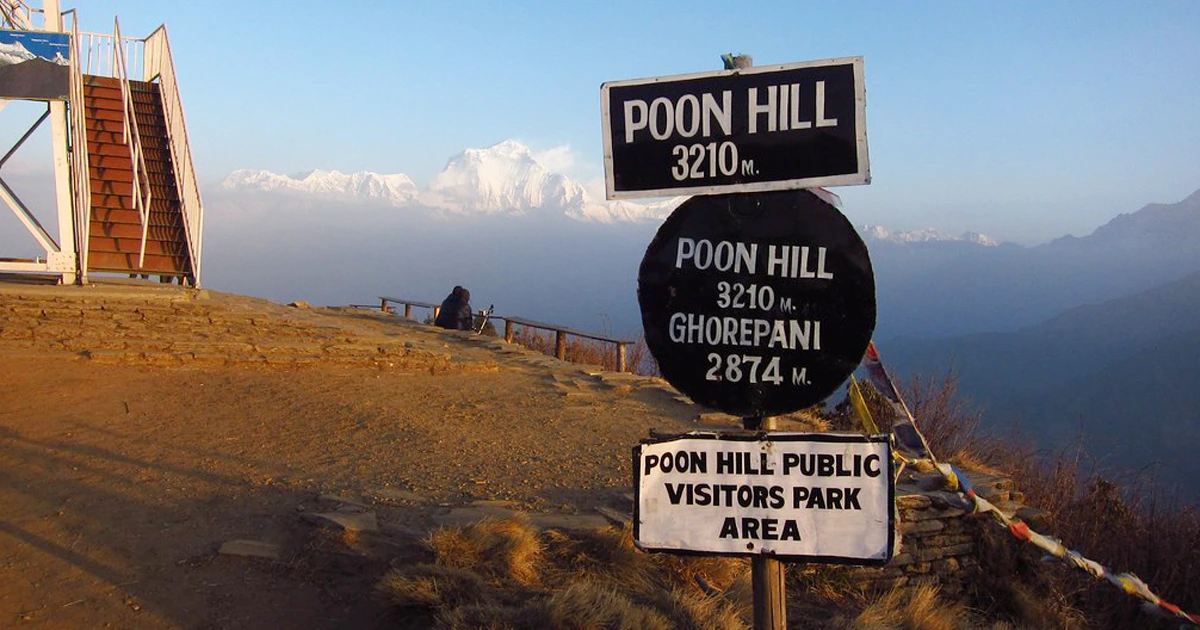
Ghorepani Poon Hill – It is an excellent choice for beginner-level teams or groups with mixed fitness levels. The walking days are relatively manageable, making it accessible without compromising the experience.
Annapurna Base Camp – A moderate option offering iconic mountain scenery and a stronger sense of accomplishment. The journey brings participants closer to towering Himalayan peaks and creates a stronger feeling of collective accomplishment by the time the group reaches base camp.
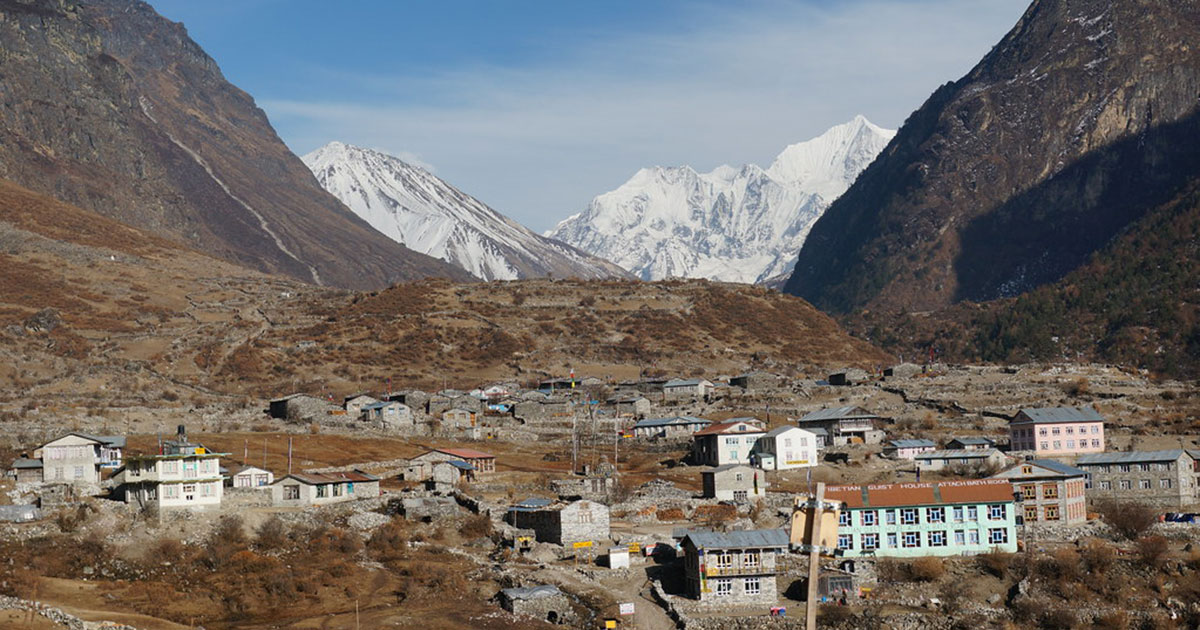
Langtang Valley – Perfect for teams wanting quieter trails with rich cultural immersion. The route combines scenic landscapes with opportunities to engage with local Tamang communities, adding a reflective and cultural dimension to the experience.
Know Right Seasons for Trek
Choosing the right season can shape the entire trekking experience. In the Himalayas, timing influences not only the views but also safety, trail conditions, and overall comfort especially for corporate groups with varied fitness levels.
Spring, from March to May, brings moderate temperatures and stable weather. Hillsides come alive with blooming rhododendrons, and the trails feel vibrant and fresh after winter. The conditions are generally reliable, making it easier to plan daily schedules and maintain group morale.
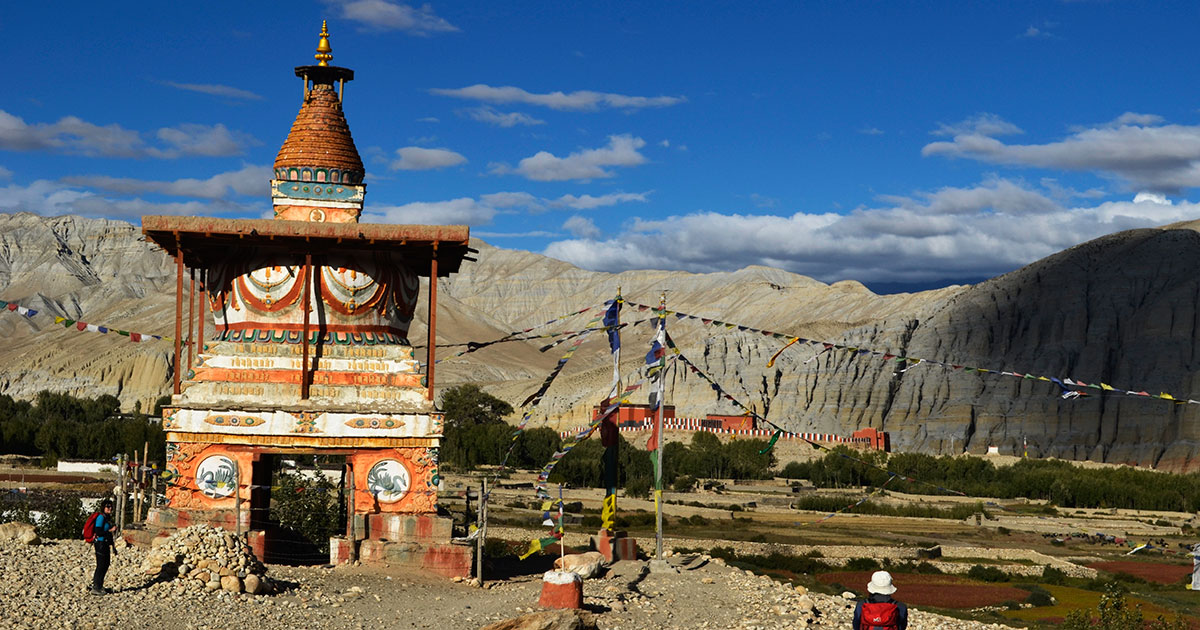
Autumn, from September to November, is equally favorable. The monsoon rains clear the dust from the air, revealing crisp skies and exceptionally clear mountain views. The weather is typically dry and stable, which improves visibility and reduces disruption.
Preparing for Corporate Hiking Retreat
Preparation determines whether your retreat feels empowering or overwhelming. A well-structured plan ensures everyone arrives confident and ready.
Physical and Strength Training
Preparation should ideally begin 8–12 weeks before departure to give the body time to adapt gradually. The focus should be on building steady cardio endurance through activities like brisk walking, jogging, or cycling, while also strengthening the legs with exercises such as squats, lunges, and step-ups. Core stability is equally important, as it supports balance and posture on uneven trails.

Stair climbing is especially useful because it closely mimics uphill trekking. Rather than training intensely for short bursts, participants should aim for consistent, moderate workouts each week. Practicing back-to-back walking days can also help simulate real trekking conditions and prepare the body for consecutive days on the trail.
Mental Resilience and Team Mindset
The mountains challenge the mind as much as the body making your hiking retreat worthy. Long ascents, shifting weather, and slower progress require patience and adaptability.
Preparing your team mentally means helping them accept a steady pace, stay flexible when conditions change, and actively support colleagues who may be struggling on tougher days.
Establishing shared goals, whether focused on personal growth, stronger collaboration, or clearer alignment keeps motivation steady when energy dips. A resilient mindset turns difficult moments into bonding experiences rather than obstacles.
Health and Safety Planning
Health and safety planning is a vital part of preparing for Himalayan treks. Understanding altitude and allowing for gradual acclimatization can significantly reduce risks, while briefing participants on early symptoms of altitude sickness, along with emphasizing hydration and rest, helps everyone stay alert and healthy.
Beyond altitude, essentials include comprehensive travel insurance, emergency evacuation coverage, certified local guides, and clear communication protocols. Careful planning not only protects the team but also builds confidence, ensuring the journey starts with security and peace of mind.
Clothing and Hike Essentials
Layering is essential for Himalayan treks. Moisture-wicking base layers keep sweat off the skin, preventing chills during exertion. Insulating mid-layers trap warmth as temperatures drop, and a waterproof outer shell shields against rain, snow, and wind.
At higher altitudes, a down jacket becomes indispensable for early mornings and cold evenings.
Footwear and Gear: Support and Safety
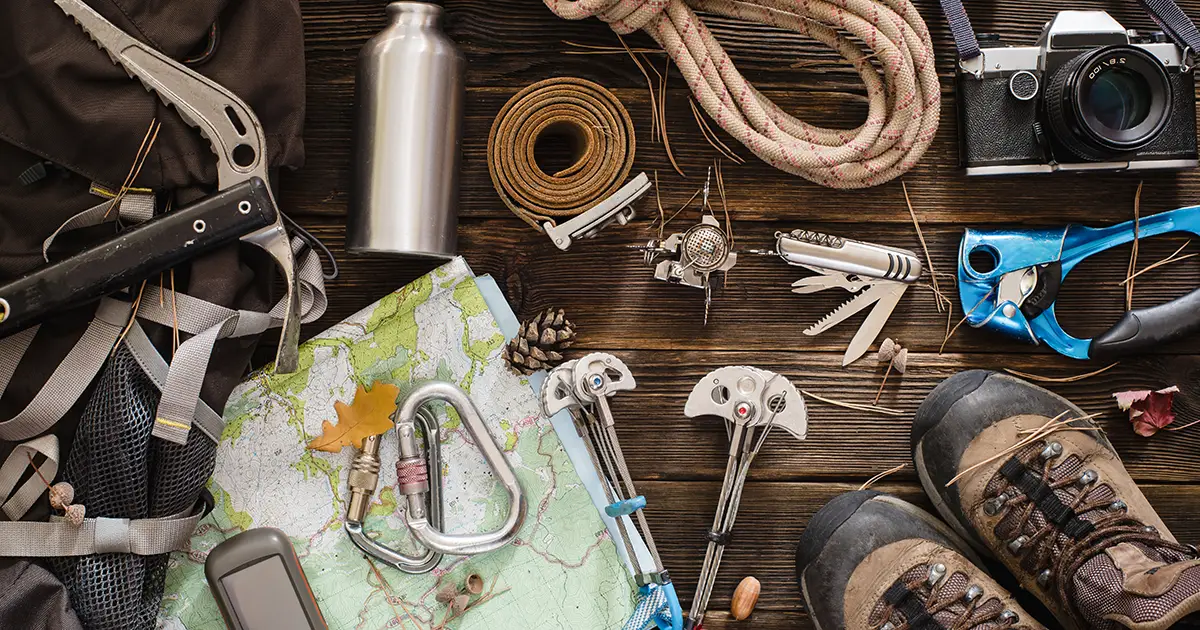
Well-broken-in trekking boots protect against blisters and provide stability on uneven trails. A 20–30L daypack carries essentials without overloading, while trekking poles help maintain balance and reduce strain on knees during steep climbs and descents.
Essentials: Hydration and Visibility
A reusable water bottle ensures constant hydration, and a headlamp is crucial for early starts or navigating in low-light conditions.
Packing Philosophy: Minimal but Functional
Encourage packing only what’s necessary. Functional, lightweight gear reduces physical strain and allows the team to focus on the trek rather than discomfort.
Essence of Corporate Retreat
A Himalayan retreat offers more than breathtaking scenery; its true value lies in fostering shared growth and deeper team connections.
Leadership and Team-Building Integration
The mountains create a setting where leadership and collaboration naturally emerge, turning the trail into a real-world laboratory for teamwork. Rotating daily trail leaders allows each team member to step into a guiding role, making decisions about pace, rest breaks, and group safety.
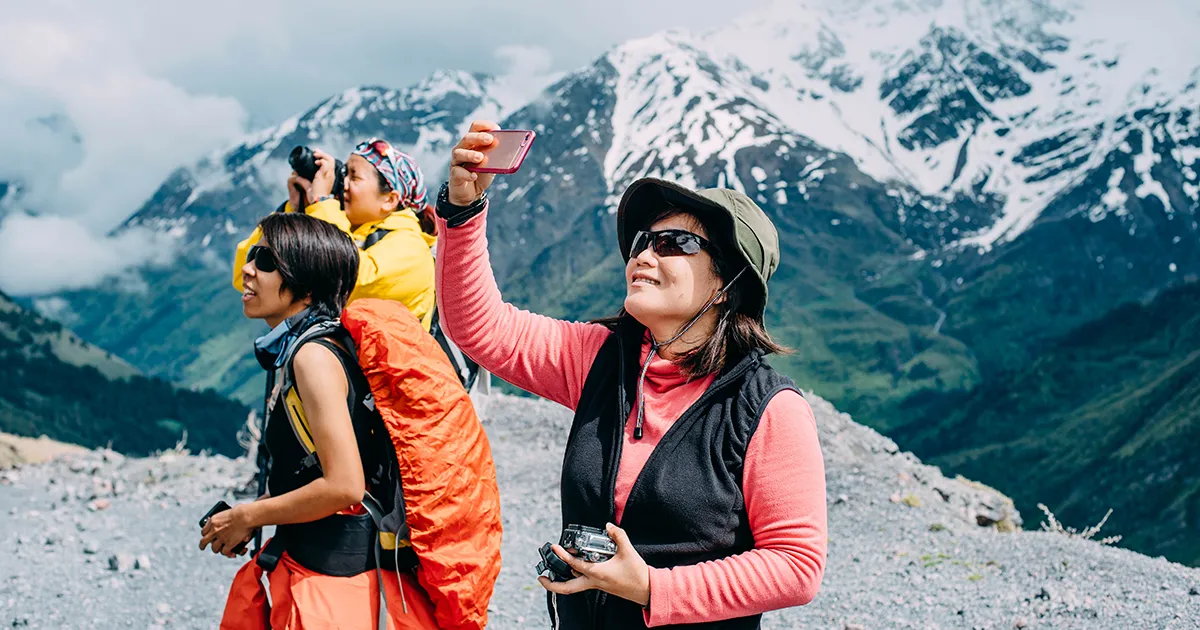
Reflection circles in teahouses give the group time to discuss what worked well, what was challenging, and what lessons can be applied back at work. Collaborative navigation tasks, such as route planning or map reading, encourage participants to problem-solve together and rely on each other’s strengths.
In the mountains, leadership is less about formal authority and more about empathy, situational awareness, and the ability to support the group.
Logistics and Permits
Careful planning is key to a smooth Himalayan trek. This involves securing the necessary trekking permits, arranging accommodations, coordinating transportation, and organizing porters when needed. Setting realistic budgets for each participant also ensures the trip runs without surprises.
Partnering with experienced local operators simplifies these tasks, handling the details so the team can focus on the experience rather than logistics.
Cultural Awareness and Responsible Travel
Engaging respectfully with local communities enriches the trekking experience. Teams should greet villagers politely, dress modestly, follow environmental guidelines, and support local businesses whenever possible.
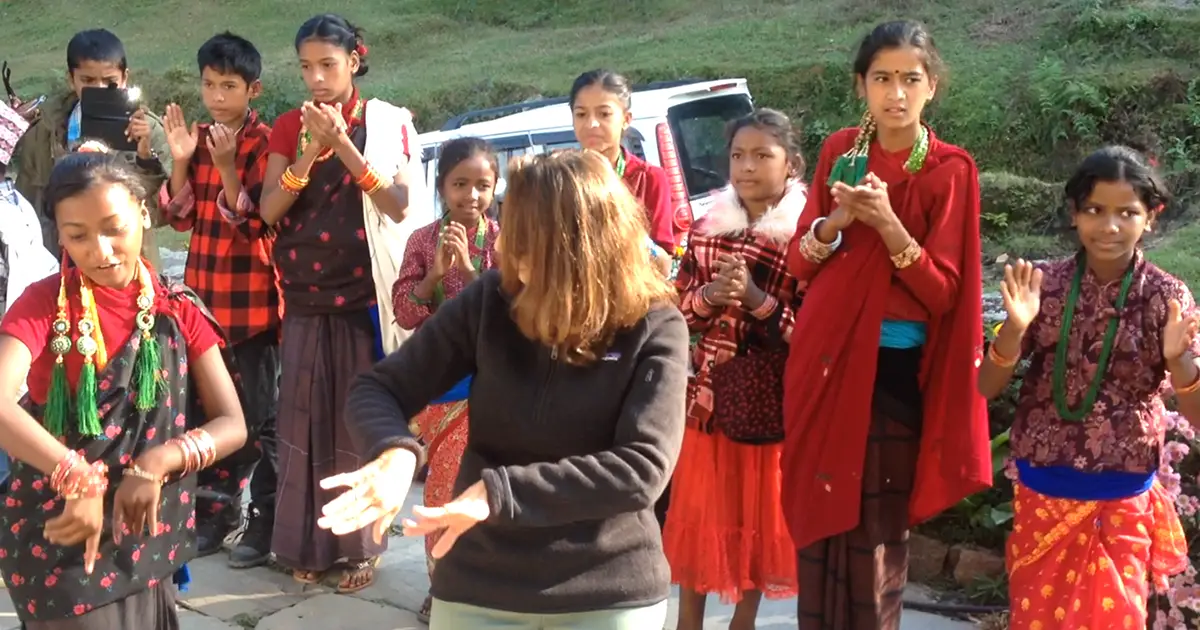
Practicing responsible travel not only preserves the culture and environment but also reflects the company’s values, fostering a positive impact both on the team and the communities they visit.
From Colleagues to Trekking Buddies
Something shifts when a team reaches a mountain viewpoint together. The shared fatigue, laughter, and triumph dissolve workplace formality. Conversations become genuine. Encouragement becomes instinctive.
By the time your group descends from the Himalayas, they return not just as employees, but as trekking buddies who have faced thin air, steep climbs, and personal limits side by side.
And that shared journey often strengthens workplace collaboration long after the mountain trail ends.
Keep adventure alive with your team!
FAQs
Expand AllWhat is a corporate hiking retreat?
A corporate hiking retreat is a structured outdoor experience designed to strengthen team cohesion, leadership, and collaboration by engaging employees in shared physical and mental challenges. Unlike traditional off-sites, it blends adventure, reflection, and goal-setting in a natural environment.
What makes a Himalayan corporate trek different from a normal company retreat?
Himalayan treks combine high-altitude adventure, cultural immersion, and sustained physical effort. Teams face real challenges such as steep ascents, thin air, and changing weather, which naturally foster resilience, trust, and communication
Who should not join a high-altitude trek without medical clearance?
Individuals with heart disease, uncontrolled hypertension, severe respiratory conditions, or recent surgeries should seek medical clearance. Pregnant employees or those with chronic illnesses should also consult a doctor before participating.
How far in advance should a corporate team start preparing?
Ideally, team preparation should begin 8–12 weeks before the trek, allowing time for gradual fitness training, packing practice, and health planning.
What fitness level is recommended for a multi-day trek?
Participants should have moderate fitness: able to walk 4–6 hours per day on uneven terrain, climb stairs or hills comfortably, and carry a light daypack without excessive fatigue.
What’s a sensible approach for mixed fitness levels in one team?
Plan routes with flexibility for pace, offer shorter alternative sections for slower participants, rotate leadership responsibilities, and pair stronger walkers with those needing encouragement.
How do we screen participants fairly without medical overreach?
Use voluntary questionnaires assessing basic activity levels, prior trekking experience, and any medical concerns. Avoid intrusive tests but encourage disclosure. Confidential consultation with a healthcare professional is optional but recommended.
What is altitude illness and why does it happen?
Altitude illness occurs when the body struggles to adjust to lower oxygen levels at higher elevations. Reduced oxygen can affect the brain, lungs, and circulation, causing symptoms from mild discomfort to life-threatening conditions.
What are early warning signs of acute mountain sickness (AMS)?
Headache, nausea, dizziness, fatigue, loss of appetite, and difficulty sleeping are common early indicators. Recognizing these early allows the team to adjust pace or rest.
What symptoms mean we should stop ascending immediately?
Severe headache unrelieved by medication, persistent vomiting, confusion, loss of coordination, or shortness of breath at rest signal serious condition.
What’s the safest way to acclimatize on a trek?
Ascend gradually, allow rest days at higher altitudes, hydrate well, avoid overexertion, and consider climbing high but sleeping lower to stimulate acclimatization.
How quickly should sleeping altitude increase above 3,000 m?
Above 3,000 m, aim for a daily gain of no more than 300–500 m in sleeping altitude, with rest days every 2–3 days.
Does “climb high, sleep low” help?
Yes, spending daytime at slightly higher altitudes than your sleeping site encourages acclimatization while minimizing risk.
Should we avoid alcohol early at altitude?
Yes, alcohol can dehydrate and impair acclimatization. It is best avoided, particularly in the first days.
What should our daily team health check include?
Monitor hydration, appetite, sleep quality, energy levels, headaches, and any unusual symptoms on a daily basis.
Should a corporate group carry a pulse oximeter? (pros/cons and limits)
It can be useful to track oxygen saturation trends but is not a replacement for clinical judgment. Teams should not rely solely on readings to make decisions.
What is a conservative “buddy system” for trekking teams?
Pair team members so each person has a partner responsible for noticing signs of fatigue, AMS, or distress. Rotate buddies periodically to ensure shared responsibility.
How do we set pace rules so nobody feels singled out?
Adopt a “slowest person sets the pace” approach, with optional faster side loops for advanced members. Reinforce that success is measured by participation and safety, not speed.
What pre-trip training works best (cardio + strength + pack walks)?
A mix of cardio (walking, jogging, cycling) and strength training (legs, core, back) works best. Include pack walks to simulate real trekking conditions.
How many training sessions per week are realistic for office workers?
Three to four sessions, 45–60 minutes each, is practical while maintaining work-life balance.
What’s the role of stair training and hiking with a daypack?
Stair climbing and uphill walks with weight improve leg strength, endurance, and posture under load, reducing fatigue and injury risk on trails.
What footwear mistakes cause most trek discomfort?
Wearing new or poorly fitted boots, low ankle support, or improper socks leads to blisters and pain. Break in boots thoroughly before departure.
What clothing system should a team standardize (layering basics)?
A layering system is essential: moisture-wicking base layers, insulating mid-layers, and waterproof outer shells, supplemented with hats, gloves, and thermal layers for higher altitudes.
What’s the minimum packing list for a Himalayan trek?
For a Himalayan trek, pack sturdy boots and socks, layered clothing with a waterproof shell, a daypack, trekking poles, and a water bottle. Include a headlamp, basic first aid, and all necessary identification and trekking documents.
What documents should each participant carry?
Passport, travel insurance, trekking permits, TIMS card (if required), and medical notes or prescriptions.
What permits might be required for trekking in Nepal?
National park entry permits, TIMS cards, and restricted area permits may be required depending on the region.
What is a TIMS card and who arranges it?
The Trekkers’ Information Management System (TIMS) card registers trekkers for safety and monitoring. Agencies usually arrange it, though individual trekkers can also obtain it.
Are restricted area permits different from general trekking permits?
Yes, restricted areas (e.g., Manaslu, Upper Mustang) require additional permits and sometimes an official guide.
Do we need a licensed guide for our route?
Rules vary by region. For some restricted zones, a licensed guide is mandatory. Even where optional, guides improve safety, logistics, and cultural insights.
What insurance features should corporate trekkers confirm (altitude + evacuation)?
Ensure coverage includes high-altitude trekking, helicopter evacuation, emergency medical treatment, and trip interruption.
How should we plan an emergency escalation process for the group?
Designate a safety officer, map evacuation routes, pre-identify nearest medical facilities, and create stepwise protocols for illness or injury.
What comms plan works best (SIMs, satellite options, check-in times)?
Combine local SIMs, satellite phones for remote sections, scheduled check-in times, and a central communication log to track team wellbeing
How do we manage dietary needs on a trek (allergies, vegetarian, etc.)?
Share allergies, preferences, and vegetarian options with lodges in advance. Encourage team members to carry personal snacks if needed.
How much water should participants aim to drink at altitude?
A general guide is 2–3 liters per day, adjusting for exertion, temperature, and altitude. Hydration is critical for acclimatization.
How do we reduce gastrointestinal illness risk while trekking?
Stick to cooked foods, wash hands frequently, avoid untreated water, and pack personal hygiene items like sanitizer and wipes.
What are ethical guidelines for porters and staff (loads, respect, tipping policy)?
Porters should carry reasonable loads, be provided fair wages, and receive respect. Standard tipping practices and adherence to local labor norms are essential.
How can we keep the retreat “corporate” without disrupting trail culture?
Plan meetings and team-building activities during allocated downtime, maintain quiet in communal areas, and respect local customs.
How do we plan team-building activities that don’t increase safety risk?
Use reflection circles, storytelling, problem-solving challenges, and trail navigation exercises rather than high-risk stunts.
What should the company do after the trek?
Conduct a debrief to discuss achievements, gather feedback, and check physical and mental wellbeing. Celebrate successes and integrate lessons into workplace culture.
What are common corporate trek planning mistakes and how do we avoid them?
Underestimating physical demands can be avoided with structured training, while ignoring altitude risks is managed through education and proper acclimatization. Ensuring gear and permits are checked in advance prevents unnecessary stress.
Related blog posts
Discover a choice of tourist destinations loved by most of our visitors. Whether you're on a jungle safari to spot rare animals or walking through a world heritage site, these well-planned itineraries cover the major highlights of Nepal.

 call an expert at: