Community based tourism in Nepal is an idea that promotes the empowerment of local communities and the preservation of culture and environment. It offers trekkers a more authentic and rewarding experience in the Himalayas.
While trekking along the narrow mountainous trails, you will experience a prayer flag fluttering right above your head, as well as the warm hospitality of local communities. The simple act of foreign tourists exploring the remote regions of the Himalayas helps uplift local communities, preserves their ancient culture, and makes them popular worldwide.
If you are also interested in exploring Nepal’s rural villages by trekking, you can help strengthen local communities in the Himalayas in a more meaningful way.
Continue reading the blog on how trekkers can impact the Community based tourism in Nepal:
Community-based tourism (CBT) is a concept in which local communities manage tourism activities, such as running rotational family teahouses and homestays, managing local guides and porter services, and maintaining trekking routes. The community based tourism in Nepal offers authentic experiences while empowering every member of the society and supporting environmental sustainability.
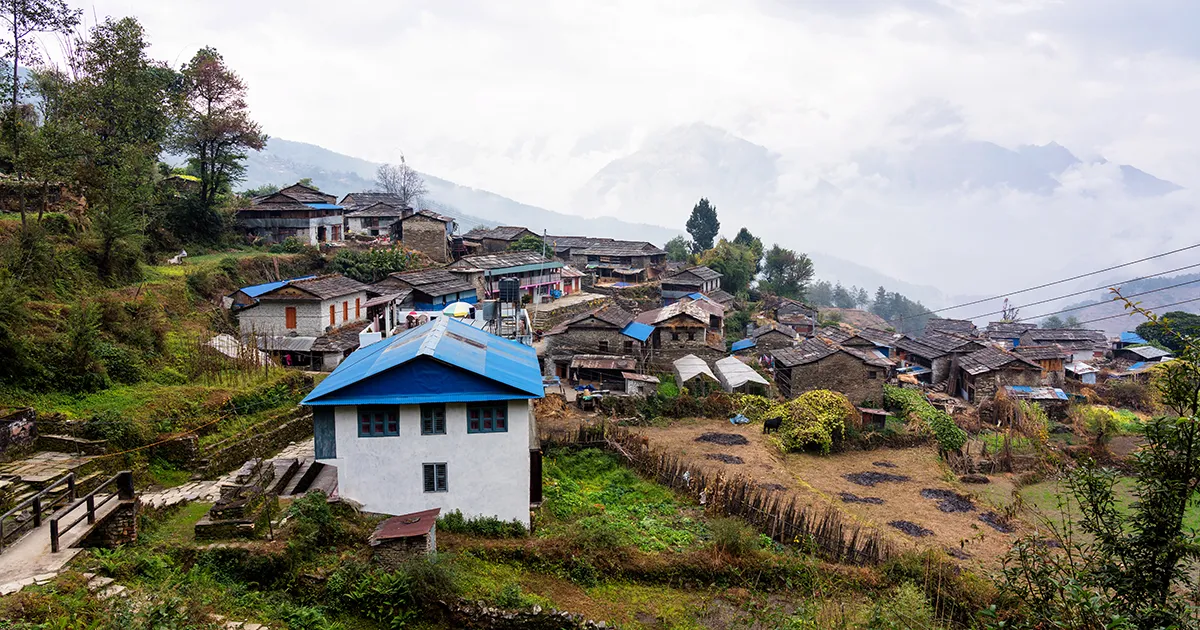
Picture of a remote village
In Nepal, the community based tourism includes concepts such as:
Quality of life improvement
Every member of the community is included
Respect cultural norms and differences
Equal benefits sharing among the community
From Ruins to Resilience: A Village Reborn Through CBT
Many villages in Nepal have received global recognition for hospitality and natural beauty, but they were once ordinary villages. All the credit goes to community-based tourism in Nepal, which has made many hidden villages accessible to the outside world while empowering every member of the community. Here are some villages that serve as a living example of Community based tourism in Nepal:
Lho Villages of Manaslu Circuit
The Lho villages of the Manaslu circuit lie at an elevation of nearly 3200 meters above sea level. The Lho people used to depend on farming, and locals believed the villages would surely disappear slowly, as there was no chance of roads or modern development.
But when trekking to the Manaslu region began, villagers found a small ray of hope and started small businesses, such as running a teahouse and training community members as guides and porters. They earned some income from trekkers exploring the region, began rebuilding damaged monasteries and temples, sent their children to school, and women continued their day-to-day lives while providing warm hospitality to tourists.
Langtang Valley Rebuilding through Responsible Trekking
Nepal was hit by a deadly earthquake with a magnitude of 7.8 Mw in 2015. This destroyed the entire villages of Langtang valley, and villagers thought that their life would be far more uncertain; nobody could stand on their own like before.
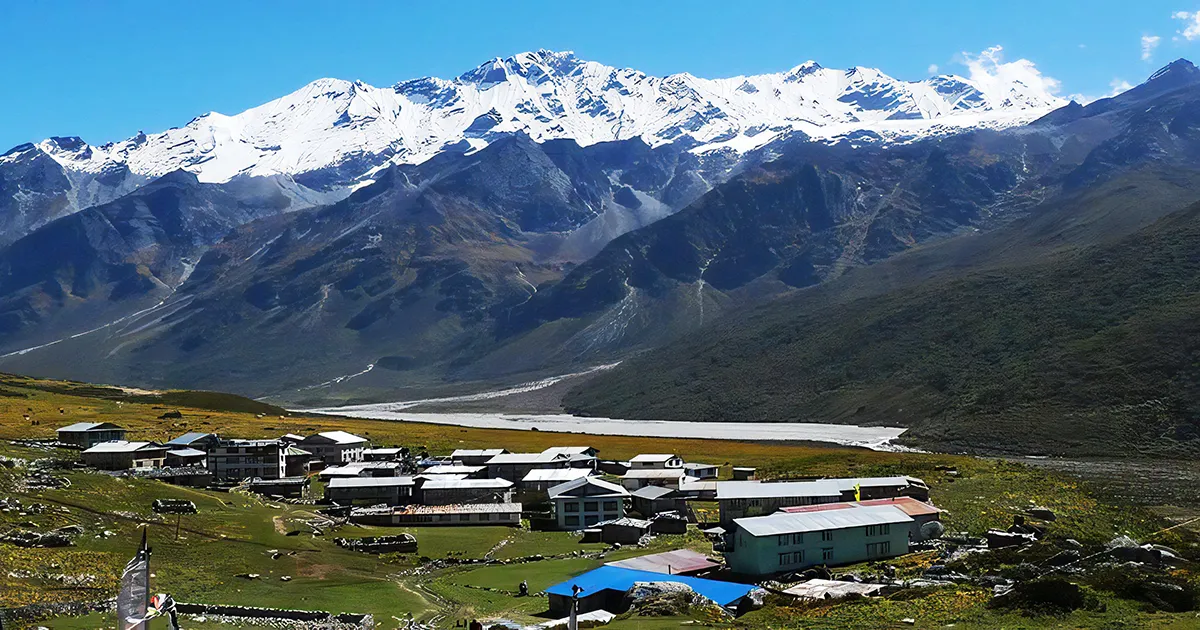
Picture of Langtang Valley
Slowly, when trekkers started returning, they brought hope to the Langtang valley people, and they began rebuilding their traditional home with dignity. Trekkers practiced responsible travel to Langtang Valley after the earthquake, such as hiring local guides, staying in local homestays, and respecting their norms and beliefs, which transformed their lost hope into resilience.
How is Trekking Becoming a Lifeline of the Local Community?
Trekking to the remote regions is becoming a lifeline for the local communities because of the following reasons:
Employment Opportunity for Locals
Trekking offers job opportunities for youth, as they can work as local and assistant guides. Also, people deprived of education can work as porters and mule handlers.
Locals can earn money by running lodges and teahouses. Also, farmers’ products can be utilized within village lodges and teahouses. This will reduce the wastage of animals and plant products while preventing migration to cities and foreign lands.
Preservation of Culture and Heritages
When trekkers stay in community lodges and teahouses, they can get a deeper insight into local languages, festivals, rituals, music, handicrafts, history, and customs. This helps preserve and foster their local culture and traditions worldwide, and community members gain a deeper understanding of their dignity.
It is the best aspect of community-based tourism in Nepal, and many foreigners are so attracted to the ancient culture that they return to Nepal again and again.
Empowerment of Youth and Women
The Village Tourism Nepal also helps empower youth and women. Youth can work as licensed trekking guides while being a mediator among the foreigners. This will reduce the youth migration to cities and abroad as they can be financially stable in their own villages.
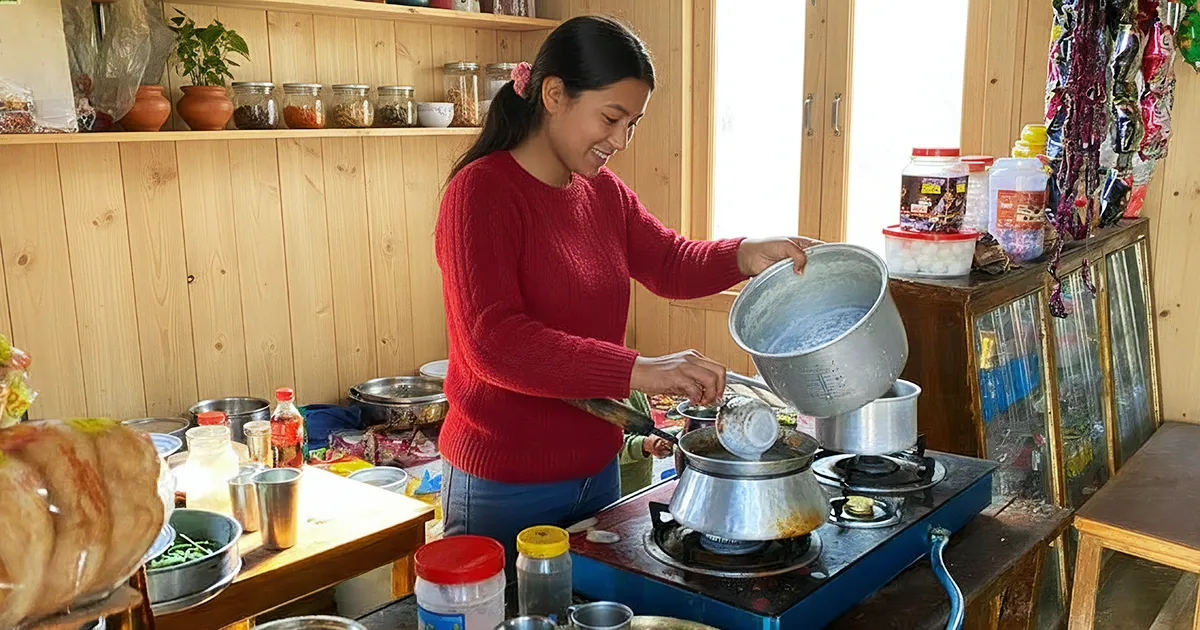
Women running the teahouse business.
Similarly, it creates job opportunities for women, as they can run homestays and a kitchen independently. This will help families stay together while developing leadership qualities and earning financial independence on their own.
Environmental Conservation through Sustainable Trekking
Trekking in the Himalayas, such as Annapurna, Everest, Manaslu, and Kanchenjunga, requires strict conservation of the fragile ecosystems. Community based tourism helps to protect nature and wildlife, as local enforces a waste management rules while promoting refill stations.
They take initiatives that include trekking without leaving a trace, community members prioritise using renewable energy, like solar, for day-to-day life, and they also run reforestation and trail sanitation programs as guardians of the environment. Eco-tourism in the Himalayas is very important for economic growth and the preservation of culture and the environment.
Responsible Travel Nepal 2026
Trekkers can play a responsible role in the development of community based tourism in Nepal by:
Hiring Community Guides
Selecting Local Trekking Companies
Staying in Homestays and Community Lodges
Following the “Leave No Trace” Principle
Respect for Local Norms and Customs
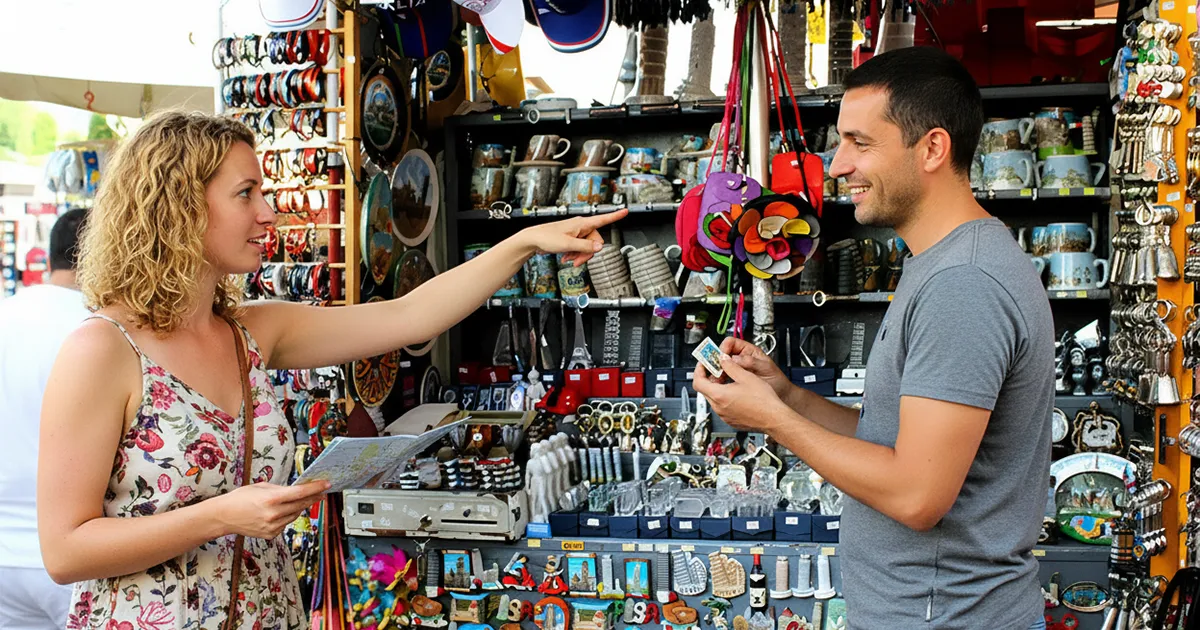
Buying local souvenirs from the villages
Trekkers buying souvenirs
Paying wages to guides and porters fairly
Trekking into less-used trails to avoid overcrowding
Prevent the Downsides of Community Based Tourism
The community based tourism in Nepal requires proper planning and management for the successful development of the communities. Everyone should have a friendly attitude towards each other and respect one another’s work.
If conflicts arise, everyone should put their opinion towards it and should make necessary efforts to solve it. Everyone should fund the capital during the initial phase of community based tourism in Nepal, and at last, everyone should think about communities first rather than prioritizing themselves.
If every member of the communities benefits fairly, then there will be no chance of corruption. During the off-season, there should be rotational guest hosting so that every family will earn equally. This will help to prevent the downfall of community based tourism in Nepal.
The Future of Trekking and Community Tourism in Nepal
Trekking in different parts of Nepal is not just about mountainous scenery and challenging trails; it is an initiative that promotes the sustainable development of communities. The community based tourism allows communities to have ownership while running the tourism and sustaining their livelihoods, with responsibility for waste management and biodiversity conservation.
Trekkers exploring the villages of Nepal can benefit the local people by hiring a local guide, living in a homestay, and community run lodges. This will help in the economic uplift of certain communities, and they can have access to education, healthcare, and other infrastructures.
Sustainable trekking in Nepal includes minimizing environmental impact and supporting local communities by reducing littering and the use of plastics and preserving mountain communities for future generations. If you are also planning to visit Nepal in 2026, don’t forget to contact Awesome Holidays Nepal, so that our team member can help you contribute to sustainable tourism in Nepal.
How does trekking tourism help local communities in Nepal?
Trekking tourism helps local communities in Nepal by creating job oppurtunities to every member of the family, like working as a porter or guide, running a teahouse, and community-based lodges.
Does trekking in Nepal really support villages?
Yes, trekking in Nepal really supports villages.
Where does my trekking money go in Nepal?
Your trekking money goes to support local communities, national parks, and conservation areas, followed by infrastructure development of the region.
Which treks in Nepal help local communities the most?
Treks like the Sikles/Tangting Village Community Trek, the Khopra Community Trek, or the Tsum Valley Trek help local communities the most.
Is the Everest Base Camp trek good for the local economy?
Yes, the Everest Base Camp trek is good for the local economy.
What is community-based tourism in Nepal?
Community-based tourism in Nepal means a sustainable tourism that is directly managed by communities and the benefits are distributed within themselves for the well-being of themselves and their communities.
How much do porters earn on the Everest Base Camp trek 2026?
Porters earn approximately USD $240 – $420 USD on the Everest Base Camp trek 2026.
Are teahouses in Nepal locally owned?
Yes, most of the teahouses in Nepal are locally owned.
Which is better for villages: the Annapurna or the Everest trek?
Both the Annapurna and the Everest treks offer villages with deeper immersion and diverse cultural landscapes.
What is responsible trekking in Nepal?
A responsible trek in Nepal means contributing to the uplift of the local economy while minimising the negative impact on society and the environment.
How can I trek ethically in Nepal 2026?
Yes, you can trek ethically in Nepal in 2026.
Do trekking companies pay fair wages in Nepal?
Yes, legal and certified trekking companies pay fair wages in Nepal.
What is the Great Himalaya Trail community project?
The Great Himalaya Trail community project plans to create a 1000 km trekking trail across the country while connecting the 100 villages of the Himalayas.
How has tourism changed villages in Solukhumbu?
Yes, tourism has changed villages in Solukhumbu.
Is Manang village richer because of the Annapurna Circuit?
Yes, Manang village is richer because of the Annapurna Circuit.
What percentage of trek cost goes to locals in Nepal?
A pretty significant percentage of the trek cost goes to locals in Nepal.
How to avoid exploitative trekking agencies in Nepal?
Prioritise booking trekking with companies who are associated with TAAN, as they are more reliable and they dont don’t exploit their guides and porters.
Does the new EBC permit fee help locals?
Yes, the new EBC permit fee helps locals.
Impact of tourism on Khumbu and Helambu villages 2026
There is an economic uplift for locals living in the Khumbu and Helambu villages due to tourism.
Does trekking tourism help build schools in Nepal?
Yes, trekking tourism helps build schools in Nepal.
Why is hiring a local guide better for the village economy?
Hiring a local guide is better for the village economy because it keeps tourist money circulating locally and creating jobs oppurtunities, which make them financially capable.
How has trekking infrastructure improved in Nepal villages recently?
Trekking infrastructure improved in Nepal villages by the improvement of road facilities, eco-friendly teahouses, and lodges, followed by the balance and growth of local people.
Sristi, a content writer at Awesome Holidays likes to travel and explore the beauty of Nepal. She enjoys trekking and is passionate about how she can contribute on the growth and development of tourism sector in Nepal. Sristi is passionate about the exploration of the diverse landscapes and hidden beauty of nature. She enjoys watching travel content in YouTube. "If you get tired, learn to rest, not to quit.
Related blog posts
Discover a choice of tourist destinations loved by most of our visitors. Whether you're on a
jungle safari to spot rare animals or walking through a world heritage site, these
well-planned itineraries cover the major highlights of Nepal.



 call an expert at: