
Climbing Everest Without Oxygen: The Science and Daredevils Behind It

 Sujata Pokhrel
Climbing Everest without oxygen: is this even possible? The generic answer would be no, absolutely not.
Given the diminishing oxygen level with increasing elevation, it is barely even possible to breathe on Everest, let alone climb. But that’s not the case for many daredevils!
With Everest’s commercialization, people are no longer satisfied with just summiting the peak; they wanna make record-breaking history. And this is why climbing Everest without supplemental oxygen has started to become a trend among summiteers.

Such stunts on Everest aren’t just limited to cutting off oxygen at 8000 meters above sea level. From snowboarding and skiing the steep ridges that are too thin to even walk to parachuting from the top, the competition is for being the first to do the Everest summit/descent in a unique way.
Let’s get through the blog to understand the science behind climbing Everest without oxygen and the story of daredevils who did it.
Climbing Everest Without Oxygen: What Does it Mean?
People often see climbing Everest as a testament to their physical strength, endurance, and resilience. This is a reason why those who have successfully summited the mountain usually return to do so without supplemental oxygen. If you are also looking to make records climbing Everest without oxygen, there are a few things you need to be aware of, starting with the availability of oxygen at such altitude.
Oxygen Availability on Everest
At the summit of Everest, you can only find one-third of oxygen that’s generally available at sea level which is why many people die of suffocation and shortness of breath. Most climbers are enforced to use oxygen tanks after climbing to camp 3 at 7300 meters to maintain oxygen saturation inside the body. Not just while climbing, many use oxygen tanks to help them sleep at such critical conditions.
You should notice that even Sherpa guides who assist you on the summit, do take help of supplemental oxygen on the summit push day. This is such to make sure that oxygen level in your body remains within a limit that your body can maintain cellular respiration to keep you moving on the challenging terrains.

A failure to do so often causes death of the climbers. In fact, in last few years the longer waiting lines in areas close to summit such as Hillary step and the balcony, many climbers have succumbed to death because of diminished oxygen in their tanks. Using the bottled oxygen optimally is the key to survival on the Everest summit trek.
Science Behind This Possibility
It is evident, missing bottled oxygen is risky at such high elevation, yet many seasoned climbers have tried and tested climbing without oxygen. And not all but many of them have been successful to do so. But how is this even possible?
Scientists used to say that it was impossible for the body to climb Everest without oxygen. On May 8, 1978, Reinhold Messner from Italy and Peter Habeler from Austria reached the top without using extra oxygen. This changed what people thought was possible for humans to do.

Here’s a plausible explanation on how it could have been possible:
Hyperventilation
When you’re at a high altitude, there isn’t as much oxygen in the air, so your body starts to breathe faster to try to get as much air as possible, even though the air is thin.
Blood Adaptation
When people spend time at high altitudes, their bodies make more red blood cells. This helps oxygen get to muscles and organs more easily. Acclimatization is the name of this process.
Selective Blood Flow
When you’re at a high altitude, your body makes sure that the most important organs, like your brain and heart, get enough oxygen to work properly.
Genetic Advantage
Some people, like Sherpas, are better at dealing with low oxygen levels because their bodies have changed over generations to be able to live at high altitudes.

Even though it seems like a possibility climbing Everest without oxygen, the margin of success is very narrow. The ones who dared this challenge went through a tough fight between survival and fatal collapse. Many studies have shown, those who dare to try this can face a drop in body oxygen levels up to 70% which is a life-threatening stat.
What makes climbing Everest without oxygen possible?
Beyond the scientific explanation, the key to make climbing Everest without oxygen possible, lies in your preparation and the perfect timing of the feasible weather window. Apart from genetic advantage, practices as mentioned below contribute to your success:
- Perfect acclimatization rotations between higher and lower camps
- Good weather at the summit with a higher barometric pressure.
- Quick climbs to cut down on time spent in the death zone.
- Great physical fitness and mental toughness.
Summiteers Known for Climbing Everest without Oxygen
As of 2024, only about 229 climbers have ever reached the top of Everest without using extra oxygen. That’s about 1.7% of all successful climbs.
Some of the popular names are:
The first people to do it were Reinhold Messner and Peter Habeler in 1978.
Reinhold Messner (1980): The first person to climb Everest alone without oxygen.
Ang Rita Sherpa from Nepal is known as the “Snow Leopard” because she has climbed 10 peaks without oxygen.

First winter ascent without oxygen by Krzysztof Wielicki and Jerzy Kukuczka in 1980.
David Breashears, Ed Viesturs, and Anatoli Boukreev: Renowned climbers who later inspired the next generation of oxygen less summiteers.
Despite advances in gear and logistics, very few climbers attempt this today, it remains an elite challenge reserved for those willing to face Everest at its most brutal.
Other Factors Impacting Everest Ascent
Climbing Mount Everest is undoubtedly one of the most challenging adventures in the world. Every summiteer who has been to the peak and made it back alive often mentions that after 8000 meters, every single step feels like a mile-long run. And it isn’t just gravity that’s pulling you back after such a high elevation, there are a numerous factors in action that impacts your pace to peak and a successful descent.
Some of the critical factors that impact the success of your ascent beyond the availability of oxygen are as following:
Atmospheric Conditions
There is no debate on the fact that atmosphere in the Everest region is never consistent. The unprecedented winds, the dry air and extreme storms that can hit anytime make it even more difficult to even stand on steep and narrow ridges.
And to top that off, the atmospheric pressure above 8000 meters drops to approx. 330 to 340 hPa which is less than half of what you can find at sea level (1013 hPa). While the oxygen concentration is naturally 21% lesser at such elevation, the reduced pressure makes the availability of breathable oxygen molecules even more lower.

Even a healthy person who has adapted to alpine systems can find it difficult to breathe in such conditions. This is why climbing Everest without oxygen tanks isn’t everyone’s cup of tea.
Physiological Stress
One of the reasons why many climbers return just a few hundred meters from the summit is the extreme level of physiological stress that body faces at such high altitude. First, the continuous vertical climbing tires your muscles a lot and to add up the the oxygen levels are too low that it barely reaches your body cells causing you to be easily fatigue.

Staying too longer in such atmosphere can easily fill up your lungs and brain with fluids. Such swollen brain leads you to hallucinate and diminished oxygen production leading deterioration of your body. In such a situation, it isn’t possible to climb the summit.
Feasibility of Weather
Weather on Everest directly impacts your ascent, descent or even the summit push. The feasibility of weather is the sole reason why people target to climb Everest on springs. But there is no guarantee of weather on Everest. What looks like a clear day for climbing can turn into a catastrophic time with snow blizzards, nasty wind and sudden snowfall.
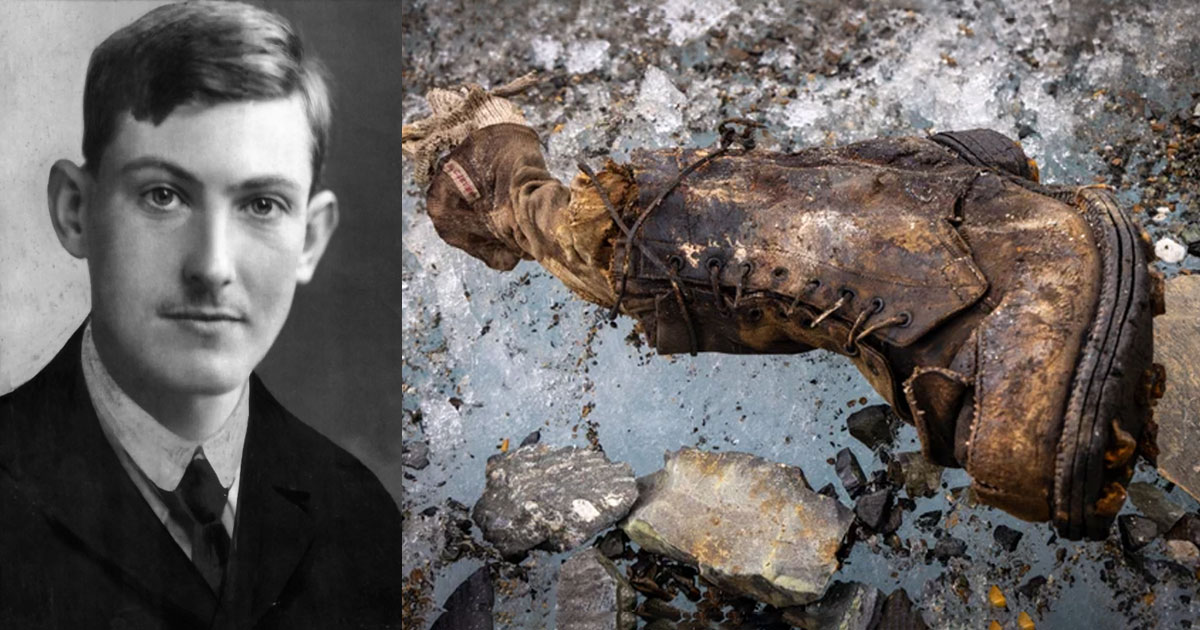
There’s a pretty common saying on Everest, “Even a perfectly fit body cannot fight the bad weather”. And this has turned true in case of top-notch climbers like Georgy Mallory, Andy Ervine, Rob Hall, Scott Fisher, Maurice Wilson and so on. Sudden storms, jet streams, accelerate wind speed etc. have killed many and often compelled those nearing the summit to return back unsuccessful.
Physical Ability and Training of Summiteer
There is no chance of climbing Everest effortlessly without a strong physical built up and a good training. Climbers train their cardiovascular system to adapt to extremities of Everest by training in a simulated atmosphere. They create hypoxic environment and practice staged expeditions to maintain their physical agility.
There’s a reason behind the law that demands you to show a proof of climbing at least one 7000 meter peak before ascending Everest.
Disasters
Disasters like avalanches, earthquake and snow storms are inevitable on the higher altitudes of Everest. And if you get stuck at any of these unfortunate incidents, not only will you be unable to summit Everest, even your survival will be at risk.

Besides altitude sickness, avalanches are the another culprit that have caused the death of many alpinists on Everest.
Be Aware and Plan Well
It is pretty evident that climbing Everest without oxygen is a fatal challenging to many but not all. A bunch of seasoned expedites climb Everest several times and that also without supplemental oxygen. And this oxygen less ascent has become a very common trend among the climbers who have conquered Everest several times.
While it sounds heroic after one has successfully summited Everest, this daring act has a consequences and challenges of its own. From the chances of catching altitude sickness to reducing the chance of survival in case a disaster hits are some of the risk of climbing Everest without using oxygen. So, it if you are planning to pull off this stunt, beware of the risks and train well to be succeed and share your story rather than to just be a landmark or another glorifying story of Everest.
Gear up and conquer the mighty Everest!
FAQs
Expand AllCan you climb Mount Everest without oxygen?
Yes, a seasoned climber with enough experience of low oxygen scenario can climb Mount Everest without oxygen but it is a very challenging journey.
What happens to your body at high altitude on Everest?
When the atmospheric pressure reduces, it also lessens the concentration of oxygen that reaches your lungs for efficient breathing and in bloodstream. It causes rise in heart rate and breathing and aerobic efficiency dramatically falls causing development of acute sickness that eventually leads to accumulation of fluid in lungs and brain if not treated right away.
How many people have climbed Everest without supplemental oxygen?
Approximately, around 240 people have climbed Everest without supplemental oxygen. This is about 1.7% of all successful climbs of Everest.
Why do climbers need oxygen on Mount Everest?
Climbers need oxygen because the air on Everest is very thin. At the summit, there’s only about one-third of the oxygen available compared to sea level, so oxygen is used to prevent dangerous conditions like hypoxia (lack of oxygen), which can lead to death.
What is the death zone on Everest and why is it deadly?
The death zone is the area above 8,000 meters (26,247 feet) where oxygen levels are too low for the body to survive for long. In this zone, climbers face a higher risk of fatal conditions like brain swelling (HACE) and lung swelling (HAPE).
Can you acclimatize to climb Everest without oxygen?
You can partly acclimatize, meaning your body can get better at handling lower oxygen, but even the best acclimatization can’t fully prepare you for Everest’s extreme conditions without oxygen. Most climbers still need oxygen to survive at the summit.
How does high altitude affect the human brain?
At high altitudes, the brain doesn’t get enough oxygen, which can cause confusion, poor judgment, dizziness, and even loss of consciousness. This is why staying in the death zone for too long is so dangerous.
What are the risks of climbing Everest without oxygen?
Climbing without oxygen increases the risk of fatal hypoxia, brain swelling (HACE), lung swelling (HAPE), and exhaustion. Without oxygen, climbers face much higher chances of accidents, and many climbers who attempt this die on their descent.
Who was the first person to climb Everest without supplementary oxygen?
The first people to climb Everest without oxygen were Reinhold Messner and Peter Habeler in 1978. It was a groundbreaking achievement in mountaineering.
How do climbers survive the death zone on Everest?
Climbers survive by moving quickly, staying hydrated, and carefully timing their summit attempt during stable weather. Those who summit without oxygen rely on extreme physical training, acclimatization, and sometimes mental toughness to survive.
Related blog posts
Discover a choice of tourist destinations loved by most of our visitors. Whether you're on a jungle safari to spot rare animals or walking through a world heritage site, these well-planned itineraries cover the major highlights of Nepal.
 call an expert at: