
5 Best Destinations for Canyoning in Nepal
 Sujata Pokhrel
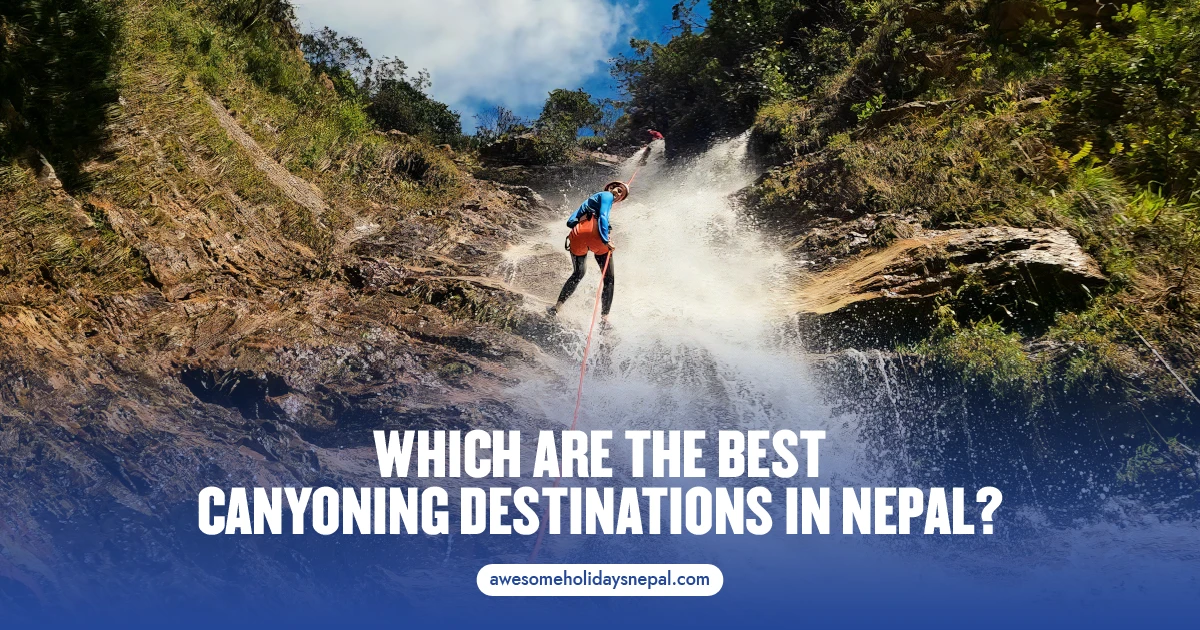
Have you ever tried canyoning in Nepal? If not, then it is a sign for you to book this adventure in the Himalayan country.
Beyond the famous trekking trails and Himalayan summits lies a different kind of thrill, one where you descend waterfalls, slide through sculpted rock chutes, and leap into emerald pools hidden inside deep gorges. Nepal’s rugged landscape, fed by snowmelt and monsoon rains, creates the perfect natural playground for canyoning.
If you are looking for something that blends adrenaline with raw Himalayan scenery, canyoning might just be your next unforgettable experience.
Let’s get through the blog to find the best destinations for canyoning in Nepal.
Overview of Canyoning in Nepal
Canyoning (also known as canyoneering) is an adventure sport that involves descending through narrow river gorges using a mix of techniques rappelling down waterfalls, jumping into natural plunge pools, sliding along smooth rock formations, and swimming through canyon corridors.
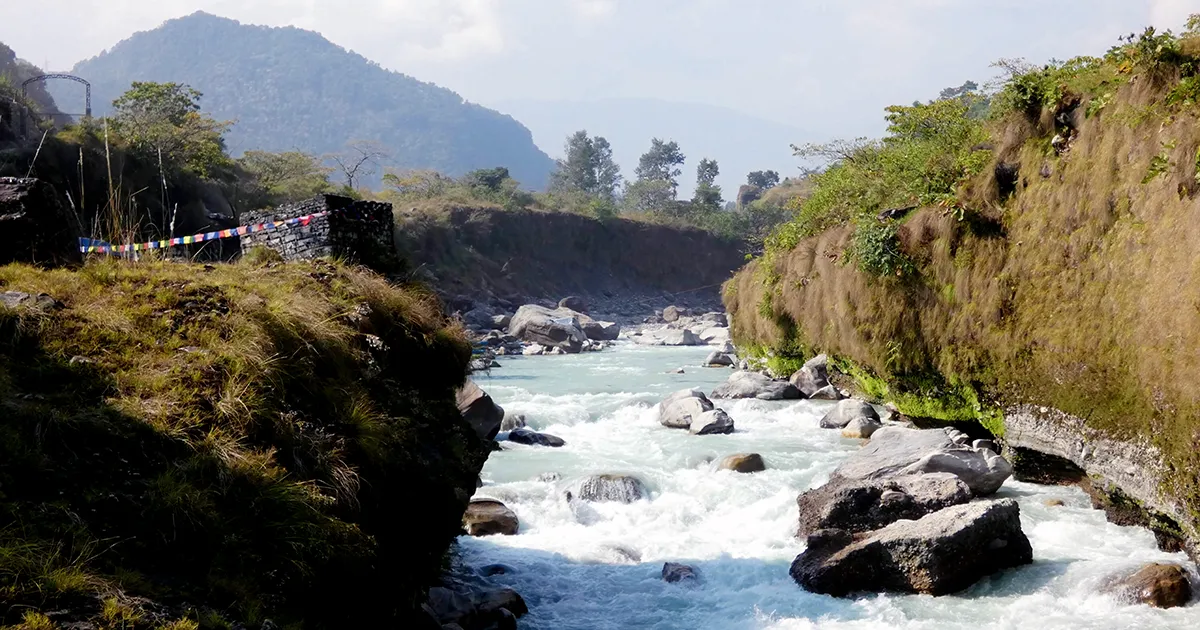
Nepal’s dramatic topography makes it exceptionally suitable for this activity. Fast-flowing rivers carve steep canyons through hills and mountains, forming natural vertical drops and sculpted rock faces ideal for controlled descents.
What makes canyoning in Nepal special is the setting. You’re not just chasing thrills; you’re surrounded by terraced hillsides, dense forests, remote villages, and, in some places, distant Himalayan views. The experience feels wild yet accessible professionally guided and equipped with safety gear such as helmets, harnesses, ropes, wetsuits, and descenders.
Best Seasons for Canyoning in Nepal
Timing plays a very important role in canyoning. The best seasons are generally spring and autumn, when the weather is stable and water levels are ideal.
In spring, from March to May, temperatures are comfortable and the rivers are lively without being overwhelming. Autumn, from September to November, offers clear skies and steady water flow after the monsoon has passed.
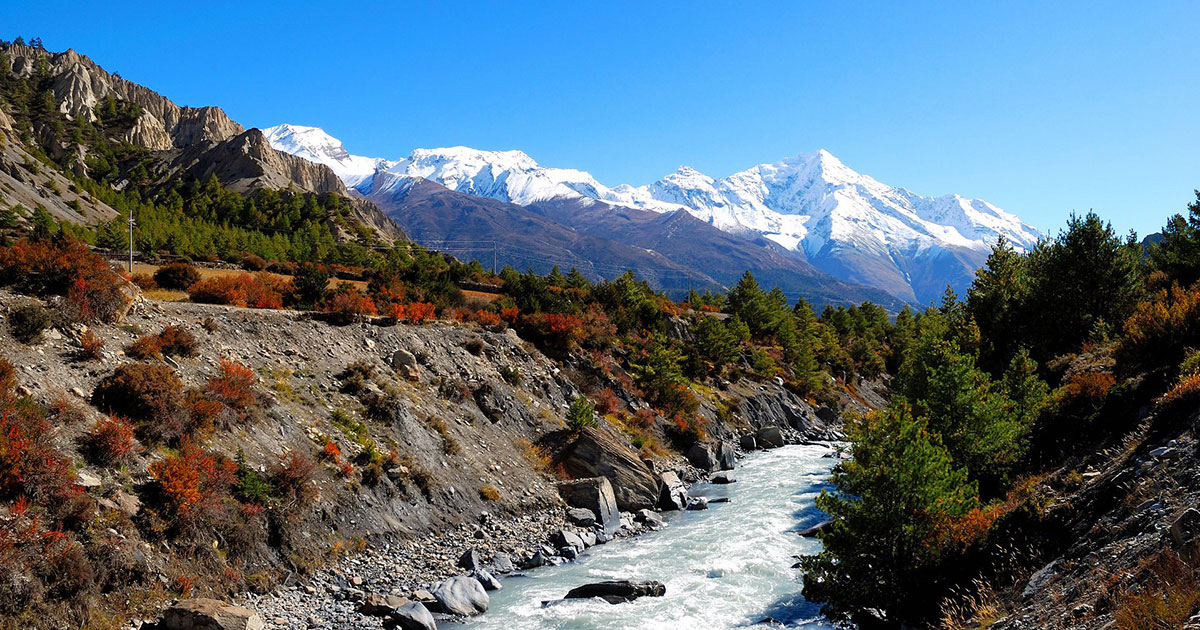
During the monsoon months, heavy rainfall can increase river volume significantly, which may lead to temporary route closures for safety reasons.
Winter canyoning is still possible in some places, but the water can be cold despite wearing wetsuits. For most visitors, planning a trip in spring or autumn ensures the most balanced and enjoyable experience.
Best Canyoning Destinations in Nepal
Nepal offers several canyoning destinations, each offering a slightly different atmosphere and level of challenge. Some are ideal for beginners looking for their first descent, while others are designed for those seeking a more technical adventure.
1. Pokhara- The Ultimate Adventure Destination
Pokhara is often called Nepal’s adventure capital, and for good reason. With paragliding, ziplining, ultralight flights, and trekking routes nearby, canyoning fits naturally into its outdoor portfolio.
Canyoning around Pokhara typically involves short hikes to reach hidden waterfalls, followed by multiple controlled rappels and natural slides. The pools are crystal clear, and the surrounding forest creates a peaceful atmosphere between adrenaline bursts.
This destination is ideal for first-timers, couples or small groups, and for travelers who want a half-day or full-day adventure while exploring Pokhara. The accessibility and scenic beauty make Pokhara one of the most balanced canyoning experiences in Nepal.
2. Bhotekoshi
If you crave intensity, Bhotekoshi delivers!
Located near the Nepal–Tibet border, the Bhote Koshi region is famous for white-water rafting and bungee jumping. Its canyoning routes are more technical, featuring higher waterfall drops and stronger water flow.
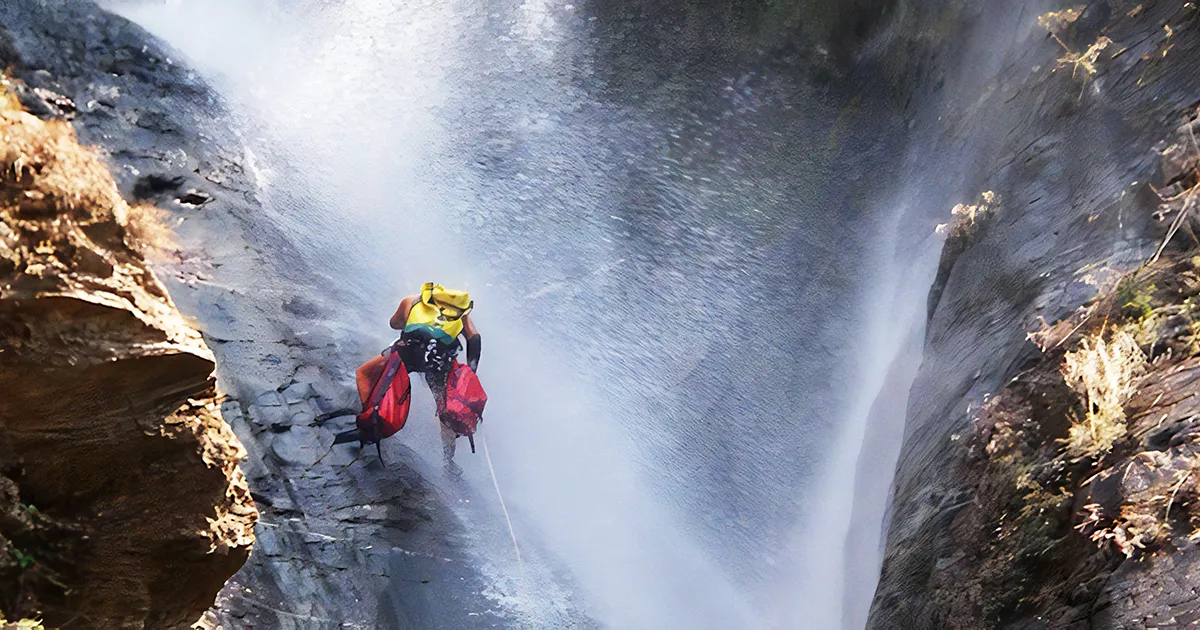
This destination is best suited for experienced adventurers, thrill-seekers, and for those looking for a more physically demanding challenge. The terrain here feels raw and powerful. It’s less about leisure and more about pushing boundaries in a controlled, guided environment.
3. Jalbire Waterfall
Jalbire is one of the most popular canyoning spots for beginners and groups.
Conveniently located along the highway between Kathmandu and Chitwan, it offers multiple waterfall descents, natural rock slides, and jump points. The highest rappels are exciting but manageable, making it ideal for those trying canyoning for the first time.
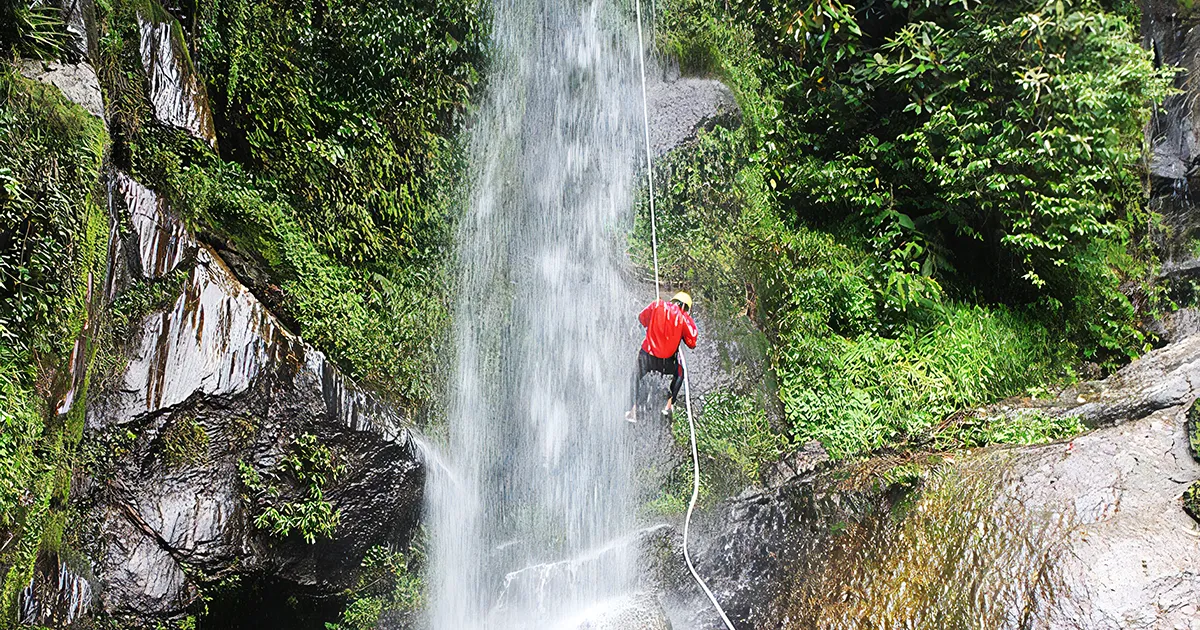
The descents are thrilling yet comfortable enough for those who may feel nervous at first. It provides a well-rounded introduction to canyoning in a scenic and supportive environment.
4. Panglang
Panglang is quieter and less commercial, offering a more off-the-beaten-path experience.
Surrounded by forest and traditional villages, the canyon here feels remote and untouched. The rappels are scenic and immersive, with a strong connection to the surrounding landscape.
It is best suited destination for nature lovers as well as the travelers who seek fewer crowds and the ones enjoying community-based travel experiences. If you value serenity alongside adventure, Panglang offers a refreshing alternative.
5. Charaundi River- Nearest from Capital
Charaundi is one of the most convenient canyoning locations from Kathmandu, making it perfect for weekend adventures. The river area is already known for rafting, and canyoning here includes moderate waterfall descents and rock formations shaped by continuous river flow.
Its proximity to the capital makes it popular for weekend escapes. Travelers who have limited time can still experience the thrill of canyoning without committing to longer travel plans. Despite its accessibility, the canyon retains a sense of natural charm.
Which is the Best Destination of All?
Choosing the best destination depends largely on personal preference. If you value convenience and a balanced adventure, Pokhara stands out. If you are drawn to stronger currents and steeper descents, Bhote Koshi may feel more rewarding. Jalbire offers an excellent introduction, Panglang provides serenity, and Charaundi delivers convenience.
There is no single answer because canyoning in Nepal adapts to different comfort levels and travel styles.
Is Canyoning Safer in Nepal?
Canyoning in Nepal is generally safe when organized through reputable operators. Guides are trained to manage rope systems, assess water conditions, and provide step-by-step instructions. Equipment is routinely checked, and participants are closely supervised during each descent.
Safety decisions are influenced by weather and water flow. If conditions are not favorable, trips are postponed. This cautious approach ensures that adventure does not compromise well-being. For participants who follow instructions carefully, canyoning becomes both thrilling and secure.
Packing for Canyoning
Although operators provide technical equipment, participants should bring practical clothing. Quick-drying outfits, sturdy footwear with good grip, and a change of clothes are essential.
A towel and light snacks are useful for after the activity. Keeping belongings minimal allows you to focus entirely on the experience without unnecessary distraction
Budget for Canyoning
One of the advantages of canyoning in Nepal is affordability. Compared to many international destinations, guided canyoning trips here are reasonably priced.
Costs usually cover professional guides, safety equipment, and sometimes transportation and meals. Prices vary depending on location and group size, but overall, Nepal offers a cost-effective way to experience high-quality adventure sports.
More Than Just an Adrenaline Rush
Canyoning in Nepal is more than just an adrenaline rush. It’s an experience of descending through nature’s architecture waterfalls carved over centuries, hidden pools glowing under sunlight, and rock formations shaped by Himalayan rivers.
While trekking often takes center stage in Nepal’s tourism story, canyoning offers a fresh, dynamic perspective of the country’s wild terrain. From the accessible routes near Kathmandu to the intense descents of Bhotekoshi, there’s an option for every kind of adventurer.
If you haven’t tried canyoning yet, perhaps this is your moment. The waterfalls are waiting and Nepal’s rugged gorges promise an adventure you won’t soon forget.
FAQs
Expand AllWhat is canyoning?
Canyoning is an adventure activity that involves traveling through narrow river gorges using techniques such as rappelling down waterfalls, sliding over smooth rock formations, jumping into deep pools, and swimming through canyon corridors.
Is canyoning the same as waterfall rappelling?
Not exactly! Waterfall rappelling is one part of canyoning. Canyoning is broader and includes multiple techniques like walking, scrambling, sliding, swimming, and jumping in addition to descending waterfalls with ropes.
Where can you do canyoning in Nepal?
Canyoning is available in several regions of Nepal, particularly in areas with steep river gorges and consistent water flow. Popular locations include Pokhara, Bhotekoshi, Jalbire, Panglang, and Charaundi.
What are the best-known canyoning spots listed by Nepal Tourism Board?
The Nepal Tourism Board commonly promotes destinations such as Pokhara, Bhote Koshi River, Jalbire Waterfall, and Charaundi River as recognized canyoning or adventure tourism hubs.
Is Jalbire a canyoning destination in Nepal?
Yes, Jalbire is one of the most popular and beginner-friendly canyoning spots in Nepal, known for its accessible location and structured waterfall descents.
Is Pokhara a base for canyoning in Nepal?
Yes, Pokhara serves as a major base for canyoning, with several nearby waterfalls and adventure operators offering half-day and full-day trips.
Is Bhotekoshi a canyoning option in Nepal?
Yes, the Bhote Koshi region offers more technical and adrenaline-focused canyoning experiences, often suited for those seeking a stronger challenge.
Is Panglang listed as a canyoning location in Nepal?
Yes, Panglang, located in Lamjung District, is recognized as a quieter and less commercial canyoning destination.
Is Charaundi listed as a canyoning location in Nepal?
Yes, Charaundi, near Kathmandu, is known for rafting and canyoning activities and is commonly used for short adventure trips.
Is canyoning popular in summer and monsoon in Nepal?
Canyoning can take place in summer, but during peak monsoon heavy rainfall may increase water levels significantly. Operators often adjust schedules or temporarily close routes if conditions are unsafe.
Is canyoning safe in Nepal for beginners?
Generally, yes! With trained guides, proper safety briefings, and certified equipment, beginners can safely participate. Following instructions carefully is essential.
What are the main safety risks in canyon environments?
Common risks include slippery surfaces, sudden water level changes, falling rocks, and strong currents. Proper supervision and route assessment reduce these risks significantly.
Why are flash floods a key canyoning risk?
Flash floods can rapidly increase water flow inside narrow canyons, making rappelling and swimming dangerous. Because canyon walls are steep, escape routes can be limited.
Can it be dangerous even if it isn’t raining at the canyon?
Yes, rainfall upstream can cause water levels to rise downstream, even if the weather seems clear at the canyon site.
What safety gear is typically used for canyoning?
Standard gear includes a helmet, harness, descender device, secure rope systems, wetsuit, and sometimes gloves and specialized canyon shoes.
Why does gear inspection matter for canyoning harnesses and equipment?
Equipment bears your full body weight during rappels. Regular inspection ensures there are no hidden damages, worn-out stitching, or weakened ropes that could compromise safety.
What is a “buddy check” and why do teams do it before rappels?
A buddy check is when participants inspect each other’s harness attachments, knots, and carabiners before descending. It adds an extra layer of safety by catching small mistakes.
Do I need prior climbing or abseiling experience?
No prior experience is usually required for beginner-friendly routes. Guides provide training and step-by-step instructions before the first descent.
What fitness level is generally expected for canyoning?
A moderate level of fitness is helpful. Participants should be comfortable walking on uneven terrain, swimming short distances, and managing short hikes.
What should I wear for canyoning?
Quick-drying clothing or athletic wear is recommended. Most operators provide wetsuits depending on water temperature.
What footwear is usually recommended for slippery rocks?
Shoes with strong grip and secure fastening are important. Many operators recommend sports shoes with good traction rather than sandals.
What should I bring on the day?
Bring a change of clothes, a towel, drinking water, and possibly a small dry bag for essentials. Specific requirements depend on the operator.
Are canyoning trips usually run as day trips in Nepal?
Yes, most canyoning trips in Nepal are organized as half-day or full-day adventures.
Can canyoning be planned as a multi-day trip in Nepal?
Yes, in combination with rafting, trekking, or camping, canyoning can be part of a multi-day adventure itinerary.
How do I choose between Jalbire vs Pokhara-area canyoning?
Choose Jalbire if you want easy access from Kathmandu and a beginner-friendly setup. Choose Pokhara if you prefer combining canyoning with other adventure activities in a scenic lakeside setting.
How do I choose a canyoning operator?
Look for experienced guides, clear safety protocols, transparent pricing, good reviews, and proper equipment standards. Certification and local reputation also matter.
What questions should I ask about weather decisions and cancellation?
Ask how they monitor upstream weather, what water level thresholds trigger cancellation, and whether you can reschedule or receive a refund if conditions are unsafe.
What affects canyoning trip cost in Nepal?
Location, group size, transportation inclusion, guide experience, and trip duration all influence the cost.
Is canyoning suitable for families?
Some beginner routes may be suitable for families with older children, depending on age restrictions and comfort levels. Always confirm with the operator.
Is canyoning better than rafting for adrenaline?
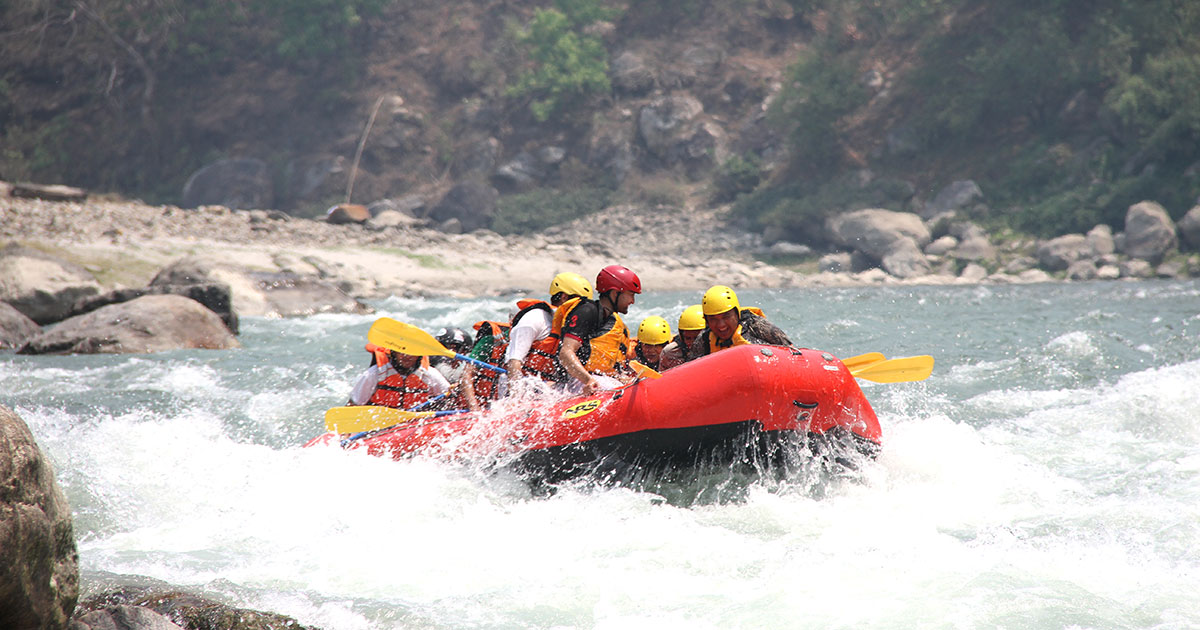
It depends on personal preference. Canyoning often feels more vertical and hands-on, while rafting focuses on navigating rapids as a team.
How is canyoning different from rafting in terms of skills and risk profile?
Canyoning involves rope techniques, individual descents, and navigating confined spaces. Rafting focuses on paddling teamwork in open river rapids.
Can I do canyoning near Kathmandu?
Yes, Charaundi and Jalbire are accessible options within a few hours’ drive from Kathmandu.
Can I do canyoning near Pokhara?
Yes, Pokhara is one of the main bases for canyoning, with several nearby waterfall routes.
What is the role of the Nepal Canyoning Association?
The Nepal Canyoning Association works to promote safe canyoning practices, professional standards, guide training, and responsible development of the sport within Nepal.
Related blog posts
Discover a choice of tourist destinations loved by most of our visitors. Whether you're on a jungle safari to spot rare animals or walking through a world heritage site, these well-planned itineraries cover the major highlights of Nepal.
 call an expert at: