
Can You Climb Mount Everest for Free? No-What “Free” Really Means
 Sujata Pokhrel
Can you climb Mount Everest for free? No, not at all!
Honestly, anyone familiar with mountaineering would rarely ask this question. Climbing Mount Everest, an eight-thousander towering above 8,000 meters, is one of the most demanding and expensive challenges on Earth.
From physical training and technical gear to permits and emergency rescue insurance, every step toward the summit comes with a cost. The only situation where it might feel “free” is when someone else, usually a sponsor, covers those expenses.
Let’s get through the blog to find out the answer to, “Can You Climb Mount Everest for Free?”, and know if it’s true.
Overview of Climbing Everest
Climbing Everest is far more than just a hike to the top of a mountain. It’s a multi-month expedition that tests physical endurance, mental resilience, and logistical planning.
Most climbers approach Everest from Nepal via the South Col route. The journey includes weeks of acclimatization, rotations between camps, and waiting for a narrow weather window to attempt the summit.
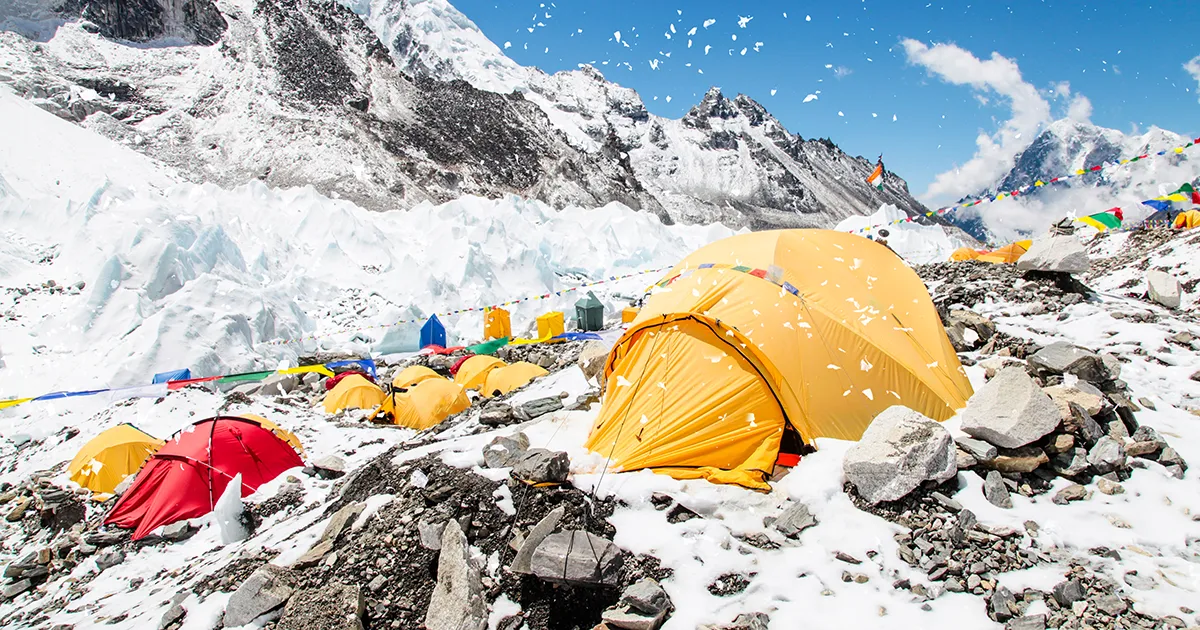
You’re not just paying to climb, you’re paying for survival in one of the harshest environments on Earth.
What It Actually Costs to Climb Everest?
The total cost of climbing Everest typically ranges from $30,000 to over $100,000, depending on the level of support and services you choose. Even the most basic expedition requires significant financial commitment.
Let’s look at where that money goes.
Expedition Costs
The biggest portion of your budget goes to the expedition itself. This includes logistics such as transportation of gear, base camp setup, food supplies, and the team that supports your climb.
A major part of this support comes from experienced high-altitude workers, especially Sherpa climbers, who fix ropes, carry loads, and guide climbers through dangerous sections like the Khumbu Icefall.
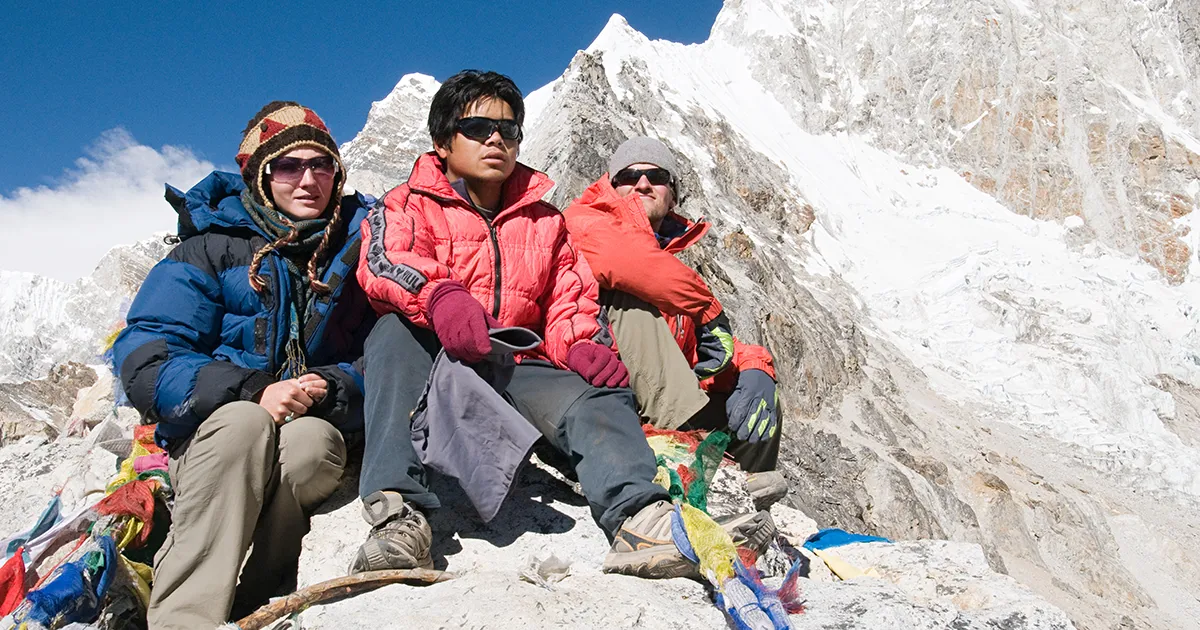
Without this structured support system, climbing Everest would be nearly impossible and extremely dangerous.
Government Permit Fees
Climbing Everest isn’t just about showing up and starting the ascent. You must obtain an official climbing permit from the Nepalese government.
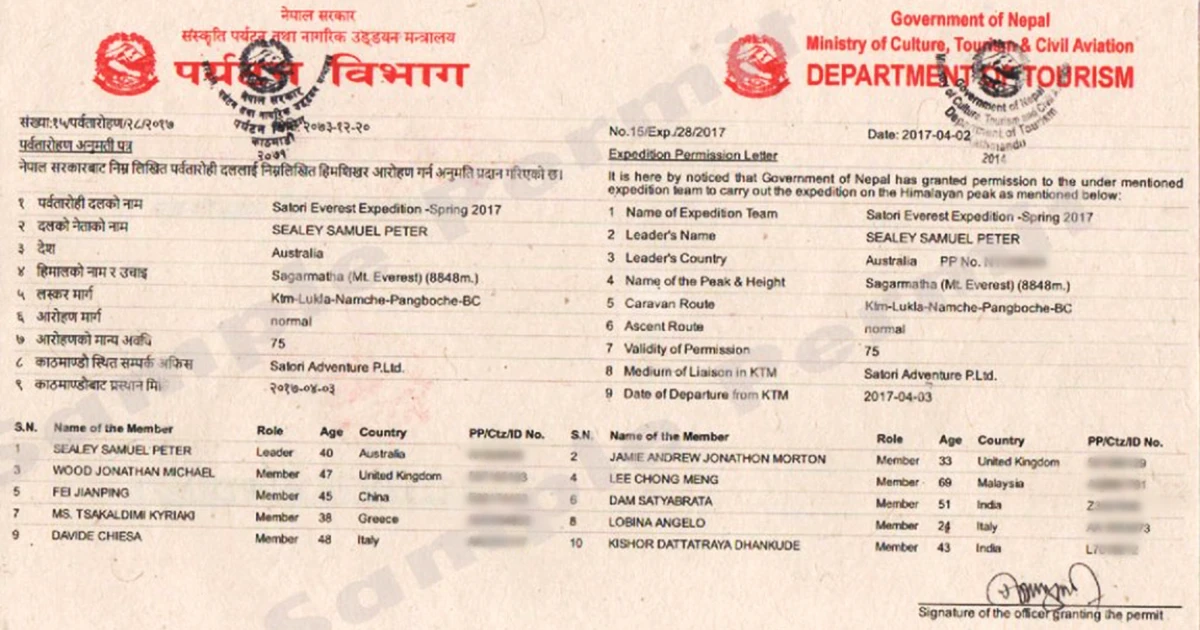
The permit alone costs around $11,000 per person during the peak climbing season. This fee contributes to route management, environmental protection, and regulation of climbers on the mountain.
It’s a fixed cost that every climber must pay, no exceptions.
Gear and Personal Expenses
Everest demands specialized, high-quality gear designed for extreme cold and altitude. This includes insulated suits, high-altitude boots, oxygen systems, sleeping bags, and technical climbing equipment.
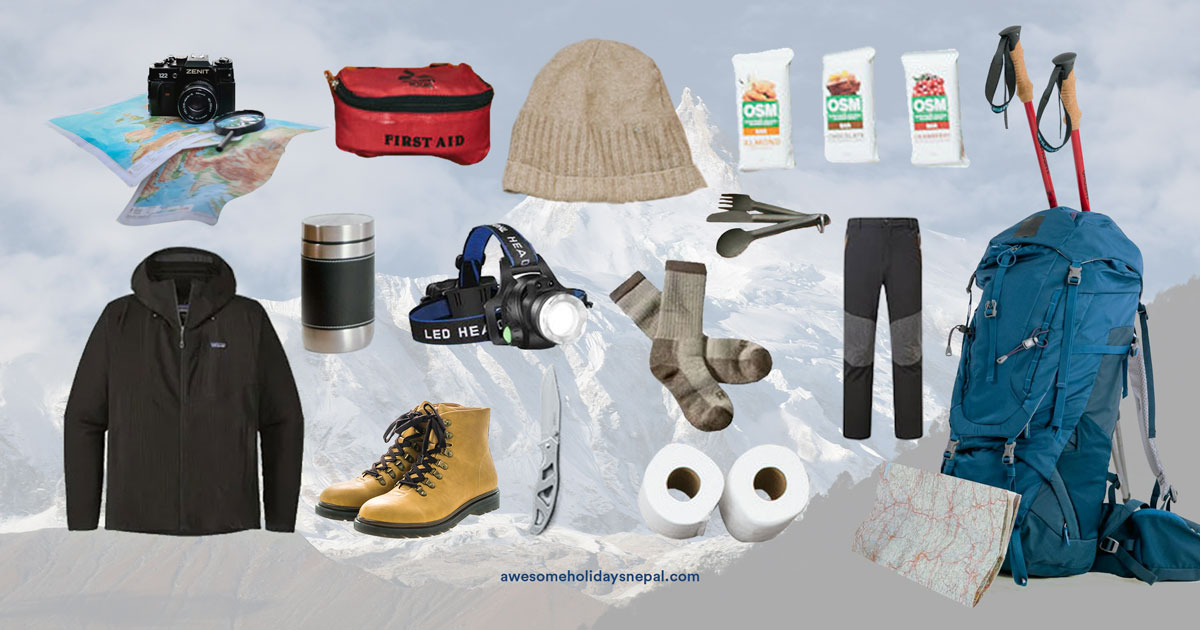
Even if you already own some gear, preparing for Everest often requires additional purchases or upgrades. Personal expenses also include travel, accommodation in Kathmandu, and pre-expedition training.
Trek Insurances and Emergency Evacuation
Climbing at extreme altitude comes with real risks. Altitude sickness, injuries, and unpredictable weather can force climbers to abandon their summit attempt.
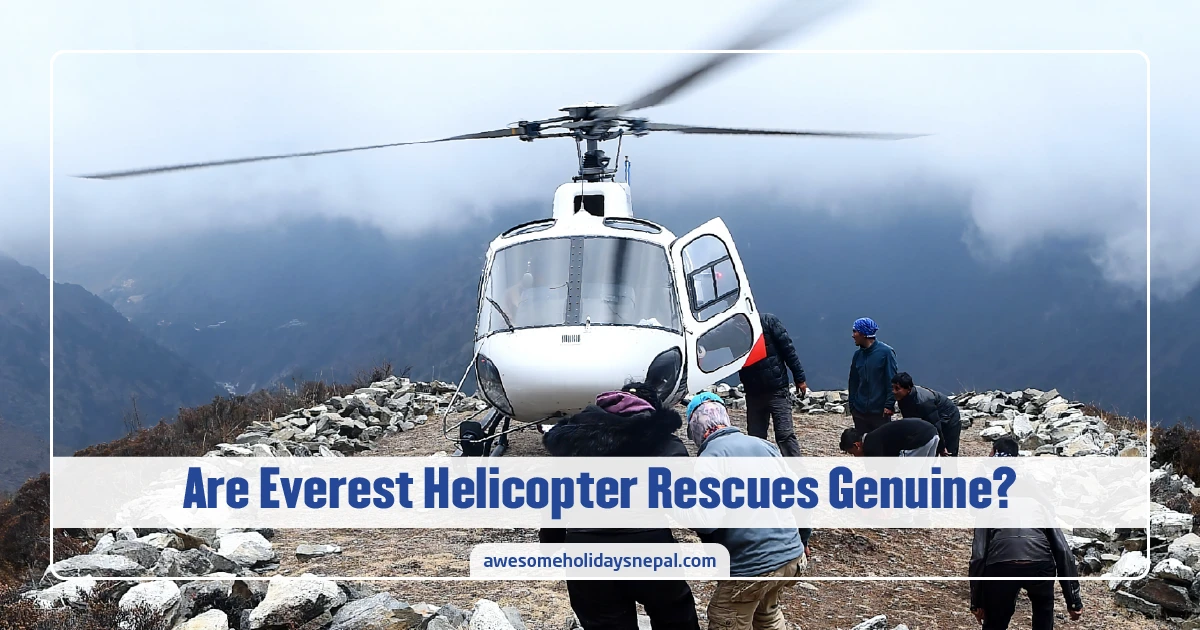
That’s why comprehensive insurance is essential. Policies must cover high-altitude trekking and emergency helicopter evacuation, which can cost thousands of dollars if needed.

This isn’t an optional expense, it’s a critical safety requirement.
Hidden Costs of Climbing Everest
Beyond the obvious expenses, there are several hidden costs that many first-time climbers underestimate.
Tips and bonuses for guides and support staff are customary and often expected. Additional oxygen cylinders, last-minute gear replacements, and extended stays due to weather delays can quickly add up.
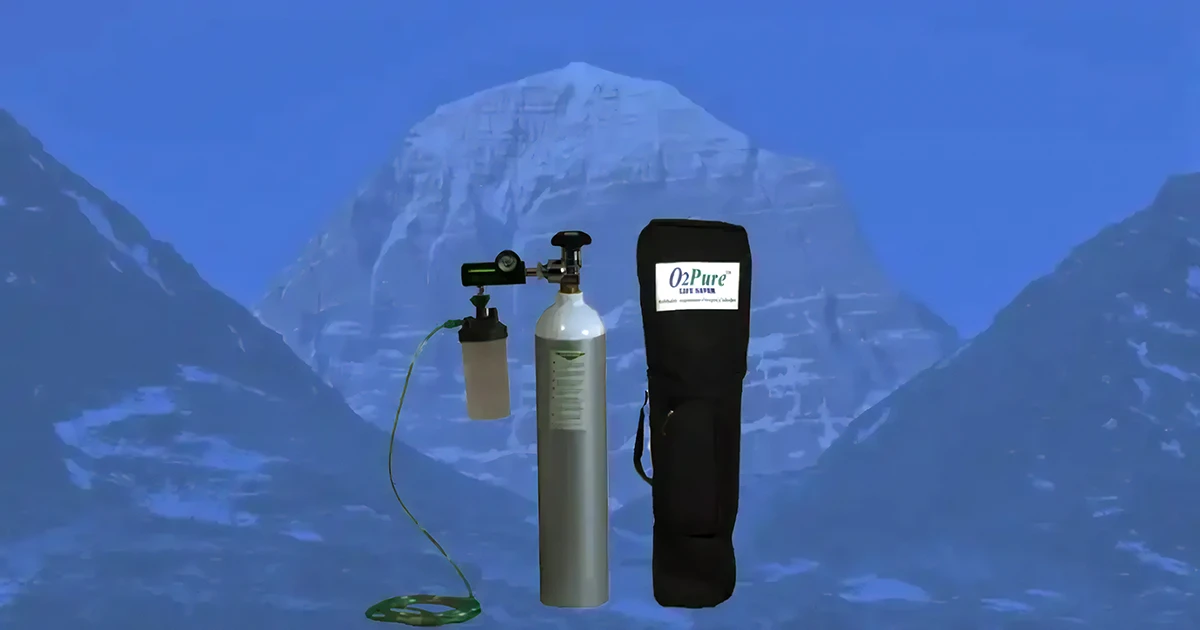
Even small daily costs, when stretched over weeks in remote conditions, become significant.
Can Everest Climbing Ever Be Free?
In practical terms, no Everest climbing is never truly free.
However, there are rare situations where climbers don’t pay out of pocket. This usually happens when they are sponsored, employed, or funded by external organizations.
Even then, the cost still exists. It’s simply being covered by someone else.
Where Does the Idea of Climbing Everest for Free Come From?
The idea of a “free” Everest climb often comes from misunderstood stories or simplified narratives shared online. Every Everest expedition carries significant costs, whether it’s permits, logistics, gear, or safety measures. When someone claims to have climbed for free, it simply means someone else paid for it, through sponsorship, employment, or funding.
In reality, Everest always demands a price. Not just financially, but physically and mentally as well.
Understanding this doesn’t take away from the dream, it grounds it in reality. And for those who choose to take on the challenge, that reality is part of what makes reaching the summit so meaningful.
Let’s look at the most common sources of this misconception.
Climbing Sponsorships
Some climbers secure sponsorships from brands, media companies, or organizations. In exchange for funding, they promote products, document their journey, or represent a cause.
While this may appear “free,” it comes with expectations, obligations, and pressure to perform. Sponsorship is not a giveaway it’s a professional arrangement.
Athletic Competitions
Elite mountaineers or athletes may join expeditions as part of competitive or professional pursuits. In these cases, their expenses are often covered by teams, sponsors, or expedition companies.
Again, the climb isn’t free it’s part of their career.
Can You Climb Mount Everest for Free: Ethical Considerations
The idea of climbing Everest for free also raises important ethical questions.
The mountain relies heavily on the expertise and labor of Sherpas and local workers. Fair wages, proper insurance, and safe working conditions are essential.
Cutting costs or expecting a “free” climb can sometimes come at the expense of those who make these expeditions possible. Responsible climbing means acknowledging and respecting these contributions.
What Climbing Everest for Free Really Mean?
So, can you climb Mount Everest for free? No, not in the true sense of the word.
Every Everest expedition carries significant costs, whether it’s permits, logistics, gear, or safety measures. When someone claims to have climbed for free, it simply means someone else paid for it through sponsorship, employment, or funding.
In reality, Everest always demands a price. Not just financially, but physically and mentally as well.
Understanding this doesn’t take away from the dream, it grounds it in reality. And for those who choose to take on the challenge, that reality is part of what makes reaching the summit so meaningful.
FAQs
Expand AllCan you climb Mount Everest for free?
No, you cannot climb Mount Everest for free. Every climber must pay for permits, logistics, gear, and safety support. Even in cases where climbers don’t pay personally, the cost is still covered by someone else.
Is Mount Everest free to climb for anyone?
No, Everest is not free for anyone. There are mandatory fees and regulations set by the government of Nepal, making it impossible to legally climb without spending money
Is there any legal way to climb Everest without paying?
No, there is no legal way to climb Everest without paying. The required permits and logistical arrangements make some level of cost unavoidable for every climber.
Do you need a permit to climb Mount Everest?
Yes, every climber must obtain an official climbing permit issued by Nepal’s government before attempting Everest.
How much is the Mount Everest permit fee?
The standard permit fee for the south side of Everest is around $11,000 per climber during the main spring season.
Did Nepal increase the Everest permit fee recently?
Yes, Nepal has periodically revised permit fees over time. In recent years, there have been discussions and adjustments, so climbers should always check current rates before planning an expedition.
Are Everest permit fees different by season?
Yes, permit fees vary depending on the season. Spring (the main climbing season) has the highest fees, while autumn and winter permits are usually cheaper but less popular due to harsher conditions.
Is there a separate garbage deposit for Everest expeditions?
Yes, climbers must pay a refundable garbage deposit to encourage proper waste management on the mountain. The deposit is returned if waste disposal rules are followed.
Do climbers also pay park entry fees in the Everest region?
Yes, in addition to the climbing permit, climbers must pay entry fees for the Sagarmatha National Park and local municipality permits.
Why do some people think Everest can be climbed for free?
This idea often comes from stories about sponsored climbers or professionals whose costs are covered, leading people to assume the climb itself is free.
Did Nepal waive climbing fees for some peaks but not Everest?
Yes, Nepal has occasionally waived or reduced permit fees for smaller peaks to promote tourism, but Everest has never been included in such policies.
Does a free peak in Nepal mean Everest is also free?
No, even if some smaller peaks are temporarily free or discounted, Everest remains a premium and tightly regulated mountain with fixed costs.
Can sponsorship make an Everest climb free for the climber?
Yes, sponsorship can cover the climber’s personal expenses, making it feel “free” to them, but the actual costs still exist and are paid by sponsors.
Can a charity fundraiser pay for an Everest expedition?
Yes, some climbers raise funds through charities or crowdfunding. However, the expedition is still being paid for it’s just funded by donors instead of the climber.
Can a brand sponsor someone to climb Everest?
Yes, brands often sponsor climbers in exchange for promotion, media exposure, or storytelling opportunities tied to the expedition.
Who usually pays for an Everest expedition?
Most climbers pay their own way. Others may be funded by sponsors, employers, expedition companies, or fundraising campaigns.
Is “free to me” the same as “free to climb”?
No, these are very different. “Free to me” means someone else is covering the cost, while “free to climb” would mean no cost exists, which is not the case on Everest.
What are the main costs besides the Everest permit?
Major costs include expedition logistics, guides, oxygen, gear, insurance, travel, and support from Sherpa climbers.
Why is climbing Everest so expensive?
It’s expensive because of the extreme environment, the need for specialized support, safety systems, and the large team required to make the climb possible.
What is the cheapest legal way to climb Everest?
The cheapest option is joining a basic expedition with minimal services, but even then, costs are still significant and cutting corners can increase risk.
Can you climb Everest without a guide?
Technically, it is possible for highly experienced climbers, but most expeditions include guides for safety and logistics.
Can you climb Everest solo?
Solo climbs are extremely rare and require exceptional experience. Most climbers rely on teams and support systems.
Are solo Everest expeditions allowed under current rules?
Regulations have tightened in recent years, and Nepal generally requires climbers to be part of organized expeditions, limiting true solo attempts.
Can you climb Everest unsupported?
Unsupported climbs (without Sherpa or oxygen support) are possible but extremely dangerous and attempted only by elite mountaineers.
Does unsupported climbing remove the permit cost?
No, even unsupported climbers must pay the full permit fee and follow all regulations.
Is climbing Everest the same as trekking to Everest Base Camp?
No, trekking to Everest Base Camp is a non-technical hike, while climbing Everest is a high-risk mountaineering expedition.
Do Everest Base Camp trekkers need the same permit as summit climbers?
No, trekkers only need park entry and local permits, not the expensive climbing permit required for summiting.
Is Everest Base Camp a cheaper alternative to summiting Everest?
Yes, trekking to Everest Base Camp is far more affordable and accessible while still offering close views of the mountain.
What hidden costs do first-time Everest climbers often miss?
Many overlook tips for staff, extra oxygen, gear replacements, travel delays, and extended stays due to weather conditions.
What is the most accurate answer to the question, “Can you climb Mount Everest for free?”
No, you cannot climb Everest for free. At best, you can have your climb funded, but the cost is always there, whether you pay it or someone else does.
Related blog posts
Discover a choice of tourist destinations loved by most of our visitors. Whether you're on a jungle safari to spot rare animals or walking through a world heritage site, these well-planned itineraries cover the major highlights of Nepal.
 call an expert at: