
Buddhism in Nepal: A Sacred Journey from the Buddha’s Birth to Modern Revival
 Amrit K. Aryal
Buddhism in Nepal is a deep-rooted spiritual religion that dates back over two millennia. Nepal is the sacred land where Lord Buddha was born and where centuries of philosophy, art, architecture, and culture have flourished.
This is the exact reason why Nepal holds a unique religious tolerance with the confluence of Theravada, Mahayana, and Vajrayana schools of thought.
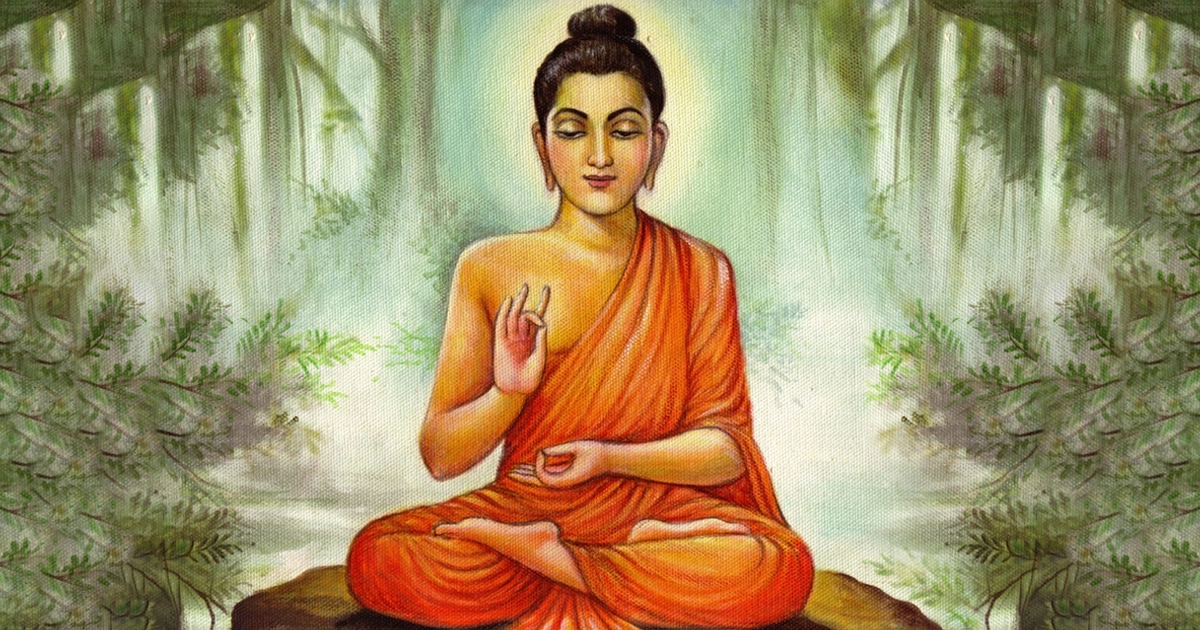
Nepal’s Buddhist heritage is rich, diverse, and ever-evolving. Buddhism in Nepal is more than a religion; it is a timeless tradition rooted in the soil cradled by the Himalayas. From Lumbini, where the Buddha was born, to the majestic stupas of Kathmandu, Buddhism in Nepal reflects a harmonious blend of ancient wisdom, ritualistic richness, and evolving practice.
Let’s explore how Buddhism in Nepal originated, flourished, and continues to shape the cultural and spiritual identity from ancient times to the present day.
Note: Follow this link to learn more about different religions in Nepal.
Buddhism originated in Nepal: The Birthplace of the Buddha
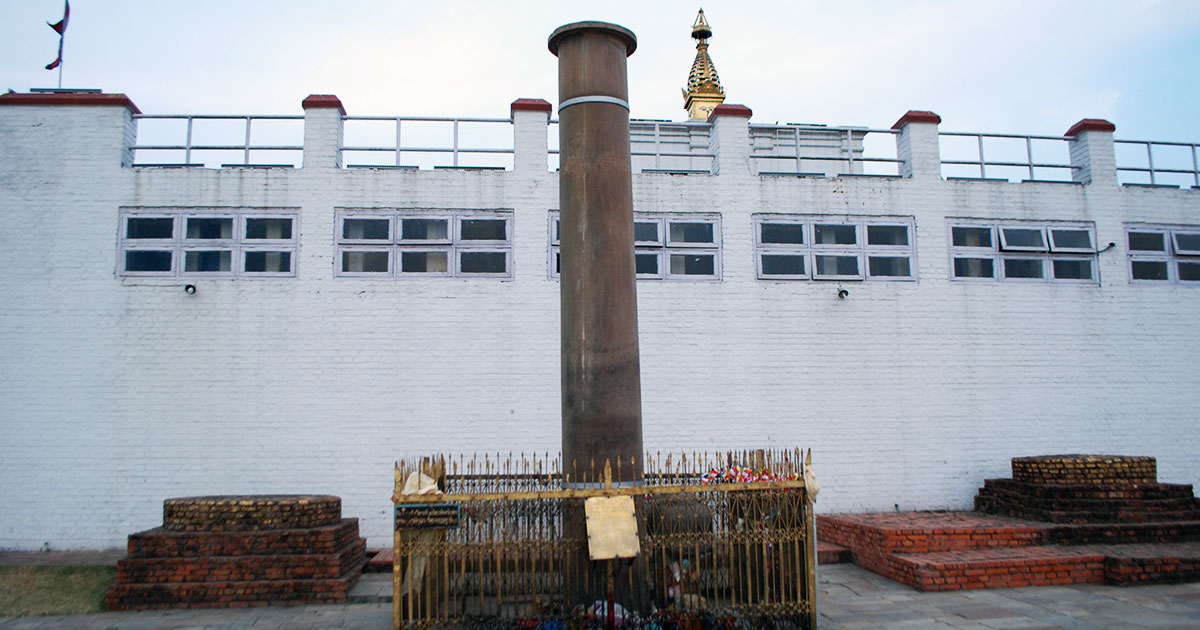
Gautam Buddha was born as Prince Siddhartha in the royal Shakya clan in Lumbini around 563 BCE. His birthplace is preserved within the Maya Devi Temple, where Emperor Ashoka erected an Ashoka Pillar in 249 BCE to tell the world that Buddhism originated in Nepal. The lost kingdom was later rediscovered by General Khadga Sumsher J.B. Rana and Dr. Fuhrer of the Archaeological Survey of India in 1895.
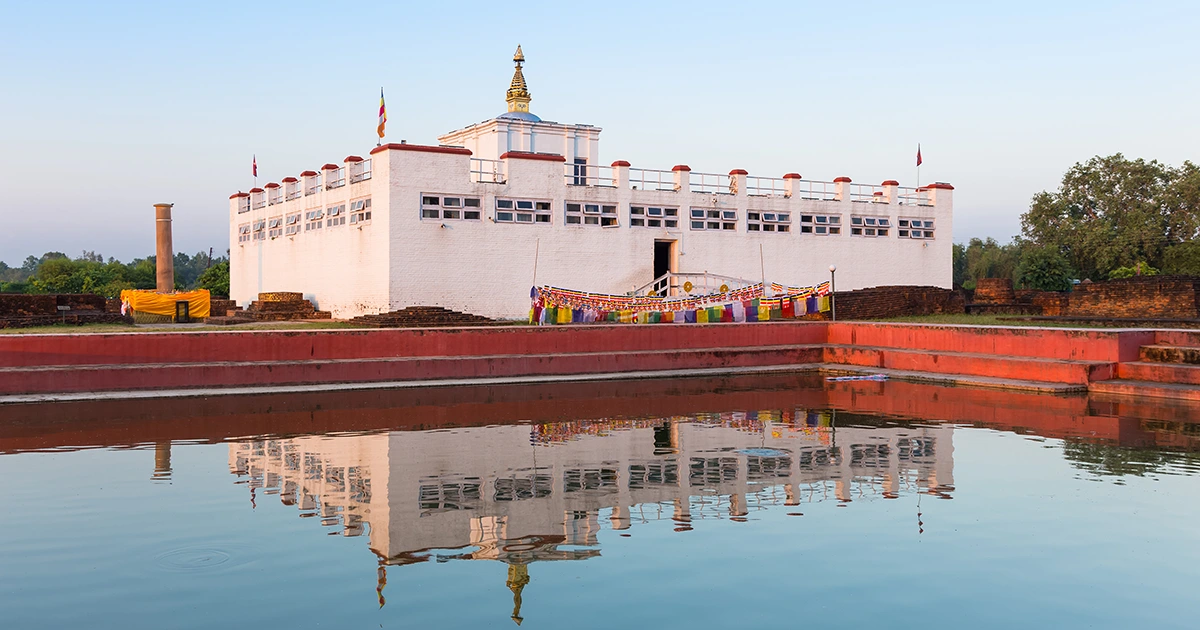
The Lumbini is now a part of the great Buddhist Trail and includes other nearby sacred sites. Some of the important sites of the greater Lumbini Trail are
- Gotihawa: This village in the south is linked to Krakuchanda Buddha.
- Niglihawa: A small village, linked to Kanakamuni Buddha
- Tilaurakot: The ancient kingdom of the Sakya Dynasty, where Siddhartha Gautam spent his 29 years before leaving the kingdom in search of Nirvana.
- Kudan: The Nigrodharam monastery where Buddha met his family.
- Araurakot: This is the place that is said to be the home of Kanakamuni Buddha.
Lumbini has been listed as a UNESCO World Heritage Site since 1997, representing an outstanding universal value in terms of religious importance, culture, spirituality, and archaeology. Lumbini now attracts thousands of pilgrims annually.
The Rich History and Spread of Ancient Buddhism in Nepal
The history of Buddhism in Nepal goes back to the birth of Gautam Buddha (563-483 BCE) in Lumbini, Nepal. He spread his teachings throughout the plains of Terai in Nepal and the Maurya kingdoms. According to the Tripitaka, Gautam Buddha himself visited his family and converted them into Buddhists at a place called Kudaan. After his death at the age of 85 years, the first Buddhist Council occurred in 486 BCE. The great emperor Asoka converted himself into a Buddhist and spread Buddhism from India in 258 BCE. The great emperor Ashoka of the Maurya dynasty visited Nepal and constructed the Ashoka pillar to mark his visit as a devotee in Lumbini. After the Third Buddhist Council in Pataliputra, Emperor Ashoka sent missionaries to the north, including Nepal. The members of the Shakya clan later migrated to the Kathmandu Valley, where they contributed to the flourishing of Buddhism in the valley and the northern belt of the Himalayan region. The Kirats were among the earliest followers of Buddhism in Nepal, which was later followed by the Licchavi Kings and the Malla Newars of Kathmandu Valley.
The four Ashokan stupas (Thurs) in Patan, the Charumati Bihar in Chabahil, and other archaeological relics confirm the flourishing of Buddhism in this era.
Manjushri and the Mythical Origins of the Valley
According to the Swayambhu Purana, the Bodhisattva Manjushri came from China to witness the five colors of the Swayambhu. He drained the water from the lake that once covered the Kathmandu Valley and made the valley inhabitable. He then taught tantra and Buddhism to the people, made Dharmapal the king of the valley, and returned to China. This event marks the mythical origin of the sacred valley, transforming it into a spiritual hub. One can witness the mystic gorge of Chobhar.
Vajrayāna and Newar Buddhism: A Tantric Evolution
The ancient Newars of Kathmandu Valley practiced the Tantra along with the original Theravada and developed the unique form of Vajrayāna. Newar Buddhism in Nepal has incorporated elements of Theravāda, Tantra, and local rituals.
The oldest living Vajrayāna traditions predating Tibetan Buddhism have made some artistic and architectural contributions, including the development of Paubha paintings and the Ranjana and Lantsa scripts used in Mahāyāna texts. Grand festivals like Rato Machhindranath Jatra, honoring Avalokiteshvara, were initiated during the kingship of Narendra Dev in the Lichchhavi era.
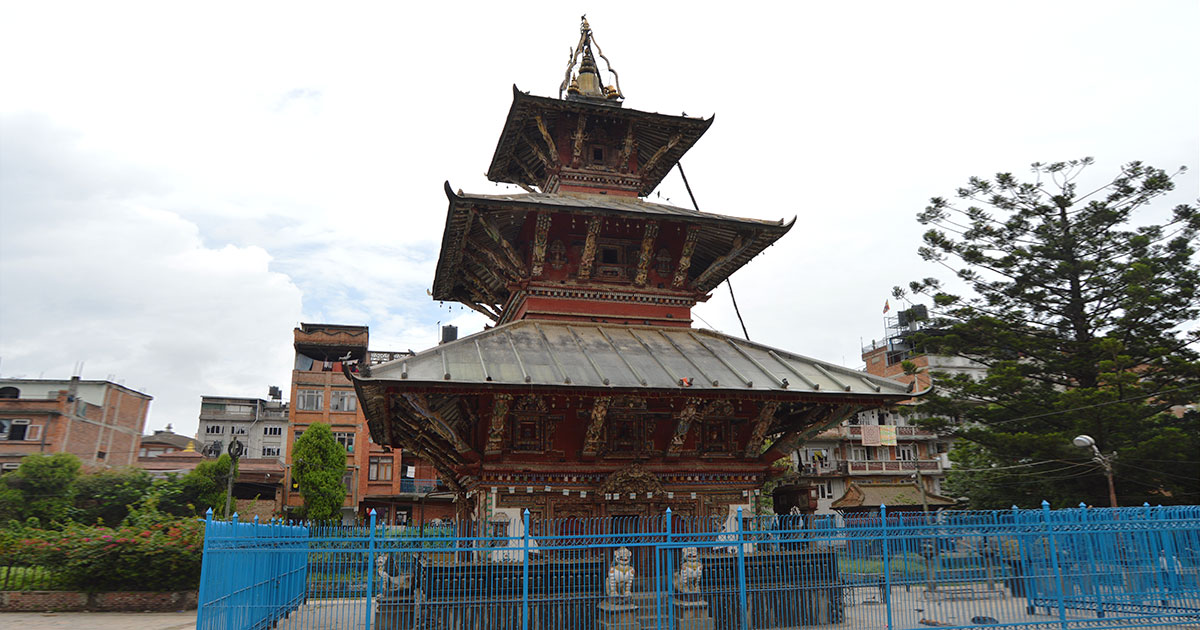
Princess Bhrikuti, daughter of King Amshuverma, also played a significant role in spreading and developing Buddhism in Tibet. The Tibetan Buddhist architecture has a deep influence on the art of Nepalese artists and sculptors like Araniko.
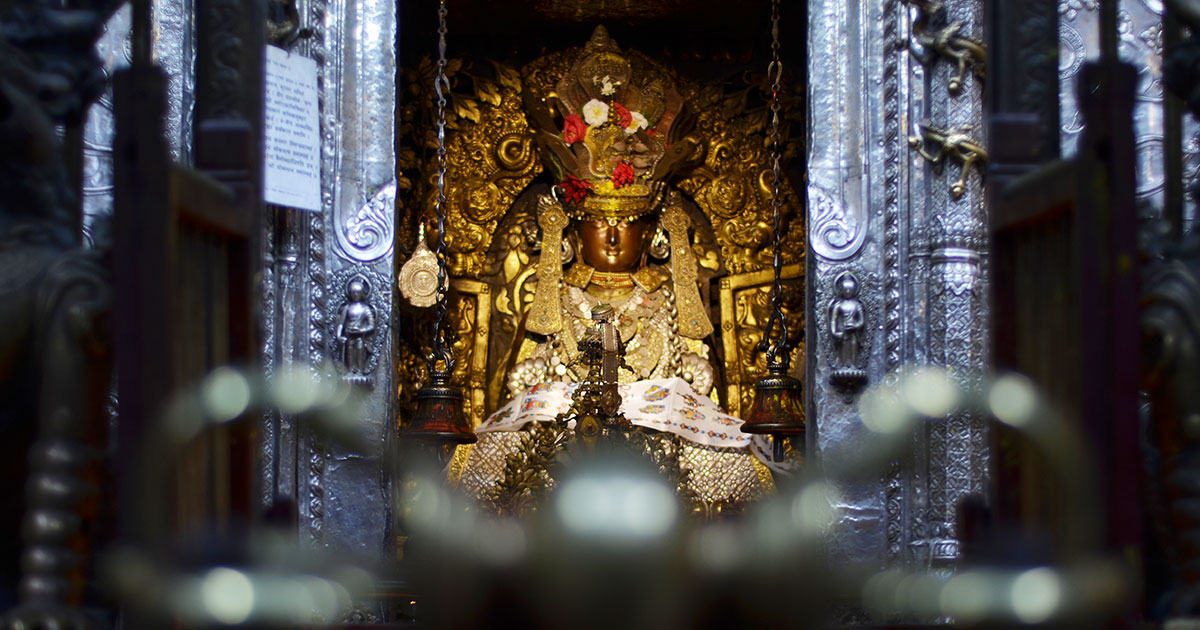
Temples like Hiranya Varna Mahavihar (Golden Temple) and Rudra Varna Mahavihar of Patan preserve this vibrant tradition to date.
Theravada Buddhism in Nepal: Suppression and Revival
Theravada Buddhism disappeared during the Malla period due to the banning of celibate monks. During the reign of Jayasthiti Malla, the Manawa Dharmasastra was implemented, which supported the ban on monks in Nepal. However, the Rana regime (1846–1951) attempted to suppress this resurgence:
Similarly, in 1926 and 1944, many monks like Mahapragya, Mahaviryya, Mahachandra, Pragyananda, Pragyarashmi, Pragyarasa, Ratnajyoti, and Kumar Kashyap were exiled from the land for promoting Theravāda practices and using the Nepal Bhasa language. These monks fled to India, Tibet, Burma, and Sri Lanka, where they founded the Dharmodaya Sabha to promote Buddhist education and reform.
Thanks to diplomatic efforts from Sri Lanka, the ban was lifted in 1946, and the monks returned. After the fall of the Rana regime in 1951, Theravāda Buddhism in Nepal was officially recognized and revived in the early 20th century.
Tibetan Buddhism in Nepal: A Post-Exile Renaissance
The 1959 Tibetan Rebellion led to a massive incursion of Tibetan refugees into Nepal. They made their settlements around the Himalayan region. Bouddhanath Stupa or the Khasti Chaitya, being a religious hub for Buddhists, Tibetans made their hub around Boudhanath Stupa and brought rich Vajrayāna Tibetan traditions with them.
They established some monasteries, like Kopan Monastery, Thrangu Tashi Yangtse Monastery, and Shechen Monastery, as key centers of learning.
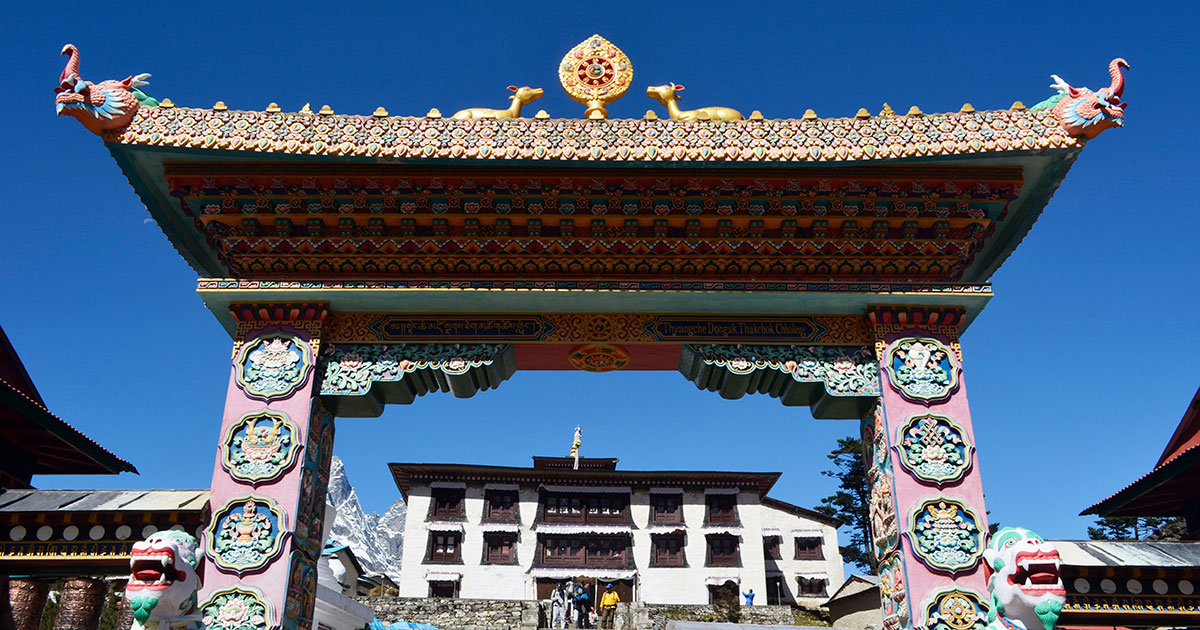
Today, Tibetan Buddhism is dominant in northern Nepal, especially among Sherpas, Thakalis, Manangis, Lhomis, Dolpas, and Nyimbas.
Study Buddhism in Nepal: A Transformative Journey
Since the ancient period, Nepal has been established as a pilgrim and spiritual place for practicing tantric and meditative Buddhism. The philosophies of Buddhism have been deeply rooted in the monasteries, chortens, and caves of Nepal.
Nepal, the birthplace and hub of Buddhism, provides formal and informal education on Buddhism. The Central Department of Buddhist Studies has been providing formal academic certificates in Buddhist studies at the bachelor’s and master’s levels.
Festivals, Pilgrimage, and Syncretism
Different festivals and rituals bind the Buddhists together, and pilgrimage forms the heart of community life. Some of the major festivals celebrated by Buddhists are
- Buddha Jayanti: It is celebrated in the month of Baisakh Purnima as the birth, enlightenment, and Mahaparinirvan of Gautam Buddha.
- Gunlā: A sacred month of prayers and processions by Newar Buddhists.
- Samyak Mahādāna: A grand alms-giving festival held every 12 years.
- Lhosar: New Year festival for the Mongolian tribes of Himalayan communities.
- Rath Yatra of Avalokiteshvara (Red Machhindranath Jatra): A spectacular chariot festival shared by Hindus and Buddhists alike.
Must-Visit Buddhist Sites in Nepal
There are 18 ancient vihāras, including Mahabodhi, Golden Temple, and Ashoka Stupas in Patan. Along with the top 10 monasteries to visit in Nepal, other prestigious places to visit in Nepal are
- Lumbini is the birthplace of Siddhartha Gautama Buddha and is a global pilgrimage site, also listed as a UNESCO World Heritage Site.
- Swayambhunath, also popularly known as the Monkey Temple, is an ancient hilltop stupa believed to be self-created in the southwest of Kathmandu Valley.
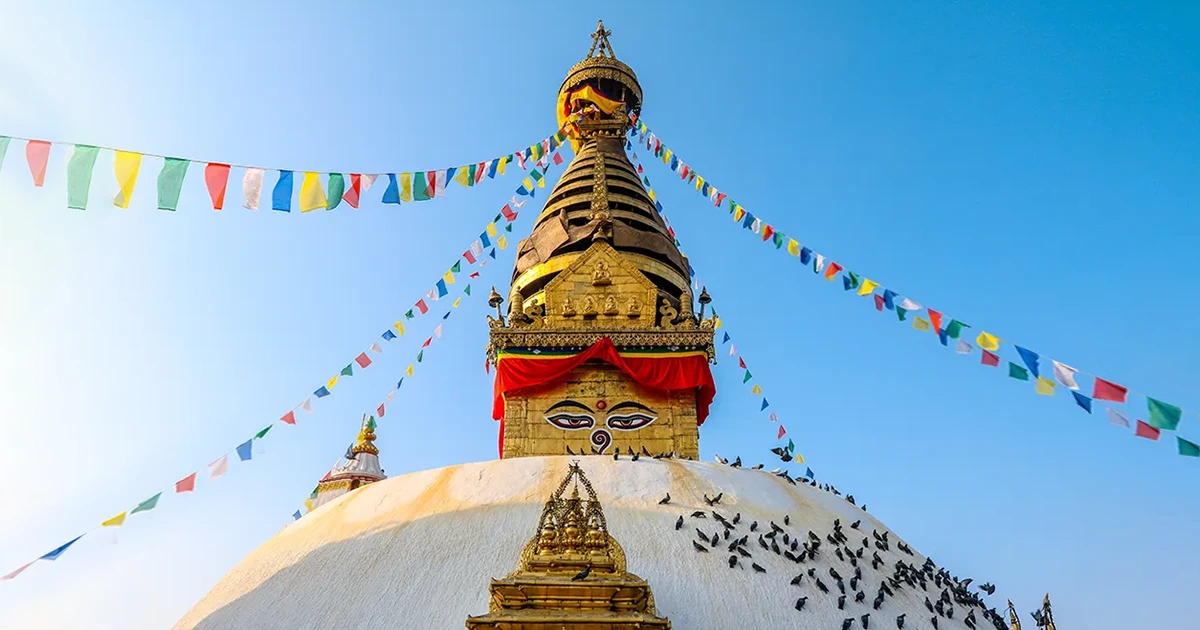
- Boudhanath, also known as Khasti Chaitya in the Tibetan language, is one of the world’s largest stupas and the heart of Tibetan Buddhism in Nepal.
- Charumati Vihara: It is believed that the Vihara was built by Princess Charumati, daughter of the great Emperor Ashoka.
Buddhism in Modern Nepal
Today, Buddhism is practiced by 8.2% of the population, making it the second most important religion in Nepal.
Buddhism in Nepal is mainly practiced among the Tibeto-Burman ethnic groups, including Tamang, Gurung, Sherpa, Thakali, and Newar communities. Despite its minority status, its influence is profound culturally, spiritually, and artistically. Nepal has more than 3,000 monasteries, with new meditation centers and international collaborations fostering a global Buddhist renaissance.
Buddhism: A Living Spiritual Heritage
Buddhism in Nepal is a spiritual journey from the enlightenment of Prince Siddhartha to the sacred chants echoing in Himalayan monasteries today. It is a religion that survived persecution, adapted across cultures, and continues to offer peace and purpose to millions.
Whether you’re a pilgrim walking the sacred path of Lumbini, a seeker meditating in a Kathmandu monastery, or a traveler marveling at the stupas under the Himalayan sky. Nepal offers a spiritual experience unlike any other.
Get to experience the lessons of Buddha!
FAQs
Expand AllHow many people follow Buddhism in Nepal?
About 8.2% of the population in Nepal follows Buddhism in Nepal.
Where was Buddha born?
Buddha was born in Lumbini of Kapilbastu district in Nepal. He is the founder of Buddhism in Nepal.
What type of Buddhism is practiced in Nepal?
Nowadays, there are three types of Buddhism in Nepal: Theravada, Mahayan and Vajrayana Buddhism. Eminent lamas have established monasteries in the Himalayan region, which has become a very important centre for Tibetan Buddhism.
Why did Buddhism decline in Nepal during ?
During the reign of Jayasthiti Malla, after implementation of Manawa dharmasastra, celibate monks were banned from practicing in Nepal. This gave way to the decelibate Newar Buddhism. Because of this, Theravada Buddhism was lost in Nepal.
What are the three categories of Buddhism?
There are three main divisions in Buddhism: Theravada Buddhism, Mahayana Buddhism, and Vajrayana Buddhism.
Which is the first church in Nepal?
The Ram Ghat Church in Pokhara, founded in 1952 by Nepali Christians from India, David and Premi Mukhia, is generally considered the first church in Nepal.
Which is the oldest religion of Nepal?
Hinduism is said to have existed before human civilization. Referred to as the Sanatan Dharma (Eternal religion), introduced by the first rulers it is the oldest religion of Nepal.
Who is the founder of the Buddhist religion?
Siddhartha Gautama, who was born in 563 BCE in Lumbini, is the founder of Buddhism and established Buddhism as an important religion in most of the countries of Asia.
What are the 4 noble truths of the Buddha?
The Four Noble Truths of Buddhism can be summarized as
- suffering exists
- It has a cause.
- It can be ended
- It has a cause to bring about its remedy
What are the Three Jewels of Buddhism?
The Three Jewels in Buddhism are the Buddha, Dharma, and Sangha.
Related blog posts
Discover a choice of tourist destinations loved by most of our visitors. Whether you're on a jungle safari to spot rare animals or walking through a world heritage site, these well-planned itineraries cover the major highlights of Nepal.


 call an expert at: