
Bonpo of Mount Kailash: Unraveling the Pre-Buddhist Mysticism
 Amrit K. Aryal
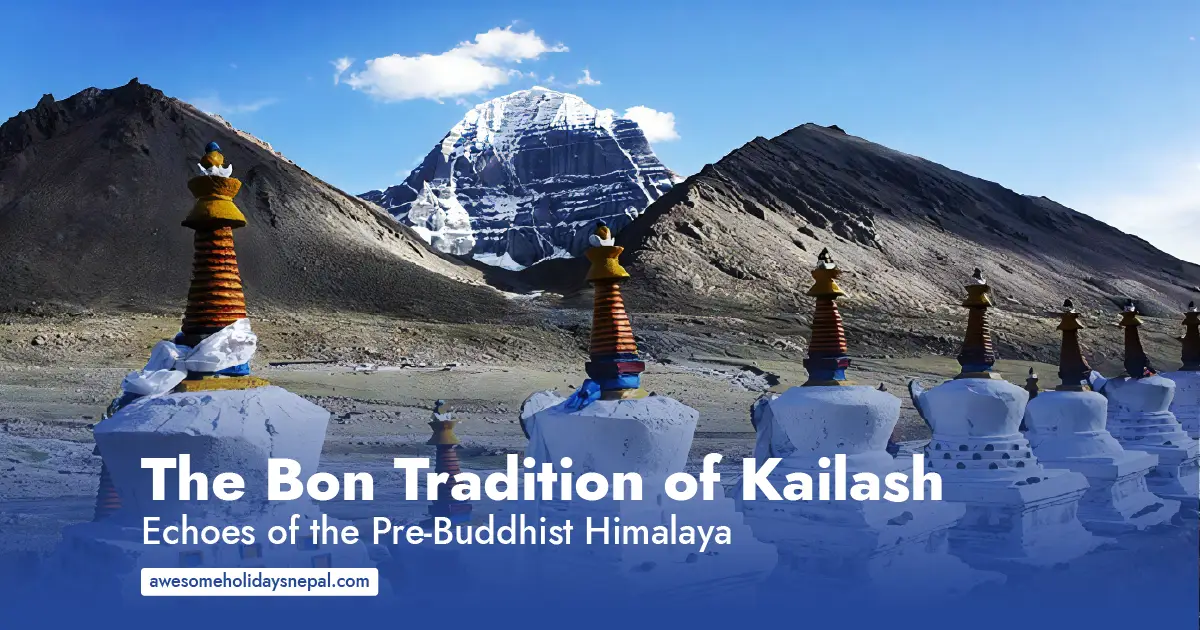
Long before Buddhism arrived on the Tibetan plateau, people used to make anticlockwise kora of Mount Kailash. These individuals are known as Bon or Bhonpo.
Bonpo of Mount Kailash is an ancient spiritual tradition of Tibet, originating from the Zhang Zhung civilization. This civilization has its roots and flourished in the western side of Tibet. Mount Kailash was the heart of their world, as the axis of the cosmic world.
For Bonpo of Mount Kailash, it is the Axis Mundi, connecting heaven, earth, and underworld. This is the holy land of Tönpa Shenrab Miwoche, who is believed to be the founder of the Bon Tradition in this land.
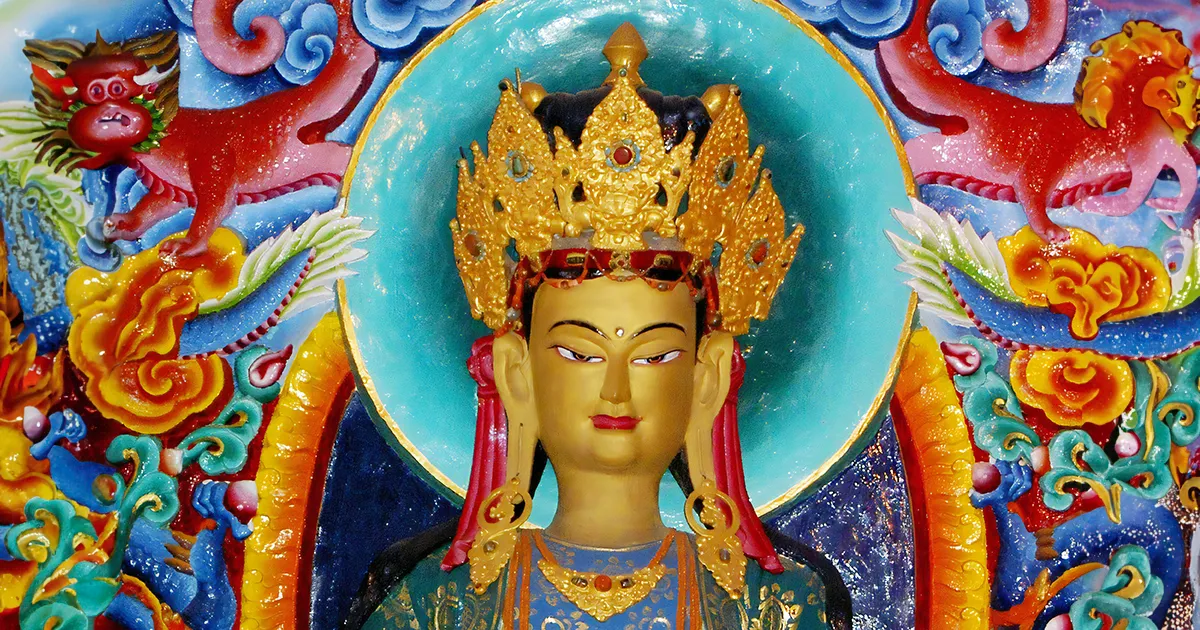
Old books describe him as a descendant of the luminous land of Olmo Lungring, a realm to the west of Mount Kailash. He came as a teacher to teach the Yungdrung Bön, known for the Everlasting Truth.
Bönpos Festivals at Mount Kailash
For Bönpos, Mount Kailash is Tisé. Mount Kailash, or Tisé in the Bön language, is a living ritual space and a site for pilgrimage, where Bonpo of Mount Kailash themselves with the mountain gods and natural spirits. The smaller community of Bon at Ngari, Purang, and Upper Dolpo (Nepal) still continues the traditions of celebrating their festivals. Following their spiritual mountain calendar.
1. Saga Dawa
This is the day that falls on the full moon night. Buddhists celebrate this Saga Dawa as the birth, enlightenment, and parinirvana of Shakyamuni Buddha, whereas Bonpos celebrate this as the commemoration of Tönpa Shenrab Miwoche.
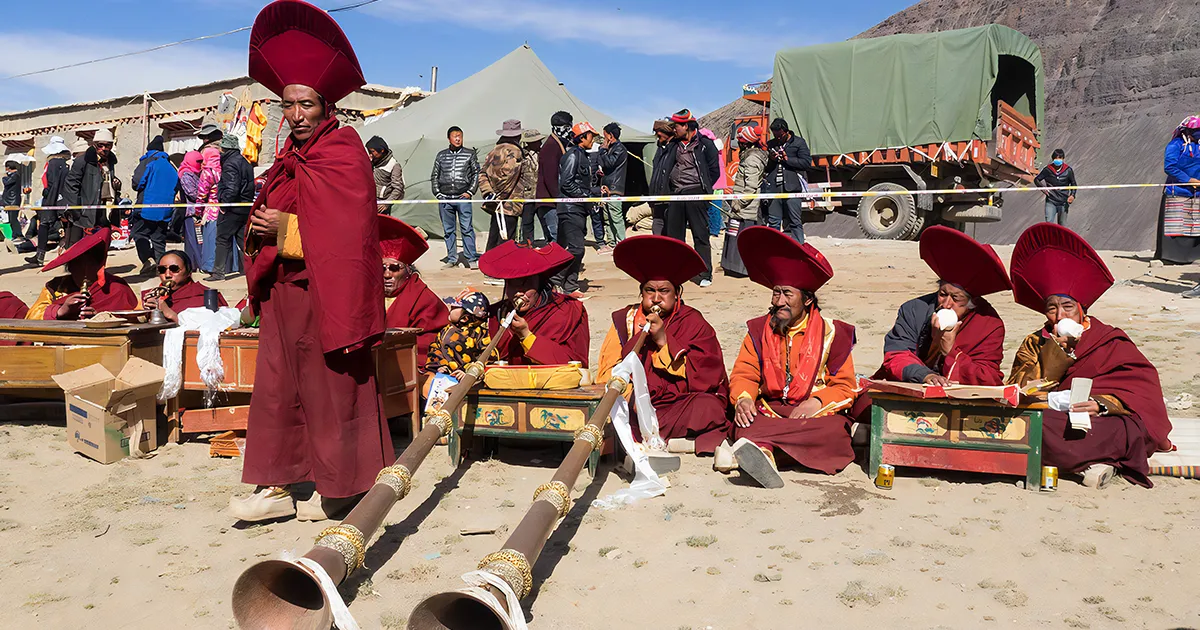
Bön followers accumulate around Tarboche and Tirthapuri, and perform their counterclockwise kora, whereas Buddhists and other people perform clockwise Kora. The Bons offer five-colored tormas, play drums, and horns to invoke the deities of water, fire, and wind.
2. Tisé Kora Duchen
During the Horse Year, which comes after every twelve years in the Tibetan calendar, the Mount Tisé Circumambulation Festival is observed. Bon and Buddhists consider the karma of Kailash Kora is multiplied by 12-fold in the horse year.
2026 is one of the Horse years that is coming after 12 years. Dölma La Pass, Dirapuk, and Serlung are major places where special ceremonies are held during the Horse year.
3. Shenrab Milarepa Festival (Chonga Chopa)
This festival is celebrated in honor of Tönpa Shenrab Miwoche and his descendants, their teachings, and liberation. Pilgrims light hundreds of butter lamps and chant to the local spirits (gnyan, lu, tsen).
4. Mountain God Festival (Yul Lha Gutor)
Gyalpo Pehar and Changshung Meri are the major deities of Kailash. Before commencing the major pilgrimages, Bönpos cleanse themselves to celebrate Yul Lha Gutor.
5. Sidpa Gyalmo Cham (Masked Dance of the Queen of Existence)
During late summer, Bon people gather around the monasteries in Purang and Hor to perform masked Cham dances in honor of the fierce protectress of Dharma.
Bon vs Buddhism: Two Paths of the Kailash Kora
Over centuries, both religions have absorbed many rituals and practices. The elements of the Bon culture and Buddhist rituals might look similar to common people. The monasteries, prayer flags, and monastic vows might make no difference.
Yet, they have some distinct features. One of the noticeable differences is the direction of Kailash Kora. Hindus, Jains, and Buddhists walk clockwise, whereas the Bons walk counterclockwise.
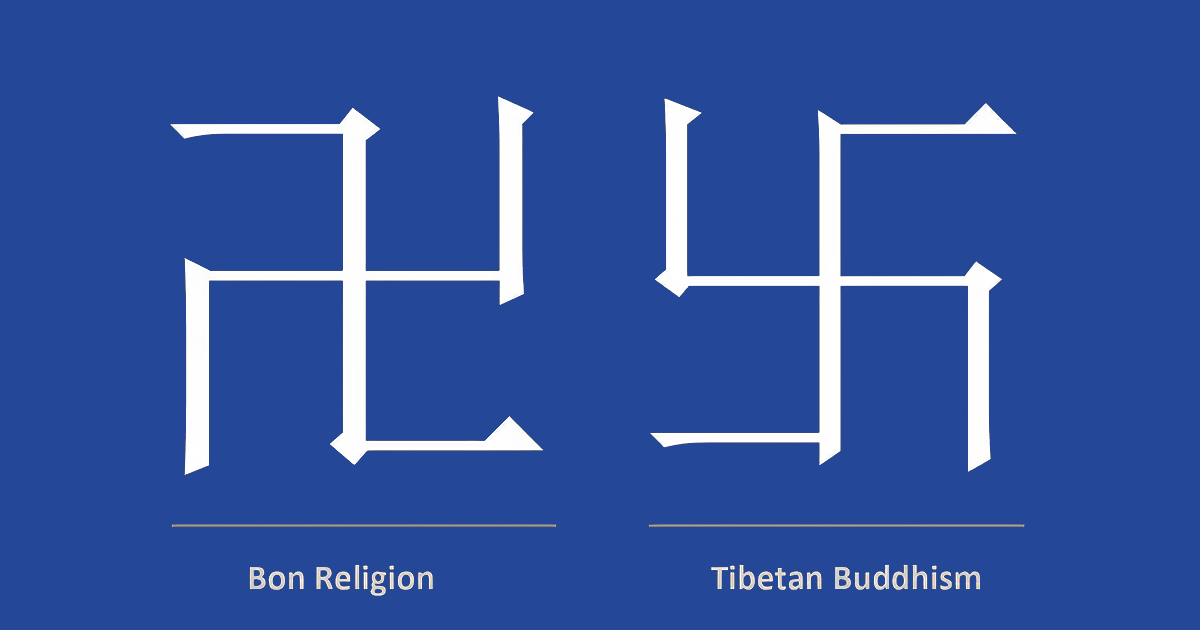
Image of Swastika Bon vs Buddhists
Counter-clockwise Direction vs Clockwise Direction
For Bons, their Swastika turns left, and for Buddhists, their Swastika turns Right. Bons are directed to their origin of the universe, and Buddhists are directed to the spreading of Knowledge. The counterclockwise direction represents timelessness and the eternal rotation of existence toward the center of origin.

The Living Tradition of Bon Religion
Walking side by side with the other four schools of Buddhism, Bons has become the fifth major spiritual tradition in Tibet. In regions like Dolpo, Mustang, Ladakh, and Amdo, Bon is still practiced as a major religion.
Lupra, a small village in lower Mustang, has been recognized as the only village in Nepal where all the people practice the Bonpo religion. So, it is also called the last Bon Village in Nepal.
Four Types of Bon Religions
DOMAI BÖN
This is the oldest school of the Bon Tradition. This is the prehistoric practice of the Zhang Zhung region in Tibet. This school is associated with the chanting and calling various classes of gods and spirits, some of which can be called ‘shamanic’.
YUNGDRUNG BÖN
This cult is sometimes also known as Bon Nyingma or Old Bön. This school of Bon is about the teachings of the Central Asian Buddha Mura Tahen, who was born in Wolmo Lungring, Tagzig to the North West of Mt. Kailash, and is known in Tibet as Tönpa Shenrab Miwoche – ‘Supreme Teacher of Men’.
It was founded by Tönpa Shenrab Miwoche, who came from a sacred land called Olmo Lungring, beyond the northwest of Kailash. His teachings were the roots of what we now call the “Path of the Swastika.”
BÖN SARMA
This is the New Bön concept, which emerged in the 8th century AD. So, it is also known as Bön Sarma, or “New Bön”. This sect came into existence when the traditional Bon got mixed with the emerging Buddhism in Tibet under King Trisong Deutsen.
MIXED BON
This school of Bon is formed when traditions from all three other Bon traditions got mixed up in different proportions. It is found that some of the ritualistic elements are also from Hinduism, Taoism, and Native Siberian ‘shamanic’ traditions.
Bons in Kasilash and Tibet
Bonpos envision Mount Kailash (Tisé) as a nine-tiered crystal stupa rising from a lotus base (Yangdrung). For them, it is the heart of the world, the center of the axis, and looks like a mirror in the form of a mandala.

Lake Manasarovar is considered a divine feminine energy, a lake of purity and reflection. The Rakshas Tal (Mapham Yumtso), on the other hand, symbolizes the darker energy of Tibet, symbolizing chaos and transformation. Together, Mount Kailash, Mansarovar, and Rakshastal create the eternal balance of yin and yang.
Rituals of Ancient Faith
Bon rituals at Kailash are deeply elemental. These are mentioned below:
Fire Element
They use juniper smoke when making Kailash Kora as a fire ritual.
Water element
The lakes, rivers, and ponds around Mount Kailash. Four major rivers in Asia, the Brahmaputra, Karnali, Sutlej, and Indus, originate from Kailash and the surrounding mountains.
Air Element
The prayers and chants whispered into the wind.
Earth Element
The stones piled as cairns holding a prayer or vow.
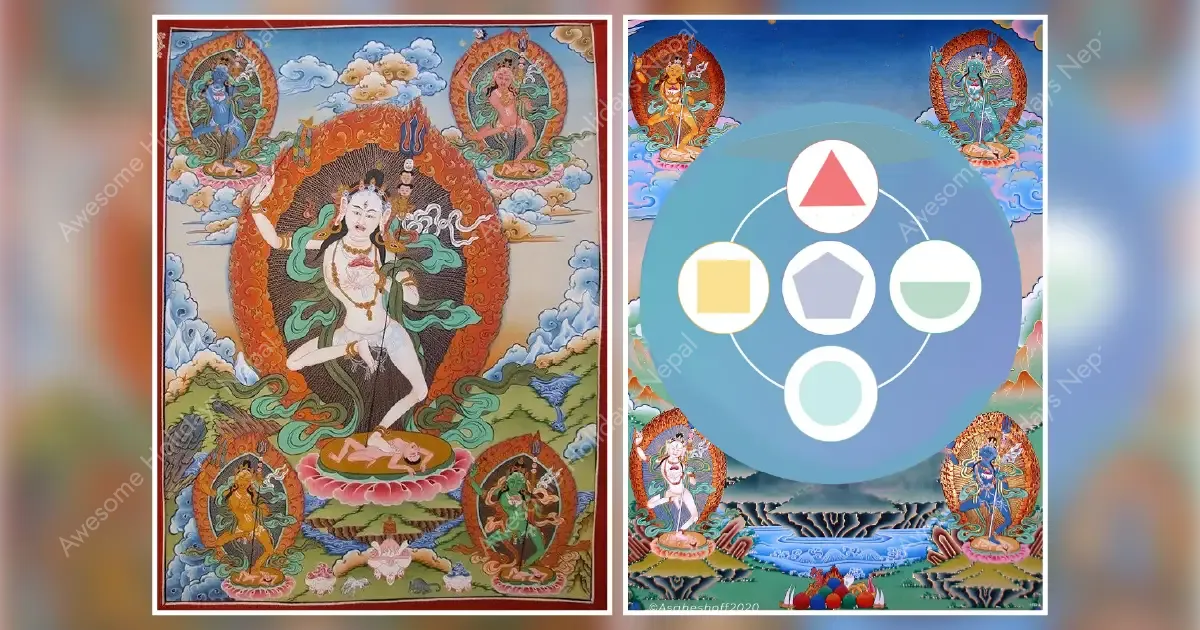
Bon Monasteries in Tibet: The Guardians of the Dharma
There are monasteries scattered, both Bon and Buddhist, like whispers from another age. The old stone structures holding faith still echo the chants of a faith. The two most significant Bon Monasteries are Menri Monastery and Yungdrung Ling Monastery.
Menri Monastery
Lying in the Tsang province is the mother monastery of Bon, established in 1405. The word Menri means “Medicine Mountain, connecting the healing elements of mountains.
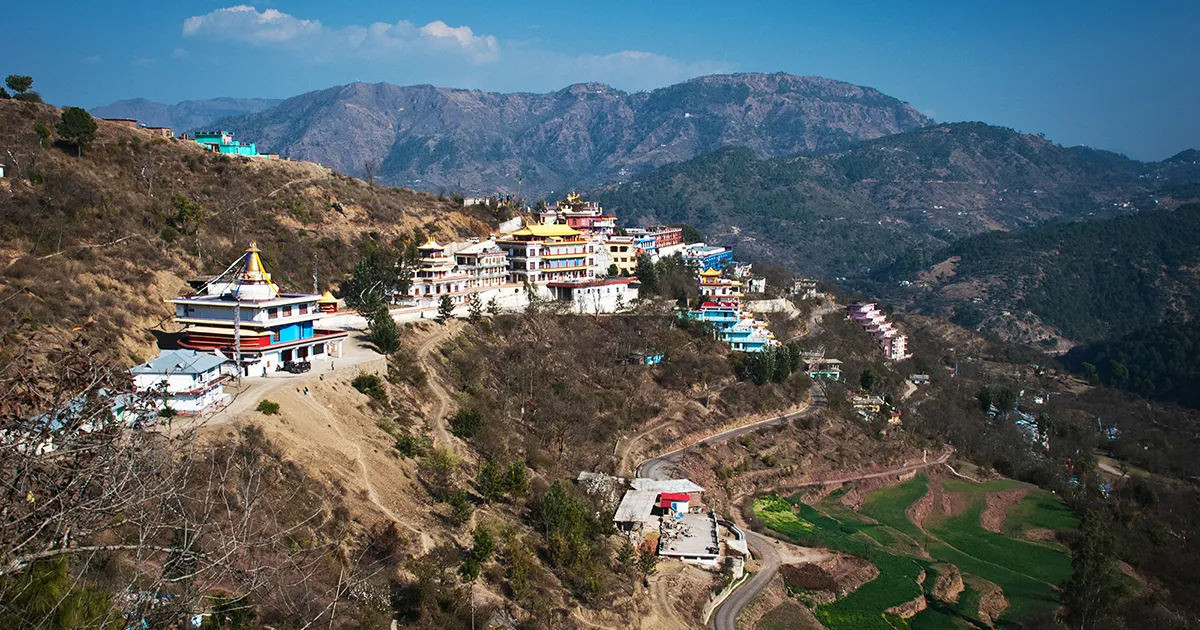
Yungdrung Ling Monastery
Once a home to 700 monks, took the scholastic tradition, philosophy, ritual training, astrology, and tantric practice, reviving the Bon tradition in the Tibetan region.
In Bon practices, Mount Kailash itself is a living symbol of Yungdrung. Mount Kailash is a spiritual Axis Mundi for the protection and preservation of Bon Dharma. The direction for Kailash Kora might be different, but the ultimate goal of a pilgrim visiting Kailash is the internal self-satisfaction and liberation of the soul.
Book your journey to Mount Kailash and the Mansarovar yatra for 2026 with Awesome Holidays Nepal.
FAQs
Expand AllWhat is Bön Po religion?
Bönpo is the ancient spiritual tradition of Tibet, that is followed before the introduction of Buddhism in Tibet. It was initiated by Tönpa Shenrab Miwoche, who taught rituals, meditation, and harmony with nature. Böns believe in practices of nature and elemental worship, mantra recitation, healing rites, and a full monastic system.
What rituals do Bön Po practice at Kailash?
Bönpos perform counter-clockwise circumambulation, with offerings of juniper smoke, take a bath at Lake Manasarovar, and make invocations of local fierce deities.
Is Bön Po older than Buddhism?
Yes, the Bonpo is older than Buddhism. Historical and oral traditions verify that Bön existed in the Zhang Zhung kingdom before the 7th century CE.
How many times do Bön Po circumambulate Kailash?
Bönpos complete the 52 KM Kailash Kora in the counterclockwise direction.
What are the main deities in Bön Po?
Key deities of Bon include Tönpa Shenrab (founder), Shenlha Ökar (compassion and light), Sipé Gyalmo (protector goddess), and other deities such as Gyalpo Pehar, Taglha Mebar, and Changshung Meri (mountain protectors).
Why is Mount Kailash sacred in Bön tradition?
In Bön cosmology, Mount Kailash or Tisé is the axis of the universe, known as Axis Mundi. Bons believe that Tönpa Shenrab, the founder of Bon, descended in Mount Kailash.
What is the difference between Bön and Tibetan Buddhism?
Bön is older than Buddhism in Tibet. In Bön cosmology, they emphasize nature spirits and elemental balance. Also, Böns circumambulates Kailash in a counterclockwise direction, opposite to Buddhists.
What symbols are used in Bön Po rituals?
Some important symbols in Bön Po rituals include Yungdrung (left-turning swastika), Phurpa (ritual dagger), Torma, Prayer wheels spinning leftward, Conch shells, dhung horns, and colored flags.
Can non-Bön practitioners visit Kailash during rituals?
Yes. Mount Kailash Yatra is open to all pilgrims, irrespective of their religion and nationality.
How do Bön Po shamans perform healing rituals?
Bön healers (shen, ngagpa) use various methods such as smoke purification, soul retrieval (bla gugs), Phurpa rituals, Invoking mountain and nature spirits. These practices are supposed to restore balance between body, spirit, and environment.
Where did Bön Po originate geographically?
Bön originated in Zhang Zhung, west of Mount Kailash, encompassing regions of Western Tibet, Upper Nepal (Dolpo), and parts of Ladakh. Tönpa Shenrab Miwoche is supposed to be the founder of the Bon Tradition.
What sacred texts guide Bön Po rituals?
The sacred texts of Bon include Kangyur, Tengyur, Gzi brjid, Gzi brjid,mDo gZer Mig, and Ziji.
Related blog posts
Discover a choice of tourist destinations loved by most of our visitors. Whether you're on a jungle safari to spot rare animals or walking through a world heritage site, these well-planned itineraries cover the major highlights of Nepal.

 call an expert at: